Politics
 With the American flag at the center of so many protests, it seemed to me a good time to discuss the flag that many, and I believe truly most, Americans hold so dear. Over the years that the United states has been a nation, there have been a number of different flags. As we grew, the flag had to change to show the growing number of states. There were people who were not happy about the move from a flag with 13 stars to one with 20 stars…so the decision was made to reduce the number of stripes to 13, in order to honor the original 13 colonies. On this day, April 4, 1818, Congress passed an act to do just that at the suggestion of United States Naval Captain Samuel C Reid. The plan also allowed for a new star to be added when each new state was admitted. The stripes would never change. The act specified that each new flag design should become official on the first July 4, our Independence Day, following admission of one or more new states. The most recent change, from 49 stars to 50, occurred in 1960 when the present design was chosen, after Hawaii gained statehood in August 1959. Before that, the admission of Alaska in January 1959 prompted the debut of a short-lived 49 star flag. If another state were ever to be added, I think it would take some getting used to. Our current flag has been the flag for 57 years after all. That is almost all of my life.
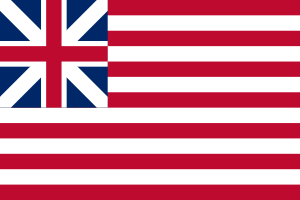
For 241 years, the American flag has been the symbol of our nation’s strength and unity. It’s been a source of pride and inspiration for millions of citizens. It has been a prominent icon in our national history. On January 1, 1776, the Continental Army was reorganized in accordance with a Congressional resolution which placed American forces under George Washington’s control. On that New Year’s Day the Continental Army moved to take back Boston, which had been previously been taken over by the British Army. Washington ordered the Grand Union flag hoisted above his base at Prospect Hill. It had 13 alternate red and white stripes and the British Union Jack in the upper left-hand corner. In May of 1776, Betsy Ross sewed the first American flag. On June 14, 1777, in order to establish an official flag for our newly independent nation, the Continental Congress passed the first Flag Act, which read, “Resolved, That the flag of the United States be made of thirteen stripes, alternate red and white; that the union be thirteen stars, white in a blue field, representing a new Constellation.” Congress passed several acts between 1777 and 1960, that changed the shape, design and arrangement of the flag and allowed for additional stars and stripes to be added to reflect the admission of each new state. The Act of January 13, 1794 provided for 15 stripes and 15 stars after May 1795. The Act of April 4, 1818 provided for 13 stripes and one star for each state, to be added to the flag on the 4th of July following the admission of each new state, signed by President Monroe. An Executive Order by President Taft dated June 24, 1912, established proportions of the flag and provided for arrangement of the stars in six horizontal rows of eight each, a single point of each star to be upward. The Executive Order of President Eisenhower dated January 3, 1959, provided for the arrangement of the stars in seven rows of seven stars each, staggered horizontally and vertically. The Executive Order of President Eisenhower dated August 21, 1959, provided for the arrangement of the stars in nine rows of stars staggered horizontally and eleven rows of stars staggered vertically. Today the flag consists of thirteen horizontal stripes, seven red alternating with 6 white. The stripes represent the original 13 colonies, the stars represent the 50 states of the Union. Even the colors of the flag are symbolic…Red symbolizes Hardiness and Valor, White symbolizes Purity and Innocence, and Blue represents Vigilance, Perseverance and Justice.
Our flag is more than just a piece of cloth, or a protesting tool. It is a flag to be proud of, not to burn. It is the symbol of a great nation…a nation that rushes to the defense of other weaker nations, so that they can remain free…a nation that vehemently protects the rights of it’s citizens, even when every fiber of its being want to slap 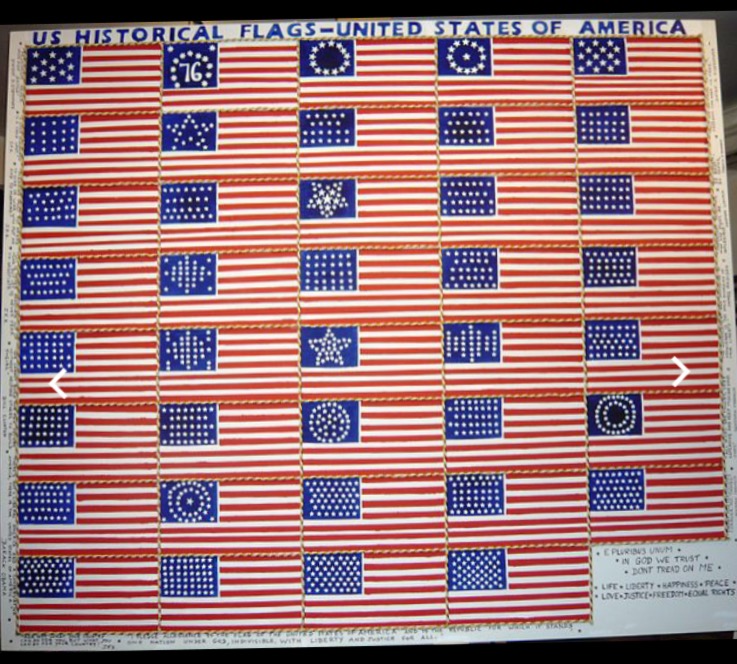 some people silly. Our nation knows that if one right is taken away, it opens a door for others to be lost as well. Our freedom depends on our insistence to follow the rules laid out before us…like them or not. As a patriot, I understand that, but I also wish that those who use the freedom to protest, would also realize that in burning the flag, they are, in essence, saying that they don’t think that we should have the very freedoms they use to protest. It is really a vicious circle when you think about it. They are fighting, and burning a flag, in an effort to have the freedom to do what they want, but in doing so, they are saying that they don’t respect the nation that made that very thing possible for them. What a strange idea!
 After the March 5, 1946, speech by former British Prime Minister Winston Spencer Churchill, condemning the Soviet Union’s policies in Europe, in which he declared, “From Stettin in the Baltic to Trieste in the Adriatic, an iron curtain has descended across the continent.” It was basically the opening remark that defined the Cold War years, and everyone knew that Russia could not be trusted. I suppose that they were similar to the North Koreans today. The Cold War would continue for the next 45 years. It was a source of concern for a number of United States Presidents over the years, as well as the American people. President Ronald Reagan was one of those presidents.
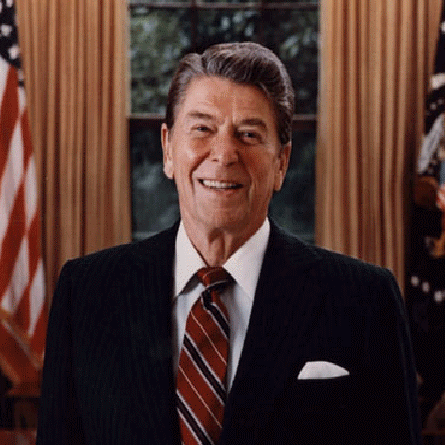
On March 8, 1983, while speaking at a convention of the National Association of Evangelicals in Florida, President Ronald Reagan publicly referred to the Soviet Union as an evil empire. It was the second time in his career that President Reagan had made this reference. He had first used the phrase in a 1982 speech at the British House of Commons. Some considered Reagan’s use of the Star Wars film-inspired terminology to be brilliant democratic rhetoric, but then in my opinion there was little about President Reagan that wasn’t brilliant. Of course, there were those within the international diplomatic community who denounced it as irresponsible bombast…typical remarks from those who would appease their enemies, thinking that it would stave off any attack. Most evil nations think of appeasement as a show of weakness…and it doesn’t do much for how the citizens of the good nations feel about their own safety either.
President Reagan was prepared to take an aggressive stance toward the Soviet Union. In his plan, known as the 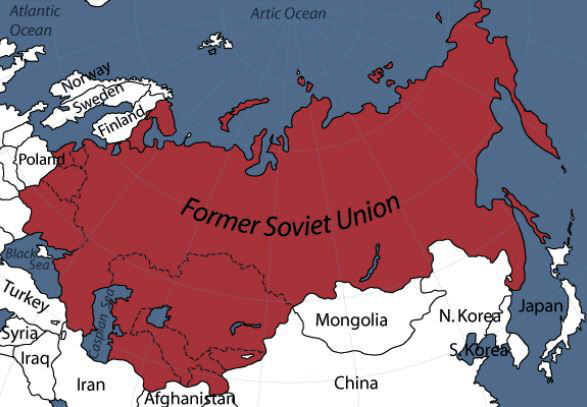 Reagan Doctrine, he warned the nations of the world against what he saw as the dangerous trend of tolerating the Soviets build-up of nuclear weapons and attempts to infiltrate Third World countries in order to spread communism. President Reagan’s policy was basically peace through strength. We had to make the Soviets understand that we would never compromise our principles and standards, nor ignore the facts of history and the aggressive impulses of an evil empire. To do so would mean abandoning the struggle between right and wrong and good and evil, and he knew that must never happen. I think we, the nations of the world, have seen just how detrimental a weak security stance can be given the current mess we are digging out of.
Reagan proposed a policy that went beyond the Truman Doctrine of containment, urging active intervention. His plan was to increase United States military spending and, if necessary, to use force to roll back communist expansion in Third World nations. His administration provided military aid to Nicaraguan groups fighting the leftist Sandinista government and gave material support to the Afghan mujahedeen in their ongoing war against Soviets. At the same time, he reassured Americans that he would pursue an understanding with totalitarian powers and cited the United States’ effort to limit missile development as a step toward peace. Reagan’s doctrine came at the same time as a surge in international and domestic protests against the United States-Soviet arms 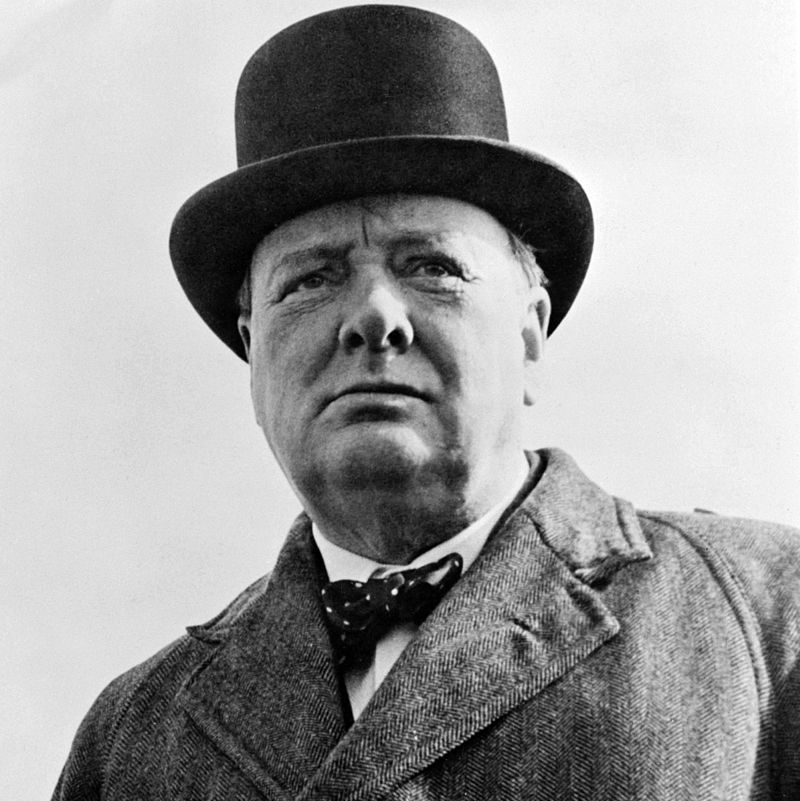 race. His opponents blamed the administration for causing the largest increase in American military spending since the beginning of the Cold War, a policy that swelled the nation’s budget deficit. I suppose that those who just look at the money, might think this was a bad thing, but in the late 1980s the Soviet Union collapsed, ending decades of communist rule in Russia and Eastern Europe. There were those who believed that it had collapsed under the weight of its own bloated defense spending and a protracted war in Afghanistan, but Reagan and his supporters credited his hard-line anti-communist policies for defeating Soviet communism. I am inclined to agree with President Reagan, because I have never believed that we can appease our way to peace and safety in this world.
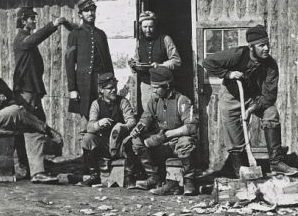 During the Civil War, the fighting was much different than these days…not just in the weapons used, but in a much bigger way. To send men out to battle in the winter was just too risky. Impassable, muddy roads and severe weather impeded active service in the wintertime. In fact, during the Civil War, the soldiers only spent a few days each year in actual combat. The rest of the time was spent getting from one battle to another, and wintering someplace because of bad weather. Even the rainy seasons caused problems, because rain brings muddy roads, and you can’t move heavy cannons on muddy roads. They get stuck. The soldiers tended to have a lot of time on their hands in the winter, and they couldn’t just go home either. In reality, disease caused more soldiers’ deaths than battle did.
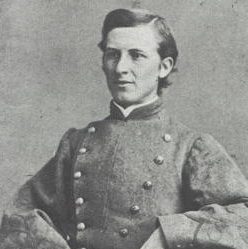
The soldiers sometimes kept journals of their time, which is where so much of the information we have about their time, came from. One such soldier was Elisha Hunt Rhodes. The winter months were monotonous for the soldiers. There was really nothing to do, but they needed to be kept in shape and at the ready, so the solution became days spent drilling. I’m sure that the boredom caused tempers to flair at times too, but the down time allowed the soldiers some time to bond and have a little bit of fun, as well. Nevertheless, the main objective for the winter months was to stay warm and busy, because their survival depended on it.
Rhodes was in the Army for four years, and he kept a journal for all of that time. He was a member of the 2nd Rhode Island Rhodes and fought in every battle from the First Bull Run to Appomattox. He rose from the rank of private to the rank of colonel in four years. According to Rhodes, the winter months were pretty quiet for the soldiers. They didn’t fight many battles, and so the months were spent drilling or smoking and sleeping. Some of the troops gambled and others drank or even visited the prostitutes who hung out around the camps. Believe it or not, the soldiers actually welcomed Picket Duty, which is when soldiers are posted on guard ahead of a main force. Pickets included about 40 or 50 men each. Several pickets would form a rough line in front of the main army’s camp. In case of enemy attack, the pickets usually would have time to warn the rest of the force. Picket Duty became a welcome break from the day to day monotony, because in Rhoades words, “One day is much like another at headquarters.”
Rhodes spent most of his winter months in or near Washington DC, giving him more diversions than some soldiers in the Civil War, who were in more remote locations. On one such trip into town came on February 26, 1862, he took the opportunity to hear Senator Henry Wilson from Massachusetts speak on expelling disloyal members of Congress. After listening to the speech, Rhodes and his friend Isaac Cooper attended a fair at a 
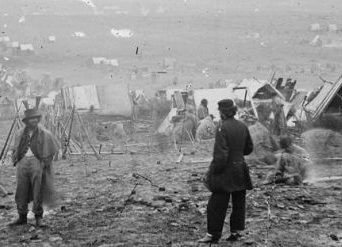 Methodist church and met two young women, who the soldiers escorted home. Like other soldiers, Rhodes welcomed the departure from winter quarters and an end to the monotony. “Our turn has come,” he wrote when his unit began moving south to Richmond, Virginia,in 1864. His winter break was over, and he would find himself back in battle again. Rhodes would survive the Civil War and after a long life, passed away on January 14, 1917 at 75.
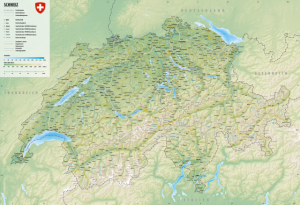 I think most of us know that a conscientious objector is a person who feels strongly about not killing…even in a war. However, there are actually entire countries who believe that way…or almost. The most well known country to claim neutrality is Switzerland. Other countries to claim non-interventionist stances include Ireland, Austria, and Costa Rica, but Switzerland is remains the oldest and most respected of them all. In fact, Switzerland has been in a state of perpetual neutrality for centuries. This state of neutrality does not mean they do not have an army, because they do. The country maintains an army for defense purposes and requires part-time military service from all males between the ages of 18 and 34. So how did this state of perpetual neutrality come about, and what does it mean exactly?
The earliest attempt by Switzerland, at neutrality came in 1515 when the Swiss Confederacy suffered a devastating loss to the French at the Battle of Marignano. After that, the country abandoned any thought of expanding it’s borders in an attempt to avoid future conflict. All this was done in the interest of self-preservation. The Napoleonic Wars, however, truly sealed Switzerland’s place as a neutral nation. Switzerland was invaded by France in 1798 and was later made a satellite of Napoleon Bonaparte’s empire, forcing it to compromise its neutrality. Napoleon was defeated, and the major European powers decided that a neutral Switzerland would provide a much needed buffer zone between France and Austria. It was assumed that their neutrality would bring stability to the region. Then during the 1815 Congress of Vienna, a declaration was signed affirming Switzerland’s state of “perpetual neutrality” within the international community. In 1920, the newly formed League of Nations officially recognized Swiss neutrality and established its headquarters in Geneva.
Switzerland’s state of perpetual neutrality has not been without it’s challenges. In World War I, it mobilized its army and accepted refugees but also refused to take sides militarily. An even bigger challenge to Switzerland’s neutrality came in World War II, when the country was surrounded by Axis powers. Switzerland continued in its neutral stance, saying that they would retaliate in the event of an invasion, but would not enter the war. Nevertheless, they continued to trade with Nazi Germany, a decision that caused controversy after the war ended.
After World War II, Switzerland has been active in international affairs by siding with humanitarian initiatives, while maintaining its neutrality when it came to military issues. 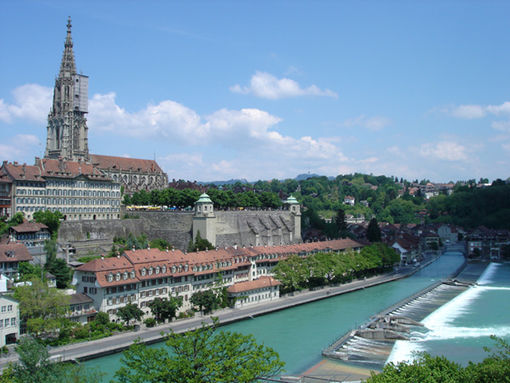 Switzerland refuses to join NATO or the European Union, and only joined the United Nations in 2002. In my opinion it might as well have stayed out of the United Nations entirely. I understand the desire to stay neutral and out of wars, but to me it seems a little bit like walking the fence. They want the good that’s offered without having to hold the evil nations accountable for their actions. I realize the Switzerland has done things for the rest of the world, but it still seems like a bit of a cop out when their trade is not affected because they refuse to argue the evil that some nations do.
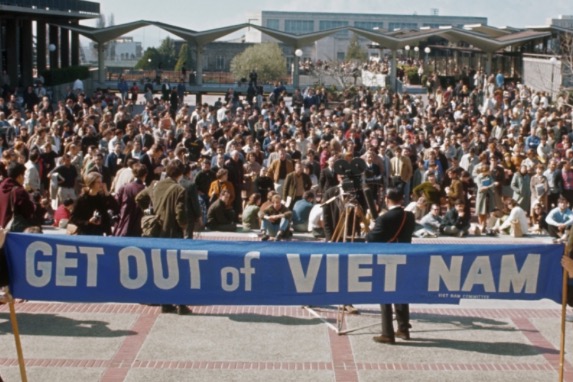 Over the years, many people have done all they could to create a world of peace, but is that really possible? I don’t believe it is. There is always a nation or group of people who have something they don’t like…whether it is politics, religion, boarders, or any number of other reasons. Periodically there are groups that try to find a way to promote peace. Some try to do so through protests against war, which is not very effective, because the protests are seldom peaceful themselves, but they do get publicity. Others try to appease the enemy, which also doesn’t work, because it is viewed as a show of weakness and compliance, causing the enemy to feel empowered.
When I was in high school, a singing group came to the school to perform for us. The group was called, “Up With People.” Their purpose was to unite the world through charity and song. It’s a noble effort, and in the Hippie Generation, of which I was a part, it all seemed possible. Of course, it wasn’t…not really. That effort ended, and another cause began, and failed as well. Oh, don’t get me wrong, people were helped, lives were changed, and everyone felt like they had made a difference. I suppose they did, but not in the area of world peace…which is, I believe, a myth. I think we as people traveling through life on earth, can help each other, donate funds, be kind, and reach out, but to make a world where there is no war…a world of peace on earth…no, I don’t think it is possible in this age…or any other.
I’m not against humanitarian groups that try to help those in need. I believe that we as humans should be 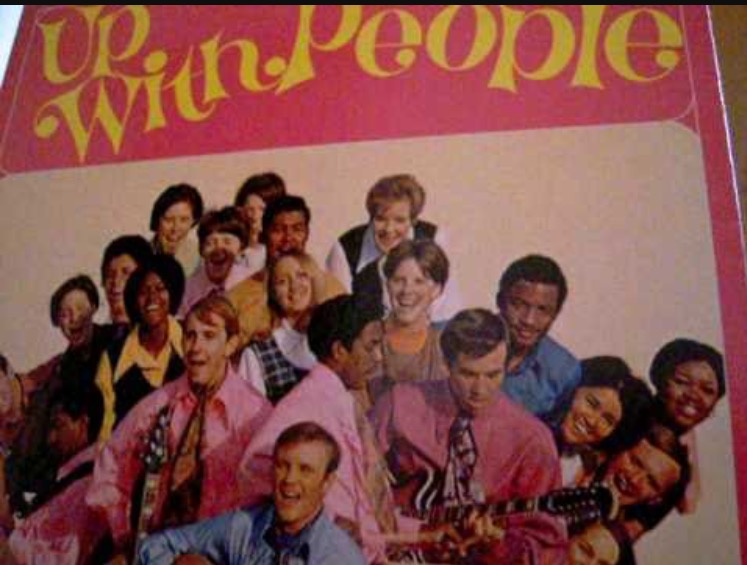 compassionate and willing to help as needed, but the reality is that we must also understand that while we can help a current need, or even some in the future, we cannot stop the evil and hatred that exists in this world. There will not be peace on earth in the way that people think it can happen, because there are too many differences…differences of opinion, beliefs, rights, wrongs, and desire, not to mention agendas. No singing group, protest, or humanitarian effort will ever make it so. I guess that in the end, all we can do is try to create peace in our own little corner of the world and pray that it multiplies so that it affects those around us, and not get so upset when we can’t find a way to create world peace, because that is an impossible feat for the human race.

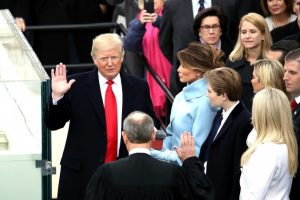 As I watched the “peaceful transition of power” from on president to the next today, I was quite moved by the prayers, the oath of office, and of course, the amazing speech given by President Donald J Trump. For those who chose Donald Trump, it was a joyous day. For those who didn’t choose him, I hope that his speech gave you some hope that the future can be bright, and less scary than you had expected it to be. Change is always something met with anticipation. It is different for everyone. Those who don’t like the change, meet it with concern, and those who like the change, meet it with joy. For me, the speech gave hope…hope of unity, prosperity, freedom, safety, and thanksgiving, but mostly of bringing God back into our country. You see, I am a patriot. I believe that this country was founded on Judeo-Christian principles, and I want God back in this country.
I have watched many inaugurations in my lifetime, and maybe I missed it, but I was disappointed by the outgoing side’s continual attempts to plug their message…a message that contained one very large mistake in my mind. Everyone kept calling our country a democracy. It is not. We are a Constitutional Republic…and not a Democracy as some would have you believe. A Constitutional Republic has a Constitution that limits the powers of the government. It also spells out how the government is structured, creating checks on its power and balancing power between the different branches. Our founding fathers knew very well the meaning of the word “democracy,” and the history of democracies. They were deliberately doing everything in their power to prevent the United States from being a democracy. The people in a Constitutional Republic have no obligation to the government, but rather, the government is a servant of the people, and obliged to its owner, We the People. Many politicians have lost sight of that fact, and that has been a major flaw in the outgoing administration. A Democracy, on the other hand, is a government of the masses, where authority derived through mass meeting or any other form of “direct” expression. It often results in mobocracy, where mobs, the offended, and protestors try to change how things run…sound familiar. Our current administration has done it’s best to incite these kinds of changes, and it is harming our country. It is my prayer that We the People, will begin to remove the idea of democracy from this nation, once and for all. I don’t say this to create a stir, but rather, in the hope that 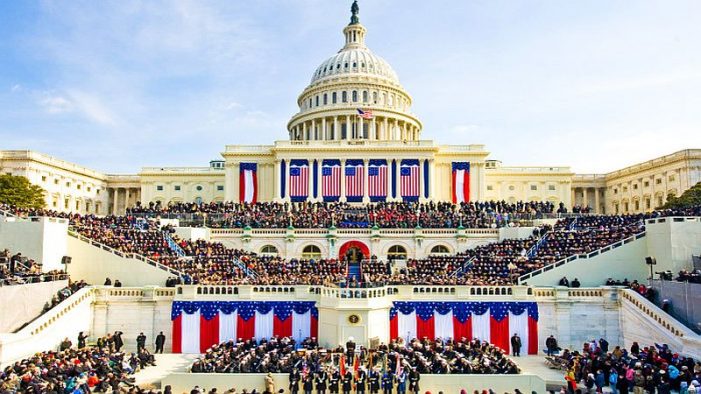 people will educate themselves on these two ideas, so that they can see how much better it is to be a Constitutional Republic.
As the United States begins a new era, with a new president, vice president, and congress, it is my hope that we can now set aside the protesting, the hatred and racism, and the lawlessness, and become a nation that is proud and honorable…a nation that exhibits respect for one another. Congratulations to President Donald J Trump, Vice President Michael R Pence, their families, and this great nation. Happy Inauguration Day, and God bless America!!
 With everyone arguing about whether or not religion has a place in politics, today seemed a good day to discuss the common misconception people have about the constitutional amendment they so often quote as the basis for their arguments. Our founding fathers came to this country, largely because in England they were forced to attend the Church of England…by law. Whether they agreed or not, or even whether the church was teaching correctly or not, was completely irrelevant. That was the church, and that was where people were expected to go. For any who wonder why so many of us are against the influx of Muslims, this is the reason…not because we disagree with their religion, but because it is the goal of Islam to force the entire world to convert to Islam. Our founding fathers, and indeed most Americans believe so strongly in the right to choose which religion, or even the lack of a religion, we want to practice, that we are willing to fight to keep that right. This amendment is simply not negotiable.
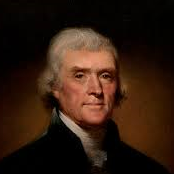
Nevertheless, the misconception comes when people misstate the first amendment, claiming that it means that religion has no place in politics. That statement is fundamentally wrong, and not what Thomas Jefferson had in mind when in 1779, he wrote the “Bill for Establishing Religious Freedom.” America was settled by people who wanted religious freedom, and Jefferson believed in freedom of religion, too. He didn’t believe that churches 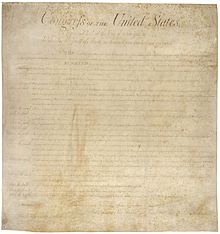 should be funded by taxes, thereby giving the government authority in the beliefs of the church. The bill said that “no man shall be compelled (forced) to frequent (go to) or support any religious worship, place or ministry whatsoever.” Some people were against it even then, and it did not become law at that time. It did, however, create a friendship between Jefferson and James Madison, who believed the say way.
In 1784, Jefferson left for Paris, France to perform his duties as US foreign minister to France. That left James Madison with the task of making the bill into law. No easy task, because it had failed on its first attempt. Undaunted, Madison presented the bill to the Virginia Assembly, and with a few minor changes, it passed in 1786. Elated, Madison sent word to Jefferson in Paris. When the bill passed, Virginia became the first state to free religions from state rule. It is still part of Virginia’s constitution. It was used as a model for other state’s constitutions. It was also used as a model for the religious language in the Bill of Rights: “Congress shall make no law respecting an establishment of religion, or prohibiting the free exercise thereof.” If people would read the Constitutional amendment and the Bill of Rights carefully, they would, indeed find that it says nothing at all about keeping religion out of politics, and everything about keeping the government out of religions. Thomas 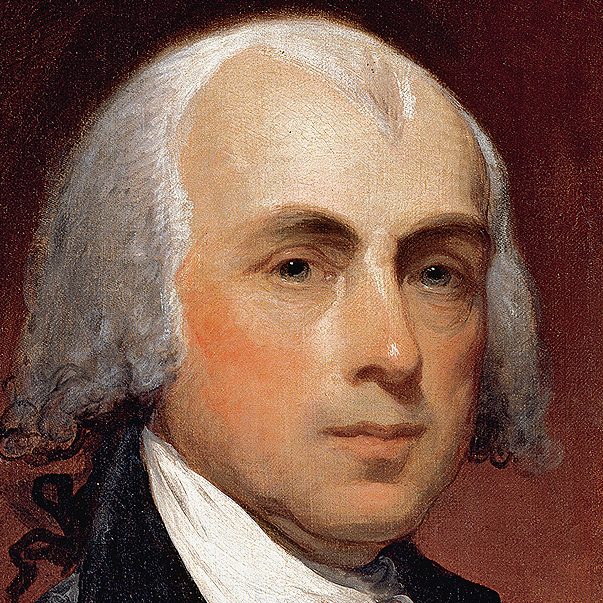 Jefferson believed the Virginia Statute of Religious Freedom was one of his greatest achievements. So strongly did he believe in his accomplishments, that he wanted his tombstone to list the “things that he had given the people.” It reads: “Here was buried Thomas Jefferson Author of the Declaration of Independence of The Statute of Virginia for Religious Freedom And Father of the University of Virginia.” Why did Jefferson want the Statute for Religious Freedom on his tombstone? It was because he could see what could happen when one religion was allowed to hold hostage the rest of the nation, or indeed, the world. That is why we will never give up the fight, and we will oppose all religions that would try to force themselves on us. People should stop using this convenient misconception to try to further their own agendas in this nation.
 Imagine living in a country where you could only go places and do things that the government allowed you to. Communist countries are that way, but in East Berlin things had taken a much more sinister turn. Throughout the 1950s and into the early 1960s, thousands of people from East Berlin crossed over into West Berlin to reunite with families and escape communist repression. The Soviet Union had rejected East Germany’s original request to build the wall in 1953, but with defections through West Berlin reaching 1,000 people a day by the summer of 1961, Soviet leader Nikita Khrushchev finally relented. The residents of Berlin awoke on the morning of August 13, 1961, to find barbed wire fencing had been installed on the border between the city’s east and west sections. Days later, East Germany began to fortify the barrier with concrete. Construction began on August 12, 1961. The Berlin Wall was actually two walls. The 27 mile portion of the barrier separating Berlin into east and west consisted of two concrete walls between which was a “death strip” up to 160 yards wide that contained hundreds of watchtowers, miles of anti-vehicle trenches, guard dog runs, floodlights and trip-wire machine guns. Overnight, people who had family on the other side of Berlin were no longer able to see them. There was no recourse, and no warning. At first people could see their loved ones across the fence, but when the walls went up that ended too.
For almost 2½ years those on one side of the wall were lost to those on the other side of the wall. What the Communist regime didn’t anticipate was the fact that people would still find a way to escape. There were 39 deaths at the Berlin Wall between 1961 and 1963, and a total of 139 between 1961 and the wall’s demolition in 1989. That might not seem like so many, but when you take into account the fact that the people inside East Berlin were so closely watched, that it was almost impossible to get to supplies they needed to plan and carry out their escape attempt. Nevertheless, some people did make it safely across. No one knows for sure exactly how many people reached the western part, but some estimates claim that 5,000 East Germans reached West Berlin via the Wall. Men, women and children snuck through checkpoints, hid in vehicles and tunneled under 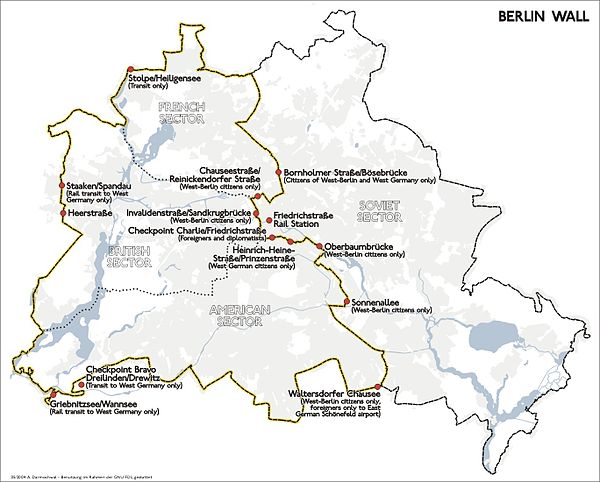 the concrete. They used hot air balloons, diverted the train, crossed the river on an air mattress, by swimming, and even by zip line and tight rope. These people really wanted their freedom.
Finally, on December 20th through 26th or 1963, the Communist regime decided that if they issued 1 day passes to those in West Berlin, maybe it would stop the escape attempts. The East Berliners were not allowed to leave, but the West Berliners could come in and see friends and family members. I can only imagine how the people from West Berlin felt. They wanted to go and see their friends and family, but would they be allowed back out, or was this just a trap? Nevertheless, it was Christmastime, and it had been so long since they had seen them. So, nearly 4,000 West Berliners crossed into East Berlin to visit their relatives. It was all part of an agreement reached between East and West Berlin, over 170,000 passes were eventually issued to West Berlin citizens, each pass allowing a one day visit to communist East Berlin for the Christmas (Passierscheinregelung) season that year.
The day was one filled with moments of poignancy and propaganda. Tears, laughter, and other outpourings of emotions characterized the reunions that took place as mothers and fathers, sons and daughters met again. They were so happy, if only for a short time. Cold War tensions were mixed in too, however. Loudspeakers in East Berlin inundated visitors with the news that they were now in “the capital of the German Democratic Republic,” a political division that most West Germans refused to accept. Visitors were also given a brochure that explained that the wall was built to “protect our borders against the hostile attacks of the imperialists.” They were told of how the decadent western culture, including “Western movies” and “gangster stories,” were flooding into East Germany before the wall sealed off such dangerous trends, and that made it “necessary” to build the wall. West Berlin newspapers berated the visitors for being “pawns” of East German propaganda. Editorials argued that the communists would use these visits to gain West German acceptance of a permanent division of Germany. The visits, and the high-powered rhetoric that surrounded them, reminded everyone that the Cold  War involved very human, often quite heated, emotions. East Berlin allowed these similar and very limited arrangements in 1964, 1965 and 1966. In 1971, with the Four Power Agreement on Berlin, agreements were finally reached to allow West Berliners to apply for visas to enter East Berlin and East Germany regularly, however, East German authorities could still refuse to honor the entry permits. Finally in 1989, at President Ronald Reagan’s insistence, the Berlin Wall came down, and this inhumane treatment of the East German people ended.
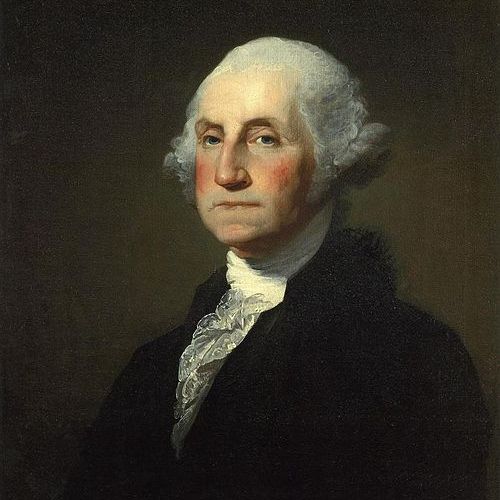
 When we think of dinners with the President of the United States, we think of state dinners with tons of security, and massive pre-planning. Presidential dinners have changed distinctly since Washington’s day. The nation was much smaller for sure, and he could easily get together with all of his advisors and Congress in one place, I’m sure. In fact, George Washington was basically in uncharted waters. So, he decided that on Thursday evenings, he would have the brightest minds in the nation over for a casual dinner. At that time the nation’s capitol was still in New York City, so those casual dinners were never held in the White House. George Washington and his family lived in executive mansions in lower Manhattan, which was close to other governmental buildings in that era. While Washington entertained foreign dignitaries and other heads of state at public receptions on Tuesdays and Martha Washington regularly invited guests to their home on Fridays, Thursday evenings were reserved for formal dinners with congressional leaders, their wives and close personal friends of the Washingtons.
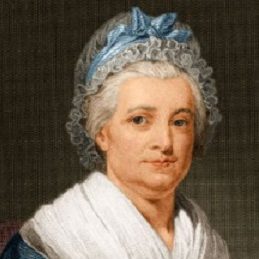
In reality, these dinners were elaborate affairs. They started promptly at 4:00pm, because Washington refused to wait for latecomers. I guess every president has his own idiosyncrasies. The parties numbered up to two dozen people, gathered around a table set with the Washington family silver and china. Unlike some state dinners, in which the President and his wife occupy the head of the table, Martha Washington preferred to sit in the middle of one side of the long table and President Washington sat directly across from her. The ends of the table were occupied by a secretary to help with the conversation and roast carving. The roast carving was necessary too, because there were a lot of roasts to be carved. The dinners were comprised of three courses, but that did no limit the selection. There would commonly be upwards of twenty different dishes in each course…all of which were brought to the table at the same time.
The various dishes were the finest that New York had to offer, and the guests were lavished with the exquisite meals. Manhattan was in the middle of New York City, but in 1700, it was still quite wild. The island had an assortment of venison, rabbit, and duck that were hunted for food. Oysters were abundant in the Hudson River. Jellies, dried fruits and nuts were served alongside, although you wouldn’t have seen potato or tomato dishes, because those foods were regarded as unfit for humans to eat in those days. Wine was drunk with dinner, although George Washington was said to prefer a tankard of ale over a glass of claret.
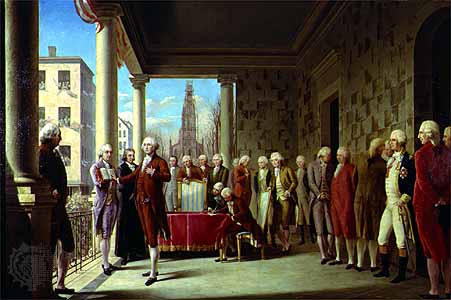
When dinner was over, Washington would raise a toast to the assembly, and then the ladies would retire to Martha’s drawing room for “coffee and civilized conversation.” The gentlemen would remain in the dining room, lingering over cigars and wine, but not for very long. The president only stayed another thirty minutes before joining the women in the drawing room. One of his personal secretaries would stay on in the dining room with the men to preside over political chats for another hour or so, until the company left and the Washingtons’ Thursday dinner was over…until the next week. George Washington passed away on this day, December 14, 1799.
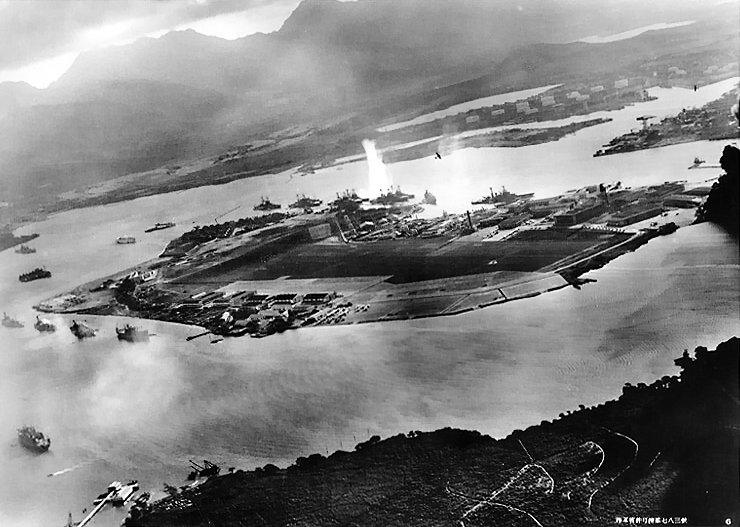
 Whether people remember the date or not, I think that most people know that the attack on Pearl Harbor was what took the United States into World War II. Negotiations with Japan had broken down, and President Franklin Roosevelt and his advisors knew that in all probability, the Japanese would attack the United States. Still, nothing was done to increase security at key points, like the naval base at Pearl Harbor, Hawaii. This was especially an important base, because of it’s location. It was a place that early warning could have been given to the mainland, or where an attack could have been thwarted, but as often happens in government, the leaders don’t want to scare the nation, so they try to keep things from them…a plan the is fraught with folly. The best weapon a nation can possibly have is preparedness.
December 7, 1941 was a beautiful Sunday in Hawaii, 75 years ago today, and many military personnel had been given passes to attend church services off base. At 7:02am, two radar operators spotted large groups of aircraft in flight toward the island from the north, but with a flight of B-17s expected from the United States at the time, they were told not to sound an alarm. At 7:55am Hawaii time, a Japanese dive bomber bearing the red symbol of the Rising Sun of Japan on its wings appeared out of the clouds above the island of Oahu. Behind it came a swarm of 360 Japanese warplanes, descending on the US naval base at Pearl Harbor in a ferocious attack. The United States was unprepared, and the surprise attack struck a critical blow against the US Pacific fleet drawing the United States irrevocably into World War II.
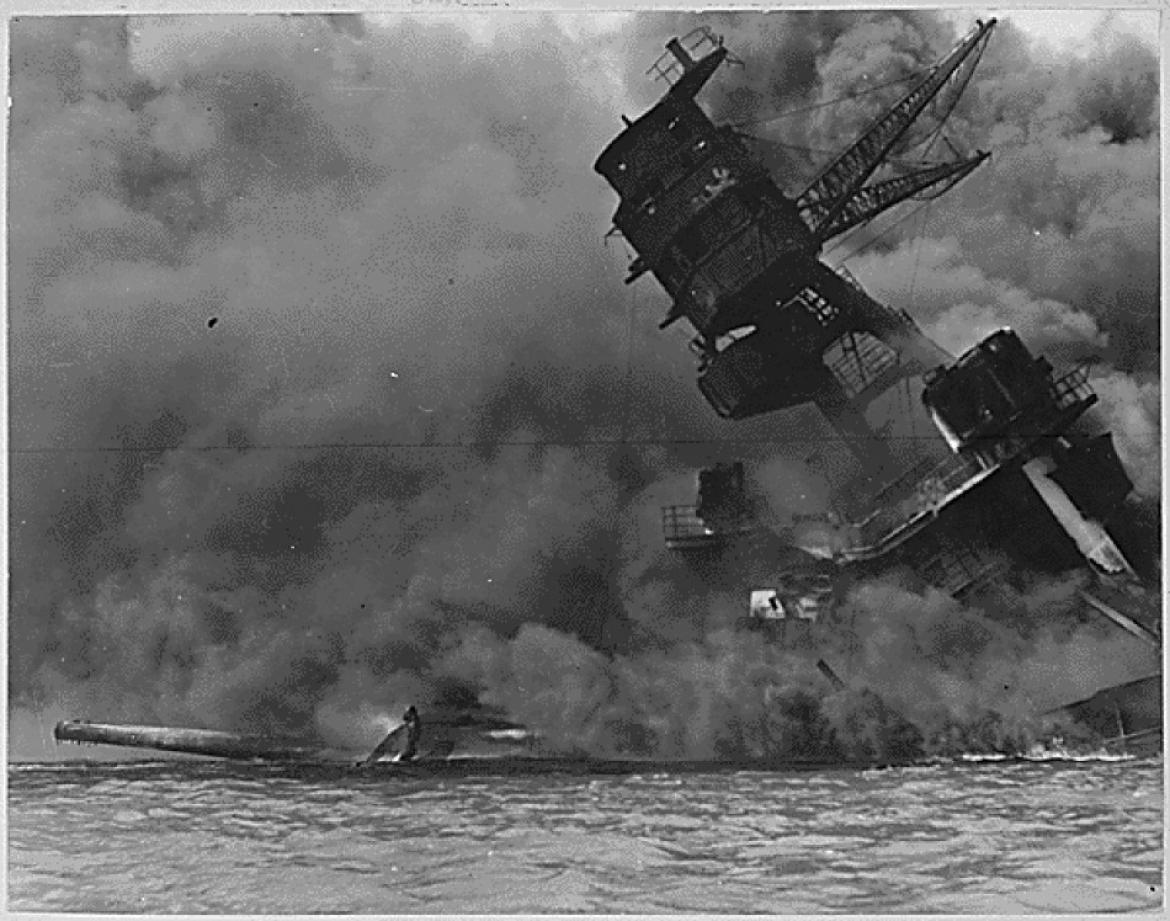
In an attack that lasted just under two hours, the Japanese rendered much of the Pacific fleet useless, including five of eight battleships, three destroyers, and seven other ships that were sunk or severely damaged, and more than 200 aircraft that were destroyed. A total of 2,400 Americans were killed and 1,200 were wounded, many while scrambling in a valiant attempt to repulse the attack. Japan’s losses were some 30 planes, five midget submarines, and fewer than 100 men. Fortunately for the United States, all three Pacific fleet carriers were out at sea on training maneuvers. These giant aircraft carriers would exact their revenge against Japan six months later at the Battle of Midway, reversing the tide against the previously invincible Japanese navy in a spectacular victory…a beating that Japan would not forget.
The day after Pearl Harbor was bombed, President Roosevelt appeared before a joint session of Congress and declared, “Yesterday, December 7, 1941…a date which will live in infamy…the United States of America was suddenly and deliberately attacked by naval and air forces of the Empire of Japan.” After a brief and forceful speech, he asked Congress to approve a resolution recognizing the state of war between the United States and Japan. The Senate voted for war against Japan by 82 to 0, and the House of Representatives approved the resolution by a vote of 388 to 1. The sole dissenter was Representative Jeannette Rankin of Montana, a devout pacifist, who had also cast a dissenting vote against the United States entrance into World War I. Three days later, Germany and Italy declared war against the United States, and the United States government responded in kind. The American contribution to the successful Allied war effort spanned four long years and cost more than 400,000 American lives.
I have never personally been to Pearl Harbor, but I am told that the Arizona Memorial, that stands above the sunken ship, that is grave to the brave men who died inside, displays a feeling of sadness, and of being on 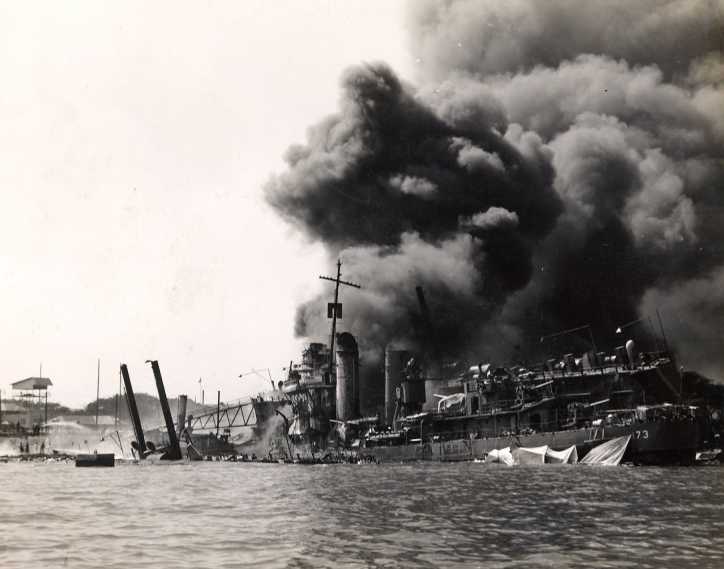
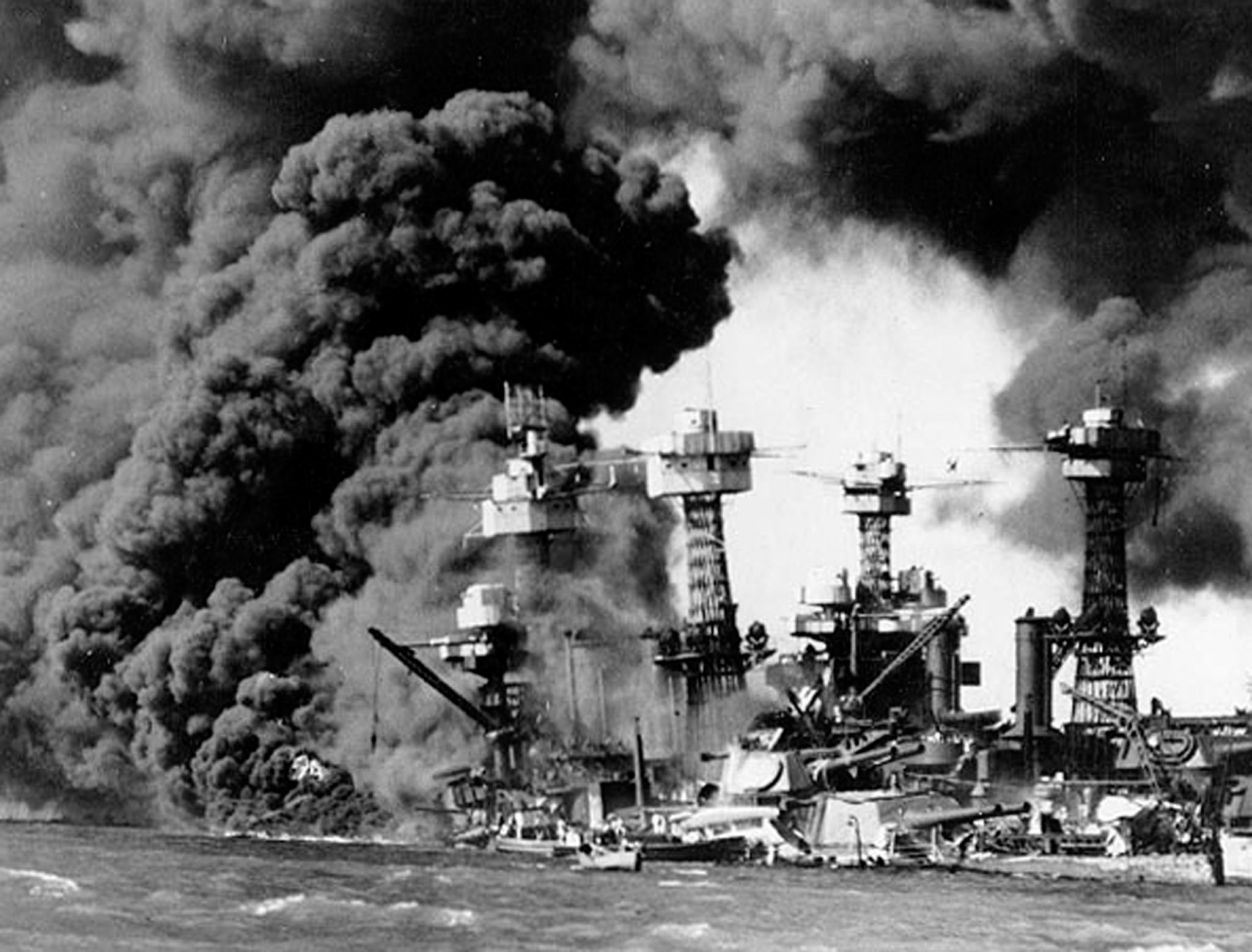 hallowed ground. It is a feeling I felt when I walked through the cemetery at Gettysburg. The men who died there…who bravely gave the ultimate sacrifice deserve the respect of those who would come to visit. I do not believe in ghosts, but I do believe that God gives cemeteries, in general, and military cemeteries especially an air of quiet honor reserved for the dead. Let us never forget that our greatest weapon in all areas of life is preparedness.

