Monthly Archives: April 2026

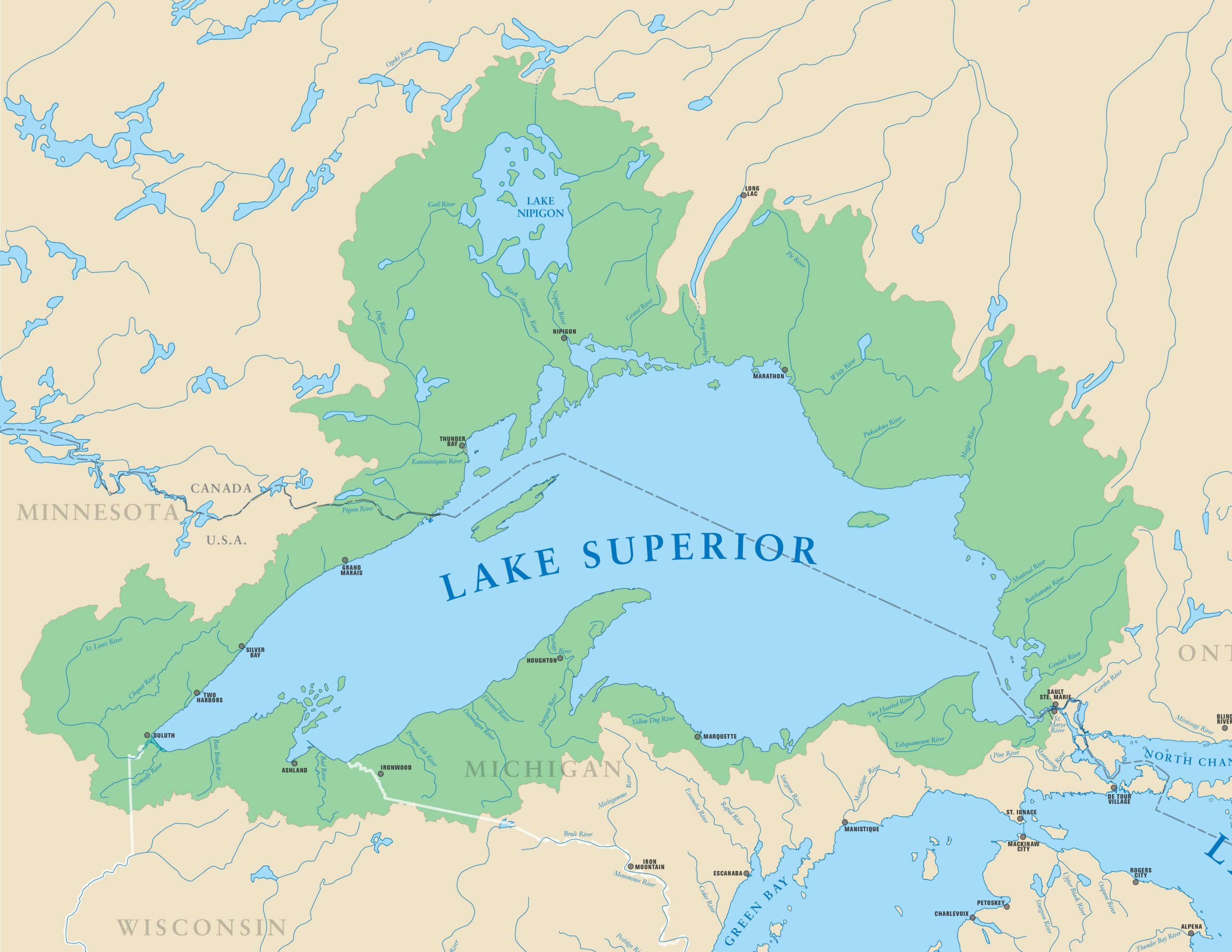 Growing up, I lived in Casper, Wyoming, and still do. However, I always knew that I was born in Superior, Wisconsin. Superior always seemed like a fairly big place to me when my parents, Allen and Collene Spencer would take my sisters and me back there for visits. Then, in 2014 when my sister, Cheryl Masterson, our mom, and I went back after a number of years away, I was rather surprised at how small Superior seemed…especially in relation to Duluth, Minnesota, which had always seemed like a sister-city to me. In reality, the two cities were originally sister-cities, but rivalries over the years changed all that and the change was evident when I was there in 2014.
Superior, Wisconsin, and Duluth, Minnesota, are the biggest cities on Lake Superior, together known as the “Twin Ports.” Back in the late 1800s and early 1900s, Superior actually had more people than Duluth, thanks to its booming role as a major shipping hub during the Great Lakes shipping expansion. At its peak in the early 1900s, Superior’s population topped 100,000, making it the largest city on the Great Lakes. Duluth was also an important port, but smaller at the time. The balance of population might have stayed that way if not for the long-standing rivalry between the two cities. It all began when Duluth wanted its own direct lake access, but it lacked a natural entry. The US government favored a cheaper plan to improve Superior’s access instead. Duluth fought back, and after a legal battle with Wisconsin leaders, some locals took matters into their own hands, secretly digging a canal at night. At the time of the final push to finish the canal, an injunction was on its way from Superior to stop the Duluth canal, but when it arrived, it was too late. By 1887, the US Army Corps of Engineers had taken control of building the lift bridge and canal, paving the way for the iconic Aerial Lift Bridge, 
 now on the National Register of Historic Places. This rivalry and the canal have been central to shaping both cities’ history and identity.
By the middle of the 20th century, Duluth’s population began to grow faster due to industrial development, especially in the iron ore mining and smelting industries, and its proximity to the Iron Range. This growth eventually made Duluth the larger city in the Twin Ports area. Today, Duluth remains the larger city in terms of population: about 87,680 residents in 2023 compared to Superior’s roughly 66,870. However, Superior remains the larger city in terms of land area (about 207.6 square miles vs. Duluth’s 80.2 square miles) and is the largest US city on the Great Lakes by land area. I don’t know if the land size really provides much consolation for the city of Superior, but the two cities seem to have worked things out…I guess. To the unsuspecting public, the two cities seem to function as one big city. the bridges that run between the two cities are always busy as people go back and forth to different businesses on both sides. The two main bridges connecting Duluth, Minnesota, to Superior, Wisconsin, are the John A Blatnik Bridge and the Richard I Bong Memorial Bridge. Opened in 1961, the John A. Blatnik Bridge carries Interstate 535 (I-535) over the Saint Louis Bay. It is a vital freight and commercial link between the Twin Ports, serving an average of 33,000 vehicles daily. The bridge is nearing the end of its service life, and a replacement project is planned, with construction expected to begin in 2026 and last until 2031. The new bridge will include a shared-use path and improved access to Superior. The Richard I Bong Memorial Bridge opened on October 25, 1984. It connects Duluth and Superior via US Highway 2. It spans approximately 
 11,800 feet, with about 8,300 feet over water, and rises 120 feet above the river to accommodate maritime traffic. This bridge handles about 16,100 vehicles daily and is currently the only pedestrian and bicycle crossing between the two cities. Together, the bridges give the two cities the feel of being one. I have family living in both cities, and when I think of them, it seems to me that they all live in the same city.

 Writing about my own birthday feels…more than strange somehow. The due date my mother was given for me was April 27th…my dad’s birthday. You can imagine how happy they were, but, as my dad liked to say, I was a stubborn child and refused to arrive on time. I know I’ve always been a stubborn person, but I don’t think that was always a bad thing. On its good side, I stick with something until I succeed, which I think of as a good quality. Still, my stubbornness wasn’t always entirely appreciated in my parents’ house when I was younger…unfortunately!!
I loved to debate…which my parents always called arguing…imagine that!! I had always had my own ideas, and I don’t think my parents really understood that, or maybe they just didn’t appreciate it. My dad probably gave me a bit more freedom in arguments than my mom would have preferred, and definitely more than my sisters thought I would survive. But somehow, I made it through childhood without my parents losing it too badly over my stubbornness, and I managed to make it into adulthood.
I think it was in adulthood that I really grew into my stubbornness. I’ve always hated losing, and it’s that stubborn streak that pushes me to keep trying and working at something until I succeed. I’ve always felt my stubbornness played a big role in why my marriage worked…along with the fact that Bob shares the same stubbornness and distain for losing. Like anyone who’s been married a long time, I’ve read all kinds of opinions on what makes a marriage succeed, but I believe that if you don’t stubbornly commit to making it work, it just won’t. No one can follow every suggested step to a perfect marriage…not if they’re actually living life. You just have to love each other, accept your spouse for who they are, and learn to get along. Of course, loving your spouse naturally involves some of those “steps,” but they happen on their own, not through planning.
My stubbornness played a role in my career too. It is what made me work hard and made me determined to succeed. It is also that stubbornness that makes me fight for the health of those I love. As a caregiver, I hated to have to put my parents or in-laws in the hospital. I wanted them to be healthy, and it infuriated me when I couldn’t keep them healthy, but I rejoiced when I was able to bring them home and watch them get strong 
 again. I feel the same way about my husband and my aunt. My stubbornness also makes me work hard on my health.
Most people see stubbornness as a negative trait…one to avoid, but not me. I’ve learned to accept mine and even be grateful for it. It’s become a defining part of who I am. I think that’s because there are both good and bad kinds of stubbornness, and I’ve chosen to make mine work in a positive way. Stubbornness can be embraced and used to our advantage, but only if we make sure that it is directed at positive things and not at negative things.

 “York, now Toronto, was invaded by the US twice during the War of 1812. The first time, they stayed for a few days and burned the parliament and raided the library. The second time, a year later, the invading commander returned a bunch of the books, apologized for the soldiers’ theft, and then left after realizing there was no strategic benefit to remaining there.” I find it odd to think of an invading army raiding a library and stealing books, much less to have said army return a year later, with full apology to return said books, as if they were simply “overdue” and not actually stolen. Was the raid because the men needed something to read on the long Winter nights while awaiting the ability to go into battle again. Such long layovers…”wintering” as it were, were not uncommon in wars of that era. The armies had no choice during the wars, but to camp out and in the Winter, that could be brutal, so holing up in some town along the way afforded a chance at much needed warmer accommodations.
By the second year of the War of 1812, battles were raging across the United States and Canada. Washington DC, the young capital city, and the White House had not yet been burned. Believing that striking the British on their own turf could weaken their grip on Canada, American forces launched an attack on April 27, 1813. Seventeen hundred troops, supported by sixteen ships carrying eight hundred sailors and one hundred twelve cannons, assaulted York…modern-day Toronto. Two of the ships served as troop transports, a fact that might lay credence to the idea of the men needing something to read.
York, the capital of Upper Canada, was a major target with Fort York defended by 750 British soldiers and Ojibwe allies. The American forces were under Zebulon Pike, while the British were commanded by Major General Roger Hale Sheaffe, the Lieutenant Governor of Upper Canada. Sent to Canada at the outbreak of war, Sheaffe earned a barony for his service and had led a successful victory at the Battle of Queenston Heights in October 1812. Pike, known for exploring the American West and Louisiana for Thomas Jefferson, had been promoted to Brigadier General after the Battle of Tippecanoe in Tecumseh’s War of 1811. He was just thirty-four during the Battle of York.
The Americans looked at the rivers and waters of Canada with their potential for trade and transportation as a matter of great importance and had plans to take control of Canada. They had not accomplished that yet, but it was an important goal set by President Thomas Jefferson, Secretary of War John Armstrong Jr, and General Henry Dearborn. They concentrated their troops and warships at Sackett’s Harbor and desired to capture Kingston, which harbored most of the British naval vessels. After that, they planned to capture York, the capital city. They had placed three thousand troops at Buffalo; three thousand three hundred on the Niagara frontier, and four thousand at Sackett’s Harbor. There was an additional five thousand at Lake Champlain and two thousand south of Detroit. The total amount of British and Canadian forces across the entire area was seven thousand seven hundred. Sheaffe knew of those deficiencies, as well as those at Fort York, and the rear of the town, which was defenseless.
Plans changed when Dearborn learned Kingston was too heavily fortified and its British ships were still trapped in ice. The strategy flipped…Zebulon Pike and Commodore Chauncey would first depart Sackett’s Harbor, New York, to attack the capital, then move on to Kingston. Winter ice on Lake Ontario had delayed their push north, but by April 27th they reached the city, facing enemy fire from Indian allies along the route from the landing site west of town to the fort. Chauncey had been meticulous, however, in positioning his fleet after arriving near Gibraltar Point around 5am. First, he landed troops west of downtown near Grenadier Lake in Humber Bay. Second, he took a position at the foot of Dufferin Street by the British western battery. And finally, third, he blockaded the harbor directly in front of Fort York.
The attack was not really a total secret. The residents spotted the approaching ships. Poet Charles Mair wrote, “What news is this? Everyone’s on the move and heading here. York’s citizens have become warriors. The learned professions take up arms, and gentle hearts beat proudly for Canada. As you pass, you see everywhere…through the open doors and windows of each house…Canadian maids holding their departing lovers close, and loyal matrons bustling around their husbands, fastening their gear or, with tearful eyes, kissing them off to war.” At every position, Chauncey’s ship guns were too powerful to resist, allowing Pike’s men to land with ease. With their superior numbers, they quickly captured the fort, prompting General Sheaffe to order a retreat by early afternoon and leaving the local militia to negotiate the terms of surrender.
Knowing they had little chance of victory, the British retreated as the battle raged on, but not before setting the fort ablaze to keep the Americans from seizing its supplies and gunpowder. The resulting explosion of the powder magazine wounded 222 American soldiers and killed 38, including General Pike, as they were rounding up prisoners. Up to 40 British and allied soldiers were also killed. The capture came at a steep cost, and after the blast, the British and their allies endured a grueling march to Kingston. In retaliation, the remaining American forces turned on the city of York, burning public buildings, the Palace of Government, the Courthouse, and several businesses and homes. Still, they only occupied the city from April 27 to May 1, finding no strategic reason to stay. The spoils from the town and fort included two ships intended to aid in an attack on Fort Ontario that summer, though one was destroyed by the British before departure. At the time, the capital was home to just a thousand residents, most living along the River Don. Many believe that the British burned Washington DC, including the White House, in 1814 as payback for the American attack on York.


The surrender of the fort tarnished British Brigadier General Sheaffe’s reputation for yielding it so quickly, leading to his recall to England. The old Fort of New York, now known as Fort York National Historic Site, was rebuilt after the attack and served military purposes until it was transformed into a historic site between 1923 and 1934. The city of York officially became the incorporated city of Toronto on March 6, 1834.

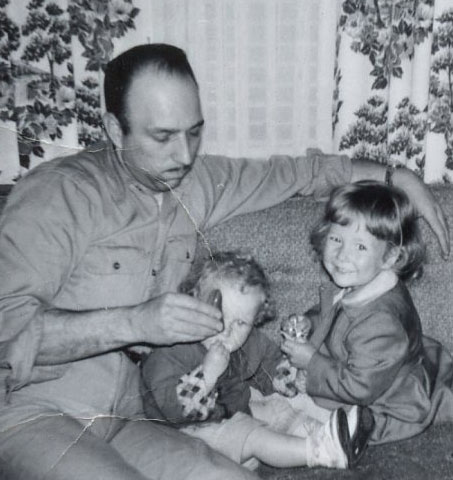
 My dad, Allen Spencer has always been my hero. I know my mom, Collene Spencer and my sisters, Cheryl Masterson, Caryl Reed, Alena Stevens, and Allyn Hadlock have always felt that way too. Dad was our hero, because of the wonderful life he worked to give us, but mostly because of the solid Christian upbringing he and our mom provided us. Dad was the best “Girl Dad” ever. He treated his girls, including Mom like princesses. We weren’t wealthy, but we felt like royalty anyway…and that was before we knew much about our relationship to nobility in England.
There was another relationship to England for our family too. Dad served as the top turret gunner and the flight engineer on a B17 Bomber, stationed at Great Ashfield, Suffolk, England. It was a base in the middle of the English countryside, surrounded by civilian towns and farms. These people knew all too well how important the United States military presence was to their safety, and indeed their very lives. This was another place where 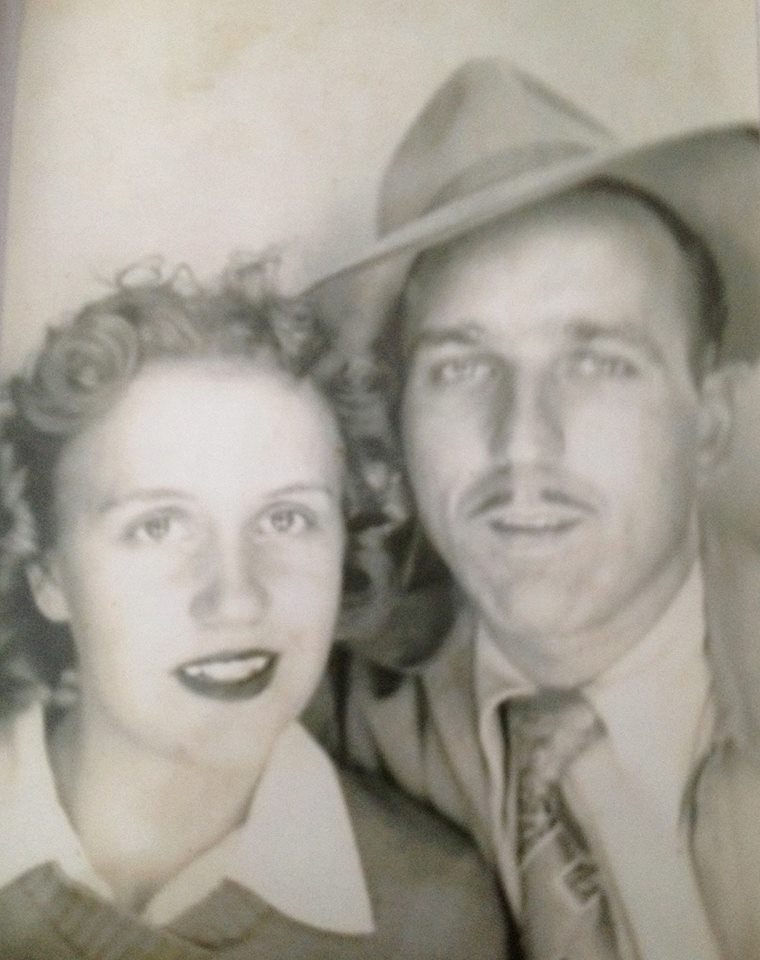
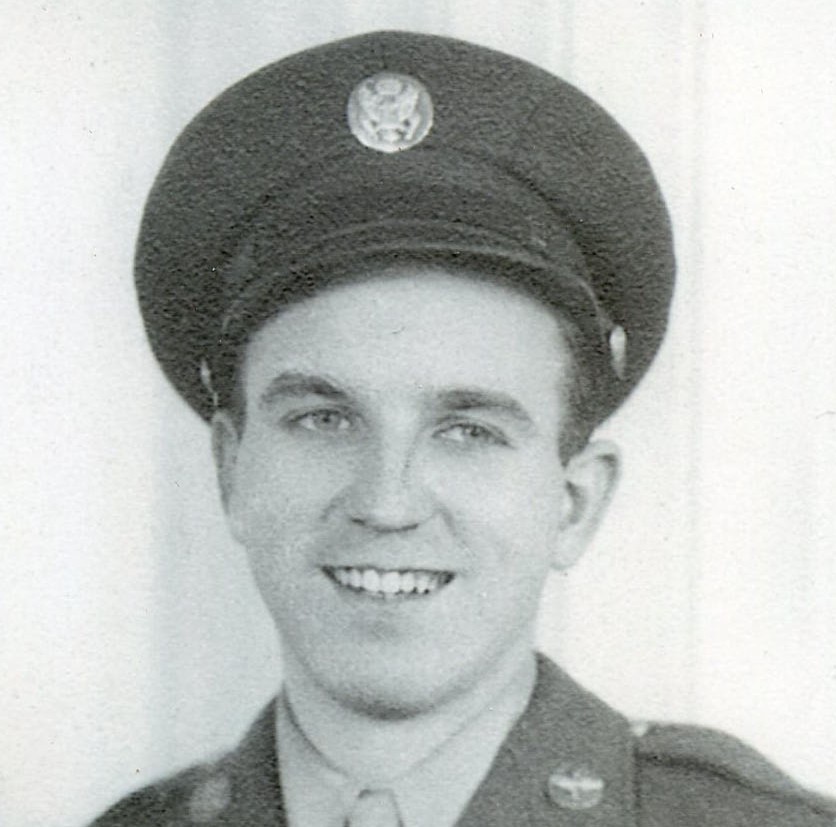 my dad’s heroic side was on display. If one of those men had revealed information about their upcoming missions, the entire area could have been attacked and destroyed. So important was their mission over there, and so grateful were the people of that area, that memorials were erected to remember…forever, the sacrifice made by the brave men of the 385th Heavy Bombardment Group, U.S. Army Air Forces. The memorials were placed so that generation, and future generations would remember the sacrifices made to save their lives by men who were a part of something greater than their own lives…to protect the lives of people they didn’t even know. That was the war that my dad was a part of…when he was barely more than a teenager.
At Great Ashfield, Dad earned the awards for his service. He received the Distinguished Flying Cross, the Air Medal with four Oak Leaf Clusters, signifying that he had shot down four German planes, and two Gold Stars, signifying that he had taken part in two major aerial engagements. In all he would take part in 35 bombing 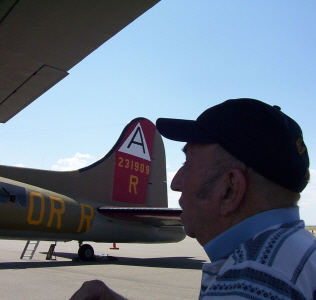
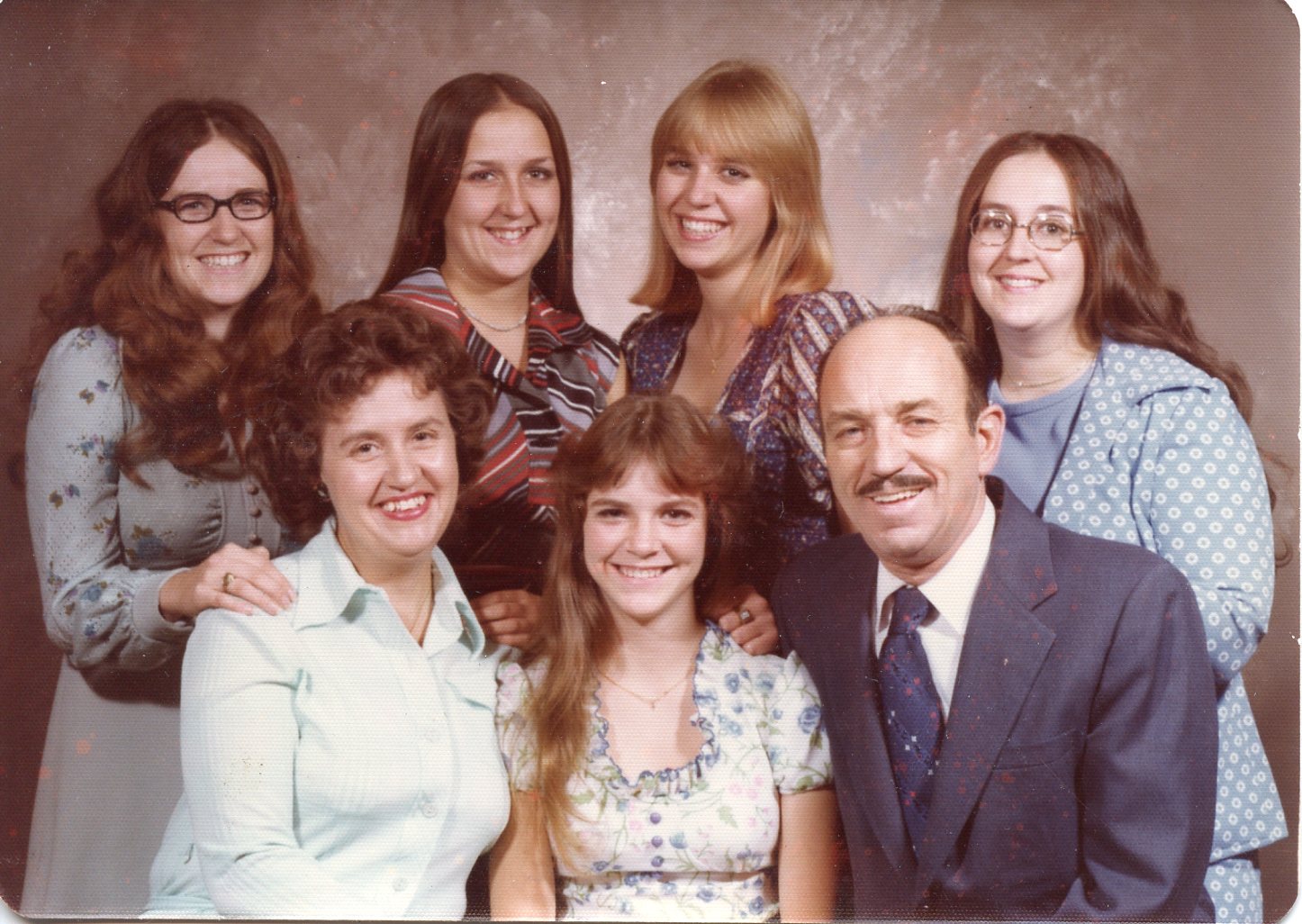 missions before he was honorably discharged on October 3, 1945. Many of the stories of Dad’s service years were never told to his daughters, because he was a part of the generation of people who did not talk about their war years. They went in, did their duty, and didn’t brag or whine about it. They felt like it was their duty and that was it. No wonder my mom, sisters, and I felt like Dad was a great hero. Today would have been my dad’s 102nd birthday. Happy birthday in Heaven Dad. We love and miss you very much.

 My grandnephew, Zack Spethman is such a sweet guy. He has a heart of gold and is loving toward everyone. Zack is a very tall man, and he is literally a teddy bear. Whenever you see Zack, you can expect a hug from him, because that’s just who he is. He wants the people he loves to know they are loved, and believe me, we do. Zack makes that very clear. For him, it’s a matter of never wasting the precious time we are given with people we care about. Zack is the second oldest child of my niece Jenny Spethman and her husband Steve Spethman. He has an older brother, Xander Spethman, younger brother, Isaac Spethman; sister, Laila Spethman (who lives in Heaven); and sister Aleesia Spethman. Zack has always been a great blessing to his
 siblings and to his parents.
Zack works at Best Buy in Casper, Wyoming, in the geek squad area. Like most young people, Zack loves tech, and he has learned a lot from the people he works with. He likes his coworkers and they like him. Of course, it helps, I suppose that one of his coworkers is his cousin, Matthew Masterson, who has also been his best friend since birth. Zack is just four months older than Matt, so they have always been friends. Zack fits in very well at work, as he does in virtually any setting…work and social. Zack is someone people want to know.
Zach is the kid that’s always willing to help out. When his mom’s dog, Romeo got away from her, Zack came to the rescue…chasing down the pup for his mom. Zack loves hiking and is always up for 
 a hike, and he is the first one to volunteer to hit Casper Mountain with her. Zack is very close with his brothers and cousin, Matthew. They all hang out together. He’s also very close with his sister, Aleesia. He is very protective of her and always takes the time to check on her and play video games with her. For the last three weekends all of the boys have been working together to help their dad build a new fence for the new family dogs. It was a lot of hard work, and it sure did pay off. It looks great. It was very special for Jenny to see her whole family work together on a project and have a good time doing it. Today is Zack’s 21st birthday!! Happy birthday Zack!! Have a great day!! We love you!!
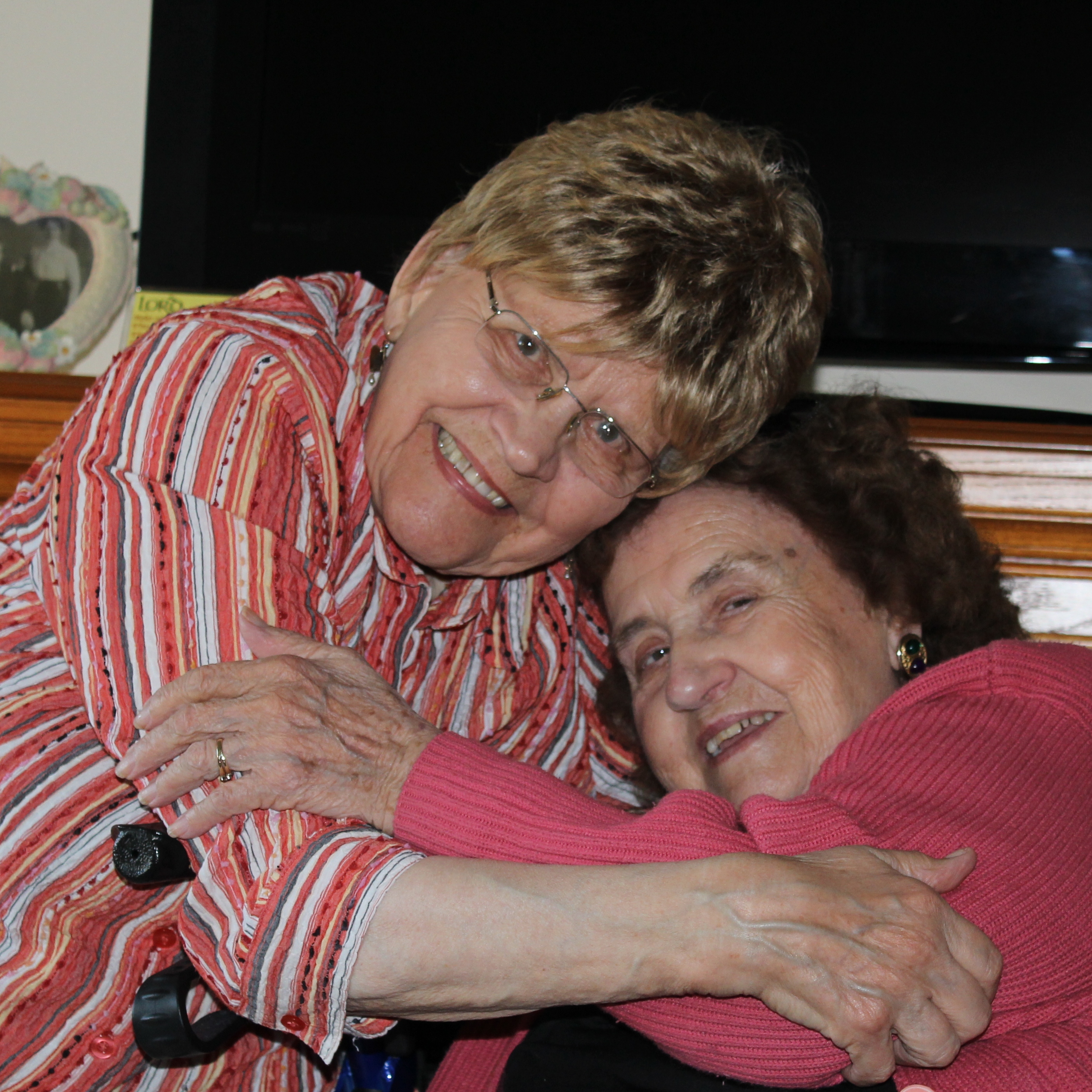
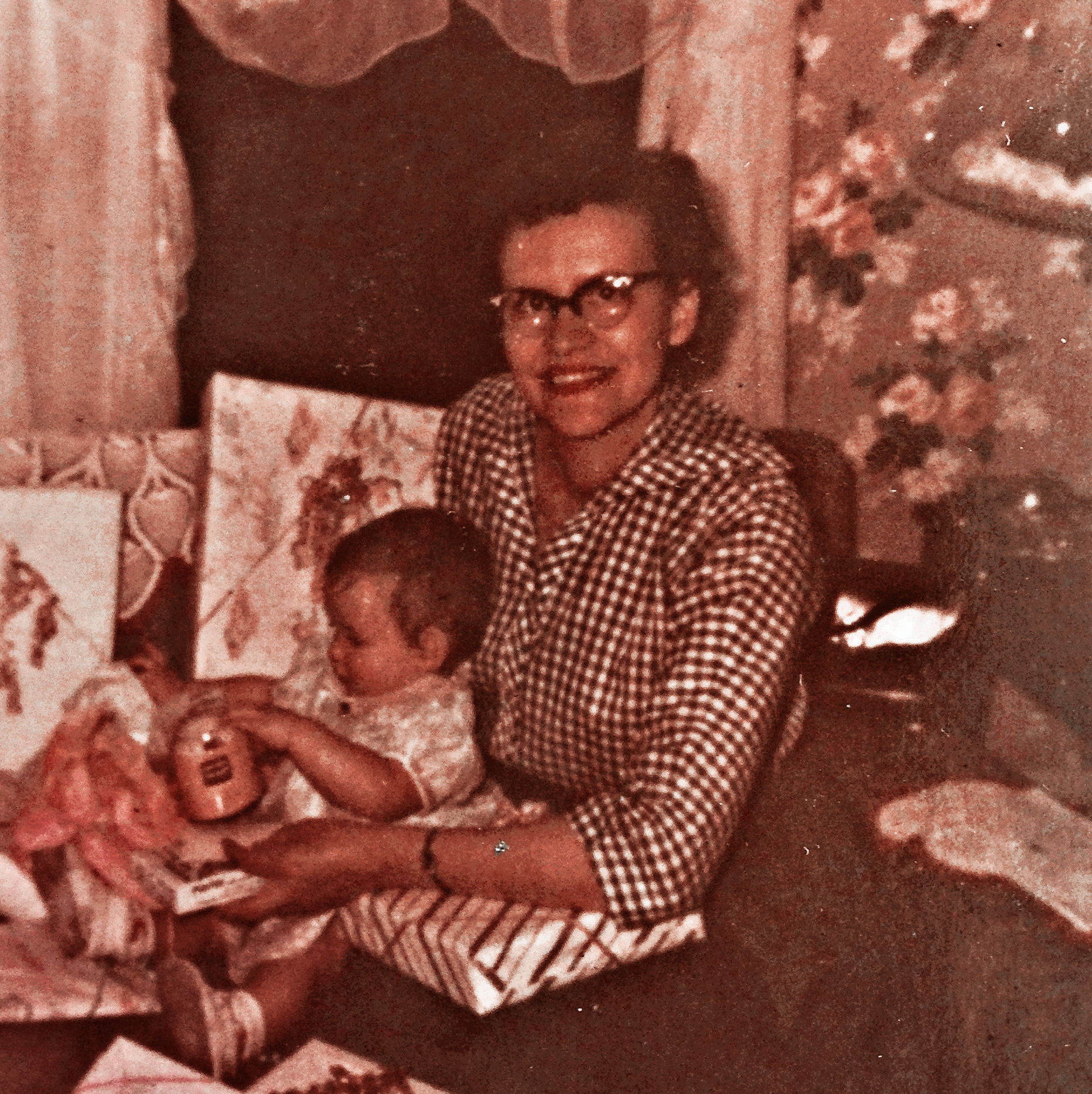 When my mom, Collene Spencer married my dad, Allen Spencer, they moved from Casper, Wyoming, to Superior, Wisconsin. She was young and unprepared for the loneliness that came with being so far from her parents and their big family. As the middle child in a family of nine, she was used to always having people around her…sisters to talk to and do things with, and brothers who teased her but also did the kindest things for her. Marriage was exciting, but being so completely on her own was also incredibly scary and unfamiliar to a young bride of 17 years.
When she arrived in Superior, Wisconsin…as happy as she was, being married to my dad, my mom was still wondering if she would be able to make it in this new place, without her family. Then, she met her new sister-in-law…my Aunt Doris Spencer. Mom always told me that Aunt Doris saved her, in many ways. She was a new friend when my mom really needed one, and they became the best of friends…friends for life…even after my Aunt Doris and my Uncle Bill Spencer, who is my dad’s brother, were divorced.
Mom has shared countless stories about the adventures she and my Aunt Doris had. One of the funniest is how they were always on some diet, even though they weren’t really overweight and never stuck with it for long. I suppose they thought dieting together would help them stay committed, and plenty of people still believe that today, though it’s never been something that worked for me. They even tried odd ideas like crackers with ketchup and warm water.
Mom also appreciated the funnier side of my aunt. When Aunt Doris got her driver’s license, she was on her way to meet Uncle Bill at their cabin when a police officer pulled her over for speeding. He asked for her 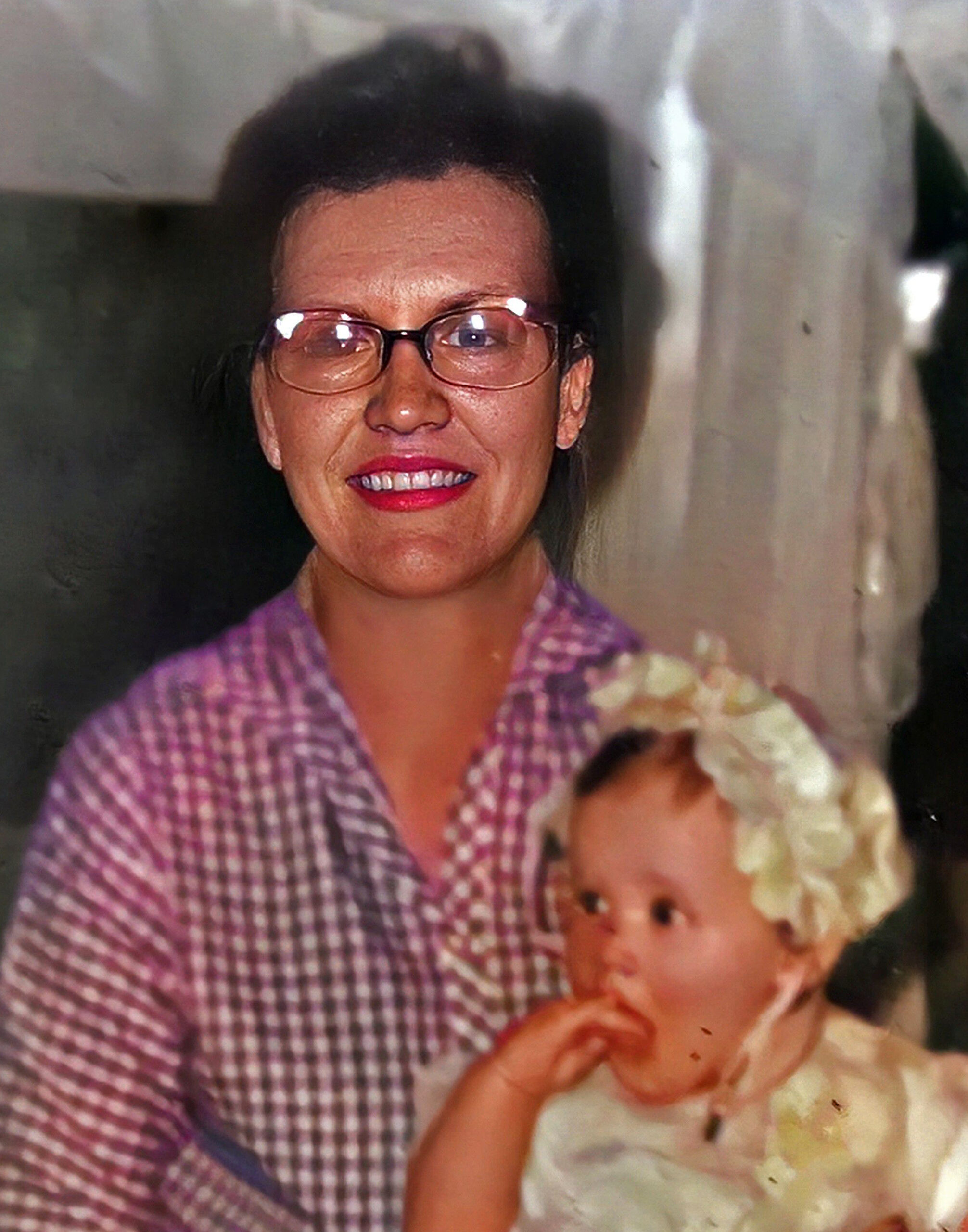
 license, then stepped away from the car for a moment. Without handing it over, Aunt Doris simply drove off to the cabin. When she told Uncle Bill about it, he asked to see the ticket. “What ticket?” she replied. He said, “The ticket he gave you.” She answered, “He didn’t give me a ticket. He walked away, so I just left.” She figured he’d decided to let it slide. Uncle Bill panicked, certain the cops would come arrest his wife, but they never did. The officer must have found it hilarious, because he never followed up…much to Uncle Bill’s surprise. It’s the most unusual way I’ve ever heard of someone getting out of a traffic ticket. Today would have been my Aunt Doris’ 102nd birthday. Happy birthday in Heaven, Aunt Doris. We love and miss you very much.

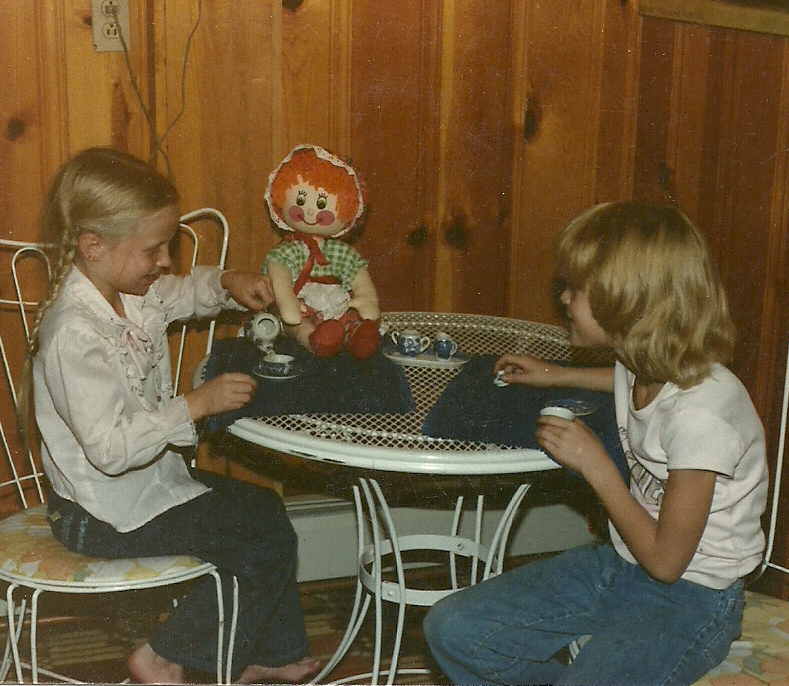 When our children were little, it didn’t take much to make them happy. A ball and a small wading pool could provide hours of entertainment, and back then, they usually cost less than $10, making them easy on any budget. Our girls loved splashing around in a wading pool on hot summer days while I relaxed in my chaise lounge with a good book. Those were the wonderful, lazy days of summer. The memories take me back to an easier time, less hectic and more relaxed. My girls were little and play dates were not a thing at the time. We lived in the country and didn’t make trips to town every day. I was a stay-at-home mom then, so often it was just the girls and me at home during the day.
Back then, any video games that existed were pricey and basic. We got one when they were a bit older, but unlike kids today who seem to be born with technology at their fingertips, the girls relied on their imaginations for their play. I’m not saying technology is bad, in fact, I’m a big tech fan myself, but it just wasn’t as easy to access in those days. Nobody really had those kinds of games and what was out the was in the old DOS system. The kids didn’t play with electronic toys. My girls, like kids today, loved playing in boxes, imagining them as forts or other fun things. They had Cabbage Patch dolls and enjoyed playing house. With their friends, they would have tea parties and dress up. They also loved spending time in the sandbox, creating little cities or building sandcastles.
The technology we have today is incredible. You can search the internet for any information you can imagine. 
 Anything you want to know can be found online. Of course there is a lot on misinformation too, but that is another story. Kids’ games are becoming increasingly graphic, and murder and crime hardly faze them anymore because they’ve seen it all in a game. Sometimes we struggle to relate to a tragic event because it resembles the fantasy worlds we’ve watched on television. I often wonder if criminals and terrorists get some of their ideas directly from TV and video games. I’m not saying technology is bad, just that it sometimes robs our kids of a precious commodity—imagination.

 I never would have thought…not in a million years…that my younger sister would go to Heaven before me, much less, that a year could have gone by since her home going, but here we are. My heart feels sad, but I know where my sister is, and so, I want to focus more on the beautiful parts of her life and not on the sadness of her passing. So much has happened since you went home, Alena, but then you already know all about it. Your daughter, Michelle and her husband, Matt are working diligently on their home, and I wish you could be here to share it with them, but I know that you can see how beautiful it is. Also, you are about to become a grandmother again…twice!! Garrett and Kayla will be having their baby about July 10th. Lacey and Chris will be having theirs about August 3rd. I’m sure you have already met these two precious babies…and you’re rejoicing for sure. We are rejoicing right along with you. Mike is doing his best, but he misses you so much, as expected. Mike loves you so much, and he always will.
This year has been terribly difficult for all of us. Alena, your presence strangely absent, and yet always with us 
 will always be with us. It is comforting to know that you are with Jesus, living in the presence of our Heavenly Father, and sharing sweet time with Mom and Dad, as well as so many other family members who have gone on before. We will always wish that you could still be here with us, how could we not, and yet, Heaven is so much greater than anything we could possibly imagine, and we are so happy that you can be there. Now we will remember the good times of your life. Your wonderful sense of humor, and impish ways. You loved a good prank, especially if you were the one to pull it. I don’t think anyone could pull a prank better than you could. I really miss that. I feel like there has been a lot less pranking over this past year, sadly.
Always the cosmetologist in the family, you were the one most likely to cut your hair, or anyone else’s. Of course, as you grew up, you became very good at it. What might have started as a real chop job done by a 
 crazy kid, ended up being the only stylist mom wanted to do her hair. It was a big responsibility, but you took it all in stride. You even did Mom’s hair and makeup on her final day, and she was beautiful. We couldn’t have trusted anyone else with such an important look. Now you and Mom, as well as Dad get to spend lots of time together, and we all look forward to joining you all one day. Your presence her will always be missed, but we could never ask you to come back to this place. Life here could never compare. Happy first year in Heaven. We love and miss you very much.
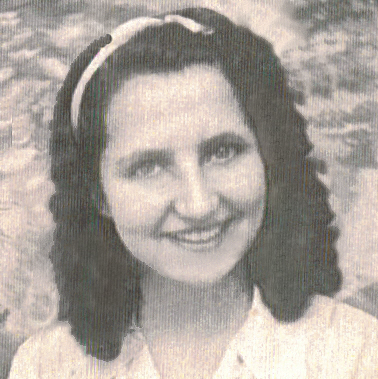
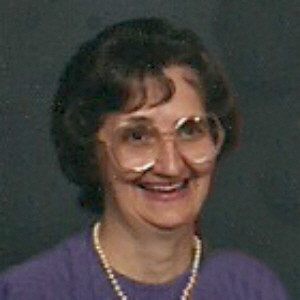 Whenever I think of my Aunt Deloris Byer Johnson, I can’t help but picture her smiling face. Aunt Dee was the creative spirit in my mother’s family, always finding ways to make life more fun. If she was around, her siblings knew things were about to get wild. She might see if a couple of kids could “fly” like the wind with a big trench coat or decide it was time for everyone to learn a new dance. With Aunt Dee, there was never a dull moment.
Aunt Dee was always filled with anticipation about the next step in life…even if it was just the next day. She always expected something amazing to happen, and if it didn’t, she figured out a way to make something happen. Aunt Dee wasn’t a troublemaker, just an excited kid, who made things happen in her life…fun things, and the beneficiaries of her playful spirit…often her siblings, reaped the rewards of her excitement. My mom, Collene Byer Spencer, used to tell me about all the fun things the kids did with her sister’s help. They were memories of her sister, that my mom treasured all her life. Mom and Aunt Dee were always close. They shared a zest for life that somehow kept them young at heart. Their sweet, sisterly relationship was a joy to watch. I saw a lot of commonalities in Aunt Dee’s and my mom’s personalities. They both had a flair for finding the silly side of life. I don’t suppose that’s a trait most people would find endearing, but I did, and it’s a memory I will always cherish.
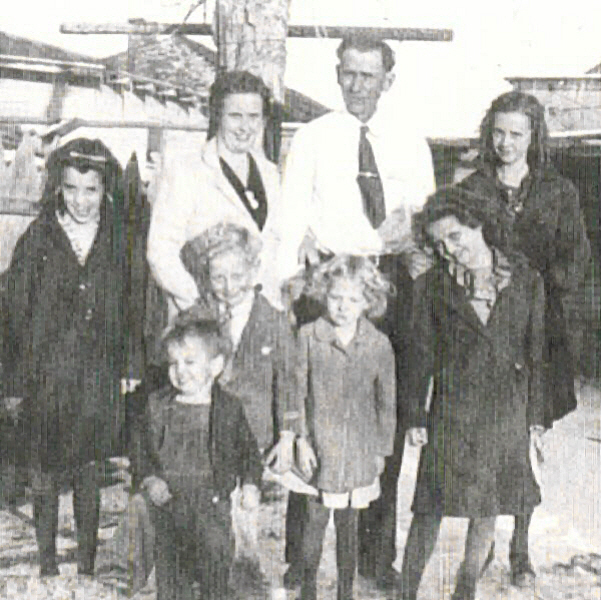 When Aunt Dee got sick, I thought the joy might have faded, and maybe it did over time, but in those early days of her illness, that sweet smile never left her face. Every time I saw her, it felt like she was trying to cheer everyone else up. After she passed, the world seemed a little duller without her sweet spirit. She had always been such a big part of my life, and I knew I would miss her deeply. But I hold onto the knowledge that I will see her again in Heaven, and I look forward to that day. Today would have been Aunt Deloris’ 95th birthday. Happy birthday in Heaven Aunt Dee. We all love and miss you very much.

