Politics

 I recently listened to a book entitled, Treasures From The Attic, by Mirjam Pressler (in conjunction with Gerti Elias, wife of Buddy Elias, cousin of Anne Frank). I was not sure upon beginning the book, if it would hold any value concerning my interest in World War II and the Holocaust, but my concerns were quickly laid to rest as I listened to the story unfold. I’m not going to go into the story line really, except to say that the “treasures” that lay in the attic were partly about Anne Frank, but really more about the Frank family, and their torturous journey to learn the truth, and then to recover from it.
The many letters written to the various members of the family to other members of the family, told the tale of not just loss, but the tragic and horrific time of not knowing. It was the “not knowing” that most tore at my heart. First the fact that most of Otto Frank’s extended family had no idea that his little family; comprised of his wife, Edith and daughters Margot and Anne; had fallen into the hands of the evil Nazi Regime. As was the practice during the Holocaust, the family was separated, and Otto did not know of the fate of his wife and daughters at the time of his release from Auschwitz-Birkenau. Of course, we now know that Edith had passed away on January 6, 1945, of starvation. His daughter, Margot died sometime in February or March 1945 of Typhus, and his daughter, Anne also died in February or March 1945 of Typhus. The bodies of the girls were thrown behind a building and later into a mass grave as their burial. The Jews were considered no more important that trash, and so were treated as such. While this is horrific enough, worse was the fact that all too often no record was kept of the dead, or their place of burial.
It was here that I began to feel the horrible longing, dread, and finally grief that the Frank family was going through. As anyone who has lost a loved on and doesn’t know what happened can tell you, the not knowing is almost worse than the reality of what happened. Your mind can conjure up so many things, and for Otto, who had also been in the camp can readily attest, the reality of Auschwitz-Birkenau was beyond all human comprehension, unless you had been there, and then you could not get it out of your head. Still, the months of 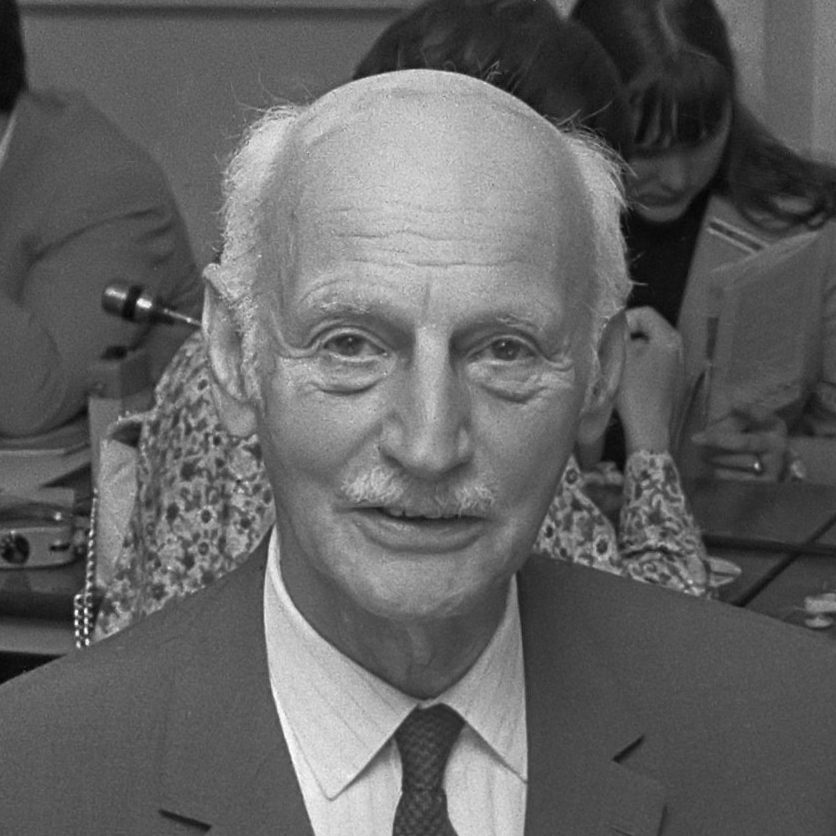
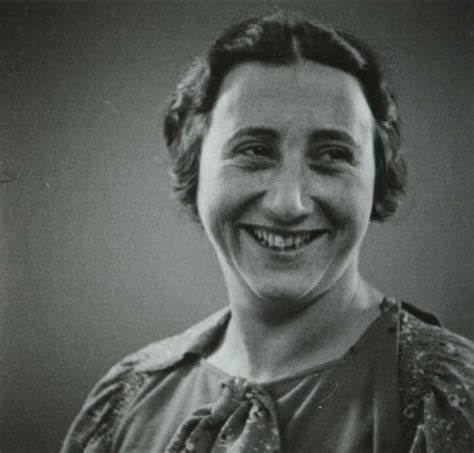 waiting for news of his family, followed by years of grief and heartache over what they had suffered, was beyond anything that most people can fathom. As I finished the book, I felt a tremendous sense of loss, not only for the Frank family, but for the many Jewish families, who suffered in the camps, and after the Holocaust as they endeavored to locate lost loved ones, or at least to learn their fate. Many searched for years, and some have never found out the fate of their loved ones at all. It was truly heartbreaking, and yet, that search and not knowing, was the reality that was faced by many Holocaust survivors.
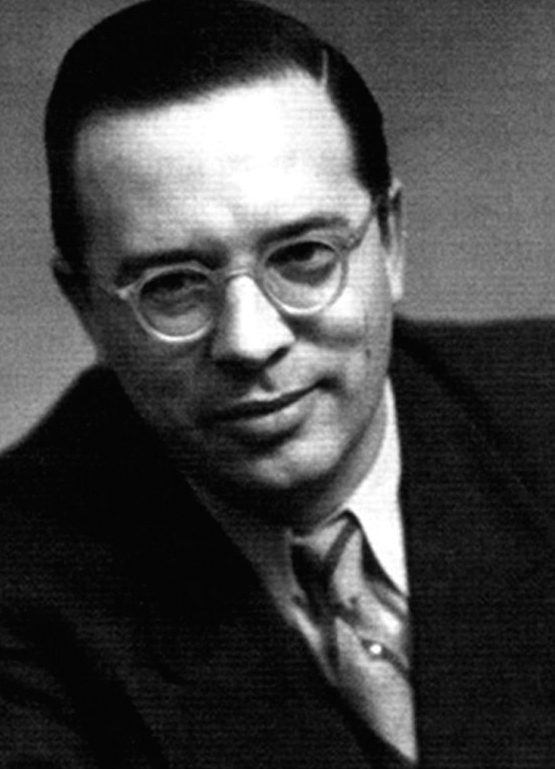 During the Holocaust, the majority of known Jews in any given country, had a very slim chance of surviving the war, but the Denmark Jews somehow managed to hold an impressive 95% survival rate record. Much of that was due to one man, Georg Ferdinand Duckwitz, who became an unlikely hero of the Jewish people…mainly because he was a German diplomat serving as an attaché for Nazi Germany in occupied Denmark at the time. In fact, that is what makes what he did so strange.
Duckwitz was born on September 29, 1904, in Bremen, Germany. He was part of an old patrician family in the Hanseatic City. After college, he began a career in the international coffee trade. From 1928 until 1932 Duckwitz lived in Copenhagen, Denmark. Upon moving back to Bremen, November 1932 he met Gregor Strasser, who was the leader of the leftist branch of the German nationalistic Nazi Party. While talking to Strasser, Duckwitz found that “elements of Scandinavian socialism [were] connected with nationalistic feelings” and this led to his decision to join the Nazi Party, and subsequently on July 1, 1933, to join the Nazi Party’s Office of Foreign Affairs in Berlin.
What had at first seemed to him to be a party who’s values agreed with his, he soon became increasingly disillusioned by Nazi politics. In a letter written June 4, 1935 to Alfred Rosenberg, the head of the office, he wrote, “My two-year employment in the Reichsleitung [i.e. executive branch] of the [Nazi Party] has made me realize that I am so fundamentally deceived in the nature and purpose of the National Socialist movement that I am no longer able to work within this movement as an honest person.” That move in itself strikes me now, as scary, considering how the known Nazi party functioned. He may not have realized hoe dangerous his words were, but I think they could have gotten him killed. Around the same time the Gestapo (secret police) made its first notes on Duckwitz after he sheltered three Jewish women in his Kurfürstendamm apartment during a local anti-Semitic Sturmabteilung event. He later wrote that during this time period he became “a fierce opponent of this [Nazi] system”.
After 1942, Duckwitz worked with the Nazi Reich representative Werner Best, who organized the Gestapo. On September 11, 1943 Best told Duckwitz about the intended round-up of all Danish Jews on October 1, 1943. A horrified Duckwitz travelled to Berlin in an attempt to stop the deportation through official channels. When that failed, he flew to Stockholm two weeks later, saying he was going to discuss the passage of German merchant ships. While there, he contacted Prime Minister Per Albin Hansson and asked whether Sweden would be willing to receive Danish Jewish refugees. A couple of days later, Hansson came back with the promise of a favorable reception. On September, 29, 1943, Duckwitz contacted Danish social democrat Hans Hedtoft and notified him of the intended deportation. Hedtoft warned the head of the Jewish community CB Henriques and the acting chief rabbi Marcus Melchior, who spread the warning. Sympathetic Danes in all walks of life organized an immediate mass escape of over 7,200 Jews and 700 of their non-Jewish relatives by sea to Sweden. Duckwitz’ immediate action and the willingness of the Danish and Swedish citizens saved the lives of 95% of Denmark’s Jewish population. They were the only European nation to save almost all their Jewish population from certain death at the hand’s of Hitler’s evil regime.
Somehow, Duckwitz was never caught committing his act of “treason” against the Third Reich, and he stayed in good standing with the Nazi regime. After the war, Duckwitz remained in the German foreign service. From 1955–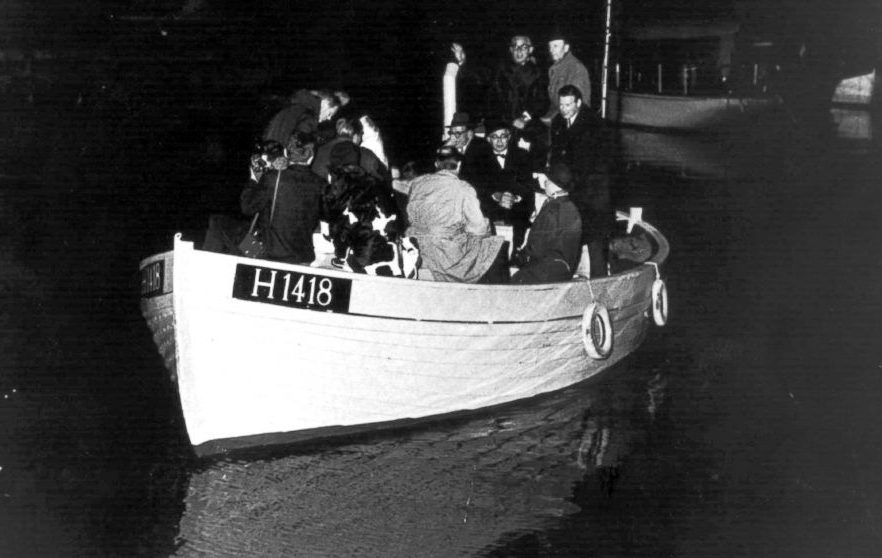 1958 Duckwitz served as West German ambassador to Denmark and later as the ambassador to India. When Willy Brandt became Foreign Minister in 1966, he made Duckwitz Secretary of State in West Germany´s Foreign Office. After Brandt became Chancellor, he asked Duckwitz to negotiate an agreement with the Polish government. Brandt’s work culminated in the 1970 Treaty of Warsaw. Duckwitz worked as Secretary of State until his final retirement in 1970. On March 21, 1971 the Israeli government named him Righteous Among the Nations and included him in the Yad Vashem memorial. He died two years later, on February 16, 1973 at the age of 68.
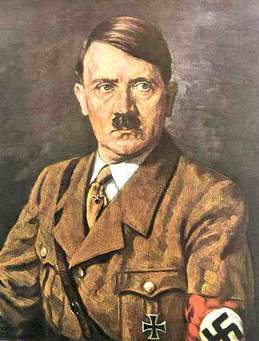 People aren’t usually evil. Nor are the easily accepting of evil. Usually, in order to get people to accept evil, it has to be hidden in a way. It has to be slipped in when they aren’t looking…slowly, so that it is accepted as normal…or a new normal. When Hitler ordered the systematic murder of the mentally ill and handicapped people in 1939, the people of Germany were outraged. Never before had any leader made such a boldly, callous move. Like throwing a frog in a pot of boiling water, they jumped…fought back.
Hitler moved too fast, and the people rebelled. The program, known as Hitler’s Euthanasia Department that began in 1939, came under the heading of unhidden evil. Hitler misjudged his people. He thought they would follow blindly along. When they began complaining about the T.4 program, which began as the systematic killing of children deemed “mentally defective,” Hitler had to act. He had been transporting children from all over Germany to a Special Psychiatric Youth Department and killing them. Later, certain criteria were established for non-Jewish children. They had to be “certified” mentally ill, schizophrenic, or incapable of working for one reason or another. Jewish children already in mental hospitals, whatever the reason or whatever the prognosis, were automatically to be subject to the program. The victims were either injected with lethal substances or were led to “showers” where the children sat as gas flooded the room through water pipes. The program was then expanded to adults. The program was heinous in every way.
Before long the outraged protests began mounting within Germany, especially by doctors and clergy. Some of them even dared to write to Hitler directly and describe the T.4 program as “barbaric.” Others circulated their opinions more discreetly. Heinrich Himmler, was the head of the SS then, and the man who would direct the systematic extermination of European Jewry. Himmler had only one regret…that the SS had not been put in charge of the T.4 program. He says of the protesting, “We know how to deal with it correctly, without causing useless uproar among the people.” Finally, in 1941, Bishop Count Clemens von Galen denounced the euthanasia 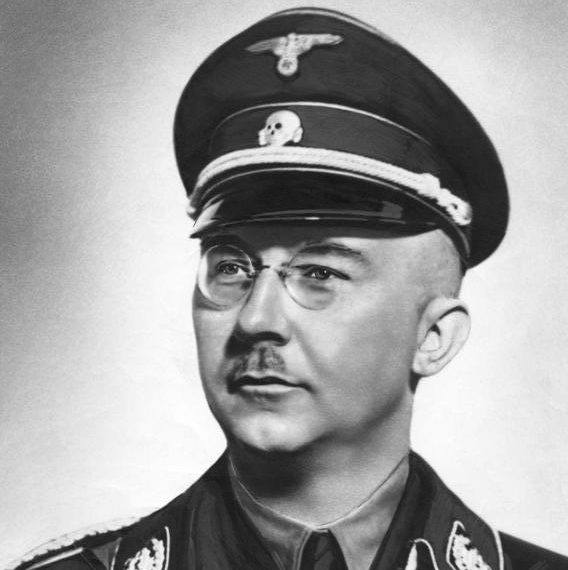 program from his pulpit. Hitler was concerned that other nations would get involved with such publicity about his program. He ordered the program suspended on August 18, 1941…at least in Germany. But 50,000 people had already fallen victim to it.
Hitler was not to be deterred. He now knew that he had to keep his programs hidden, if he was going to be able to carry out his plans. So, he revived the program in occupied Poland. The people there already had no say in the matter, and he hoped that it would be far enough from Germany so that the German people would not know what was going on. It worked for a time, but in the end, the world would know about the evil he tried so hard to keep hidden, and in the end the number of murder victims was far more than a mere 50,000…it was more like 11 million people.

 In a day and age when more and more young people are so intent on “fitting in” that they lose sight of who they really are, my grand niece, Raelynn Masterson is, refreshingly, not a follower. Raelynn remains true to herself, and she is just fine with who she is. Her mom tells me that she is a lot like both her parents, and while that may be true, I don’t think it is genetics, as much as it is good upbringing. Raelynn figures that if you like her…great, but if not…it’s your problem, not hers. I think that is the best way to be.
Raelynn is a has such a sweet attitude. She is a good big sister, and is always kind to her siblings. She is helpful when they need it, and that is especially nice when their parents are at work, and her siblings need some advise and encouragement. Their parents know that they are in good hands when Raelynn is there with them. There is, of course, a difference between a sweet attitude, and a pushover, and Raelynn is no push over. Once her mind is made up, it is and she won’t be moved. If you try to cross her, and you make the mistake of making this girl mad…well, as her mom says, “I’ll pray for you.” Personally, I have not seen that side of Raelynn, but then we are not really on opposite sides of things, and maybe I think I’m glad we aren’t too.
As with most people, the things going on in our world have caused Raelynn to look more closely into politics. Her parents have encouraged their children to look into a matter, and make an informed decision about where you stand. That’s a good way to be. We have too many blind followers, as it is. Raelynn, and her siblings, Matt and Anna, as well as Christina (who is grown and living on her own), are not required to agree with their parents views on things. Their parents, Rob and Dustie, think it is important for them to make up their own minds, even when they don’t match their parents views. Raelynn’s opinions on politics don’t always match those of her parents, but she is required to look deeper into things before forming her opinions…using legitimate sites (or, as close as you can get these days). There have been a few heated debates between Raelynn and her brother, Matt, which have required a parental mediator at times. My guess is that there have been some between her and her parents too, but that really is the only way to learn about politics and I’m sure that as time goes by, her opinions will grow and change, whether they ever match those of her parents or not.
The family recently got a dog, and as often happens with pets, Azura has decided that Raelynn is “her human.” 
 They are so close, and almost inseparable when Raelynn is home. It was completely unexpected, but if Rob or Dustie are looking for one, all they need to do is find the other. Raelynn and Azura are practically joined at the hip. The hardest part about this “exceptionally close” relationship, is that whenever Raelynn is gone, Azura is totally miserable until she gets home!! That could be really bad when school starts again. Azura just loves Raelynn so much. I can see why, because we all do too. Today is Raelynn’s 17th birthday. Happy birthday Raelynn!! Have a great day!! We love you!!
 When we think of “ghost towns,” we think of abandoned mining camps, towns that were passed by when railroads or highways went through, and these days, New York City. There are many ways for a town or even a city to die out…most of them are really sad. Sometimes, a town just outlives its usefulness, as was the case during the gold rush. When the gold ran out, the miners moved on or went back east to their homes there. The little town that had provided the supplies, homes, entertainment, and necessary offices, like post office and land offices, is simply not needed anymore. I’m sure that the people of the town held out as long as it made sense, and then they picked up and moved on to some other place that needed things like a general store for supplies. The little town then sat there and slowly slipped into disrepair and decay. When we visit such towns, we see history unfolding before us, and we are usually excited to find such an amazing relic. We can’t wait to explore.
Sometimes, as in the case of New York City, a city is “shut down” to help those within it to recover from something, such as a pandemic. That doesn’t usually happen when a new virus goes through, but it did with  Covid-19. Normally, only the sick people are quarantined, but in this case, the medical experts (and many people would say that I’m using that term loosely), decided to quarantine the well people in the hope of stopping the spread of Covid-19. I can’t say whether that has been a good or a bad thing, but I tend to think it was a bad thing. When a city like New York City, suddenly is completely empty, businesses are shut down, jobs lost, and it didn’t seem to help. Months later, the city is still, for the most part, shut down, and businesses are considering a move to another location, just like the ghost towns of the old west when the mines dried up. The shut down of our cities is a slippery slope, and one that I think needs to be avoided, at all costs. Still, man will tell you that I’m not an expert, and they would be right. I am just a person who sees that our country cannot continue with this shut down much longer. Something has to change…something!!
While we like to visit ghost towns, we often don’t realize the hardship and heartache that went into turning these places into ghost towns. Just like we have seen in the cities across America, the business shutting down 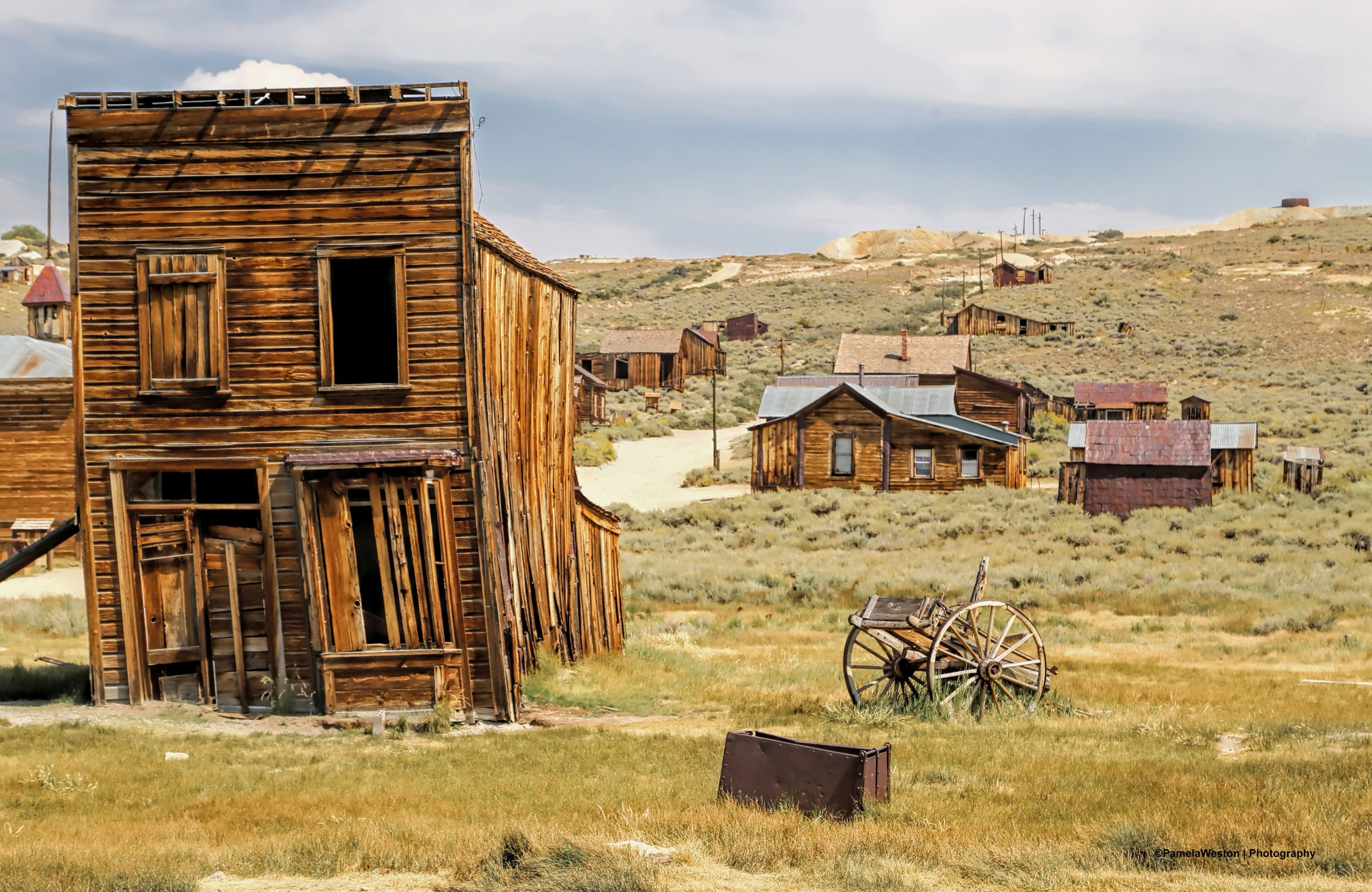 means the loss of a livelihood for millions of people. Depression sets in, and eventually everyone is angry about their rights being stepped on…and it’s not just one group, it’s many. Then, the sad thing is that there emerges a group of people who are…left out. The ones who don’t fit into any of the protesting groups…they are the quiet majority…the ones who usually just go quietly about their daily lives, without hurting anyone. Sadly these are the overlooked ones, and usually the last ones to leave the ghost town, because they are the ones who try to hope for the future. These days, that is much of America. We are just hanging out, waiting for things to get better, so we can get back to normal. Here’s to normal.
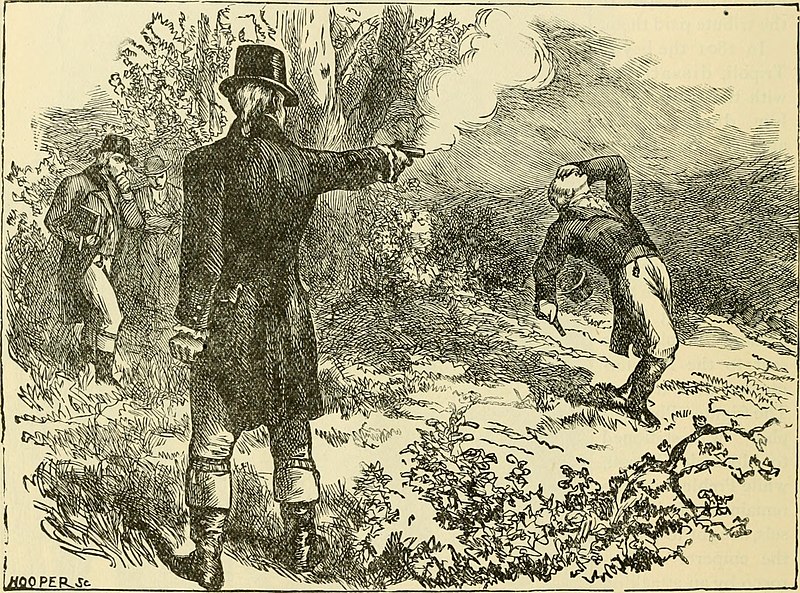 In early American history, a duel…then called an Affair of Honor were a legal way to settle disputes between parties. Most of these duels were settled amicably before the duel ever too place, still, some went the way of the full-blown duel. I can understand why the parties would try to work it out amicably, because you really never knew who was going to win in a duel, and you had to decide if this dispute was worth your life.
One of the most famous duels in American history, was between Vice President Aaron Burr and his long-time political antagonist, Alexander Hamilton, who was born on the Caribbean island of Nevis in either 1755 or 1757 (the exact date is under dispute). Hamilton was a poor immigrant, while Burr was born into a wealthy New Jersey family in 1756. Both were highly intelligent and became capable politicians…but had opposing views and were part of different political parties. Hamilton thought Burr was a politically dangerous man, and was quick to point out his views on the matter.
As you can imagine, Hamilton’s statements against Burr did not create a friendship between the two. Burr became vice-president to Thomas Jefferson in 1800, but his political views quickly caused the two men to grow apart politically. Jefferson did not support Burr’s re-nomination to a second term, in 1804. In the campaign, Burr’s character was savagely attacked by Hamilton and others, and after the election Burr vowed to restore his reputation by challenging Hamilton to a duel…an “affair of honor.”
As “affairs of honor” go, most were solved without gunfire, in fact, the outspoken Hamilton had been involved in several affairs of honor in his life, and he had resolved most of them peaceably. That was not to be the case here. The hatred between the two men went too deep, and there was no such willingness to resolve the matter easily. So, on July 11, 1804, the enemies met at 7am at the dueling grounds near Weehawken, New Jersey. Ironically, it was the same spot where Hamilton’s son had died defending his father’s honor in 1801. As these matters go, the events that followed were told in conflicting accounts. According to Hamilton’s “second,” (his assistant and witness in the duel), Hamilton decided the duel was morally wrong and fired into the air. Burr’s “second” claimed that Hamilton fired at Burr and missed. The seconds agreed on the next events. Burr shot Hamilton in the stomach. The bullet lodged next to his spine. He was taken back to New York. He died the next day.
The nation was outraged by the killing of a man as respected as Alexander Hamilton. Burr, who was still vice president at the time, was charged with murder. Nevertheless, he returned to Washington DC, where he finished his term immune from prosecution. In 1805, Burr, thoroughly discredited, concocted a plot with James Wilkinson, commander of the US Army, to seize the Louisiana Territory and establish an independent empire, which Burr would lead. He contacted the British government and unsuccessfully pleaded for assistance in the scheme. Later, when border trouble with Spanish Mexico heated up, Burr and Wilkinson 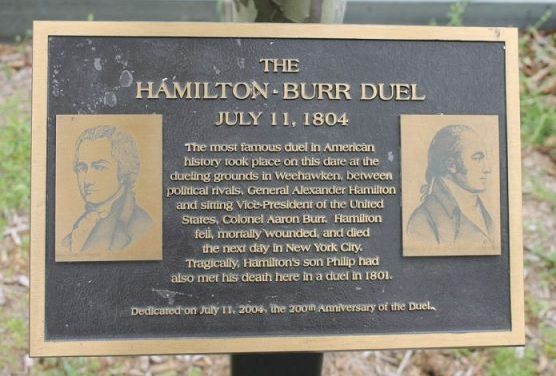 conspired to seize territory in Spanish America for the same purpose.
In the fall of 1806, Burr led a group of well-armed colonists toward New Orleans, prompting an immediate US investigation. General Wilkinson, in an effort to save himself, turned against Burr and sent dispatches to Washington accusing Burr of treason, or maybe insanity. In February 1807, Burr was arrested in Louisiana for treason and sent to Virginia to be tried in a US court. He was acquitted on a technicality in September. Still, public opinion called him as a traitor, and he fled to Europe. He later returned to private life in New York, the murder charges against him somehow forgotten. He died in 1836.
 As we head into Independence Day 2020, many of us have begun to realize that this year, it’s different. Everything is different. The year, Independence Day has taken on a whole new meaning for me and so many others. For the first time in our nations history, almost everything was shut down. People were quarantined…leaving only the essential workers going to work, and the rest of us staying home, except for food, medicine, and doctor visits. Covid 19 had changed everything.
Spring Break for the schools brought the quarantine, and even if we had no children in school, we felt that change deeply. Everything just…stopped. Restaurants were closed, movies were out, bowling leagues ended early, as did all sports. Once the warmer weather hit, it felt like summer, but it was only May. This would prove to be the longest summer ever…I’m not complaining, mind you. Summer is my favorite time of year. I can’t imagine how awful it would have been, if the quarantine had happened in the Winter, when I wouldn’t have been able to get outside and walk on the trail near my home…especially since I am not into winter sports, and those places would have been closed anyway.
Finally after more than three months of quarantine, the states were allowed to begin reopening. Still, we did 
 not know what the summer would look like. Sports were up in the air, contemplating a shortened season, or as in the case of some, cancelling the 2020 season altogether. Graduations, funerals, birthday gatherings, and holidays were uncertain. Finally, as campgrounds and hotels began to reopen, it looked like summer might be salvaged. Still, several fairs and some 4th of July fireworks thought about, or did cancel. My husband, Bob and I usually go to the Black Hills over the 4th of July, to do some hiking, so this was a concern to us. Finally, word came down that the fireworks display we loved would indeed be held, and that after a 9 year span without fireworks at Mount Rushmore, that display would also take place this year. We were so happy, and booked our motel right away.
As we prepare to watch the fireworks on Independence Day 2020, it comes to mind that Independence Day has taken on a whole new meaning. For a time, we lost our independence, and now we have it back. The feeling 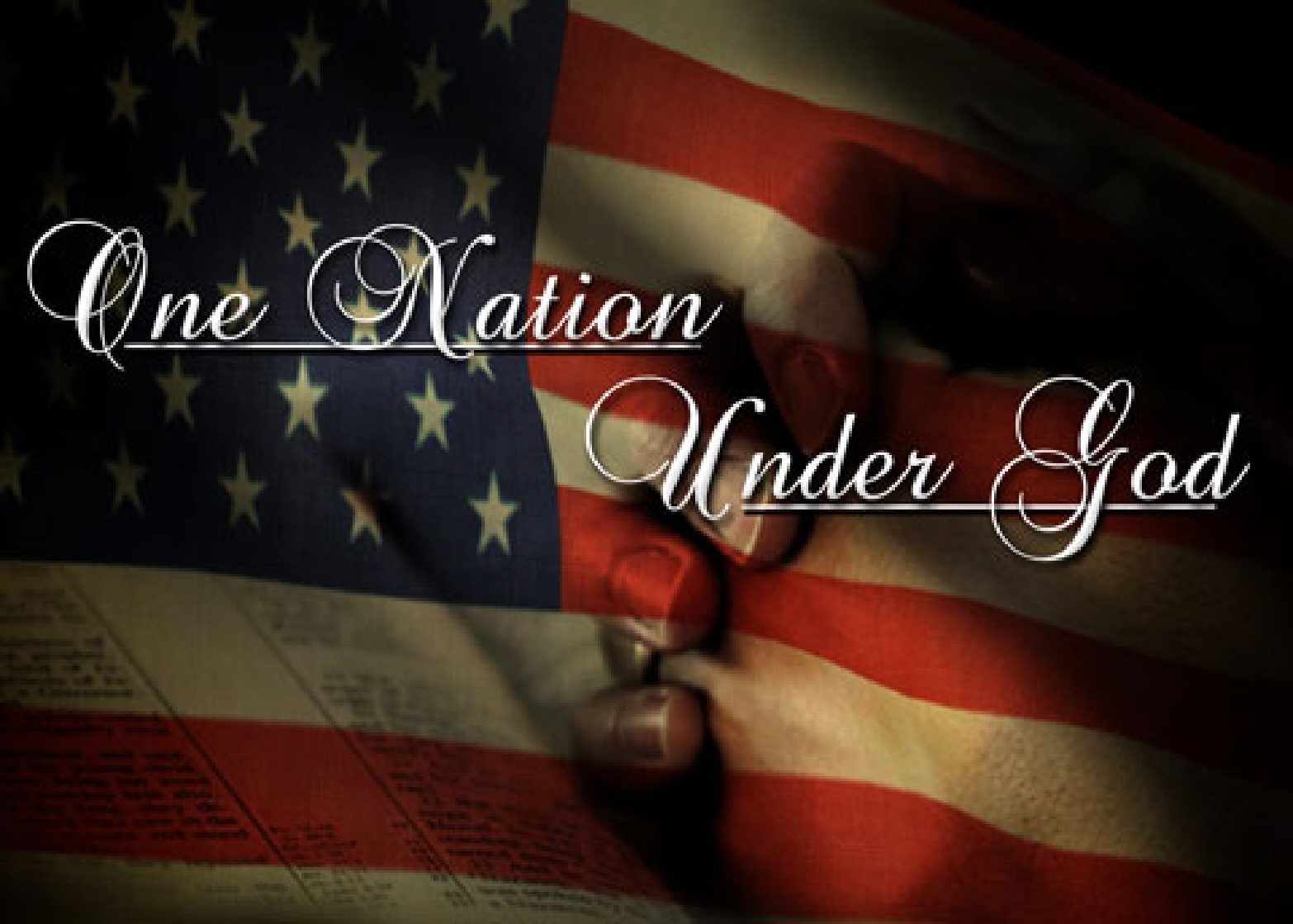 reminds me of how the early settlers felt, when England finally gave up and we had won our independence from them. Yes, we still have a ways to go before we will have our country back to normal. During the lock-down, some bad things happened and some people are in an outraged state, but I believe that we will be able to get back to normal through the love of God being shown in our nation. There are those who want to change the root of our nation, but they will not succeed. We are and always will be “One Nation, Under God” and we will have victory over the anarchists. Today, we celebrate the birth of our great nation, the United States of America. It is with a whole new meaning…Freedom Again!! Happy Independence Day everyone, God bless you all, and God bless America!!
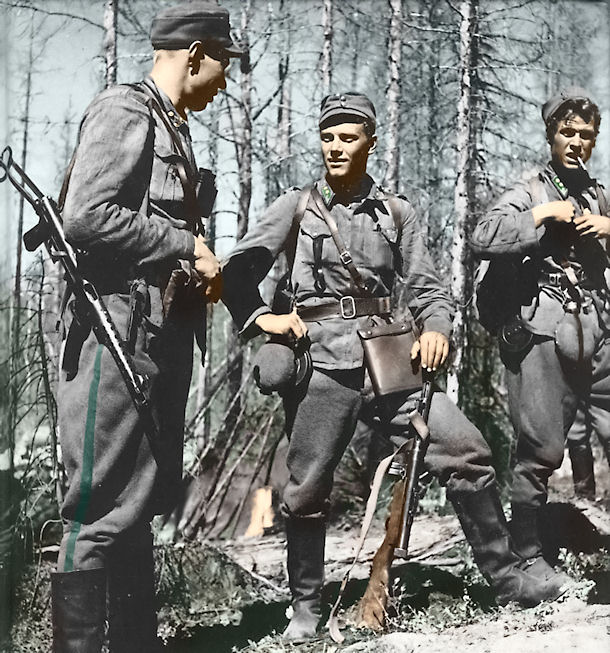 On June 26, 2003, a Green Beret was laid to rest at Arlington National Cemetery. That may not seem like such an unusual event, but in reality, it was very unusual. Lauri Allan Torni, aka Larry Thorne, was born in Viipuri, Finland on May 28, 1919. When he grew up, he entered the Finnish military service in 1938. He participated in the war between Finland and the USSR, proving himself in battle, and earning the rank of captain. It would appear that Torni would quite likely have a long and distinguished career in the military service.
All that changed when Finland allied itself with Nazi Germany in 1941. In 1943, Torni put together a unit that was informally called Detachment Torni. This was an infantry unit that penetrated deep behind enemy lines, and they quickly made a reputation for themselves on both sides of the front for its combat effectiveness. For his part, Torni, for his Finnish military service was awarded 8 medals, to include the Mannerheim Cross, for action on July 9, 1944.
When his unit was demobilized, Torni joined a German SS unit in East Prussia and continued to fight the Russians, who at that time were the known enemy. During his time in the German SS, Torni was captured by the British, escaped a POW camp, and returned to Finland, where he was arrested for his German army service. I’m sure that at this point he wondered what was going on. I would think he realized the the German SS was his whole problem, but like many, he was fooled by Hitler and the Nazi party. After being pardoned in 1948, Torni secretly traveled to Sweden, masqueraded as a Swedish seaman, and sailed to the vicinity of Mobile, Alabama, 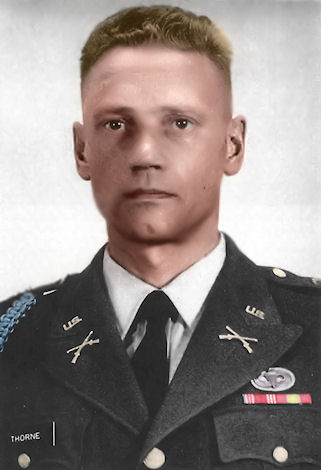 where he jumped overboard and made it to land. As most people know, getting to land was an opportunity to seek asylum, which Torni did. He was granted residency in 1953 and because he wanted to be loyal to his new country, Torni, now going by Larry Thorne joined the Army. Again, he proved himself in battle, and eventually became a Green Beret assigned to Special Forces. Torni, now Thorne was an incredible soldier, and very loyal to his nation and his fellow soldiers. He served in various high profile capacities around the world in his time of service as a Green Beret.
In 1963 when he was 44 years old, Thorne was deployed to Vietnam as an advisor, but two years later Torni’s remarkable career came to an end when his helicopter crashed during a secret mission. It was a tragic end to a short lived, be remarkable career. His remains were not located until 1999. Finally, on June 26, 2003, a multi-national hero and in the end, a celebrated Green Beret was laid to rest. He was an amazing soldier.
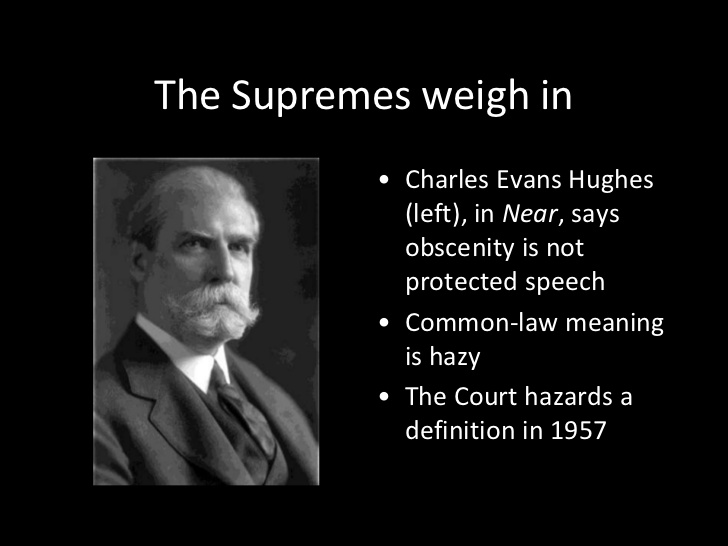 I sometimes think that I am from a different era…one where people didn’t use so many obscenities. In reality, I am from that era, because on June 24, 1957, when I was just a 14 months old, the United States Supreme Court ruled that obscenity is not protected by the First Amendment to the Constitution, which guarantees free speech and freedom of the press. Call me old fashioned, but when I hear someone screaming at their own child, using every obscenity known to man, it makes me cringe. Calling our children such horrible names, can’t possibly be a good way to teach them self esteem. The United States Supreme Court agreed, according to Roth v. United States, a case decided in 1957. Samuel Roth of New York City was convicted of mailing obscene materials. On appeal his conviction was affirmed by the Supreme Court, which held that obscenity was not protected by the First Amendment to the United States Constitution. The court ruled that “material is obscene if, to the average person applying contemporary community standards, the dominant overall theme appeals to prurient interest.”
These days, we are bombarded with obscenities and profanities…everything from the f-bomb to the names we 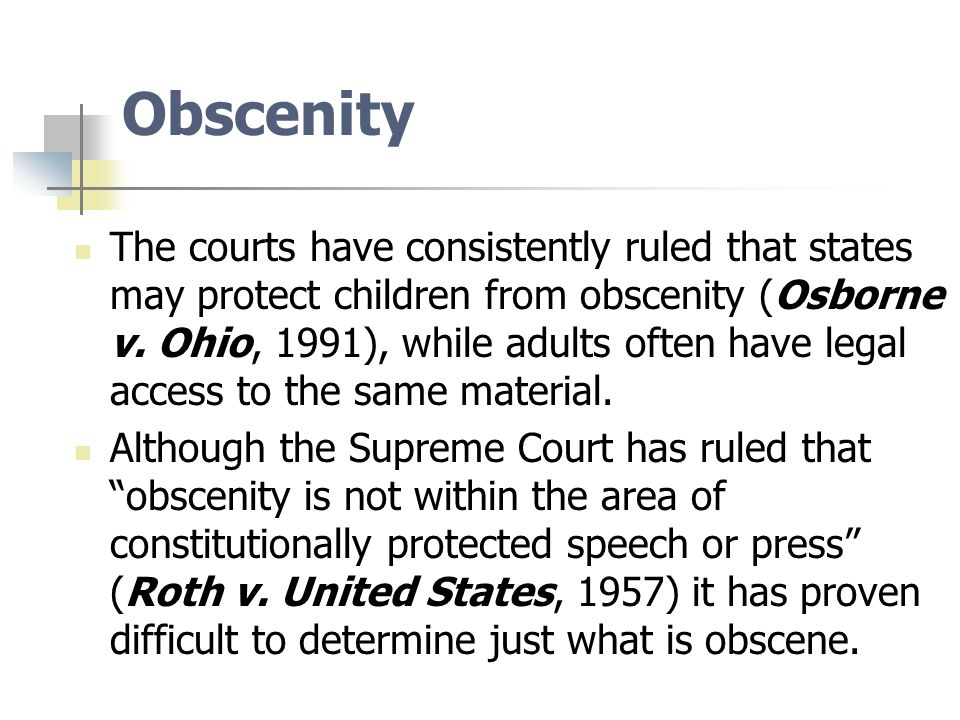 call people we don’t particularly like. Television shows use obscenities on just about every show, and our children are growing up to think that not only is it ok to call people such names, but its ok to be constantly angry…and to let everyone around you know it. It seems to me that as all the obscenities became commonplace, so did anger. And anger breeds hate, which in turn breeds things like road rage, bullying, and even murder.
Now, that we have the freedom to say the things that we do, another problem has come to light…hate speech. What is hate speech? It never used to be a thing, although it did exist…it just didn’t have a name, per se. So we have somehow come full circle, to a degree. While the Supreme Court used to say that we can’t use obscenities or profanities, and then suddenly we could, now we find ourselves with the necessity to decide if something said is “hate speech” or not, and if it is, then has the right to free speech been denied. Why is one thing different than the other? Believe me, I don’t like either kind of talk…hate or obscene, but if one is “illegal” then shouldn’t the other also be “illegal.” Or, should we have any say at all? It is a vicious circle to be sure. I guess that in reality, it is a moral issue. We have slipped so far from the moral values of our ancestors that our 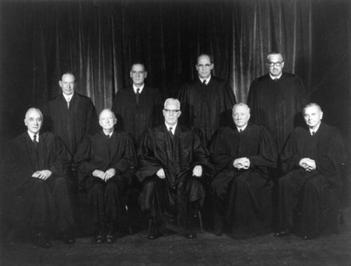 world almost doesn’t even resemble that of the era I was raised in, and certainly bears no resemblance to the era of our ancestors. While I can’t say exactly how to solve this dilemma, I think that maybe the best solution lies within each of us. Maybe we need to walk away from the situations that make us angry. Maybe we need to be more careful of the speech and behaviors that we show to our children. Maybe we need to teach our children that other people have a right to their opinion too, and it is not up to us to be their verbal police. Maybe we need to take offense less, and show compassion more. No matter what the ultimate solution is, there is no doubt in my mind that it begins in the human heart.
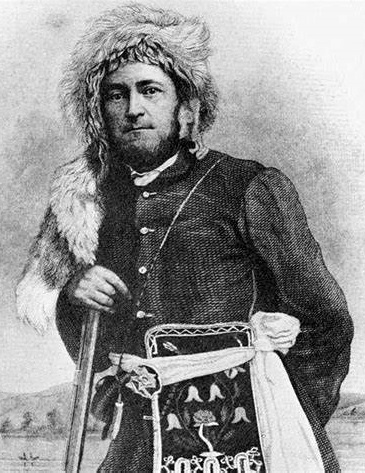 Many people who love the era of the Cowboys and Indians, also find themselves intrigued by the Mountain Men. These men were the epitome of the “wild” west. The Mountain Men were often what many might call “social rejects,” because they lived in the wilderness, hunted and fished to sustain themselves, and were often trappers who sold their furs to supplement their living. All that seems rather normal, but they were also reclusive, and often had long hair and a bushy beard. I suppose that many people would think that our opinion of the mountain men was discriminatory, but we have always had some concerns over those who were so very different. Maybe we even associated the mountain men with lawlessness. They often lived in the wilderness, because the were non-conformists when it came to the law. It wasn’t that they wanted to rob banks and kill people, but rather that they wanted to be free to live their lives the way they saw fit, without all the rules and regulations of society.
One such mountain man, was Joe Meek, who was born in Virginia in 1810. Meek was a friendly and relentlessly good-humored young man. Unfortunately, Meek did not have a the same interest in school, that he did to be a friendly, funny guy. In reality, his biggest problem was that he had too much energy to sit still and learn. After finally giving up on schooling, at 16 years old, Meek moved west to join two of his brothers in Missouri. Meek later found a need to read and write, and so taught himself, but his spelling and grammar were said to be “highly original” throughout his life.
In early 1829, Meek joined William Sublette’s ambitious expedition to begin fur trading in the Far West. This was the perfect lifestyle for Meek, and he found himself flourishing. Meek traveled throughout the West for the next decade, thoroughly enjoying the adventure and independence of the mountain man life. Meek was an average man, standing 6 feet 2 inches tall. He wore a heavy beard, and became a favorite character at the annual mountain-men rendezvous, where he regaled his companions with humorous and often exaggerated stories of his wilderness adventures. Meek, who was a well known grizzly hunter, claimed he liked to “count coup” on the dangerous animals before killing them, a variation on a Native American practice in which they shamed a live human enemy by tapping them with a long stick. Meek also claimed to have wrestled an attacking grizzly with his bare hands, before finally sinking a tomahawk into its brain. I suppose it might have been a tall tale, but more than one mountain man hs fought a bear. Some have won, and some have not had the same outcome…sadly.
Meek may have been a misfit in society, but he had good relations with many Native Americans, and in fact, he married three Indian women during his lifetime, including the daughter of a Nez Perce chief. Still, that good relationship didn’t prevent him from getting into some squabbles with the tribes. Many of the Indians didn’t like the incursion of the mountain men into their territories, and periodically, things got hostile. In the spring of 1837, Meek was nearly killed by a Blackfeet warrior who was taking aim with his bow while Meek tried to reload his Hawken rifle. Luckily for Meek, the warrior dropped his first arrow while drawing the bow, and the mountain man had time to reload and shoot.
Finally, in 1840, Meek saw that the golden era of the free trappers was ending. He decided that it was time for a “career change.” Meek and another mountain man, along with Meek’s third wife guided one of the first wagon trains to cross the Rockies on the Oregon Trail. Once there, Meek settled in the lush Willamette Valley of western Oregon, became a farmer, and actively encouraged other Americans to join him. He could see that  times were changing. In 1847, Meek led a delegation to Washington DC, asking for military protection from Indian attacks and territorial status for Oregon. After the long journey, Meek arrived in Washington DC “ragged, dirty, and lousy.” Nevertheless, he became something of a celebrity in the capitol…maybe a little bit like “Crocodile Dundee.” Meek was a novelty, and the Easterners relished the boisterous good humor Meek showed in proclaiming himself the “envoy extraordinary and minister plenipotentiary from the Republic of Oregon to the Court of the United States.” The trip was quite successful, and Congress responded by making Oregon an official American territory and Meek became a US marshal.
Strangely, considering his anti-social beginnings, Meek returned to Oregon and became heavily involved in politics, eventually helping to found the Oregon Republican Party. He later retired to his farm, where he died on June 20, 1875 at the age of 65.

