Monthly Archives: June 2026
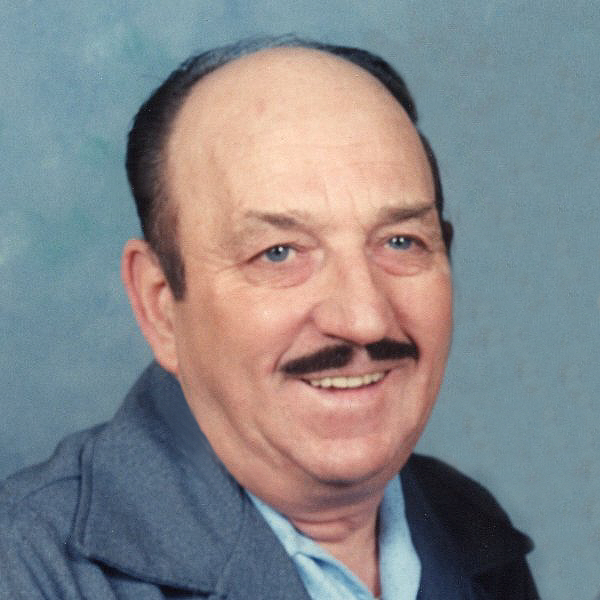
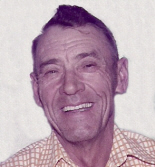 For those who no longer have their dad here on Earth, Father’s Day inevitably carries a touch of sadness. Many of us wish for just one more day or one more memory with our dad, but that, of course, is not possible. Instead, we quietly send a Happy Father’s Day wish to Heaven, knowing that our dad doing well and filled with joy. It’s we who carry the weight of sorrow and loneliness. For me, both my father, Allen Spencer, and my father-in-law, Walter Schulenberg, are in Heaven now, and I often find myself forgetting the day’s approach, maybe as a way to protect myself from the sadness their absence brings. My comfort comes from knowing I’ll see them again in Heaven. Until then, to my dads, I say Happy Father’s Day in Heaven. I’m sure it will be a truly wonderful day there…far better than anything we could ever plan for them here on Earth.
I feel so blessed to have had two wonderful dads in my life. My dad made sure that we…his five daughters and our mom…had chances to see the country, go camping, read maps, plan trips, and enjoy many other 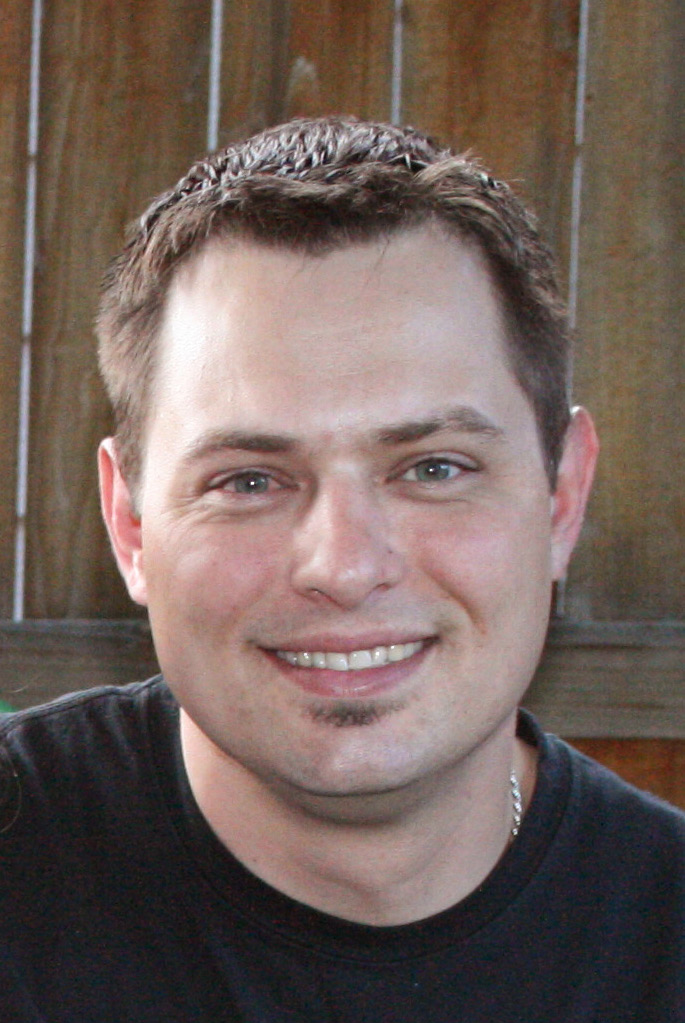
 adventures. He taught us responsibility, love for one another, and most importantly, love for God. My father-in-law was much the same kind of man, even though his family didn’t travel much. They were still incredibly close and always helped each other in any way needed. It’s like a network of people with unique talents who share the load when challenges arise. I will always be proud of and grateful for my two dads, both of whom are now living with God in Heaven.
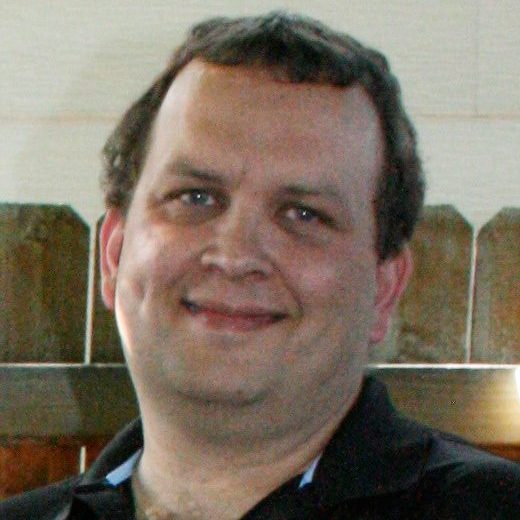
I’m blessed to have several men in my life who qualify as dads, even if they’re not my own. My husband, Bob Schulenberg, is the proud father of my children, Corrie Petersen and Amy Royce. My sons-in-law, Kevin Petersen and Travis Royce, have been wonderful husbands and fathers, working hard to give my daughters and 
 grandchildren happy lives. My grandsons, Chris Petersen…father to a daughter and two sons, and Josh Petersen…father to four sons, are both deeply involved in raising their kids. I’m so proud of these men, who show their children every day what it means to be a great dad. They’re loving fathers, strong role models, and true blessings. I also want to honor my brothers-in-law and nephews, who are amazing dads as well. Today, on Father’s Day, it’s a time of memories for me, but also a celebration for us all. Happy Father’s Day to them and to all the dads out there!
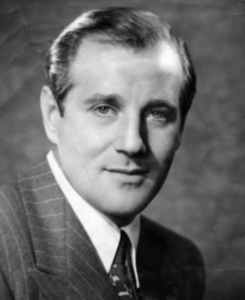
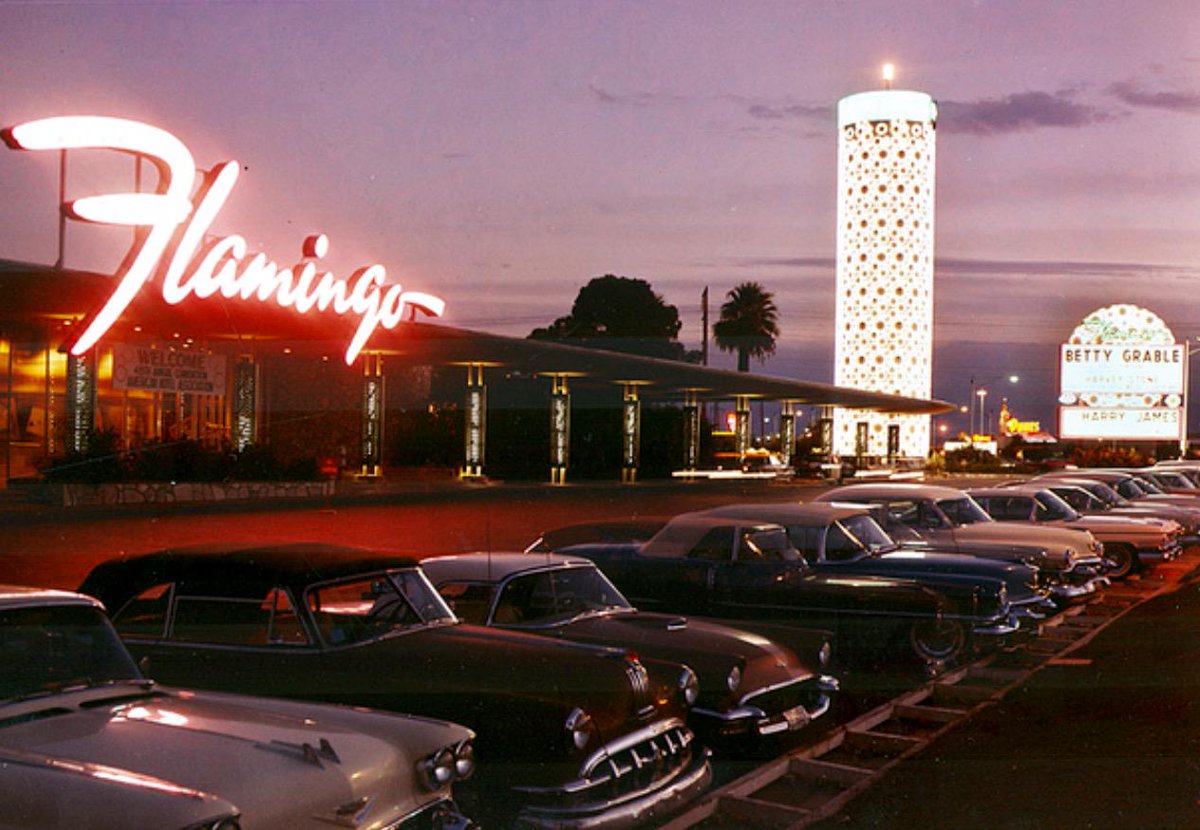
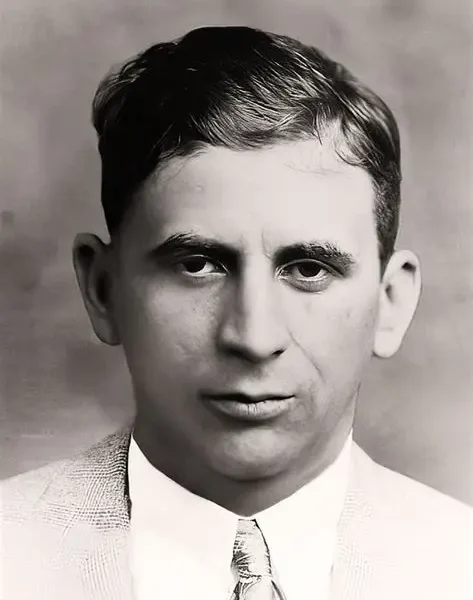 Bugsy Siegel built his criminal empire through bootlegging, gambling, and ruthless hits before making his mark in Las Vegas. He launched the iconic Flamingo Hotel and Casino, kicking off a notorious gambling operation in the middle of the desert. Born Benjamin Siegel on February 28, 1906, in Brooklyn, New York, he was the son of Jewish immigrants and grew up in the rough Williamsburg neighborhood, where Irish and Italian gangs thrived. As a teen, he shook down pushcart vendors on New York City’s Lower East Side. In 1918, he teamed up with fellow gangbanger Meyer Lansky to form the Bugs-Meyer Gang…a crew of tough Jewish mobsters who also ran a deadly group of contract killers known as Murder, Inc. In January 1929, Siegel married his childhood sweetheart, Esta Krakower, and they had two daughters, Millicent (who passed away in 2017) and Barbara. But Siegel’s wandering eye led to their divorce in 1946, after ccc which Esta took the girls, left Beverly Hills, and moved back to New York.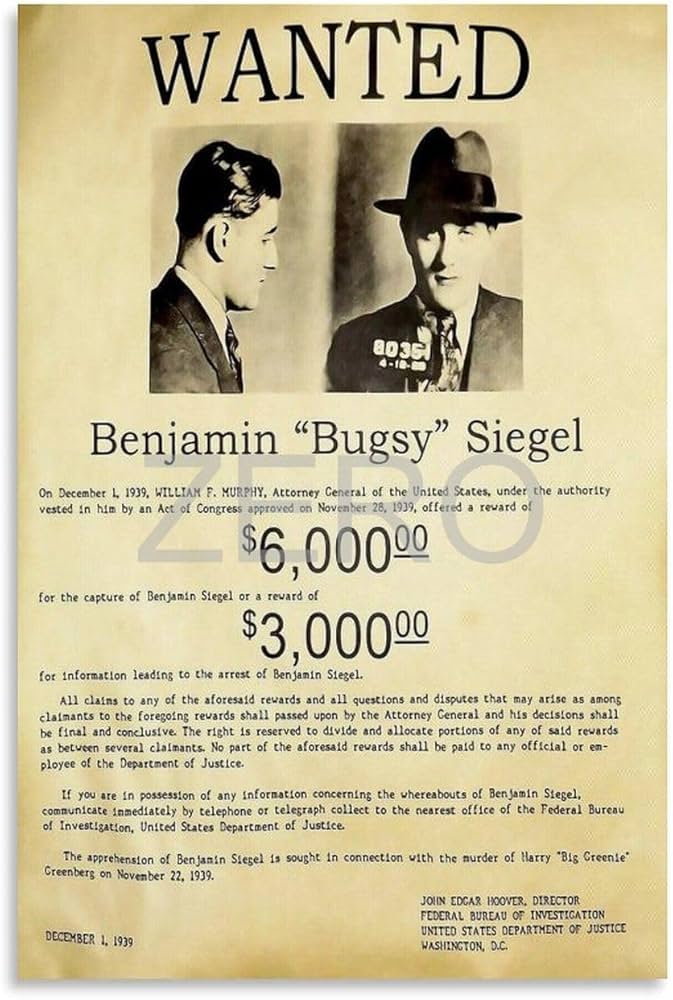
In the 1920s, Mafia boss Charles “Lucky” Luciano and other Italian gangsters formed a national syndicate. Known as Bugsy for his fiery temper, Siegel quickly rose in the ranks of this new criminal network. In 1931, aiming to eliminate some of New York’s old guard, Siegel was one of four hitmen tasked with killing Sicilian mobster Joe “the Boss” Masseria. By 1937, he moved his bootlegging and gambling operations to California, where he opened gambling dens, ran offshore casinos, and took control of existing prostitution, drug, and bookmaking rackets. Relocating his family, Siegel lived lavishly in Beverly Hills, owning a grand estate, attending glamorous parties, and mingling with Hollywood’s elite.
In the late 1930s, Siegel started dating actress Virginia Hill, and together they made a striking pair, known as much for their fiery tempers as for their glamorous style. In 1945, they moved to Las Vegas, where Siegel chased his dream of creating a gambling haven in the Nevada desert. Backed by the Eastern crime syndicate, he oversaw the construction of the Flamingo Hotel and Casino. What began with a $1.5 million budget quickly spiraled out of control, with costs soaring past $6 million. When it was revealed that much of the overspending was due to Siegel’s theft and poor management, Lansky…by then a key figure in the syndicate—was furious at the betrayal.
On the evening of June 20, 1947, Siegel was brutally killed, when a fusillade of bullets crashed through Hill’s 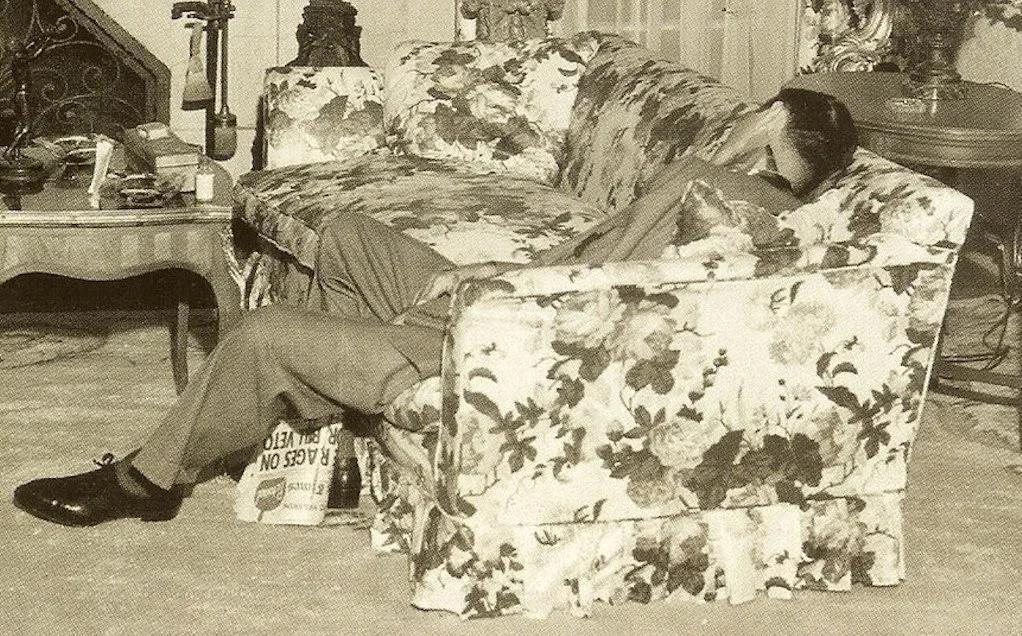
 living room window in Beverly Hills where he was visiting…likely he was living with her. Simultaneously, three of Lansky’s cohorts entered the Flamingo Hotel and declared a takeover. Although Lansky denied involvement in the hit, there is little doubt that Siegel was murdered on syndicate orders. In 1947 he was gunned down at his girlfriend Virginia Hill’s home at the age of 41.
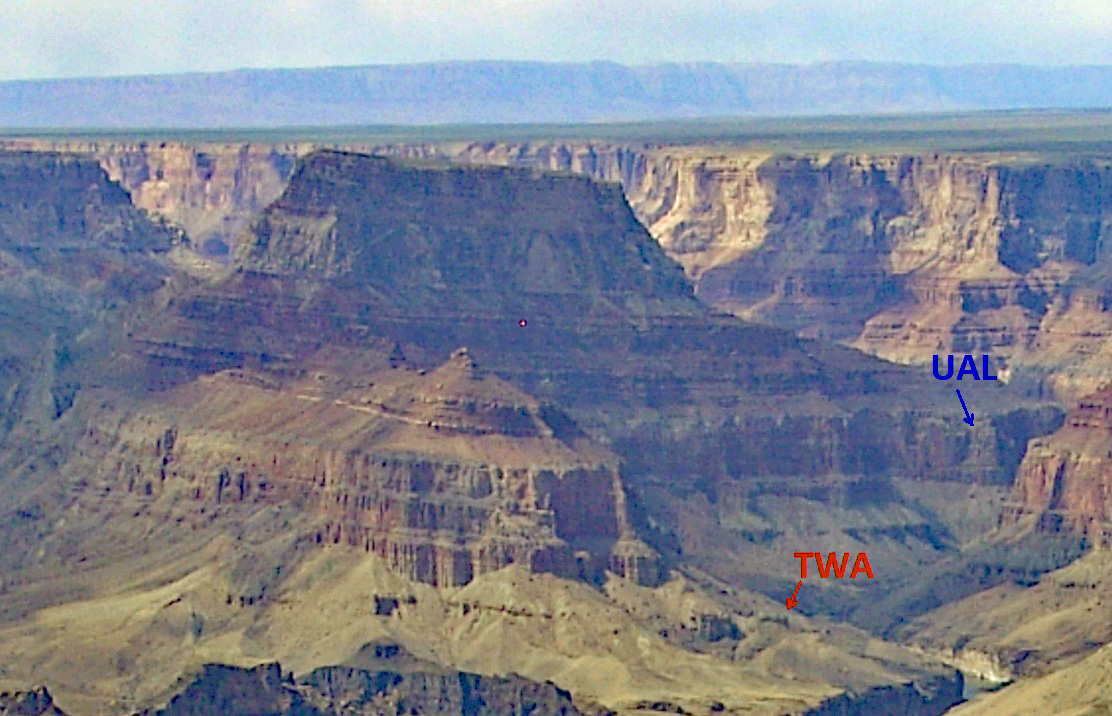
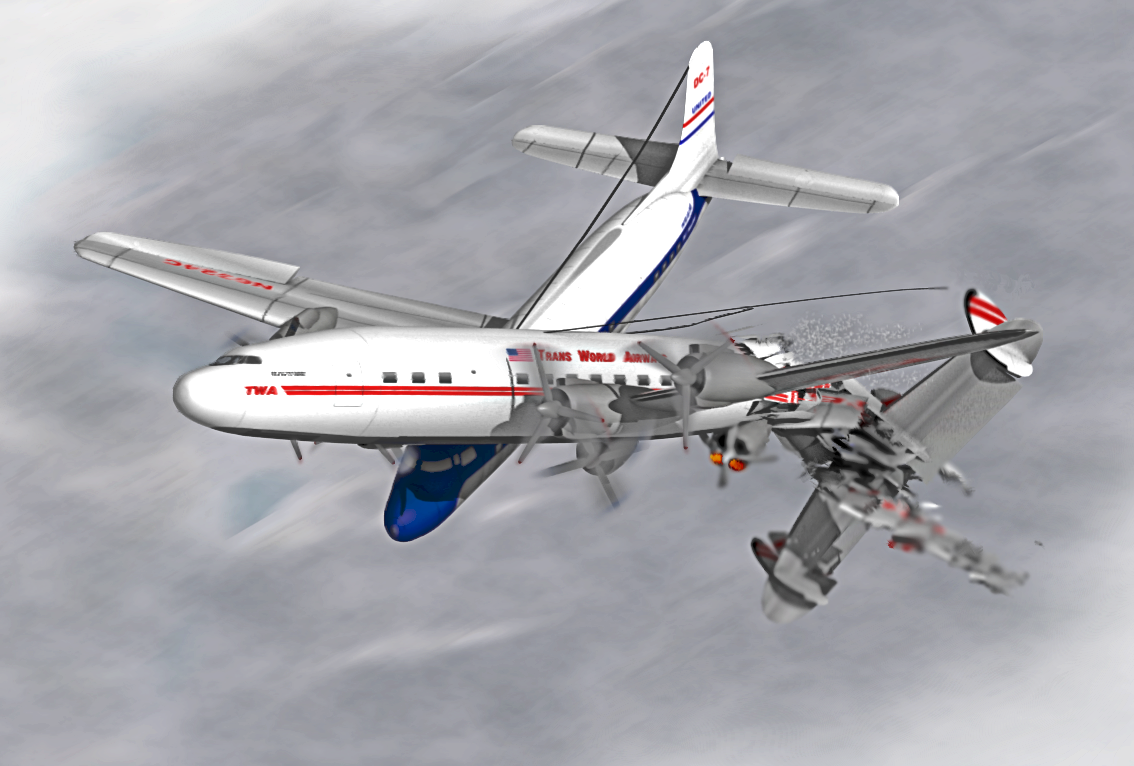 On June 30, 1956, a Lockheed L-1049A Super Constellation flying as TWA Flight 2 collided with a Douglas DC-7 Mainliner operating as United Air Lines Flight 718 over Grand Canyon National Park, Arizona. The Constellation plunged into the canyon, while the DC-7 crashed into a cliff. Tragically, all 128 people aboard both planes were killed, marking the first commercial airline disaster with over one hundred fatalities. The planes had taken off from Los Angeles International Airport just minutes apart, bound for Chicago and Kansas City. The crash happened in uncontrolled airspace, where pilots were expected to maintain separation under the “see and be seen” rule, exposing the outdated state of air traffic control and sparking major aviation reforms. Similar to the “see and avoid” rule, the “see and be seen” rule requires the pilots to somehow make their presence known. Since I have been a passenger in a small airplane, where I was required, as the only other person onboard, to help watch for traffic when coming into the airport, I can say
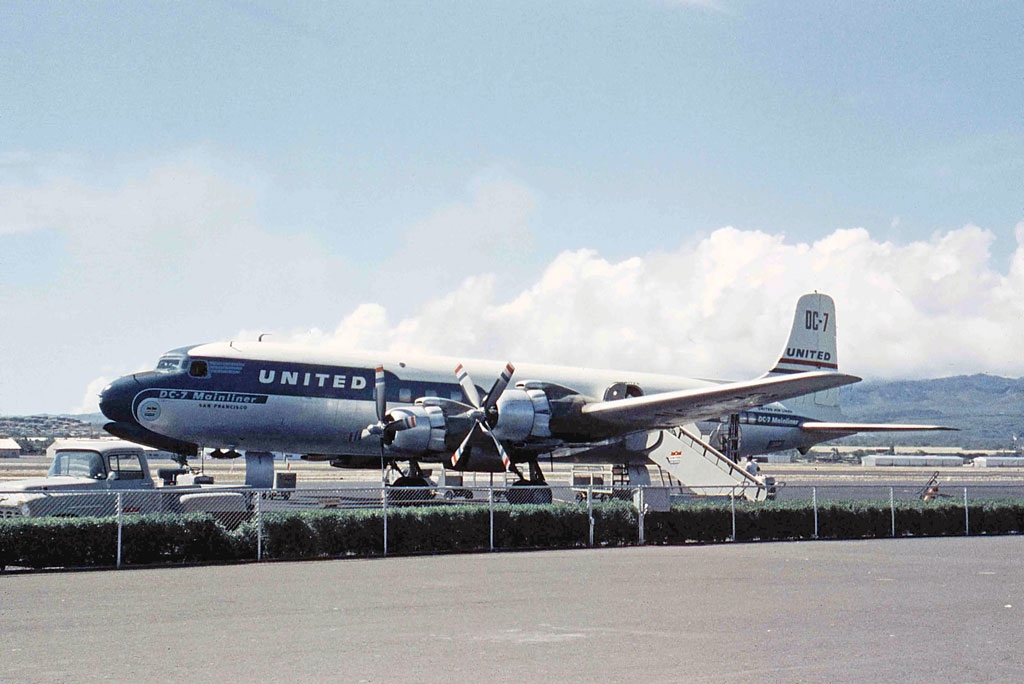 that “see and be seen” is not always an easy task. Planes can blend into the terrain very easily. Even when we were told where the traffic was, it took me a minute to locate it. I’m sure the pilot, my boss at the time, Jim Stengel saw it before I did, but because it took a minute for me to see it, I can see how two planes could end up in a bad situation.
On that morning, TWA Flight 2 left Los Angeles bound for Kansas City. Just three minutes later, United Airlines Flight 718 took off for Chicago. Amazingly, their paths crossed 400 miles away over the Grand Canyon, where both pilots, flying under visual “see and avoid” rules, steered around a thundercloud…TWA’s Lockheed L-1049 Super Constellation passing to the left and United’s Douglas DC-7 to the right. The “see and avoid” rule requires the pilots to take evasive action when the other plane came into view…but was there time? Probably not.
Unfortunately, the planes didn’t see or have time to avoid the danger. At 21,000 feet, the two airliners crossed 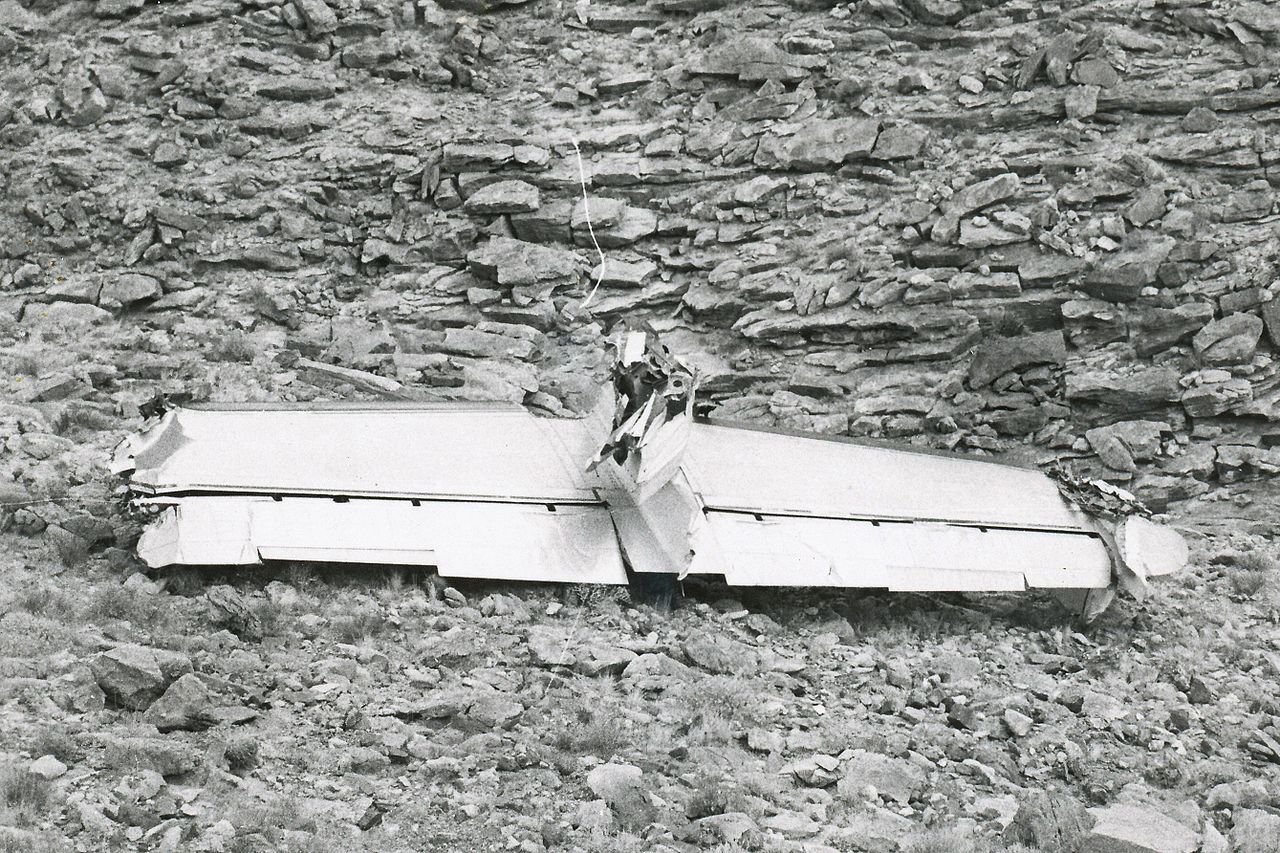
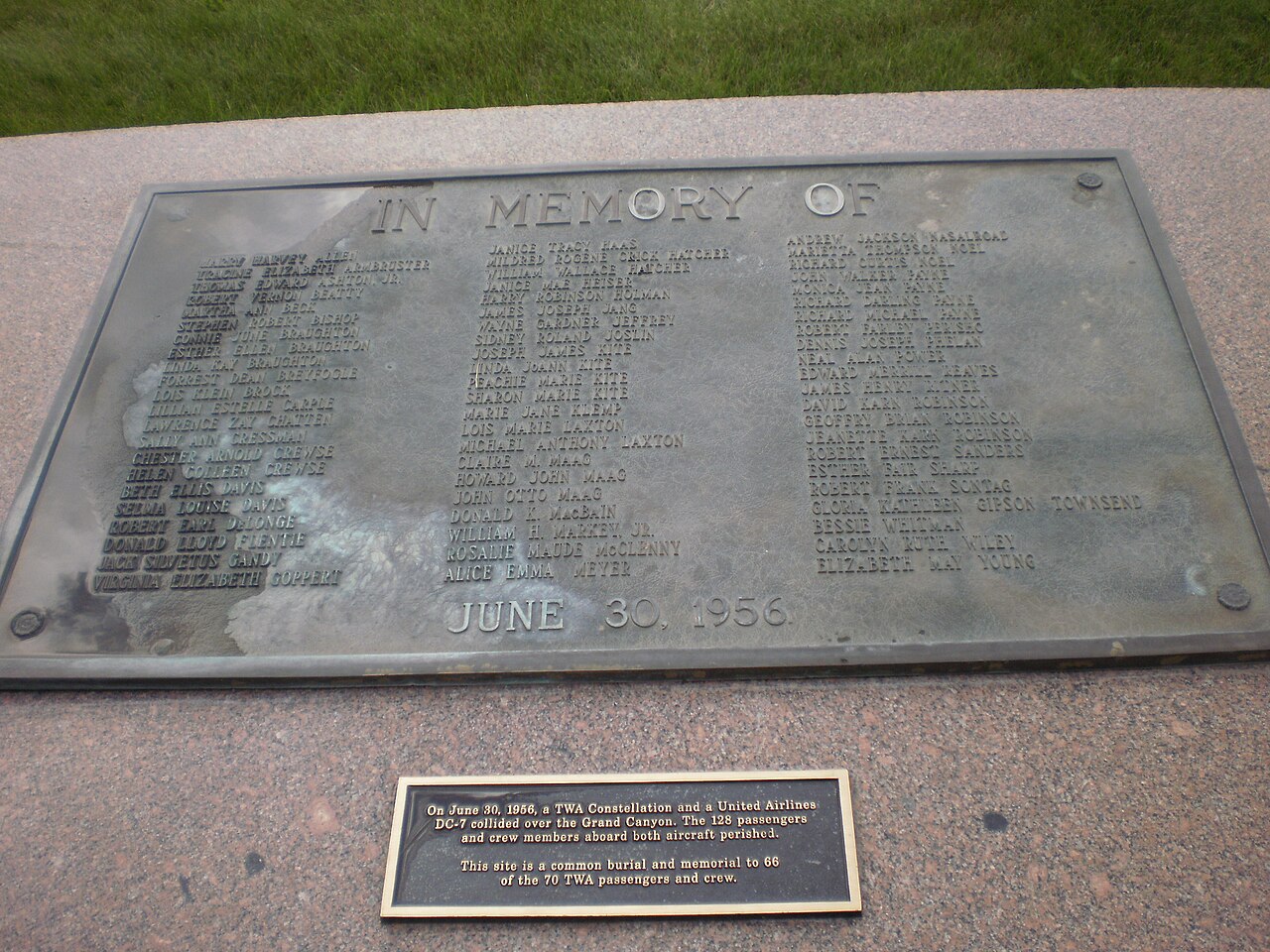 paths, and the United plane’s left wing clipped the TWA’s tail, tearing through the rear of its fuselage. Both planes crashed into the canyon floor, killing all 128 people aboard. This was the deadliest American aviation accident of its time, and it prompted a congressional investigation and paved the way for today’s modern air traffic control system. I always find it sad that it takes a tragic loss of life to bring about change.
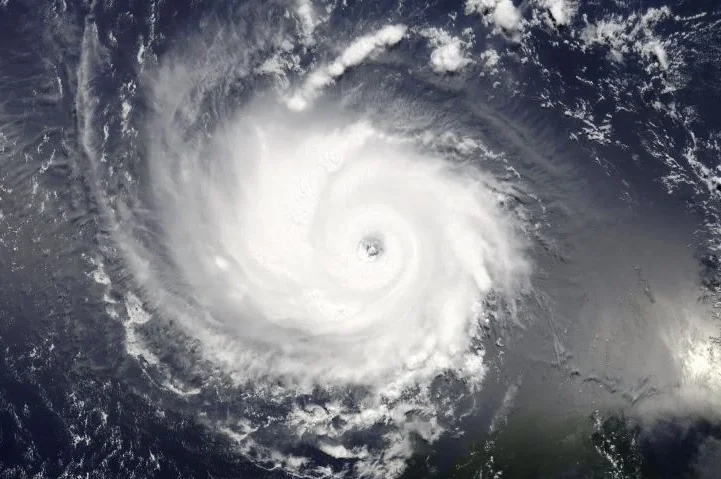
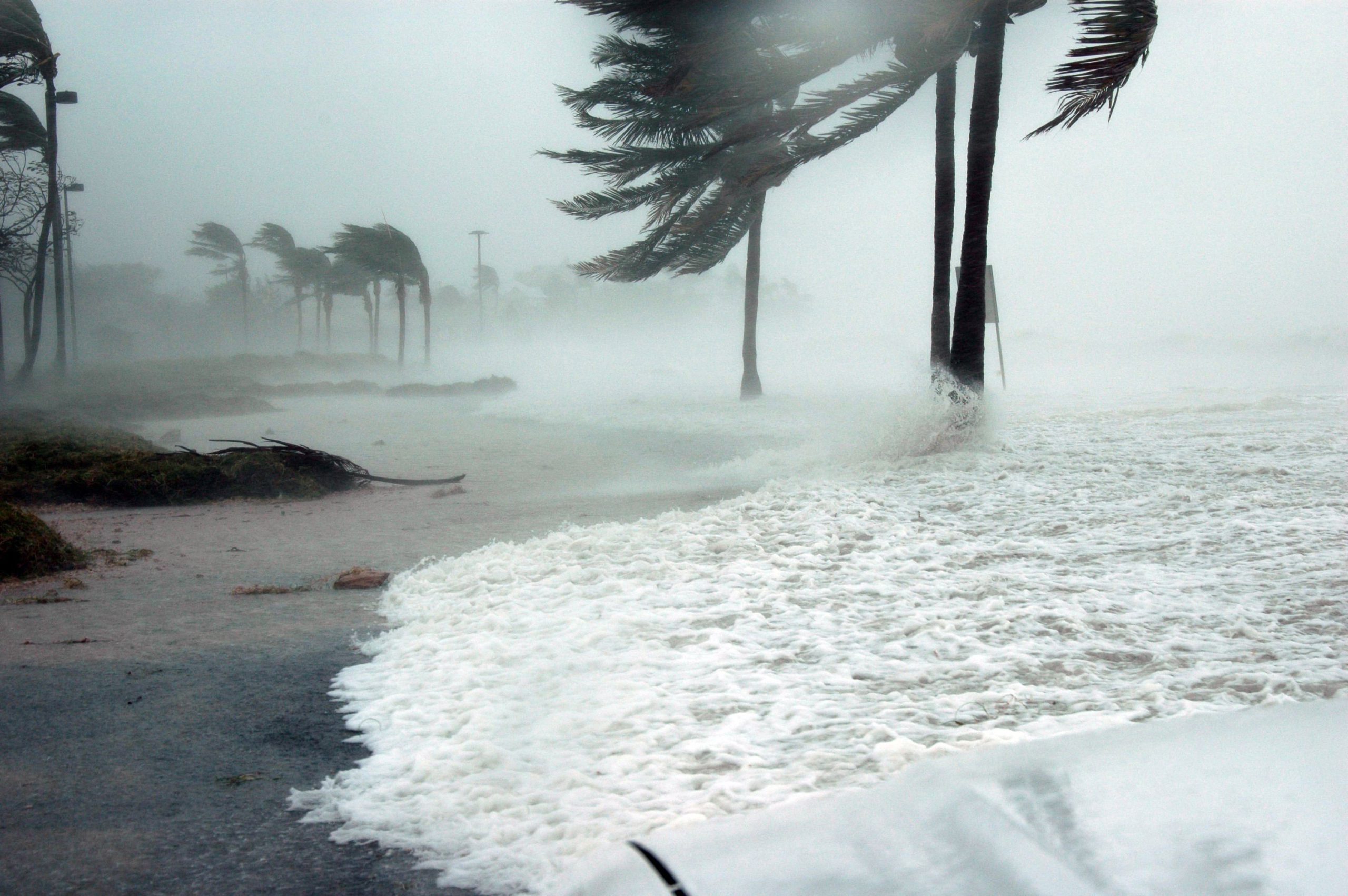 The naming of hurricanes is not something new. These days, hurricanes and tropical storms get names to make communication and identification easier. Before naming was common, storms were tracked by or by the year and sequence they happened, which often caused confusion…especially when several storms were active at once. Short, unique names are simpler to remember, share, and report in advisories, news, and emergency updates, helping warnings reach people quickly and clearly.
Naming storms is a tradition that actually goes back centuries. In the West Indies, hurricanes were once named after the Catholic saint’s day on which they hit, like Hurricane San Felipe. It seemed a logical way to name them at the time, but obviously the names would need to be repeated before long. By the late 1800s, Australian meteorologist Clement Wragge started giving tropical cyclones names, using everything from Greek letters and mythological figures to the names of local politicians. The naming process had taken on a life of its own, so to speak.
In World War II, United States military meteorologists casually named Pacific storms after their wives and girlfriends to make tracking on weather maps easier. I can only imagine how that went over. Some might have felt honored, while others might have been insulted. In 1953, the US National Weather Service made this system official for Atlantic storms, starting with only female names. After a while, the women began to protest and by 1979, male names were added to alternate with female ones after those calls for gender balance.
Today, the World Meteorological Organization (WMO) keeps six rotating lists of names for Atlantic hurricanes, each with 21 names in alphabetical order, skipping Q, U, X, Y, and Z. Names come back every six years unless a storm is so destructive or costly that the name is retired out of respect, like Katrina in 2005 or Melissa in 2025. 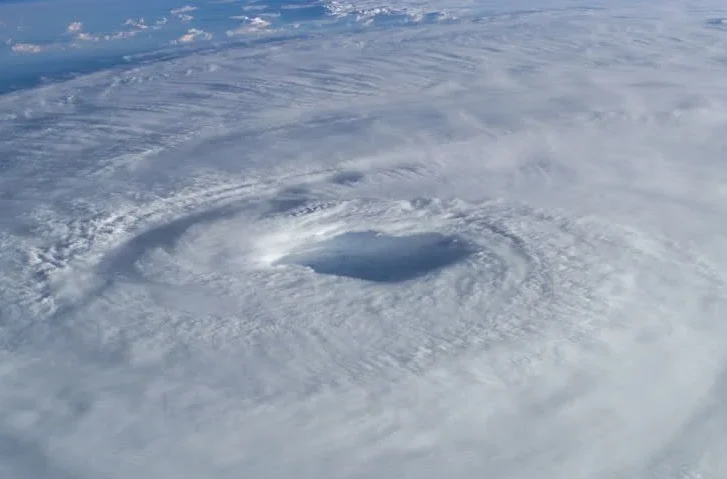
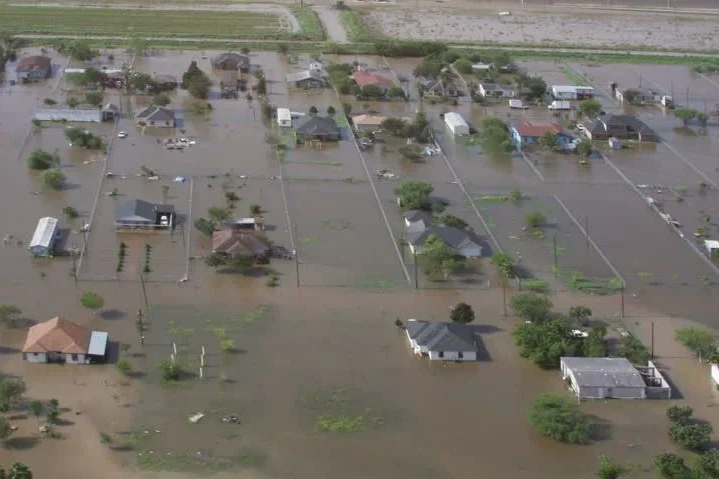 A storm gets its name when it hits tropical storm strength with winds of at least 39 mph and keeps it if it grows into a hurricane with winds of 74 mph or more. While this system is used in the Atlantic, other regions have their own rules. For instance, Pacific hurricanes, Indian Ocean cyclones, and Western Pacific typhoons use similar alphabetical lists or names tied to local languages and traditions.
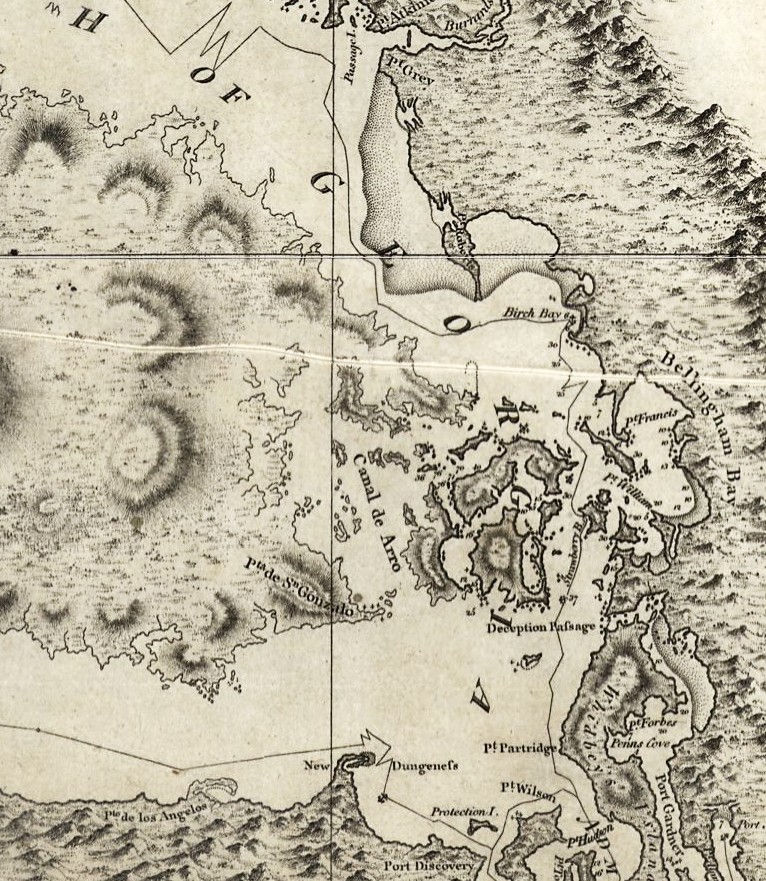
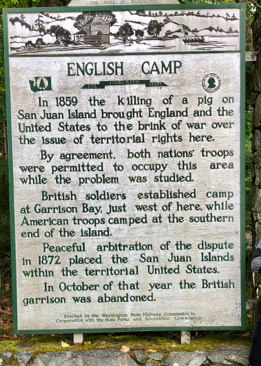 The Pig War of 1859 was a tense yet bloodless standoff between the United States and the United Kingdom over who owned the San Juan Islands in the Pacific Northwest. Despite its dramatic name, no people were harmed. The conflict arose from the Oregon Treaty of 1846, which set the United States–British border along the 49th parallel from the Rockies to the Pacific but left vague whether Haro Strait, near Vancouver Island, or Rosario Strait, closer to the mainland, marked the “middle of the channel.” The United States stance was that the Rosario Strait meant that the islands belonged to America. This uncertainty had lingered since the 1840s, with both sides laying claim to the islands.
On June 15, 1859, exactly 13 years after the adoption of the Oregon Treaty, the ambiguity led to direct conflict. Lyman Cutlar, an American farmer from Kentucky who had moved onto San Juan Island claiming rights to live there under the Donation Land Claim Act, passed nine years earlier by the United States Congress in 1850, found a pig rooting in his garden and eating his tubers (potatoes). The trouble started when Cutler shot the pig owned by Charles Griffith, an Irish worker for the Hudson’s Bay Company stationed at the island’s depot. Cutler apologized and offered $10 as 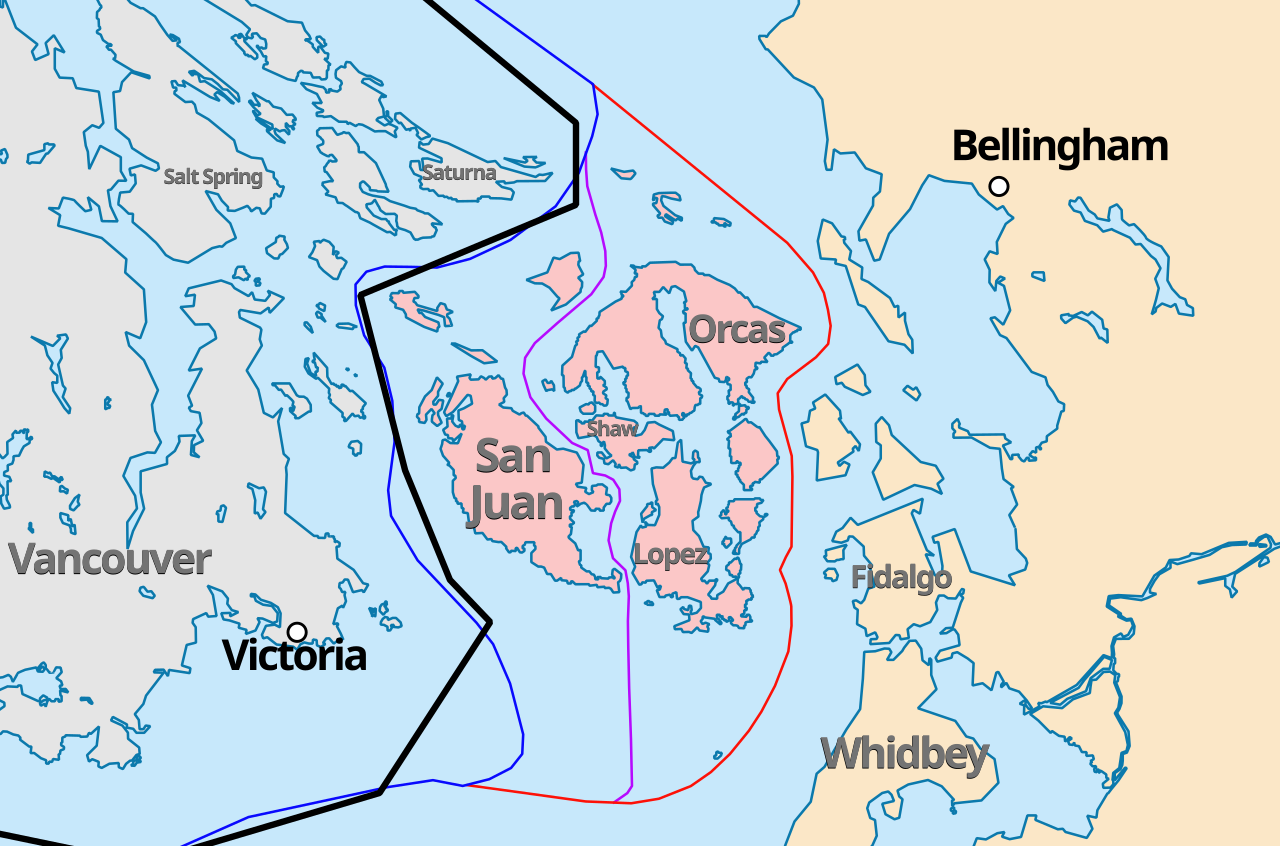
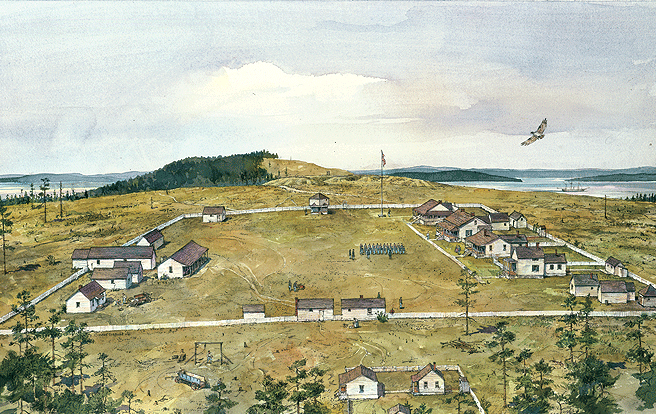 compensation, but the British authorities responded by threatening to arrest him and expel all Americans from the island. In response, Brigadier General William S Harney sent Company D of the 9th US Infantry, led by Captain George E Pickett (who would later become a Confederate general), to San Juan on July 27, 1859, according to the National Park Service.
Governor James Douglas of Vancouver Island protested the landing, leading to the arrival of British warships to assert control. By late 1859, both nations agreed to a joint military occupation of the islands to avoid further conflict. American and British troops coexisted in a tense but peaceful manner, even celebrating holidays together. In 1871, Kaiser Wilhelm I of Germany resolved the dispute in favor of the United States, awarding the 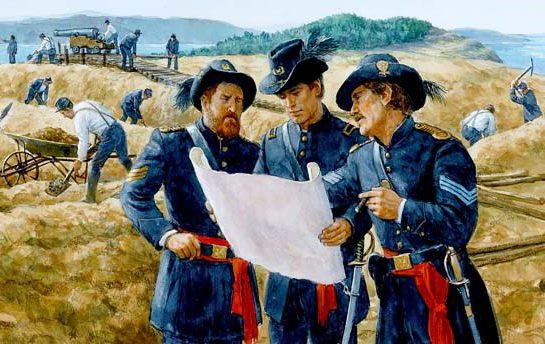
 San Juan Islands to them. The joint occupation ended in 1872, making the islands officially part of Washington Territory. The Pig War remains known as a bloodless territorial dispute that showed how something like unclear borders and incidents that follow even if one party tries not to make it a big deal, could spark international tensions, and how third-party arbitration can resolve such conflicts without war.
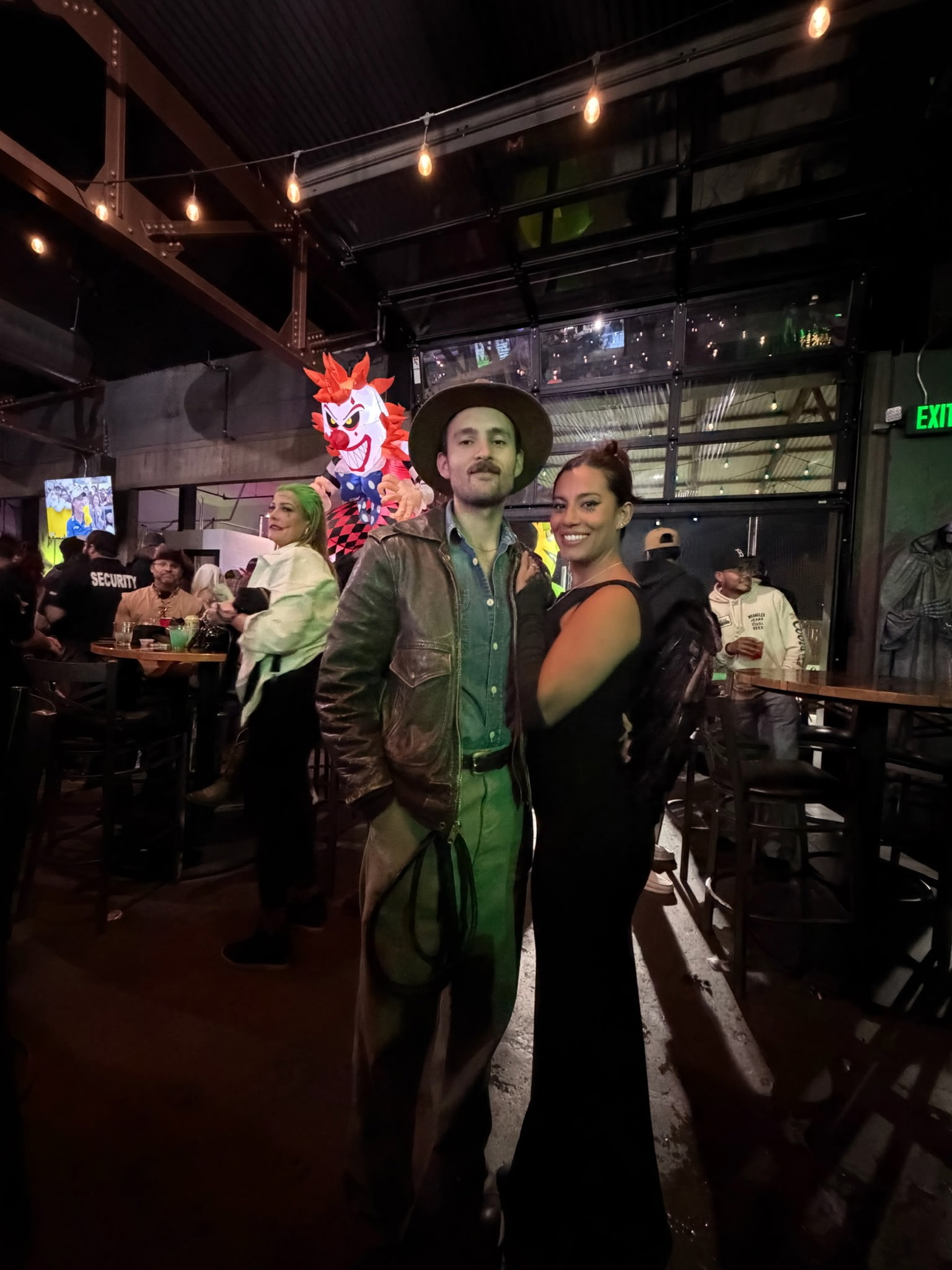
 My grandnephew, James Renville has always loved to travel, and in fact, he would probably enjoy living in another country for a while. A likely choice for him would be Columbia, because his wife, Manuela Ortiz has family there. During their almost 5 years of marriage, they have made several trips to Columbia to visit her family…and as it turns out, James and his mother-in-law, Consuelo share the same birthday, a fact they both like very much. James and Manuela have also taken a number of trips with his parents, Toni Chase and her husband, Dave; and Jim Renville and his wife, Rhonda. James and Manuela love hiking with Toni and Dave, and they have gone on a number of trip when they could take in stunning
 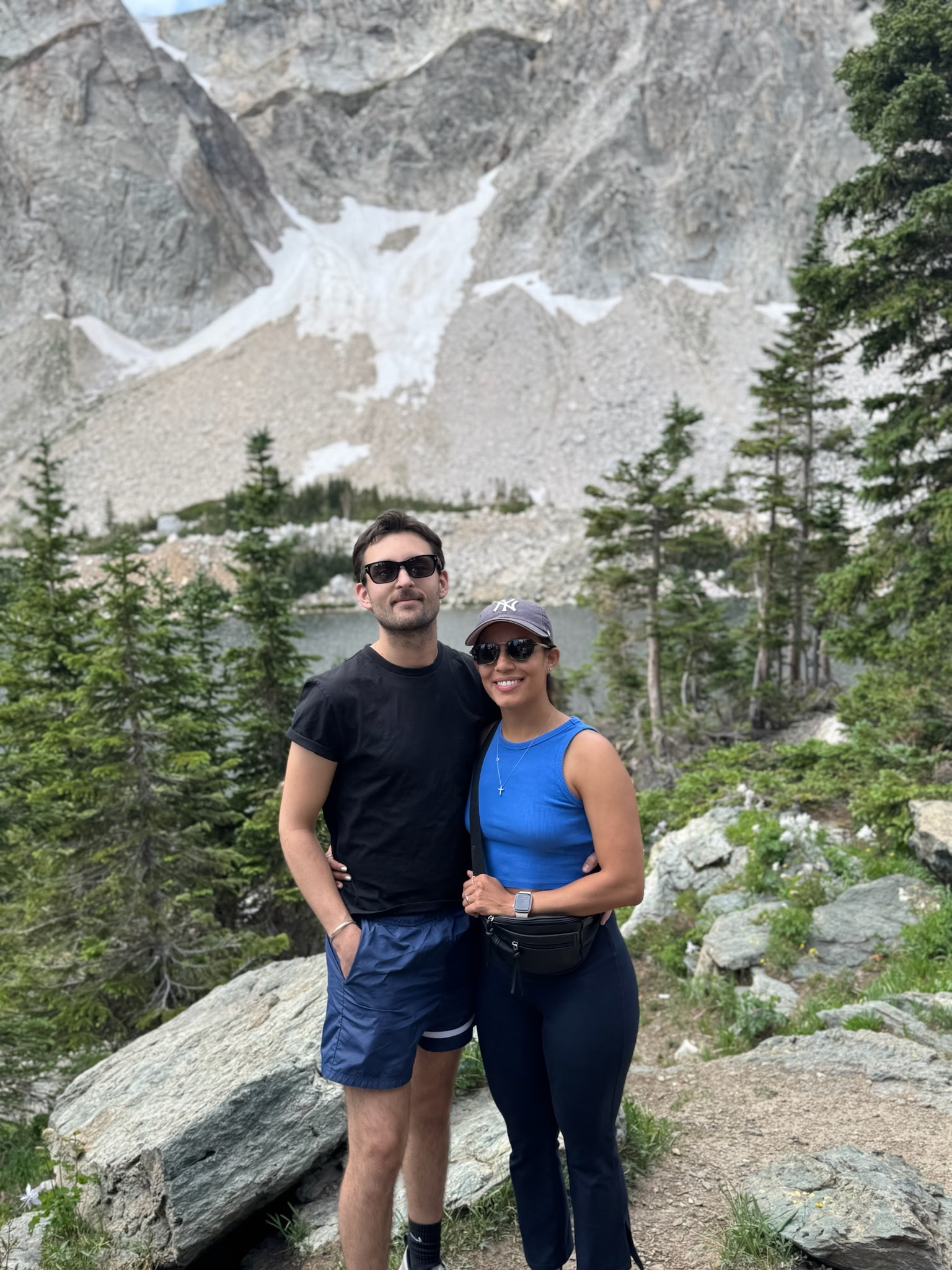 views while hiking. Manuela has opened up a whole new world for James in a number of ways. Being from Columbia, she is into Salsa dancing and other forms of dance that James had never done before, but with her teaching him, he has become quite skilled. James and his dad, Jim have taken up playing pool, and have not only had a great time, but they have become quite skilled. They even won a championship and a trip to Las Vegas last year. While in Vegas, James got to take a ride on a helicopter. He had a great time!!
James and Manuela are always open to new kinds of activities, and they have not only enjoyed hiking, but also snow shoeing, and other winter activities. They are very adventurous people, and they are always looking for a new activity to engage in. This year, James and Manuela have taken several trips to Colorado, including a trip 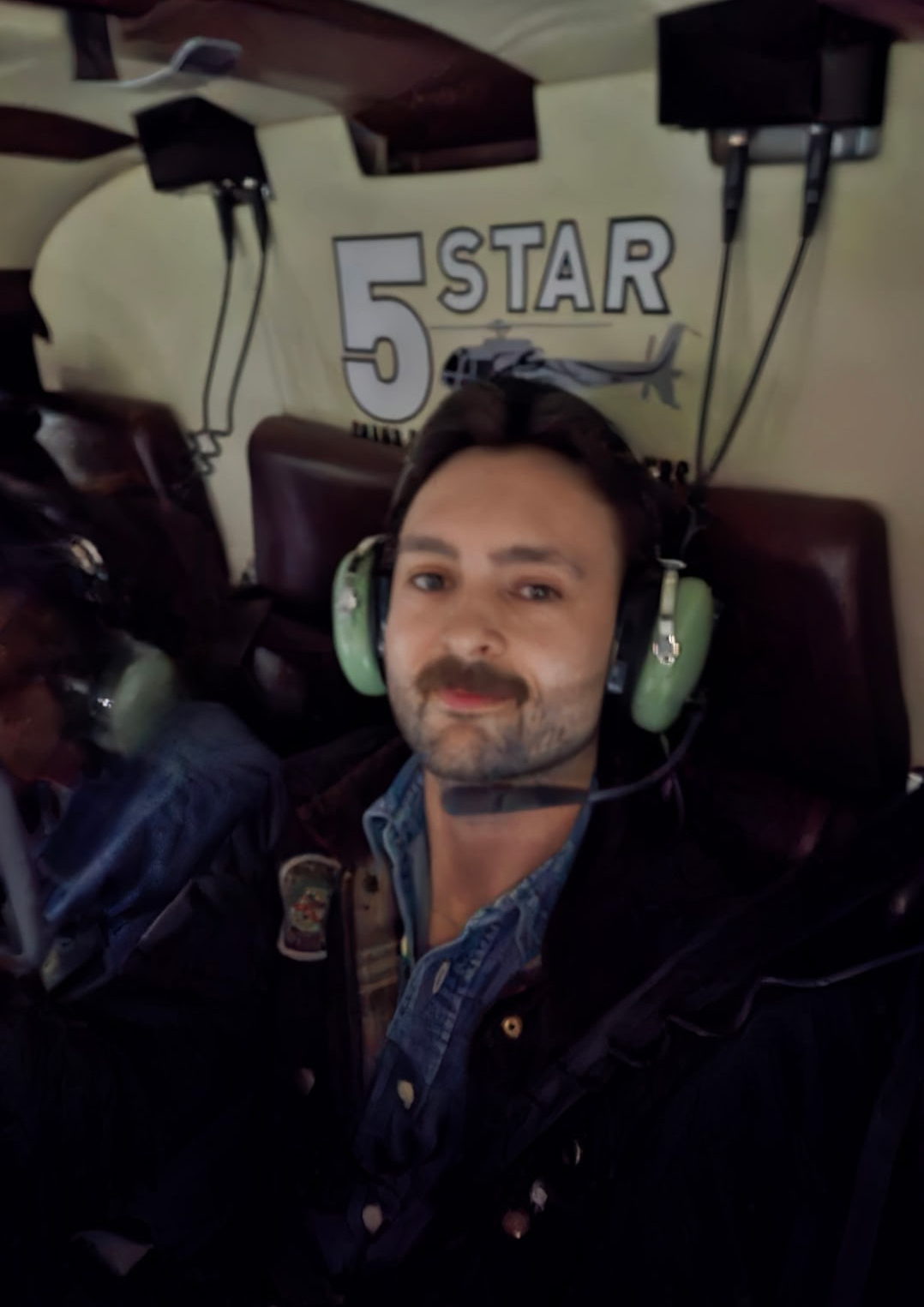
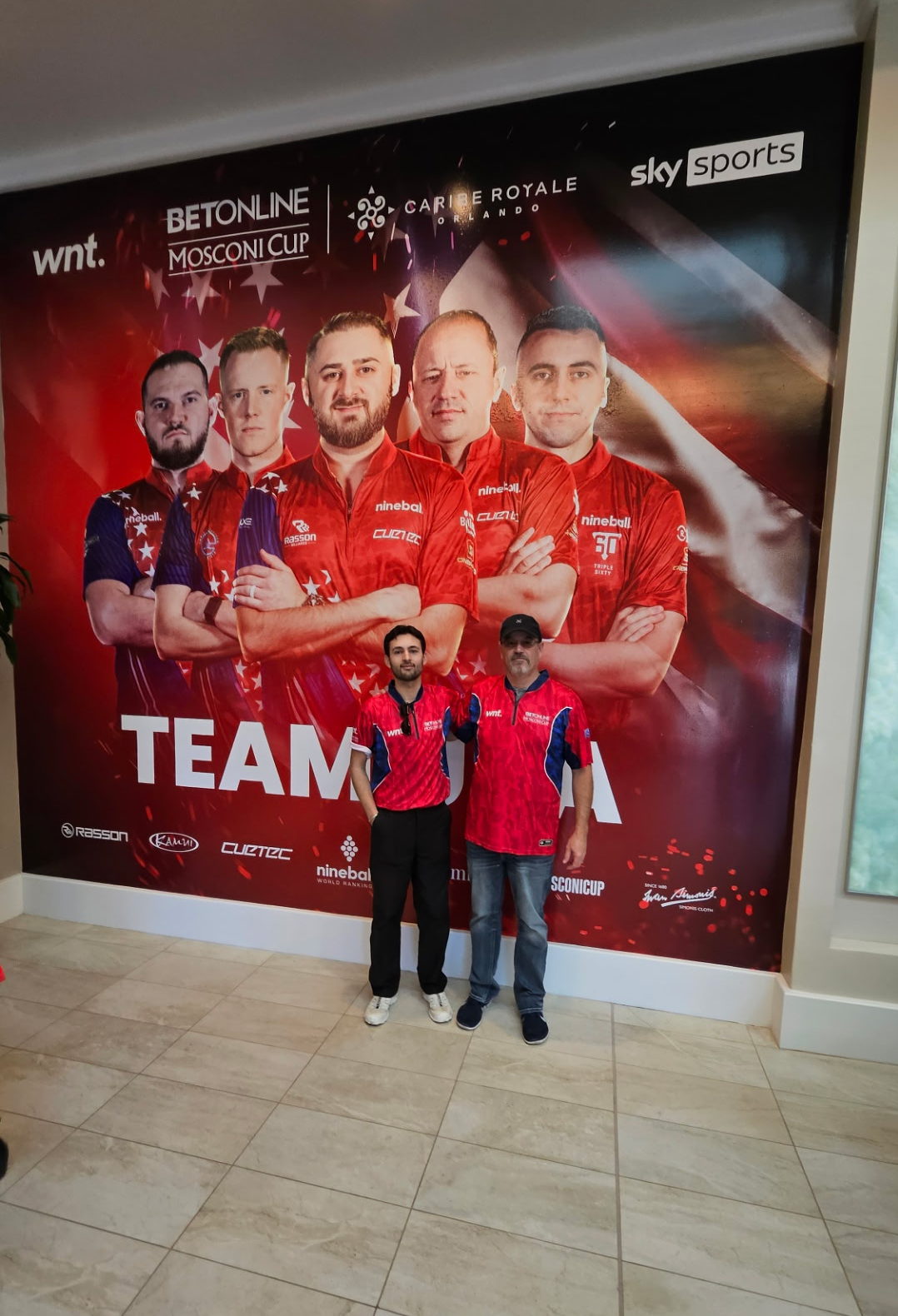 over New Year’s Eve, which was a lot of fun. They’ve hiked with Toni and Dave at Centennial at the Snowy Range Lake Marie. He and his dad did a Vegas trip for the Mosconi Cup pool tournament in February.
James has to travel a lot for his work in safety and compliance, but that doesn’t exactly constitute an exciting kind of trip. Nevertheless, sometimes a road trip, even for work, can be pleasant. Other than that, James and Manuela love spending time working on their house and hanging out with Toni and Dave and Jim and Rhonda. They like going to the cabin with Toni and Dave and they got to do that a couple times too. Today is James’ birthday. Happy birthday James!! Have a great day!! We love you!!
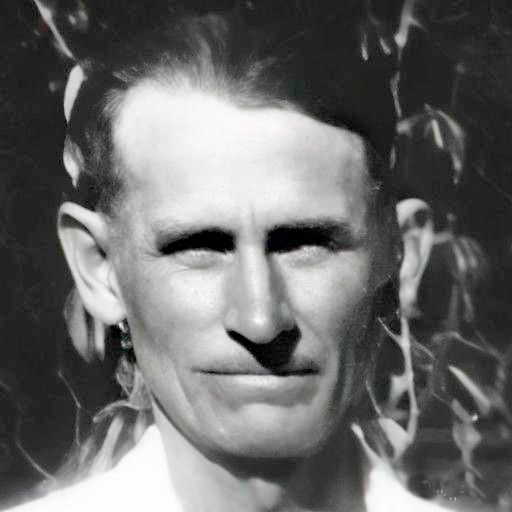
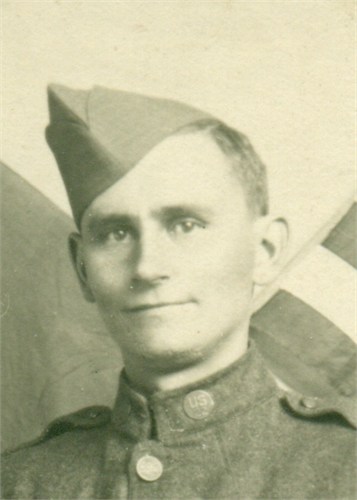 When my grandfather, George Floyd Byer, served in World War I, he began as a cook and eventually became the chief cook, essentially the man in charge. He was highly respected by all the men under his command. In fact, he and his men had such a great rapport that they even enjoyed spending their leave time together. While it was common for men on leave to socialize with other members of their unit, they rarely interacted with those above them. Nevertheless, Grandpa’s men didn’t seem to mind at all. Perhaps it was simply different back then.
Whether a person is excited about being stationed in another country or not, it is a good opportunity to see the world. Even in 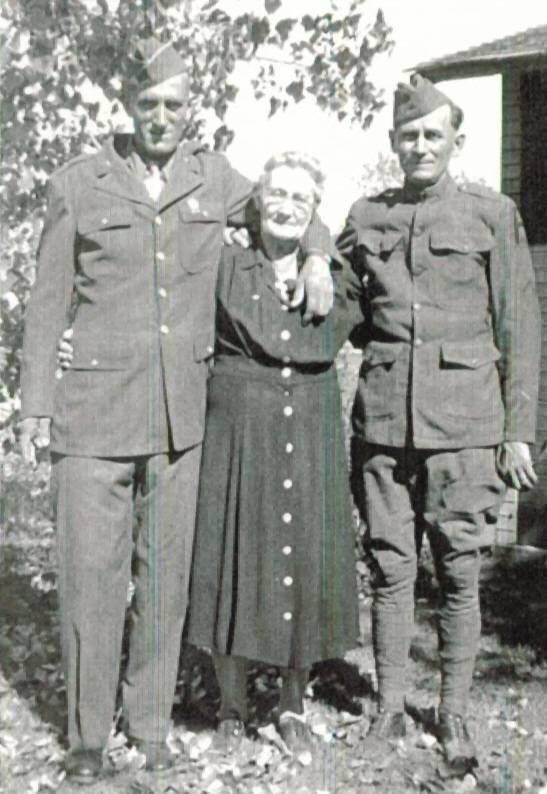 World War I, when it was not quite as easy to get to so many places, they could still see the towns around them, and like my grandfather, sometimes they get to see a castle in France. This was the case when my grandfather and some of his men went on leave. I don’t know how much of the castle they got to see, but they were able to say that they had been to one, and that is a very cool thing in the World War I days.
My grandfather, a highly respected man both in the military and out of it, is difficult for me to envision in the military. He was a gentle man, much like my father, and it’s hard to imagine my father in the military either. Neither of them seemed like someone who could possibly kill another person. I suppose that war is simply different. It’s a life-or-death situation where you have to do what you have to do to survive and protect your fellow soldiers. I can easily imagine my grandfather and my father doing that. They were both honorable men, and while killing a human being is something neither would ever do for no good reason, when it comes to protecting their family or their comrades, they did what they had to do.
Knowing how loyal my grandfather was to his men, I can completely understand why they respected him so 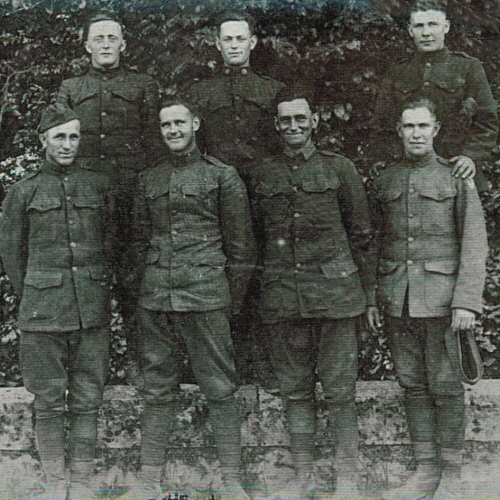
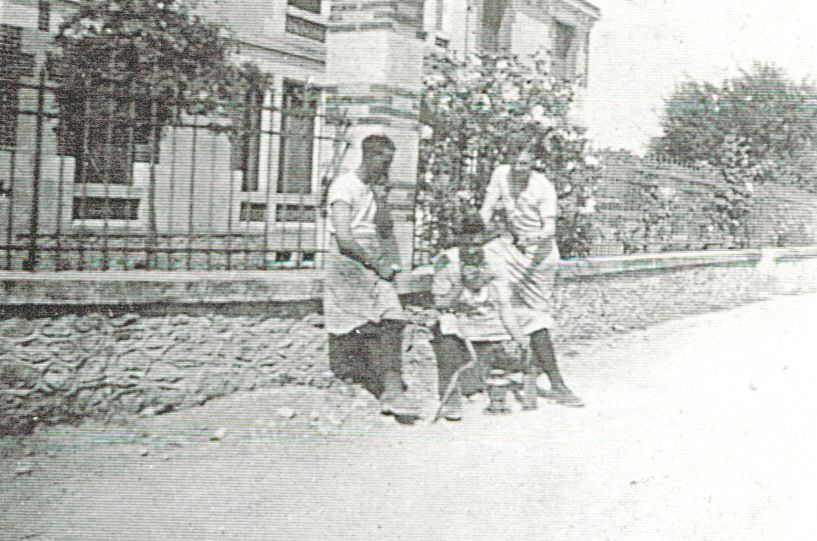 much. He was kind and caring, not just to his family, but to his men as well. Men who are far away from home during a war are definitely dealing with a lot of emotions. It’s comforting to have someone in charge who can understand how you feel and provide advice when needed. That’s exactly how my grandfather was. Today is the 133rd anniversary of my Grandpa Byer’s birth. I wish he could still be with us. I miss him dearly. Happy birthday in Heaven, Grandpa. We love you.
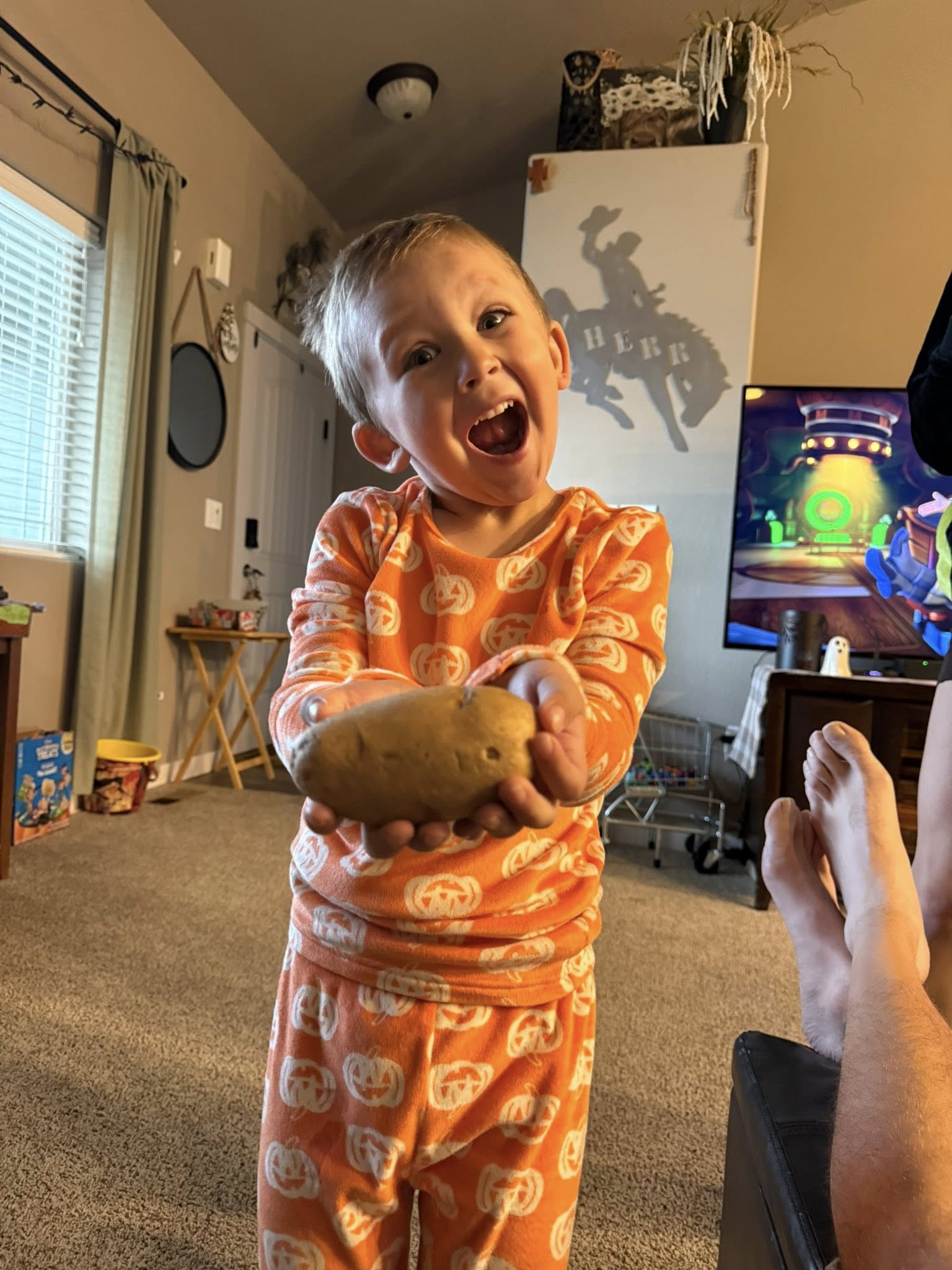
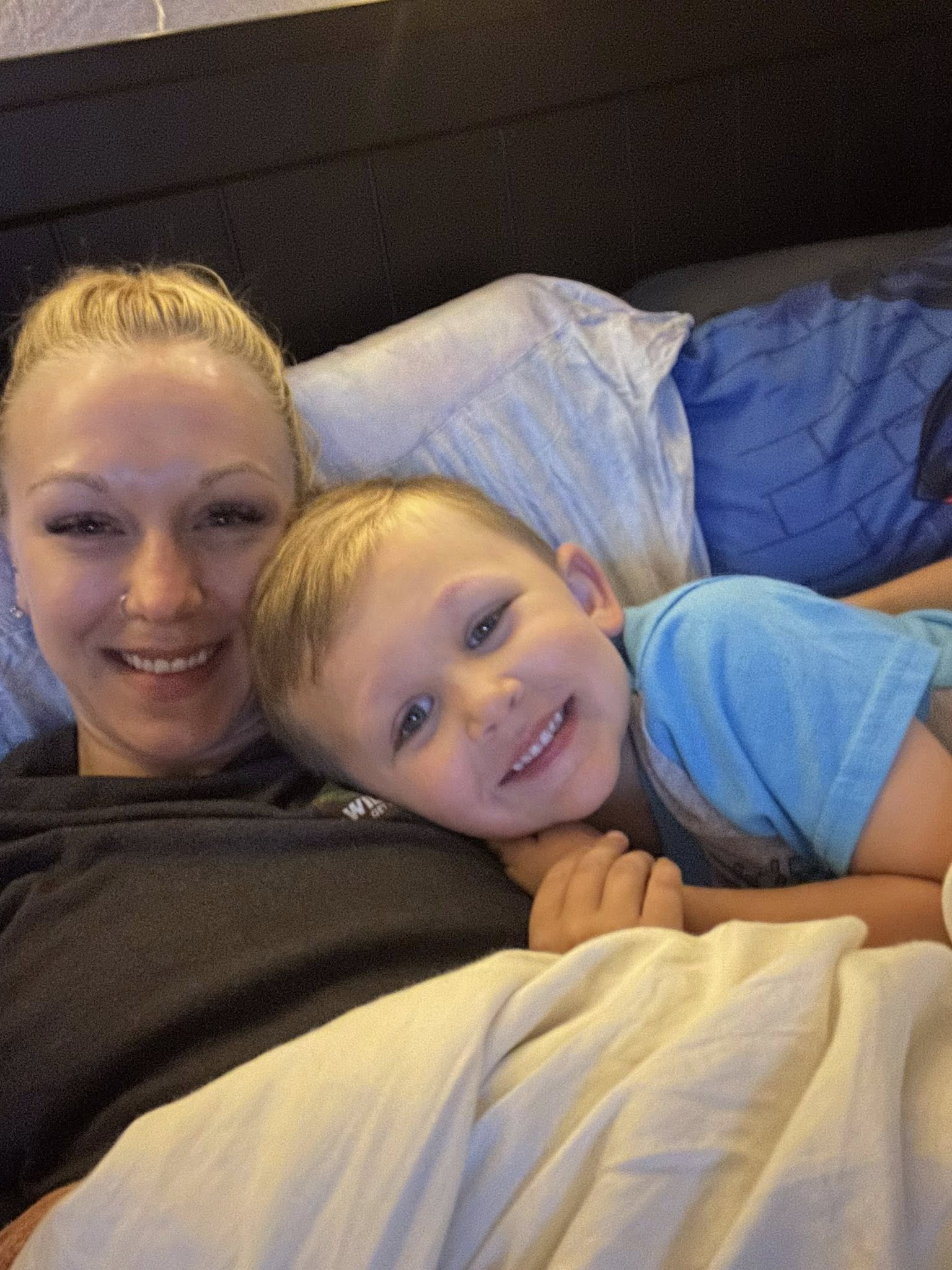 My great grandnephew, Max Herr is one of the “smiliest” little boys I have ever met. His whole face smiles, and his happiness simply pours out of him. Max loves his mommy and daddy more than anything in the whole world. He is his family’s pride and joy. Hs grandparents feel very blessed to have Max as a grandson. In turn, Max keeps everyone in his family smiling…if not laughing. He isn’t the only grandchild in the bunch, and in fact, it would seem like most of the grandchildren in the families have smiley faces. They all keep the days sunny and lighthearted. Max loves all of his cousins. He loves hanging out and playing with them.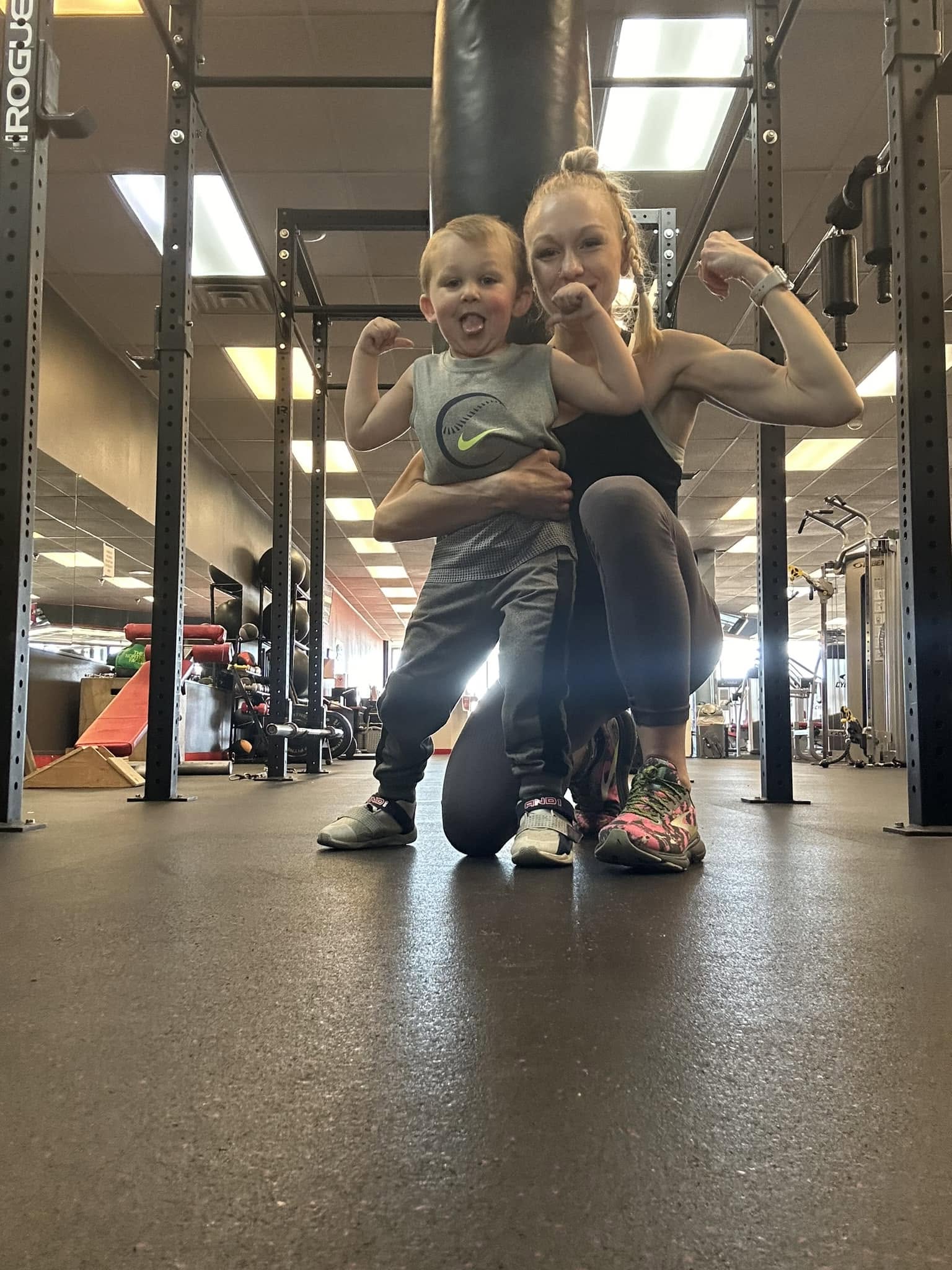
Max has always been his mom, Katy Herr’s biggest cheerleader. Katy has gotten into marathon running, and that requires a lot of training. It’s amazing that it could be so, but often, her workout buddy is her 6-year-old son. It’s not that her husband, Dylan Herr isn’t supportive, because he definitely s, but Max has the time to go to the gym with his mom and really cheer her on. Of course, he has had less time since he started school, which is just the way it goes, but that doesn’t mean he doesn’t cheer her on. Max is very proud of his mommy, and he is proud of the help he has given her through the years.
In addition to his mom, Max is very proud of his dad, Dylan. The guys love to play golf together, and since Max started young, I wouldn’t be surprised if he got to be an 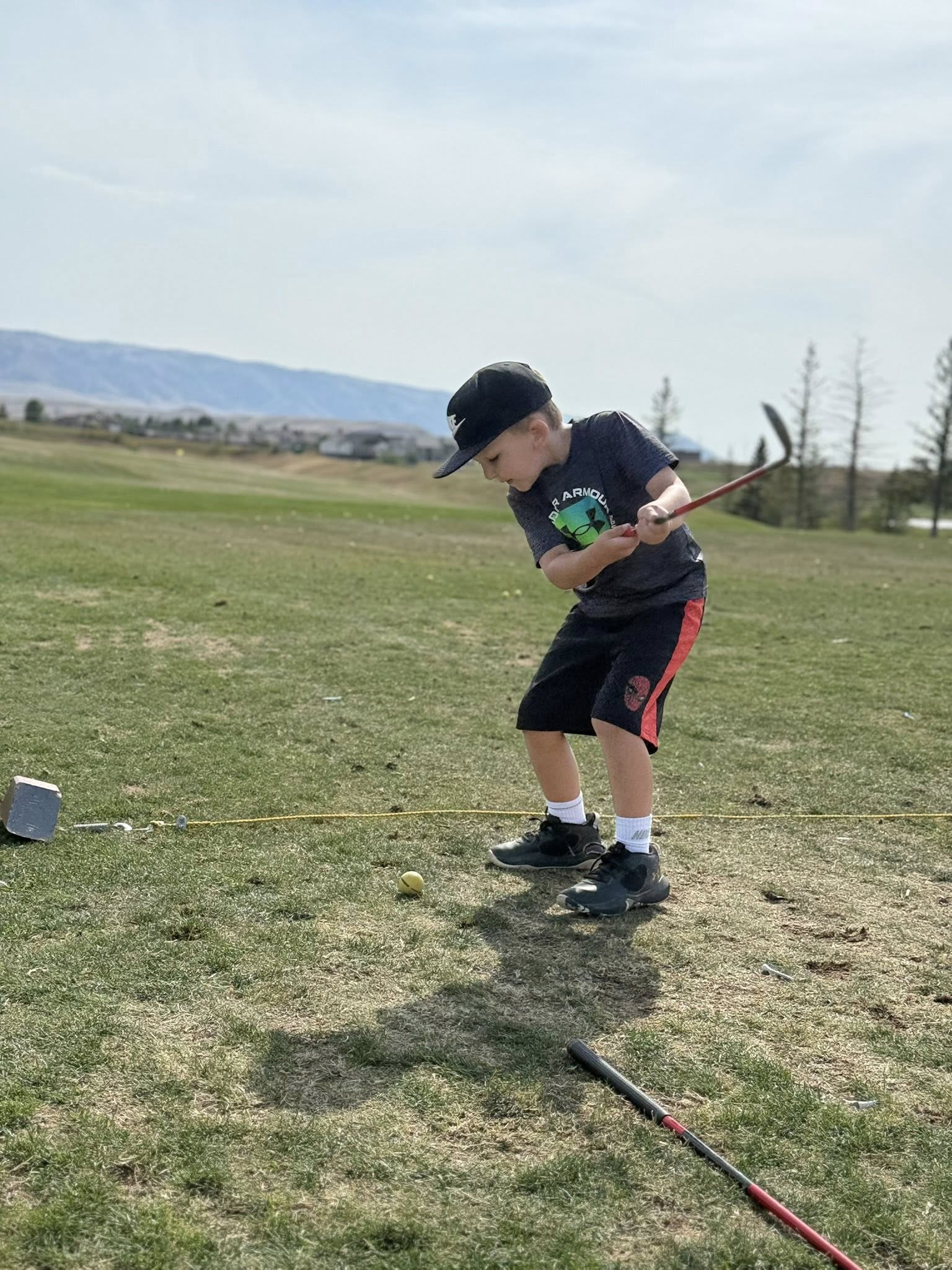
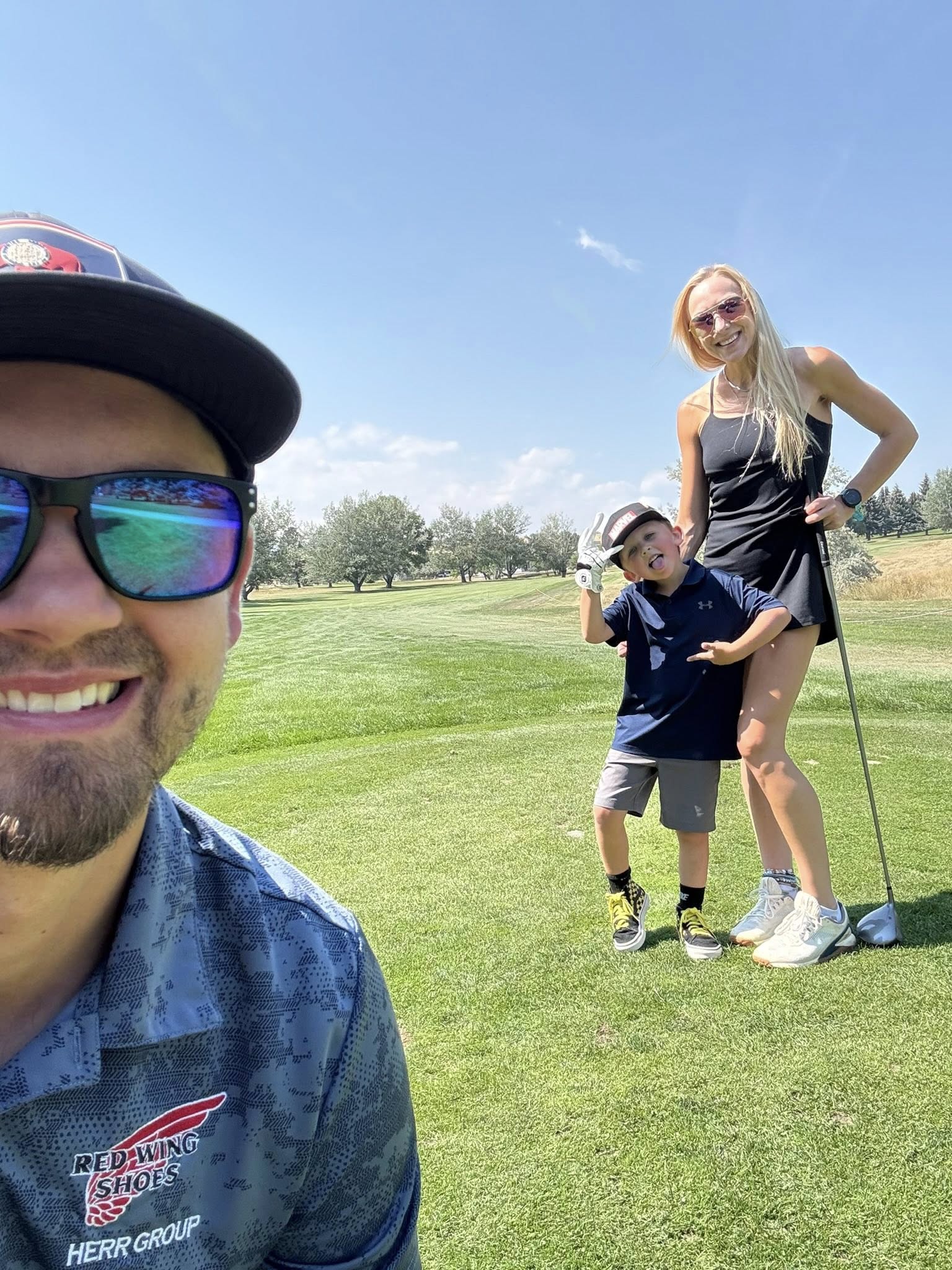 excellent player or even a pro. Dylan is good at sports, and it will be something the two of them will always have. Max and his daddy are very close, just like he and his mommy are. They are a close family. They love to take trips to visit family in Colorado and take other trips around the country.
Still, in most ways, Max is like any other little boy. He loves to play with cars and other typical boy toys, as well as the tech toys all the kids are good at these days. Max is a good boy and a friend to everyone he meets. I’m sure he has lots of friends at school, because Max is such a happy kid that nobody can resist him. Today is Max’s 6th birthday. Happy birthday Max!! Have a great day!! We love you!!
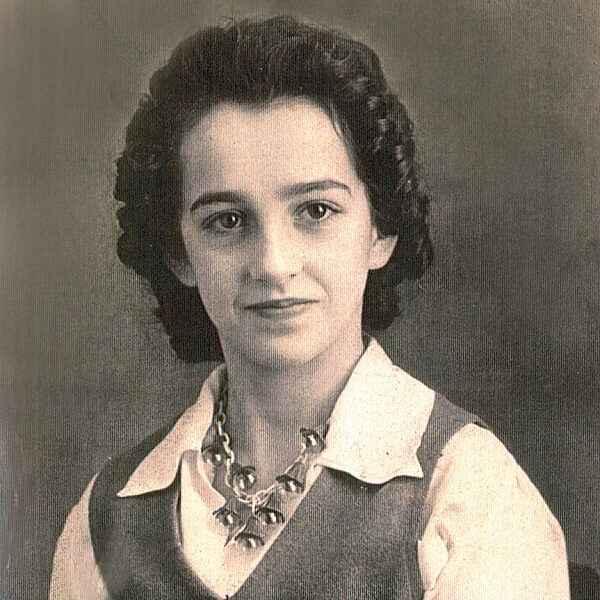 When my grandparents got married on December 24, 1927, the country was in a recession and money was tight. My grandfather owned a matching set of six-guns that he cherished, but he loved Grandma more. He sold them to cover the wedding expenses and buy her a ring. Though he never managed to get them back, he always felt he came out ahead. I wonder if he always wished he could have afforded a ring, but there were just more important things to consider.
When times were tough, Grandpa chose to go without a wedding ring so Grandma could have one. He valued having a wife and family more than a piece of jewelry. His instincts proved right, as they enjoyed 52 years of marriage before Grandpa went home to be with the Lord. Their life together was blessed with 9 children, as well as with countless grandchildren, great-grandchildren, and even great-great-grandchildren. If anyone questioned the lack of wedding ring, I’m sure Grandpa set them straight concerning his loyalty to his beloved wife.
Years later, when their second child, my aunt Virginia Beadle, was around 8 to 10 years old, all the kids were playing outside. Aunt Virginia was the second of my grandparents nine children. She wandered over to the side of the house, between Grandma and Grandpa’s place and Great Grandma’s, where a flower garden grew. Glancing down, she spotted a man’s wedding ring in the soil, likely unearthed during gardening, and maybe having been there for years. She had no way of knowing how long it had been there, and she knew of no one who could have lost the treasure. Thrilled by her discovery, she scooped it up and ran inside to show her parents what she had discovered.
Grandpa looked at it and told her it was a beautiful ring. He put it on his hand and looked at it. It fit him perfectly. Then he took it off and gave it back to Aunt Virginia. She said, “Daddy, you should keep it.” He said he couldn’t, but she insisted!! She couldn’t think of a better person to receive the treasure she had found, than her sweet daddy…and that is how my grandfather got his wedding band from his daughter. Aunt Virginia was so 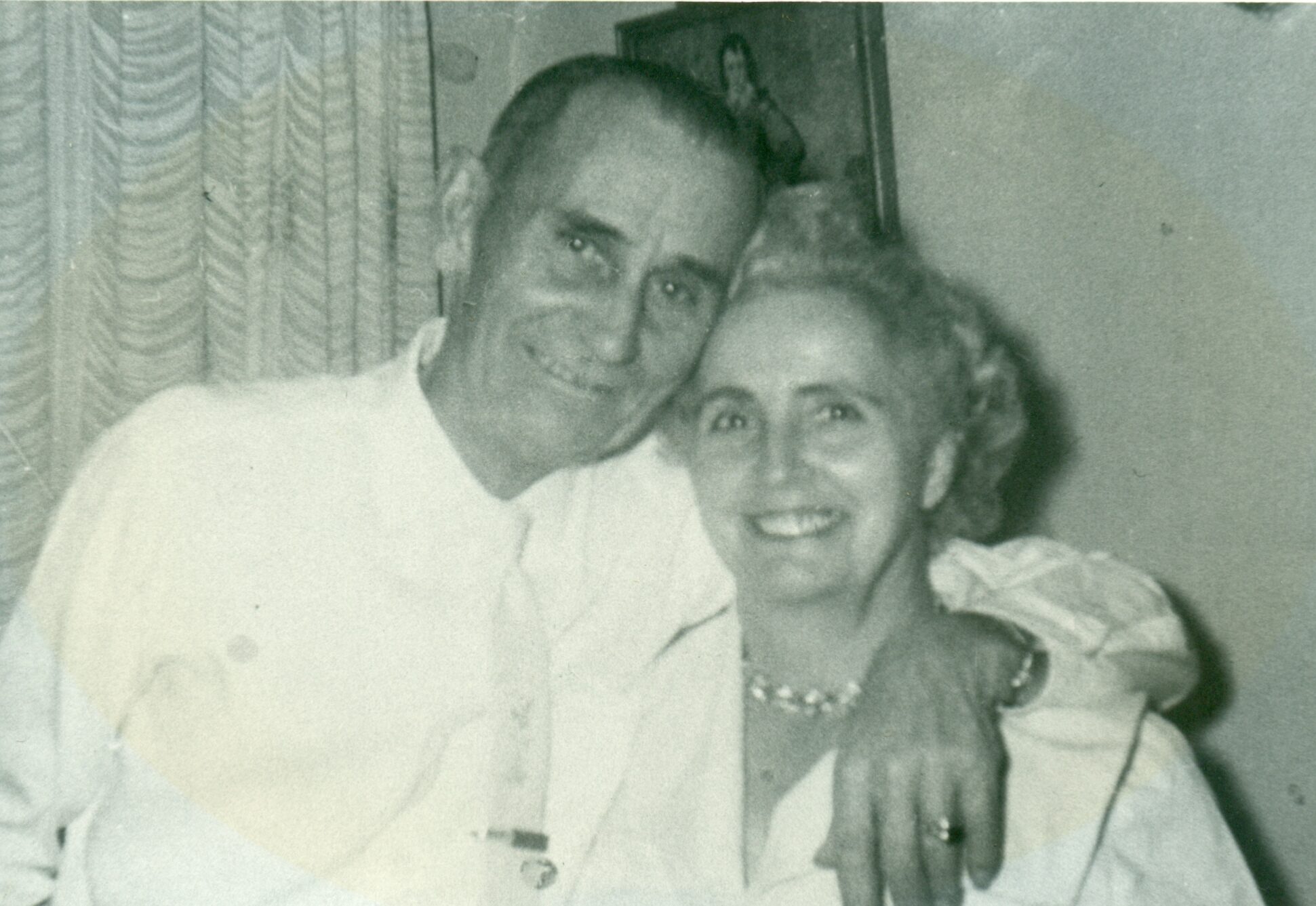
 pleased to be able to give her dad the wedding ring he had never had and would not be able to buy for himself, as there were too many other things that his paycheck was needed for. And Grandpa was so pleased that she wanted him to have such a beautiful ring. He wore the ring proudly for the rest of his life. And everyone in his family was very pleased that he had been blessed with the ring. While it wasn’t a birthday gift, it was still one of the best gifts ever given or received. Today would have been my Aunt Virginia Beadle’s 96 birthday. Happy birthday in Heaven, Aunt Virginia. We love and miss you very much.
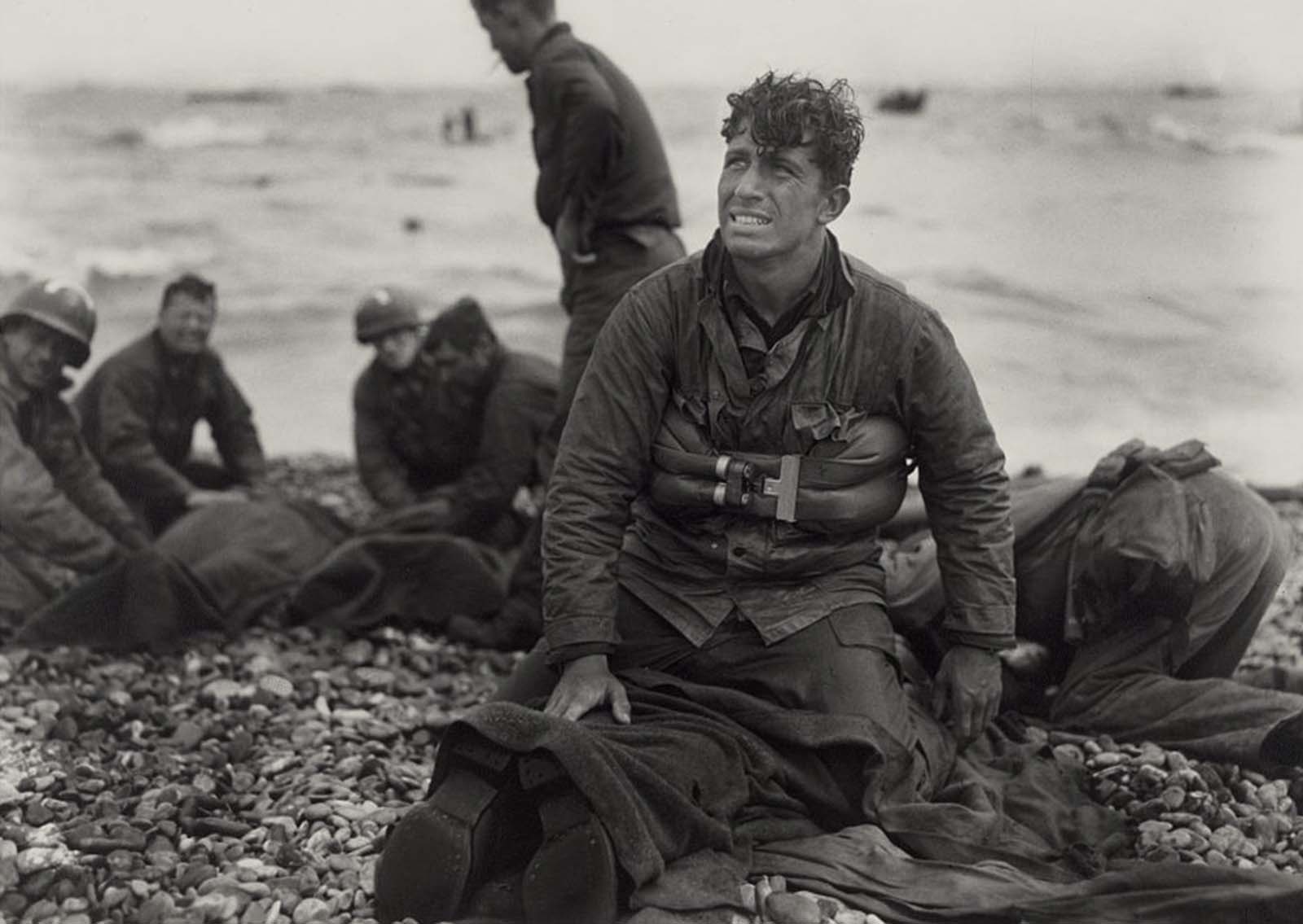 For some reason, I always relegate D-Day to its own category, but it was actually a part of a bigger operation. Operation Overlord did not end with one battle on D-Day. It was an invasion of France in a concerted effort to take down the German stronghold that was plaguing that nation. So, six days after the D-Day landing, those five Allied landing groups, made up of some 330,000 troops, linked up in Normandy to form a single solid front across northwestern France. They would not give up, and Hitler would not be allowed to take over these nations, including France. They were like a wall, and they were determined not to lose…many lives and many nations depended on their stubborn perseverance.
Operation Overlord began on June 6, 1944, but it was only after a year of meticulous planning that was conducted in secrecy by a joint Anglo-American staff, that the largest combined sea, air, and land military operation in history began on the French coast at Normandy. The Allied invasion force included 3 million men, 13,000 aircraft, 1,200 warships, 2,700 merchant ships, and 2,500 landing craft. It began fifteen minutes after midnight on June 6th, when the first of 23,000 United States, British, and Canadian paratroopers and glider troops plunged into the darkness over Normandy. Just before dawn, Allied aircraft and ships bombed the French coast along the Baie de la Seine, and at daybreak the bombardment ended as 135,000 Allied troops stormed ashore at five landing sites. Despite the formidable German coastal defenses and significant loss of Allied lives, beachheads were achieved at all five landing locations. Within a day, the Allies secured a bridgehead, but the countryside beyond the beaches posed challenges, with its bocage (pastureland) terrain of hedgerows and narrow lanes giving the German defenders an advantage. 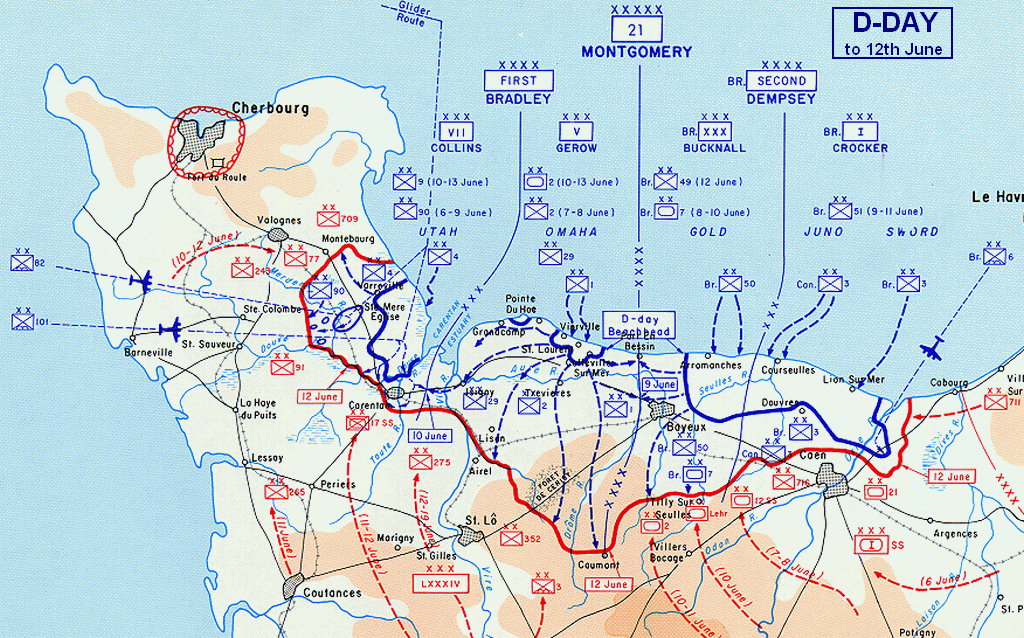
German reinforcements, including elite Waffen-SS units, began arriving, but many were thrown off by Allied deception tactics, slowing their deployment. Hitler’s refusal to permit tactical retreats trapped numerous German forces, leading to heavy losses during the Allied breakout. The Allies focused on quickly building up troops and securing a unified bridgehead to block counterattacks and ensure safe arrival of reinforcements. At Omaha Beach, German resistance was fierce, and the Americans only secured the position after hours of brutal fighting. By nightfall, around 150,000 American, British, and Canadian troops were ashore, holding roughly 80 square miles. Over the following six days, Allied forces in Normandy steadily advanced on all fronts despite fierce German resistance. By June 12th, the five landing groups had linked up, and Operation Overlord, which was the code name for the Allied invasion of northwestern Europe…was unfolding exactly as planned.
The campaign soon turned into a tough, relentless battle over towns like Caen and through the bocage countryside. Allied forces had to work together, combining infantry, tanks, artillery, and air power to push past well-defended German positions. By late July, operations like ‘Cobra’ helped Allied armor punch through German lines, opening the way for a fast push into open ground. Still, the momentum couldn’t last forever, giving the Germans a chance to regroup for a while. D-Day forced Germany into a two-front war, stretching its resources between the Eastern Front and the newly opened Western Front. The successful landings lifted Allied 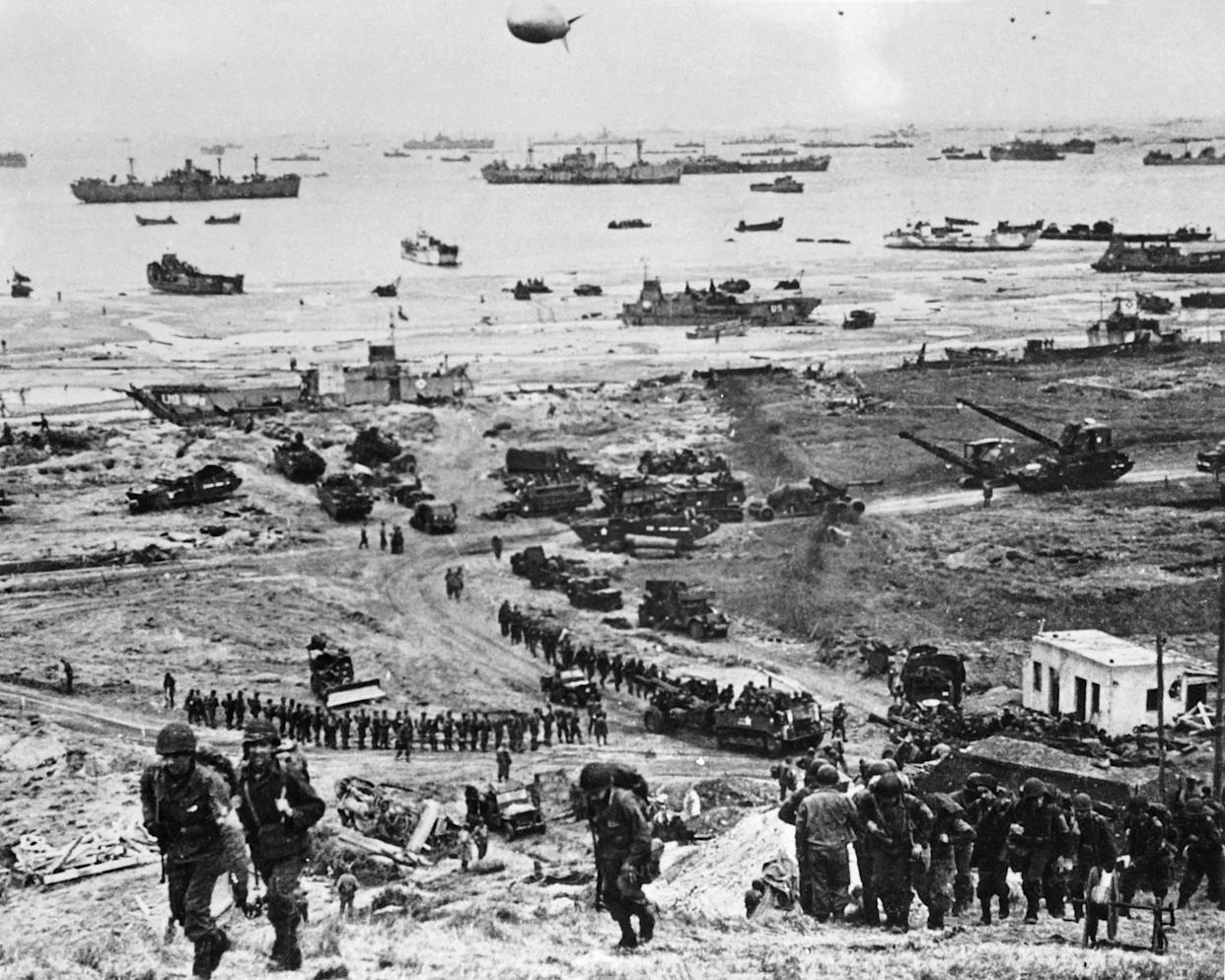 morale, proved large-scale amphibious assaults could work, and reassured the Soviet Union that the second front was in action. By late August 1944, German forces were retreating from France, marking a key turning point in liberating Western Europe. After D-Day, the scale of the human and material cost became clear. The beaches were scattered with wrecked vehicles, abandoned gear, and the fallen, but a steady stream of reinforcements from England kept the Allies going. Keeping the beachhead supplied and growing was key to winning the Normandy campaign. In short, the days that followed were filled with fierce fighting, tactical moves, and huge logistical efforts that helped the Allies take Normandy, weaken the Germans, and push toward liberating Europe.

