Monthly Archives: June 2026

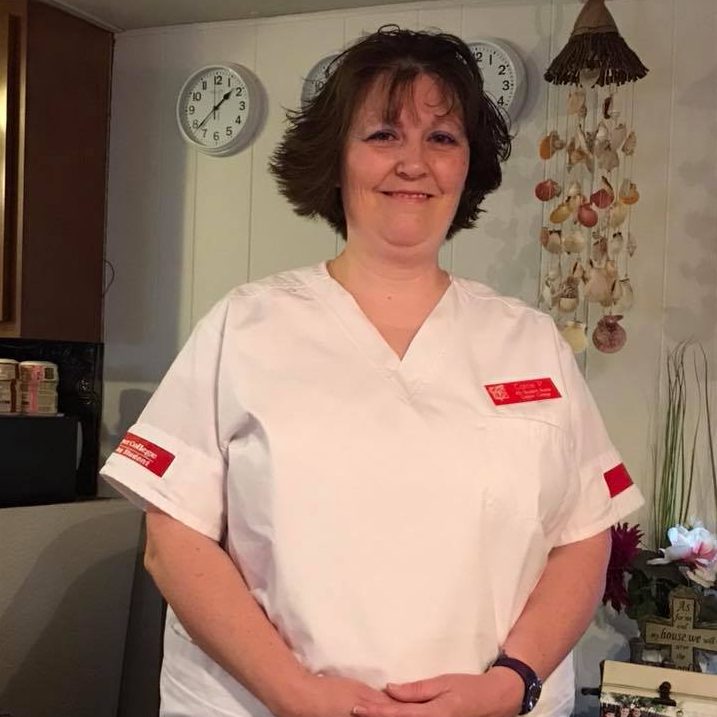 Over the past few years, I have watched my daughter, Corrie Petersen work very hard to realize her dream of becoming a nurse. In checking, I found out that the nursing degree is the hardest degree to get, and after watching how hard she had to work, I totally believe that. Now, Corrie has been a nurse with her RN (registered nurse) and BSN (Bachelor of Science degree in nursing) for three years. We are so proud of her accomplishments, and now she has a third distinction, her CRRN (Certified Rehabilitation Registered Nurse). Corrie has worked at Elkhorn Valley Rehabilitation Hospital for those three years. She has been an asset to them and they to her. I have been so happy for her as she has realized her dreams of becoming a nurse. That dream actually started in 2007 when she helped to care for her grandparents, Allen and Collene Spencer. Later, she also assisted in caring for her other grandparents, Walt and Joann Schulenberg as well as her husband, Kevin Petersen and his parents, Becky Skelton and Dean Petersen. Corrie has a long history in caregiving and now nursing, and I couldn’t be more proud of her. Corrie has dealt with a number of different diseases in her
 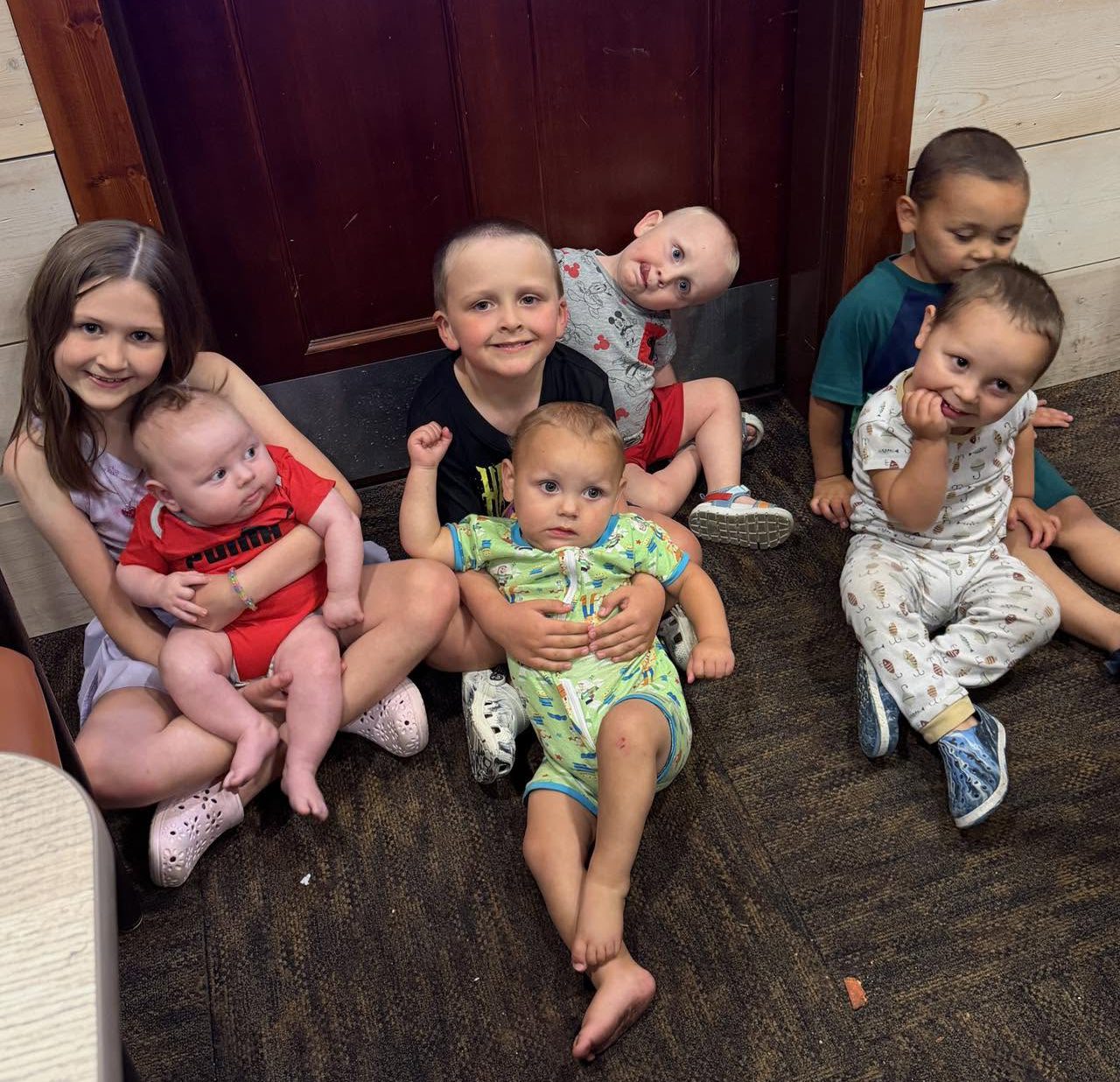 caregiving-nursing career, including Alzheimer’s Disease, diabetes, depression, anxiety, cancer, and rehabilitation issues, to name a few. Dealing with various diseases has the tendency to make her a well-rounded nurse. The longer she is in nursing, and the more experienced she becomes, the more valuable she is to her employer. While she got into nursing later that many people, she is making up for those years quickly and if you count the caregiving years, she already has more years than many other nurses do. I think her value is already great, and I’m sure her employer realizes that too.
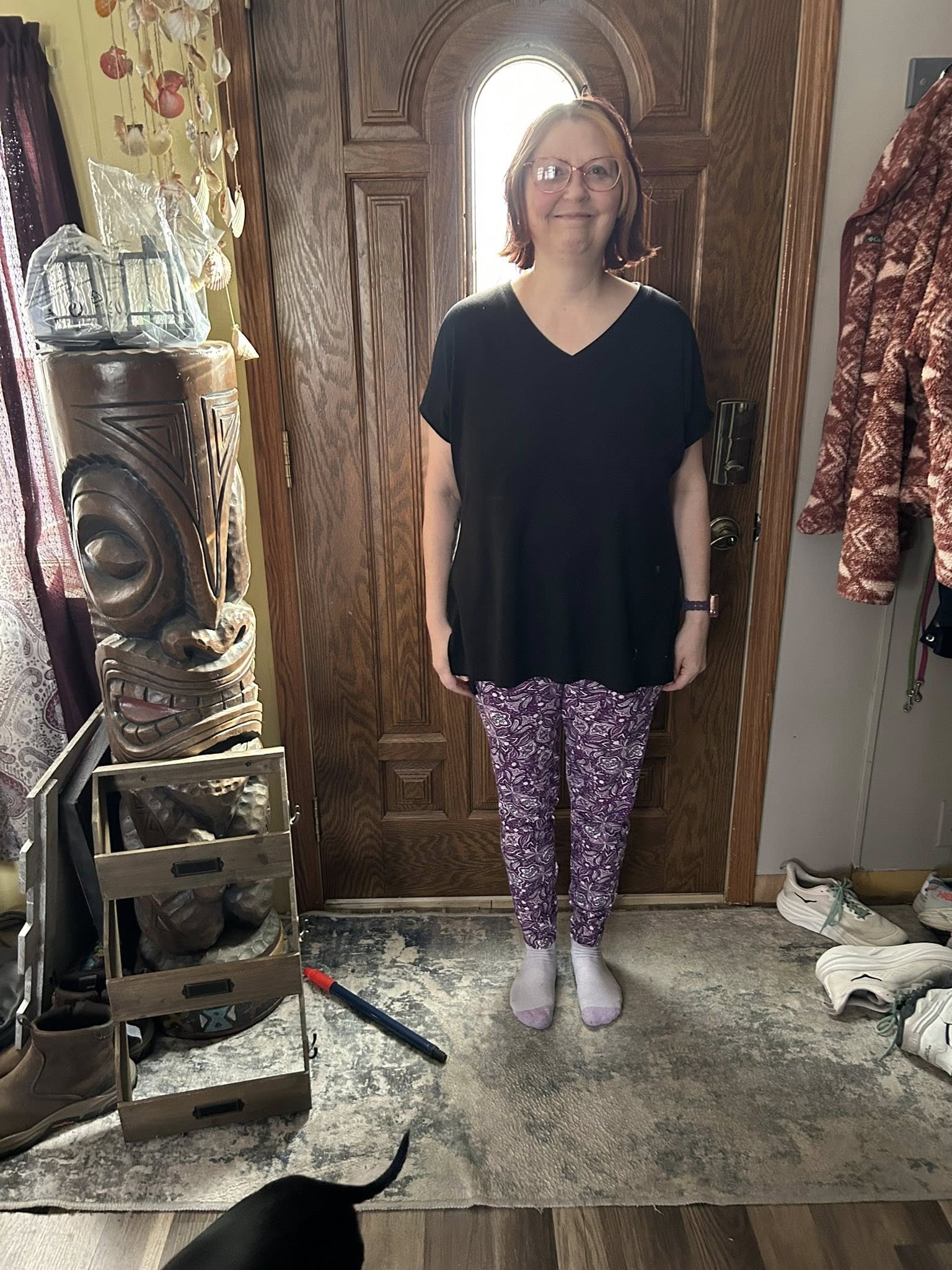
In addition to that Corrie has been focusing on her own health. Nursing school is very hard…on the body too. Some people lose their hair, some, like Corrie gain a lot of weight because of lack of movement. Now, however, Corrie has lost all that excess weight, and she looks great. I am so proud of her for taking control of her health. Several years ago, she became a vegetarian, but as we all know, that is not a guaranty of weight loss, and for Corrie it wasn’t that way. Now, however, she has been really focusing on the loss of excess weight, and she looks amazing. I am so proud of her.
Corrie is also a wife, mother to two sons, and grandmother to one granddaughter and six grandsons. She loves 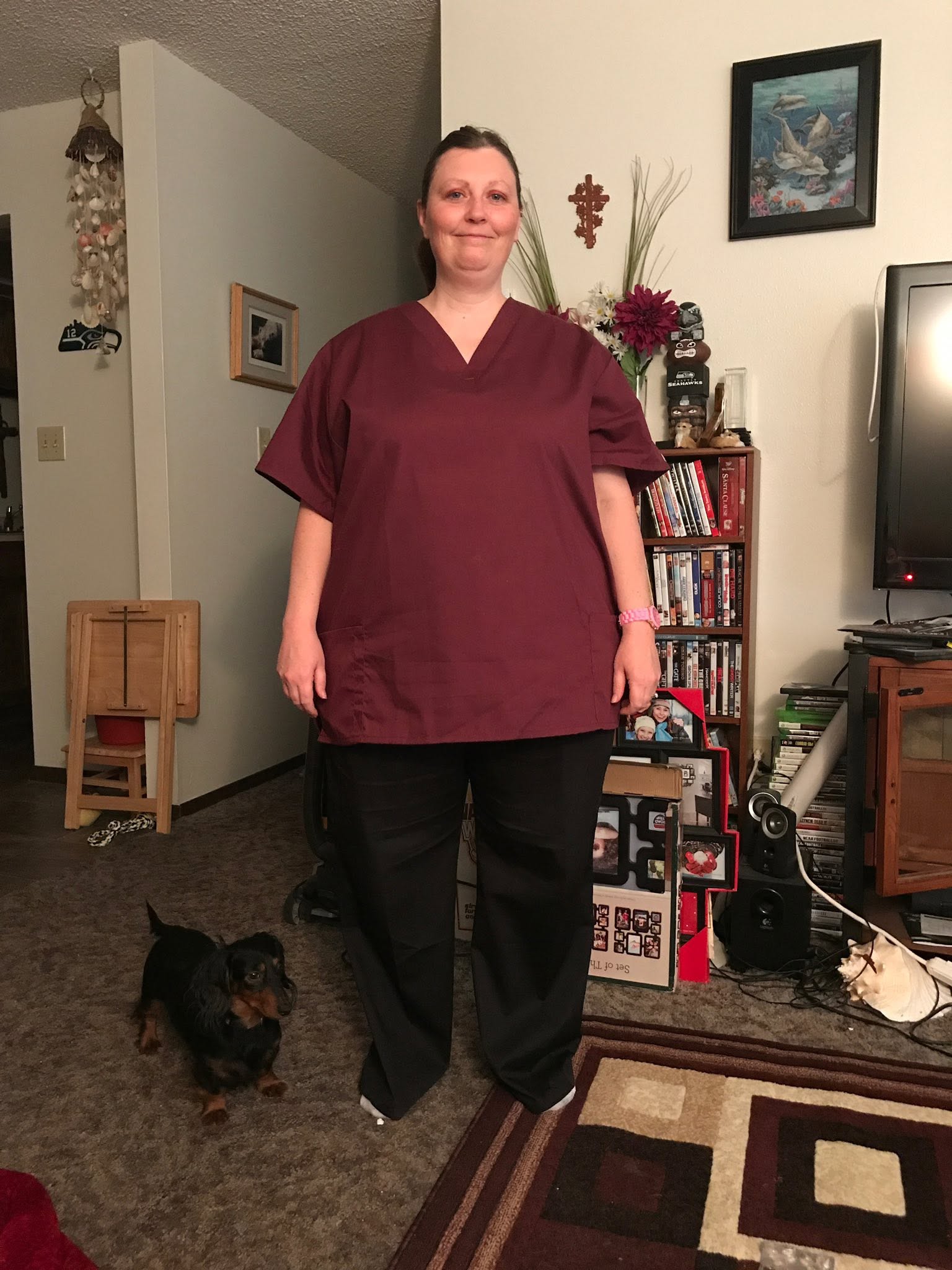
 being all of those things, and they are her first priority. Being born on her own great grandmother’s birthday started Corrie’s life off filled with family. Birthdays were always a big deal and celebrated together. So, it stands to reason that her own family is also very important to her. Corrie is also a fur mommy to two puppies and a cat. Corrie and her husband, Kevin enjoy gardening, reading, and improving their home. They have done a lot of renovating to their house, and it looks great. Other than family, Corrie loves reading best. She is a huge James Patterson fan and also likes books on famous assassinations, like Kennedy and Lincoln. Reading is her down time passion. Today is Corrie’s birthday. Happy birthday Corrie!! Have a great day!! We love you!!
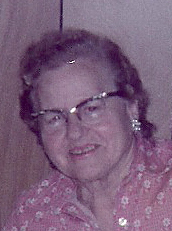
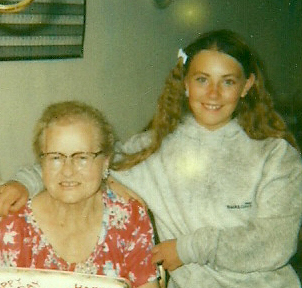 My husband, Bob Schulenberg’s grandmother, Nettie Knox, wasn’t born during the pioneer era, but she lived a life that echoed it in many ways. Born in Clydes Park, Montana, on June 30, 1909, to Orin and Eva (Landis) Noyes, she married Robert Knox on June 14, 1928. Though she came into the world after cars were invented, there were times when her life felt like something out of the Old West. Grandpa worked on a sheep ranch, and when my mother-in-law, Joann Schulenberg, was about three years old, they lived for a while in a sheep wagon so he could stay close to the flock. Grandma, being a homemaker, joined him, especially since the wagon was provided rent-free…a deal too good to pass up. Still, it wasn’t a long-term home, as even with just the three of them, a sheep wagon wasn’t nearly spacious enough.
Grandma loved tradition, Christmas, birthdays, and celebrations of all kinds. When my daughter, Corrie Petersen, was born on Grandma’s birthday…and as her first great-grandchild…she was overjoyed! She called it the greatest gift ever, and their bond was instant and strong. They celebrated their shared birthday together every year, always taking new pictures to see how they’d changed. To me, it seemed like Corrie did all the changing, growing up before my eyes, while Grandma had a certain timelessness about her, even an innocence. Maybe it was her love of tradition and celebration, or maybe just good genes, but she never seemed to age…at least not to me. That’s why she and Corrie connected so well, a shared excitement for the little joys in life.
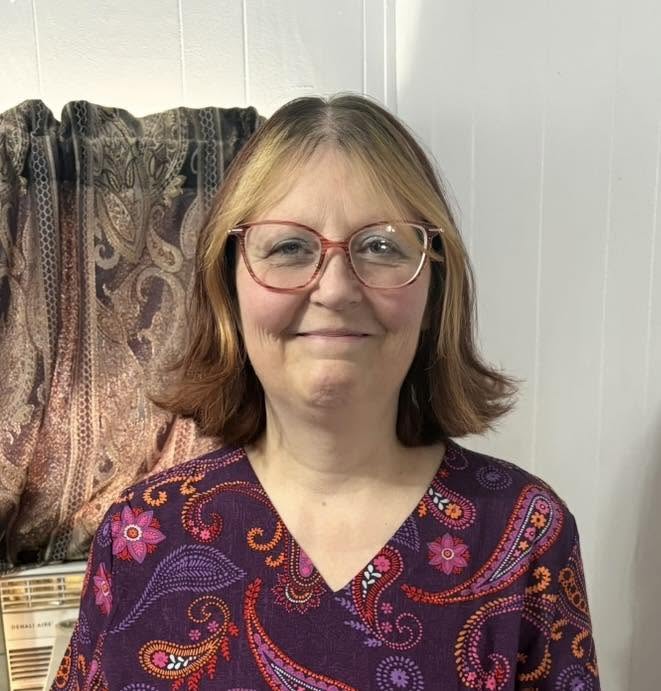
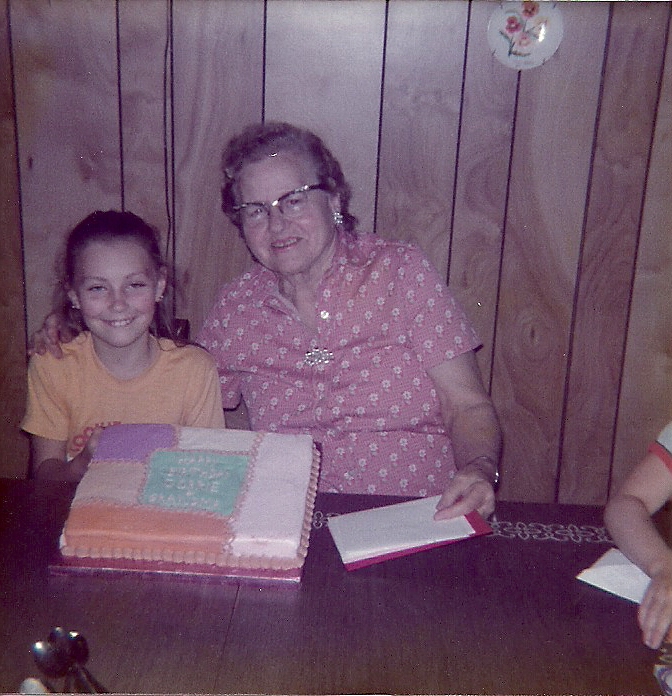 When I think about what Corrie has worked for, and what she has accomplished, I know Grandma Knox would have been so proud of her. Grandma suffered from arthritis and always wished the medical community could find a cure. While there’s still no cure, maybe one day there will be. In the meantime, Corrie works to comfort people, no matter what illness they face. Her role is to bring comfort to her patients, and I’m sure Grandma would see that as a wonderful contribution to the world. Today marks the 118th anniversary of Grandma’s birth. Happy birthday in Heaven, Grandma. We love and miss you so much.
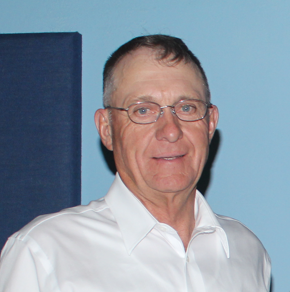
 Our uncle, Butch Hein, passed away on October 13, 2023. He was a well-known and deeply loved rancher in Forsyth, Montana. When my husband and I traveled there for the funeral, we were having breakfast at a local restaurant when the waitress mentioned that the whole town was mourning the loss of a local rancher. She had no idea we knew him, let alone that he was our uncle. All she knew was that the community was hurting. I overheard some people say they wouldn’t attend the weekly breakfast gathering Butch had always been part of because it “just wouldn’t be the same” without him. The words spoken and the emotions shared by the townspeople showed just how much Uncle Butch was loved and respected in Forsyth.
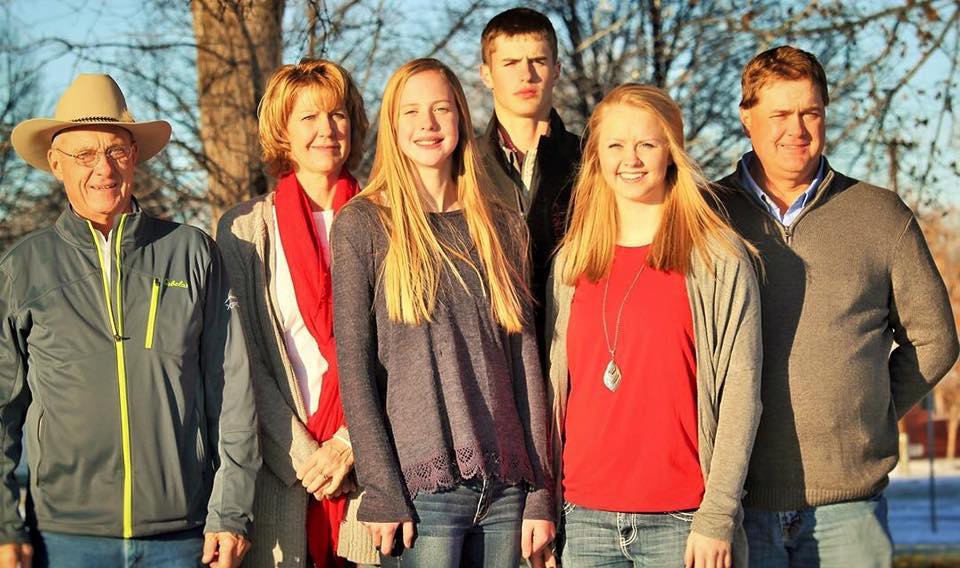
A lot has changed in the nearly two years since Uncle Butch went home to heaven. His granddaughter Laura and her husband Sean made him a great-grandfather on December 18, 2024, when sweet little Emmett Butch was born. Emmett’s adorable smile would have melted Butch’s heart, and I know he’d be overjoyed. I sure wish Butch could have met Emmett. His grandson Carson now works alongside his dad, Butch’s son Scott, running the ranching business…something Butch always hoped to pass down to the guys. His youngest grandchild, Lindsey, is currently in law school at the University of Montana. Butch was a hands-on grandpa with a special 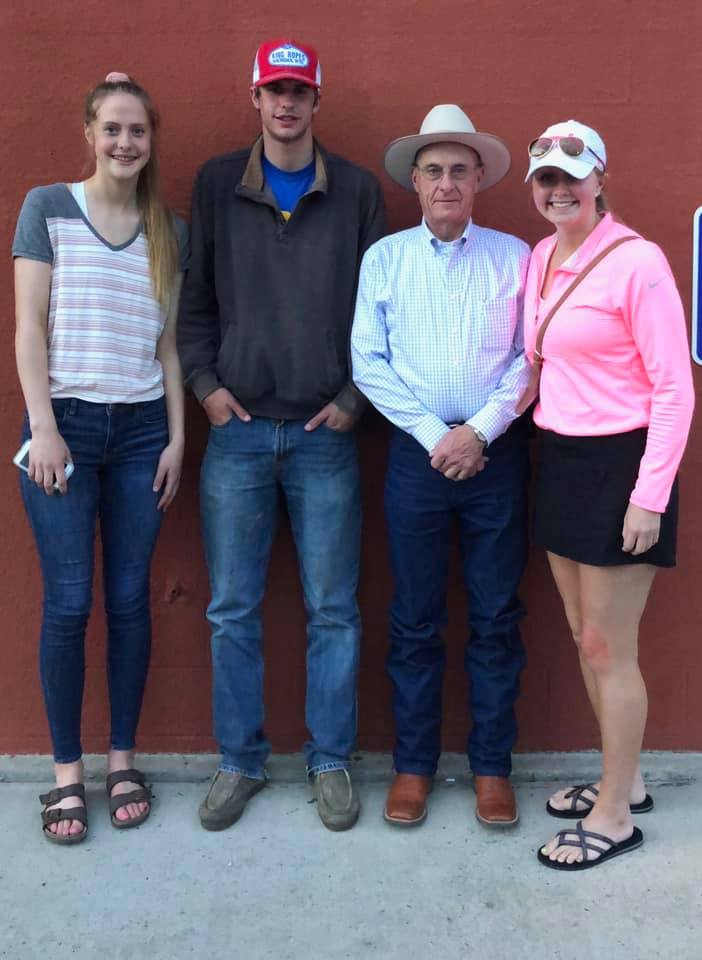
 bond with all three grandchildren, and I know he’d be incredibly proud of all they’ve achieved.
Butch would be so proud of his son Scott and his wife Terri, who now own the ranch and blessed him with wonderful grandchildren. It had always been Butch’s dream to run the ranch alongside his son, and when that came true, the dream grew to include one or more of the kids joining the business. Carson was the natural choice for that, and although the dream wasn’t fully realized during Butch’s lifetime, it has come true now, and I know he would be overjoyed. Today would have been Butch’s 81st birthday. Happy birthday in Heaven, Uncle Butch. We love and miss you dearly.
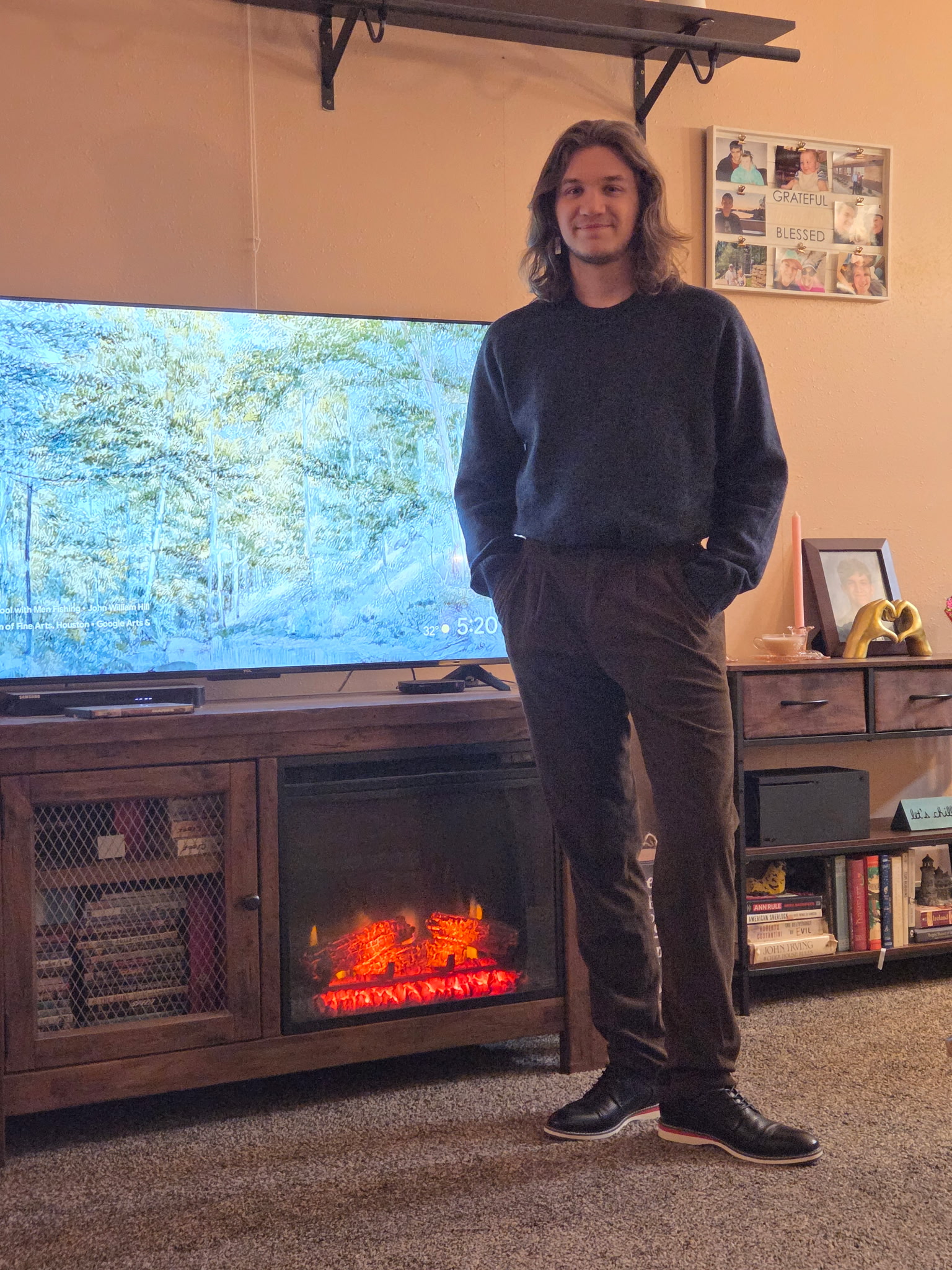
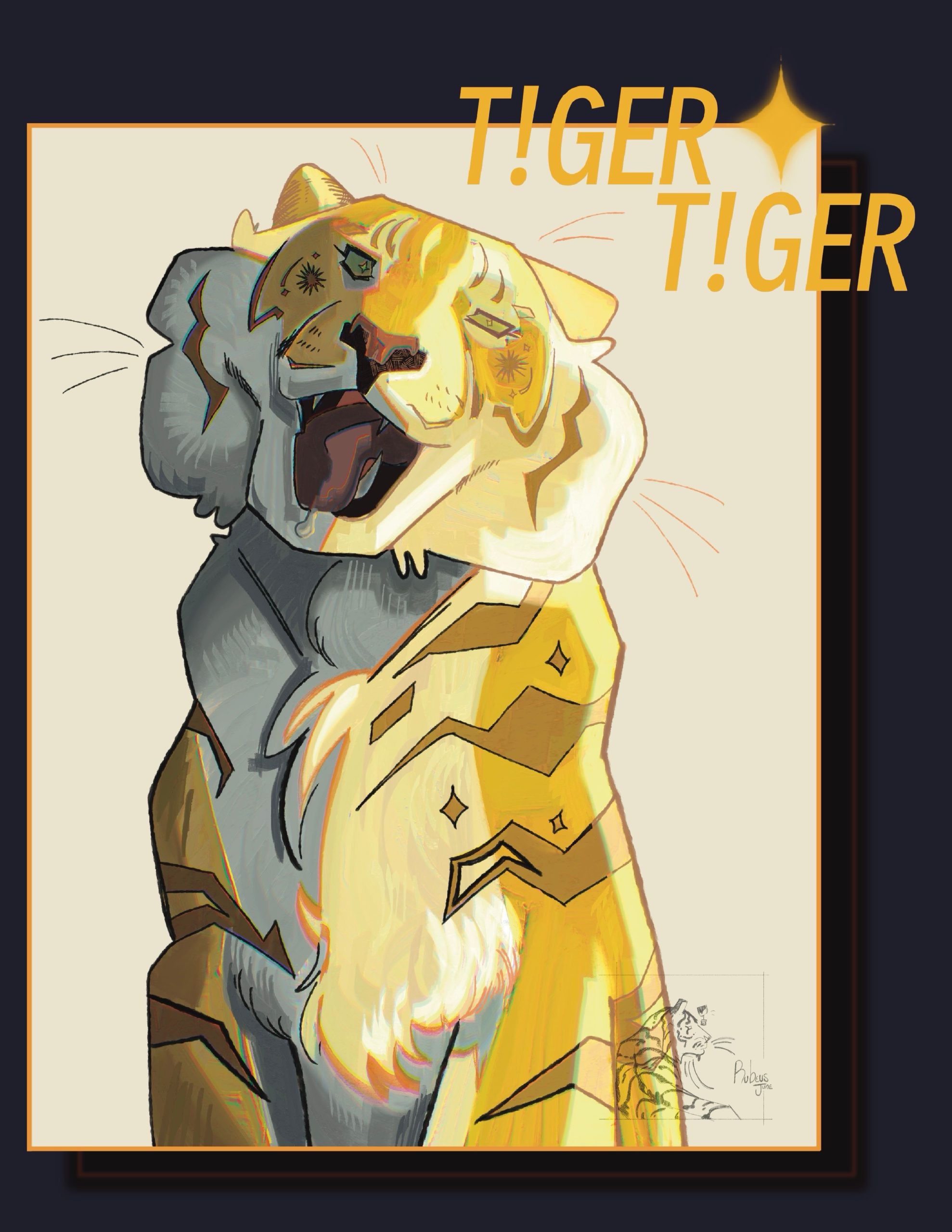 Since high school, my grandnephew, has completed study for his associate’s degree in graphic design. He was an excellent student who loved his classes and rarely missed school. He worked diligently and maintained a 4.0 GPA for the majority of his two-year college career…an extraordinary accomplishment while working at a full-time job too. During college, he worked at Ace Hardware, but these days he is working full-time for Sherwin Williams and is doing great there. This year, he got a booth at the David Street Station Arts and Craft Fair. He is selling his custom digital art and soon will be selling in Etsy as well. He is doing very well. A career in graphic design is a great field to be in. The possibilities are truly endless, because of the many areas that use graphic design. His work is amazing.
Chris graduated from high school in Rawlins, Wyoming and then, he and his mom, Andrea Beach moved to 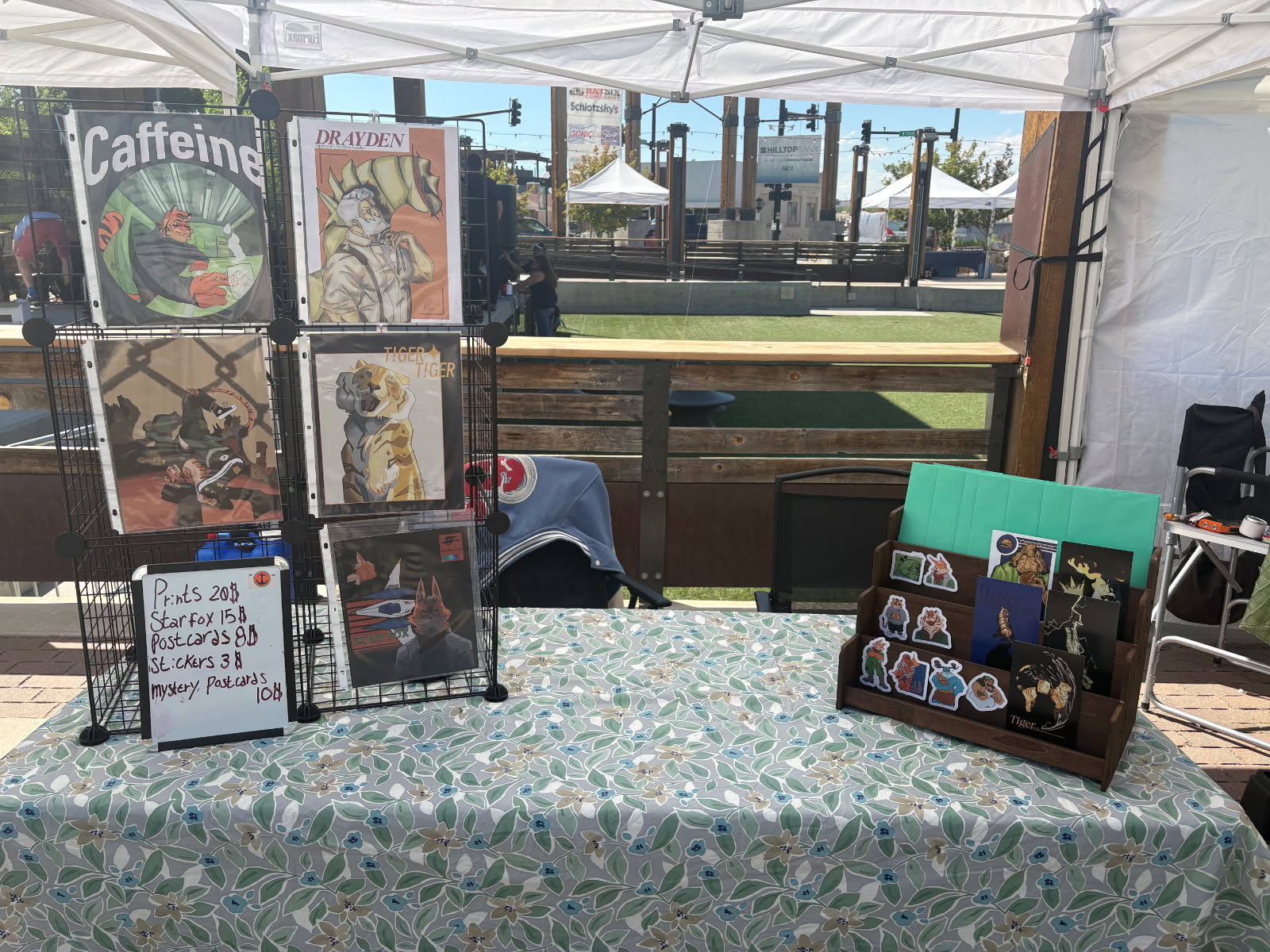
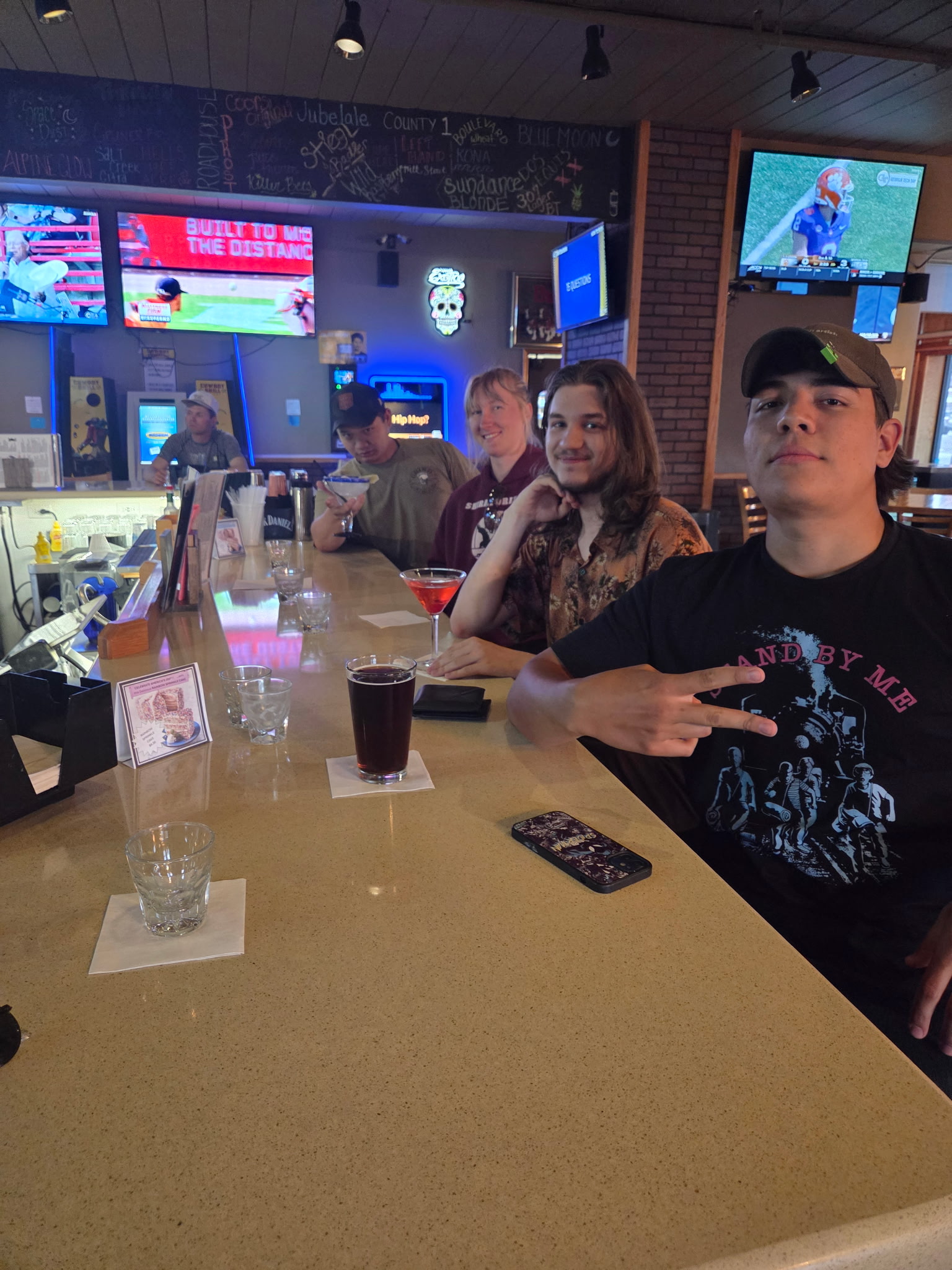 Casper, where he attended Casper College. Now, with schooling behind him, Chris is planning to move out and get his own place in the fall. At 21 years old, and done with school, he has decided that it’s time to branch out and become his own man. To help facilitate that ides, he best friends from high school decided that they needed to come to Casper to surprise their buddy. They, Chris’ grandparents, and mom all went to Racca’s for dinner and then to The Office for celebratory drinks. He’s been friends with these guys for many years, so it was only fitting. It’s hard to believe that Chris, could possibly to 21 years old already. I think he should still be just a kid.
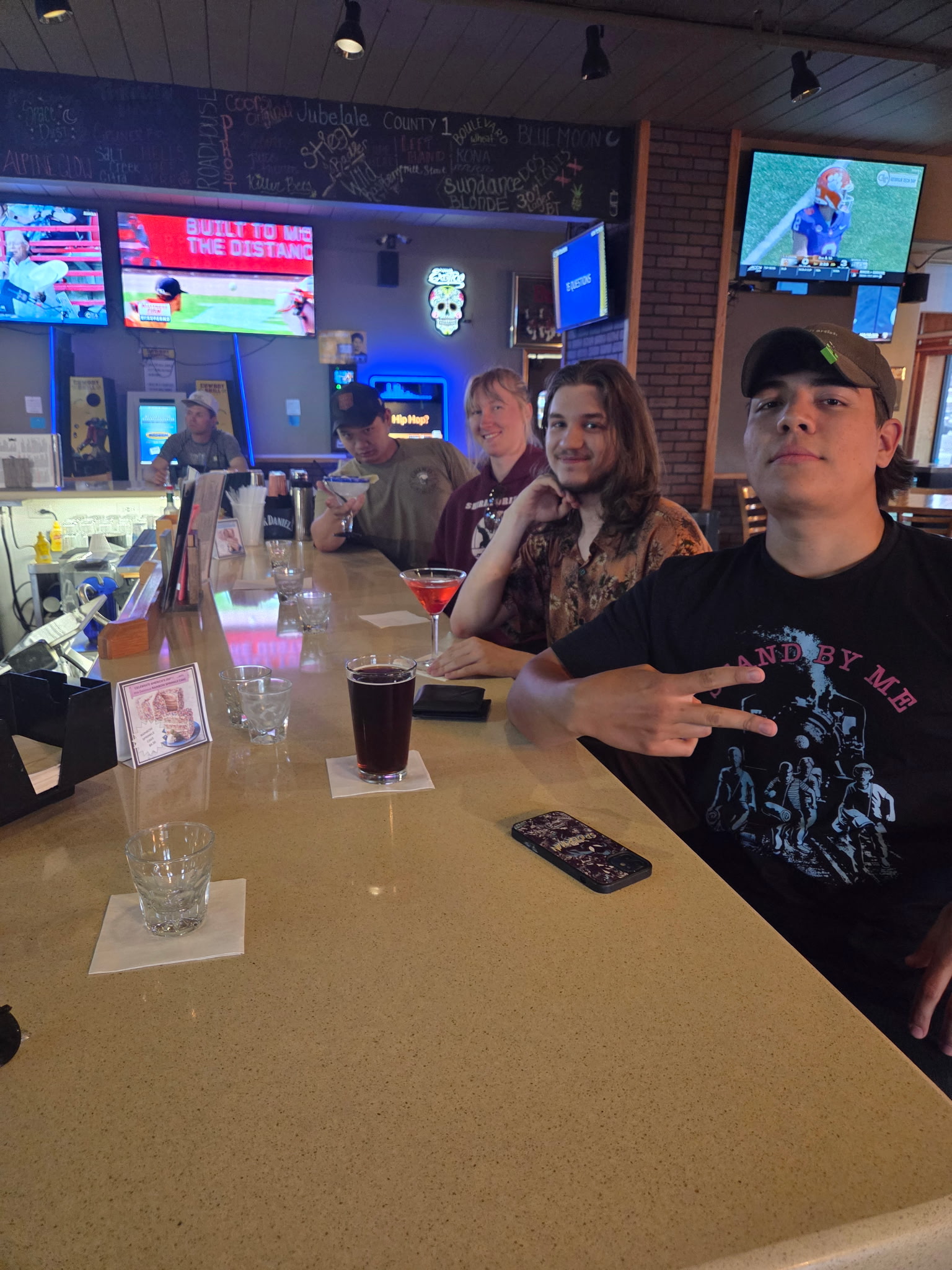
Chris, his mom, and grandma, Caryl Reed always take a trip to the Black Hills each year, and it is something they all look forward to. Spending a week in the Black Hills is one of the most relaxing things, and most of our family loves it. Then, Chris and his mom are going to see BTS: Bangtan Boys, which is a favorite Korean boy band, in concert in Foxborough Massachusetts in August. They are very excited about the trip. They are staying in Rhode Island, and have rented a car, so Chris will be the driver in New England. Having never driven out there, he is very excited about the trip and the prospect of driving the area. Today is Chris’ 21st birthday!! Happy birthday Chris!! Have a great day!! We love you!!
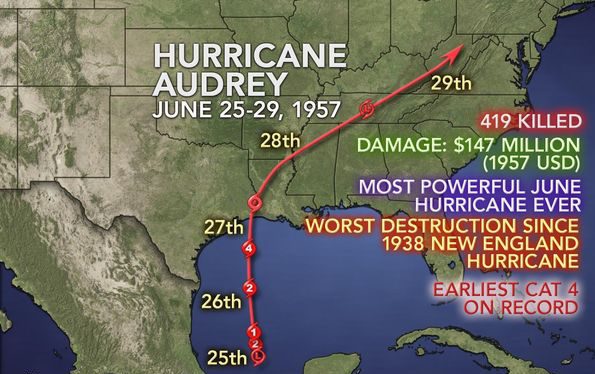 Hurricane Audrey formed on June 24, 1957, from a tropical wave in the Bay of Campeche. It quickly strengthened under perfect conditions, becoming a hurricane by June 25th and went roaring north toward the US Gulf Coast. By June 27th, Audrey hit peak winds of 125 miles per hour and a low central pressure of 946 millibars, ranking among the strongest June hurricanes ever recorded in the Atlantic. The storm made landfall in southwestern Louisiana as a devastating Category 3, causing at least 500 deaths and massive destruction. The hurricane made landfall between Sabine Pass and Johnsons Bayou, Louisiana, holding on to its major hurricane strength before weakening inland and turning extratropical over West Virginia on June 29th. Audrey brought massive destruction along the Texas-Louisiana border, especially in Cameron and Vermilion parishes. A storm surge of 12 to 14 feet swept into coastal Cameron Parish, flooding over 1.6 million acres and carrying homes miles inland. Offshore oil facilities took a $16 million hit, while the region suffered widespread power outages and heavy property damage.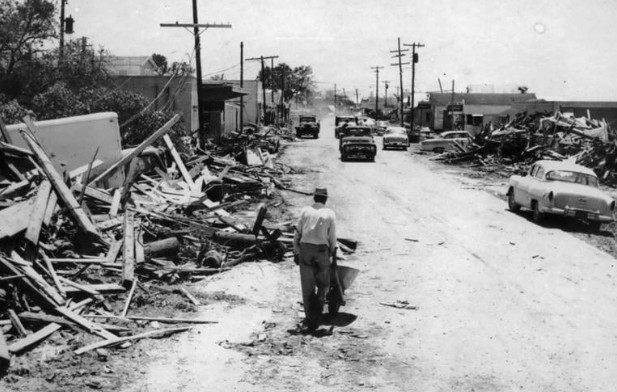
Hurricane Audrey ranks as the sixth deadliest hurricane in US history, claiming at least 500 lives with many others missing, mostly because of the storm surge. Entire towns were wiped out; in Cameron, Louisiana, 60 to 80% of homes and businesses were destroyed, with the courthouse among the few buildings left standing. Its death toll was the highest since the 1938 New England hurricane, a record that stood until Hurricane Katrina hit in 2005. Audrey was the first major hurricane to develop in the Gulf of Mexico since 1945 and the earliest to strike Louisiana. It underscored the risks of rapid intensification and storm surge, shaping future hurricane preparedness and forecasting. Due to its severity, the name Audrey was permanently retired.
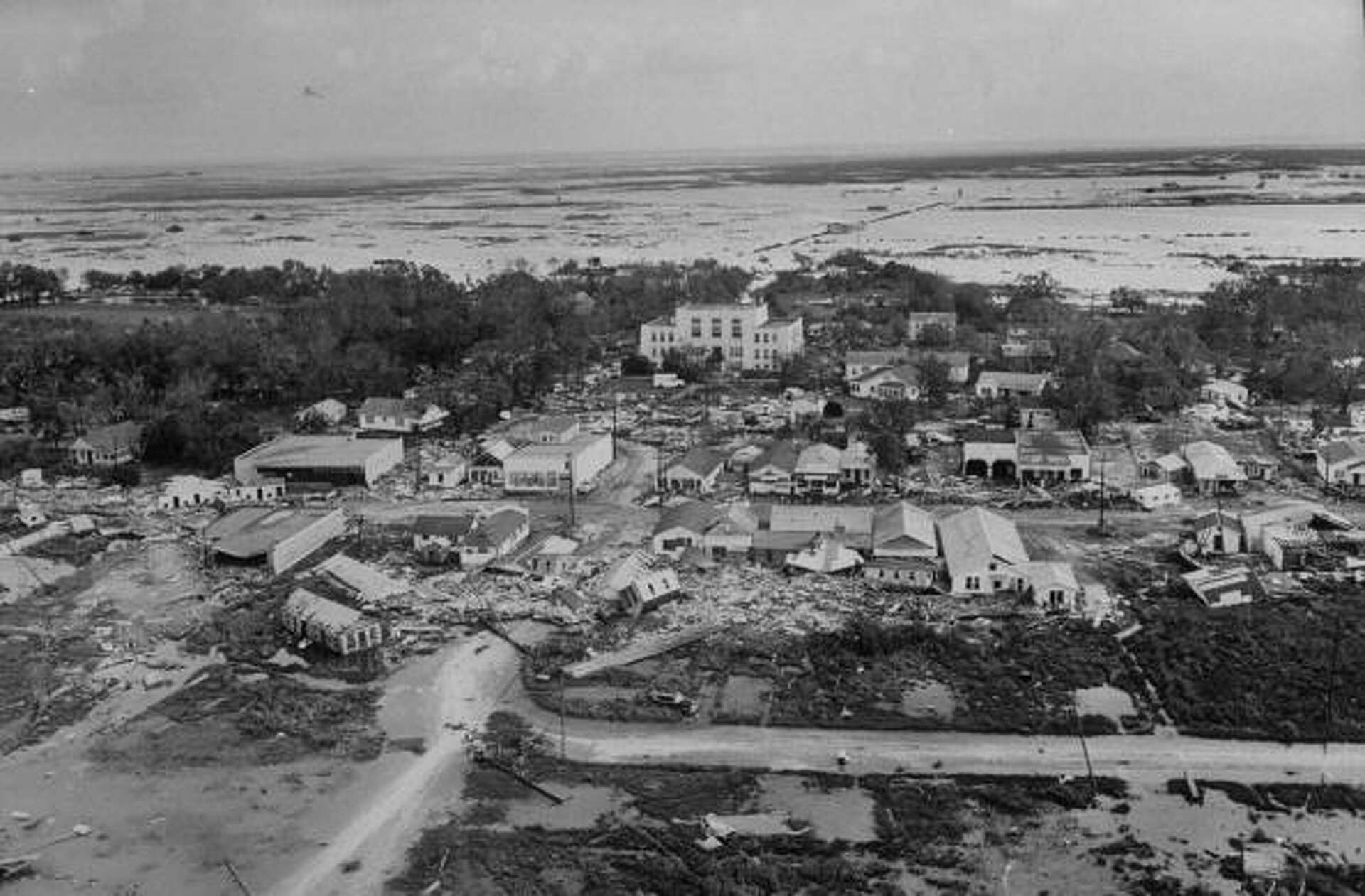 Hurricane Audrey stands out in US hurricane history for its rapid strengthening, unusual early-season arrival, devastating storm surge, and tragic loss of life. It left a lasting mark on coastal communities in southwestern Louisiana and highlighted the critical need for early warnings and strong disaster preparedness. It seems like most disasters bring changes that make future disasters less devastating in one way or another. Some of the best changes to come out of these earlier in history disasters are early warning systems and better building codes. Disasters will come, and storms can’t be stopped, but is people are better prepared, lives can be saved, and that is what is important.
 Yellow fever used to be one of the deadliest of diseases, and it can still be highly dangerous today, with mortality rates depending on how severe the illness becomes. Around 20% to 50% of people with severe yellow fever may die, and about 15% to 20% develop a severe hemorrhagic phase, half of whom don’t survive. For those with severe disease, death rates can range from 30% to 60%. Each year, yellow fever is responsible for roughly 30,000 deaths worldwide, making it a serious threat, especially in regions where it’s common.
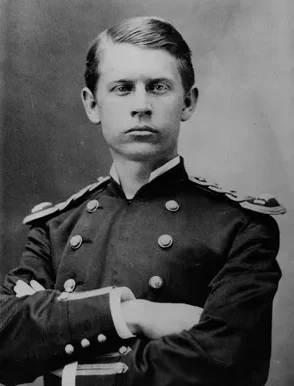
In June 1900, Major Walter Reed, a US Army physician, took command of the United States Army Yellow Fever Commission in Havana, Cuba, tasked with figuring out the cause and transmission of yellow fever. At the time, the disease…spread by virus-carrying mosquitoes…was a serious threat in tropical regions, causing high death rates with no known prevention. Reed was joined by James Carroll, Aristides Agramonte, and Jesse W. Lazear, all experienced in infectious diseases. Their mission was to test  Cuban doctor Carlos Finlay’s theory that yellow fever was spread by the Aedes aegypti mosquito, rather than poor sanitation or direct contact.
Mosquito feeding tests involved hatching eggs from infected patients and feeding the mosquitoes on volunteers, who later recovered, proving the insects could transmit the virus, according to The Army Historical Foundation. In controlled human exposure, volunteers were bitten by infected mosquitoes, offering direct proof of transmission. To disprove other theories, they tested the bacterial theory and miasma hypothesis by having volunteers wear soiled clothing from infected patients, with no cases of transmission observed.
By February 1901, Reed’s team had confirmed that yellow fever was caused by an infectious agent, later 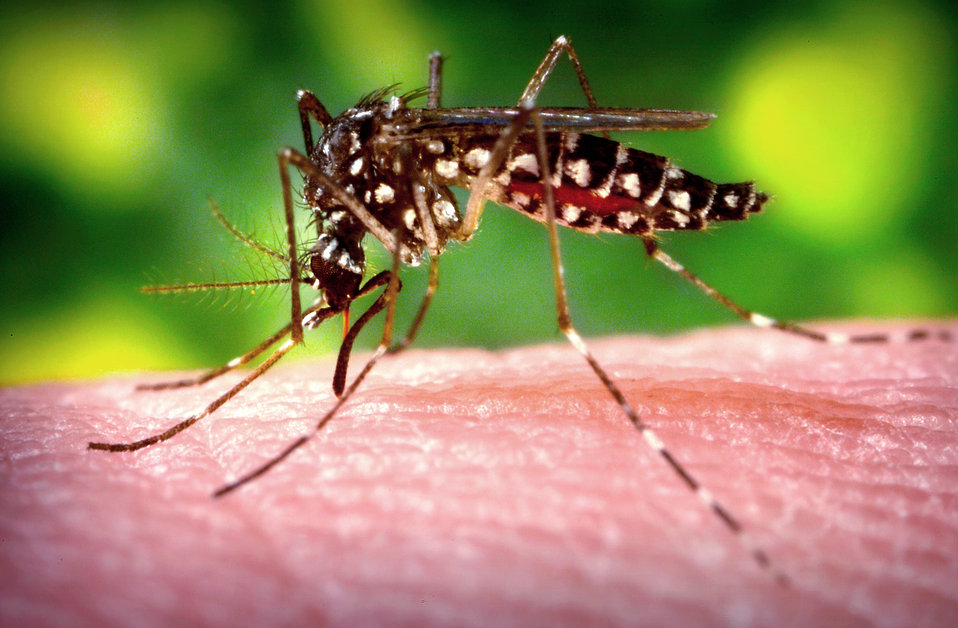 identified as a virus. The female Aedes aegypti mosquito was the only vector, picking up the virus during the first three days of a person’s infection and transmitting it to others through its bite. Reed’s research saved countless lives by enabling targeted mosquito control, inspired public health measures like draining standing water, fumigation, and insecticide use, and helped the Panama Canal project by eliminating yellow fever from construction sites. His work laid the foundation for modern epidemiology and experimental medicine, marking one of the most important medical breakthroughs of the early 20th century.

 Recently, my grandson Caalab Royce came to Casper for a visit with his parents, his sister Shai, and her boyfriend Angelo. Caalab moved with his parents, Amy and Travis Royce, to Ferndale, Washington right after he graduated from high school in 2014. Since that time, I obviously don’t get to see them as much as I did when the kids were little. Having him here took me back in time to the little boy that he once was. Caalab loved to play with my long hair from the time he was a baby, and unlike most babies, or kids for that matter, Caalab was very gentle with my hair. He never wanted to pull it, just to run my hair between his fingers…ever so gently. And…it wasn’t just my hair. When he was first dropped off at the daycare, he was very upset, until one of the teachers, Rachel let him play with her tight tiny braids. He loved them…and her. After that, he settled right in, often making sure that he was always sitting next to Rachel…when he wasn’t playing with the other kids that is.
Caalab always had a smile that lit up his whole face, and that hasn’t changed at all. That smile is a big part of 
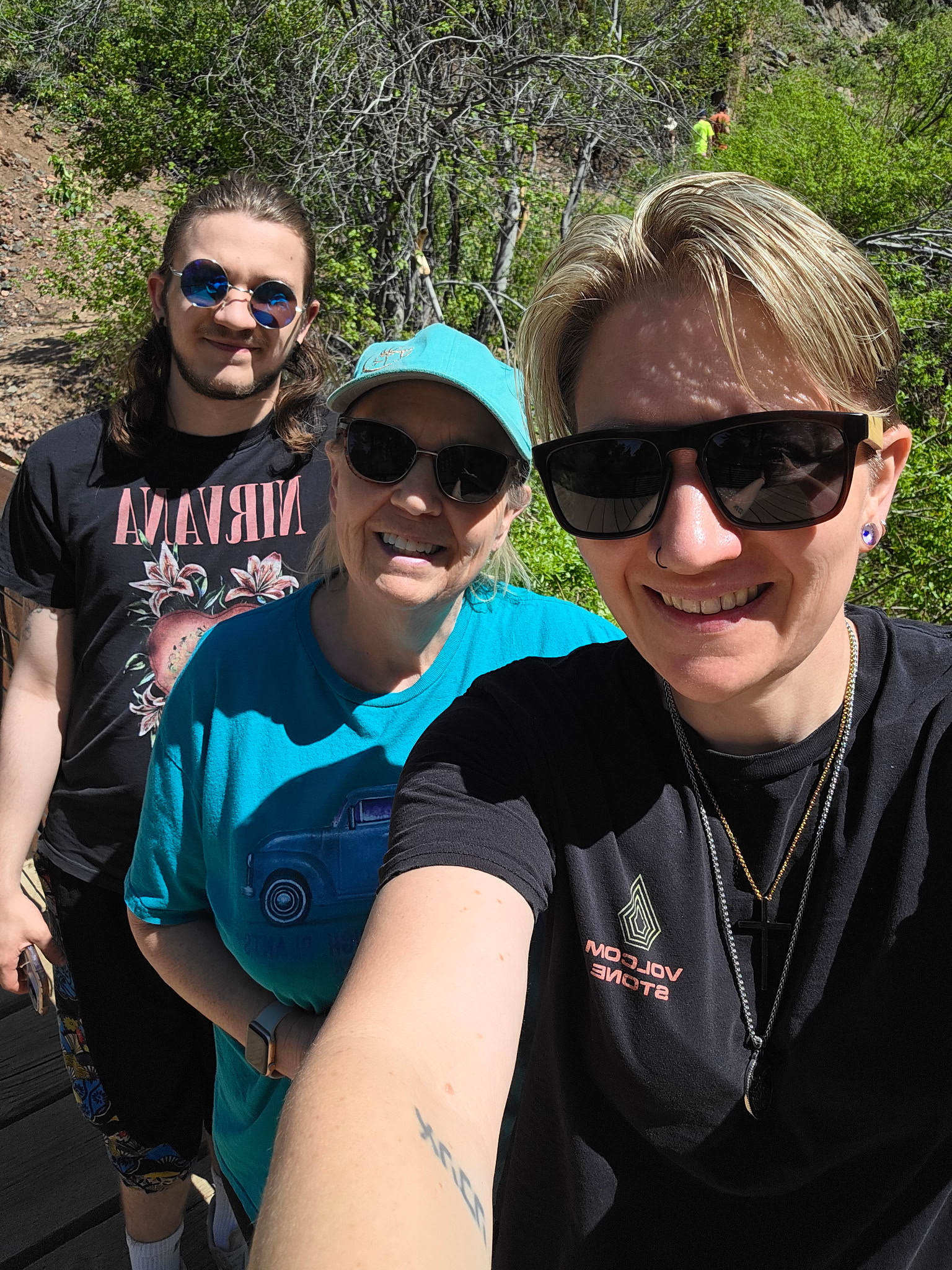
 him, and it’s always a joy to see. Caalab is a happy person, who can draw just about anyone into his circle of friends, and believe me, they feel honored to be there. Caalab has never known a stranger and calls most people his friends. He is very loyal to those he loves and treats them very well. His smile hasn’t changed much since his little boy days, and his laugh is still infectious. These days, like many men, he sports a beard, but that’s about the extent of the change on his face. It was so good to see him and be able to share a few good times. We were able to go on a hike to Garden Creek Falls with his parents, as well as his Papa, Bob. It was a lot of fun. Caalab has always loved going for walks and hiking in the mountains, so this was right up his alley.
The visit was short unfortunately, because they were here to celebrate his great grandmother, Virginia Hansen’s 90th birthday. It was such a blessing for the family to still have her with them. Still, even though the visit was short, I was so pleased that they were able to make the trip, and so pleased that Caalab was able to make it 
 with his family. While I am happy that Caalab loves living in Washington, I nevertheless miss him very much. Through the years, he has been such a blessing to me, and even through the years when he decided that it was great fun to pull a large strand out hair straight out and swat at it…gently of course. I have always love having my hair touched, brushed, and yes played with, and Caalab was always happy to oblige. He loved and still loves the feel of hair. He was always a great blessing to me and still is. Today is Caalab’s birthday. Happy birthday Caalab!! Have a great day!! We love you!!

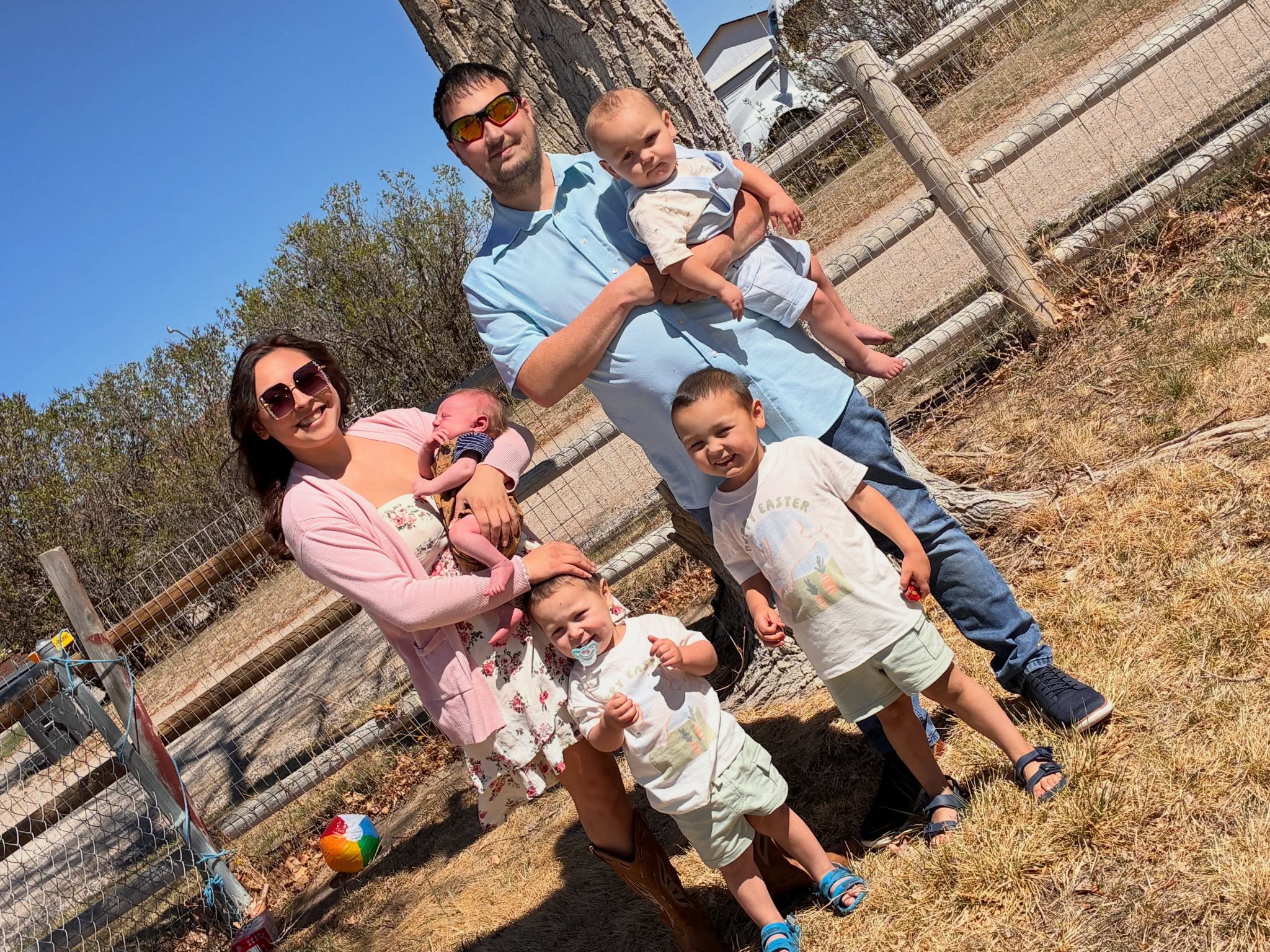 My grandson, Josh Petersen met the love of his life, Athena “Salazar” Petersen years before they married on July 24, 2023. They were in middle school when they first met, and Athena tells me that she didn’t like him then, but when they met again at work, she felt quite different about him. I could see that it was love the first time I saw them together, and of course, they knew it too. These days, their lives are very full. They have four sons, Justin (who will be 4 in October), Axel (who will be 3 in September), Cristian (who will be 2 in January), and the baby, Graham (three months). They are very happy in their life together.
In fact, Josh and Athena are all about family. They are very loyal to both her family and his. Both sides know 
 that they can count on Josh and Athena to be there to help out in whatever way they can. Life is unpredictable and family often need to be able to rely on each other…especially as the years go by. That is exactly how Josh and Athena are…people who can be relied upon. They are also a family that chooses to share all of the wonderful events life has in store for people. When Athena married into our family, her whole family became part of our family. I can truly say that I love every one of them. I hope they feel the same way about us, because it’s always best to be part of one big happy family. It makes life so much easier on the happy couple.
Josh and Athena love the outdoors, and so they enjoy hiking, swimming, and barbecues with family. They are 
 always busy doing something. That’s a good thing for them and the boys. Leading an active lifestyle is always best. And with four active boys, it’s a great way to ensure that they sleep well afterward. As we all know, kids have a lot of energy, and boys seem to have a double portion of it. Typical of boys. I think it’s a good thing Josh and Athena like living an active lifestyle. They need to be in good shape to handle the energy of those boys. They are good parents, and their boys love them so much. Today is Josh and Athena’s 3rd anniversary. Happy anniversary Josh and Athena!! Have a great day!! We love you very much!!
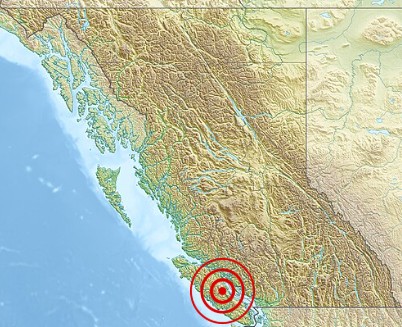 On June 23, 1946, a powerful magnitude 7.3 earthquake struck Vancouver Island, causing significant damage but relatively few casualties thanks to its timing and location. The quake struck at about 10:13a, Pacific Time, and it remains the largest recorded onshore quake in Canadian history. The epicenter was in the Forbidden Plateau area of central Vancouver Island, near Courtenay and Campbell River. Tremors were felt from Portland, Oregon, in the south to Prince Rupert, British Columbia, in the north. The shaking sparked widespread panic, sending people rushing into the streets in cities like Victoria and Vancouver.
The earthquake caused major damage, toppling about 75% of the chimneys in nearby towns like Cumberland, Union Bay, and Courtenay. Comox, Port 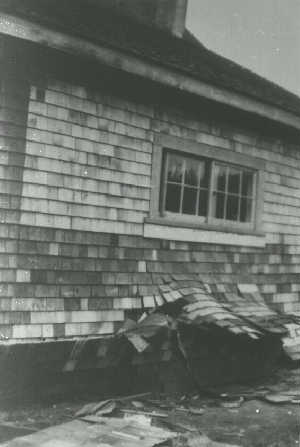 Alberni, and Powell River also saw significant destruction. Sadly, two people lost their lives…one drowned when a small boat capsized in a wave triggered by the quake, and another suffered a fatal heart attack in Seattle. The quake is thought to have been caused by a strike-slip fault linked to Vancouver Island’s geological features, though the exact tectonic forces remain unclear. The event sparked greater interest in seismology in Canada, leading to the installation of more sensitive seismometers and a systematic study of regional earthquakes.
The earthquake triggered numerous landslides across Vancouver Island and caused land subsidence, especially along the Strait of Georgia’s shorelines. Deep Bay’s seabed sank between 9 feet and 84 feet, according to the Canadian Hydrographic Service, and Read Island experienced a 9.8 feet ground shift. Ships in the area felt jolts like running aground, and undersea power lines were destroyed in Alberni Inlet and near Powell River. Lighthouse keepers reported damage such as shattered windows and broken dishes. A tsunami hit Texada Island’s west coast with two waves…one 6 feet 7 inches high and another 3 feet 3 inches high. The quake also  caused a landslide near Mount Colonel Foster. Fortunately, an aerial survey of Vancouver Island began shortly after in 1946, providing valuable photographs later studied in the late 1970s.
The 1946 Vancouver Island earthquake stands out as a major event in Canadian history, reminding us of the region’s seismic activity and the possibility of future quakes. It underscored the need for preparedness and awareness of geological risks in the Cascadian Subduction Zone. This quake marked a key moment in Canada’s seismic history, showing both the force of nature and the resilience of communities facing disaster.
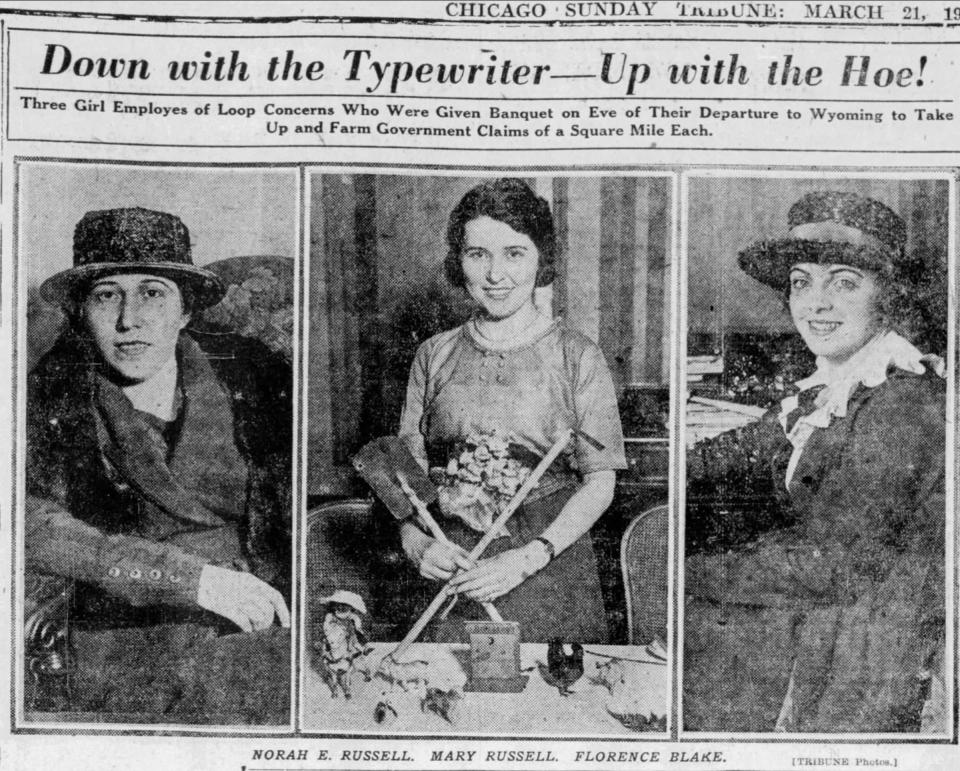 Since Congress passed the Homestead Act in 1862, land ownership was destined to change drastically. Around 1869, with the Durbin brothers’ sheep ranch near Cheyenne, homesteaders began moving to Wyoming, hoping—like many others in the West, to claim government land for little or nothing and make a living from it. Between 1862 and 1916, seven new laws or changes to the original laws were enacted. Most of the people looking to take advantage of the possibility of owning land were men, because the reality is that homesteading was a tough undertaking, and that meant that it was mostly men that took on the task. Yes, most of them brought their families, but when it came to homesteading alone, men were generally the rule.
However, there were a few women who decided that the mold of men and homesteading, did not necessarily suit them. One early fall day in downtown Chicago, a woman named Florence Blake met a young male acquaintance who shared his story about claiming land in Wyoming. Blake was instantly inspired to follow suit. Through that conversation, Florence Blake learned about homesteading, and her life would never be the same again. Thanks to a 1912 law that didn’t require year-round residence in order to claim a homestead, she could spend the coldest five months in Chicago, working to fund her venture, and then return to her homestead the rest of the year. Blake decided that if her friend could homestead, so could she. She decided that she was a strong and as tough as he was. It wasn’t really a feminist thing, but rather a determination that if one person was capable, the other could be too. So, Blake worked winters back in Chicago to earn enough to support her claim, which was quickly becoming her passion. Blake worked hard and never gave up until the land was hers.
Strangely, her success was typical. I would have thought that most women who tried homesteading alone, would fail, but research shows that women homesteaders were as likely to succeed as men. Blake’s story soon caught the eye of the Chicago Tribune, and on March 21, 1920, the paper reported that sisters Mary and Norah Russell had also claimed Wyoming homesteads and traveled on the same train as Blake. Blake mentioned them too, though not by name. They reached Gillette during an April snowstorm, and poor road conditions kept Blake in town for about a month, during which she took on various jobs. When the roads cleared, she hired two trucks—one for her portable house and another for a stove and lumber for cupboards, a floor, and an outhouse. The Chicago man who sold her the portable garage-turned-house claimed it “could easily be assembled by a woman,” but in reality, it still took three strong men an entire day to put together the house, a lean-to, and an outhouse. The outhouse had no door but offered a clear view of the nearby Pumpkin Buttes.
Within a few weeks, Blake had settled into her routine. Tending the garden, hauling water from a nearby spring, and trying out various cooking experiments kept her busy. Each evening, she went for a walk: “I’d sit cross-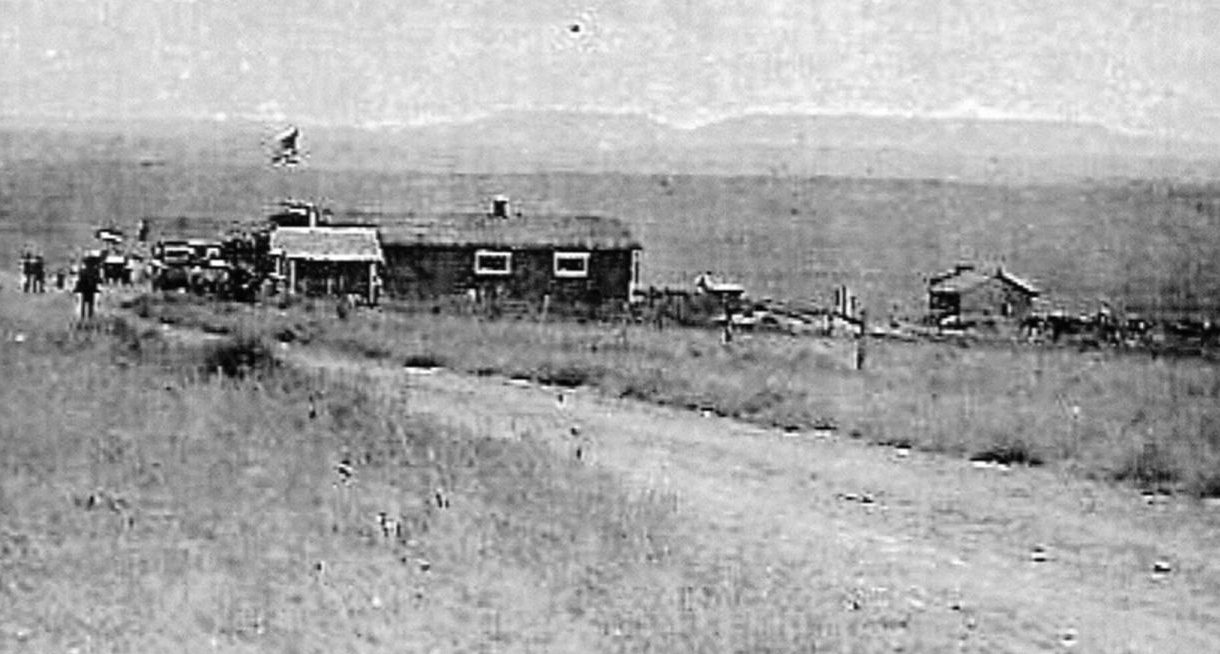 legged on my pet rock, watching the sun set behind the Big Horn Mountains, listening to the many birds settling in for the night. The Meadowlarks sang their last sweet song of the day. The hills were blanketed with wildflowers, and the air was fresh and sweet.” She went on to successfully earn her claim and she stayed in Wyoming, eventually marrying a man named Archibald Smith, a resident of Gillette and former rancher in the area. The couple eventually settled in Cheyenne, where “Arch” had been appointed commissioner in charge of the dairy, foods and oil division for the Wyoming Department of Agriculture.

