 Yellow fever used to be one of the deadliest of diseases, and it can still be highly dangerous today, with mortality rates depending on how severe the illness becomes. Around 20% to 50% of people with severe yellow fever may die, and about 15% to 20% develop a severe hemorrhagic phase, half of whom don’t survive. For those with severe disease, death rates can range from 30% to 60%. Each year, yellow fever is responsible for roughly 30,000 deaths worldwide, making it a serious threat, especially in regions where it’s common.
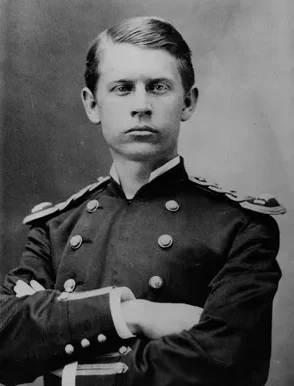
In June 1900, Major Walter Reed, a US Army physician, took command of the United States Army Yellow Fever Commission in Havana, Cuba, tasked with figuring out the cause and transmission of yellow fever. At the time, the disease…spread by virus-carrying mosquitoes…was a serious threat in tropical regions, causing high death rates with no known prevention. Reed was joined by James Carroll, Aristides Agramonte, and Jesse W. Lazear, all experienced in infectious diseases. Their mission was to test 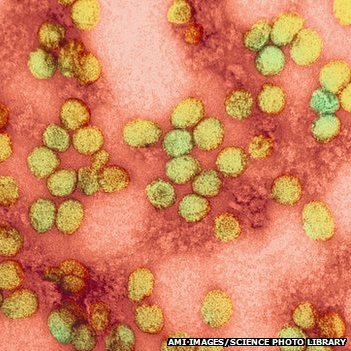 Cuban doctor Carlos Finlay’s theory that yellow fever was spread by the Aedes aegypti mosquito, rather than poor sanitation or direct contact.
Mosquito feeding tests involved hatching eggs from infected patients and feeding the mosquitoes on volunteers, who later recovered, proving the insects could transmit the virus, according to The Army Historical Foundation. In controlled human exposure, volunteers were bitten by infected mosquitoes, offering direct proof of transmission. To disprove other theories, they tested the bacterial theory and miasma hypothesis by having volunteers wear soiled clothing from infected patients, with no cases of transmission observed.
By February 1901, Reed’s team had confirmed that yellow fever was caused by an infectious agent, later 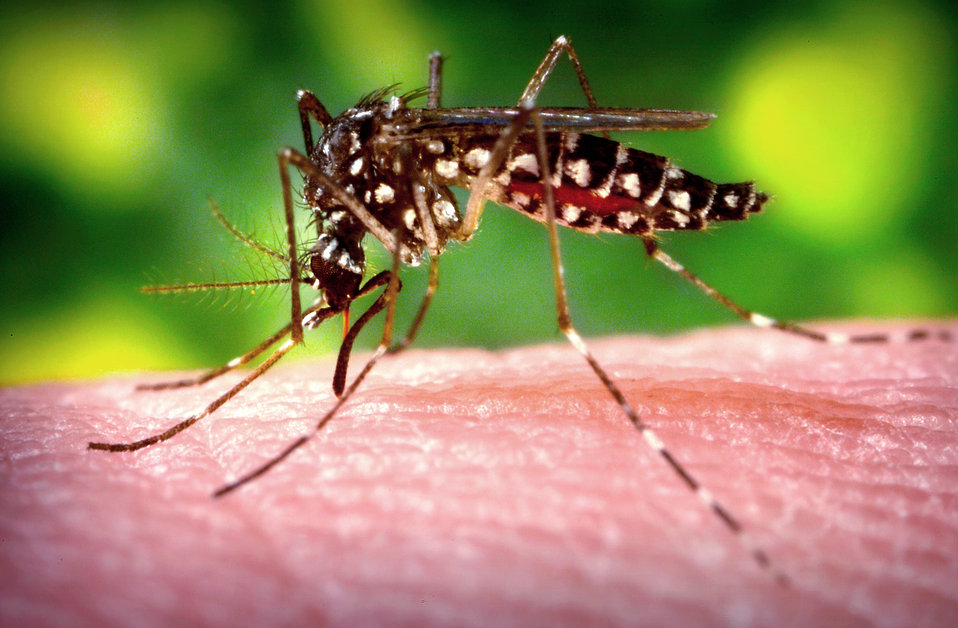 identified as a virus. The female Aedes aegypti mosquito was the only vector, picking up the virus during the first three days of a person’s infection and transmitting it to others through its bite. Reed’s research saved countless lives by enabling targeted mosquito control, inspired public health measures like draining standing water, fumigation, and insecticide use, and helped the Panama Canal project by eliminating yellow fever from construction sites. His work laid the foundation for modern epidemiology and experimental medicine, marking one of the most important medical breakthroughs of the early 20th century.


Leave a Reply