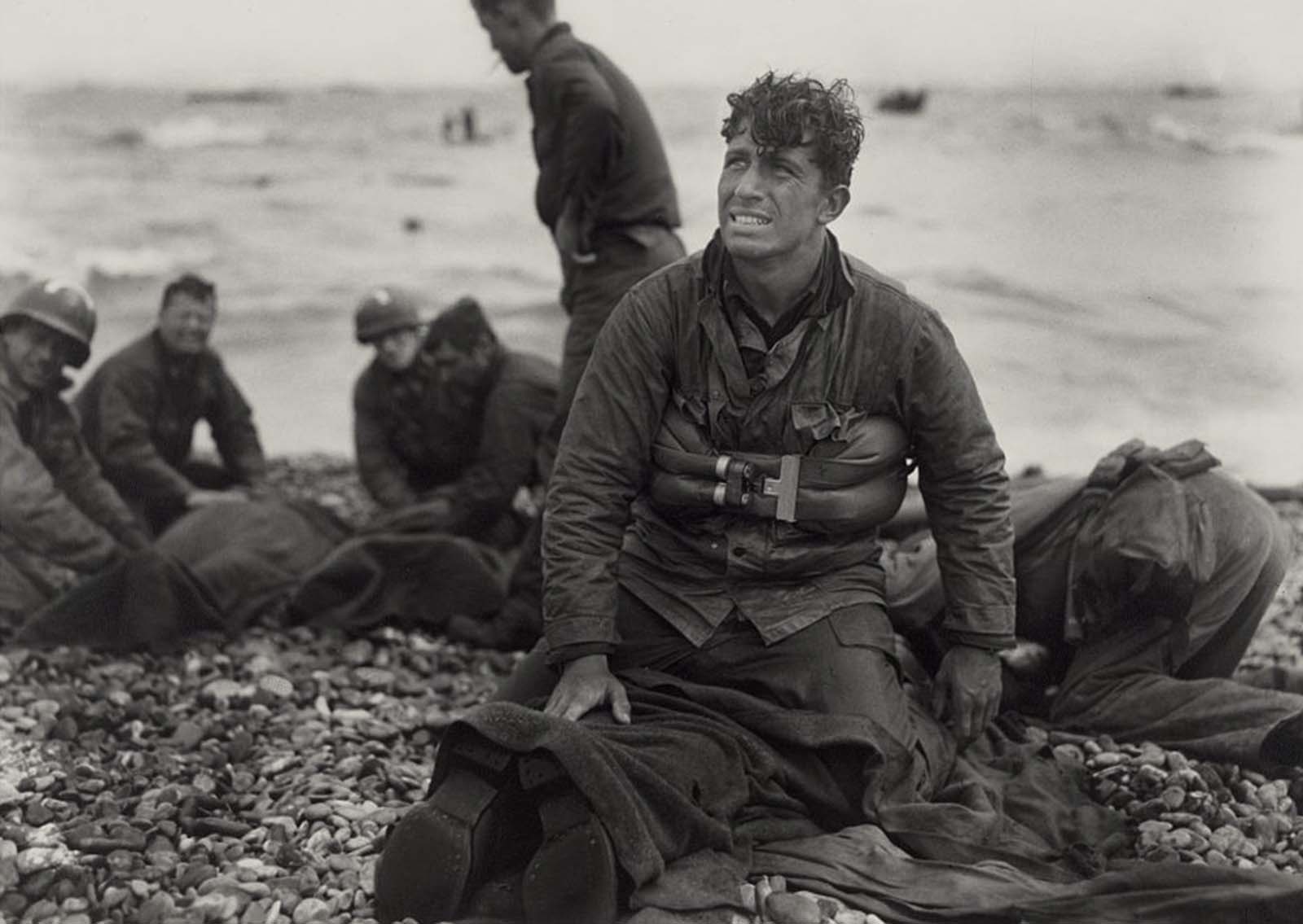
 For some reason, I always relegate D-Day to its own category, but it was actually a part of a bigger operation. Operation Overlord did not end with one battle on D-Day. It was an invasion of France in a concerted effort to take down the German stronghold that was plaguing that nation. So, six days after the D-Day landing, those five Allied landing groups, made up of some 330,000 troops, linked up in Normandy to form a single solid front across northwestern France. They would not give up, and Hitler would not be allowed to take over these nations, including France. They were like a wall, and they were determined not to lose…many lives and many nations depended on their stubborn perseverance.
Operation Overlord began on June 6, 1944, but it was only after a year of meticulous planning that was conducted in secrecy by a joint Anglo-American staff, that the largest combined sea, air, and land military operation in history began on the French coast at Normandy. The Allied invasion force included 3 million men, 13,000 aircraft, 1,200 warships, 2,700 merchant ships, and 2,500 landing craft. It began fifteen minutes after midnight on June 6th, when the first of 23,000 United States, British, and Canadian paratroopers and glider troops plunged into the darkness over Normandy. Just before dawn, Allied aircraft and ships bombed the French coast along the Baie de la Seine, and at daybreak the bombardment ended as 135,000 Allied troops stormed ashore at five landing sites. Despite the formidable German coastal defenses and significant loss of Allied lives, beachheads were achieved at all five landing locations. Within a day, the Allies secured a bridgehead, but the countryside beyond the beaches posed challenges, with its bocage (pastureland) terrain of hedgerows and narrow lanes giving the German defenders an advantage. 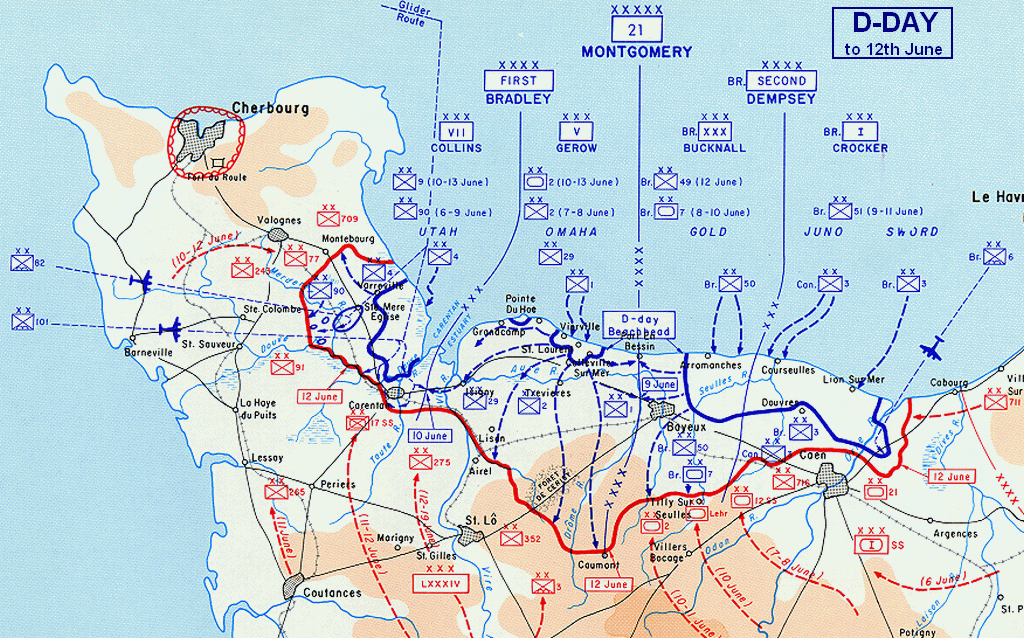
German reinforcements, including elite Waffen-SS units, began arriving, but many were thrown off by Allied deception tactics, slowing their deployment. Hitler’s refusal to permit tactical retreats trapped numerous German forces, leading to heavy losses during the Allied breakout. The Allies focused on quickly building up troops and securing a unified bridgehead to block counterattacks and ensure safe arrival of reinforcements. At Omaha Beach, German resistance was fierce, and the Americans only secured the position after hours of brutal fighting. By nightfall, around 150,000 American, British, and Canadian troops were ashore, holding roughly 80 square miles. Over the following six days, Allied forces in Normandy steadily advanced on all fronts despite fierce German resistance. By June 12th, the five landing groups had linked up, and Operation Overlord, which was the code name for the Allied invasion of northwestern Europe…was unfolding exactly as planned.
The campaign soon turned into a tough, relentless battle over towns like Caen and through the bocage countryside. Allied forces had to work together, combining infantry, tanks, artillery, and air power to push past well-defended German positions. By late July, operations like ‘Cobra’ helped Allied armor punch through German lines, opening the way for a fast push into open ground. Still, the momentum couldn’t last forever, giving the Germans a chance to regroup for a while. D-Day forced Germany into a two-front war, stretching its resources between the Eastern Front and the newly opened Western Front. The successful landings lifted Allied 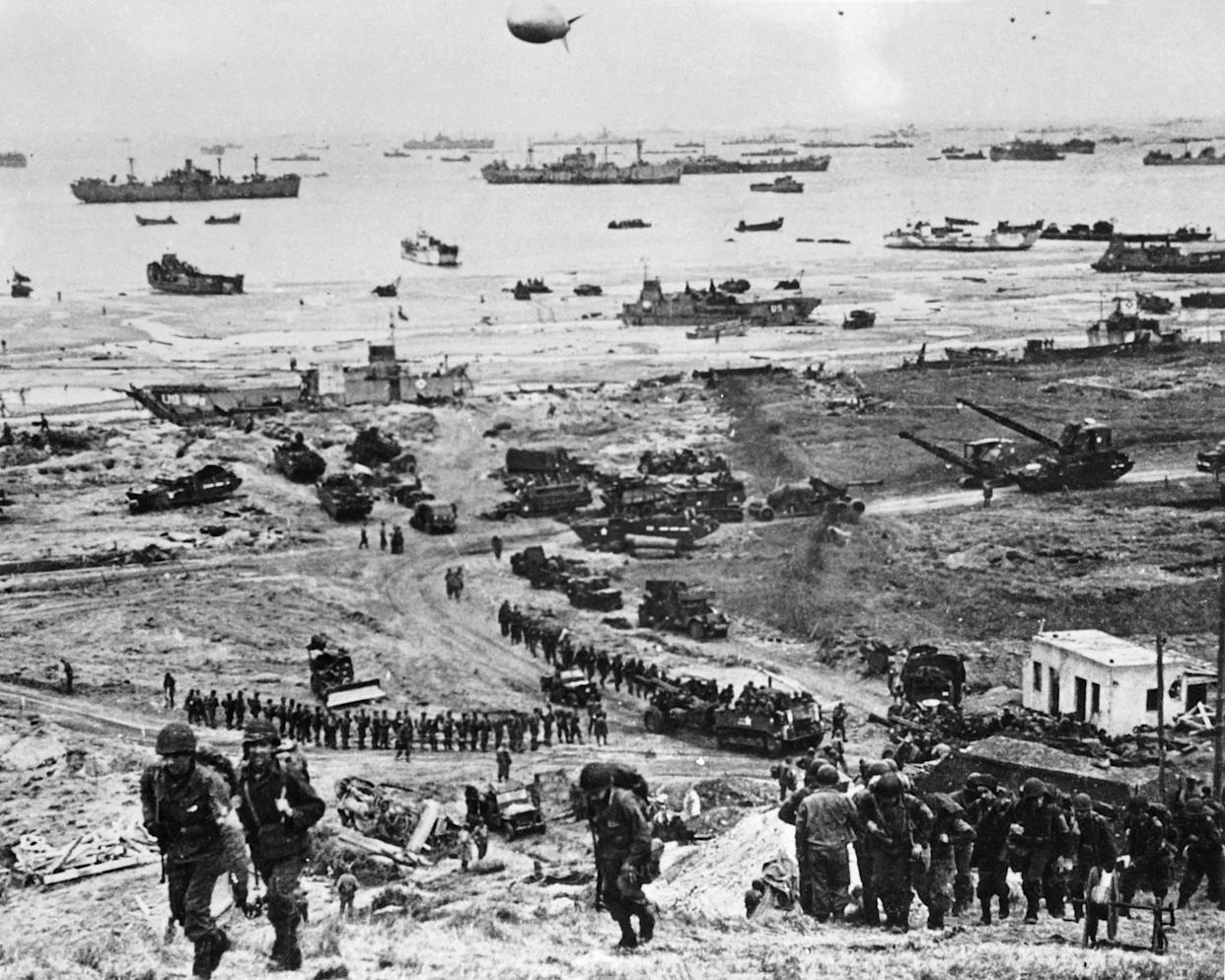 morale, proved large-scale amphibious assaults could work, and reassured the Soviet Union that the second front was in action. By late August 1944, German forces were retreating from France, marking a key turning point in liberating Western Europe. After D-Day, the scale of the human and material cost became clear. The beaches were scattered with wrecked vehicles, abandoned gear, and the fallen, but a steady stream of reinforcements from England kept the Allies going. Keeping the beachhead supplied and growing was key to winning the Normandy campaign. In short, the days that followed were filled with fierce fighting, tactical moves, and huge logistical efforts that helped the Allies take Normandy, weaken the Germans, and push toward liberating Europe.


Leave a Reply