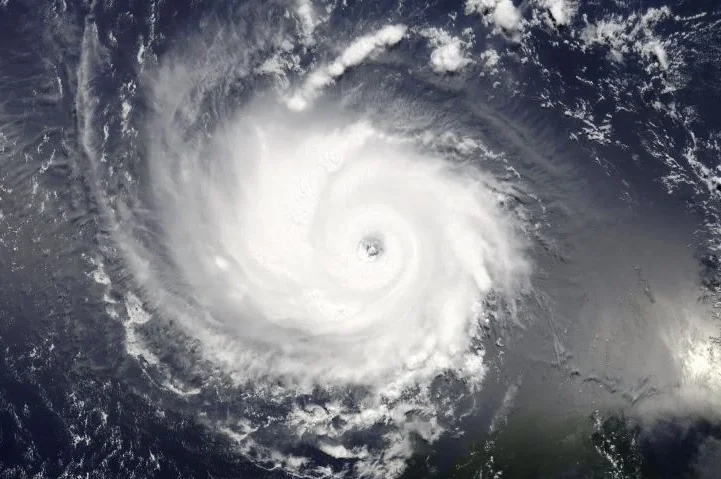
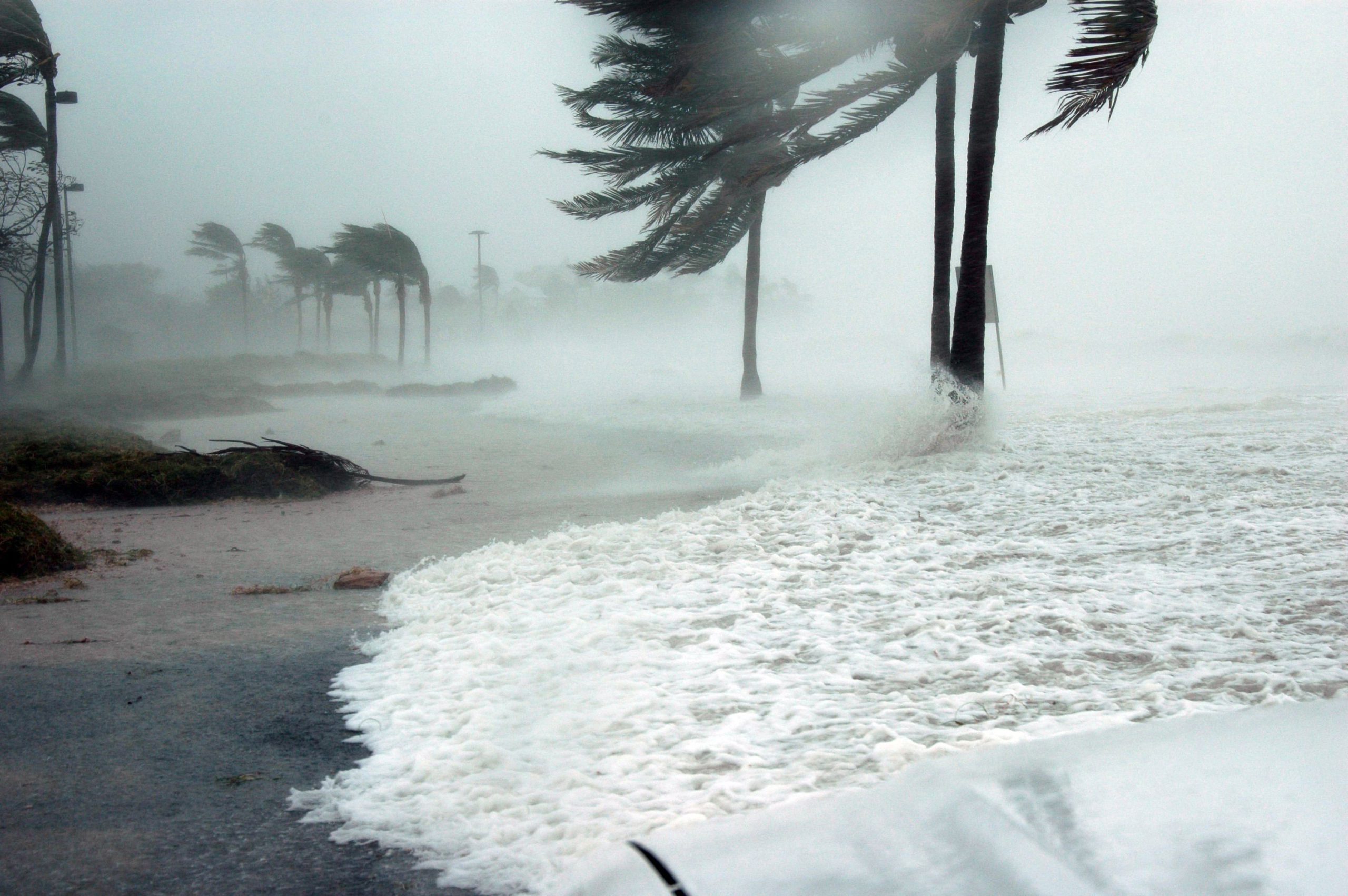
 The naming of hurricanes is not something new. These days, hurricanes and tropical storms get names to make communication and identification easier. Before naming was common, storms were tracked by or by the year and sequence they happened, which often caused confusion…especially when several storms were active at once. Short, unique names are simpler to remember, share, and report in advisories, news, and emergency updates, helping warnings reach people quickly and clearly.
Naming storms is a tradition that actually goes back centuries. In the West Indies, hurricanes were once named after the Catholic saint’s day on which they hit, like Hurricane San Felipe. It seemed a logical way to name them at the time, but obviously the names would need to be repeated before long. By the late 1800s, Australian meteorologist Clement Wragge started giving tropical cyclones names, using everything from Greek letters and mythological figures to the names of local politicians. The naming process had taken on a life of its own, so to speak.
In World War II, United States military meteorologists casually named Pacific storms after their wives and girlfriends to make tracking on weather maps easier. I can only imagine how that went over. Some might have felt honored, while others might have been insulted. In 1953, the US National Weather Service made this system official for Atlantic storms, starting with only female names. After a while, the women began to protest and by 1979, male names were added to alternate with female ones after those calls for gender balance.
Today, the World Meteorological Organization (WMO) keeps six rotating lists of names for Atlantic hurricanes, each with 21 names in alphabetical order, skipping Q, U, X, Y, and Z. Names come back every six years unless a storm is so destructive or costly that the name is retired out of respect, like Katrina in 2005 or Melissa in 2025. 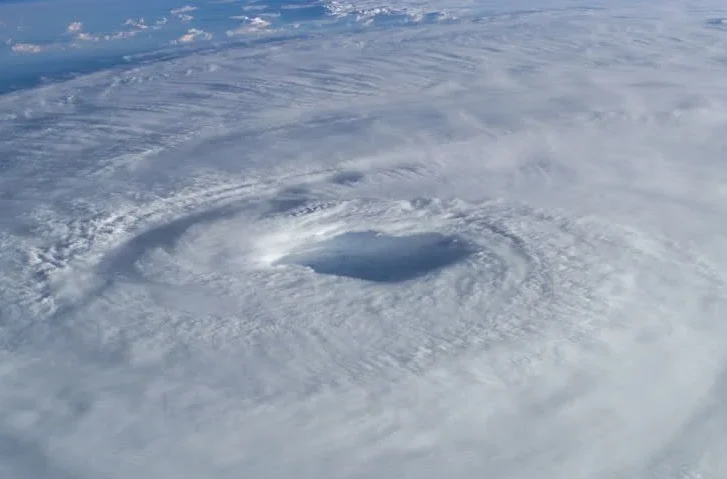
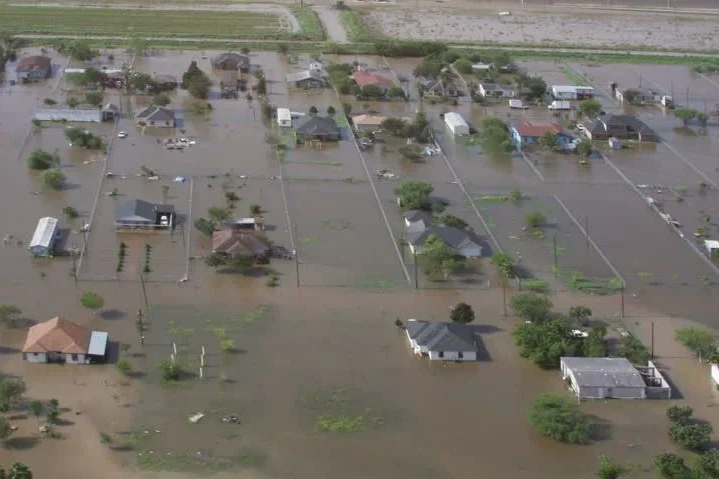 A storm gets its name when it hits tropical storm strength with winds of at least 39 mph and keeps it if it grows into a hurricane with winds of 74 mph or more. While this system is used in the Atlantic, other regions have their own rules. For instance, Pacific hurricanes, Indian Ocean cyclones, and Western Pacific typhoons use similar alphabetical lists or names tied to local languages and traditions.


Leave a Reply