Monthly Archives: August 2025

 My nephew, Steve Spethman joined our family when he married my niece, Jenny (Masterson) Spethman. I had known Steve for a long time, by the time they started dating…since he was twelve to be exact. I was rather shocked that Jenny was dating Steve, but what I thought was a “bad boy” type back then, was really a guy with a great sense of humor, who could make everyone laugh with his antics. Oh, don’t get me wrong…Steve is a “bad boy” type in just about every way, except being a troublemaker. He is a prankster and a teaser, but in reality, he is an all-around very good guy. If you’re feeling down, Steve is just the guy to lift your spirit right up out of the doldrums. When he smiles, his whole face smiles, and Steve loves to smile…and outright laugh.
Steve is a big “teddy bear” of a man, who pretends that he is tough and mean, but it only takes about five 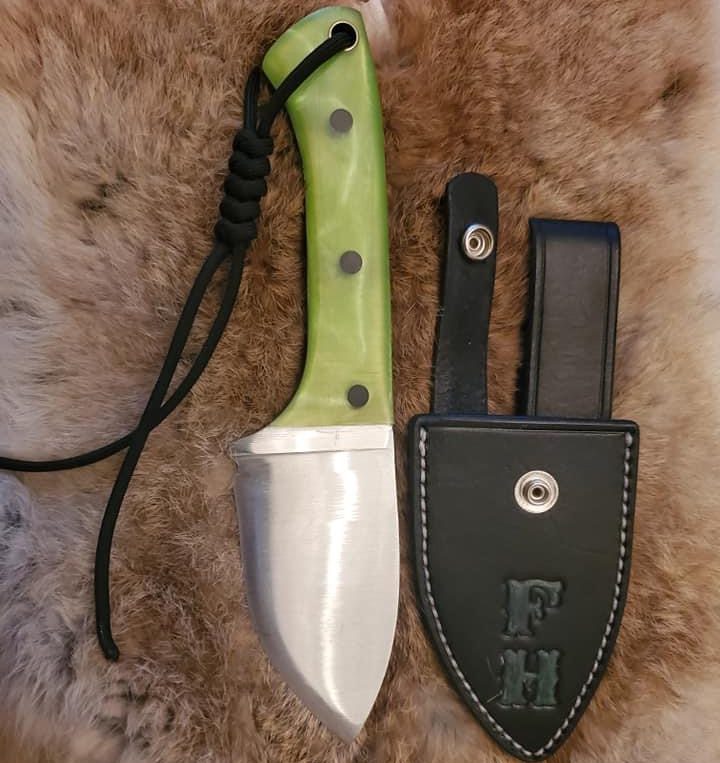
 seconds to see through that facade, because he can’t keep a straight face!! Deep, or maybe not so deep down, there lives a big softie. If you need someone with muscle to help you with a big project, Steve is your man. If you need a shoulder to cry on, Steve is your man. Or if you just need a big hug, Steve is your man. No wonder Jenny fell in love with this guy. He is kind-hearted, loving, and tender. His treatment of his family is so sweet. They know without a doubt that they are loved. He has a very protective nature, and while he is a “teddy bear” to those he loves and cares about, anyone who might try to hurt someone he loves, will meet with a giant of a man, very capable of breaking them in half. Meeting Steve in a dark alley is not a good idea if you are his enemy. Thankfully not many people are “dumb” enough to be Steve’s enemy. Just not a wise move.
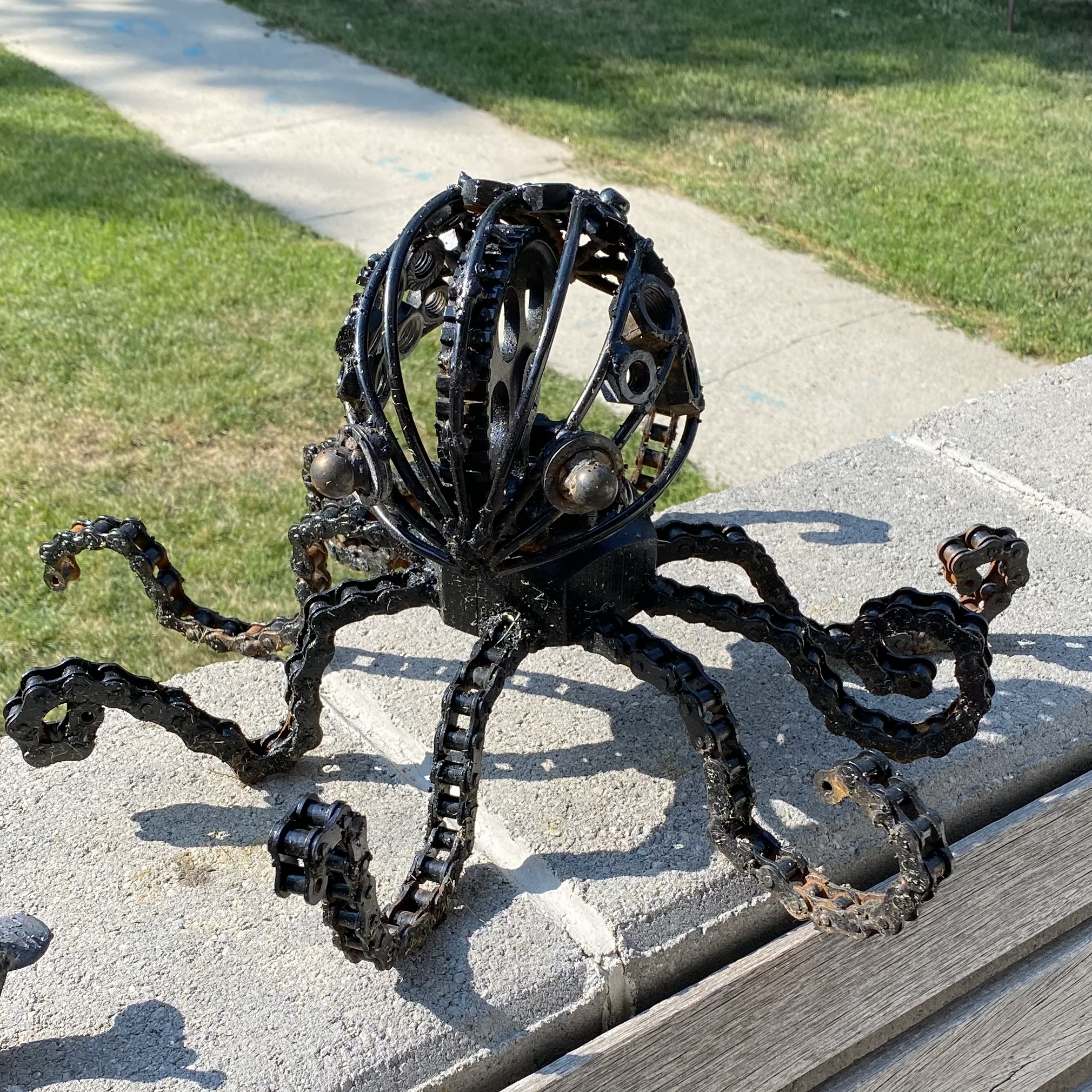
Steve is a talented metal worker, for lack of the proper name for it. He forges knives and also makes metal art out of things that you would normally never see or imagine being art. Things like forks, spoons, knives, nuts, bolts, and gears somehow come together to for things like snails, spiders, butterflies, grasshoppers, centipedes, 
 octopus, and much more. He is quite good at what he does. Every year, Steve sets up a monster sized swimming pool in their front yard so his family can enjoy the summer in the comfort of a great place to cool off. The kids’ friends love to hang out at the Spethman house. It is always the best hang out for great fun. His kids don’t have to go to friends’ houses for fun, the fun lives at the Spethman house. Today is Steve’s birthday. Happy birthday Steve!! Have a great day!! We love you!!

 I first met my grandnephew, Keifer Balcerzak, when he was 12 or 13 years old. His dad, Dave Balcerzak was dating my niece, Chantel Balcerzak, and they later married. The thing about Keifer at that time that most impressed him was the way he “took care” of his sister, Katy Herr. Katy was 6 or 7 years old at the time, and Keifer was just such a great big brother to her. It’s not often that you see a twelve-year-old boy who is so sweet to his “kid sister” but that’s what Keifer was…and they have been close all their lives. And Keifer is still one if Katy’s biggest supporters in her marathon endeavors.
Keifer has carried that caring nature into his adulthood, his marriage, and family. He is a wonderful husband and father, and his family considers themselves very blessed to have Keifer in their lives. Keifer is husband to Katie and daddy to Reece and Asa. The kids are usually in sports, and Keifer is a very hands-on sport parent. He is always encouraging them and helping them to improve their skills. Of course, that comes from his own interest in sports and his participation in several kinds of sports, including 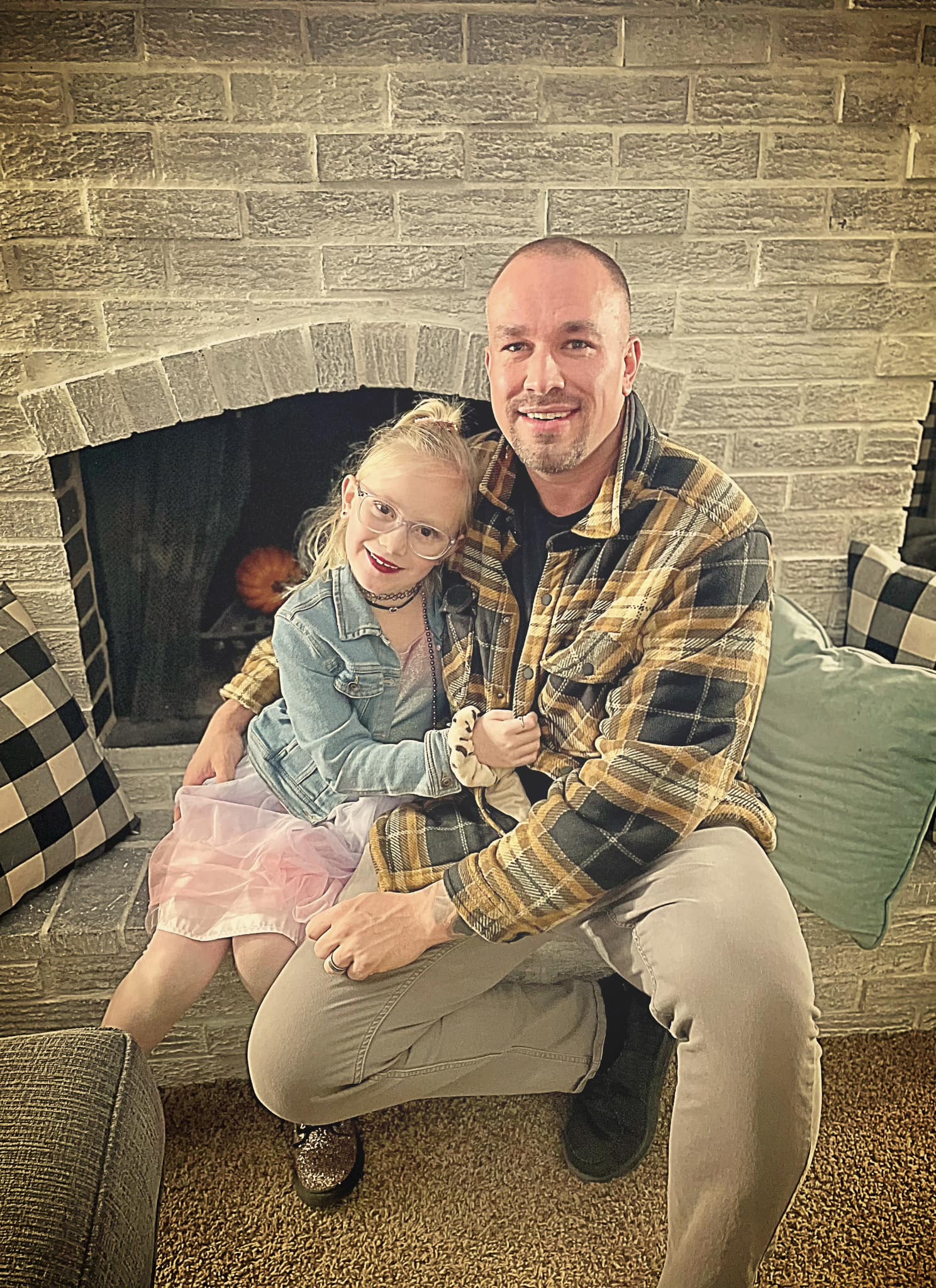
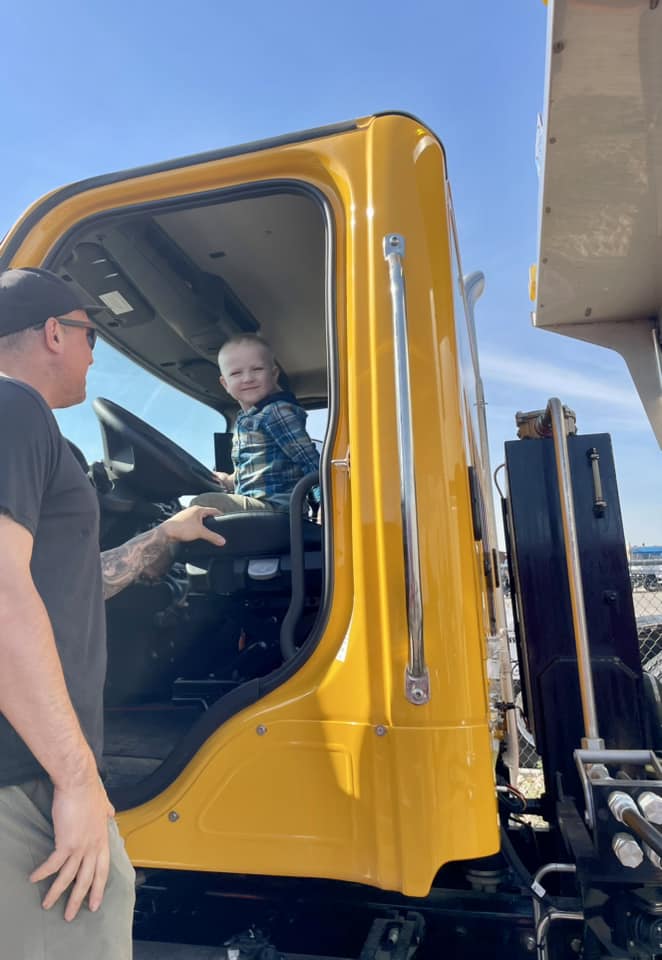 softball. He has even taken the training to become an umpire, which he very much enjoys.
Keifer and Katie work hard to stay in good shape. They want to be the best versions of themselves and to be able to keep up with their very energetic kids. I’ll tell you, keeping up with kids takes every bit of energy a parent can muster. And these parents don’t want to miss a moment of their kids’ lives. They work hard to live a healthy lifestyle, and that is good for them and their kids. They enjoy traveling and outdoor activities, and that enriches their lives. Keifer plays in a number of tournaments and has won his share of them. His family is very proud of his abilities. Today is Keifer’s birthday. Happy birthday Keifer!! Have a great day!! We love you!!
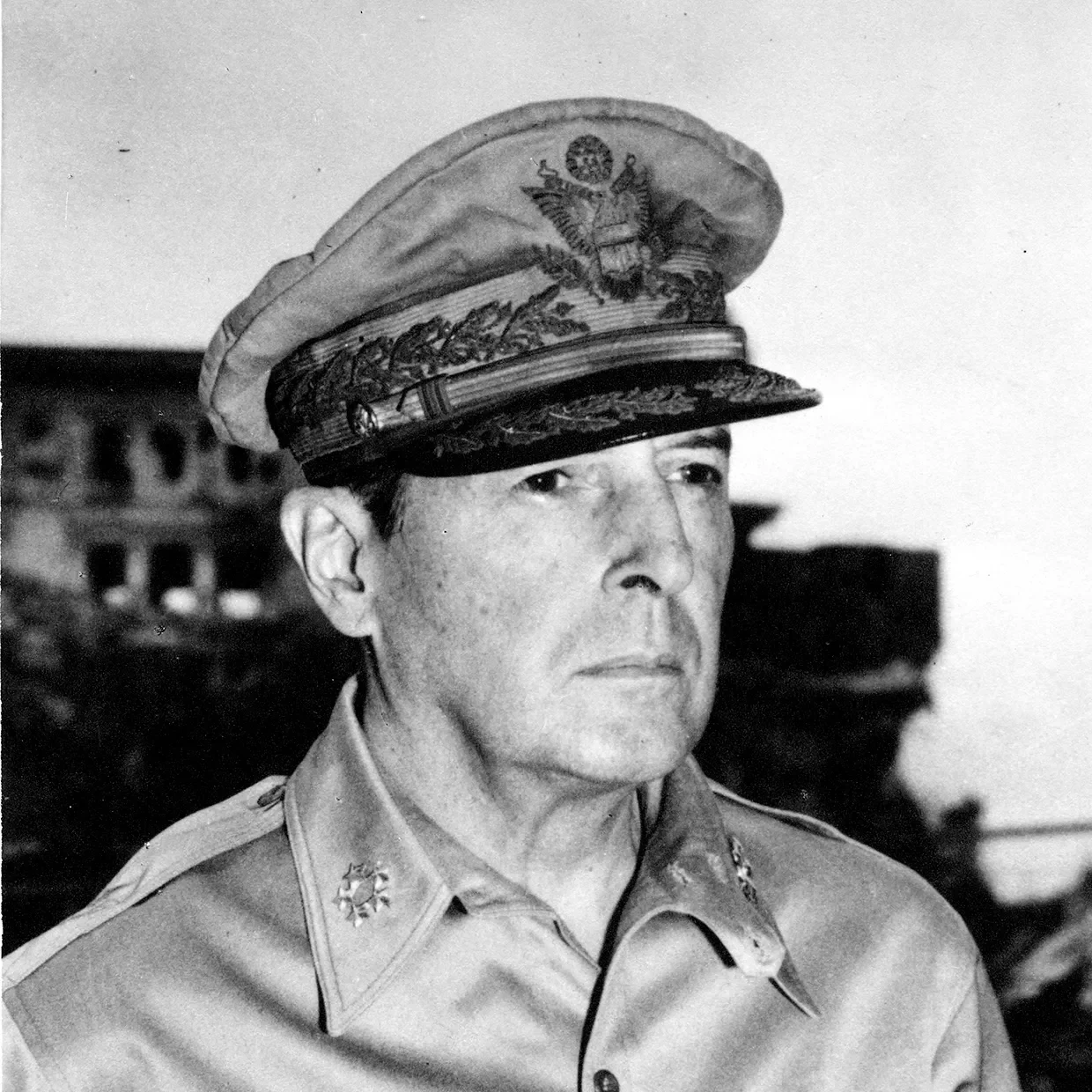
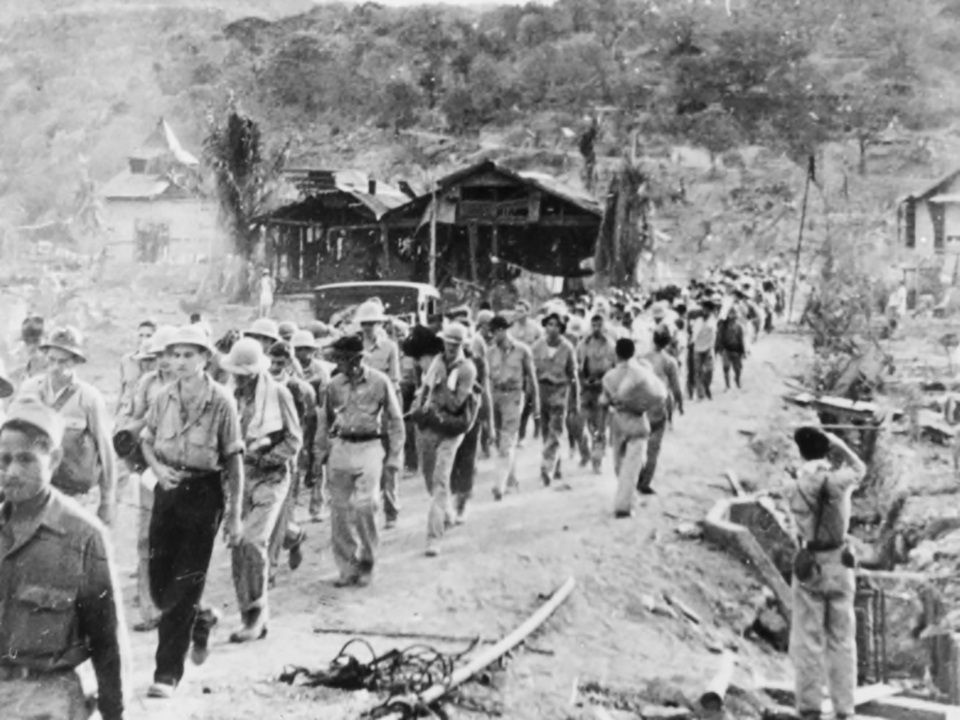
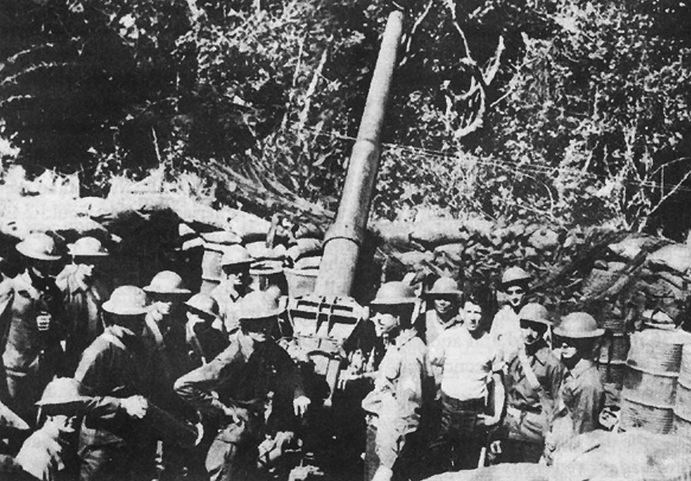 In March of 1942, President Franklin Roosevelt reassigned General Douglas MacArthur from the Philippines to Australia. With that, Major General Jonathan Wainwright was now placed in charge of all Philippine forces. Promoted to temporary lieutenant general, Wainwright decided to relocate his troops to the fortified garrison at Corregidor. It was a tumultuous time, and after the Japanese captured Bataan and forced Allied prisoners on the infamous “Death March,” Corregidor became the next target. Despite relentless artillery fire, Wainwright and his 13,000 troops held out for a month before surrendering on May 6th, exhausted and outmatched.
The unfortunate part about Wainwright’s promotion was that because he was the commander of all Allied forces in the Philippines, his surrender also led to the surrender of troops that were still resisting the Japanese in other parts of the country. The situation was a disaster, but he really had no choice. Wainwright was captured and spent the next three and a half years as a POW in Luzon, Formosa (now Taiwan), and finally in Manchuria, China. He was there until April 23, 1945, when Russian forces in Manchuria freed the POW camp after the Japanese surrender.
Years of captivity had taken a severe toll on the general. Previously nicknamed “Skinny,” he was now frail and emaciated, his hair white and his skin cracked and fragile. The nickname seemed like a cruel joke now, and one 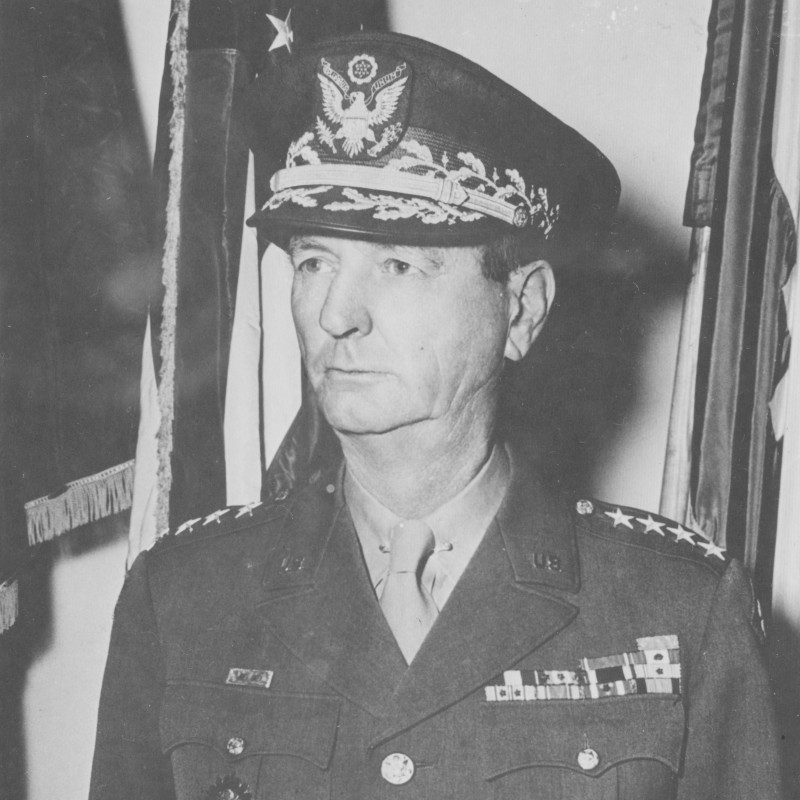
 that no decent person would use. Not only was he in horrible condition, but he was also deeply depressed, and very afraid that he would be blamed for the fall of the Philippines to the Japanese. When Wainwright arrived in Yokohama, Japan, for the formal surrender ceremony, his former commander, General MacArthur, was shocked by his appearance. His fears were unfounded, because back in America, Wainwright received a hero’s welcome, was promoted to full general, and awarded the Medal of Honor.
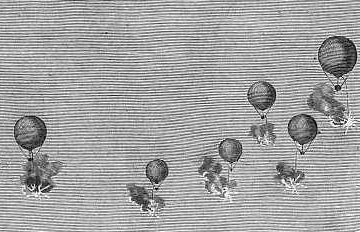 When Japan sent a group of balloon bombs off toward the United States between November 1944 and April 1945 it seemed like a strange way to bomb another country, but the truth is that it was not even close to being the first time balloons were used in war. On August 22, 1849, Austria used around 200 pilotless balloons to carry out what is often regarded as the first remote aerial attack in history. This assault on Venice was part of a counteroffensive, as the city had overthrown Austrian rule a year earlier and briefly established itself as the Republic of San Marco.
While balloons were typically used for reconnaissance during war, the Austrian military decided to use them as bombers when they hit a stalemate in their attempt to retake Venice. It was a novel idea, and it seemed to be logical because of the unusual city they were dealing with. The city was already under siege, but its unique landscape…a series of 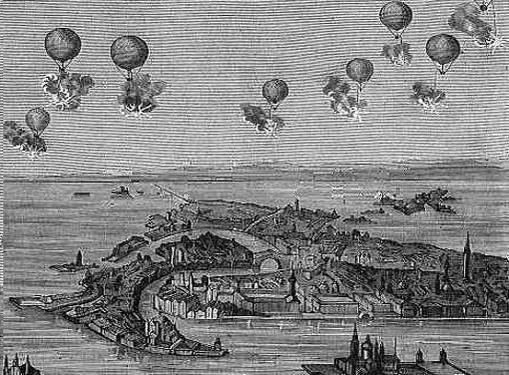 islands surrounded by shallow lagoons…offered strong natural defenses. That made it difficult to launch an effective attack by land or sea to force a surrender. Then, a young Austrian artillery lieutenant, Franz von Uchatius, came up with the idea of making paper balloons capable of carrying bombs with fuses set to detonate after half an hour. It was going to be “a one-shot chance” to make their play. In March 1849, Scientific American cited the Austrian Presse, stating that “they will be launched using electromagnetism through a long-isolated copper wire connected to a large galvanic battery placed on the shore.” Interesting!!
Russell Naughton, a research associate at Monash University in Australia, explained that each balloon carried 33 pounds of explosives. The idea was for the balloons to burst over Venice, dropping bombs on the fighters below. While some succeeded in making the trip, others were blown back over Austrian lines due to an unexpected wind shift. Historians noted that the balloons caused very little damage, 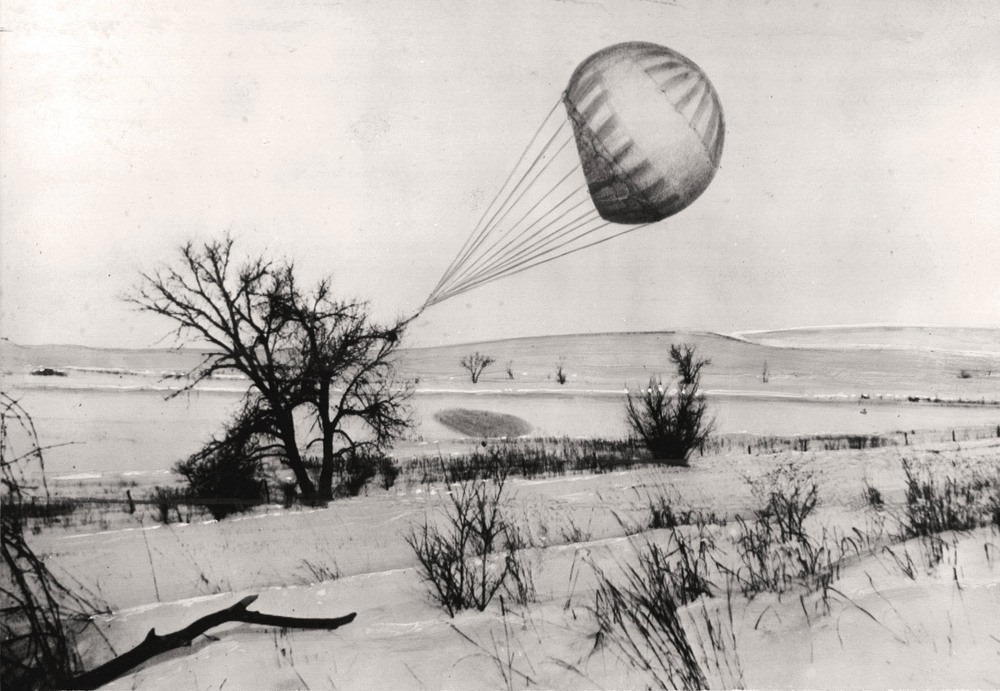 even though one landed in Venice’s main public square, Piazza San Marco. Balloons were simply not an effective aerial attack mode. Nevertheless, they might have had a psychological effect on the city, which soon surrendered while under siege.
Still, the idea of a “balloon bomb” didn’t die a quick death. In February 1863, a New Yorker named Charles Perley patented a hot air balloon designed to drop a bomb after a timer ignited its fuse. With that, the use of balloons for delivering bombs persisted into the next century. During World War II, Japan launched nearly 10,000 bomb-carrying balloons towards North America, leading to the few civilian casualties. in Oregon.
 How often has it been thought that women were soft on things that men might take a hard line to? Things like war, discipline, and even on crime and punishment, might be looked upon as things women might be willing to be more lenient on. Then, on May 9, 1950, a court in Green River, Wyoming found a man named Otto Long guilty of second-degree murder. Long’s attorney, Walter Muir Sr, complained, “I’d never have lost if it hadn’t been for those damn women on the jury.” For me, that thought was so odd, because he was saying that the women took a hard line against the men…and won. Now. I served on a jury years ago, and while one woman and I both felt like the defendant was guilty of DUI (Driving Under the Influence), it was not enough to convince the four (it was a six-person jury) “good old boys” on this jury that he had indeed been guilty, even though the man admitted to drinking a six-pack of beer before his noon arrest. As I understood the term DUI, he didn’t need to be “falling down” drunk, just under the influence. This man was maybe 140 pounds, soaking wet, and the “good old boys” who insisted they would not be “drunk” on a six-pack before noon, were at least 200 pounds each. The man knew enough to refuse to take the breathalyzer, opting instead for the blood test taken when he could metabolize the beer for a while longer. In the end the blood test was not really taken into consideration and the “good old boys” club won out, letting another of the “drink and drive” crowd skate without punishment. Maybe if there had been three women and three men on the jury, the outcome would have been different.
But, back to the story of the day. Otto Long was convicted by the six-man, six-woman jury, much to the consternation of the defense attorney, who felt like the women were the entire cause of his loss in the courtroom. So, did some men anticipate more lenient verdicts from all-male juries? That would seem to be the case. It seemed to him, that at least for the past 80 years, they had benefited from this bias, whether it was real or just perceived, but now the advantage was gone, and to illustrate this, with one minor exception, an 1891 civil case in the Bighorn Basin town of Bonanza, Wyoming, marked the first jury with women after Wyoming became a state in 1890. While women could vote and serve on juries by default, it wasn’t until 1950, that the practice began to be a common practice. The Otto Long jury including six women selected Louise Spinner Graf, foreman, likely making her the first woman in Wyoming, after statehood, to hold that position.
Wyoming’s territorial government made history on December 10, 1869, when Governor John Campbell signed a bill granting women the right to vote and hold public office. Shortly after, in early 1870, jury duty was extended to women as Territorial Chief Justice John Howe summoned them to serve. Not surprisingly, this decision faced opposition from Albany County Attorney Stephen Downey, who likely referenced a law passed the previous December restricting jury service to men. At that time in history, the men vehemently fought the women on any kind of participation involving government and law, stating that the “woman’s place was in the home” and these “upstarts” should be put in their place once and for all. Of course, theirs was a losing battle, because the women were done being relegated to the idea of being “second class citizens” and would never continue to put up with that assessment.
While Downey objected, Howe quickly quashed his objections, and the courts briefly allowed the practice of placing women on the jury, that year and the next. With that ruling, on March 9, 1870, Eliza Stewart, an unmarried schoolmistress from Laramie, Wyoming, became the first woman in the known history of the world to be subpoenaed for jury duty. Mrs Martha Boies of Laramie was the first female bailiff, and Amalia Post of Cheyenne was the first woman jury foreman. Also serving on that first jury was Sarah Pease of Laramie. Justice Howe saw the future, and wanted the women on the juries, because as he said, “hitherto they had been unsuccessful in securing juries that would convict well-known guilty criminals.” I guess the justice agreed with 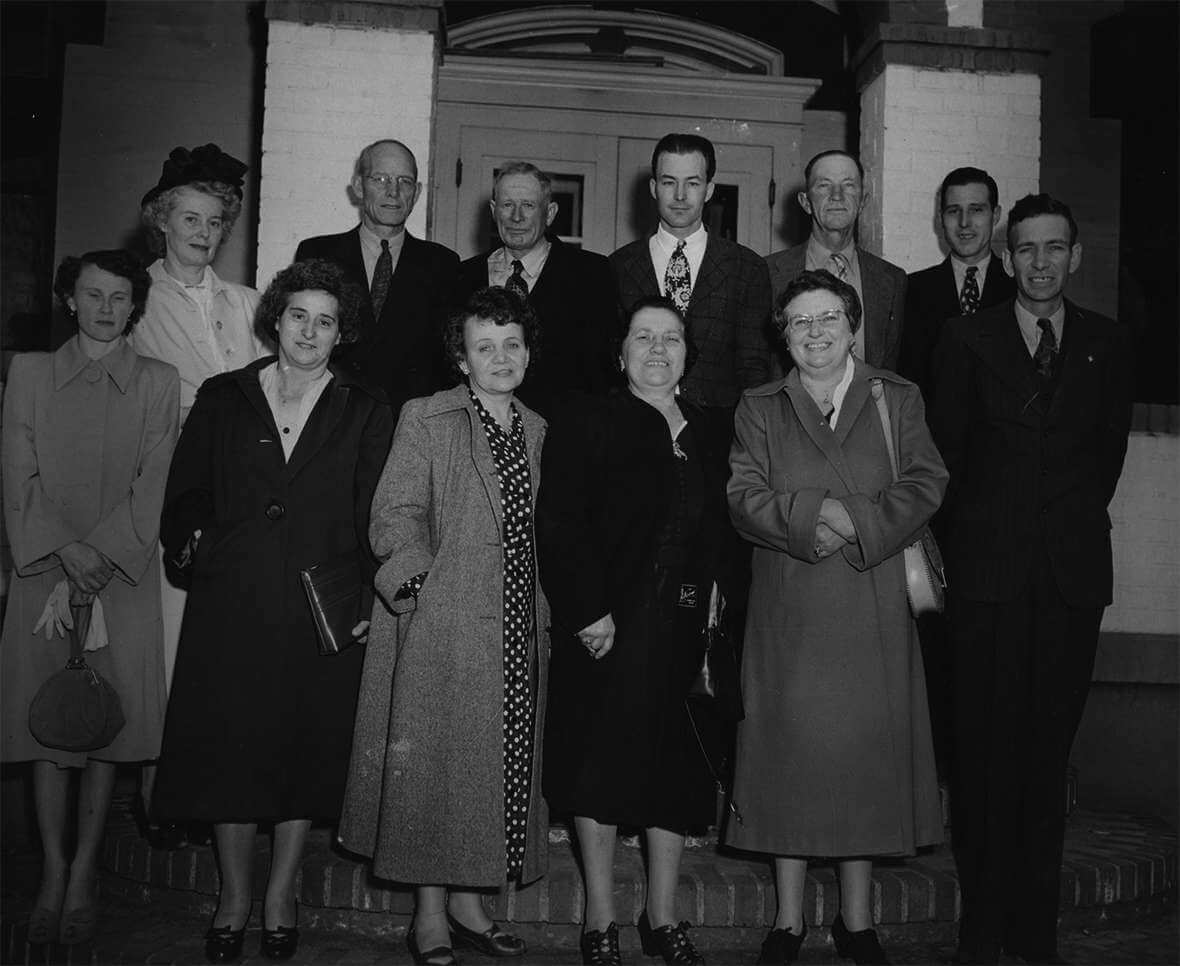 Otto Long’s attorney, who said that the conviction was because of women. Howe thought that the community of Laramie…basically the “good old boys” club was allowing criminals to get away with their crimes. Whether that was the truth or not, makes no real difference. It was the perception of the times, and the main reason that the women were not wanted on the juries. Personally, I think we probably needed them on the juries sooner. Meanwhile, other states were admitting women to jury service, with Utah leading in 1898. By 1949, 40 states, including Wyoming, allowed or required female jurors. By 1953, only six states were still holding out. A federal court decision in 1966, ruling that both racial and gender distinctions in state juries were unconstitutional, forced these six states to conform as well. It just had to happen.

 It seems strange to me that some of the Native American Indians decided to side with the British against the fledgling United States. The British were notoriously harsher than the pilgrims and life would have been so much worse for the Indians under British rule. Nevertheless, they did just that…side with the British, bringing about the Old Northwest Indian War and the Battle of Fallen Timbers, Ohio, on August 20, 1794, was the final battle of that war. The Native Americans involved in the war were the tribes affiliated with the Northwestern Confederacy and their British allies. The fight was for control of the Northwest Territory.
The Treaty of Paris in 1783 ended the Revolutionary War but included a clause allowing the British to stay in the Northwest Territory until the United States resolved land disputes with Native American tribes, who had allied with the British. That opened up the opportunity for tribes like the Chippewa, Ottawa, Potawatomi, Shawnee, Delaware, Miami, and Wyandot to form a federation to resist United States expansion into their lands. President George Washington faced a significant defeat of Saint Clair’s troops by the Native American Federation led by Chief Little Turtle in 1791. So, he appointed General Anthony Wayne, a distinguished officer from the Revolutionary War, to lead the Legion of the United States. The 1794 Battle of Fallen Timbers ultimately became the turning point in securing U.S. control over the Old Northwest Territory.
As most of us are aware, the main threat to American security and settlers moving west of the Allegheny Mountains in the 1780s was Native American resistance. This was aside from minor domestic issues like Shay’s Rebellion in 1786. Shays’s Rebellion was an armed uprising that took place in Western Massachusetts from 1786 to 1787. It was led by Daniel Shays and other Revolutionary War veterans in response to economic hardship, particularly high taxes and aggressive debt collection practices that threatened farmers’ livelihoods. The rebellion aimed to prevent the trial and imprisonment of debt-ridden citizens and resulted in the closure of several courts. Ultimately, it highlighted the weaknesses of the Articles of Confederation and contributed to the call for a stronger federal government. Spurred on by British agents from Canada, who encouraged them to attack American settlers, some British officials sought to establish an “independent” Native American state between the Ohio River and the Great Lakes, which would have simply been a puppet state under British control. Meanwhile, British troops continued occupying several forts in the Northwest Territory, deemed crucial for the fur trade, in direct violation of the treaty that ended the war with Britain. It was like they were given an inch, so they decided to take a mile. 
Of course, the federal government had no choice but to suppress the attacks on American settlers. So, they launched military expeditions into what is now Ohio. The first attack was led by Brigadier General Josiah Harmar. It included an expanded First American Regiment and 1,500 militiamen from Kentucky and Pennsylvania. Starting from Fort Washington, near present-day Cincinnati, Ohio, Harmar’s force moved north toward the Miami Villages. Almost immediately, issues arose with supplies and incorporating the militia into his forces. Deep in Indian territory, Harmar divided his troops, which weakened his army significantly. Miami Chief Little Turtle led attacks on Harmar’s forces on October 19 and 22, 1790, at the meeting of the Saint Mary and Saint Joseph Rivers. There were heavy losses to the militia and regulars from these attacks. Harmar was forced to retreat to Fort Washington, and the chaotic withdrawal only emboldened the Indian warriors further. Another expedition was launched to address the threat facing Major General Arthur Saint Clair, the governor of the Northwest Territory and a Continental Army veteran. Alongside the First American Regiment, a second infantry regiment was also formed to join the mission. Kentucky militiamen and a handful of cavalrymen brought Saint Clair’s Army to a total of about 1,400 troops. Despite being ill and unfit for command, Saint Clair began leading his army north from Fort Washington on September 17, 1791.
The march moved at a sluggish pace, and by November, the expedition had only covered 90 miles. Saint Clair further weakened his forces by sending the First Regiment to search for his overdue supply train. On November 4th, Chief Little Turtle led a surprise attack against the expedition near the upper Wabash River. The battle ended in disaster, as Saint Clair’s already weakened forces were completely overwhelmed. Over 600 men were killed, along with many civilians traveling with the group. Those wounded and left on the battlefield were brutally scalped. In desperation, Saint Clair ordered a full retreat, and the battered troops made their way back to Fort Washington. This crushing defeat highlighted the urgent need for major reforms…if the Army was to effectively defend against the Indians or any other threats to the young republic. As would naturally happen when a fledgling nation finds its Army is insufficient, Congress decided to reorganize the Army in 1792, officially approving the formation of the Legion of the United States on March 5th. The Army was divided into four sub-legions. Each of these were made up of 1,280 men and led by a brigadier general. Each sub-legion included two infantry battalions, one battalion of riflemen, one company of artillery, and one of dragoons. This structure was designed to offer greater tactical flexibility in battle. The name “Legion” also carried sentimental value, as early American leaders often compared their young republic to the Roman Republic.
President George Washington and Secretary of War Henry Knox considered several candidates to lead the reorganized Army, including Henry “Light Horse Harry” Lee and Daniel Morgan. However, it quickly became clear that Anthony Wayne was the best choice. On the same day the Army reorganization was approved, Wayne was promoted to major general and appointed as the commanding general of the Legion of the United States. 
 Wayne was given ample time to train his soldiers and shape the Army under his leadership. For nearly two years, American delegates tried to negotiate with the Indians, but their efforts failed. Once again, American troops would have to confront hostile Indians, but this time, they would at least be well-prepared for the challenge.
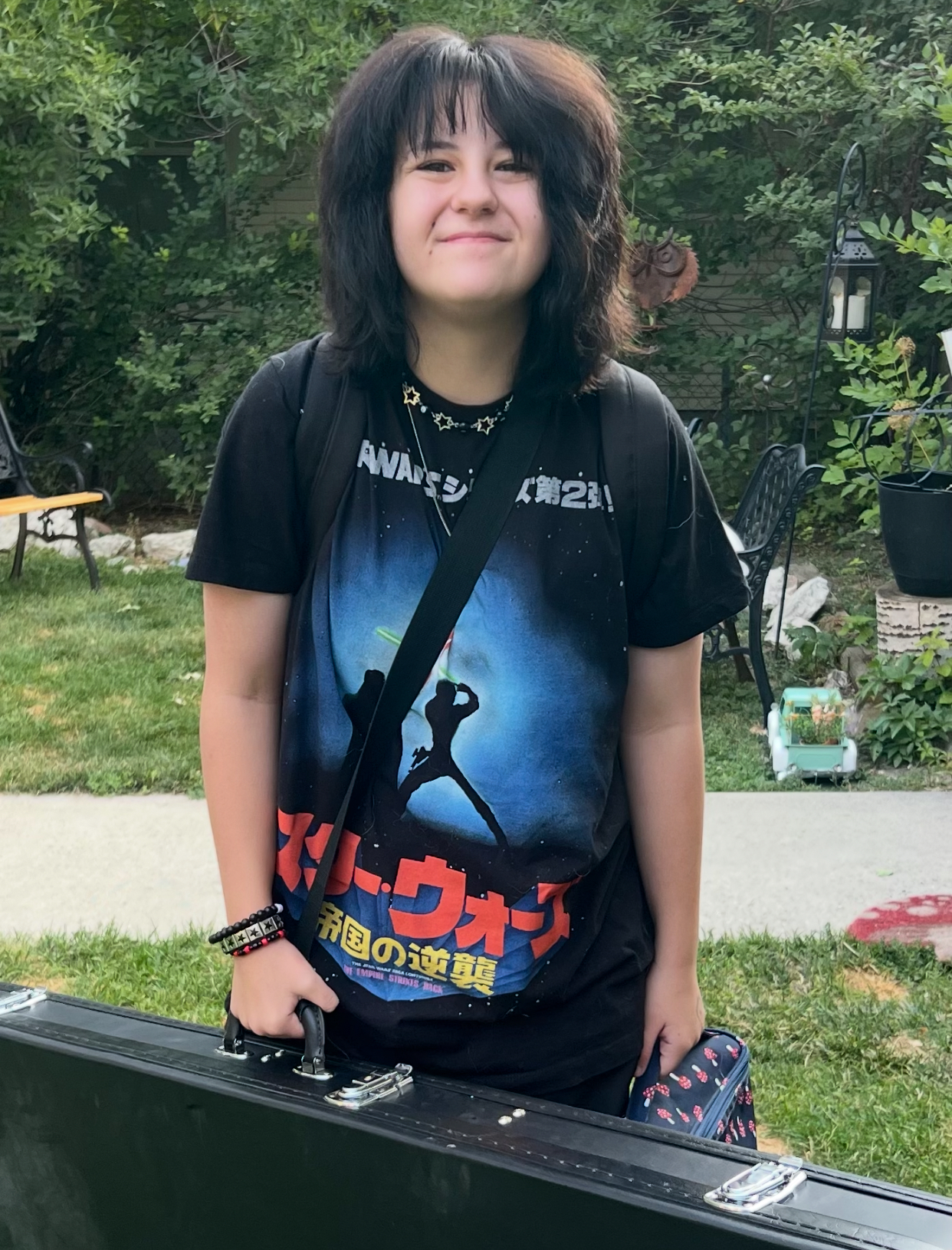
 My niece, Aleesia Spethman is slowly coming out of a rough time in her life. It wasn’t anything she did or didn’t do, but rather a bad school situation, in which other students were allowed to bully people. It should never happen, and I hope that someday those offending students change their ways and become humans. Nevertheless, Aleesia’s parents, Jenny and Steve Spethman, being the great parents they are, moved their daughter to a better school, and she started to come into her own. Aleesia is and always has been a sweet girl with a big heart of gold, and those who don’t get to know her are the losers in more ways than one. While that was a rough time, Aleesia has begun to shape her life into the pleasant, goal-filled, happy life again.
Aleesia has begun to embrace music as a creative outlet. She plays the electric and the bass guitar. She will also be taking an acoustic guitar class this year. She is really very talented, and her family enjoys listening to  the music she plays. Aleesia’s new school has really been a blessing to her, because she feels accepted and appreciated for her skills and abilities, as well as just for who she is. She has made new friends and has one friend in particular who has become a likely life-long friend. She and her friend love playing in the Spethman pool. It is their favorite thing to do. Unfortunately, this summer, their swim time has been a lot less this year. Her mom says, “It could be that she just might be taking that next step and a teenage hood.” I guess that could be. She is, after all, turning 13 today.
Aleesia comes from a family that loves animals…all animals. They have had everything from dogs and cats to snakes and lizards. In November, Aleesia got a new dog, whom she dubbed Romeo. She also has a cat named Panther, and these two animals are all hers. They love her to pieces. Panther sleeps in her room and is the full owner of the human named Aleesia. Aleesia still sticks close to her parents’ sides and never stays the night at  anyone’s house. Nevertheless, her mom can sense that her little girl is getting ready to make “that change,” you know, the one into young adulthood and independence. Jenny has really tried to soak in this summer with her “rainbow baby” and enjoy every minute I have with her as “still a little girl” because as with all things in life, that is only temporary. Today is Aleesia’s 13th birthday. Happy birthday Aleesia!! Have a great day!! We love you!!

 When pioneer, August Scherneckau, arrived in Oregon, shortly after the Civil War, he bought a farm in the north central part of the state. Let’s face it, Scherneckau is not an easy name to pronounce, and not surprisingly the Indians pronounced it Shaniko. The name stuck, not for August, but for the town that would likely have born his name, had it not been mispronounced, and so the town of Shaniko, Oregon was born.
The Scherneckau ranch was located along the stage route from The Dalles to central Oregon, so it quickly became a stage station. On May 23, 1879, the first post office was set up there, with August Scherneckau serving as the initial postmaster. Named Cross Hollows after the area’s unique topography, the post office operated for just eight years before shutting down on May 27, 1887. In 1900, some businessmen established an official community in The Dalles as the endpoint of the Columbia Southern Railroad. The station became a hub for gathering the vast wool production from central Oregon, a role it held until the 1940s. On March 31, 1900, the Shaniko post office was opened, and the Shaniko Hotel, initially called the Columbia Southern Hotel, was constructed the same year. Built with 18-inch-thick walls and handmade bricks, the hotel is now listed on the National Register of Historic Places. Also in 1900, a 10,000-gallon wooden water tower was built. Water was pumped from nearby Cross Hollow Canyon, piped through wooden systems, and stored in two large wooden tanks. Built in 1901, the three-room Shaniko School served kindergarten through high school students until 1946. After years of disrepair, it was restored in the 1990s and now functions as a community hall. It’s also one of the most photographed historic school buildings in Oregon. In 1901, Shaniko was officially incorporated. By that time, the town boasted a bank, two blacksmith shops, a two-story city hall housing the fire station and jail, three hotels, two newspapers, a post office, five saloons, two stores, and numerous other buildings. Church services took place in the schoolhouse.
Wool quickly became the commodity of the time, and Shaniko became a major trade center for the wool produced in central and eastern Oregon. Within a year, two financiers from The Dalles, B F Laughlin, and W Lord, constructed a huge wool warehouse in Shaniko, which was the largest in Oregon at the time. In 1903 Shaniko was referred to as the “Wool Capital of the World” after three wool sales brought in the largest total sale of wool on record. The next year, sheepmen sold an estimated five million dollars’ worth of wool to buyers in Shaniko.
In 1910, Shaniko boasted a population of 600, with what appeared to be a promising future ahead. But in 1911, the Oregon Trunk Railroad, connecting Bend, Oregon (70 miles south) to the Columbia Gorge, started diverting business from the more remote Shaniko. Then, a fire destroyed much of the downtown area, and there were no funds for rebuilding. While homesteaders, ranchers, and sheepmen remained in the region, Shaniko began to decline. These days, this near ghost town has only 20-25 residents but offers much to explore. There are still massive sheep sheds from that era and several Old West-style buildings with authentic boardwalks and false fronts. Many people consider Shaniko the best ghost town in Oregon. In addition to the other various buildings, there is still the old water tower, the City Hall complete with an old jail, the school, and the post office. The Shaniko Hotel is the town’s biggest attraction, mostly because it was restored to its former grandeur around 2000 by Robert Pamplin Jr. The hotel features an antique shop, the history of many families 
 who once lived in Shaniko, and a café with home cooking said to be the best in the area. Unfortunately, due to a water rights dispute with the town council, the hotel closed again in 2009. The old Shaniko Livery Barn is now a museum featuring several antique cars in their original state. Next door is the Shaniko Sage Museum. All in all, it’s really a quaint little almost ghost town.
 Anytime a fan goes to a baseball game, and sits very close, they know that there is a possibility of catching a foul ball and also, the possibility of being hit by a foul ball. It’s a chance they take. For one fan, it ended up being more than a chance, and maybe even felt like an attack. On August 17, 1957, Philadelphia Phillies fan, Alice Roth had what has to be one of the unluckiest days for a baseball fan in the history of baseball. That day, while watching the Phillies play the New York Giants, she was hit in the face by a foul ball from future Hall of Famer Richie Ashburn, which broke her nose. As she was being treated, Ashburn fouled off the very next pitch, and the ball struck her leg, breaking it. This rare and astonishing incident remains a “one-of-a-kind” event in baseball history to this day…thankfully for all concerned!!
Roth’s husband, Earl, worked as the sports editor for the Philadelphia Bulletin, which meant the couple often attended Phillies games. His job also put them in a position for “prime seats” which might not have been to their advantage this time. The couple were seated in the press box behind the third-base dugout with their grandsons, watching the home team face the Giants. Ashburn, who was a skilled hitter, was known for frustrating pitchers by consistently fouling off pitches. He retired in 1962 with a .308 batting average. The unfortunate Roth was taken to a nearby hospital. In an effort to try to mend ties with the local paper’s sports editor, the Phillies invited Earl Roth and his grandchildren into their clubhouse after the game, treating the kids to free tickets and an autographed baseball. Later that day, while visiting her in the hospital, one of her grandsons reportedly asked Roth, “Grandma, do you think you could go to an Eagles game and get hit in the face with a football?” Hopefully, he was joking. 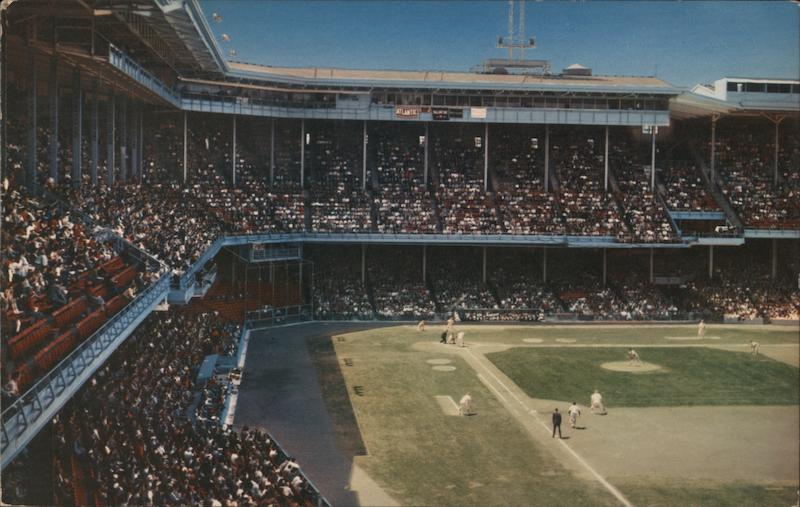
Roth seemed to handle the mishap gracefully, even forming a friendship with Ashburn after his visit the following day. I can only imagine how awful Ashburn mush have felt. Ashburn later became one of Philadelphia’s most cherished sports figures, transitioning from an outstanding playing career to a broadcasting role that lasted until his passing in 1997. He was inducted into the Baseball Hall of Fame in 1995. Roth’s son eventually became the Phillies’ batboy, and Alice Roth remained a dedicated fan, continuing to attend games. She knew the risks first-hand, accepted them, and went on!!
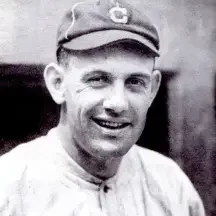
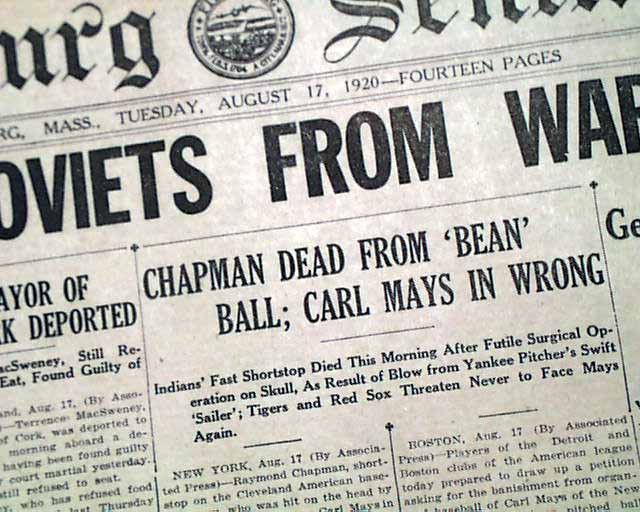 These days, every sport is all about safety first, winning second. It’s not that winning isn’t important, because it is, but over the years, we have learned that a sport is only fun if everyone goes home when the game is over. That wasn’t always the case. Many sports adopted an “it can’t happen to me” attitude when is can’t to the safety of the athletes. Sadly, it often took a serious injury or even a death to change how we view safety. One such incident happened on August 16, 1920. It was a gloomy day at the Polo Grounds, which was home to the New York Yankees, Cleveland Indians shortstop Ray “Chappie” Chapman. On that day, “Chappie” step into the batter’s box to lead off the top of the fifth inning. As it turned out, the first pitch from the Yankees pitcher, Carl Mays struck the un-helmeted Chapman in the temple, and he crumpled to the ground. It all seemed to be ok when “Chappie” made his way off the field a short time later, but he collapsed again and was rushed to the hospital. Unfortunately, “Chappie” passed away early the next morning as a direct result of being hit by a pitch. He was the first and only Major League Baseball (MLB) player to lose his life in that way.
Baseball, especially batting, was far more dangerous in 1920 than it is now. Even after Chapman’s tragic death, things didn’t change immediately. It took another two decades for any team to require players to wear helmets, and MLB didn’t mandate them until 1971. In addition to that, pitchers back then used a variety of techniques, many of which are now banned, to make hitting even harder. They would rub spit, dirt, or shaving cream on the ball, cut it, and manipulate it so much that by the later innings, balls were often unrecognizable. Mays, in particular, was known for his nasty spitball and frequent “beaning” of batters. Despite these challenges, Chapman thrived as a hitter and base runner. A master at bunting, he led the American League in runs and walks in 1918, and his 52 stolen bases in 1917 remained a team record until 1980.
As with any accident, everyone remembers certain details. When that ball hit Chapman’s skull, the sound was so loud that Mays initially thought it had struck the bat. Mays retrieved the ball and threw it to first, but Chapman’s legs buckled as he attempted to walk, much less run, and he collapsed to the ground, blood seeping from his ear. The umpire called for a doctor, and while Chapman briefly stood back up, he soon collapsed again. Before losing consciousness, he was said to have remarked, in what was most likely his last words, “Tell Mays not to worry.”
The New York Times honored Chapman the following day, describing him as “a true sportsman, a skillful player, and one of the most popular men in the major leagues.” Tributes and condolences flooded in from across the league and the nation. Some fans and players demanded that Mays be banned from baseball or even face prosecution, but no charges were filed. Mays called Chapman’s death “the most regrettable incident of my baseball career,” saying, “I would give anything to undo what has happened. Chapman was a game, splendid fellow.” After the tragedy, Mays stepped away from baseball for 10 days and did not join his team on their next road trip to Cleveland. I’m sure he really wondered if he was going to be able to go on in the sport.
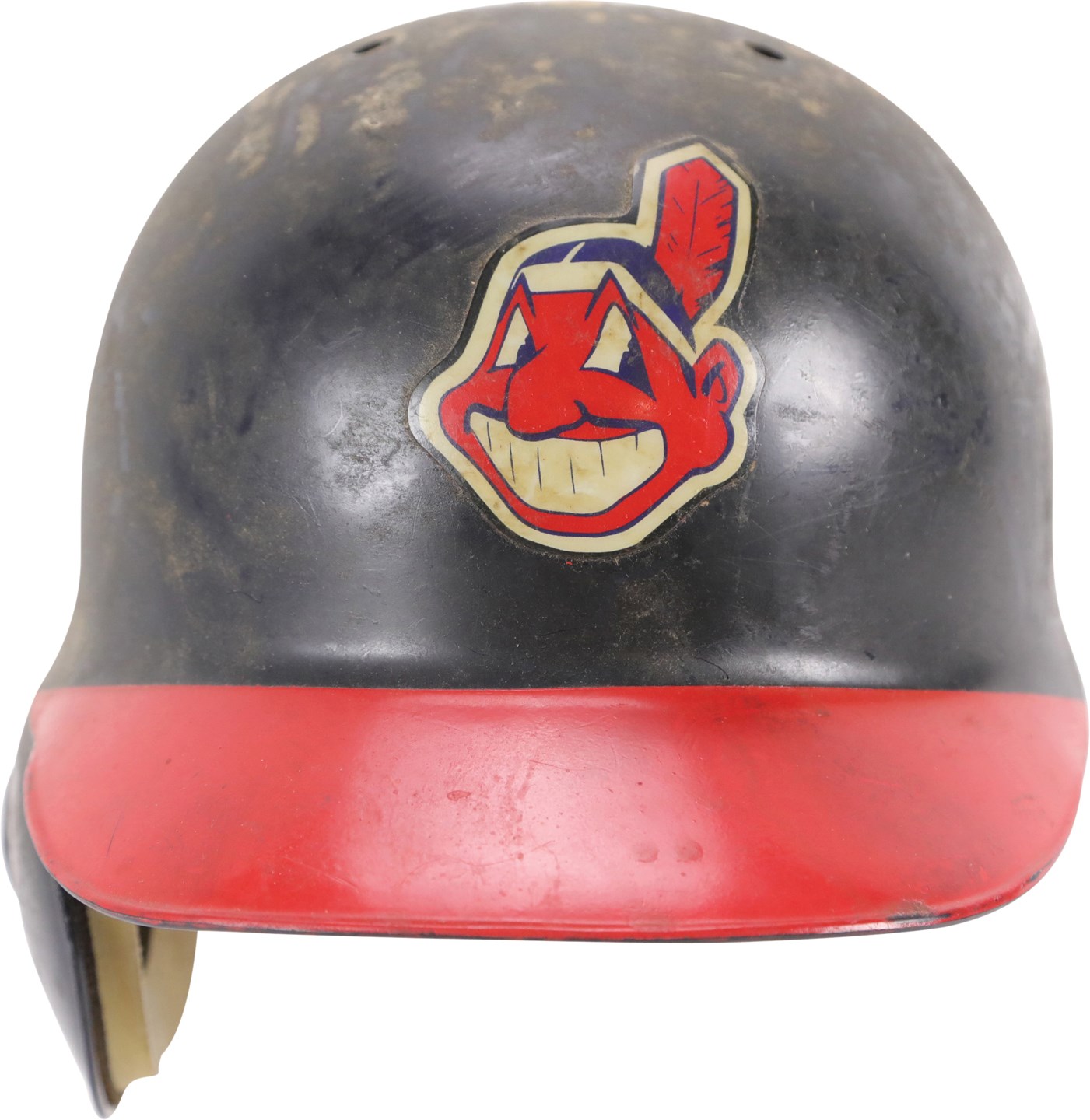
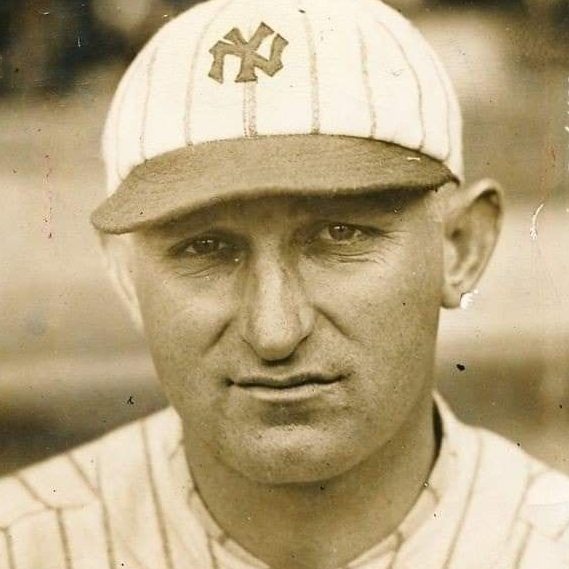
Chapman’s funeral in Cleveland was attended by thousands of mourners, his family and pregnant wife among them, and more than 20,000 people donated money for a plaque in his honor at Cleveland’s ballpark. Even with all of that, it would still be decades before helmets became common in the major leagues, but MLB banned spitballs and similar pitches following the 1920 season. To me, it is just unthinkably irresponsible to neglect to put in place something that could have saved a life if it had already been in place. This is not about the “macho man-woman.” It’s about safety!!

