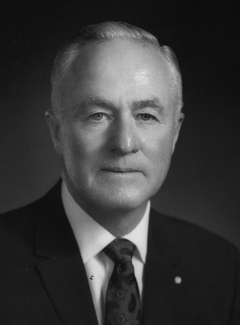
 How often has it been thought that women were soft on things that men might take a hard line to? Things like war, discipline, and even on crime and punishment, might be looked upon as things women might be willing to be more lenient on. Then, on May 9, 1950, a court in Green River, Wyoming found a man named Otto Long guilty of second-degree murder. Long’s attorney, Walter Muir Sr, complained, “I’d never have lost if it hadn’t been for those damn women on the jury.” For me, that thought was so odd, because he was saying that the women took a hard line against the men…and won. Now. I served on a jury years ago, and while one woman and I both felt like the defendant was guilty of DUI (Driving Under the Influence), it was not enough to convince the four (it was a six-person jury) “good old boys” on this jury that he had indeed been guilty, even though the man admitted to drinking a six-pack of beer before his noon arrest. As I understood the term DUI, he didn’t need to be “falling down” drunk, just under the influence. This man was maybe 140 pounds, soaking wet, and the “good old boys” who insisted they would not be “drunk” on a six-pack before noon, were at least 200 pounds each. The man knew enough to refuse to take the breathalyzer, opting instead for the blood test taken when he could metabolize the beer for a while longer. In the end the blood test was not really taken into consideration and the “good old boys” club won out, letting another of the “drink and drive” crowd skate without punishment. Maybe if there had been three women and three men on the jury, the outcome would have been different.
But, back to the story of the day. Otto Long was convicted by the six-man, six-woman jury, much to the consternation of the defense attorney, who felt like the women were the entire cause of his loss in the courtroom. So, did some men anticipate more lenient verdicts from all-male juries? That would seem to be the case. It seemed to him, that at least for the past 80 years, they had benefited from this bias, whether it was real or just perceived, but now the advantage was gone, and to illustrate this, with one minor exception, an 1891 civil case in the Bighorn Basin town of Bonanza, Wyoming, marked the first jury with women after Wyoming became a state in 1890. While women could vote and serve on juries by default, it wasn’t until 1950, that the practice began to be a common practice. The Otto Long jury including six women selected Louise Spinner Graf, foreman, likely making her the first woman in Wyoming, after statehood, to hold that position.
Wyoming’s territorial government made history on December 10, 1869, when Governor John Campbell signed a bill granting women the right to vote and hold public office. Shortly after, in early 1870, jury duty was extended to women as Territorial Chief Justice John Howe summoned them to serve. Not surprisingly, this decision faced opposition from Albany County Attorney Stephen Downey, who likely referenced a law passed the previous December restricting jury service to men. At that time in history, the men vehemently fought the women on any kind of participation involving government and law, stating that the “woman’s place was in the home” and these “upstarts” should be put in their place once and for all. Of course, theirs was a losing battle, because the women were done being relegated to the idea of being “second class citizens” and would never continue to put up with that assessment.
While Downey objected, Howe quickly quashed his objections, and the courts briefly allowed the practice of placing women on the jury, that year and the next. With that ruling, on March 9, 1870, Eliza Stewart, an unmarried schoolmistress from Laramie, Wyoming, became the first woman in the known history of the world to be subpoenaed for jury duty. Mrs Martha Boies of Laramie was the first female bailiff, and Amalia Post of Cheyenne was the first woman jury foreman. Also serving on that first jury was Sarah Pease of Laramie. Justice Howe saw the future, and wanted the women on the juries, because as he said, “hitherto they had been unsuccessful in securing juries that would convict well-known guilty criminals.” I guess the justice agreed with 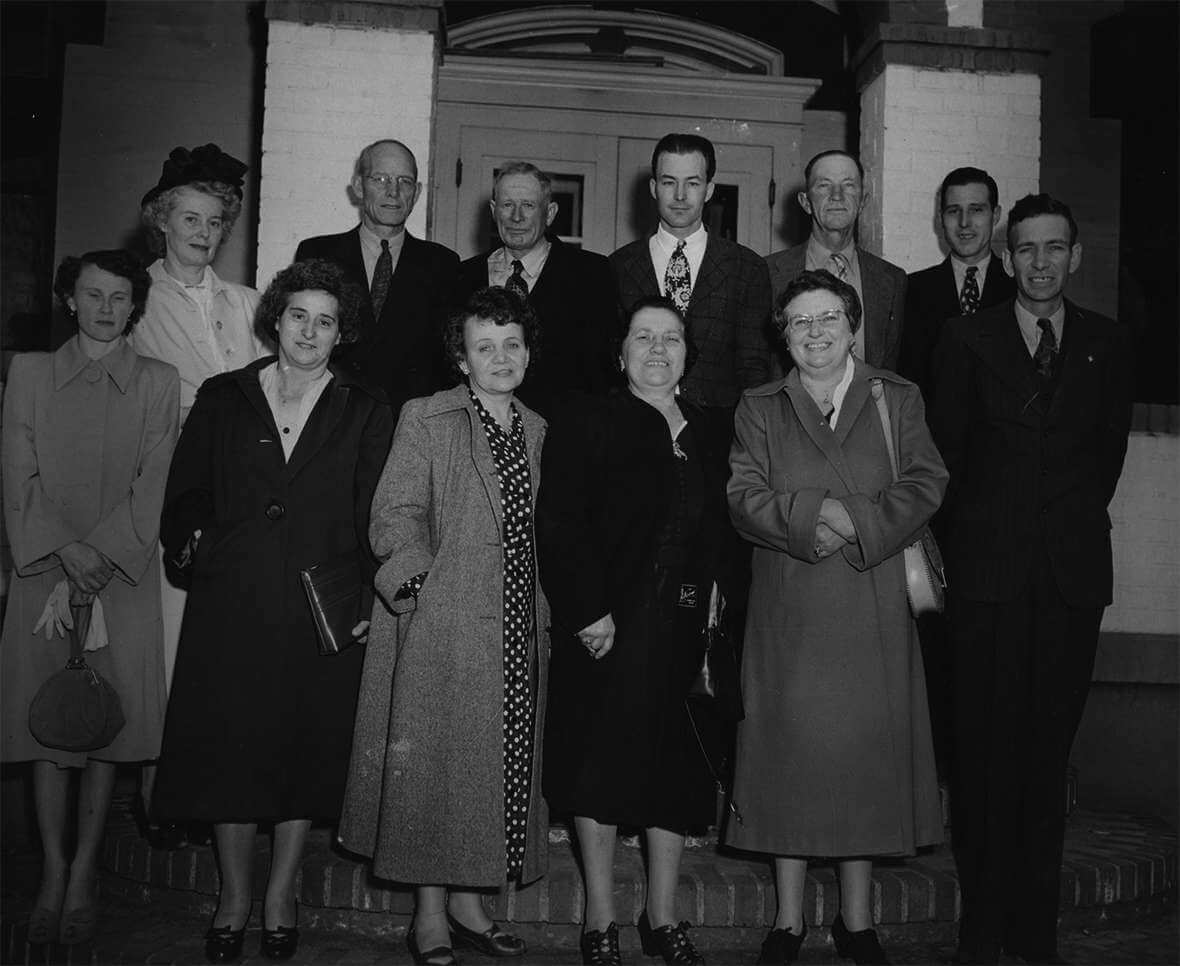 Otto Long’s attorney, who said that the conviction was because of women. Howe thought that the community of Laramie…basically the “good old boys” club was allowing criminals to get away with their crimes. Whether that was the truth or not, makes no real difference. It was the perception of the times, and the main reason that the women were not wanted on the juries. Personally, I think we probably needed them on the juries sooner. Meanwhile, other states were admitting women to jury service, with Utah leading in 1898. By 1949, 40 states, including Wyoming, allowed or required female jurors. By 1953, only six states were still holding out. A federal court decision in 1966, ruling that both racial and gender distinctions in state juries were unconstitutional, forced these six states to conform as well. It just had to happen.
Leave a Reply


One Response to Women On The Jury