
 My grandnephew, James Renville has always loved to travel, and in fact, he would probably enjoy living in another country for a while. A likely choice for him would be Columbia, because his wife, Manuela Ortiz has family there. During their almost 5 years of marriage, they have made several trips to Columbia to visit her family…and as it turns out, James and his mother-in-law, Consuelo share the same birthday, a fact they both like very much. James and Manuela have also taken a number of trips with his parents, Toni Chase and her husband, Dave; and Jim Renville and his wife, Rhonda. James and Manuela love hiking with Toni and Dave, and they have gone on a number of trip when they could take in stunning
  views while hiking. Manuela has opened up a whole new world for James in a number of ways. Being from Columbia, she is into Salsa dancing and other forms of dance that James had never done before, but with her teaching him, he has become quite skilled. James and his dad, Jim have taken up playing pool, and have not only had a great time, but they have become quite skilled. They even won a championship and a trip to Las Vegas last year. While in Vegas, James got to take a ride on a helicopter. He had a great time!!
James and Manuela are always open to new kinds of activities, and they have not only enjoyed hiking, but also snow shoeing, and other winter activities. They are very adventurous people, and they are always looking for a new activity to engage in. This year, James and Manuela have taken several trips to Colorado, including a trip 
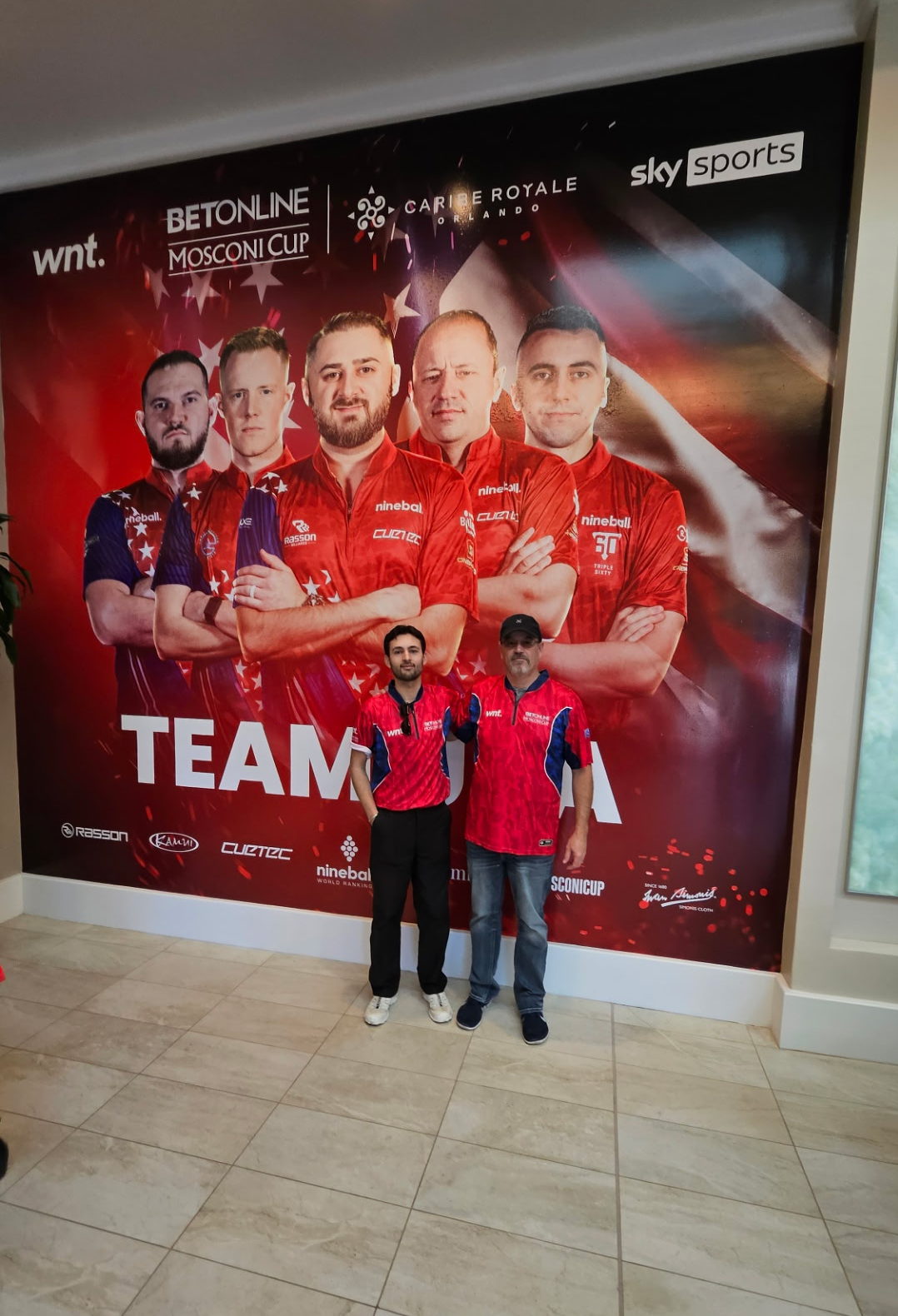 over New Year’s Eve, which was a lot of fun. They’ve hiked with Toni and Dave at Centennial at the Snowy Range Lake Marie. He and his dad did a Vegas trip for the Mosconi Cup pool tournament in February.
James has to travel a lot for his work in safety and compliance, but that doesn’t exactly constitute an exciting kind of trip. Nevertheless, sometimes a road trip, even for work, can be pleasant. Other than that, James and Manuela love spending time working on their house and hanging out with Toni and Dave and Jim and Rhonda. They like going to the cabin with Toni and Dave and they got to do that a couple times too. Today is James’ birthday. Happy birthday James!! Have a great day!! We love you!!
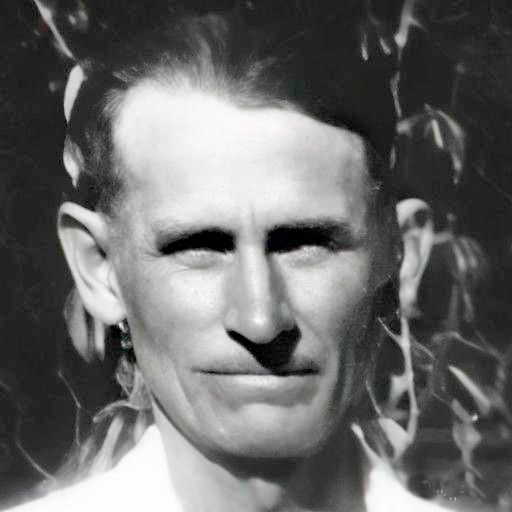
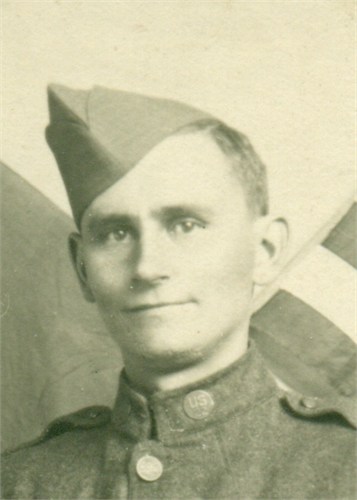 When my grandfather, George Floyd Byer, served in World War I, he began as a cook and eventually became the chief cook, essentially the man in charge. He was highly respected by all the men under his command. In fact, he and his men had such a great rapport that they even enjoyed spending their leave time together. While it was common for men on leave to socialize with other members of their unit, they rarely interacted with those above them. Nevertheless, Grandpa’s men didn’t seem to mind at all. Perhaps it was simply different back then.
Whether a person is excited about being stationed in another country or not, it is a good opportunity to see the world. Even in 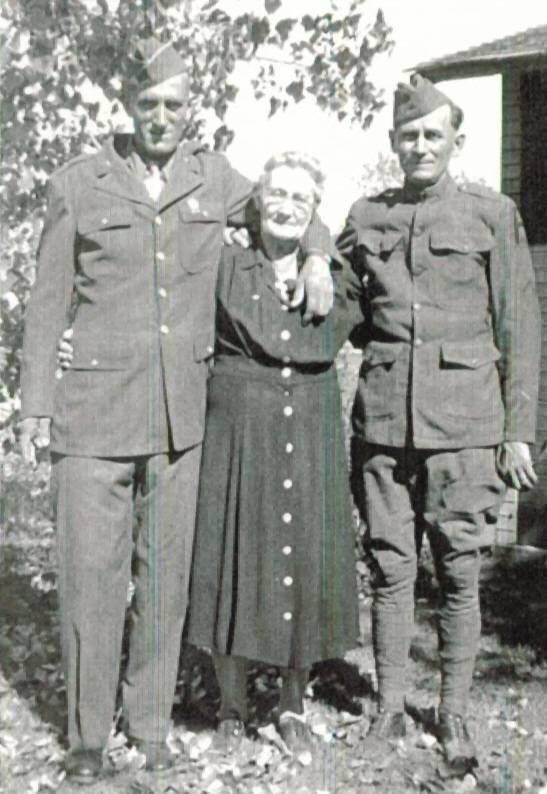 World War I, when it was not quite as easy to get to so many places, they could still see the towns around them, and like my grandfather, sometimes they get to see a castle in France. This was the case when my grandfather and some of his men went on leave. I don’t know how much of the castle they got to see, but they were able to say that they had been to one, and that is a very cool thing in the World War I days.
My grandfather, a highly respected man both in the military and out of it, is difficult for me to envision in the military. He was a gentle man, much like my father, and it’s hard to imagine my father in the military either. Neither of them seemed like someone who could possibly kill another person. I suppose that war is simply different. It’s a life-or-death situation where you have to do what you have to do to survive and protect your fellow soldiers. I can easily imagine my grandfather and my father doing that. They were both honorable men, and while killing a human being is something neither would ever do for no good reason, when it comes to protecting their family or their comrades, they did what they had to do.
Knowing how loyal my grandfather was to his men, I can completely understand why they respected him so 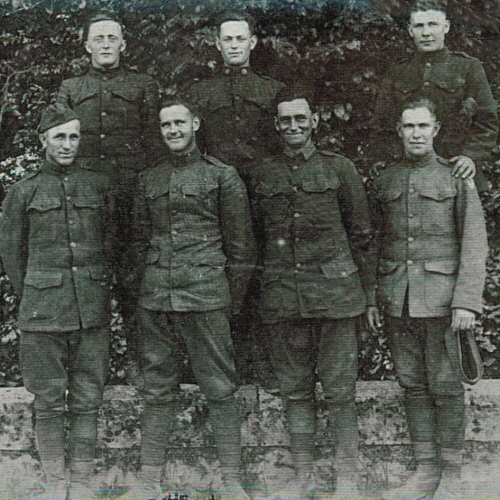
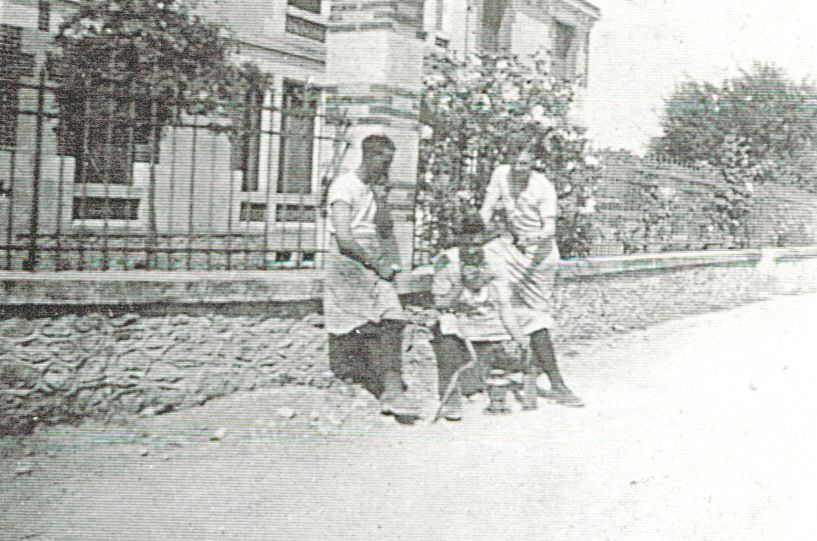 much. He was kind and caring, not just to his family, but to his men as well. Men who are far away from home during a war are definitely dealing with a lot of emotions. It’s comforting to have someone in charge who can understand how you feel and provide advice when needed. That’s exactly how my grandfather was. Today is the 133rd anniversary of my Grandpa Byer’s birth. I wish he could still be with us. I miss him dearly. Happy birthday in Heaven, Grandpa. We love you.
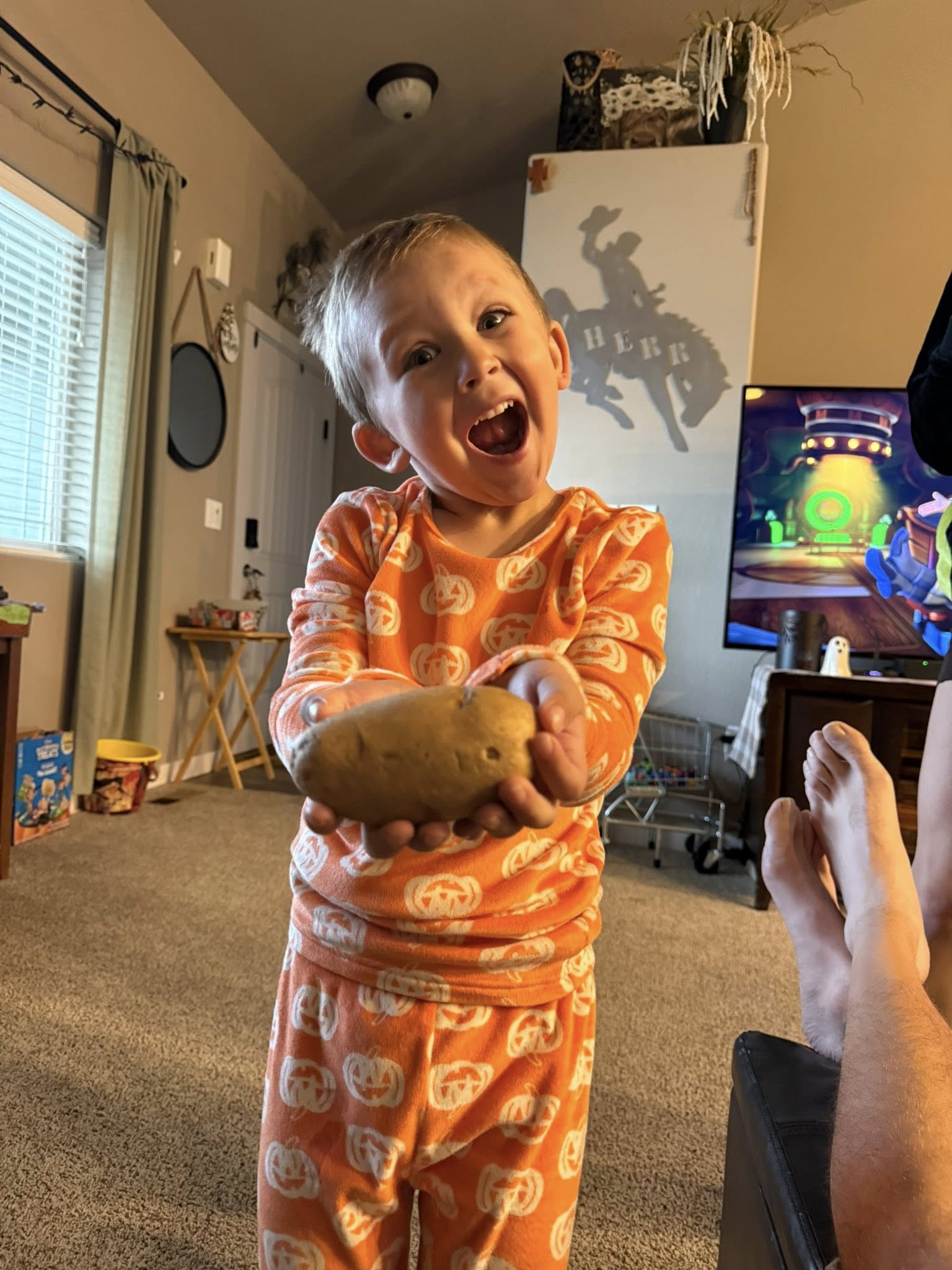
 My great grandnephew, Max Herr is one of the “smiliest” little boys I have ever met. His whole face smiles, and his happiness simply pours out of him. Max loves his mommy and daddy more than anything in the whole world. He is his family’s pride and joy. Hs grandparents feel very blessed to have Max as a grandson. In turn, Max keeps everyone in his family smiling…if not laughing. He isn’t the only grandchild in the bunch, and in fact, it would seem like most of the grandchildren in the families have smiley faces. They all keep the days sunny and lighthearted. Max loves all of his cousins. He loves hanging out and playing with them.
Max has always been his mom, Katy Herr’s biggest cheerleader. Katy has gotten into marathon running, and that requires a lot of training. It’s amazing that it could be so, but often, her workout buddy is her 6-year-old son. It’s not that her husband, Dylan Herr isn’t supportive, because he definitely s, but Max has the time to go to the gym with his mom and really cheer her on. Of course, he has had less time since he started school, which is just the way it goes, but that doesn’t mean he doesn’t cheer her on. Max is very proud of his mommy, and he is proud of the help he has given her through the years.
In addition to his mom, Max is very proud of his dad, Dylan. The guys love to play golf together, and since Max started young, I wouldn’t be surprised if he got to be an 
 excellent player or even a pro. Dylan is good at sports, and it will be something the two of them will always have. Max and his daddy are very close, just like he and his mommy are. They are a close family. They love to take trips to visit family in Colorado and take other trips around the country.
Still, in most ways, Max is like any other little boy. He loves to play with cars and other typical boy toys, as well as the tech toys all the kids are good at these days. Max is a good boy and a friend to everyone he meets. I’m sure he has lots of friends at school, because Max is such a happy kid that nobody can resist him. Today is Max’s 6th birthday. Happy birthday Max!! Have a great day!! We love you!!
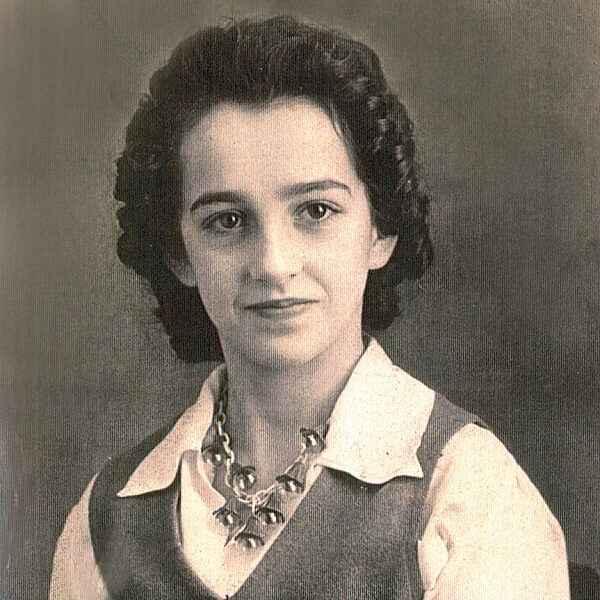 When my grandparents got married on December 24, 1927, the country was in a recession and money was tight. My grandfather owned a matching set of six-guns that he cherished, but he loved Grandma more. He sold them to cover the wedding expenses and buy her a ring. Though he never managed to get them back, he always felt he came out ahead. I wonder if he always wished he could have afforded a ring, but there were just more important things to consider.
When times were tough, Grandpa chose to go without a wedding ring so Grandma could have one. He valued having a wife and family more than a piece of jewelry. His instincts proved right, as they enjoyed 52 years of marriage before Grandpa went home to be with the Lord. Their life together was blessed with 9 children, as well as with countless grandchildren, great-grandchildren, and even great-great-grandchildren. If anyone questioned the lack of wedding ring, I’m sure Grandpa set them straight concerning his loyalty to his beloved wife.
Years later, when their second child, my aunt Virginia Beadle, was around 8 to 10 years old, all the kids were playing outside. Aunt Virginia was the second of my grandparents nine children. She wandered over to the side of the house, between Grandma and Grandpa’s place and Great Grandma’s, where a flower garden grew. Glancing down, she spotted a man’s wedding ring in the soil, likely unearthed during gardening, and maybe having been there for years. She had no way of knowing how long it had been there, and she knew of no one who could have lost the treasure. Thrilled by her discovery, she scooped it up and ran inside to show her parents what she had discovered.
Grandpa looked at it and told her it was a beautiful ring. He put it on his hand and looked at it. It fit him perfectly. Then he took it off and gave it back to Aunt Virginia. She said, “Daddy, you should keep it.” He said he couldn’t, but she insisted!! She couldn’t think of a better person to receive the treasure she had found, than her sweet daddy…and that is how my grandfather got his wedding band from his daughter. Aunt Virginia was so 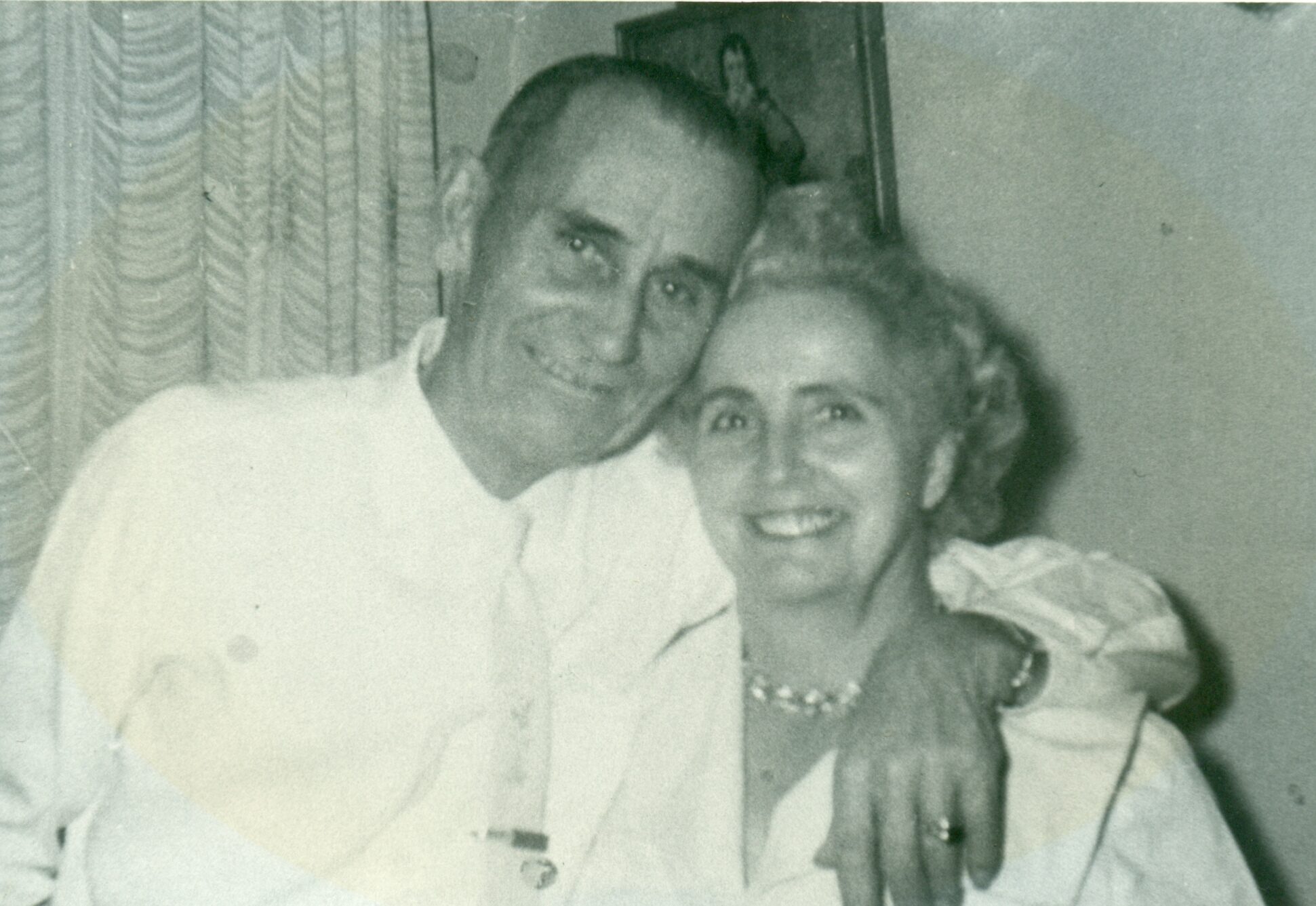
 pleased to be able to give her dad the wedding ring he had never had and would not be able to buy for himself, as there were too many other things that his paycheck was needed for. And Grandpa was so pleased that she wanted him to have such a beautiful ring. He wore the ring proudly for the rest of his life. And everyone in his family was very pleased that he had been blessed with the ring. While it wasn’t a birthday gift, it was still one of the best gifts ever given or received. Today would have been my Aunt Virginia Beadle’s 96 birthday. Happy birthday in Heaven, Aunt Virginia. We love and miss you very much.
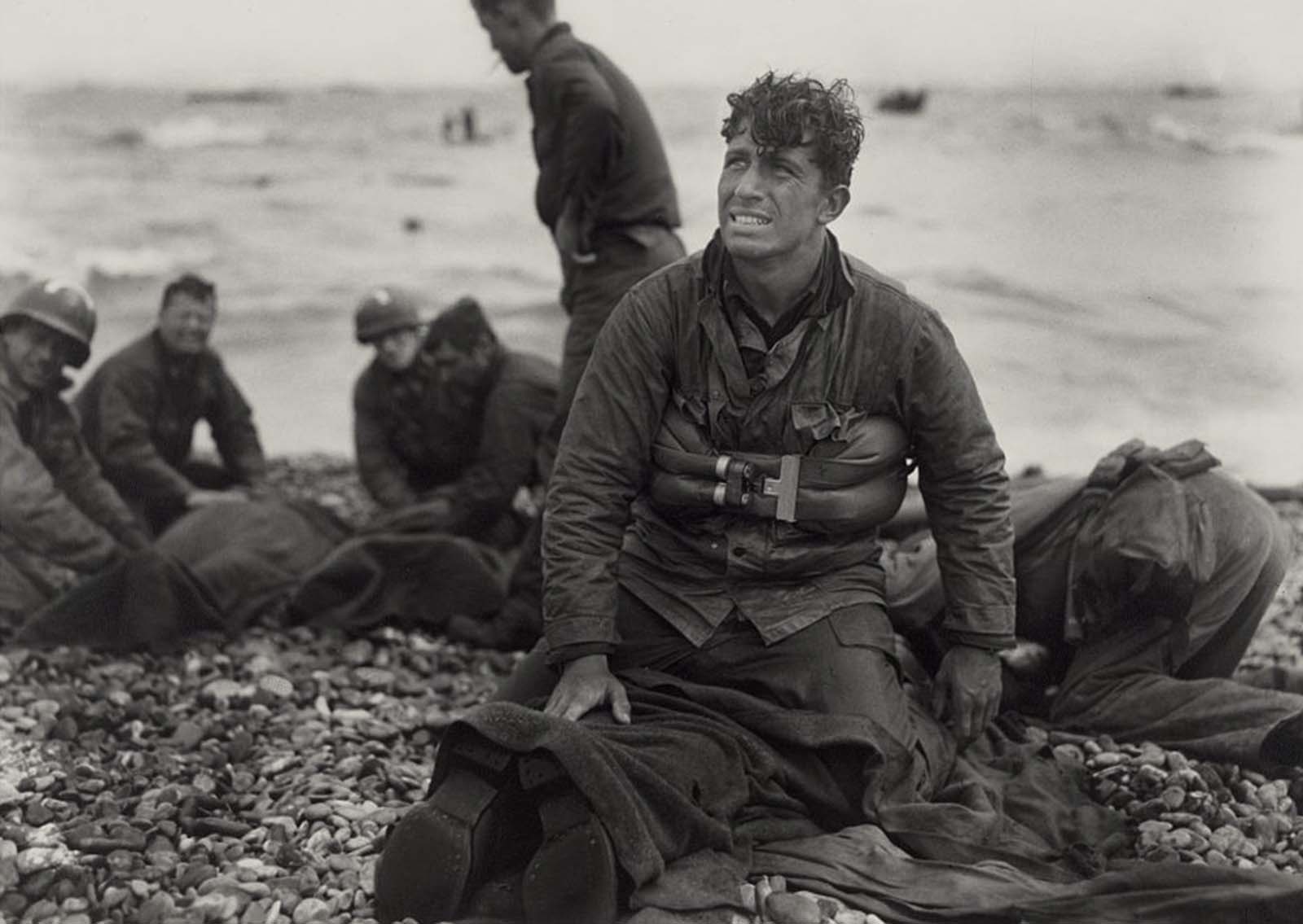 For some reason, I always relegate D-Day to its own category, but it was actually a part of a bigger operation. Operation Overlord did not end with one battle on D-Day. It was an invasion of France in a concerted effort to take down the German stronghold that was plaguing that nation. So, six days after the D-Day landing, those five Allied landing groups, made up of some 330,000 troops, linked up in Normandy to form a single solid front across northwestern France. They would not give up, and Hitler would not be allowed to take over these nations, including France. They were like a wall, and they were determined not to lose…many lives and many nations depended on their stubborn perseverance.
Operation Overlord began on June 6, 1944, but it was only after a year of meticulous planning that was conducted in secrecy by a joint Anglo-American staff, that the largest combined sea, air, and land military operation in history began on the French coast at Normandy. The Allied invasion force included 3 million men, 13,000 aircraft, 1,200 warships, 2,700 merchant ships, and 2,500 landing craft. It began fifteen minutes after midnight on June 6th, when the first of 23,000 United States, British, and Canadian paratroopers and glider troops plunged into the darkness over Normandy. Just before dawn, Allied aircraft and ships bombed the French coast along the Baie de la Seine, and at daybreak the bombardment ended as 135,000 Allied troops stormed ashore at five landing sites. Despite the formidable German coastal defenses and significant loss of Allied lives, beachheads were achieved at all five landing locations. Within a day, the Allies secured a bridgehead, but the countryside beyond the beaches posed challenges, with its bocage (pastureland) terrain of hedgerows and narrow lanes giving the German defenders an advantage. 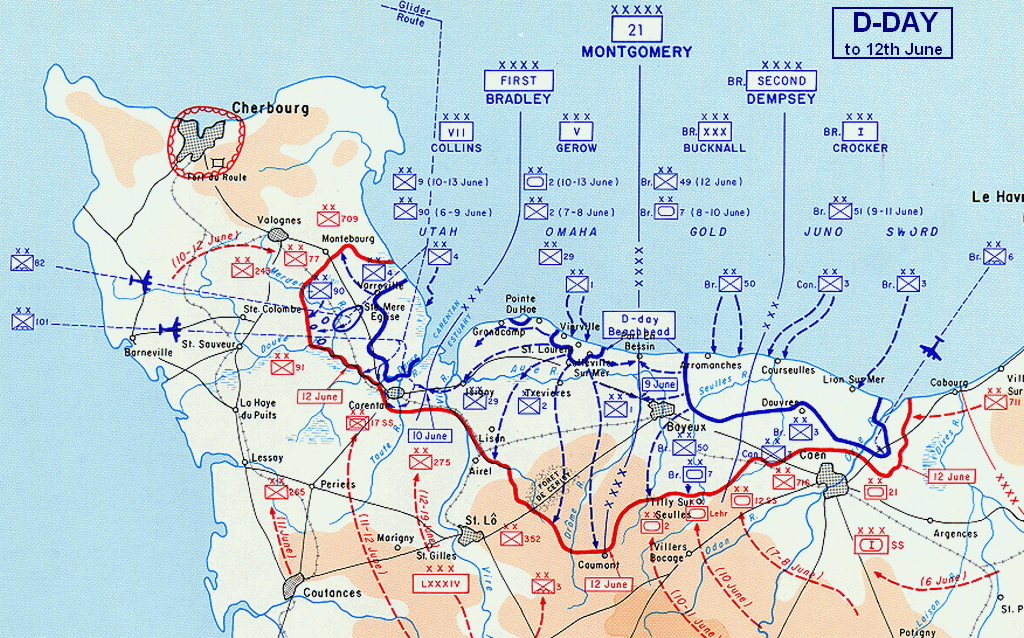
German reinforcements, including elite Waffen-SS units, began arriving, but many were thrown off by Allied deception tactics, slowing their deployment. Hitler’s refusal to permit tactical retreats trapped numerous German forces, leading to heavy losses during the Allied breakout. The Allies focused on quickly building up troops and securing a unified bridgehead to block counterattacks and ensure safe arrival of reinforcements. At Omaha Beach, German resistance was fierce, and the Americans only secured the position after hours of brutal fighting. By nightfall, around 150,000 American, British, and Canadian troops were ashore, holding roughly 80 square miles. Over the following six days, Allied forces in Normandy steadily advanced on all fronts despite fierce German resistance. By June 12th, the five landing groups had linked up, and Operation Overlord, which was the code name for the Allied invasion of northwestern Europe…was unfolding exactly as planned.
The campaign soon turned into a tough, relentless battle over towns like Caen and through the bocage countryside. Allied forces had to work together, combining infantry, tanks, artillery, and air power to push past well-defended German positions. By late July, operations like ‘Cobra’ helped Allied armor punch through German lines, opening the way for a fast push into open ground. Still, the momentum couldn’t last forever, giving the Germans a chance to regroup for a while. D-Day forced Germany into a two-front war, stretching its resources between the Eastern Front and the newly opened Western Front. The successful landings lifted Allied 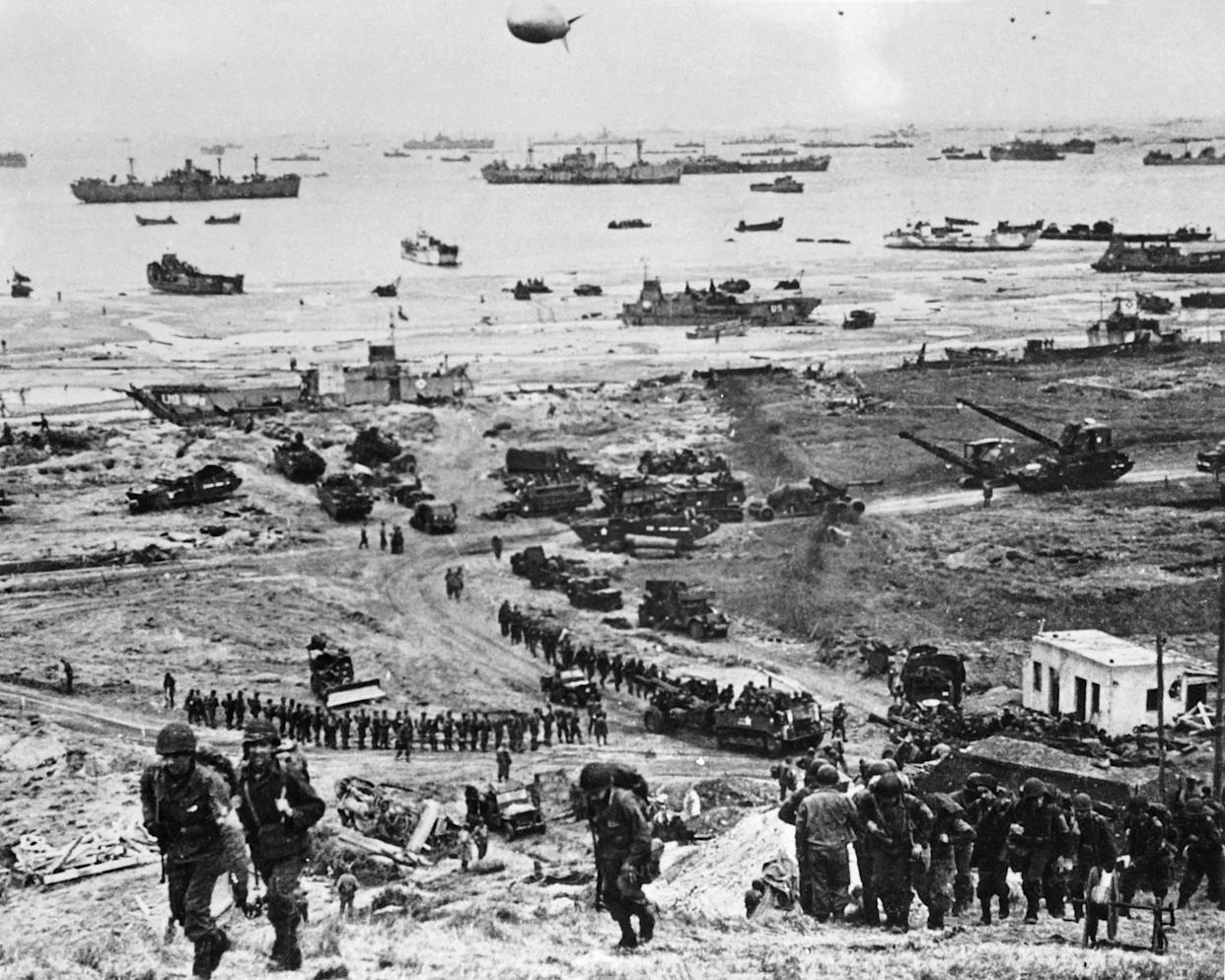 morale, proved large-scale amphibious assaults could work, and reassured the Soviet Union that the second front was in action. By late August 1944, German forces were retreating from France, marking a key turning point in liberating Western Europe. After D-Day, the scale of the human and material cost became clear. The beaches were scattered with wrecked vehicles, abandoned gear, and the fallen, but a steady stream of reinforcements from England kept the Allies going. Keeping the beachhead supplied and growing was key to winning the Normandy campaign. In short, the days that followed were filled with fierce fighting, tactical moves, and huge logistical efforts that helped the Allies take Normandy, weaken the Germans, and push toward liberating Europe.
 The Gaspee Affair was a key moment leading up to the American Revolution. In 1772, the HMS Gaspee, a Royal Navy revenue schooner enforcing the Navigation Acts near Newport, Rhode Island, ran aground in shallow waters while pursuing the packet boat Hannah on June 9 off Warwick. The Gaspee was pursuing the Hanna, an American smuggling ship, when it ran aground off Namquit Point in Providence’s Narragansett Bay on June 9th. That evening, John Brown, an American merchant angered by high British taxes on his goods, rowed out to the Gaspee with a number of other colonists, including Abraham Whipple, and seized control of the ship. After leading away its crew…they weren’t murderers, after all, the Americans set the Gaspee afire and burned the Gaspee down to the waterline.
The event greatly heightened tensions between American colonists and Crown officials, especially since it came on the heels of the Boston Massacre in 1770. In Rhode Island, Crown officials sought to tighten control over legitimate trade and crack down on smuggling to boost revenue from the colony. At the same time, Rhode Islanders grew more vocal in opposing the Townshend Acts and other British policies that disrupted the colony’s traditional businesses, many of which were tied to the triangular slave trade. Along with similar incidents in Narragansett Bay, the event marked one of the first violent uprisings against Crown authority in British North America, taking place over a year before the Boston Tea Party and pushing the Thirteen Colonies closer to the war for independence. The British Customs service had a history of facing strong resistance in the Thirteen Colonies in the 18th century. Britain was at war during much of this period and was not in a strategic position to risk antagonizing its overseas colonies.
When British officials attempted to prosecute the colonists involved in the so-called “Gaspee Affair,” they found  no Americans willing to testify against their countrymen. It’s hard to prosecute people when no one will witness against the accused. The problem the British faced was that the Americans were done being told what to do, and so they were rebelling at every turn. Of course, this renewed the tension in British American relations and inspired the Boston Patriots to found the “Committee of Correspondence,” a propaganda group that rallied Americans to their cause by publicizing all anti-British activity that occurred throughout the 13 colonies. This further rebellion was quickly setting the stage for the Revolutionary War, which the British would inevitably lose.
 Jemima Warner was a camp follower with the Continental Army in the early days of the American Revolutionary War. According to the Women’s Memorial in Washington, DC, she’s considered the first American “military woman killed in action” and quite likely the first woman to die in combat during US wars. A teenage wife to Private James Warner of the Pennsylvania Rifle Battalion, she joined him on the campaign trail, determined to be by his side in case he fell ill or was injured. Little is known about Jemima’s early years, but she likely lived in Lancaster County, Pennsylvania before enlisting in the Continental Army at the age of 17.
In late 1775, after the battles of Lexington and Concord, the Continental Army laid siege to the British in Boston and seized several of their military bases. Fearing a British counterattack from Canada to reclaim the forts and push down the Hudson River to New York City, the army launched an invasion of Quebec. As they marched north, supplies ran low and smallpox spread. In Maine, a sick James Warner fell behind, and Jemima stayed with him. When he passed away, she covered his body 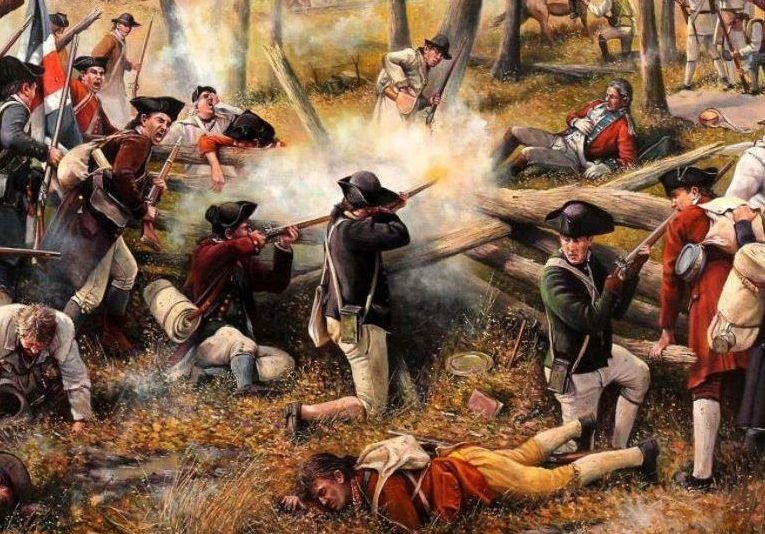 with leaves, grabbed his rifle and powder, and ran 20 miles to rejoin the battalion. Many soldiers were stunned when she emerged from the wilderness days, or even weeks, later, carrying her husband’s rifle.
Once she was back with her husband’s battalion, Jemima Warner served as a cook for the troops, the company tried to approach Quebec under a white flag to negotiate with the enemy, but British cannons forced them back. During the invasion of Quebec, General Richard Montgomery switched tactics and commissioned Jemima Warner to deliver a letter containing his conditions of surrender to Governor Guy Carleton. She accepted the mission and trudged through about 800 yards of deep snow to deliver a proposal to the British, but when she arrived, she was refused admittance into the city. On her second attempt, however, she dressed in a borrowed formal gown and was allowed in. Nevertheless, Governor Carleton tore up the letter, imprisoned her. The Five 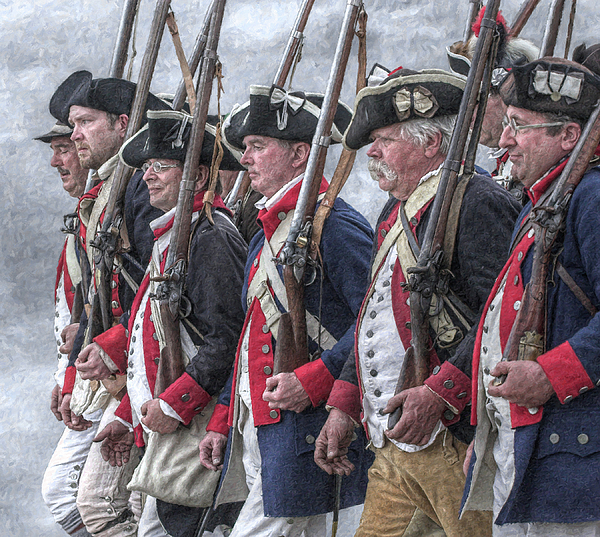 days later, she was released and rejoined the battalion. Not long after, during the Siege of Quebec on December 11, 1775, she was killed by British gunfire. Although Jemima Warner and Susannah Grier (wife of Sergeant Joseph Grier of Captain William Hendrick’s company) are named in John Joseph Henry’s journal of the expedition through the Maine wilderness, neither is mentioned by name in soldiers’ journals from the invasion of Quebec. Accounts note four women on the American side killed during the siege: one by grapeshot in December 1775, one by burning that same month, one accidentally shot by an American soldier in April 1776, and one struck by lightning in June 1776. It’s often believed that Warner was the woman killed by grapeshot while standing with American soldiers in December 1775.
 Anytime a leader of a nation is killed or dies, the fate of the nation can be at risk. Most often, the transition of power is a smooth process, but on occasion, things can go terribly wrong. In the case of Louis XVII, born Louis Charles, Duke of Normandy on March 27, 1785, who was the younger son of King Louis XVI of France and Queen Marie Antoinette the death of his parents and the succession to the throne, was anything but simple. Louis-Charles de France was born in the Palace of Versailles as the second son and third child of Louis XVI and Marie Antoinette. He received his name in honor of his father and his mother’s beloved sister, Maria Carolina, Queen of Naples and Sicily, affectionately called Charlotte by the family, with Charles being the male equivalent of her name. His younger sister, Sophie, arrived just over a year after him.
For Louis Charles XVII to become king was, in fact, impossible. Nevertheless, as it turns out, Louis XVII’s older brother, Louis Joseph, Dauphin of France, died in June  1789, a little over a month before the start of the French Revolution. He assumed the title of Dauphin following the demise of his older brother, Louis Joseph, on June 4, 1789, and became the heir apparent to the throne. He remained Dauphin until 1791 when the new constitution granted the heir apparent the title of Prince Royal. That would set the stage for his eventual transition to king whenever his father died. He didn’t, however, expect that day to come so soon.
The family was captured and imprisoned. After his father’s execution on January 21, 1793, at the height of the French Revolution. Young Louis was separated from his  mother on January 19, 1794, after securing a receipt for the safe transfer of their ward, was declared to be in good health. It seems that the committee did not attempt to find another guardian for him. A large part of the Temple records from that time onward disappeared under the Bourbon Restoration, making ascertaining of the facts impossible. Two days later, Louis-Charles is said by the Restoration historians to have been moved into a damp, dark room that was bolted and barricaded like the cage of a wild animal. He had a bed of straw, no lavatory, no way of staying clean and no ways to occupy himself. The story recounts that food was passed through the bars to the boy, who survived despite the accumulated filth of him and his surroundings. While Royalists recognized Louis XVII as King of France, France was now a republic, young Louis-Charles was imprisoned and died on June 8, 1795, at the young age of just 10 years, the last of which were spent in captivity never actually ruling. When the Bourbon monarchy was restored in 1814, his uncle took the throne as Louis XVIII.

 My brand-new grandniece, Tayla Allyn Thompson arrived on June 3, 2026, at 9:15am. She is the second daughter of my niece, Kellie Thompson and her husband, Tim Thompson; and Kellie’s first baby. She is very much loved by her older sister, Jolene Thompson. Tayla’s big sister, Jolene “Jo” is over the moon excited and always willing to help with anything Tayla!! She wants to hold her and love on her all the time and Tayla loves it!! She also loves her mommy and daddy very much!! Tim is her favorite dirty diaper changer (or maybe Tim is Kellie’s choice for changing Tayla’s dirty diapers)!! Haha!! But really!! Tayla loves her daddy!! He is so good with her and can calm her down right away!! Tim is the best girl dad!!
Tayla is a name that gets its roots from the Hebrew name Talia, meaning “dew from God” and in this context, 
 means “divine blessing, unconditional love, and quiet spiritual renewal.” It is such a beautiful name. Allyn is a Celtic/Old English name that means “little rock, noble, or harmony” and in a Christian context is associated with “stability, strength, and being a rock of faith.” Allyn is also Tayla’s grandmother, my sister Allyn Hadlock’s name. I can’t think of a better name for this sweet little girl.
Tayla’s mommy tells me that she is absolutely the sweetest!! She has been spending a lot of her time giving her parents and sister lots of sleepy smiles and snuggles, and Kellie just can’t get enough of this precious little girl!! Kellie tells me that Tayla is a “very chill baby” so far, making me picture her in her favorite pair of sunglasses, lazing about in the sun. As is common to babies, Tayla has slept a lot so far, but when she is awake, she is so aware of everything and just 
 loves to look around!! Last night, the family went for their first walk, and Tayla loved it. We went on our first walk tonight and she loved it! Kellie and Tim have a bassinet stroller, so Tayla gets to relax and not be strapped down!! It gives her the freedom to stretch out and relax, as if she were simply in bed. Kellie says, “Tayla is so patient with me, as she learns the ropes of being a new mommy and she gives me this look that I can’t get enough of!! I love that she knows who I am and unlike other babies and am one of the ones who knows how to calm her down!! I feel like I have waited my whole life for what I have now and we are so blessed to be a family of 4!!” It’s a beautiful new life. Welcome to the world and to your family!! We love you so much already!!
 The night before D-Day, June 6, 1944, American soldiers of the 82nd Airborne were parachuting in waves into the area west of Sainte-Mère-Église. Earlier, an aerial attack had hit the town, and a stray incendiary bomb set a house ablaze just east of the square. The church bell rang to warn of the fire, drawing many townspeople who formed a bucket brigade under the watch of the German garrison. By 1:00am, the square was brightly lit and crowded with German soldiers and villagers when, by mistake, two planeloads of paratroopers from the 1st and 2nd battalions of the 505th Parachute Infantry Regiment were dropped right over the village. The error spelled disaster and almost certain death for the paratroopers.
The paratroopers were easy targets in any maneuver, especially in such a grave error, and Private John Marvin Steele was one of the few who survived. He took a wound to the foot from a burst of flak, but as he drifted down to almost certain death, his parachute snagged on one of the steeple pinnacles of Our Lady of the Assumption Church (Église Notre-Dame-de-l’Assomption), leaving him dangling from the side. For two hours, he hung there motionless, pretending to be dead, until the Germans captured him. Just four hours later, wound and all, Steele managed to escape and rejoin his division when US troops from the 505th’s 3rd Battalion attacked the village, capturing 30 Germans and killing 11 more. For his bravery and injuries in combat, Steele received the Bronze Star and the Purple Heart.
After healing from his wounds, Steele continued to visit the town throughout his life and was made an honorary citizen of Sainte-Mère-Église. The tavern, Auberge John  Steele, stands adjacent to the square and maintains his legacy through photos, letters, and articles hung on its walls. Sadly, Steele died of throat cancer on May 16, 1969, in Fayetteville, North Carolina. He was buried at the Masonic Cemetery in Metropolis, Illinois. Today, a mannequin still hangs from the steeple of Our Lady of the Assumption Church to honor his incredible story. While some historians have debated the details of the story, the event remains a major, iconic piece of D-Day history and is prominently featured in the 1962 film The Longest Day. As for the citizens of Sainte-Mère-Église, they know the truth and could never be convinced otherwise. This iconic piece of history will always be a part of the town, and the church still displays the mannequin, 82 years later to assure that fact.
Check these out!

