Values
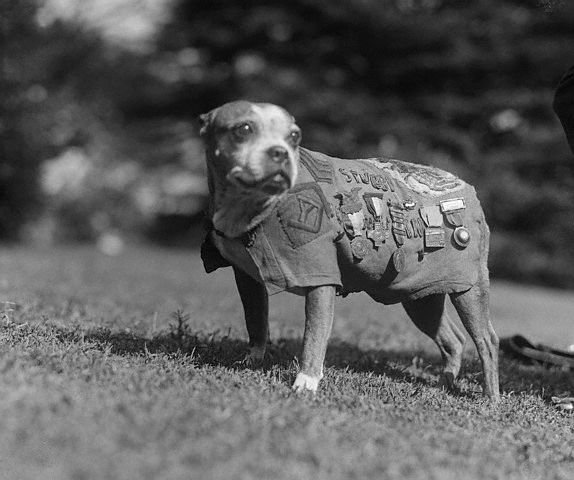 One day in 1917, a stray pit bull mix wandered onto the Yale University campus. Normally this would have meant a call to the local dog pound, but the dog rather attached himself to members of the 102nd Infantry Regiment, who were training at the school that day. While it was a bit unorthodox, the lost pup fit right in. He “volunteered” to participate in drills and quickly learned to salute with his right paw. He really seemed to want to enlist in the Army. The antics and intelligence of the dog quickly won the heart of Private James Robert Conroy, who decided to adopt the dog. He named the dog Stubby, because of his short, stubby tail. When it came time for the unit to ship out, Private Conroy couldn’t leave Stubby behind, so he smuggled him on board the troop ship. As they were getting off the ship in France, he hid Stubby under his overcoat…somehow without detection again. When Conroy’s commanding officer finally did discover Stubby, there might have been trouble, but Stubby saluted him, just as he had been trained to in camp, and the commanding officer couldn’t resist. He allowed the dog to stay on board.
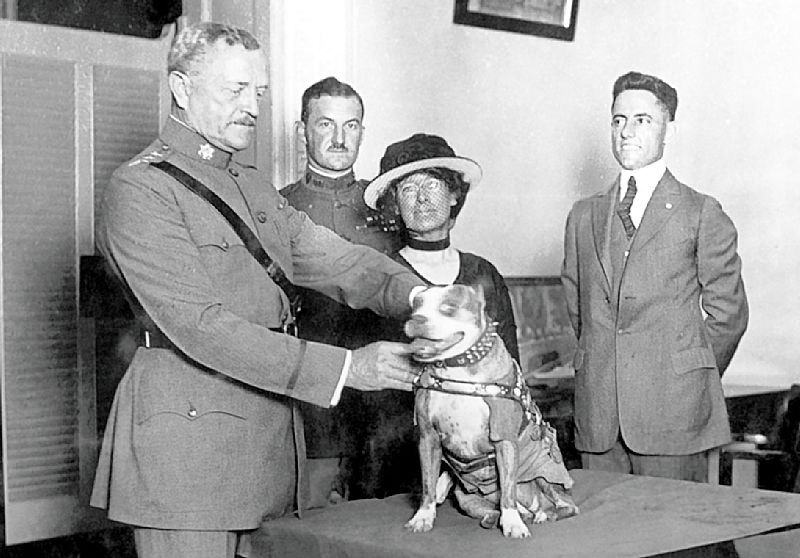
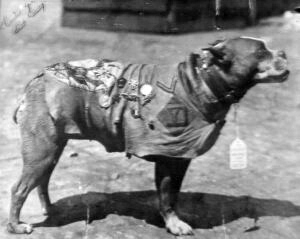
Stubby was a soldier all the way. He didn’t enlist to sit around and do nothing. While in France, in the trenches, Stubby was exposed to mustard gas. “Mustard gas or sulfur mustard is a chemical compound belonging to the sulfur-based family of cytotoxic and blister agent chemical warfare agents known as sulfur-mustards or mustard agents. The name mustard gas is widely used, but it is technically incorrect: the substance does not actually vaporize into a gas, but instead disperses as a fine mist of liquid droplets.” After Stubby recovered, he returned to the frontlines with his own specially-designed gas mask. The exposure to the mustard gas, combined with a dog’s heightened sense of smell, allowed Stubby to warn the 102nd of imminent poison gas attacks. Stubby also learned how to locate wounded soldiers during patrols, a very important part of his job. While technically a mascot, Stubby earned the rank of sergeant after he spotted a German spy and attacked the stunned man until reinforcements arrived. In his 18 months of service, Stubby participated in 17 battles, survived a series of wounds, and provided a much-needed boost to the morale of his fellow soldiers.
When World War I was over, Sergeant Stubby, as a decorated hero made his way back to the United States with Conroy. By this time, the dog now outranked his owner, and had become a national icon. Sergeant Stubby was invited to lead parades and was given awards until his death in 1926. Stubby died in his sleep on March 16, 1926. After his death he was preserved via taxidermy and his cremains were sealed inside of the mount. In 1956, Conroy decided to present Stubby to the Smithsonian. The taxidermy mount of the dog is part of the permanent collection at the Smithsonian National Museum of American History. It is currently on display in their “Price of Freedom: Americans at War” exhibit.
 Our Veterans…the cream of the crop. The strong and the brave. Those ones, with courage to last for days. We really cannot say enough about our brave fighting mem and women, who are willing to give up time with family and friends, to go out and fight, sometimes giving their lives so that other people…often unknown to them can live free. There should be a day to honor them. How could we not have such a day? It would be unthinkable. And so, today, we honor them. Those who served and came home again…some to face disability, PTSD, and sadness over the ones who didn’t make it home. We honor them, because they did what we were unable to do. While we sit at home, hopefully praying for our fighting men and women, they bravely took to the battleground, in the air, on land, and sea. Yes, not all served in wartime, but at any moment, all of them knew that it could become wartime.
I can’t say what it is that makes a soldier, because each probably has their own reasons for enlisting, but 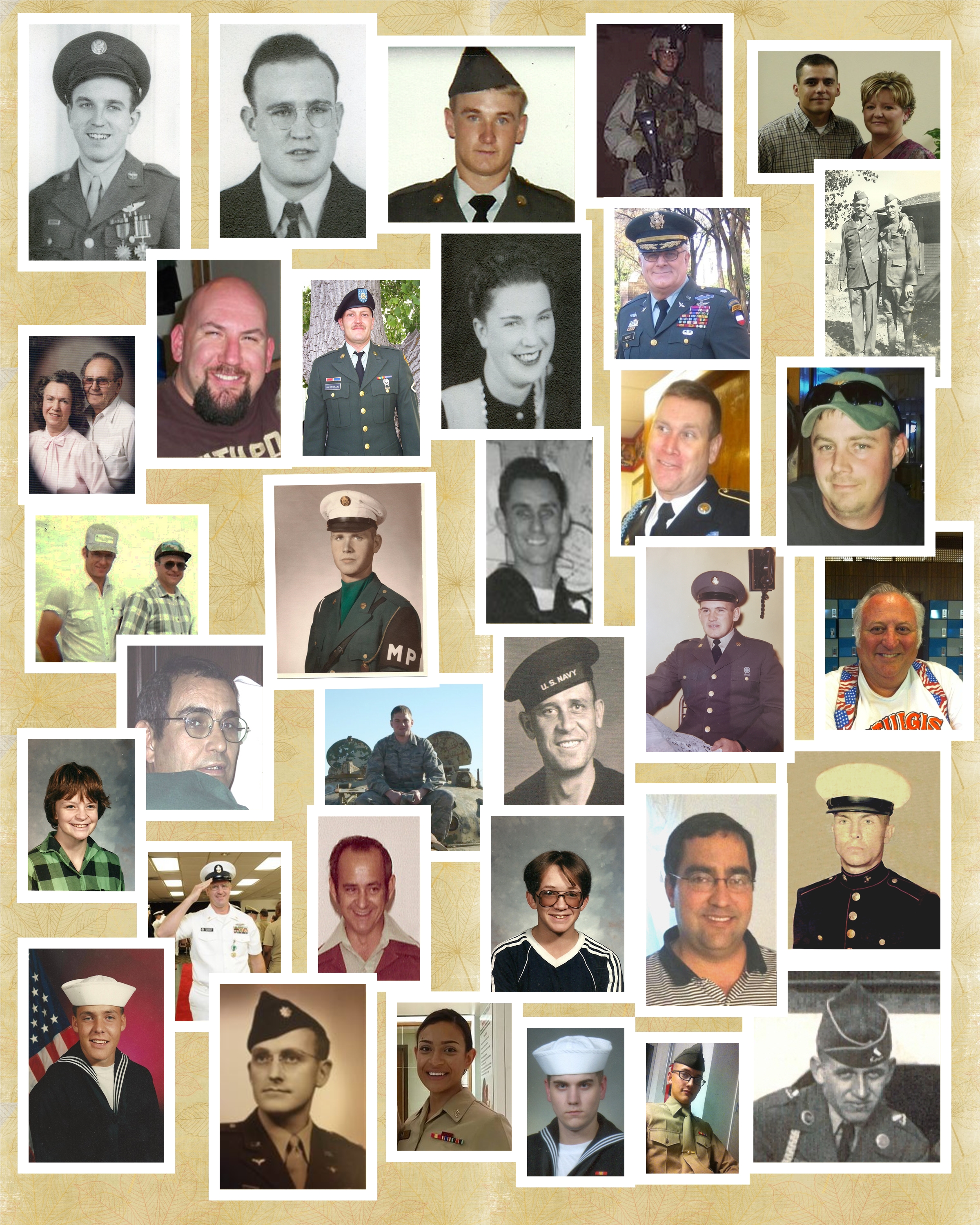 before they become a soldier, each has to make a decision that they will serve their country and willingly go wherever they are told, often without having a say in the matter. Some assignments are great, taking the soldier and family to exotic places, but some are so dangerous that the soldier cannot take his/her family along because it would be unsafe for them. Still, dangerous or not, the soldier bravely goes, and tries to be a credit to his/her uniform.
I am very proud of our veterans. They have served this country proudly. They took orders when they knew it could mean they lose their lives. That is a rare thing these days, when civil unrest is the norm. Many people would never consider a life or even an enlistment period, because they don’t think they would be appreciated. They don’t want to risk coming home only to be vilified, when in reality, they are the heroes. Veterans Day is a day to celebrate the soldiers who faced it all, and came back home to their families. To all of you…thank you for your service, and Happy Veterans Day!!
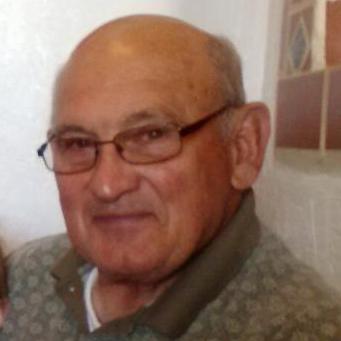 If your are from Forsyth, Montana, you most likely know our uncle, Butch Schulenberg. It’s not just because Forsyth is a small town of only 1495 people, so it is easy for everyone to know everyone else, but Butch Schulenberg is really special person within the Forsyth family. For one thing, he grew up the son of the local sheriff, and especially in a small town, that means everyone knows you, and might have even asked for you help when it came to matters of trouble with the sheriff. I doubt if his friends ever got into any real trouble, but kids will be kids. It’s just the way it is. I also doubt if Butch had a lot of pull when it came to getting his friends out of trouble, but then Sheriff Andy Schulenberg had a very different style when it came to policing the people of Rosebud County Montana. He didn’t even carry a gun, but that’s another story.
Uncle Butch grew up loving sports, and was a local sports hero. He still actively supports the local teams to this  day. It doesn’t matter to Butch, if it’s the boys teams, the girls teams, or the little league teams. They are his teams and he is a very loyal man. Knowing so many f the town’s people helps too, because he knows these kids personally. He has watched them grow up and cheered them on in every endeavor. You can’t beat the blessing of knowing all those great kids, and having them know you too. Butch never met a stranger, and calls everyone his friend. I like that, because while he is my husband, Bob Schulenberg’s uncle, he is mine too, by marriage. Nevertheless, I don’t even consider the “by marriage” part, because Butch Schulenberg is my uncle just as if I had been born into the family, and I love him very much. He even cheers me on
 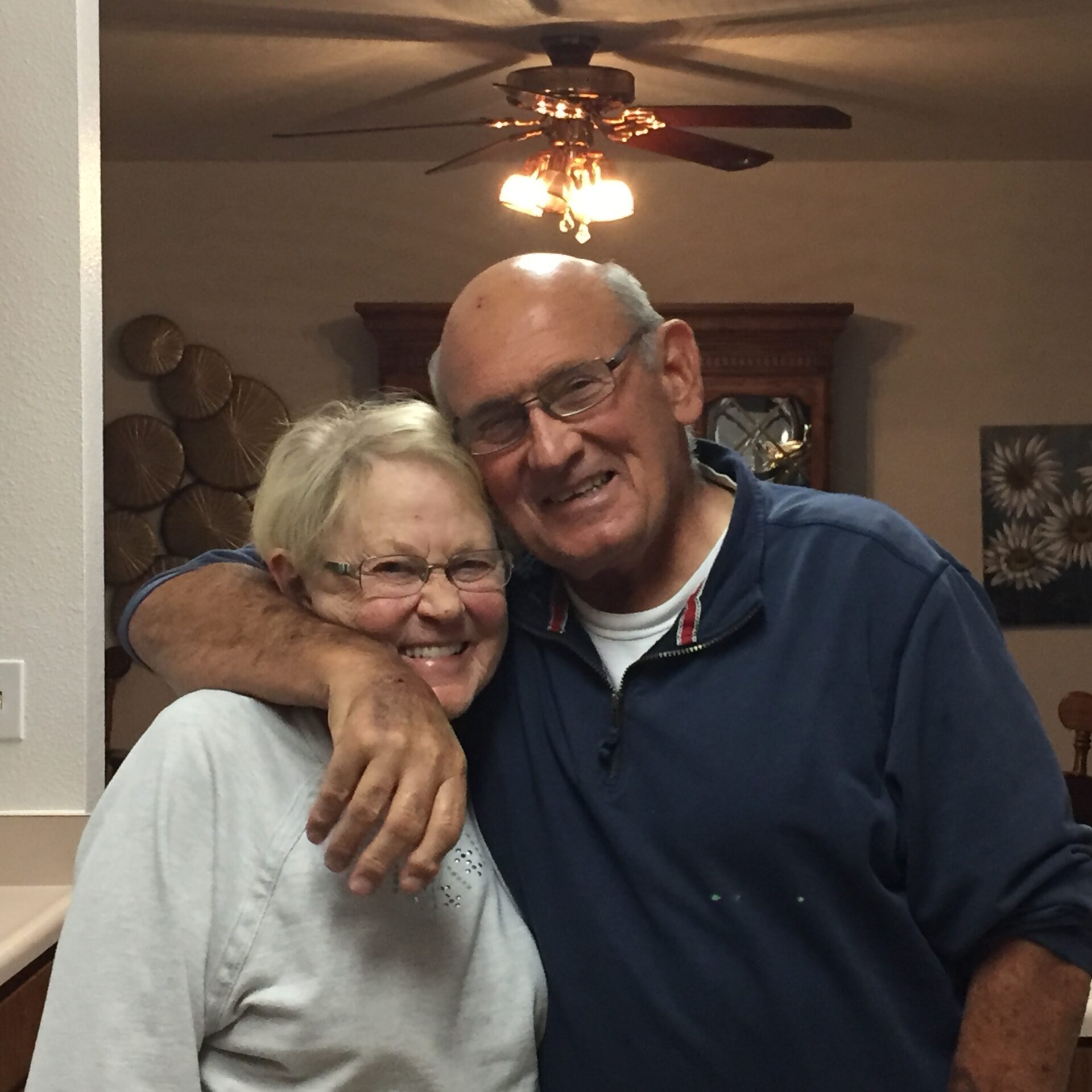 in my writing endeavors, and that pleases me very much. Butch is like…everybody’s cheerleader. He loves to see people succeed and loves to cheer them on to that success.
Butch is also a proud husband, father, and grandfather. His kids, Tadd, Andi Kay, and Heath have 7 children between, and they all love their grandpa very much. Like the kids of Forsyth, Butch is one of his grandchildren’s biggest fans. He loves hearing about their activities and attends whenever he can. He tries very hard to be a hands-on grandpa, and they love him very much. Today is Uncle Butch’s 81st birthday. Happy birthday Uncle Butch. Have a great day!! We love you!!
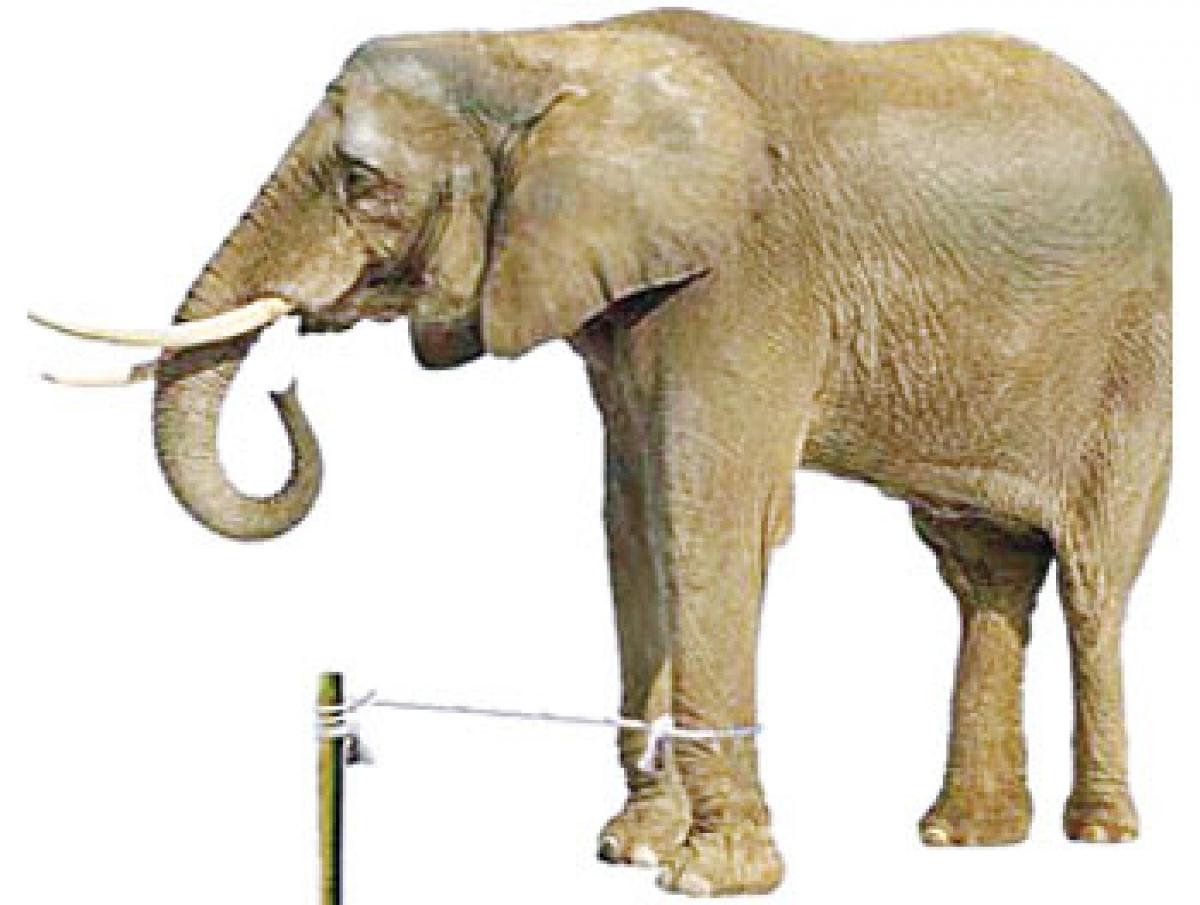
 I read a story about training an elephant yesterday. It went like this, “As a man was passing the elephants, he suddenly stopped, confused by the fact that these huge creatures were being held by only a small rope tied to their front leg. No chains, no cages. It was obvious that the elephants could, at anytime, break away from their bonds but for some reason, they did not.
He saw a trainer nearby and asked why these animals just stood there and made no attempt to get away. ‘Well,’ trainer said, ‘when they are very young and much smaller we use the same size rope to tie them and, at that age, it’s enough to hold them. As they grow up, they are conditioned to believe they cannot break away. They believe the rope can still hold them, so they never try to break free.’
The man was amazed. These animals could at any time break free from their bonds, but because they believed they couldn’t, they were stuck right where they were.”
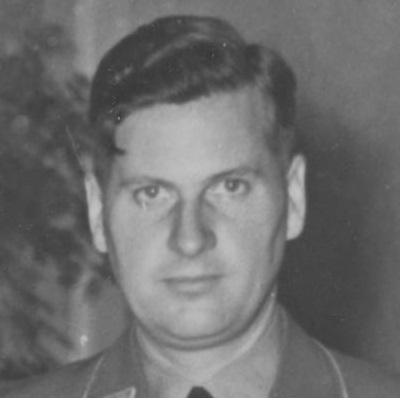
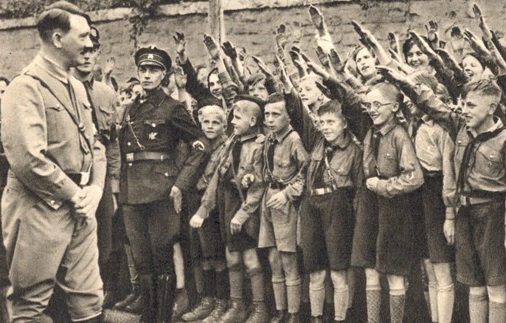
The story made me think about the way Hitler was able to train a generation to follow him without question. He took the children away from their parents when they were young, basically telling the parents that the state knew what was best for the children, and the parents didn’t know enough about educating the children to do a good job. He set up the Hitler Youth organization in 1933 for educating and training male youth in principles. Of course, the principles Hitler had in mind were vastly different from any that the parents could imagine. Hitler’s ideas included racism, killing any “undesirables” among the population, and controlling the people with curfews and lockdowns…to name a few. Under the leadership of Baldur Benedikt von Schirach, the head of all German youth programs, the Hitler Youth included by 1935 almost 60 percent of German boys. On July 1, 1936, it became a state agency that all young “Aryan” Germans were expected to join. Upon reaching his 10th birthday, a German boy was registered and investigated especially for “racial purity” and, if qualified, inducted into the “German Young People.” At age 13 the youth became eligible for the Hitler Youth, from which he was graduated at age 18. Throughout these years he lived a life of dedication, fellowship, and Nazi conformity, generally with minimum parental guidance. From age 18 he was a member of and served in the state labor service and the armed forces until at least the age of 21.
Two leagues also existed for girls. The League of German Girls trained girls ages 14 to 18 for comradeship, domestic duties, and motherhood. “Young Girls” was an organization for girls ages 10 to 14. The girls were expected to have babies to build the Reich…provided they qualified as “racially pure,” of course.
In the tumultuous days we currently live in, parents need to be very involved in what our children are being taught. The current racially charged climate in our nation would only be exacerbated by teaching our children things like Critical Race Theory, because it is really the new Ku Klux Klan. Racism, against any nationality is simply wrong…there is no gray area. Our children need to be able to be proud of the race they are and the background they come from. Racism is unacceptable, against any race, and we, as parents, grandparents, and 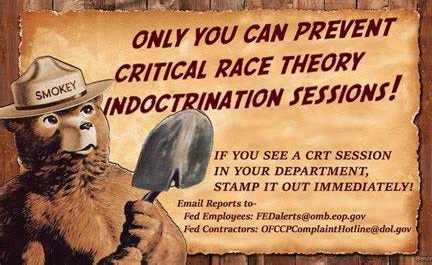
 even great grandparents, need to kick the government out of our educational system, and get back to decent moral values. We need to stop the insanity in our schools, and teach our kids the true history of our nation. We must teach good values, and our children need to be taught to accept all races. We need to start with the kids, because they are the future leaders.
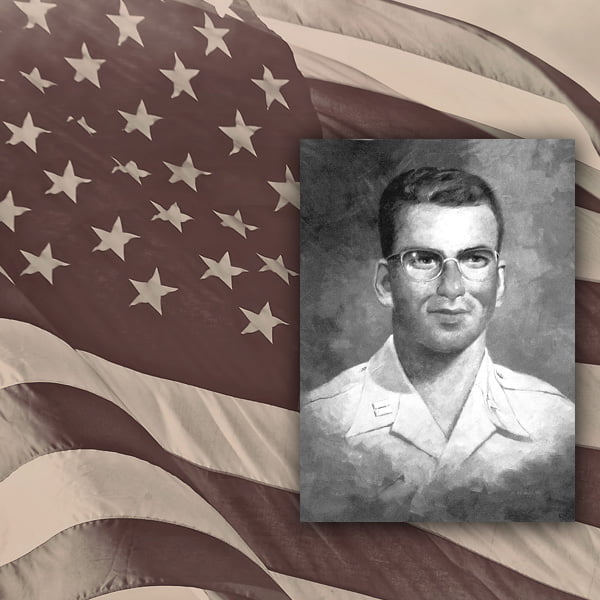 It’s hard to picture a dentist as being a hero, but US Army Medic Ben Salomon, who was a dentist before he was drafted in to the US Army as a private in 1940, as World War II was in its early stages. Salomon was assigned, not to the medical units, but rather, to the infantry. It was in the infantry during rifle and pistol qualifications that Salomon was rated an Expert Marksman. He also had medical knowledge that could be used during battlefield surgery. Salomon was assigned to a unit as their medic. Being a medic in wartime means that you are doing the noble thing, a task which is not often recognized as anything special. I think was have all seen the television show, MASH, in which the position of Army Doctor is viewed as mostly safe, far from the front lines, and given to a little bit of hanky panky. It doesn’t often paint a picture of heroic actions, although, sometimes the doctors are heroic (Nevertheless, I don’t mean to say that all military doctors are like the doctors on MASH, who are, after all, playing a part.) Medics serve and protect like every other serviceman, but they sometimes see a lot more of war’s ugly side. These unit medics might saw torn apart friends, horrific injuries, and a lot of deaths. The men they served with every day were their friends, and while the medic was usually behind the unit in a tent, caring for the wounded, these were not strangers to them. They were friends and comrades in arms.
Just one month after Salomon’s promotion to captain, he experienced his first battle. Salomon volunteered to replace the 2nd Battalion, 105th Infantry Regiment’s field surgeon, who had been wounded. The unit was sent to Saipan to fight the Japanese forces. Little did Salomon know that this would be his only battle. When the unit landed in Saipan, they found immediately themselves in one of the most intense fights in the Pacific arena. Apparently this little island had been determined to be vital…no matter which side you were on. The Japanese army was not willing to concede the island and the US Army was adamant that they needed to take it. By the time Salomon’s unit arrived, the Japanese had taken the approach of advance and attack to their own deaths.
The tents for the field surgeons were located 50 yards behind the front, and it was there that Salomon worked to triage the severely wounded men. On July 6, 1944, the Japanese reached the trenches and Salomon’s position. Then on July 7th, the Japanese made it over the trenches and went straight to the medical tents. Inside, Salomon was treating wounded soldiers. He looked up and saw a Japanese soldier storm into the tent and bayonet one of the wounded and unarmed soldiers. Solomon acted instinctively. He grabbed an M1 rifle which was on a table close by and fired, killing the enemy soldier. For a medic, who never expected to need to fire his weapon, that situation must have come as a bit of a shock, but that soldier was not to be the only one Salomon killed that day. He turned back to the wounded soldiers, and then he saw two more enemy soldiers burst into the tent. There wasn’t much room in the tents, and they weren’t designed for hand to hand combat, but the tent soon became the battlefield, nevertheless. Salomon began swinging the rifle and clubbed the first soldier, then jamming the second with the butt of the weapon. Then, he shot one and bayoneted the other.
Immediately, four more Japanese soldiers made their way into the medical tent and tried to catch Salomon by surprise. One of the soldiers had a knife that Salomon kicked out of his hand before firing his rifle, killing one soldier and using his bayonet to kill another. By now, Salomon was out of bullets, so he picked up the knife and engaged with the two remaining enemy fighters. He killed one using the knife before head-butting the other, who was then shot by one of the patients in the tent. After dispatching the enemy soldiers, Salomon ordered his colleagues to evacuate the wounded. He would stay behind to hold off the enemy to give them the extra time they needed. As Captain Salomon loaded his rifle, the 30 wounded soldiers and orderlies in the tent started to retreat. The decision to stay and fight while the wounded were evacuated saved many lives, but Salomon was now in a battle that he had no hope of winning, much less living through. Ben Salomon made his last stand. He commandeered a heavy machine gun and was last seen firing at oncoming Japanese troops.
When the American troops were finally able to return to the area, they found Salomon’s body slumped over the machine gun, surrounded by the bodies of 98 Japanese soldiers. He had been shot 76 times and had 24 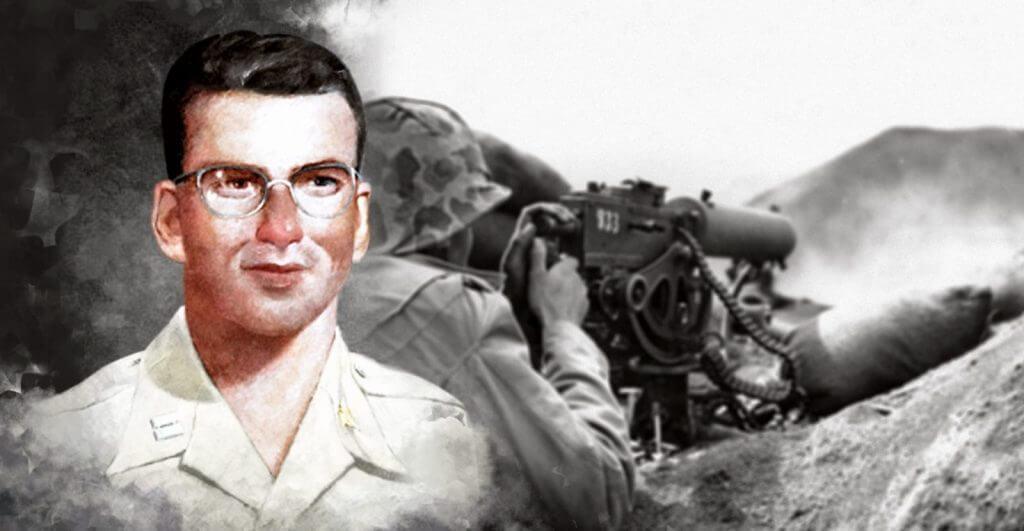 bayonet wounds on his body. Yes, Captain Salomon had died in the battle, but not before he killed 98 enemy soldiers, and the wounded soldiers and the medics with him had all managed to escape. Salomon was a serious force to be reckoned with, as the Japanese found out that day.
Medical personnel were considered ineligible for the Medal of Honor at that time, due to the terms of the Geneva Convention, so the request that he be awarded the medal was denied. After numerous other attempts over the years, Salomon’s bravery was finally recognized with the Medal of Honor in 2002, 58 years after his death.
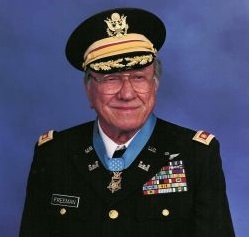
 Ed Freeman first served in the military during World War II, in the United States Navy on the USS Cacapon (AO-52). While World War II was in no way uneventful or unimportant, it was not the most eventful part of Freeman’s service. Freeman decided to continue on in the military. Freeman had reached the rank of first sergeant by the time the Korean War began. By this time Freeman was in the Corps of Engineers, but his company fought as infantry soldiers in Korea. Freeman found himself fighting in the Battle of Pork Chop Hill, where he earned a battlefield commission as one of only 14 survivors out of 257 men who made it through the opening stages of the battle. His second lieutenant bars were pinned on by General James Van Fleet personally. He was given command of B Company and led them back up Pork Chop Hill.
It was Freeman’s childhood dream to become a pilot, and his new commission made him eligible to become a pilot. Nevertheless, there was one drawback. When he applied for pilot training he was told that, at six feet four inches, he was “too tall” for pilot duty. That phrase stuck, and he became known as “Too Tall” for the rest of his career. It was a devastating setback, but in 1955, the height limit for pilots was raised and Freeman was finally accepted into flight school. He first flew fixed-wing army airplanes, but later switched to helicopters. When the Korean War ended, he flew the world on mapping missions.
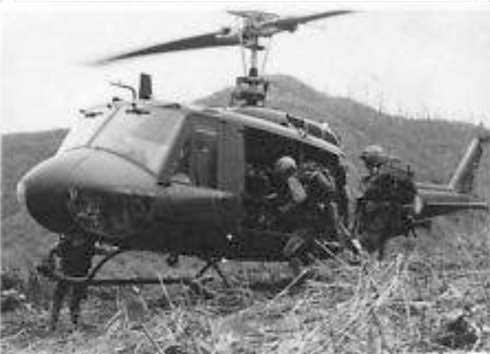
By this time, Ed W. “Too Tall” Freeman had already had many success stories, but his real success story came during the Vietnam War, during the Battle of Ia Drang, specifically on November 14, 1965. During the battle, there were multiple men injured and the possibility of them dying was very real. Their unit was outnumbered 8-1 and the enemy fire on the men on the ground was so intense from 100 yards away, that the Commanding Officer ordered the MedEvac helicopters to stop coming in. That was basically a death sentence for the wounded men. The men were at LZ X-Ray, one of the most legendary war sites in Vietnam. It was here that the United States had its first major battle with the North Vietnamese People’s Army of Vietnam, the first very violent round of a bout that would last ten more years. There was really no way for the MedEvac helicopters to save them. Enter, Captain Ed Freeman, who was not a MedEvac pilot, by the way. Nevertheless, that did not stop him. He could not leave a man behind, much less 29 men. That this was not his job, meant nothing to Freeman, who heard the radio call and decided he was going to fly his Huey down into the machine gun fire anyway. He had not been given orders not to go, because he was not a MedEvac pilot, so he went. Those men soon knew that Captain Ed Freeman was coming in for them. Freeman dropped his Huey in and sat there in the machine gun fire, as they loaded 3 men at a time on board. Then, he flew up and out through the gunfire to get these men to the medical teams safety. And, he didn’t go in just once!! He kept going back…13 more times!! He went in until all the wounded were out. No one knew until the mission was over that the Captain had been hit 4 times in the legs and left arm.
Ed “Too Tall” Freeman was born on November 20, 1927 in Neely, Mississippi, the sixth of nine children. At the age of 13, he saw thousands of men on maneuvers pass by his home in Mississippi. He knew then that he wanted to become a soldier. Freeman grew up in nearby McLain, Mississippi, and graduated from Washington High School, however, at age 17, before graduating from high school, Freeman served in the United States Navy for two years. He then returned to his hometown and graduated from high school after the war. He joined the United States Army in September 1948, and married Barbara Morgan on April 30, 1955. They had two sons. Mike was born in 1956, and Doug was born in 1962.
Freeman’s commanding officer nominated him for the Medal of Honor for his actions at Ia Drang on November 14, 1965. Unfortunately, not in time to meet a two-year deadline in place at that time. He was instead awarded the Distinguished Flying Cross. The Medal of Honor nomination was disregarded until 1995, when the two-year 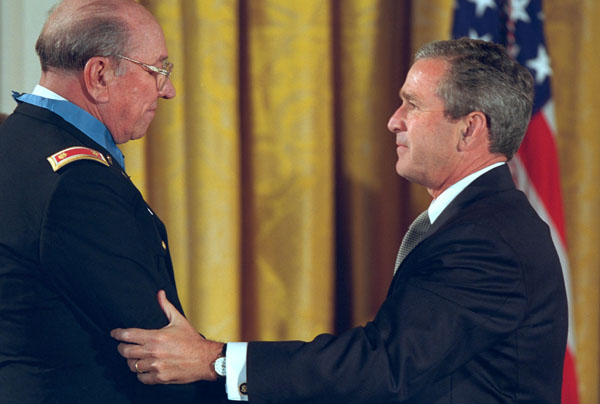
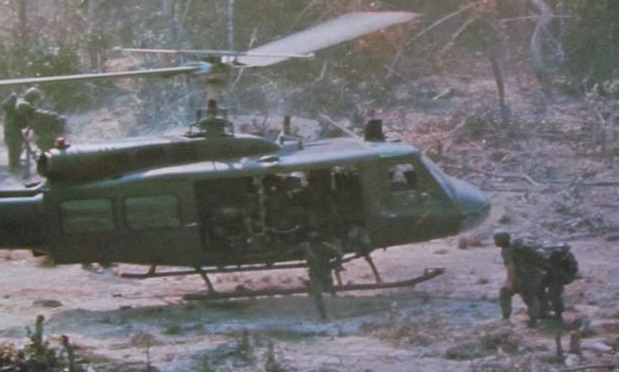 deadline was removed. He was finally and formally presented with the medal on July 16, 2001, in the East Room of the White House by President George W. Bush. Freeman died on August 20, 2008, due to complications from Parkinson’s disease. He was buried with full military honors at the Idaho State Veterans Cemetery in Boise.
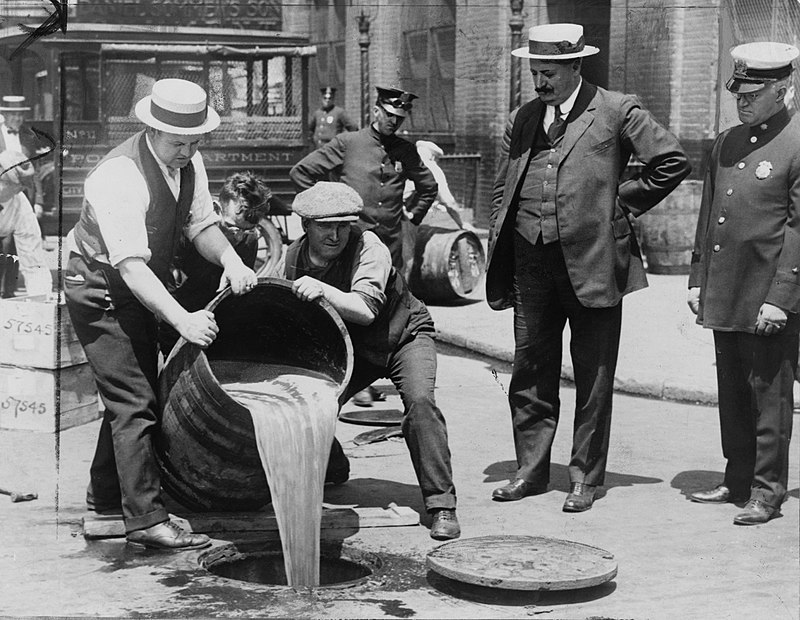 As many of us know, from history, there was a time in United States history when alcohol was illegal. Some will debate if it should still be today, but it is not. Prohibition, as it was called, ran from 1920 to 1933. Prohibition in the United States was a nationwide constitutional ban on the production, importation, transportation, and sale of alcoholic beverages. The Prohibitionists were led by pietistic Protestants. The idea was to heal what they saw as an ill society beset by alcohol-related problems such as alcoholism, family violence and saloon-based political corruption. There are many alcohol related issues that really do fall into these categories, but you can’t make people stop something that they are intent on doing. Drugs are the same, but we have to draw the line somewhere, or we will have a “zombieistic” society.
As Prohibition progressed, many communities introduced alcohol bans and enforcement of these new prohibition laws became a topic of debate. Prohibition supporters were called “Drys.” The “Drys” presented prohibition as a battle for public morals and health. The progressives, along with the Democratic and Republican parties picked up on the movement, and it gained a national grassroots base through the Woman’s Christian Temperance Union. After 1900, it was coordinated by the Anti-Saloon League. There were those who opposed Prohibition, including the beer industry, who mobilized “Wet” supporters from the wealthy Catholic and German Lutheran communities, but the influence of these groups receded from 1917 following the entry of the United States into the First World War against Germany.
By a succession of state legislatures, the alcohol industry was curtailed, and finally ended nationwide under the Eighteenth Amendment to the United States Constitution in 1920. The Eighteenth Amendment passed “with a 68 percent supermajority in the House of Representatives and 76 percent support in the Senate,” as well as ratification by 46 out of the 48 states we had at the time. That enabled legislation, known as the Volstead Act, which set down the rules for enforcing the federal ban and defined the types of alcoholic beverages that were prohibited. Unlike most people think, not all alcohol was banned. For example, religious use of wine was permitted. Private ownership and consumption of alcohol were not made illegal under federal law, but local laws were stricter in many areas, with some states banning possession outright.
With prohibition came the criminal element associated with a refusal to comply. Criminal gangs gained control of the beer and liquor supply in many cities. By the late 1920s, a new opposition to Prohibition emerged nationwide. Critics attacked the policy saying it was actually causing more crime, lowering local revenues, and imposing “rural” Protestant religious values on “urban” America. In another bizarre twist of Prohibition in the United States, the United States government literally decided that if people would not comply with the new law, they would make the penalty much stiffer. When the people continued to consume alcohol despite its being banned, law officials got frustrated and decided to try a different kind of deterrent…death. They literally ordered the poisoning of industrial alcohols manufactured in the United States. These were products regularly stolen by bootleggers to use is making moonshine. By the end of Prohibition in 1933, the federal poisoning program is estimated to have killed at least 10,000 people.
Prohibition ended with the ratification of the Twenty-first Amendment, which repealed the Eighteenth  Amendment on December 5, 1933, though prohibition continued in some states. To date, this is the only time in American history in which a constitutional amendment was passed for the purpose of repealing another. Looking back on Prohibition, you will find researchers who say that alcohol consumption declined substantially due to Prohibition. They will also say that rates of liver cirrhosis, alcoholic psychosis, and infant mortality declined as well. Prohibition’s effect on rates of crime and violence is rather another story, because of the criminal element that made and sold alcohol in spite of the law. Nevertheless, Prohibition lost supporters every year it was in action, and lowered government tax revenues at a critical time before and during the Great Depression. I guys it all comes down to money in the end.
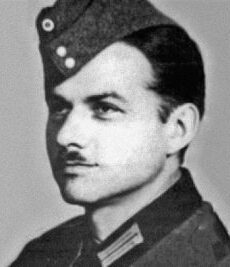
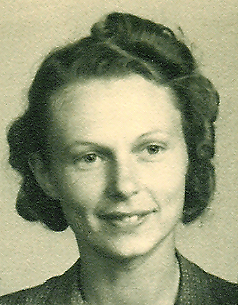 It seems highly unlikely that the United States would consider any of the German tactics from World War II to be useful or moral, but that is exactly what they thought of the Luftwaffe’s master interrogator, Hanns Scharff, whose interrogation tactic was…to be as nice as possible. Nice?? That word doesn’t really fit in with the picture most of us carry in our brain of the Nazi war machine. And even from what we see on television, interrogation is more of a verbally brutal assault on the senses, that breaks a person down so that they finally relent and give the interrogator the information they are asking for.
For getting information out of prisoners, Scharff’s best tactics included…nature walks without guards present, baking them homemade food, cracking jokes, drinking beers, and afternoon tea with German fighter aces. When I read that, I was totally stunned. Who would have ever considered such things to glean information out of a prisoner of war, or any kind of prisoner. Nevertheless, Scharff’s techniques were so successful that following World War II, the United States military incorporated his methods into their own interrogation schools.
Hanns-Joachim Gottlob Scharff was born on December 16, 1907 in Rastenburg, East Prussia, which is now K?trzyn, Poland, to Hans Hermann Scharf and Else Scharf (née Jahn). He was the second of three sons, the elder being Eberhardt and the younger, Wolfgang (who died in his teens). The last name was originally Scharf, but Hanns Scharff added an extra ‘f’ to the end of his last name as an adult, because some ancestors spelled their last names that way, and he thought it might be the correct spelling, which is something I have come across in my own family research as well.
Scharff was nicknamed the “Master Interrogator” of the Luftwaffe, and possibly of all Nazi Germany. he has also been praised for his contribution in shaping US interrogation techniques after the war. As an Obergefreiter…basically a Private First Class, he was charged with interrogating captured American fighter pilots, becoming an interrogation officer in 1943. He has been highly praised for the success of his techniques, in particular because he never used physical means to obtain the required information. Scharff’s interrogation techniques were so effective that he was occasionally called upon to assist other German interrogators in their questioning of bomber pilots and aircrews, including those crews and fighter pilots from countries other than the United States. Additionally, he was charged with questioning many more important prisoners who were funneled through the interrogation center, such as senior officers and famous fighter aces. I am not saying that because of this man’s techniques, all captured airmen gave up the information, just that what information they gave was not beaten out of them.
While training in the family business, and on a business trip to South Africa, Scharff met and married a South African British woman named Margaret Stokes. Margaret was the daughter of Captain Claud Stokes, first a pilot in Rhodesia in 1913, and later a squadron leader in the Royal Flying Corps. In 1939, the couple and their children went back to Germany for a vacation when WWII broke out. So now they were stuck. Scharff, was a German citizen, which put him in the army. While being drafted was not what they wanted, it did change who Scharff was…forever.
In 1948, Scharff was invited by the United States Air Force to give lectures on his interrogation techniques and first-hand experiences. The US military later incorporated his methods into its curriculum at its interrogation schools. Many of his methods are still taught in US Army interrogation schools. Scharff was granted immigration status. From the 1950s until his death on September 10, 1992, Scharff decided that he wanted to have a more gentle life, so he redirected his efforts to the creation of mosaics. He became a world-renowned 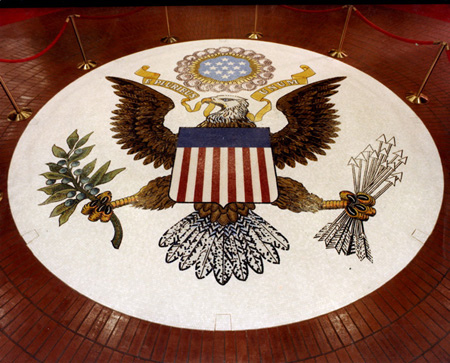
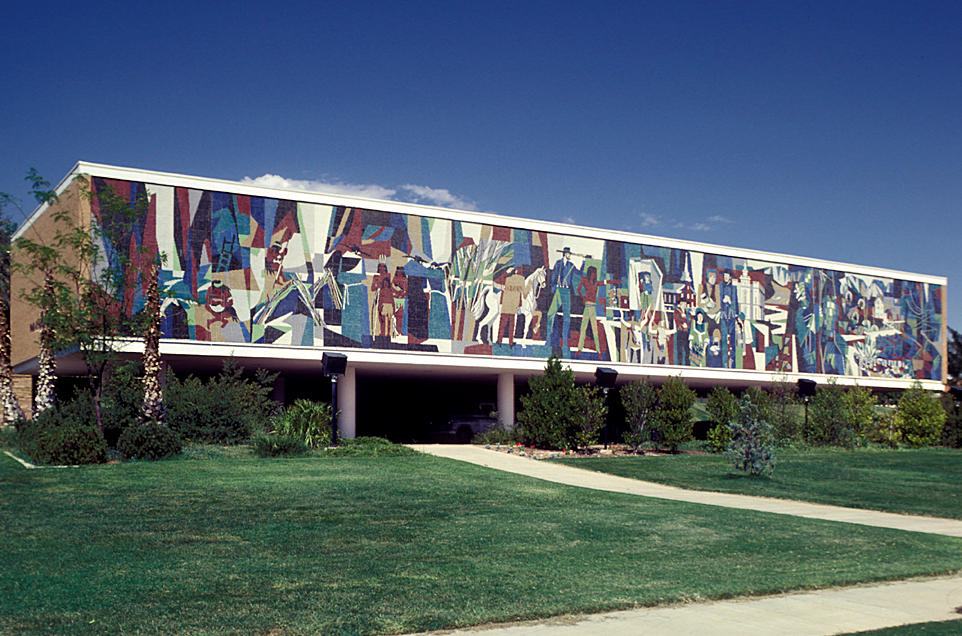 mosaic artisan, with his handiwork on display in locations worldwide, like the California State Capitol building; Los Angeles City Hall; several schools, colleges, and universities, including the giant Outdoor Mosaic Mural facade of the Dixie State College; Fine Arts Center; Epcot Center; and in the 15-foot arched mosaic walls featuring the story of Cinderella; Cinderella Castle; Walt Disney World, Florida.
 When the British Colonies, also known as the Thirteen Colonies or the early United States, were founded in the 1600s, the colonies were left to govern themselves for the most part. The land was really an expansion of power for Britain. Nevertheless, there were wars that took place in the new land and with them the costs of war, and because the colonies were owned by the British government, the cost of war fell on them. The cost of victory in the 1754 to 1763 French and Indian War and the 1756 to 1763 Seven Years’ War left the British government deeply in debt. The wars were fought in the colonies, but were equipped and populated with the British forces stationed there, at the cost of millions of British funds. The British government decided to impose The Stamp Act and Townshend Acts to pay for the wars, which provoked colonial opposition and unrest, leading to the 1770 Boston Massacre and 1773 Boston Tea Party. Then, came the Intolerable Acts, meant to punish the Massachusetts colonists for their defiance in the Tea Party protest in reaction to changes in taxation by the British Government, in spring 1774 upon Massachusetts. It was enough. These acts took away self-governance and rights that Massachusetts had enjoyed since its founding, and triggered outrage and indignation in the Thirteen Colonies, and twelve colonies sent delegates to the First Continental Congress, from September 5, 1774 to October 26, 1774. Their goal was to draft a petition to the King and organize a boycott of British goods. It was these acts…the acts that took away self-governance and other rights that triggered outrage and indignation in the Thirteen Colonies. We have often heard it called “taxation without representation” and it would never be tolerated. This nation had tasted freedom, and would never go back. These acts were key developments in the outbreak of the American Revolutionary War in April 1775.
The Revolutionary War was not going to be a short war. It would rage from April 19, 1775 to September 3, 1783…eight long years. For seven years after the United States Declaration of Independence was adopted by the Second Continental Congress at its meeting in Philadelphia, Pennsylvania, on July 4, 1776, the war still raged on. I don’t suppose any nation would want to simply lay down its control, but the reality is that Britain had lost its control many years before, and it was time to cut their losses and go home.
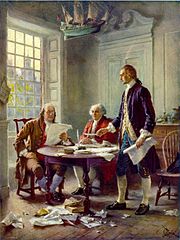
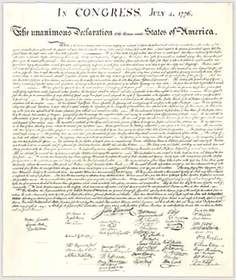
It was on June 11, 1776, that the Continental Congress made the decision and selected Thomas Jefferson of Virginia, John Adams of Massachusetts, Benjamin Franklin of Pennsylvania, Roger Sherman of Connecticut and Robert R. Livingston of New York to draft our Declaration of Independence. That moment truly sealed the fate of the Britain ownership of this nation. The words they penned would be taught in schools, put on documents, t-shirts, decals, and many other forms of media. Because John Adams knew of Thomas Jefferson’s prowess with a pen, he urged him to author the first draft of the document, which was then carefully revised by Adams and Franklin before being given to Congress for review on June 28. I don’t know how many have ever read the entire Declaration of Independence, but I have chosen to place it in its unedited entirety, because I think we need to know why our founding fathers fought so hard for our independence. The 4th of July is not about picnics and fireworks, it is about freedom, and we must never forget that…nor the five men who wrote it and the entire congress who signed it.
The Declaration of Independence
“When in the Course of human events, it becomes necessary for one people to dissolve the political bands which have connected them with another, and to assume among the powers of the earth, the separate and equal station to which the Laws of Nature and of Nature’s God entitle them, a decent respect to the opinions of mankind requires that they should declare the causes which impel them to the separation.
We hold these truths to be self-evident, that all men are created equal, that they are endowed by their Creator with certain unalienable Rights, that among these are Life, Liberty and the pursuit of Happiness.–That to secure these rights, Governments are instituted among Men, deriving their just powers from the consent of the governed, –That whenever any Form of Government becomes destructive of these ends, it is the Right of the People to alter or to abolish it, and to institute new Government, laying its foundation on such principles and organizing its powers in such form, as to them shall seem most likely to effect their Safety and Happiness. Prudence, indeed, will dictate that Governments long established should not be changed for light and transient causes; and accordingly all experience hath shewn, that mankind are more disposed to suffer, while evils are sufferable, than to right themselves by abolishing the forms to which they are accustomed. But when a long train of abuses and usurpations, pursuing invariably the same Object evinces a design to reduce them under absolute Despotism, it is their right, it is their duty, to throw off such Government, and to provide new Guards for their future security.–Such has been the patient sufferance of these Colonies; and such is now the necessity which constrains them to alter their former Systems of Government. The history of the present King of Great Britain is a history of repeated injuries and usurpations, all having in direct object the establishment of an absolute Tyranny over these States. To prove this, let Facts be submitted to a candid world.
He has refused his Assent to Laws, the most wholesome and necessary for the public good.
He has forbidden his Governors to pass Laws of immediate and pressing importance, unless suspended in their operation till his Assent should be obtained; and when so suspended, he has utterly neglected to attend to them.
He has refused to pass other Laws for the accommodation of large districts of people, unless those people would relinquish the right of Representation in the Legislature, a right inestimable to them and formidable to tyrants only.
He has called together legislative bodies at places unusual, uncomfortable, and distant from the depository of their public Records, for the sole purpose of fatiguing them into compliance with his measures.
He has dissolved Representative Houses repeatedly, for opposing with manly firmness his invasions on the rights of the people.
He has refused for a long time, after such dissolutions, to cause others to be elected; whereby the Legislative powers, incapable of Annihilation, have returned to the People at large for their exercise; the State remaining in the mean time exposed to all the dangers of invasion from without, and convulsions within.
He has endeavoured to prevent the population of these States; for that purpose obstructing the Laws for Naturalization of Foreigners; refusing to pass others to encourage their migrations hither, and raising the conditions of new Appropriations of Lands.
He has obstructed the Administration of Justice, by refusing his Assent to Laws for establishing Judiciary powers.
He has made Judges dependent on his Will alone, for the tenure of their offices, and the amount and payment of their salaries.
He has erected a multitude of New Offices, and sent hither swarms of Officers to harrass our people, and eat out their substance.
He has kept among us, in times of peace, Standing Armies without the Consent of our legislatures.
He has affected to render the Military independent of and superior to the Civil power.
He has combined with others to subject us to a jurisdiction foreign to our constitution, and unacknowledged by our laws; giving his Assent to their Acts of pretended Legislation:
For Quartering large bodies of armed troops among us:
For protecting them, by a mock Trial, from punishment for any Murders which they should commit on the Inhabitants of these States:
For cutting off our Trade with all parts of the world:
For imposing Taxes on us without our Consent:
For depriving us in many cases, of the benefits of Trial by Jury:
For transporting us beyond Seas to be tried for pretended offences
For abolishing the free System of English Laws in a neighbouring Province, establishing therein an Arbitrary government, and enlarging its Boundaries so as to render it at once an example and fit instrument for introducing the same absolute rule into these Colonies:
For taking away our Charters, abolishing our most valuable Laws, and altering fundamentally the Forms of our Governments:
For suspending our own Legislatures, and declaring themselves invested with power to legislate for us in all cases whatsoever.
He has abdicated Government here, by declaring us out of his Protection and waging War against us.
He has plundered our seas, ravaged our Coasts, burnt our towns, and destroyed the lives of our people.
He is at this time transporting large Armies of foreign Mercenaries to compleat the works of death, desolation and tyranny, already begun with circumstances of Cruelty & perfidy scarcely paralleled in the most barbarous ages, and totally unworthy the Head of a civilized nation.
He has constrained our fellow Citizens taken Captive on the high Seas to bear Arms against their Country, to become the executioners of their friends and Brethren, or to fall themselves by their Hands.
He has excited domestic insurrections amongst us, and has endeavoured to bring on the inhabitants of our frontiers, the merciless Indian Savages, whose known rule of warfare, is an undistinguished destruction of all ages, sexes and conditions.
In every stage of these Oppressions We have Petitioned for Redress in the most humble terms: Our repeated Petitions have been answered only by repeated injury. A Prince whose character is thus marked by every act which may define a Tyrant, is unfit to be the ruler of a free people.
Nor have We been wanting in attentions to our Brittish brethren. We have warned them from time to time of attempts by their legislature to extend an unwarrantable jurisdiction over us. We have reminded them of the circumstances of our emigration and settlement here. We have appealed to their native justice and magnanimity, and we have conjured them by the ties of our common kindred to disavow these usurpations, which, would inevitably interrupt our connections and correspondence. They too have been deaf to the voice of justice and of consanguinity. We must, therefore, acquiesce in the necessity, which denounces our Separation, and hold them, as we hold the rest of mankind, Enemies in War, in Peace Friends.
We, therefore, the Representatives of the united States of America, in General Congress, Assembled, appealing to the Supreme Judge of the world for the rectitude of our intentions, do, in the Name, and by Authority of the good People of these Colonies, solemnly publish and declare, That these United Colonies are, and of Right 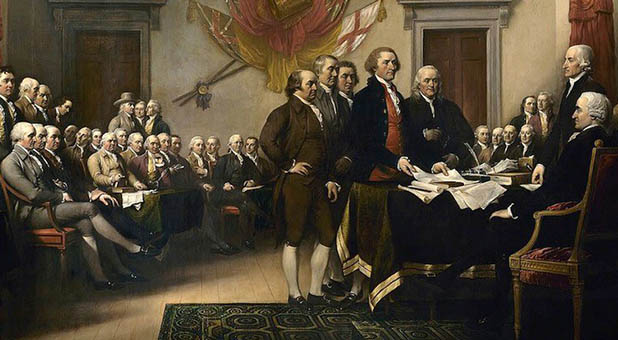 ought to be Free and Independent States; that they are Absolved from all Allegiance to the British Crown, and that all political connection between them and the State of Great Britain, is and ought to be totally dissolved; and that as Free and Independent States, they have full Power to levy War, conclude Peace, contract Alliances, establish Commerce, and to do all other Acts and Things which Independent States may of right do. And for the support of this Declaration, with a firm reliance on the protection of divine Providence, we mutually pledge to each other our Lives, our Fortunes and our sacred Honor.”

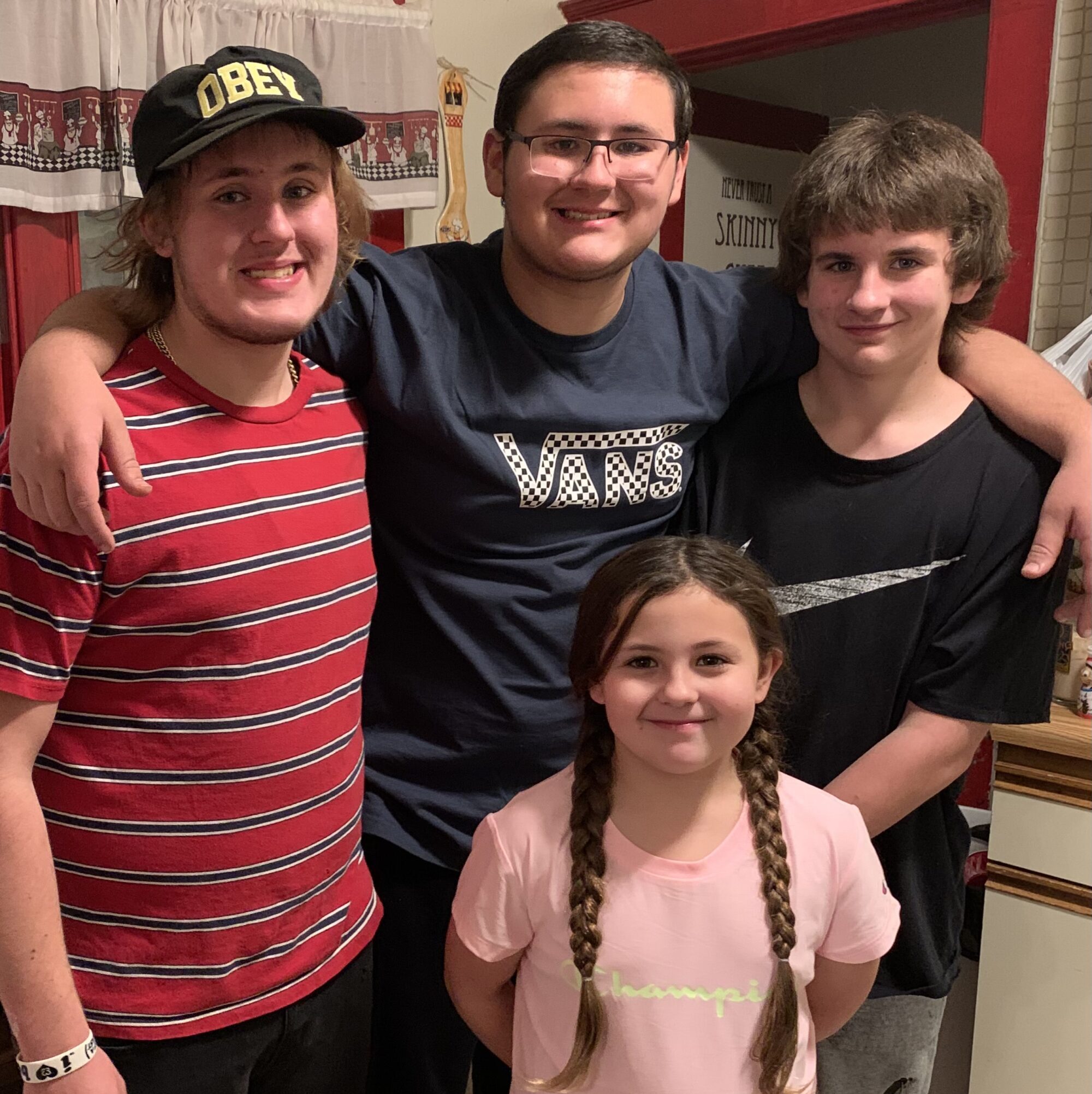 My grand-nephew, Xander Spethman is the eldest child of my niece, Jenny Spethman and her husband, Steve. Xander takes his job as older brother very seriously. He understands that as the older brother, he has a responsibility to be a leader for his younger siblings. They look up to Xander, as do Xander’s friends. He really is a leader, and he takes that seriously. When Xander and his siblings, Zack, Isaac, and Aleesia are playing, Xander (and his brothers too) always make sure that Aleesia wins the games. She is the youngest, and younger by a few extra years, due to the passing of their sister, Laila less than a month after her birth. The boys are very protective of their sisters. In their playtime, Xander is the leader of the pack, so to speak. In group situations, Xander leads and the rest follow his lead. The younger boys look up their brother, especially in the area of how they should act. Xander makes sure that he leads by example…and always a good example. Xander is a great big brother.
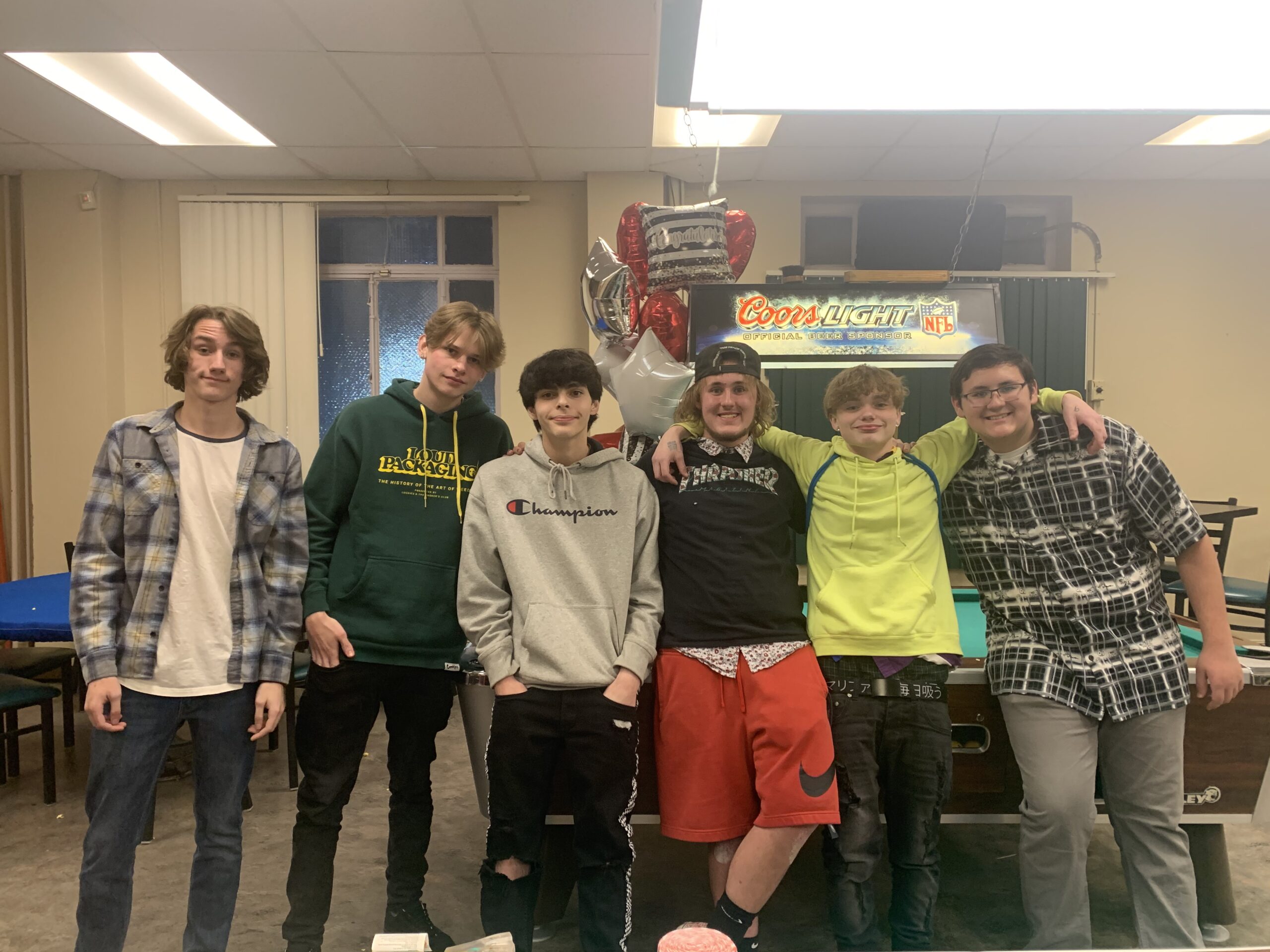
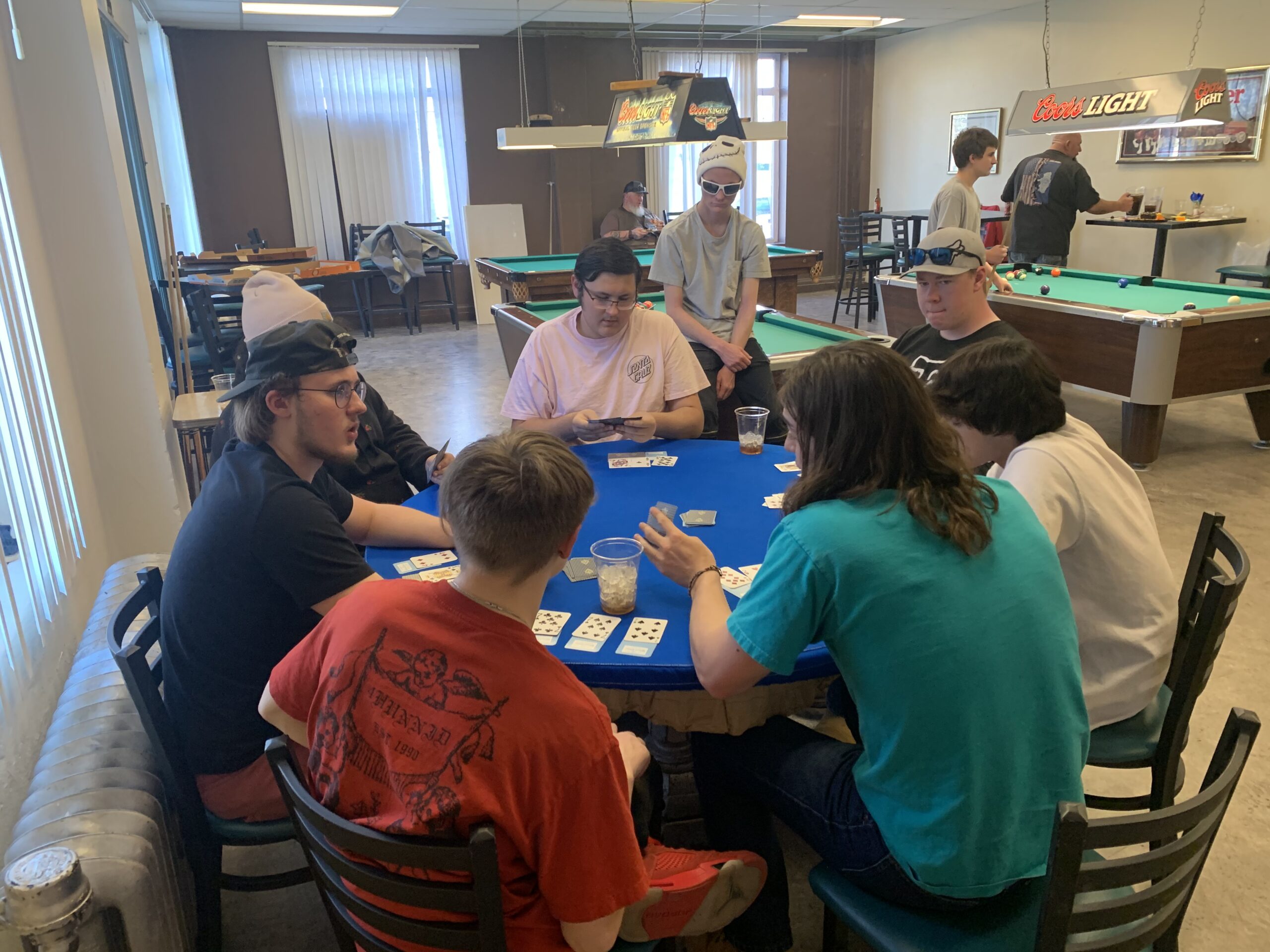 Xander has always had a lot of friends. Part of his charm is that he treats others in the way he would like to be treated. More people need to learn to live by that rule. High school is not the easiest place to be, but Xander is good and kind, and while that doesn’t always protect him from the rudeness around him, it always makes those who know Xander proud to know him. Xander doesn’t participate in the rude pranks or comments of those around him. He is far too mature for the childness of some people, and that is something to be proud of. This year, Xander met a wonderful girl named Alli Simpson. They are so good for each other. They went to prom, and they looked so cute. Alli fits well in the Spethman family, and while they are young and in no hurry, they are very much loving their time together. Xander has fallen in love with Alli, and the family couldn’t be happier.
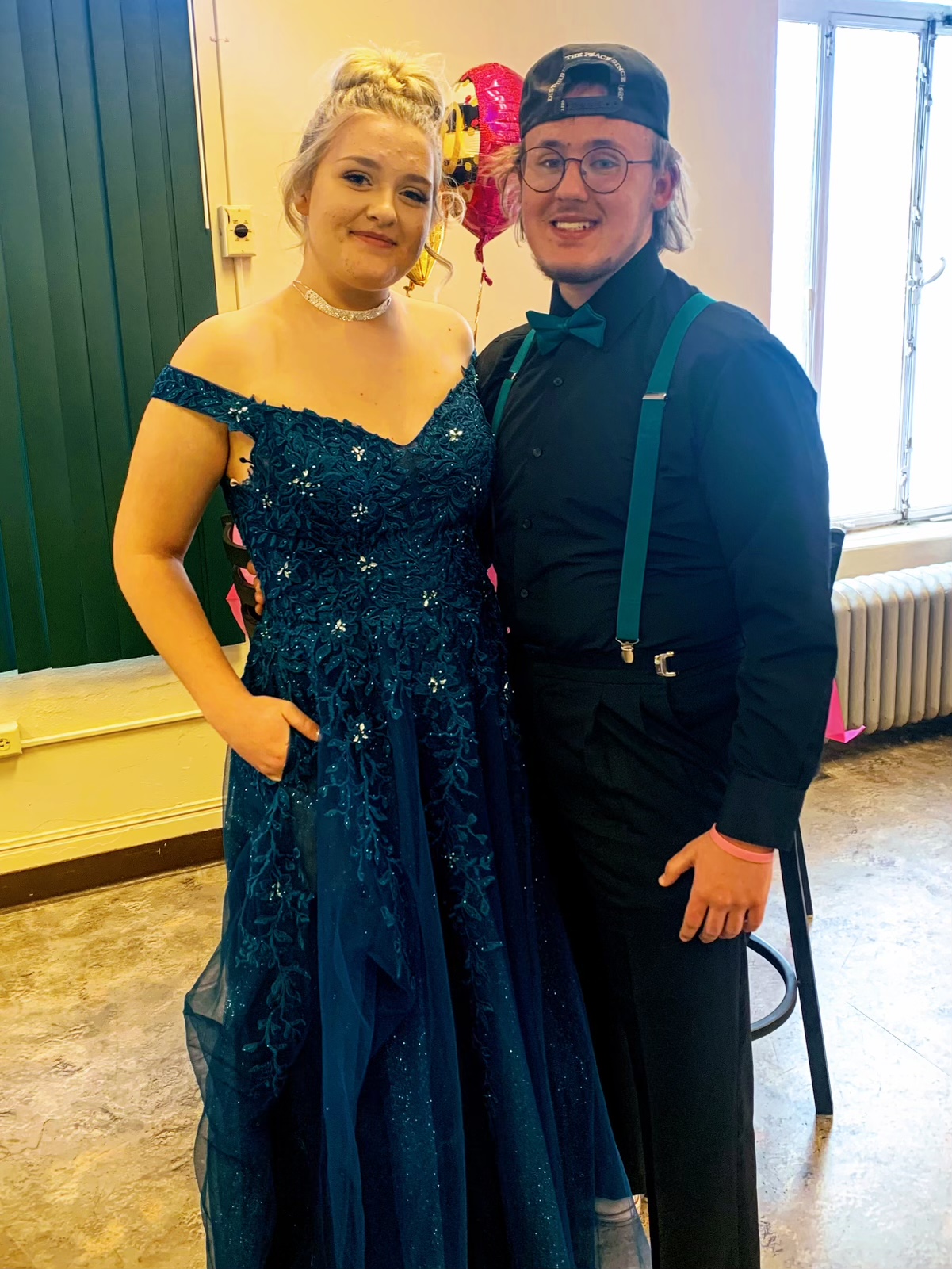
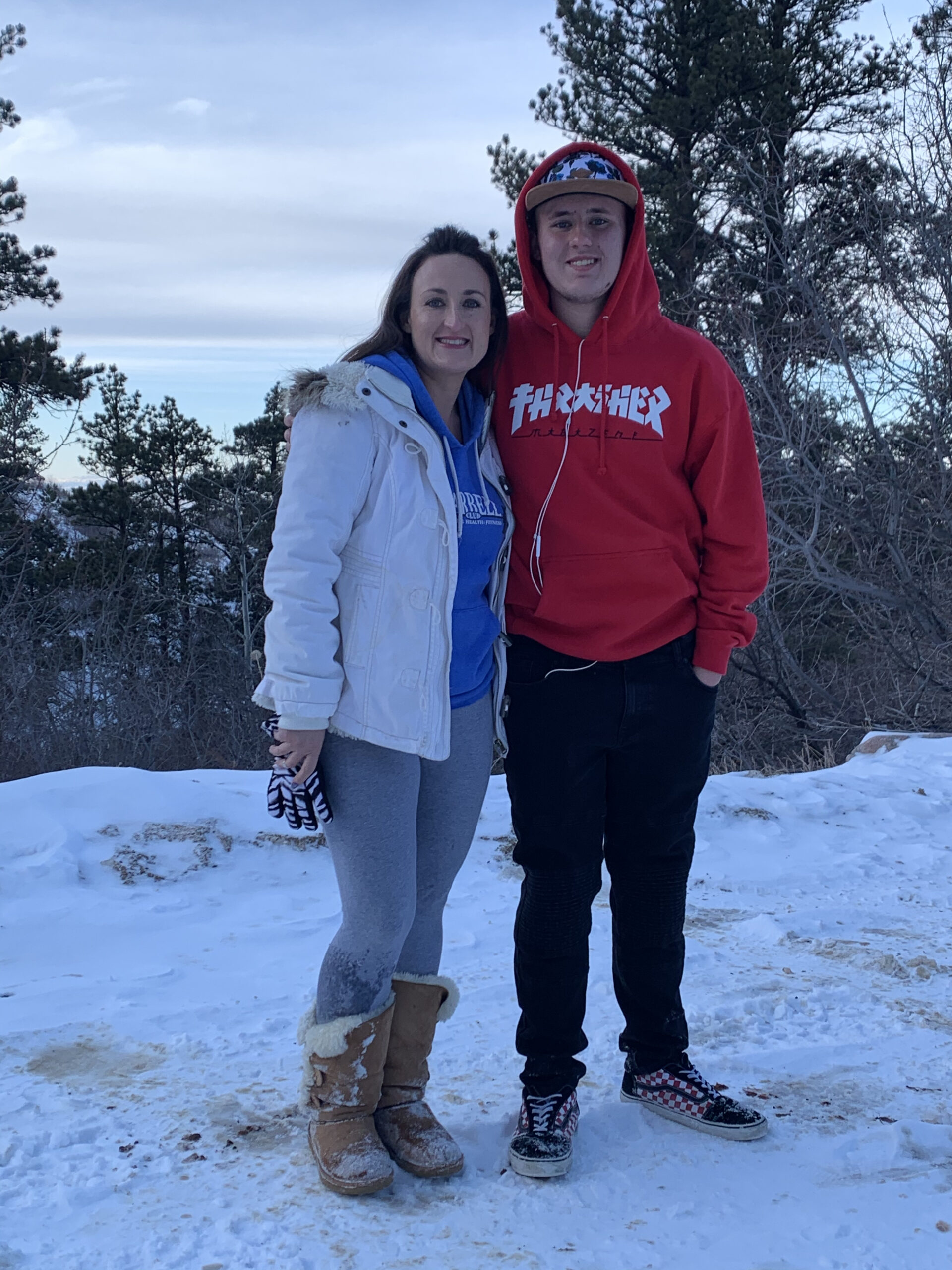 As Xander heads into his senior year of high school, his mom is starting to feel a little sad, because time always goes by so fast. Here they were, just living their life, and now…suddenly, Xander’s childhood years are almost over. Jenny and Steve rely on Xander, and they trust him. They know that he is honorable and truthful. Now, he is busy planning his future, and is considering going to trade school to become an electrician. Jenny says, “Is so hard for me to think about him leaving my house. I have tried to enjoy every moment with him.” That’s all a parent can do, and it won’t be the same once he moves out, Xander will come home for visits often, because that is where his heart is. Today is Xander’s 18th birthday. Happy birthday Xander!! Have a great day!! We love you!!

