Politics
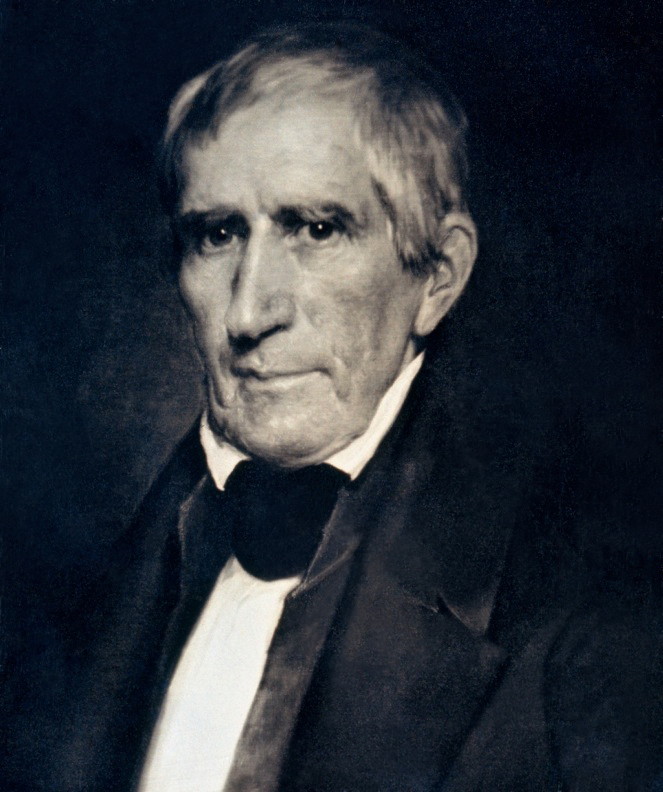
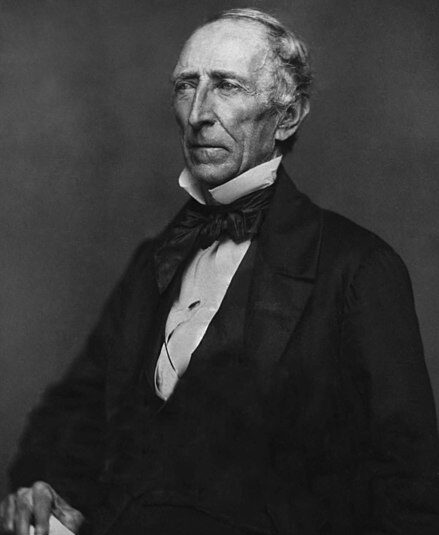 President William Harrison has the distinct record of having the shortest term in office in the history of the United States…exactly one month…from March 4, 1841 to April 4, 1841. His death and the immediate swearing in of his vice president, John Tyler on April 6, 1841, made Tyler the first vice president to immediately assume the role of president after a sitting president’s untimely exit and set the precedent for succession thereafter. It is thought that his illness was caused by the bad weather at his inauguration three weeks earlier, however, on Wednesday, March 24, 1841, Harrison took his daily morning walk to local markets, without a coat or hat. Despite being caught in a sudden rainstorm, he did not change his wet clothes upon return to the White House. He first fell ill with cold-like symptoms on Friday, March 26. His aids sent for his doctor, Thomas Miller. Harrison told the doctor he felt better after having taken medication for “fatigue and mental anxiety.” He might well have recovered from the cold, flu, or pneumonia that he was sick with at first, but to further complicate matters, Miller’s notes and records, found that the White House water supply was downstream of public sewage. With that newly revealed information, the conclusion now is that he likely died of septic shock due to “enteric fever” (typhoid or paratyphoid fever).
When Tyler took over, not everyone was happy about it. Tyler was a loyal supporter and advocate of states’ rights, including regarding slavery, and he adopted nationalistic policies as president only when they did not infringe on the powers of the states. His unexpected rise to the presidency posed a threat to the presidential ambitions of Henry Clay and other Whig politicians, and left Tyler estranged from both of the nation’s major political parties at the time. It was quite a predicament. When Tyler vetoed his fellow Whigs’ attempt to reestablish the National Bank, most of his cabinet resigned and he was thrown out of the Whig Party. What a 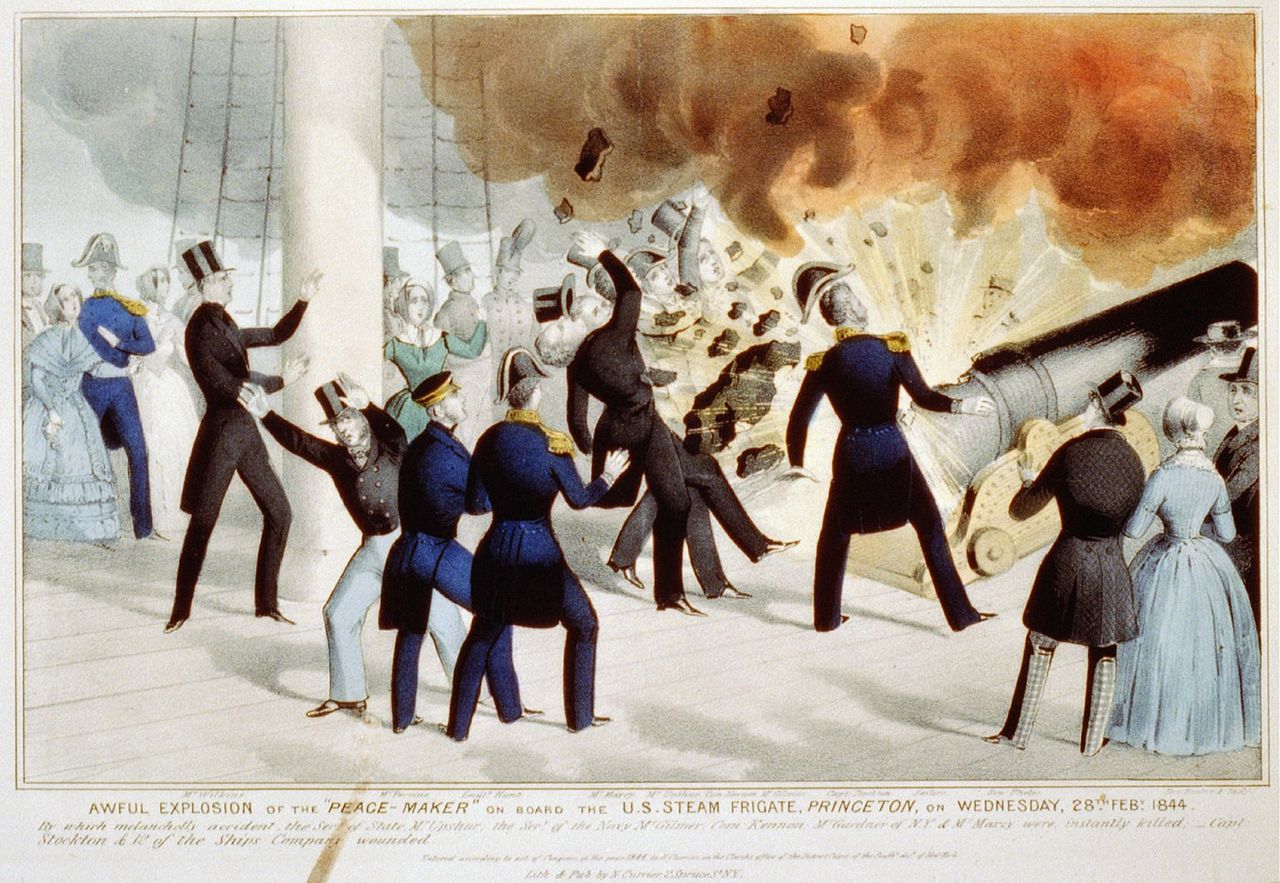 shock that must have been!! Tyler had already lost the support of the Democrats by denouncing Andrew Jackson’s policies as well, so Tyler became a president without a party. He began receiving death threats from both sides and quickly earned the enmity of Congress. His four years in office were chaotic. Nevertheless, he is credited with settling Canadian border disputes with Britain and beginning the annexation of Texas. Obviously, Tyler did not win a second term.
In 1844, during a cruise down the Potomac aboard the newly commissioned steam frigate USS Princeton, Tyler himself narrowly escaped death when the ships state-of-the-art cannon, called the Peacemaker, exploded as the crew fired a celebratory salute. The accident killed several people aboard, including two members of Tyler’s cabinet and his future wife’s father. Tyler was married twice. His first wife, Letitia Christian passed away in 1842, and he married Julia Gardiner in 1844. Between his two marriages, Tyler produced 15 children. Tyler’s unexpected ascendance to the presidency and the near-miss aboard the Princeton earned him the nickname of His Accidency.
After leaving the White House, Tyler retired to a Virginia plantation, originally named Walnut Grove (or “the Grove”), located on the James River in Charles City County. He renamed it Sherwood Forest, in a reference to the folk legend Robin Hood, to signify that he had been “outlawed” by the Whig Party. Tyler tried to broker a peace convention between the North and South on the eve of the Civil War, but he failed to reach an agreement with Abraham Lincoln on key issues. Denounced as a traitor by the North, Tyler fell in line with southern secessionists and, in 1861, was elected to the Confederate House of Representatives. Tyler suffered from poor health throughout his life. He was susceptible to colds and that got worse as he got older. On January 12, 1862, 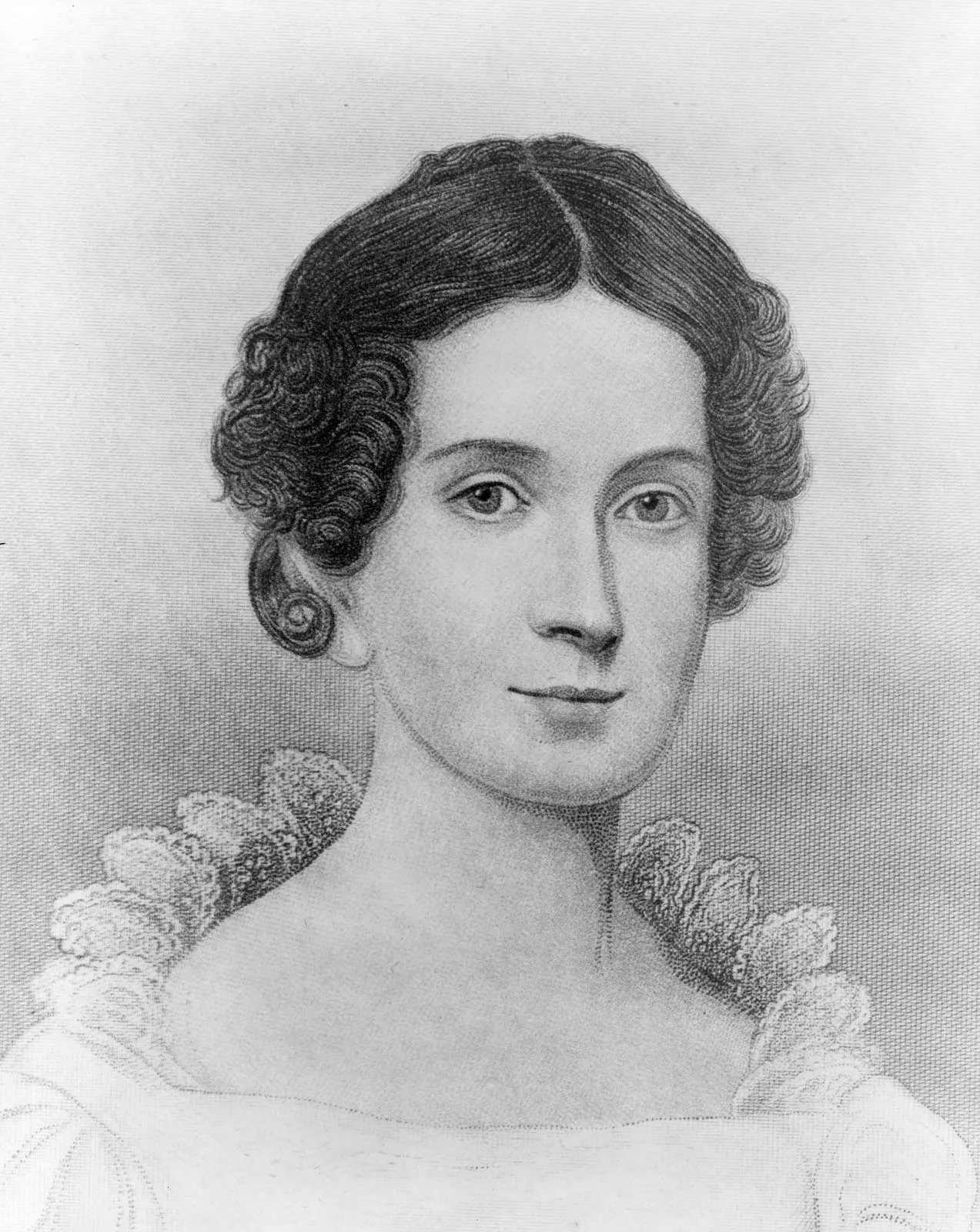
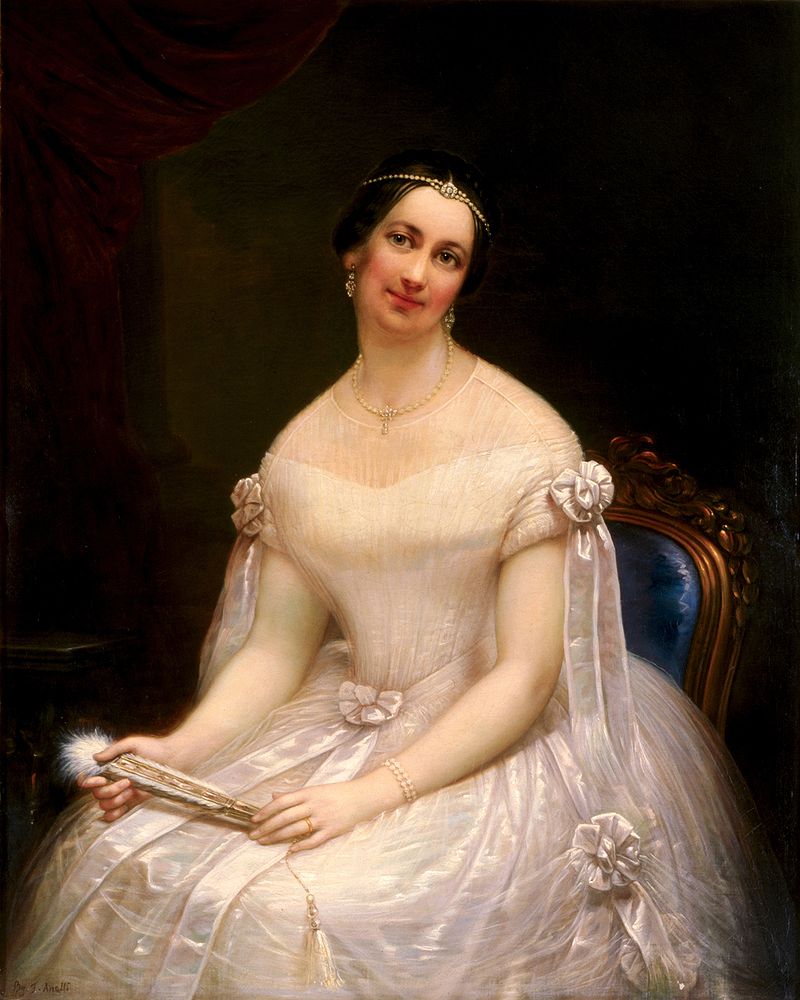 after complaining of chills and dizziness, he vomited and collapsed. Despite treatment, his health failed to improve, and he made plans to return to Sherwood Forest by the 18th. As he lay in bed the night before, he began suffocating, and Julia summoned his doctor. Just after midnight, Tyler took a sip of brandy, and told his doctor, “Doctor, I am going”, to which the doctor replied, “I hope not, Sir.” Tyler then said, “Perhaps it is best.” He died shortly thereafter, most likely due to a stroke. He was 71. His death occurred on January 18, 1862. Tyler’s death was the only one in presidential history not to be officially recognized in Washington, because by then, his allegiance was to the Confederate States of America.
 People are free to call it whatever they want to, but I prefer to follow the Biblical version, in which Joseph was warned in a dream, to move his son, Jesus to Egypt, because the Pharaoh was looking for Him so he could kill Him. Joseph heeded the warning. and the family moved immediately…like in the middle of the night, while those who were a danger to him were sleeping. Thankfully Joseph heeded that dream. Just imagine our world if he had not.
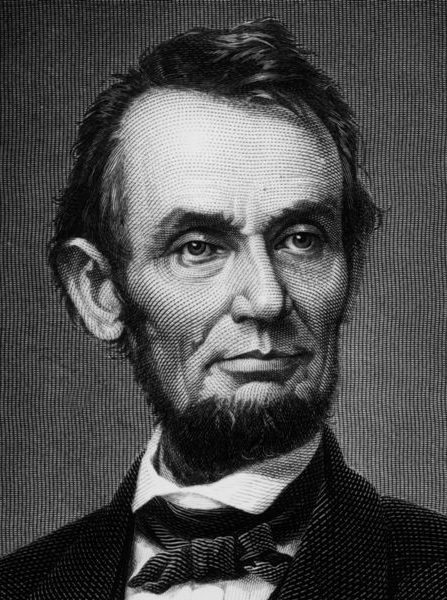
There have been other people who have had dream warnings, or prophetic dreams, whether a warning or a great blessing that was coming their way. I believe that our dreams can be a matter of God talking to us. President Abraham Lincoln was one of those people who had a prophetic dream, and it has been well documented through the years, for those of us who have chosen to listen. President Lincoln had his dream on April 4, 1865, and the dream was so troubling that he actually told it to a number of people including his wife, Mary Todd Lincoln and his former law partner, Ward Hill Lamon on April 11, 1865.
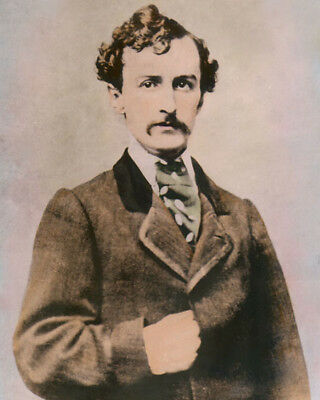
According to Lamon’s recollection, President Abraham Lincoln dreams on this night in 1865 “of ‘the subdued sobs of mourners’ and a corpse lying on a catafalque in the White House East Room.” In the dream, Lincoln asked a soldier standing guard “Who is dead in the White House?” to which the soldier replied, “the President. He was killed by an assassin.” Lincoln woke up at that point. On April 11, he told Lamon that the dream had “strangely annoyed” him ever since. Ten days after having the dream, Lincoln was shot dead by an assassin while attending the theater. Abraham Lincoln was shot by John Wilkes Booth while attending a play at Ford’s Theater in Washington DC on April 14, 1865. His assassination was the only successful leg in a conspiracy that also intended on capturing or killing Vice President Andrew Johnson and Secretary of State William Seward.
Interestingly, Lincoln supposedly later insisted to Lamon that the body on display was not his own…so he, himself did not view the dream as a warning of his own death. Some historians have discounted Lamon’s account, which was first published in the 1880s, nearly 20 years after the assassination. Nevertheless, Lamon claimed to have reconstructed the incident based on notes he made in 1865. I suppose the historians believe that since neither he nor Mary Lincoln mentioned the dream right after the president’s murder, it must not have been true. I believe that it was true, and that they were in such shock, that it never occurred to them to bring it up. Still, it is well known that Lincoln was a dreamer and was apparently quite interested in the meaning of dreams and what they have to say about future events both positive and negative. Proof of his curiosity lies in an 1863 letter to his wife, who at the time was in Philadelphia with their 10-year-old son, Tad. Lincoln writes that Mary had better “put Tad’s pistol away” as he “had an ugly dream about him.” Moreover, members of Lincoln’s cabinet recalled that, on the morning of his assassination, the president told them he’d dreamed of sailing across an unknown body of water at great speed. He also apparently revealed that he’d had the same dream repeatedly on previous occasions, before “nearly every great and important event of the War.”
The Secret Service was formed as a result of that assassination, but just imagine if they had all heeded the dream warning and placed a better guard around President Lincoln. If those he told of the dream, had considered the possibility of missing the play, or posted guards around the president, how different could have been the outcome. The world will never know, because one of our greatest presidents was gone before he could finish his second term in office. Lincoln was a very popular president. In his run against Democrat, George B 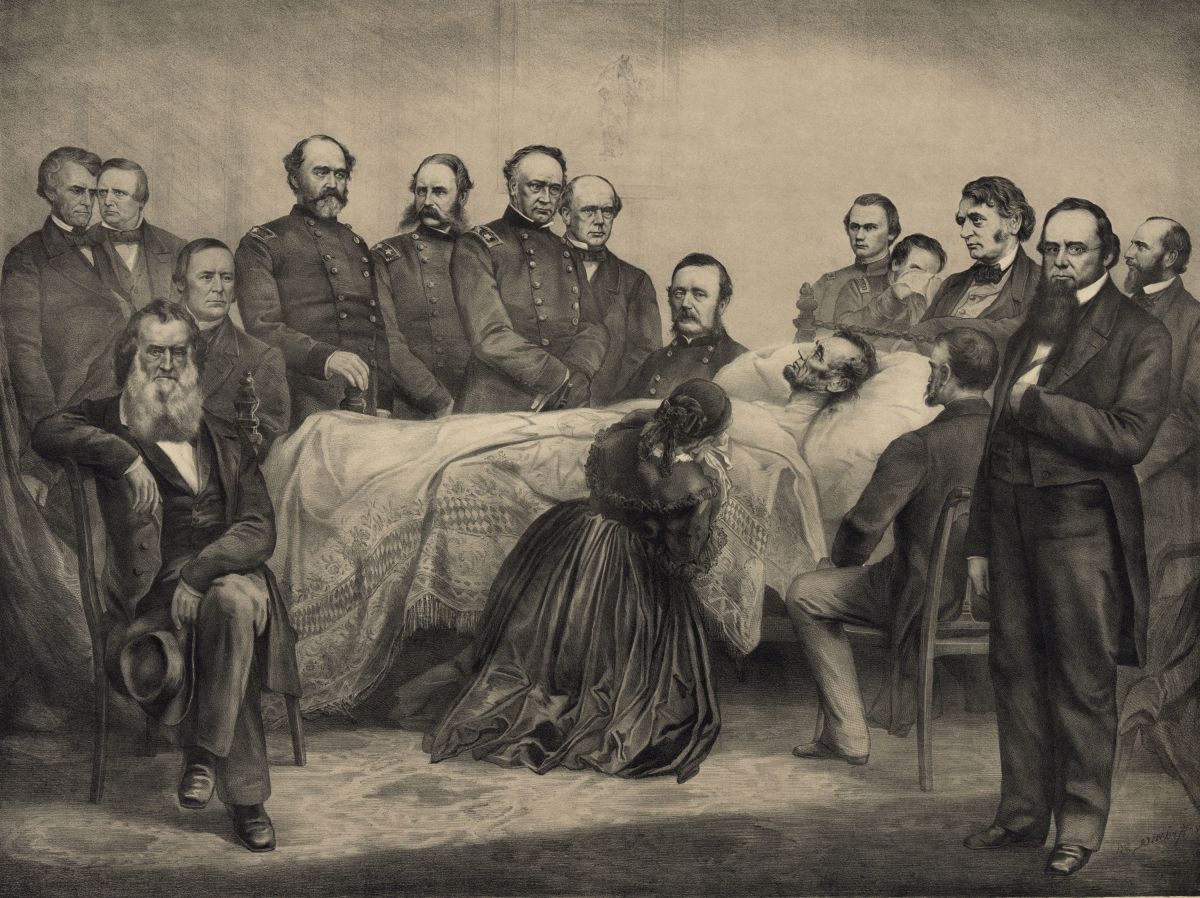
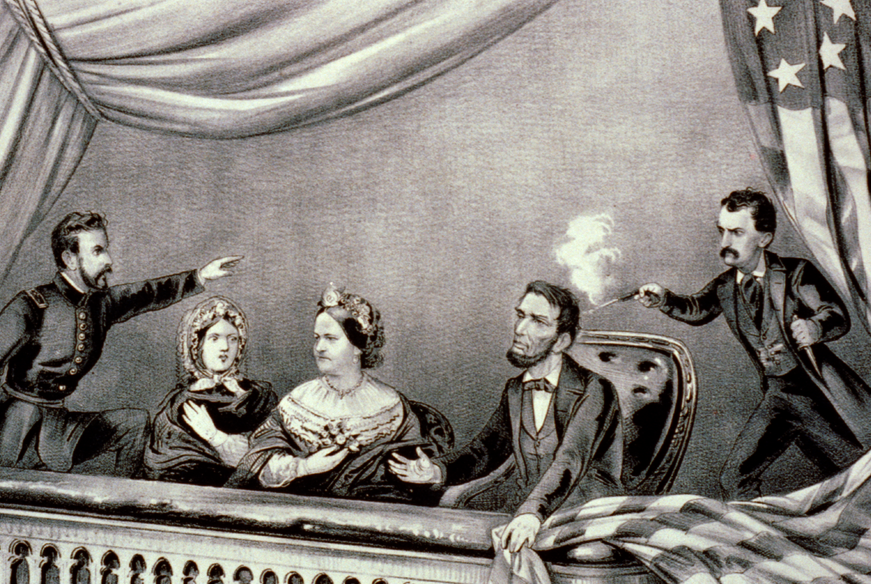 McClellan, Lincoln carried all but three states (Kentucky, New Jersey, and Delaware), and won 55 percent of the vote. He won 212 electoral votes to McClellan’s 21, which goes to show that most of the people approved of his anti-slavery policies, as opposed to the Democrats, who wanted to keep slavery, and who fought against the slaves and minority races…and still do, even to this day.
 Many people believe that there was no good reason for the war in Vietnam. It seemed like a war we were not going to be allowed to win, and many thought it should have been one we just stayed out of. Vietnam became a French colony in 1877 with the founding of French Indochina, which included Tonkin, Annam, Cochin China and Cambodia…Laos was added in 1893. The French lost control of their colony briefly during World War II, when Japanese troops occupied Vietnam.
After the war, Japan and France continued to fight over Vietnam. Ho Chi Minh, a revolutionary leader inspired by Lenin’s Bolshevik Revolution began forming an independence movement. He established the League for the Independence of Vietnam, better known as the Viet Minh, in May of 1941. On September 2, 1945, he declared Vietnam’s independence from France, just hours after Japan’s surrender in World War II. When the French rejected his plan, the Viet Minh resorted to guerilla warfare to fight for an independent Vietnam.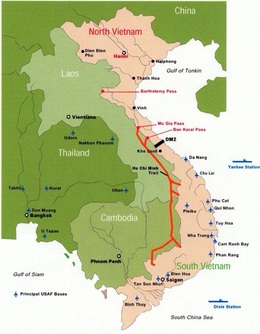
One of the most well-known campaigns of the Vietnam War was codenamed Operation Rolling Thunder. It was an American bombing campaign in which US military aircraft attacked targets throughout North Vietnam from March 1965 to October 1968. This operation was intended to put military pressure on North Vietnam’s communist leaders, thereby reducing their capacity to wage war against the US-supported government of South Vietnam. With that, operation American began its involvement began, not only its assault on North Vietnamese territory, but the expansion of US involvement in the Vietnam War.
By the 1950s, the US military began providing equipment and advisors to help the government of South Vietnam to resist a communist takeover by North Vietnam and its South Vietnam-based allies, the Viet Cong guerrilla fighters. The American military initiated limited air operations within South Vietnam in 1962, in an effort to offer air support to South Vietnamese army forces, destroy suspected Viet Cong bases, and spray herbicides such as Agent Orange to eliminate jungle cover. It was an ugly time for anyone in the area. In August 1964, President Lyndon B Johnson expanded American air operations, when he authorized retaliatory air strikes against North Vietnam following a reported attack on US warships in the Gulf of Tonkin. Later that year, Johnson approved 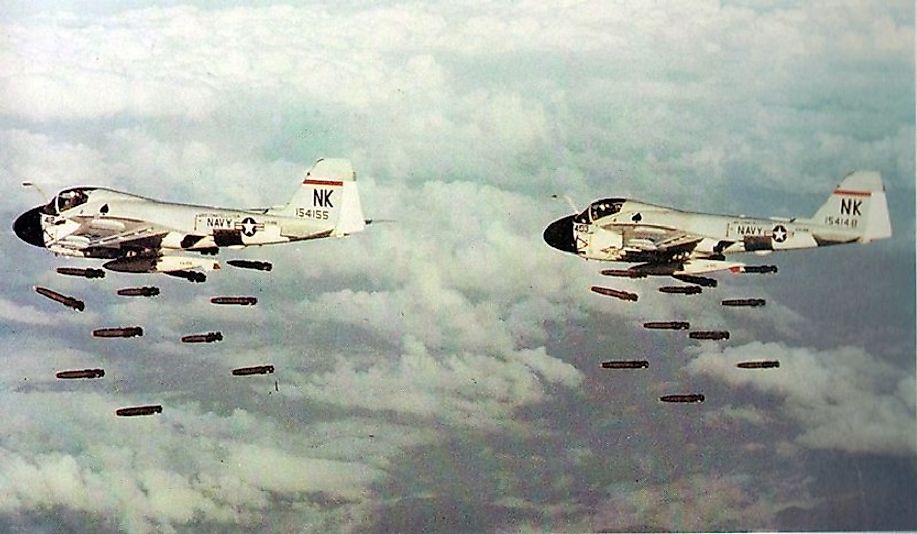 limited bombing raids on the Ho Chi Minh Trail, a network of pathways that connected North Vietnam and South Vietnam by way of neighboring Laos and Cambodia. The president’s goal was to disrupt the flow of manpower and supplies from North Vietnam to its Viet Cong allies. Nothing the United States tried really worked to remove the tensions in the area, and so in 1963, the United States withdrew from Vietnam. Unfortunately, they left behind bombs and land mines from Operation Rolling Thunder and other bombing campaigns of the Vietnam War. By some estimates, those bombs and land mines have killed or injured tens of thousands of Vietnamese people since the United States withdrew its combat troops in 1973.
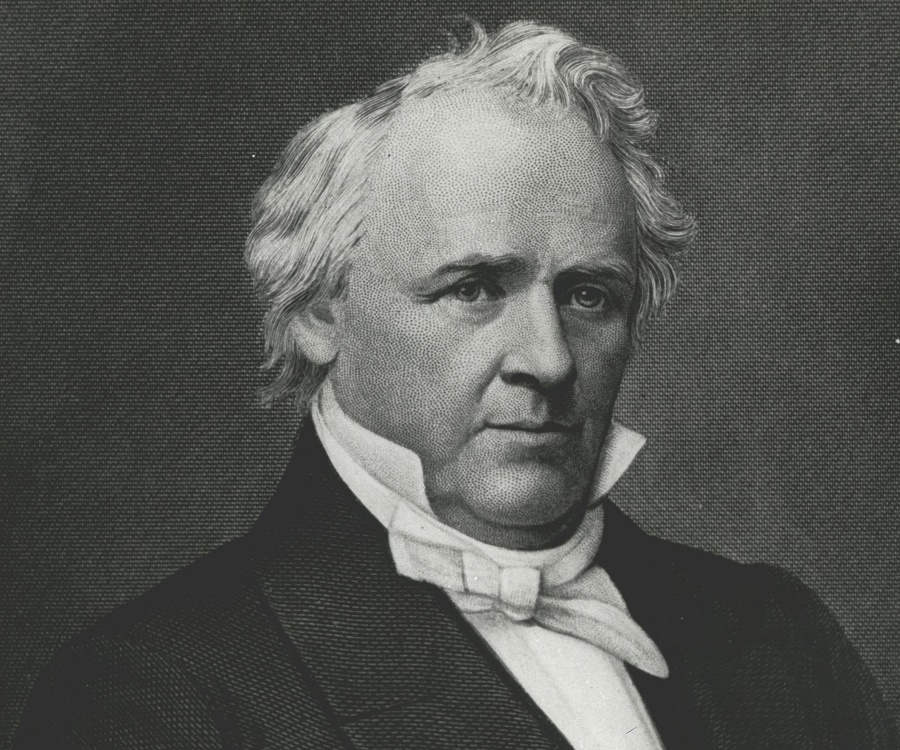
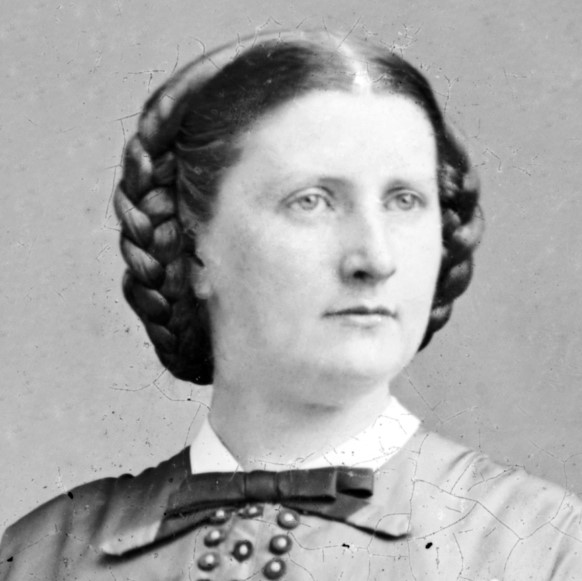 President James Buchanan was the only bachelor president of the United States, and in the absence of a first lady, his niece, Harriet Lane acted as First Lady for him. Lane was born on May 9, 1830, in Stony Batter, Pennsylvania. Her mother died when she was nine, her father when she was 11, and the orphaned girl was remanded to the custody of her mother’s brother, the future President Buchanan. He oversaw the remainder of her childhood, sending her to a prestigious private school in Washington while he was a Senator. Not only was it very unusual for a president not to have a wife, but Buchanan’s niece was only 27 years old when she was acting as first lady. For the wife of a president, that would be a big enough job, but for a young single woman, who may have never hosted a party, much less such large events, that was a big undertaking. Nevertheless, Harriet Lane was not just any young woman. During her time as First Lady, she was considered the greatest First Lady ever. Many would compare her to Jaqueline Kennedy, had they been of similar eras.
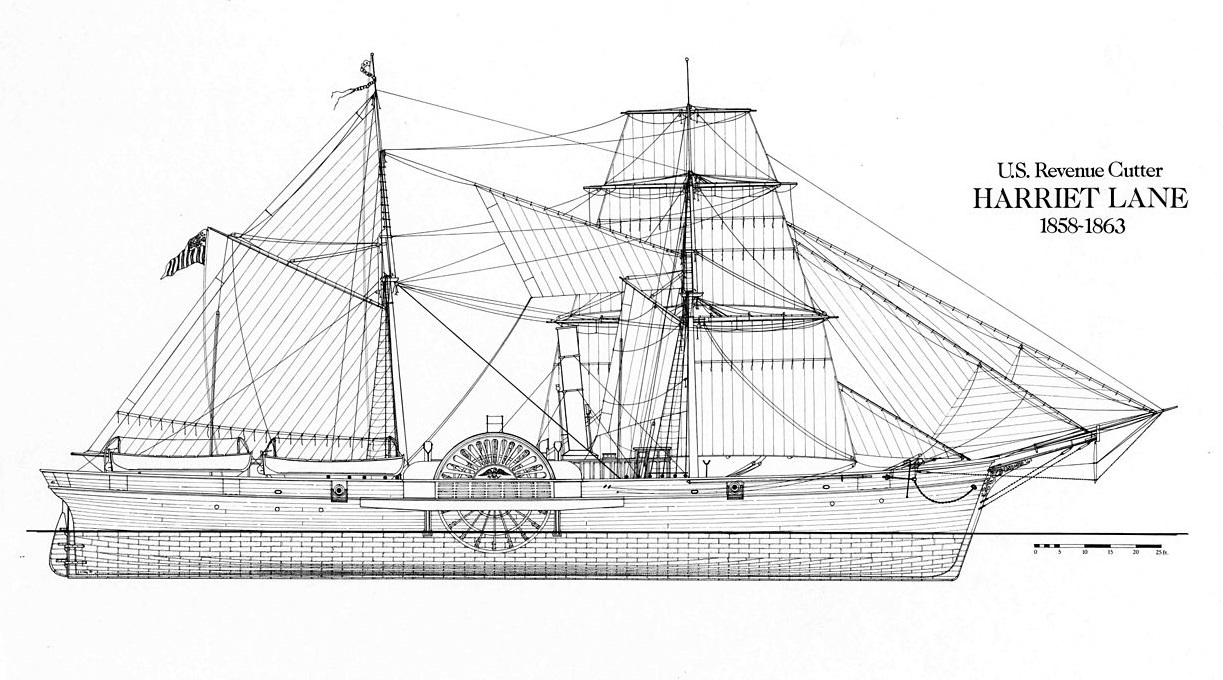
The work Harriet Lane did as First Lady also earned her the honor of having several ships named after her. In 1859, the United States Revenue Cutter Service named a revenue cutter USRC Harriet Lane. The outbreak of the Civil War, saw USRC Harriet Lane as a ship of the United States Navy and later the Confederate States Navy. The cutter was christened and entered the water for the Revenue Service in 1859 out of New York City. It saw action during the Civil War at Fort Sumter, New Orleans; Galveston, Texas; and Virginia Point. She became a ship for the Confederacy when the Confederate Navy captured her in 1863. The ship was converted to mercantile service. Then the Union forces recaptured her at the end of war. The war was not easy on USRC Harriet Lane, and so the US Navy declared the ship unfit for service and sold her. New owners out of Philadelphia renamed her Elliot Ritchie. Her crew abandoned her at sea in 1881. It was not really a very fitting end for a ship with such stately beginnings.
USRC Harriet Lane measured 177.5 feet long, 30.5 feet wide and 12 feet from the bottom of the hull to the main deck. She had a double-right-angled marine engine with two side paddles, supported by two masts. The entire ship was sheathed and fastened with copper. Her initial armaments were light guns, however after joining the West Gulf Squadron her firepower was upgraded to one four-inch rifled Parrott gun to the forecastle, one nine-inch Dahlgren gun before the first mast, two eight-inch Dahlgren Columbiads and two twenty-four-pound brass Howitzers. Her crew of 95 were also issued small arms. In August 1861, in what would likely be her most famous battle, the Harriet Lane, Monticello, and Pawnee were sent on a sortie from Hampton Roads, Virginia, to blockade runners working in the area. While off the Hatteras they also participated in the first combined arms operation of the Civil War: an amphibious landing to take Fort Hatteras and Fort Clark.
As for the real Harriet Lane, following her time as First Lady, she went to England for a while. During her time in England, Sir Fitzroy Kelly, then Prime Minister Palmerston’s attorney general, proposed marriage to her. Queen Victoria was strongly in favor of this match, as it would keep Lane in England. She was well liked in England and considered an asset. Lane considered the advantages of a number of bachelors. Her uncle cautioned Lane against “rushing precipitately into matrimonial connections.” He found most of her potential suitors “pleasant but dreadfully troublesome.” Lane eventually married Baltimore banker Henry Elliott Johnston at the age of 36. They had two sons, but between 1867 and 1885, her uncle, her husband, and her children had all died. She was alone again.
In 1895, Harriet wrote her will. She lived another eight years, during which the country’s general prosperity greatly increased the value of her estate. In 1899, she amended her will, directing that a school building be constructed on the grounds of the Washington National Cathedral property and asked that it be called the Lane-Johnston Building “to the end that the family names of my husband and myself may be associated with the bequest made in loving memory of our sons.” A codicil of 1903 increased her gift by one third, but said that 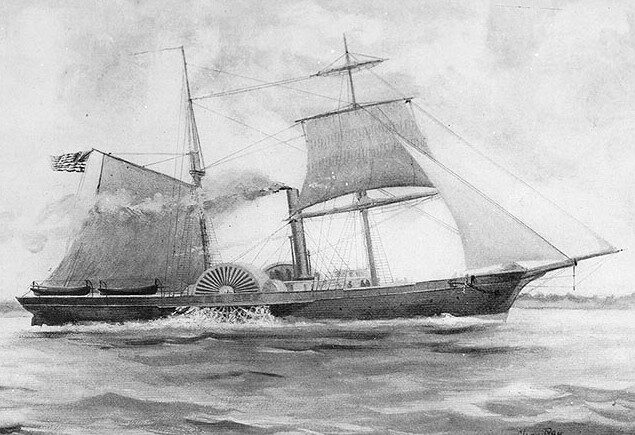
 only half the total was to be spent on the building. The remainder was “specially to provide for the free maintenance, education and training of choirboys, primarily those in service of the Cathedral.” This bequest founded the prestigious boys’ school that today is called Saint Albans School, which opened in October 1909. Harriet Lane-Johnston died of cancer on July 3, 1903, in Narragansett, Rhode Island.
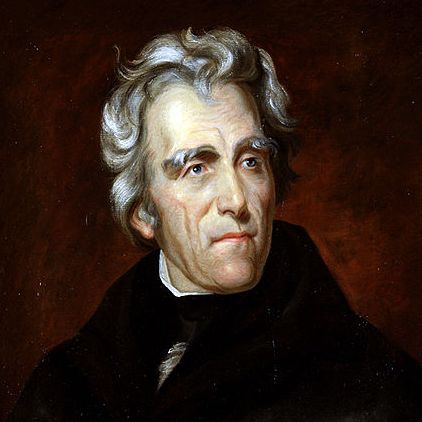
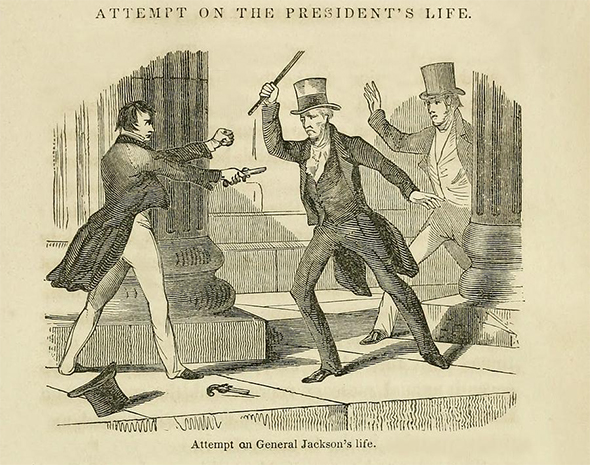 Over the course of American history, several presidents have been assassinated, and several others have survived attempted assassinations. Some were quickly treated, and others were not where the would-be assassin thought they were going to be. Still, Andrew Jackson, the seventh US president better known as “Old Hickory” was, without doubt, the most amazing one. and for good reason, as one would-be assassin found out.
On January 30, 1835, Richard Lawrence came up to the 67-year-old Jackson, as he left a congressional funeral and pulled a pistol on him. I’m sure he thought a 67-year-old man was going to be an easy target, but when he pulled the trigger, the gun misfired. While having his gun misfire was…inconvenient, Lawrence also found out that a 67-year-old man is not necessarily a weak, old man. A furious Jackson began beating the man viciously with his cane in retaliation. Then, while trying to dodge the cane wielded by Jackson, Lawrence managed to pull a second gun from his jacket and pull the trigger. I don’t know how, but Lawrence had to be either the unluckiest assassin, or a totally inept gunman, because the second gun also jammed. By this point, Jackson’s aides were able to wrestle Lawrence away and into custody. Jackson was unharmed. 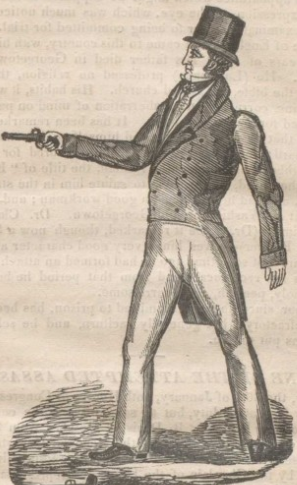
Jackson became convinced that the attempt was made at the behest of his political enemies, even though all evidence pointed to Lawrence being a mentally unstable lone wolf. I rather think I might agree with Jackson on this one, because politics can be a deadly career to get into. Jackson spent the rest of his presidency worried about another attack, while his vice president, Martin Van Buren, started carrying two loaded pistols with him into the Senate.
You can take away any opinion on this matter that you want to, but I have my own. I find it amazing that Jackon had the wherewithal to “pull” his cane on his would-be assassin, but how often to you see two different guns misfire in the commission of the same assassination. I see that situation as nothing but God. Jackson was the recipient of a double miracle. If either of those gun shots would have connected to their mark, he would surely have been dead. This was not a sniper shooter, but rather, a close-range shooter, and would have meant instant death. No, this man was divinely protected, and that’s all there is to it.
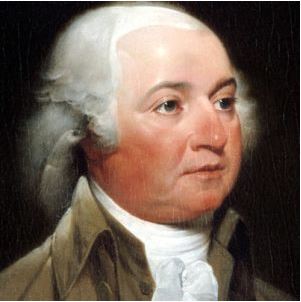
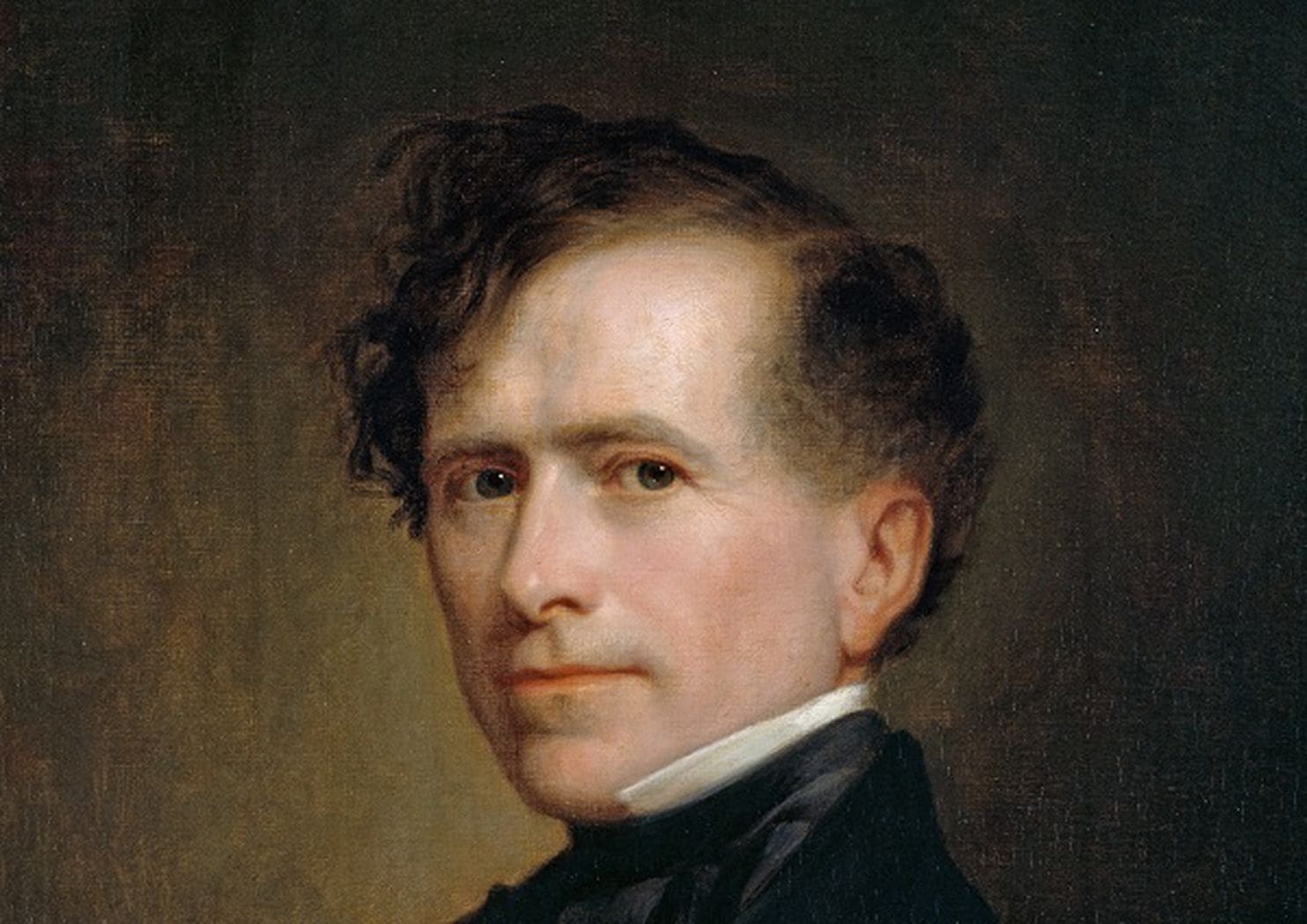
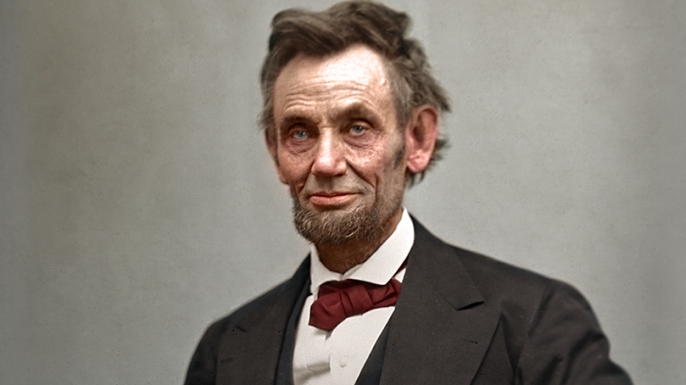 A number of presidents and their families have suffered the unthinkable during their time in the White House…the loss of a child. The Adams, Lincoln, Coolidge, and Kennedy families all suffered the loss of a child while in office; the Pierce family lost their last surviving child while en route to Washington to attend Franklin Pierce’s inauguration. John Adams’ grown son Charles died of alcoholism in 1800, shortly after the president lost his reelection bid. Thomas Jefferson’s grown daughter Mary died in 1804, three months after giving birth to her third child. Franklin Pierce lost all three of his sons at an early age. Eleven-year-old Benny, his only surviving child, was killed in a train accident in January 1853, two months before Pierce’s inauguration. Abraham Lincoln lost his son William “Willie” in 1862 in the middle of the Civil War. John F Kennedy lost his son, Patrick two days after he was born on August 7, 1963.
While it is always horrible when a child dies, whether the parents are famous or not, I find the death of Calvin Coolidge’s son to be among the saddest. While the deaths of these other presidents’ children are sad, little could have been done to change those losses. Calvin Coolidge had two sons, John (the oldest) and Calvin Jr. The boys spent the school year at boarding school, but they spent breaks from boarding school at the White House after he became president in 1923. The oldest son, John was born on September 7, 1906, and Calvin Jr was born on April 13, 1908.
On June 30, 1924, John and Calvin Jr were playing tennis on the courts at the White House. It was a hot summer day…the 91° heat was sweltering. The boys felt that it was too hot for socks, and during the game, Calvin Jr got a blood blister on one of his toes. Within a few days, Calvin Jr was not feeling well. He was diagnosed with blood poisoning…specifically a staphylococcus infection that, at the time, was usually treated with mercury. I’m no doctor, and many advances in the prevention and treatment of infections have been made 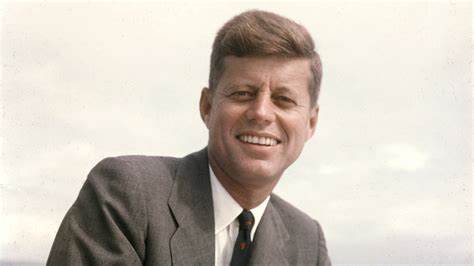
 over the years. One of the best ways to prevent a staphylococcus infection is proper hygiene…proper, frequent handwashing, and hygiene…or in this case, washing the toe several times a day. The feet are often a breeding ground for bacteria, because they are constantly in a hot, sweaty shoe.
By July 2, Calvin Jr was limping, running a fever, and had swollen glands in his groin. The blister on his third toe darkened, swelled to the size of a thumbnail, and red lines streaked his legs. This was in the days before antibiotics, and Alexander Fleming’s discovery of penicillin was still four years off. In the words of the attending presidential physician, Calvin Jr was “in trouble.” As Calvin Jr battled sepsis for a week, his father battled despair and really pure panic. It was the kind of agony that only a parent who has lost a child can really understand. Calvin Sr tried to trust that his son was getting “all that medical science” could offer and tried to keep up hope that “he may be better in a few days,” but Calvin Jr passed away at Walter Reed Army General Hospital on July 7, 1924.
President Coolidge and his wife, Grace, were at Calvin Jr’s bedside when he passed, and according to observers, the president’s face resembled “the bleak desolation of cold November rain beating on gray Vermont granite.” Their hearts were broken, and the President often wept, looking out his window where Calvin Jr once played tennis. It was his thought that if he hadn’t been president, his son would have been with them still. He said, “We do not know what would have happened to him under other circumstances, but if I had not been President, he would not have raised a blister on his toe, which resulted in blood poisoning, playing lawn tennis on the South Grounds.”
Starting to live life again after such a horrific loss is never easy, and many people really never make that return 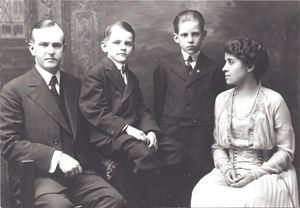
 to life. Trying to grieve the loss of a child in such a public setting would be excruciating, and I can’t imagine being forced to live that way. Nevertheless, while much of the wind went out of their sails, the Coolidge family did go forward, as their son would have wanted them to. It’s what a family does. John married and had two daughters…Cynthia and Lydia. The daughters gave President two grandsons and a granddaughter. I think Calvin Jr would be pleased to know that they went forward to live a good life.
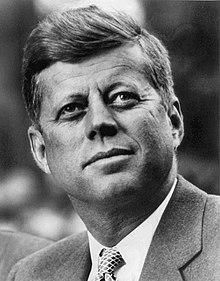
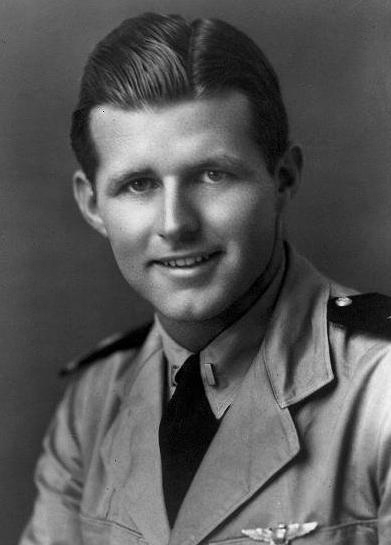 John F Kennedy never really wanted to be the President of the United States, but his dad wanted one of his sons, and maybe more that one of his sons to be the president, and Joseph Kennedy Sr made that fact well known to his boys. It was always assumed that Joseph Kennedy Jr would be the son to make their dad’s dreams come true, but life doesn’t always go quite the way we planned it.
Joseph Kennedy Jr was the Golden Boy, touted by his father as a child destined to be “the future president of the nation.” He was a skilled athlete, charismatic, and intelligent, he was educated at Harvard and the London School of Economics. His father had groomed him to be president from a very young age, but it was not to be. When World War II drew the United States in, Joe Jr felt called to enlist. He joined the US Navy in 1941, and in 1943 was sent to England, where he flew with the British Naval Command and volunteered to take part in Operation Aphrodite.
Operation Aphrodite and Operation Anvil were the “World War II code names of United States Army Air Forces and United States Navy operations to use Boeing B-17 Flying Fortress and Consolidated PB4Y bombers as precision-guided munitions against bunkers and other hardened/reinforced enemy facilities, such as “Crossbow” operations against German long-range missiles,” specifically the V-3 Super Gun that Hitler was having built. During one of his missions, on August 12, 1944, the explosives aboard a plane flown by Joe Jr detonated early, and the eldest Kennedy son was gone.
As the second-oldest son in the Kennedy family, John F Kennedy was aware that the political aspirations of his father, Joe Sr, rested heavily on his older brother, Joseph P Kennedy Jr. When his brother was killed during WWII, John was also aware that the political torch had just passed to him…and so it did. It didn’t matter that John “was sickly – described by the family patriarch as ‘a very frail boy’ with ‘various troubles’ – and less willing to conform to his father’s will, he had been educated in much the same way as his older brother and was politically astute.” John had always been more of a passive observer. John apparently told one of his friends, “Now the burden falls on me.” Later, in an interview, he recalled what it was like to be shifted into his father’s spotlight, saying, “It was like being drafted. My father wanted his oldest son in politics. ‘Wanted’ isn’t the right word. He demanded it. You know my father.”
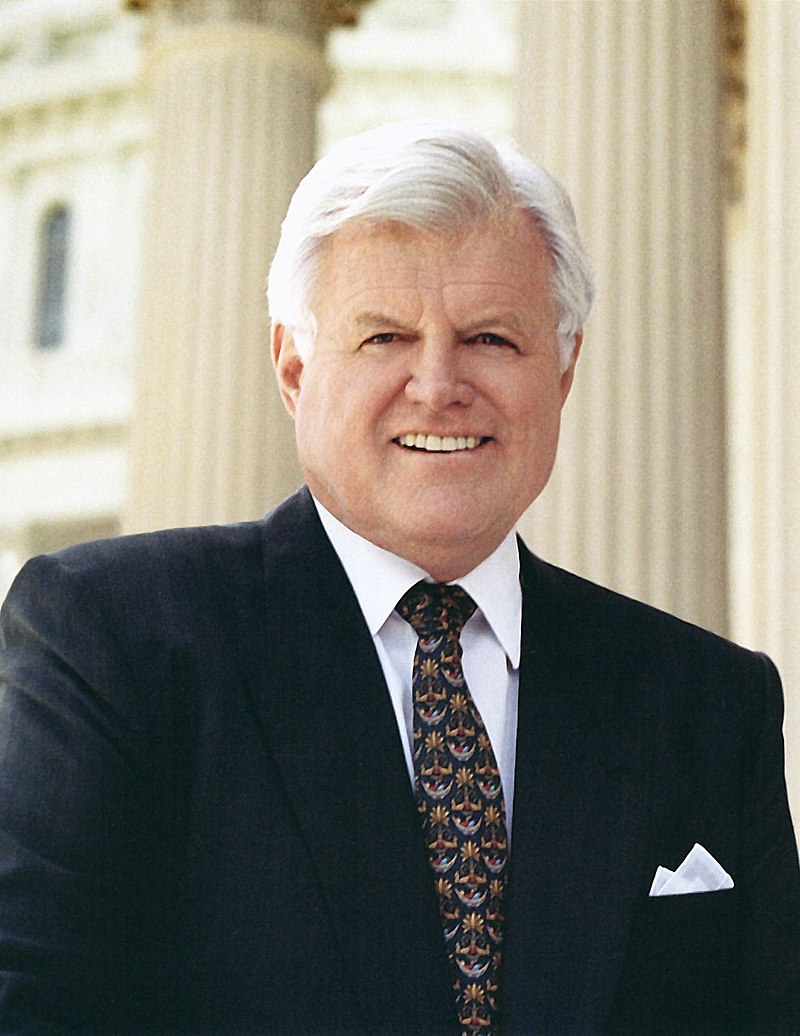
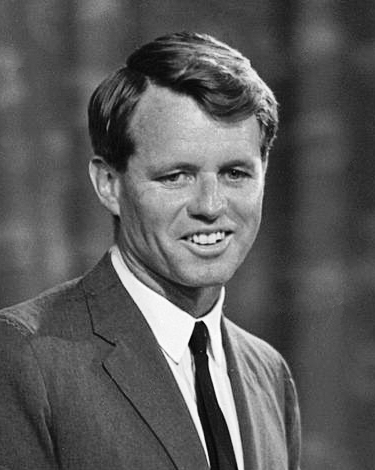
By 1947, John Kennedy was a member of the US Congress, the first office he held as he began his journey to becoming the President of the United States in 1960. His father was very determined and would stop at nothing to be able to say, “my son the President of the United States.” He also wanted his other sons, Robert and Ted to be in politics as well. Joe Sr’s “push of his sons” really was the indirect cause of the deaths of John and Robert, in my opinion. Of course, there were other factors, as we all know, but for them, being thrust into the spotlight did place a target on their backs. I don’t know if Robert and Ted were originally interested in politics, but the influence of their dad had to have played a big part in their future political lives.
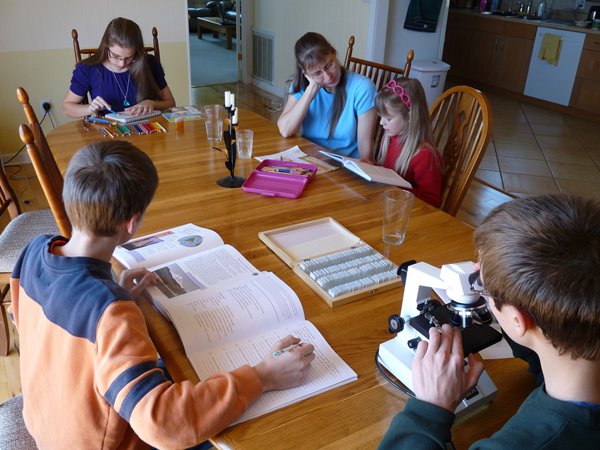
 As we come to a close in the year 2021, I think most of us would agree that this was one tough year, but then again, not as bad as 2020. So many things are in total disarray, and most people are unhappy with the direction our country is headed. Nevertheless, as Americans, we are ever hopeful for the future. It’s just in our nature. We are looking to the future of elections, times after Covid, and times when thing can get back to normal.
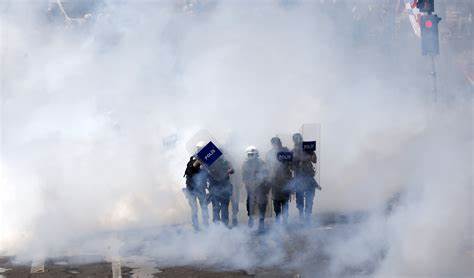
While this has been a tough year, it has also been a year of fire. I suppose that could sound odd, but everyone has had to make their own decisions about things like school, health, jobs, and church. Some of these decisions were very difficult, and it felt like being thrown into the fire. Many have found themselves in trouble with everyone from family to Facebook. Posts have been deleted and friends have chosen to unfriend us…and yet, we stand. We must stand…or we will never be able to stand again. If we fail to use te freedoms and rights that belong to us, they might just be taken away from us. There just comes a time when you must choose to fight for what you believe in. And then there were the forest fires, the December tornadoes, the earthquakes in odd places, and the volcanoes…including a brand new one in Iceland. Things are getting pretty wild around here.
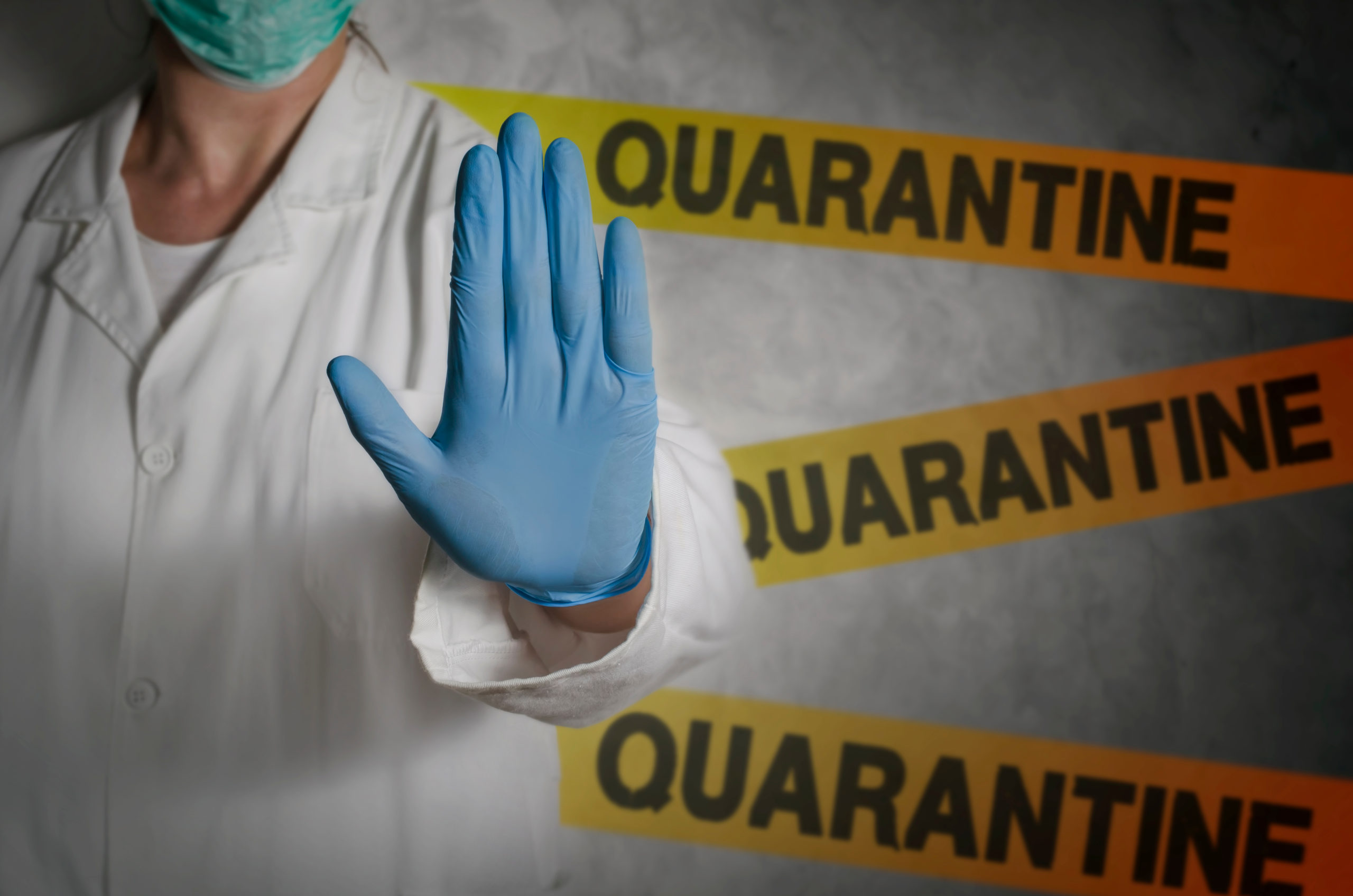
This has been a hard year. We have lost loved ones and friends, and yet we have learned to stand strong. We have comforted those who have lost loved ones. Helped those in quarantine. We have delivered groceries, meds, and meals. In essence, we have become good neighbors in the face of all the riots and hate. We have proven that we, as Americans will continue to be America-Strong. Yes, I think we are all ready to say goodbye 
 to 2021, and very ready to bring in 2022. I suppose that is because no matter how bad this year has been, we know that much has changed in a good way. Many things have been exposed and will continue to be exposed. What has been hidden is coming to light and will continue to do so. I really expect the year 2022 to be an amazing year, full of promise, and I am looking forward to what is to come. Tonight, I encourage you to stay hopeful and prepare for great days ahead.
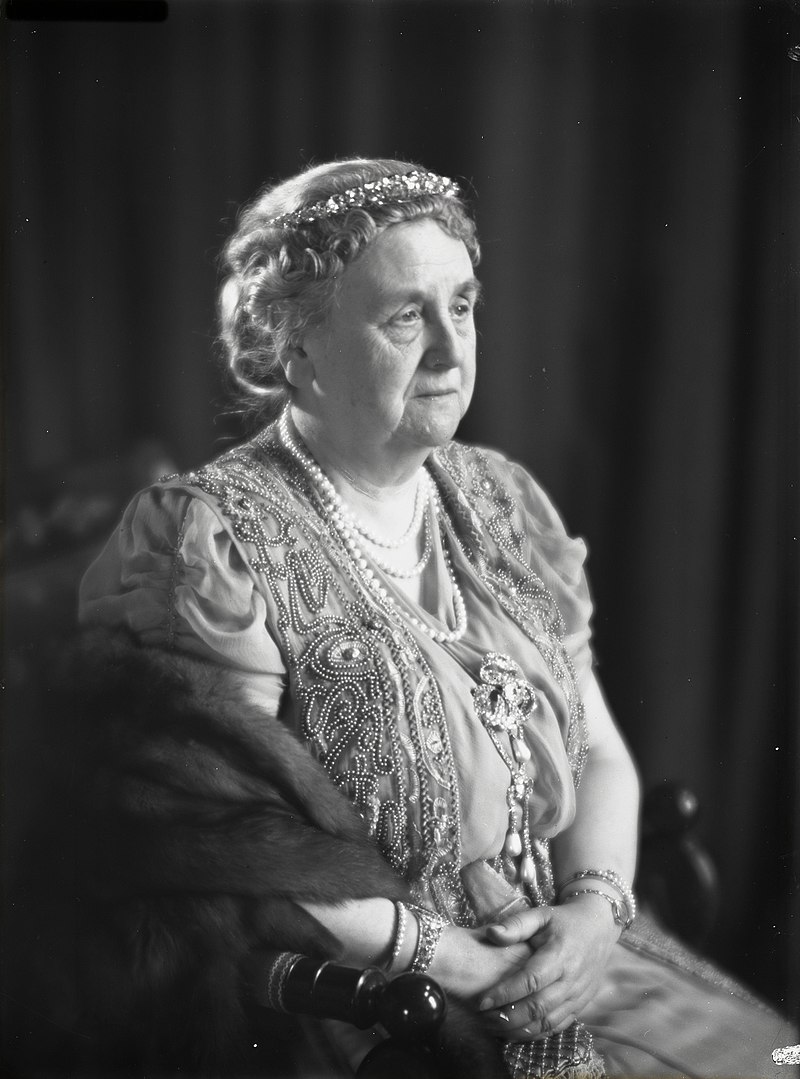 When a monarch becomes incapacitated or becomes monarch while under the age of 18, they can be placed under a regency, which became the normal procedure in 1937, with the passing of The Regency Acts. Prior to 1937, Regency Acts were passed only when necessary to deal with a specific situation. The Regency Act simply placed an adult, often a parent, or in the case of an incapacitated monarch, a spouse, in an advisory position over the monarch. The passing of The Recency Acts of 1937 made the procedure easier, because they realized that it could happen at any time.
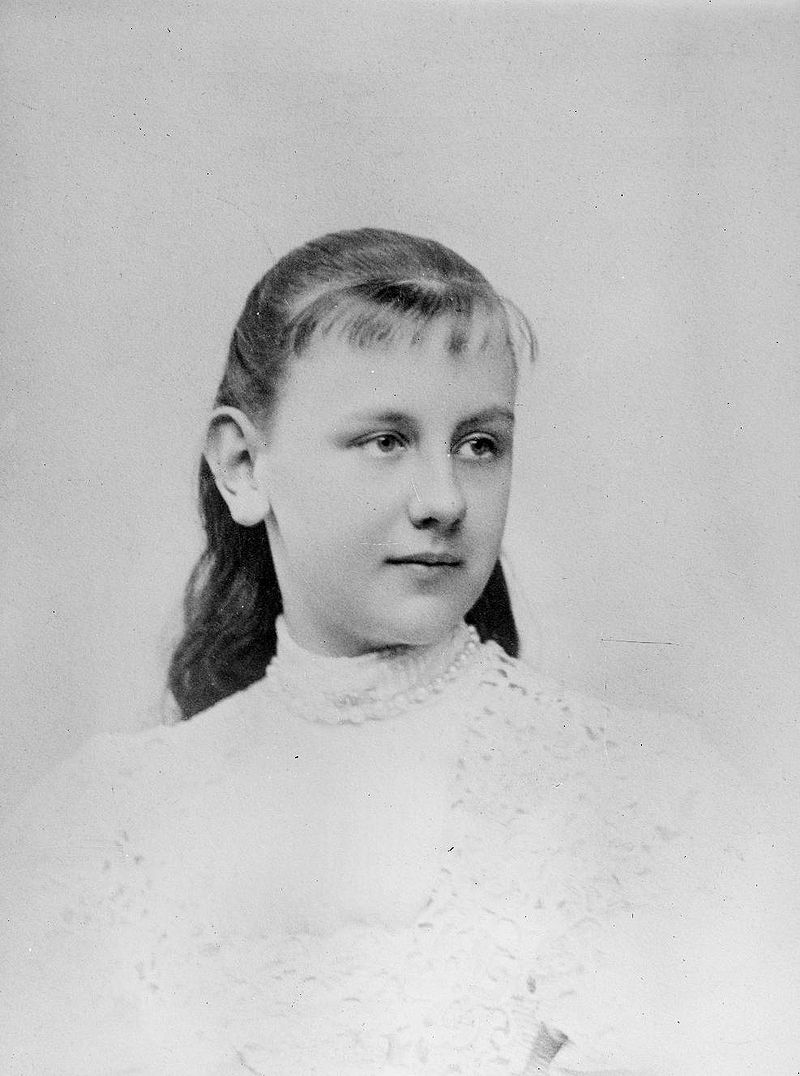
Wilhelmina Helena Pauline Maria, born August 31, 1880, was Queen of the Netherlands from 1890 until her abdication in 1948…reigning for nearly 58 years. Her reign was longer than any other Dutch monarch. The First and the Second World Wars, as well as the Dutch economic crisis of 1933, all took place during her reign. The really unusual thing about Queen Wilhelmina was that she became queen at the tender age of just 10 years old, under her mother, Emma of Waldeck and Pyrmont’s regency. Her father, King William III’s passing in 1890 brought about her ascension to the throne. Wilhelmina was their only child, and just a little girl, but that did not mean that she was incapable.
Following her ascension to the throne, Wilhelmina proved herself to be a great monarch. In a popular decision, she maintained Dutch neutrality during the First World War, while also solving many of her country’s industrial problems. Her successful business ventures made her the world’s first female billionaire in dollars. She also ensured that her family was one of seven European royal houses remaining in existence to this day. Of course, all that didn’t save her country from the German invasion of the Netherlands in 1940. At that time, Queen Wilhelmina was encouraged to flee to Britain, where she took charge of the Dutch government-in-exile. That did not mean that she was out of the spotlight and out of reach to her people. She frequently spoke to the nation over radio and came to be regarded as a symbol of the resistance. By 1948, she had already returned to the liberated Netherlands. She was the only survivor of the 16 monarchs who were sitting on their thrones at the time of her coronation.
By 1948, with her health declining, Wilhelmina abdicated the throne in favor of her daughter Juliana in 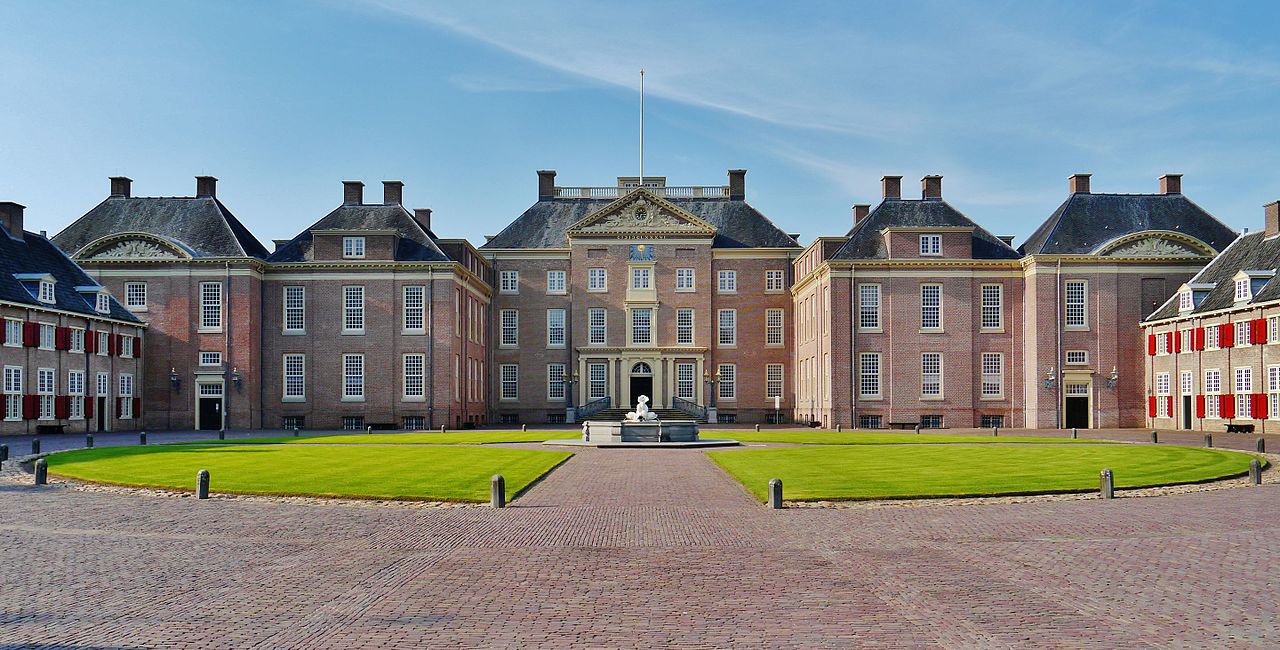 September of that year, and she retired to Het Loo Palace, where she died of cardiac arrest at the age of 82 on November 28, 1962. She was buried in the Dutch royal family crypt in the Nieuwe Kerk in Delft, on December 8, 1962. At her request and contrary to protocol, the funeral was completely in white to give expression to her belief that earthly death was the beginning of eternal life…something I really like. According to German Salic law, the House of Orange-Nassau-Dietz became extinct upon her death, but this rule is not recognized by royal Dutch succession laws. That law seems odd to me considering that her daughter, became queen after she abdicated.
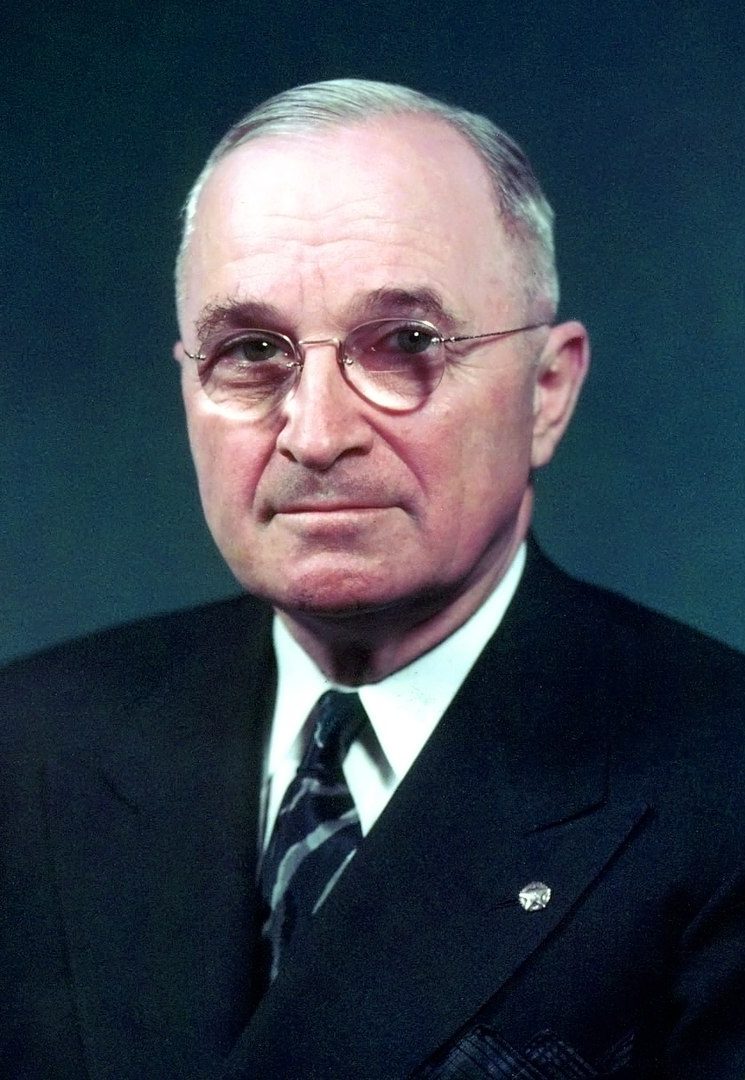 Some presidents are destined to greatness, and some are thrown into it. Some qualify in both categories. President Harry S Truman was born in Lamar, Missouri, on May 8, 1884. He was the oldest child of John Anderson Truman and Martha Ellen Young Truman. As is often tradition in families, he was named for his maternal uncle, Harrison “Harry” Young. His middle initial, “S” was to honor his grandfathers, Anderson Shipp Truman and Solomon Young. Truman’s brother, John Vivian, was born soon after he was, followed by sister Mary Jane.
President Truman was the 33rd President of the United States, becoming president after the death of President Franklin D Roosevelt. He was a lifetime Democrat, although he might not recognize the party today, and as we have seen, there are good and bad politicians in both parties. Following the death of Roosevelt, who was rather anti-Israel, Truman implemented the Marshall Plan to rebuild the economy of Western Europe and established both the Truman Doctrine and NATO to contain the expansion of communism. He went on to propose numerous liberal domestic reforms, but few were enacted by the Conservative Coalition that dominated the Congress at 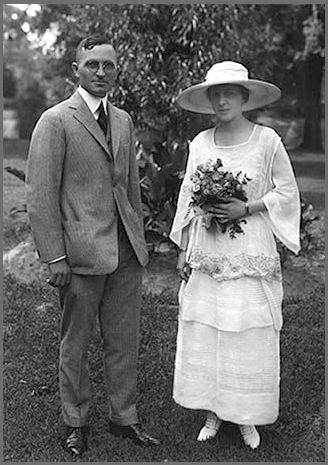 that time. While some of his policies, were not good for America or the world, he was known for his support of Israel. On May 14, 1948, Prime Minister David Ben-Gurion read the proclamation of nationhood. Striking the speaker’s table for emphasis, he announced, “The name of our state shall be Israel.” It was a noble effort, but the new state would need to be recognized to carry much weight.
Shortly before making his speech, President Truman made some last-minute changes, which are still visible on the speech. The American statement recognized the new State of Israel. Israel’s American recognition came shortly after midnight in Palestine, just a few minutes after the new nation was proclaimed. There were a number of nations who did not want Israel to be a nation again, but President Truman took matters into his own hands, and it became a reality. For his help, President Truman was gifted a Torah from Dr Chaim Weizmann, who was the first president of the new state of Israel, during Weizmann’s visit to the White House on May 25th, 1948. I suppose some people might disagree, but for me, this was the crowning moment of Truman’s presidency.
After his wartime service, Truman returned to Independence, where he married Bess Wallace on June 28, 1919. 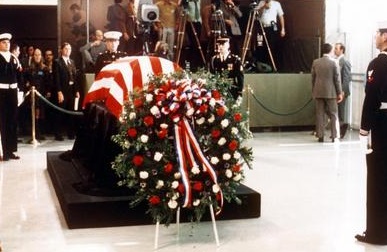 The couple had one child, Mary Margaret Truman. On December 5, 1972, Truman was admitted to Kansas City’s Research Hospital and Medical Center with pneumonia. He developed multiple organ failure, fell into a coma, and died at 7:50am on December 26, 1972, in Independence, Missouri at the age of 88. Bess Truman opted for a simple private service at the library rather than a state funeral in Washington. A week after the funeral, foreign dignitaries and Washington officials attended a memorial service at Washington National Cathedral. Bess died in 1982 and is buried next to Harry at the Harry S Truman Library and Museum in Independence, Missouri.

