Politics
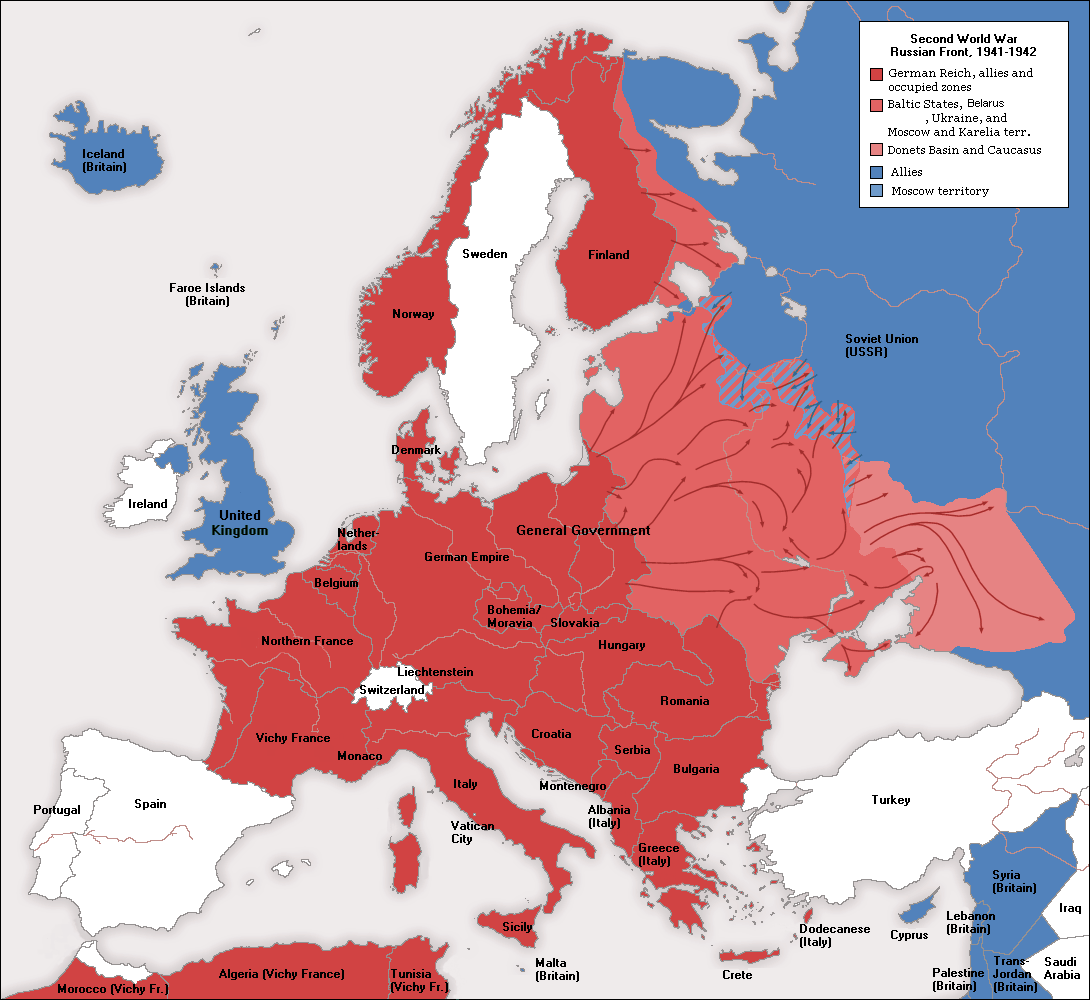
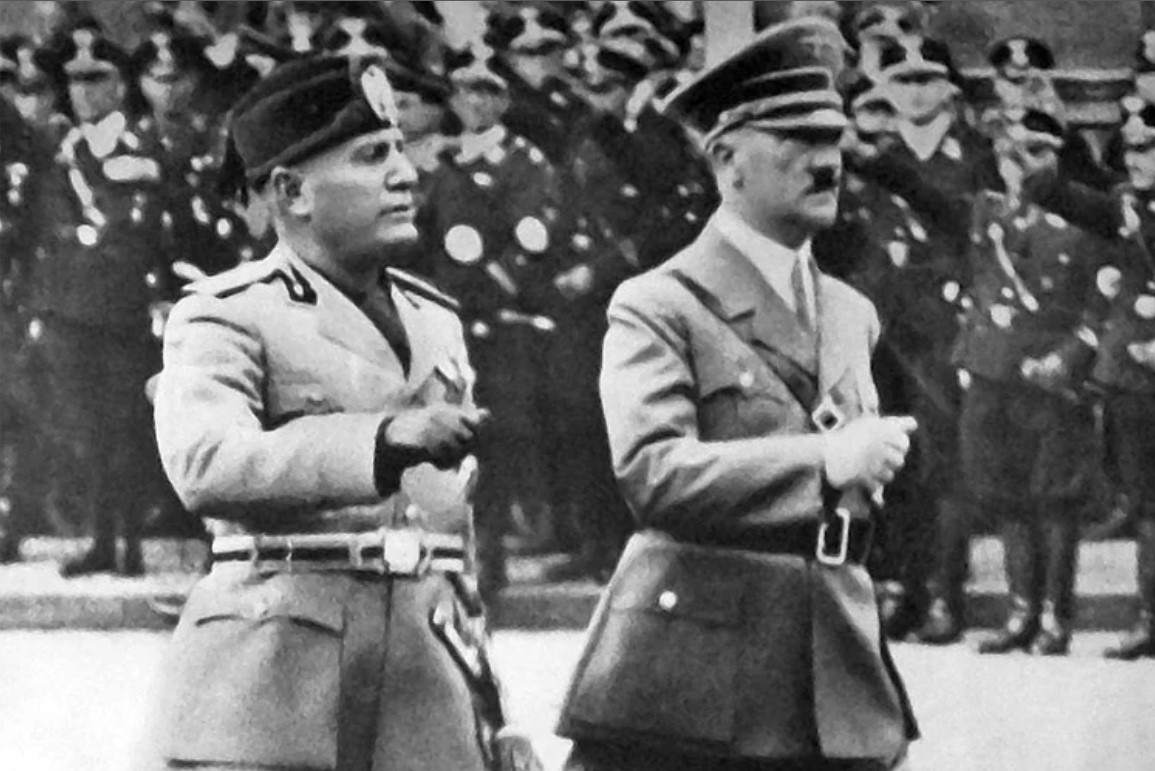 When countries choose sides in a war, there isn’t normally much chance that they will switch sides, but that is exactly what happened to Romania…and in fact, there were four countries that switched sides in that war, so maybe it isn’t so uncommon after all. At the start of the war Romania was allied and Poland and pro-British. They were trying to stay neutral, but that wasn’t easy. As the war progressed, Romania became more and more concerned about being overrun by the Soviet Union and the Fascist elements already in Romania. Finally, the decision was made to adopt a pro-German dictatorship and became an ‘affiliate state’ of the Axis Powers. The Romanian government signed the Tripartite Pact in November 1940. During the time that Romania supported the Axis powers, they supplied Nazi Germany and the Axis armies with oil, grain, and industrial products. Also, numerous train stations in the country, such as Gara de Nord in Bucharest, served as transit points for troops departing for the Eastern Front.
With all of this, Romania caught the eye of the Allies in 1943, and soon became a target for their aerial bombardment. One of the most notable air bombardments was the attack on the oil fields of Ploie?ti on August 1, 1943, known as Operation Tidal Wave. On April 4 and 15, 1944, Bucharest was subjected to intense Allied bombardment. On August 23, 1944, King Michael I removed the government of Ion Antonescu and declared Romanian support to the Allies. Then the Luftwaffe bombed the city Bucharest on August 24 and 25, 1944 in direct response to the Romania’s decision to switch sides. Some experts believe that by switching sides Romania helped shorten the war by several months. I’m sure that Romania was glad to be on the winning side of the war.
Romania was not the only nation to switch sides in Worls War II. They were Bulgaria, Finland, and Italy. Bulgaria also signed the Tripartite Pact in March of 1941, but Finland never signed it, but was nonetheless a co-belligerent on the side of the Axis Powers. Finland signed the Anti-Comintern Pact, an anti-communist agreement of mainly fascist powers, in November 1941. Italy had its own imperial ambitions, which were partly 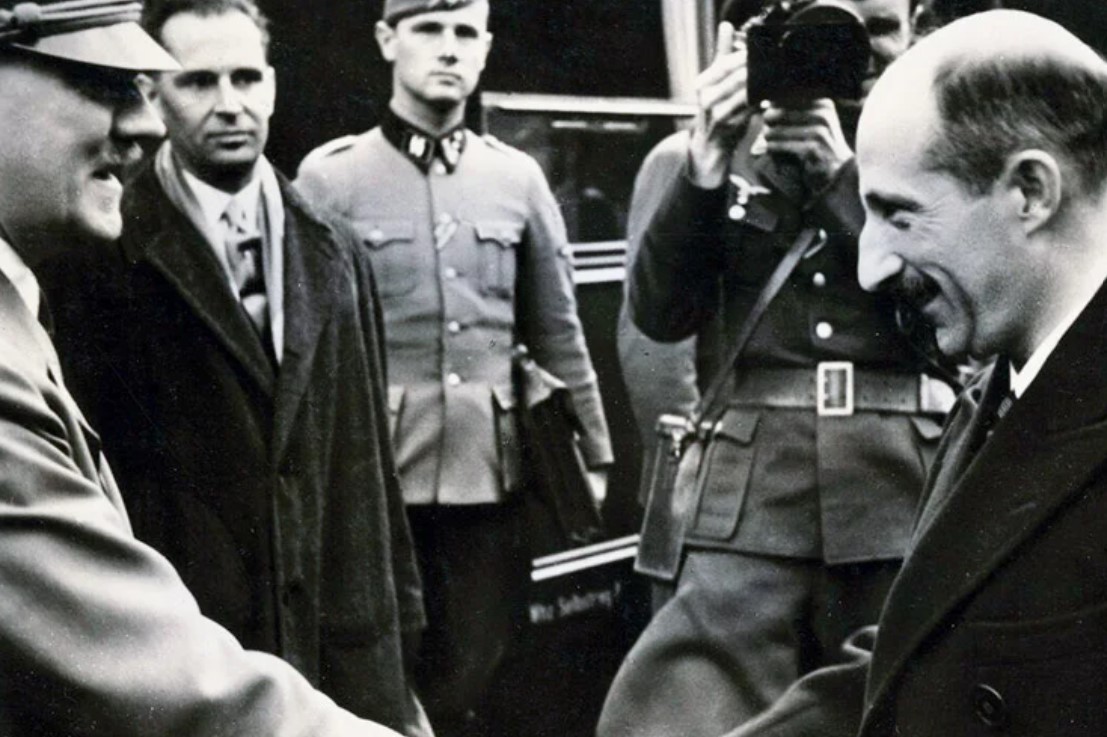
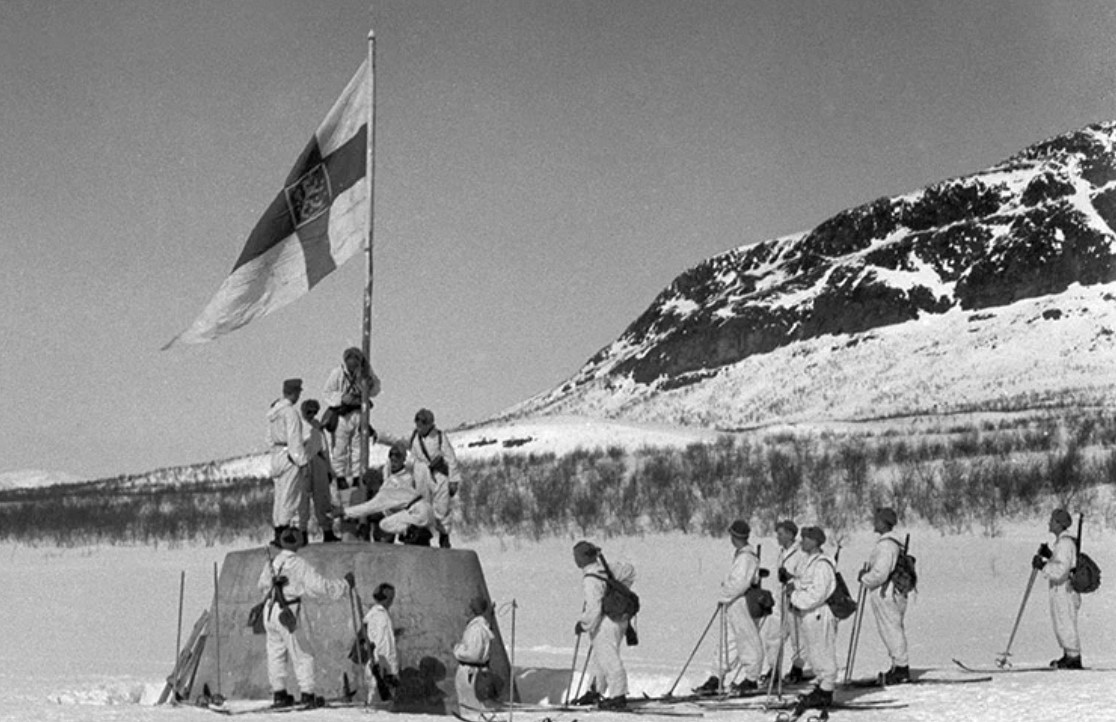 based on the Roman Empire and similar to the German policy of lebensraum, which clashed with those of Britain and France. No matter wat their aspirations were, all of these nations decided that the ways of Germany and Hitler were simply not ways they could live with, so they switched sides, joined the Allied Nations, further weakened Hitler to the point of causing his demise.
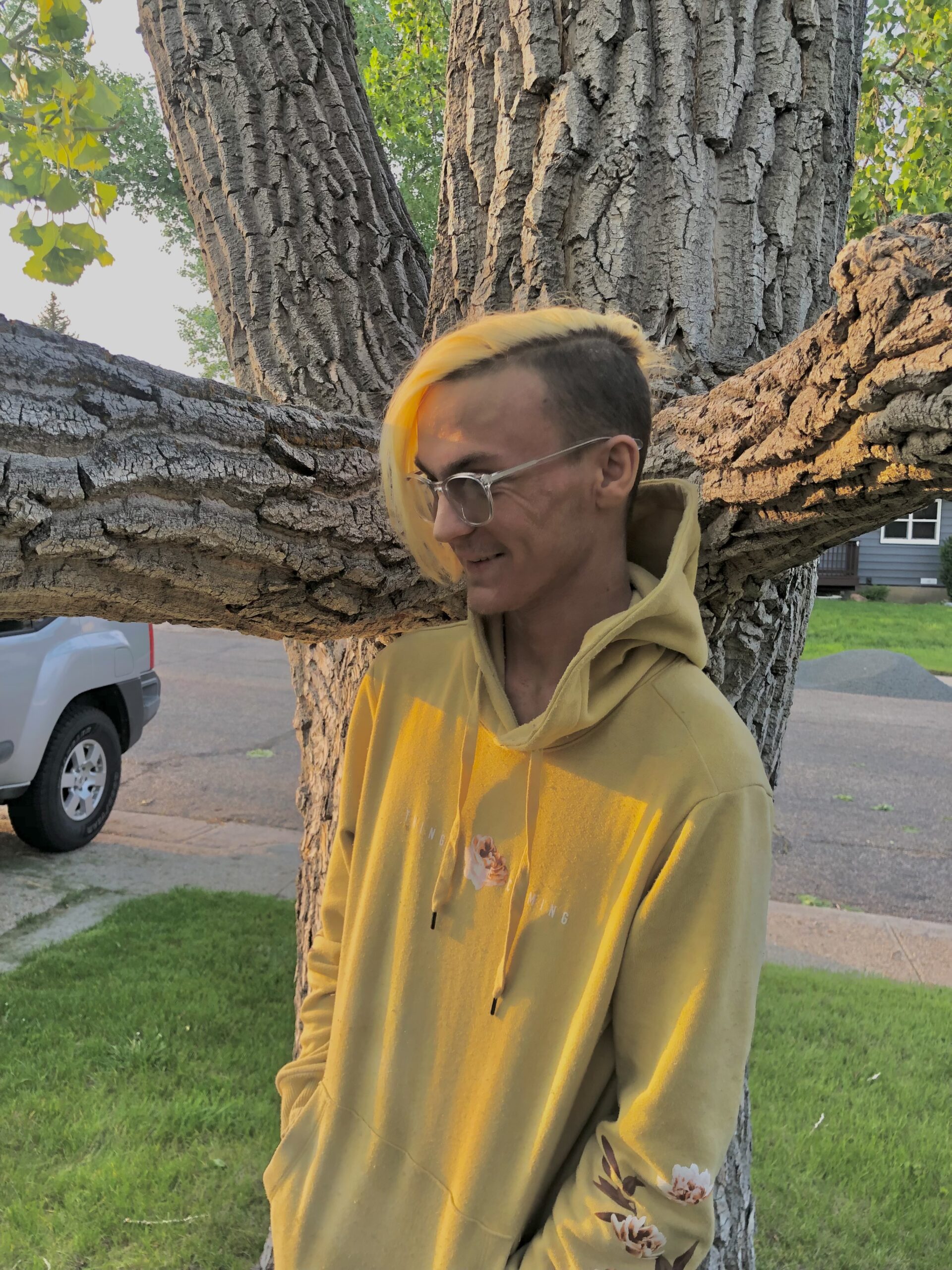
 When a boy becomes a man, it’s hard not to reflect on the boy he was, and what things brought him to the kind of man he has now become. For my grandnephew, Matthew “Matt” Masterson, that means thinking about the fact that he was the only son of my nephew, Rob Masterson and his wife, Dustie Masterson. Matt had three sisters, Christina Masterson (who lives in Colorado), Raelynn Masterson, and Taylor Masterson. Growing up with three sisters, Matt often found himself needing to be a man among his siblings, even though he was still a boy. Nevertheless, Matt stepped up to the plate.
Christina wasn’t with Matt as much as the other girls, so he didn’t have to protect her so much. Nevertheless, they were sibling friends, and they love each other very much. Raelynn probably needed her brother the most. She is just a little over two years older than Matt, but when it came to the things she “just couldn’t deal with,” Matt stepped up…literally. Raelynn was afraid of ants…to the point that she didn’t want to share the same sidewalk with them. I get it. Bugs in general just have no business being alive, and yes, I know that they each have their purpose, but not in my world. Matt, being the brave boy he 
 was, would walk in front of his sweet sister, and kill the ants, so the sidewalk was clear for he to walk. His sister, Taylor has a tender head, and her mom, Dustie, in a hurry to get three kids ready for school and such, just wasn’t gentle enough for Taylor. Enter Matt, he was very careful not to pull his sister’s hair, but he was still able to get it brushed and get her ready for school.
Matt is growing in the Lord too, and these days, he and his mom have been having mature conversations about God, politics, and other current events. Matt has a good grasp on what’s going on in the world and like his mom, he researches it from both angles to make a better-informed decision as to which side of the coin he is on. Matt will be voting in his first election this next year, and he is very excited to be able to participate in the election process. Matt has decided that he is a Republican, and that was after much research and making up his own mind. His mom very much encouraged, 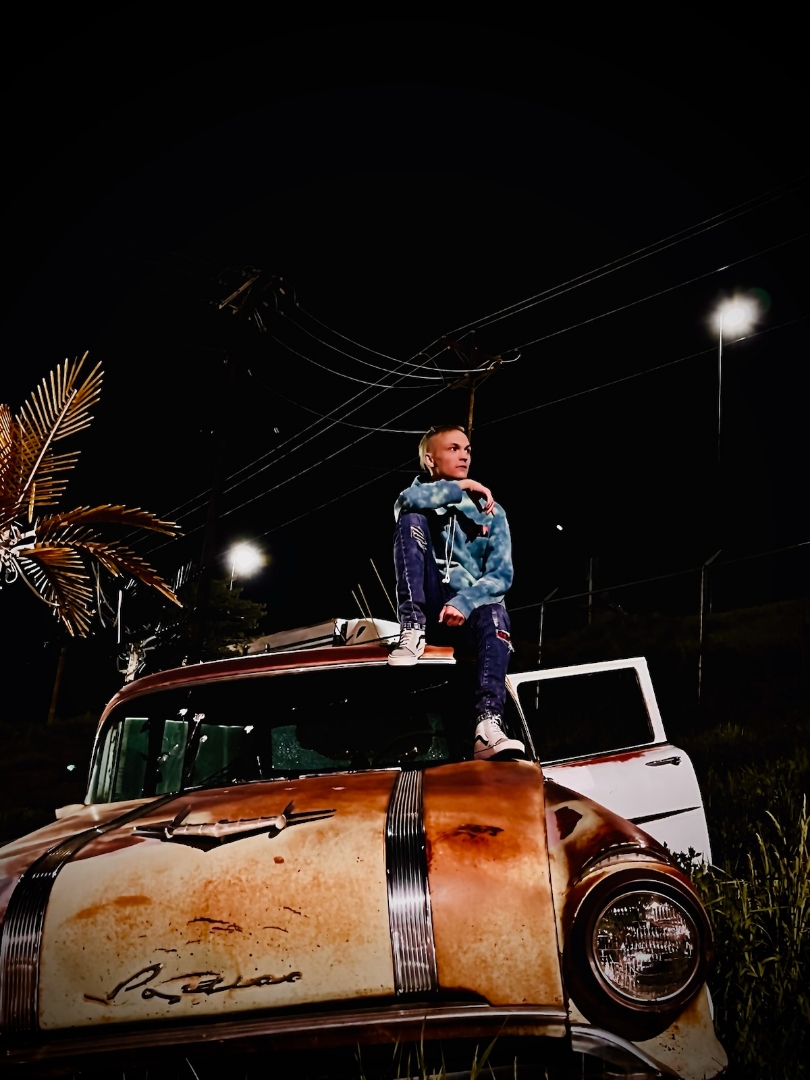
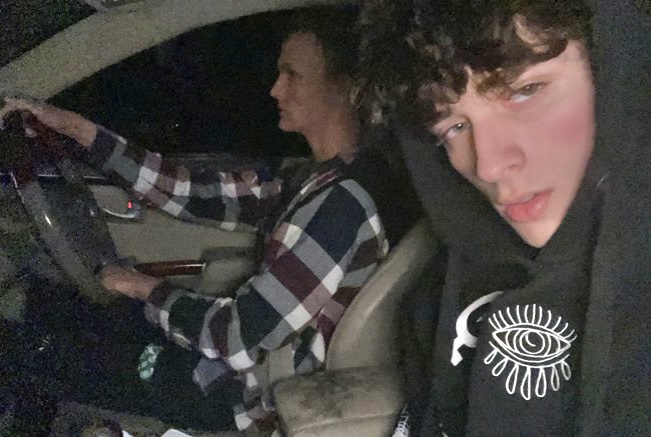 because she always insisted that they all do their own research and decide for themselves. Matt took that very seriously. While Covid messed with Matt’s high school career, he plans to get his GED and wants to go to college. He hasn’t decided on a course of study yet, but he wants college. He truly is growing into a fine young man, and his parents are very proud of him. Today is Matt’s 18th birthday. Happy birthday Matt!! Have a great day!! We love you!!
 Out of necessity, comes innovation. Many of history’s great problems were solved because it was a necessity. For the most part, Britain has maintained a small British Army. Somehow, probably mostly due to geography, rather than might, the British Royal Navy was able to protect the island nation from its enemies quite well…until World War I, that is, and indeed, young men did not feel the need to join the army due to patriotic duty, but rather due to a shortage of other working options. In fact, a career in the military wasn’t looked upon favorably at all.
When World War I broke out in 1914, Britain suddenly experienced a huge shortage of trained military personnel, especially officers. This was further complicated by heavy casualties in the British Expeditionary Force in France, which dwindled the limited supply even further. That meant to keep up, they were going to need a large number of officers to be sourced and trained quickly. Their only real solution was to take young upper-class men and put them through officer training. These were teenagers, young men still in school, but it was necessary, and so schooling was either ended or postponed.
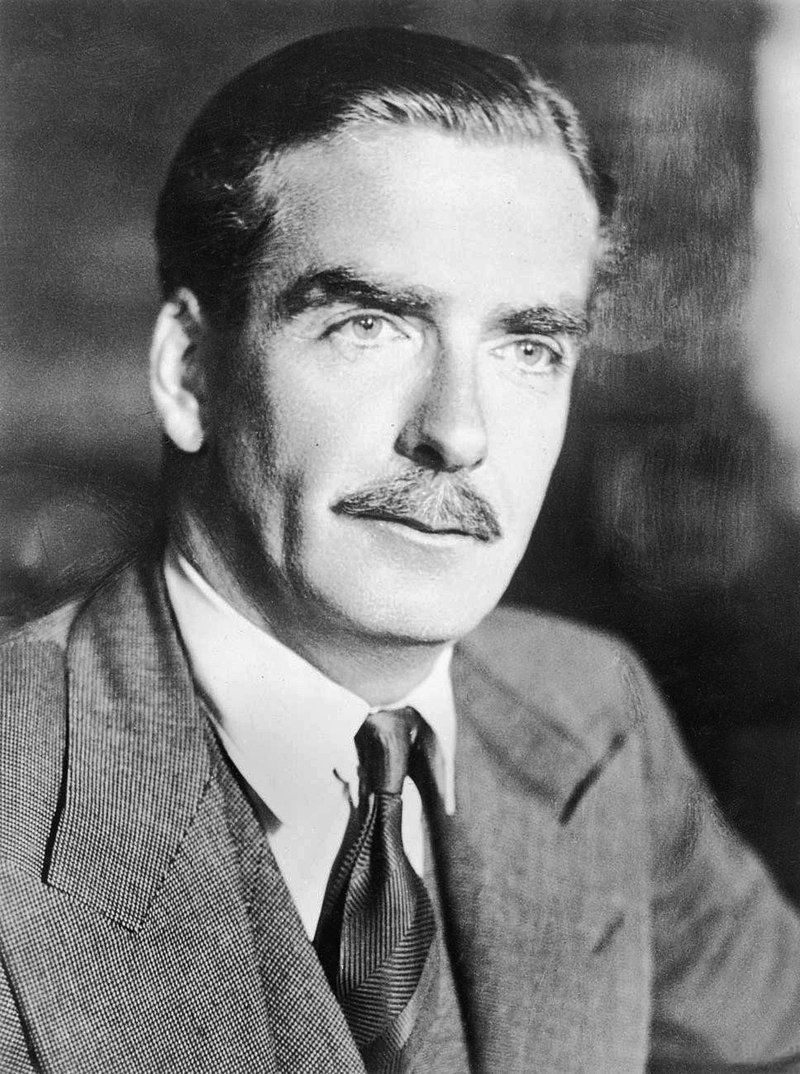
During World War I, as was seen with the RMS Titanic, class was considered of the utmost importance. In Britain, only a gentleman could be an officer. The working-class and lower-class men were put in as the average 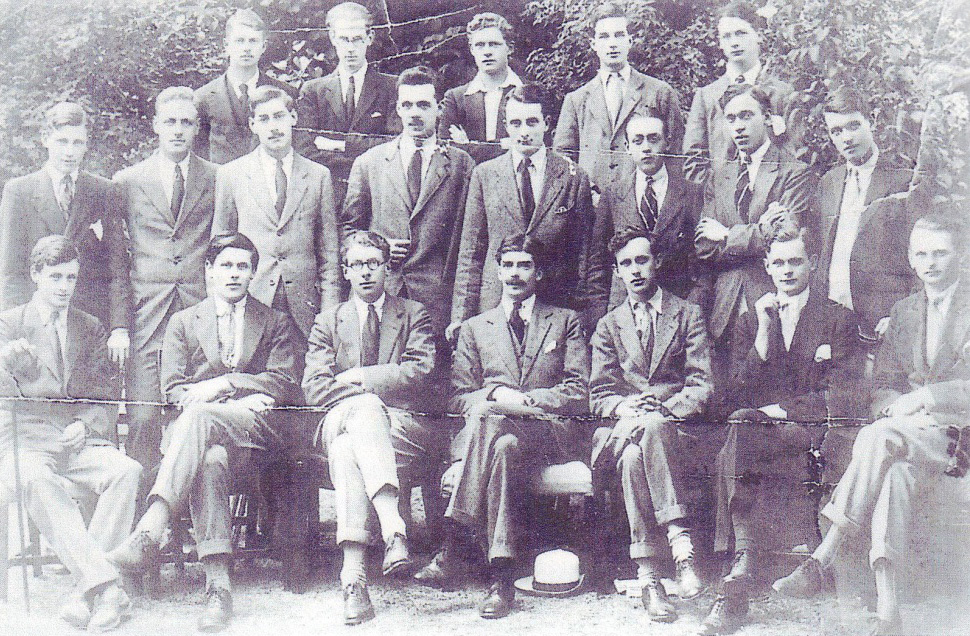 soldier. Somehow it was thought that “Short of actual military credentials, a person’s schooling was thought to be a reasonable litmus test for leadership.” To further confuse things in the minds of most Americans these days, a public school in Britain is actually a very exclusive private institution. Eton College, a private institution attended by no fewer than 20 prime ministers, is probably the best example of that. Anthony Eden, who would later become prime minister, was an Eton alum, who also served as an officer in the British Army.
When World War I broke out, Eden was just 17, and after a rushed officer training course, he was commissioned as a second lieutenant a year later. It seems strange and almost reckless to have upper-class teenagers leading working-class soldiers, but in this case, it actually worked well. The teenage future prime minister recalled his men “were tolerant of me as we were all learning together.” Eden quickly learned that “As long as the officer showed proper concern for the well-being of his men and courage under fire, the men in turn would show great loyalty.”
The commissioned officers were also helped enormously by the noncommissioned officers. The 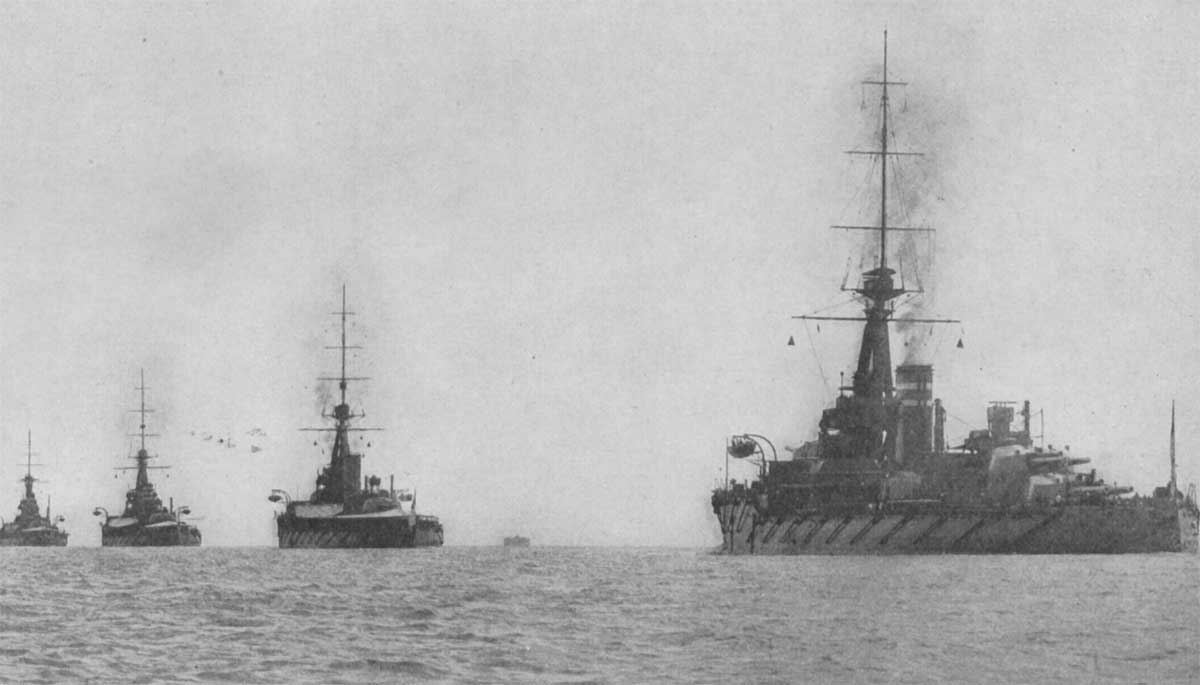 noncommissioned officers were usually working-class men who had been promoted from the ranks after showing leadership abilities throughout their military careers. Thankfully so, because as Eden would later recall of a sergeant named Arnold Rushworth in his post-war memoirs, “He was my right hand and no small part of my brain as well.” I’m sure that part of the reason this plan of upper-class men becoming officers worked was the sheer compassion of the working-class men, who helped them along the way. It was the way of the times, and I suppose that the men simply accepted their “position” in life as being the way things were, and that it could not be changed.
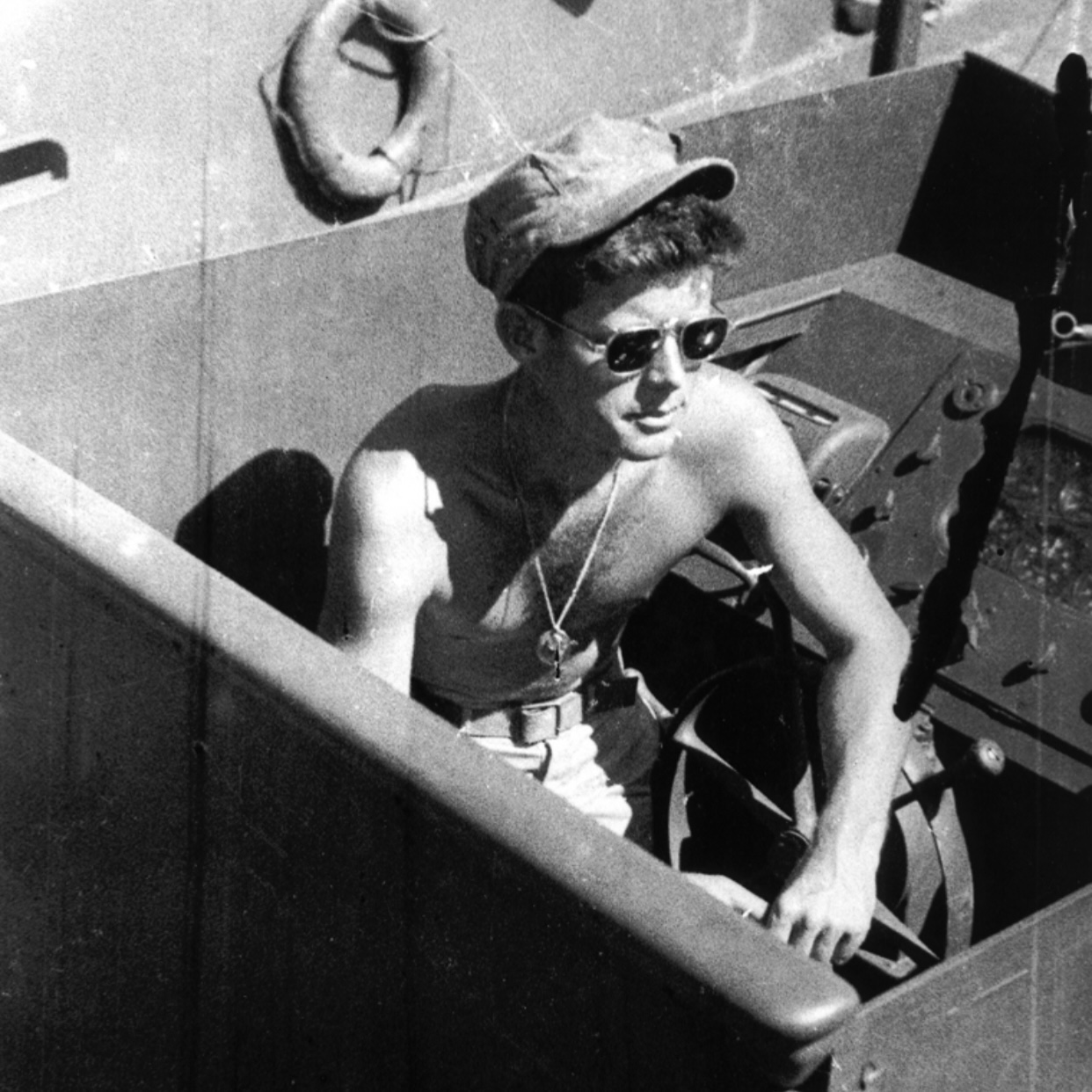
 John F Kennedy, who at the time was still our future president, had to “fight” his way into war. His father believed it would make his son more “marketable” for a political run that would eventually land him in the White House. Joseph Kennedy wanted one of his sons to eventually be president, and I’m not sure he was particular about which one it was. He just knew that to have a chance, the “candidate” would have to have a military background. The reasons for his entrance into World War II really don’t matter now, because while he was in the service, he did his country proud, and even saved the lives of his PT-109 crew after a Japanese destroyer rammed them on August 2, 1943.
Future President Kennedy could have avoided the war completely, because he had back issues which were likely caused from a football injury. In addition, the fact that he was from a wealthy family could have been a big help in any effort he might have used to stay out of the war. He didn’t use the family’s money or influence to stay out, however. Before entering World War II, Kennedy graduated with honors from Harvard, and then still chose to serve. After being drafted to by the Navy, the physical toll on his back increased, including the physically demanding couple of days when the ship he commanded sank and he literally helped his crew survive.
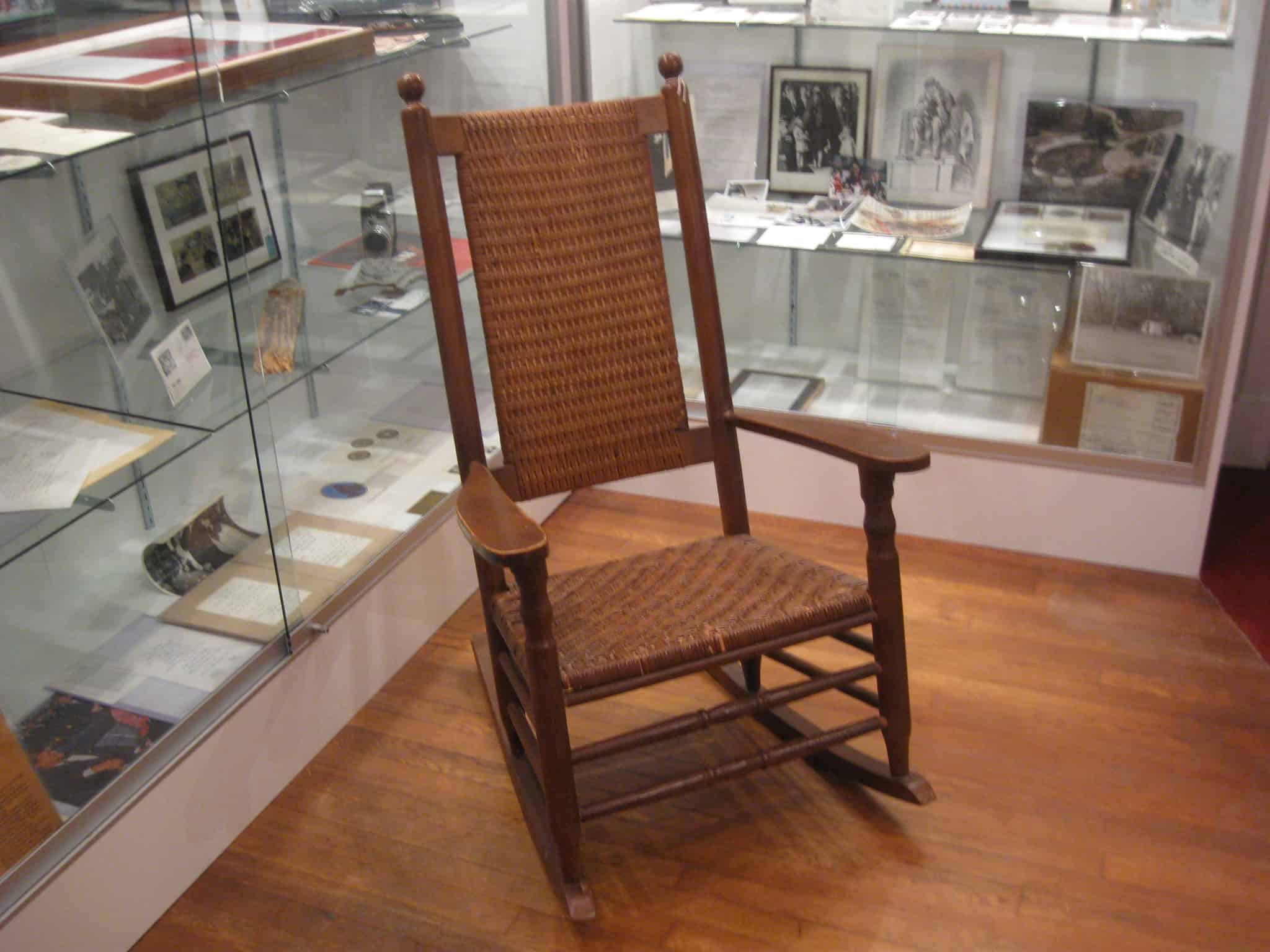
Later, while he was serving as a young senator, Kennedy’s doctor prescribed a rocking chair to be used during his service in the senate. No matter where the pain initially started or what exacerbated the issue, by the time 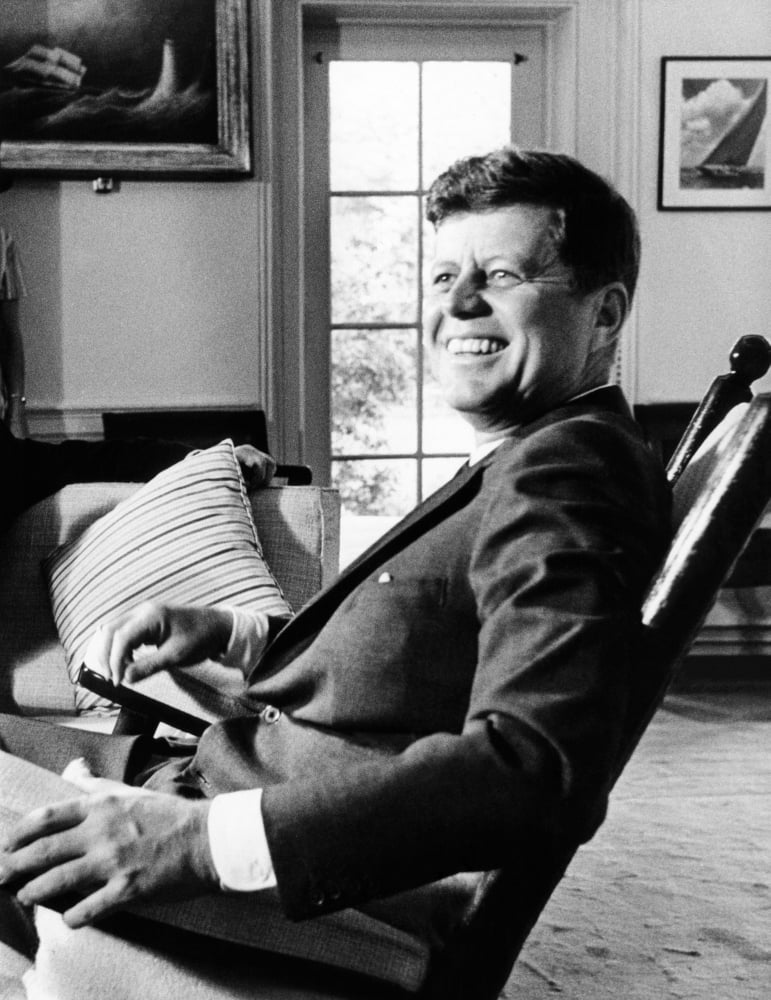
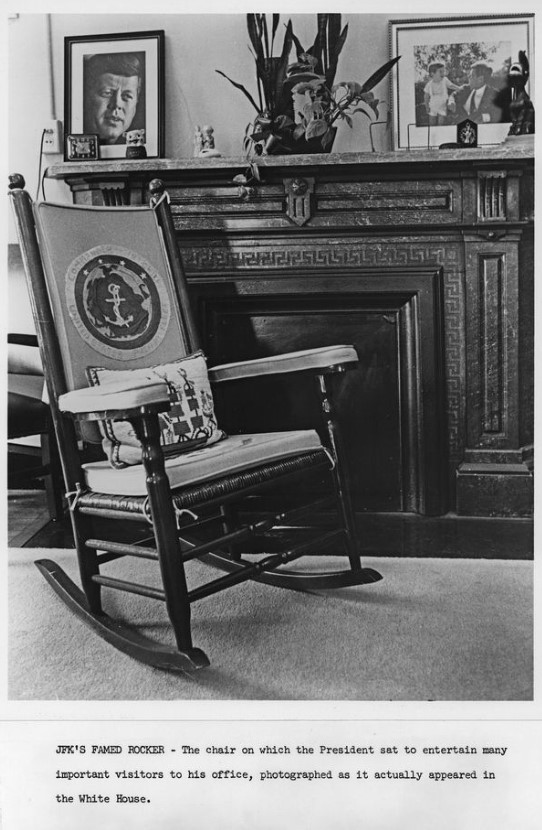 John F Kennedy was in the office of president, he was in constant pain. When he began using the rocking chair in 1955, Kennedy finally found a way for his muscles to relax by constantly being forced to expand and contract while sitting. The rocking chair he chose was made by P and P Chair Company, and Kennedy grew to love it. He finally found some relief, and he actually insisted that the chair be brought aboard Air Force One when he traveled. Later he just purchased many different chairs for his various residences. So impressed was Kennedy with this chair, that he also gifted dozens of the same chair to friends and colleagues. You might say that the rocking chairs from P and P Chair Company were unofficially known as the presidential rocking chairs.
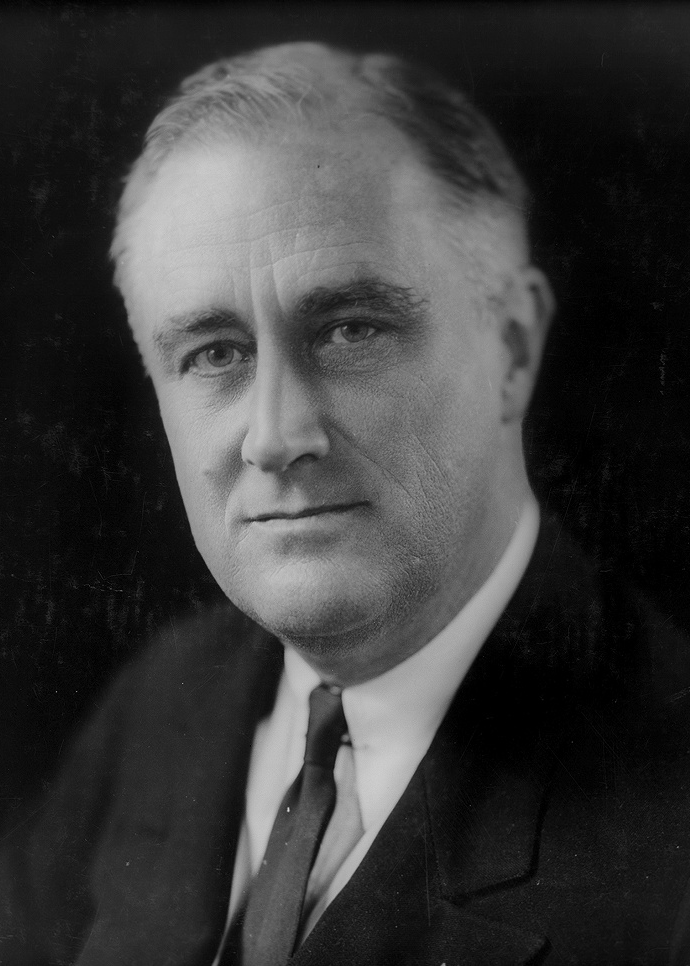
 As a part of fallout of the Great Depression, and as a product of the “New Deal” ambitions of Franklin D Roosevelt, America came into the new era of Social Security, a plan to assign unique nine-digit numbers to some 26 million US workers. The plan didn’t exactly do what it was supposed to do, in a number of ways, and it has as to “social security,” it has been anything but. Social Security was not intended to be a national ID number, but it has turned out to be exactly that. It has been used by banks and insurance agencies, to track tax returns, and to identify college students. By the 1970s, Social Security numbers indexed a wealth of sensitive information in computer data banks, becoming a severe risk for identity theft, and prompting major privacy legislation. These types of security issues could not have been anticipated by the pre-computer, pre-internet, and pre-hacking America of the 1930s, when Social Security was founded.
In November of 1936, the newly formed Social Security Board set out to assign those unique nine-digit numbers American workers. They called this a task “of a magnitude never before equaled in any Government or private undertaking.” The first Social Security number was issued on December 1, 1936, to a man named John David Sweeney Jr. Sweeney, a 23-year-old man was noted as saying that his retirement was “a long way off.” Since that time Social Security has suffered many types of abuse, and a gross miscalculation in funds, mainly stemming from the fact that with the legalizing of abortion, millions of Americans who would have eventually earned wages and paid into the program, were murdered, bringing a shortage of funds in unprecedented proportions. People will surely argue one or more of the points made here, but the facts remain.
A product of its time, the Social Security Number came about due to the economic wreckage of the Great Depression and the disastrous New Deal ambitions of Franklin D Roosevelt. People didn’t really understand the ramifications of the Social Security Numbers, because the program was overshadowed by the nation-changing program of which they were part. Nevertheless, those numbers would become affixed to nearly every American life over the next century, while spurring new uses of punch cards and filing systems, as well as all the new dilemmas around data and security. In the end, it would probably been better if we had never started it, but then I suppose that some type of national identification system was inevitable. We are a very large nation, and 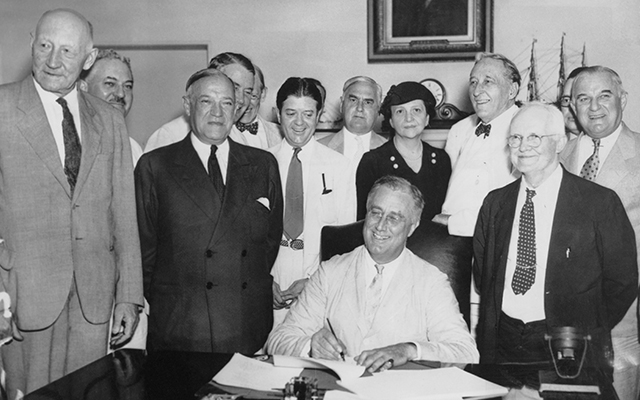
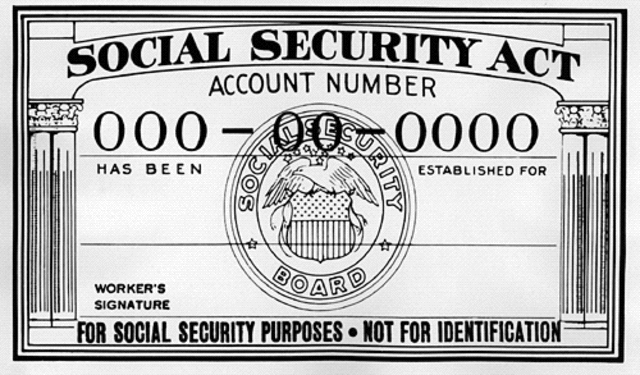 in my opinion, IDs should be used for many things, such as voting, flying, re-entry to our borders, and a host of other things that make each of us unique. Maybe Social Security numbers were the only way, or maybe we could have waited on this program until we could have found a more “secure” form of Social Security.
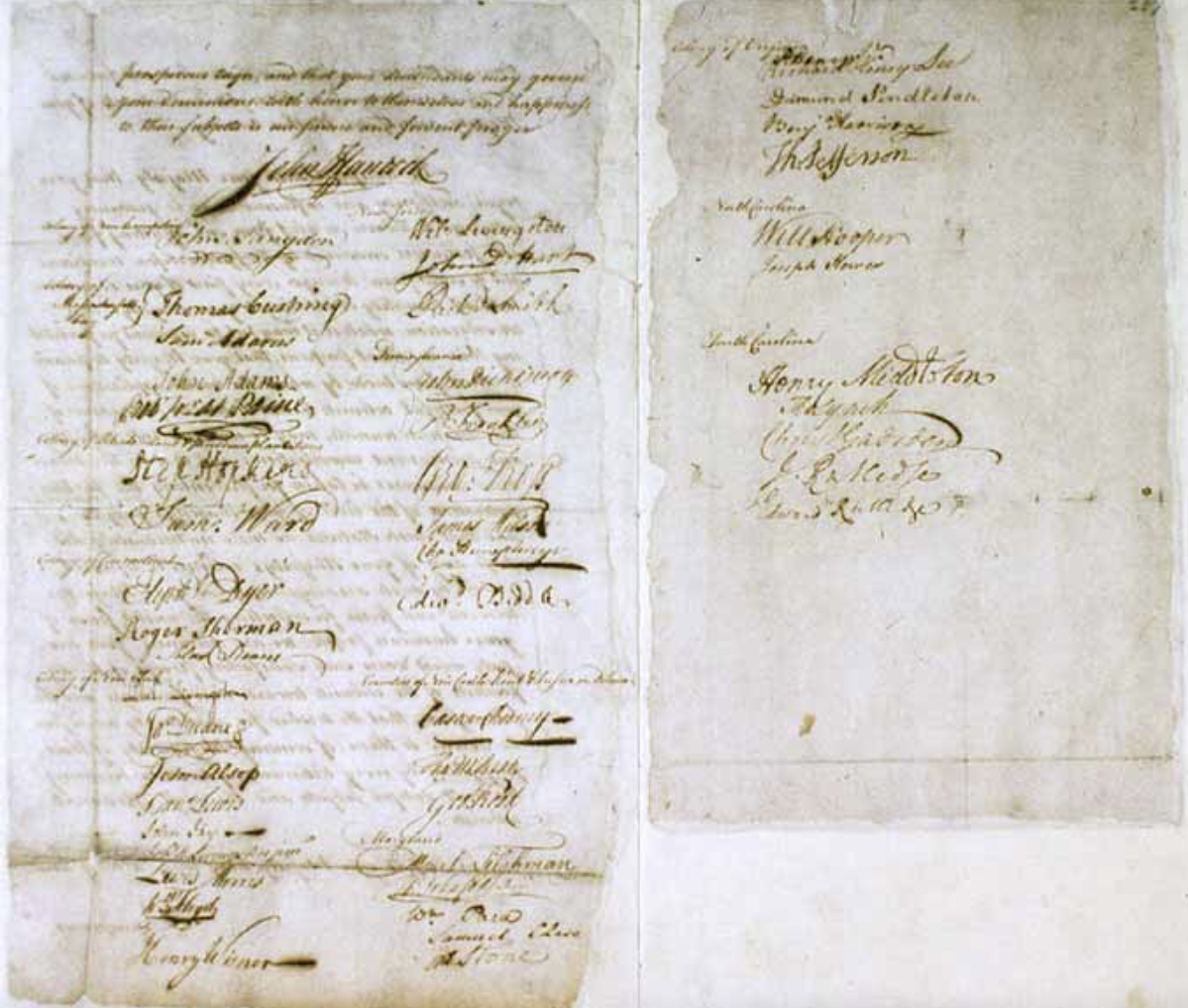 The American Revolutionary War actually began on April 19, 1775, with the Battles of Lexington and Concord. At that time, it wasn’t considered a full-blown war, and attempts were still being made by July 5, 1775, to avoid that full-blown war. The Olive Branch Petition, adopted by the Second Continental Congress on July 5, 1775, and signed on July 8th, was the final attempt to avoid the full-blown war between Great Britain and the Thirteen Colonies in America, that became known as the American Revolutionary War, and ended with full independence of the United States.
It seemed that in the early days of the Revolutionary War, the main weapon was a volley of petitions and proclamations. The Second Continental Congress had already authorized the invasion of Canada more than a week earlier, but the Olive Branch Petition affirmed American loyalty to Great Britain, asking King George III to prevent further conflict. The petition was followed up with a July 6th Declaration of the Causes and Necessity of Taking Up Arms, making the success of the Olive Branch Petition unlikely in London. By August 1775, London officially declared the colonies to be in rebellion by the Proclamation of Rebellion, and the Olive Branch Petition was rejected by the British government. In fact, King George had refused to read it before declaring that the colonists were traitors.
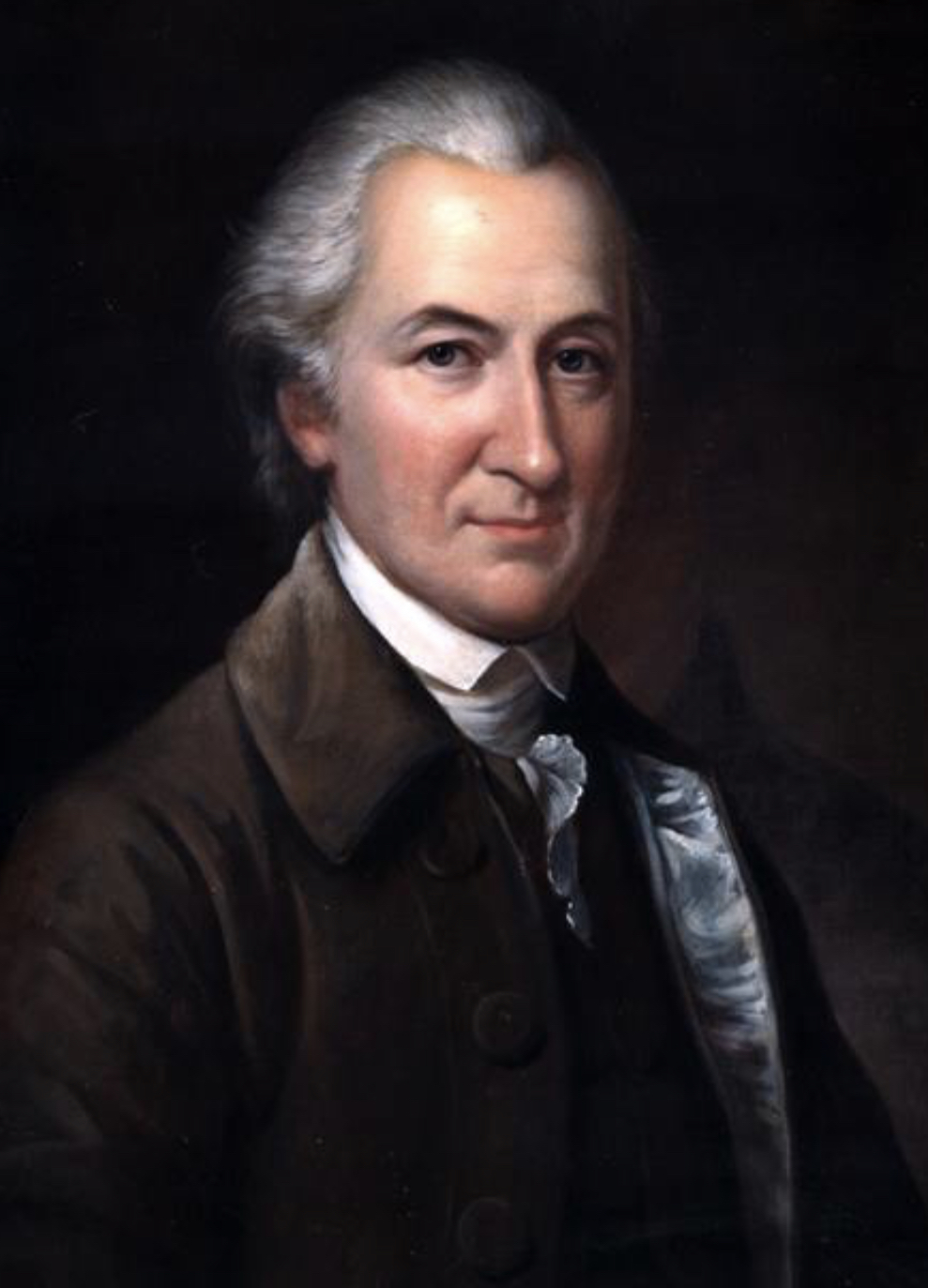
The Second Continental Congress convened in May 1775. At that time, most and most delegates followed John Dickinson in his quest to reconcile with King George. He could not picture a world with an independent United States. I suppose there are always those people without a vision for the future. However, there was a small group of delegates, led by John Adams, who could see that war was inevitable, and that we would need to become independent of Great Britain. Nevertheless, there is a right time, so they decided that the wisest course of action was to remain quiet and wait for the opportune time to rally the people. This allowed Dickinson and his followers to pursue their own course for a reconciliation that would ultimately never happen.
Dickinson was the primary author of the Olive Branch Petition, along with Benjamin Franklin, John Jay, John Rutledge, and Thomas Johnson, all of whom also served on the drafting committee. Dickinson claimed that the colonies did not want independence, but rather, wanted more equitable trade and tax regulations. He asked that the King establish a lasting settlement between the Mother Country and the colonies “upon so firm a basis as to perpetuate its blessings, uninterrupted by any future dissensions, to succeeding generations in both countries” beginning with the repeal of the Intolerable Acts. The introductory paragraph of the letter named twelve of the thirteen colonies, all except Georgia. The letter was approved on July 5 and signed by John Hancock, President of the Second Congress, and by representatives of the named twelve colonies. It was sent to London on July 8, 1775, in the care of Richard Penn and Arthur Lee. Dickinson hoped that news of the Battles of Lexington and Concord combined with the “humble petition” would persuade the King to respond with a counterproposal or open negotiations.
Finally, Adams wrote to a friend, telling him that the petition served no purpose. Everyone knew that war was inevitable. Adams said that the colonies should have already raised a navy and taken the British officials prisoner. Unfortunately, the letter was intercepted by British officials and news of its contents reached Great Britain at about the same time as the petition itself. British advocates of a military response used Adams’ letter to claim that the petition itself was insincere, and it was rejected. The hostilities which Adams had foreseen undercut the petition, and the King had answered it before it even reached him.
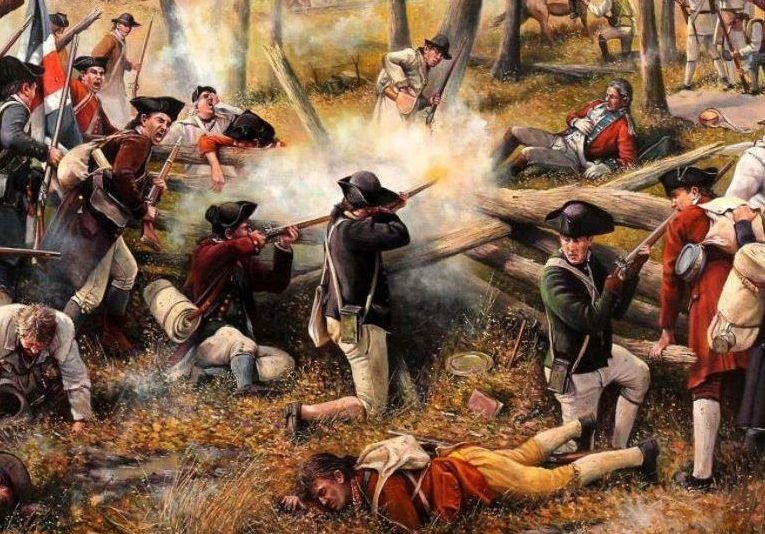
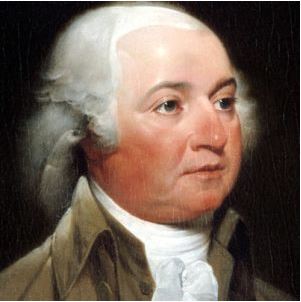
With the King’s refusal to consider the petition, came the opportunity Adams and others needed to push for independence. Now the colonists viewed the King as unwilling and uninterested concerning the colonists’ grievances. The colonists finally knew that they had just two choices…complete independence or complete submission to British rule. They chose complete independence, and the rest, as we all know, is history.
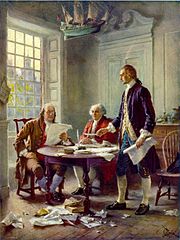
 While Independence Day is celebrated on July 4th each year, with all the festivities, days off, barbecues, and fireworks, our nation…formally known as the thirteen colonies, actually obtained legal separation from Great Britain on July 2, 1776, when the Second Continental Congress voted to approve a resolution of independence that had been proposed in June by Richard Henry Lee of Virginia declaring the United States independent from Great Britain’s rule. Called the Lee Resolution, it was also known as “The Resolution for Independence” and was the formal assertion passed by the Second Continental Congress on July 2nd. The Lee Resolution resolved that the Thirteen Colonies, at the time referred to as the United Colonies, were “free and independent states” and were now separate from the British Empire. The resolution created what became the United States of America.
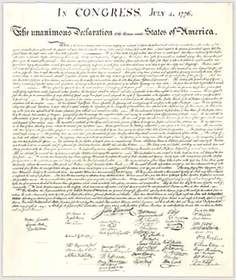
After passing the vote for independence, Congress could turn its attention to the Declaration of Independence, which would be the official statement explaining this decision. The Declaration of Independence had been prepared by a Committee of Five, with Thomas Jefferson as its principal author. While Jefferson collaborated extensively with the other four members of the Committee of Five, i,t was largely his writing and his wording that made up the Declaration of Independence. It was composed in isolation over 17 days between June 11, 1776, and June 28, 1776. Jefferson was renting the second floor of a three-story private home at 700 Market Street in Philadelphia at the time. The house, within walking distance of Independence Hall, is now known as the Declaration House.
Of course, as with any document brought before Congress, they debated and revised the wording of the Declaration, and for reasons unknown, removed wording in which Jefferson had vigorously denounced King George III for importing the slave trade. They finally approved the document two days later on July 4th. John 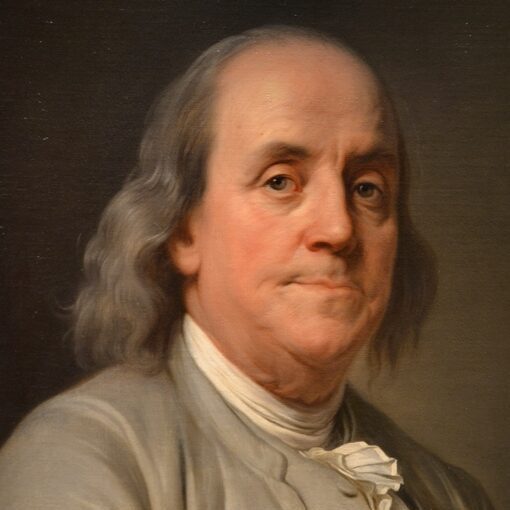
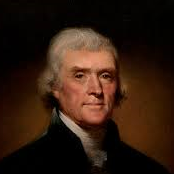 Adams wrote a letter to his wife, Abigail, on July 3rd, stating, “The second day of July 1776, will be the most memorable epoch in the history of America. I am apt to believe that it will be celebrated by succeeding generations as the great anniversary festival. It ought to be commemorated as the day of deliverance, by solemn acts of devotion to God Almighty. It ought to be solemnized with pomp and parade, with shows, games, sports, guns, bells, bonfires, and illuminations, from one end of this continent to the other, from this time forward forever more.”
Of course, as we all know, Adams’s prediction was off by two days. Nevertheless, his idea that a day should be celebrated forever, did become a tradition, not on July 2nd, but rather on July 4th, because of the Declaration of Independence. That was because of the date shown on the much-publicized Declaration of Independence, rather than the date the resolution of independence was approved in a closed session of Congress. In addition, historians have disputed whether members of Congress signed the Declaration of Independence on July 4th, even though Thomas Jefferson, John Adams, and Benjamin Franklin all later wrote that they had signed it on that day. Many historians believe that the Declaration was signed nearly a month after its adoption, on August 2, 1776, and not on July 4th as many have believed. Nevertheless, they have been unable to prove their theory or to change the date on which we celebrate our independence.
One thing that I find very interesting is the fact that both Thomas Jefferson and John Adams, who were the only two signatories of the Declaration of Independence later to serve as presidents of the United States, both 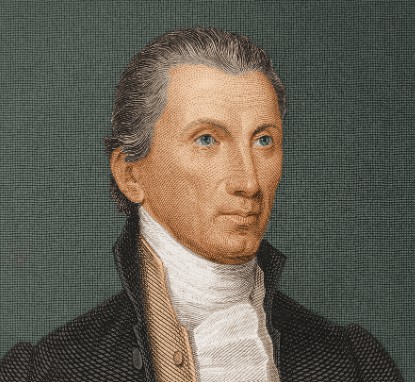
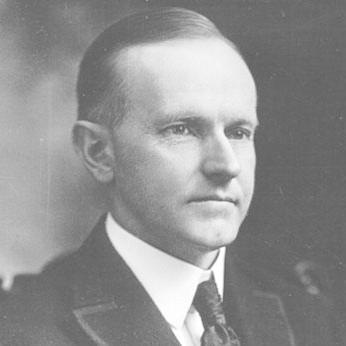 died on the same day…July 4, 1826, and within five hours of each other. They were also the last surviving members of the original American revolutionaries. It was also the 50th anniversary of the Declaration of Independence. James Monroe, while not a signatory of the Declaration of Independence, but who was another Founding Father who was elected president, also died on July 4, 1831, making him the third President who died on the anniversary of independence. There was one president who was born on Independence Day…Calvin Coolidge, who was born on July 4, 1872.
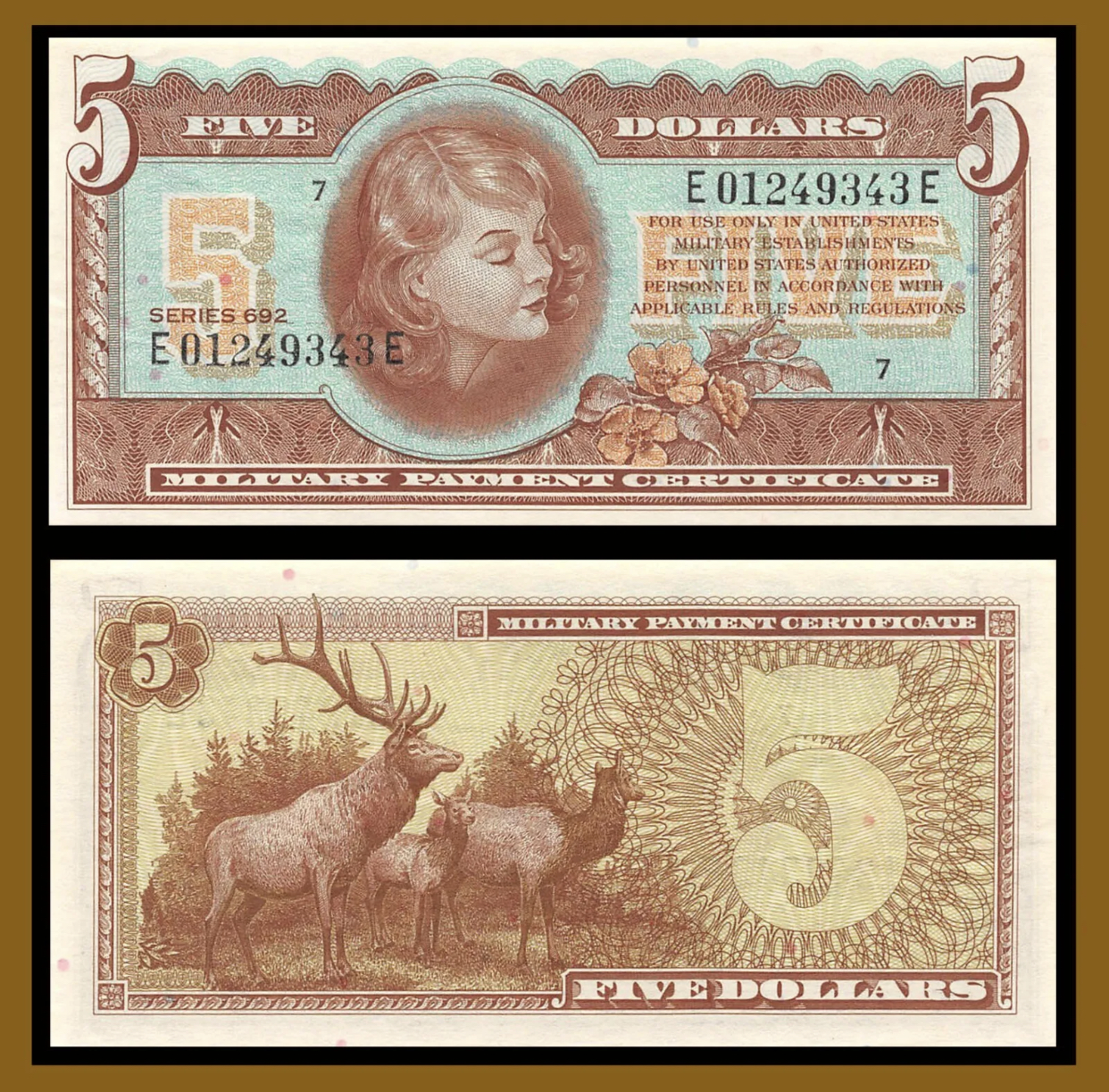 During World War II, and through the Vietnam War, the United States government was facing a situation with the US dollar that was different from prior years. It’s not something we really think about much, but it had to do with the fact that the countries the US Military was in were unsure of how their money was going to play out if they were one of the countries that fell. The dollar was stable, so they were happy to take payment in the US dollar over their own currency. In fact, the local civilians often accepted payment in dollars for less than the accepted conversion rates, meaning that they lost money in the deal. Dollars became more favorable to hold, which further inflated the local currencies, defeating plans to stabilize local economies. On top of that, troops were being paid in dollars, which they could
 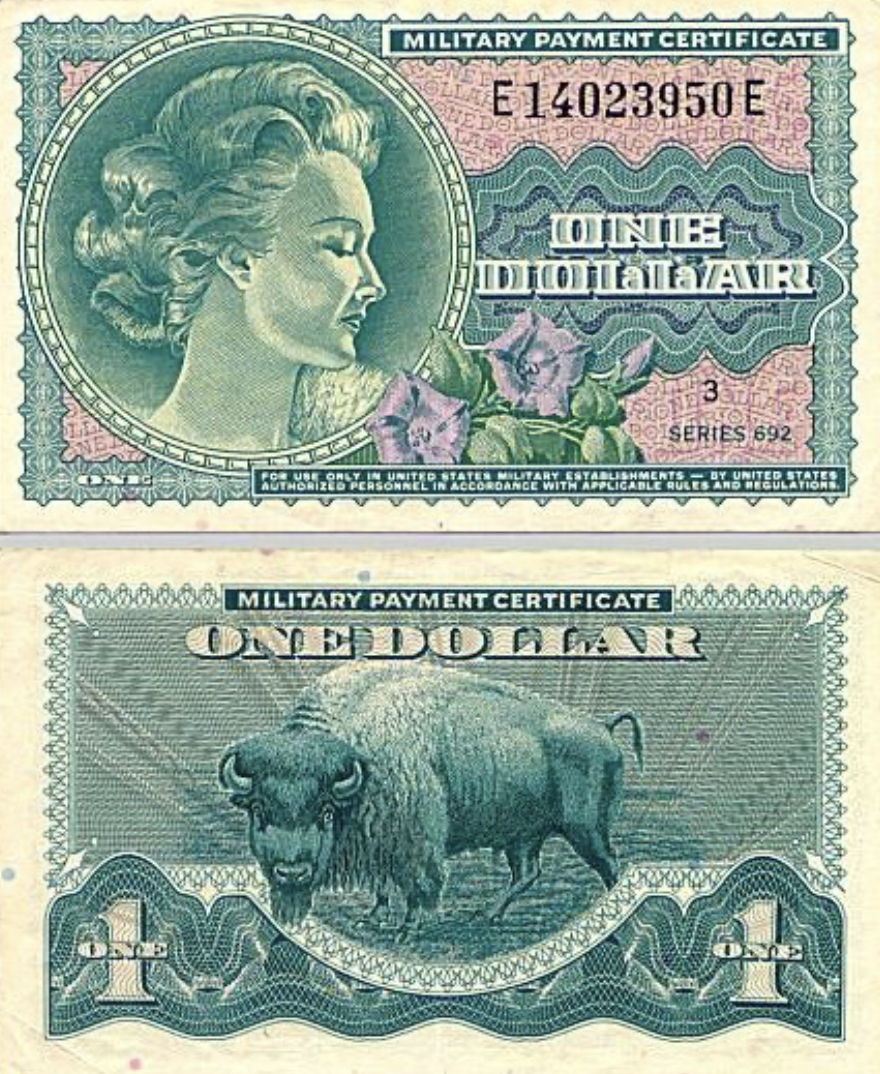 convert in unlimited amounts to the local currency with merchants at the floating (black market) conversion rate, which was much more than the government fixed conversion rate. It was rather a great money-making proposition, but really wasn’t ethical. This conversion rate imbalance allowed the servicemen to profit from the more favorable exchange rate.
While anyone could understand how people would want to make money if they can, it was really going to be damaging to the local economy in the end. The MPCs were designed to stop the unfair conversion rate of currency. The scrip (MOCs) was changed out periodically, to avoid hoarding. Once they came out with a new version of scrip, the prior version became worthless. Another way they were supposed to eliminate the problem was that MPCs were only allowed to be used by military personnel in military facilities and approved locations. As a safeguard, if the MPCs 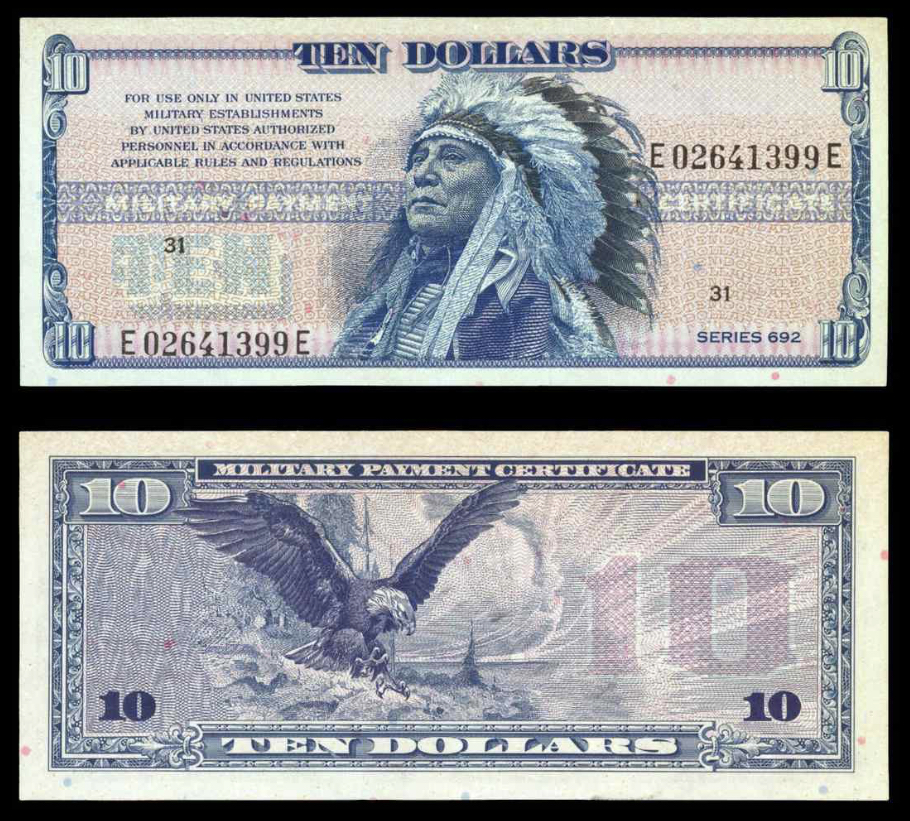 were converted to local currency, they were not allowed to be reconverted to MPCs, so the plan was useless. US MPCs were in use from 1946-1973 and were used in all overseas military locations.
I was actually watching an episode of MASH this morning about this very thing. The men were buying up the old scrip from people who couldn’t get to the exchange. Of course, they bought it for less than its value, planning to cash in when they turned it in for its face value. The solution for that problem was that the military personnel were restricted to the base on C-Days…currency exchange days. I don’t know how much of the fraudulent exchanges were stopped in this way, but it might have stopped some.
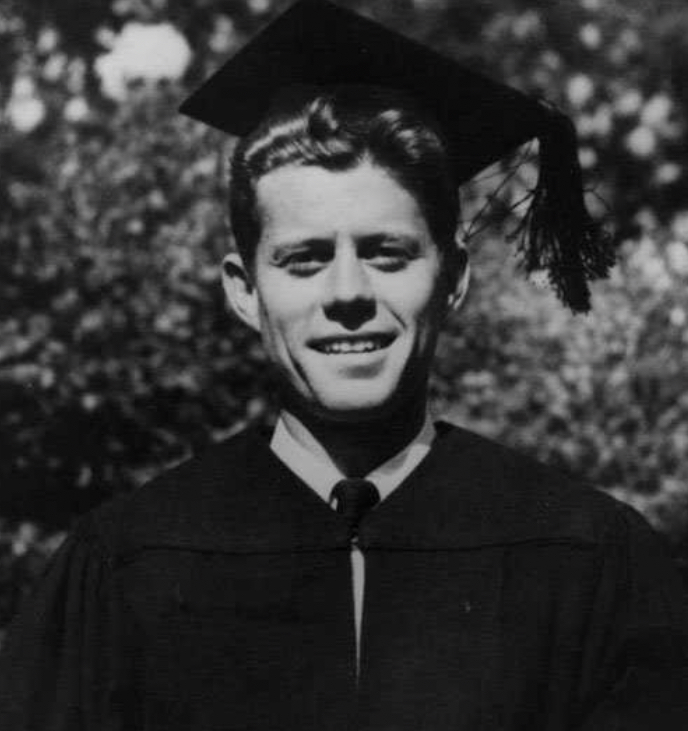
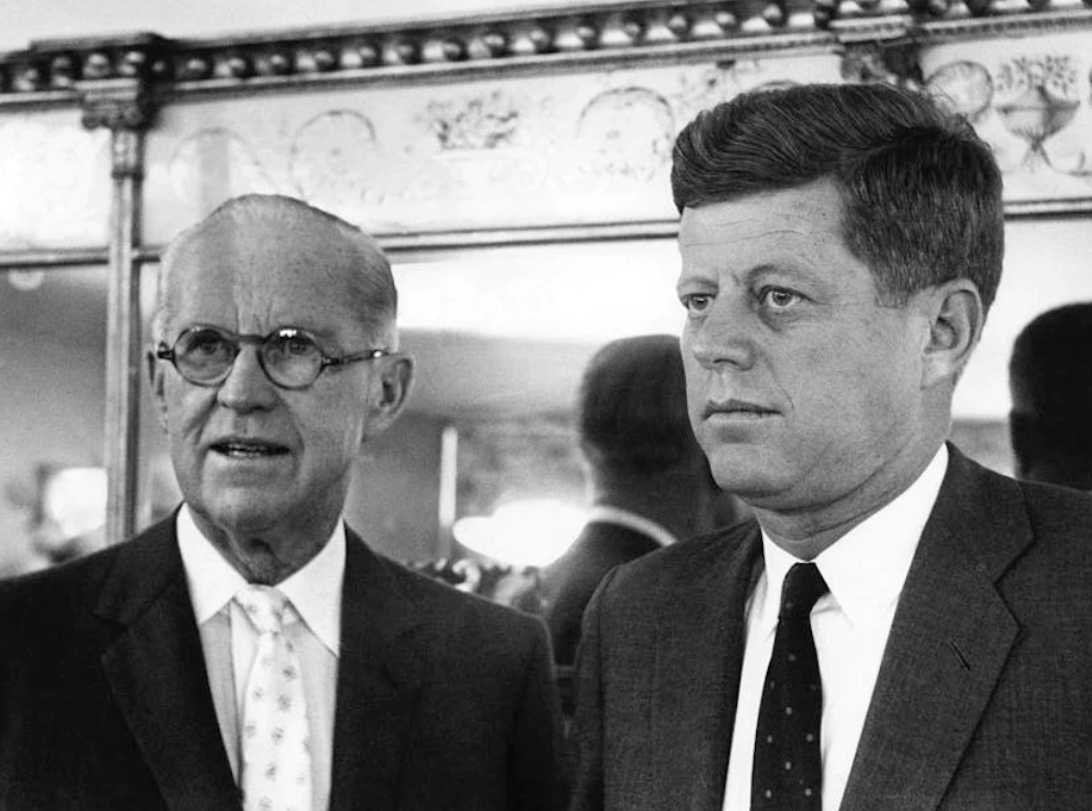 It’s not often that a young man “pulls strings” in order to go to war. Most men would rather not go to war, and some will even try to “pull strings” to get out of going. John F Kennedy, who had some health problems, and an old back injury from his college football days, was turned down for the Navy, but his dad managed to pull some strings for his son, who really wanted to go into the navy. Young was desperate, and like most parents, his father wanted to help fulfill that dream. So in 1941, Kennedy’s politically connected father, Joseph Kennedy used his influence to get his sin, John “Jack” into the service. Of course, Joseph might have been thinking ahead to future political maneuvers when he pushed for a military career for his son. Once in the Navy, Kennedy volunteered for PT (motorized torpedo) boat duty in the Pacific in 1942.
“Jack” Kennedy quickly worked to move himself up in rank, and soon he was Lieutenant John F. Kennedy. July 1943 found Lieutenant Kennedy and the crew of PT 109 in combat near the Solomon Islands. People often think that being in the Navy or the Air Force is somehow safer than the Army or Marines, but the reality is that any position in a war 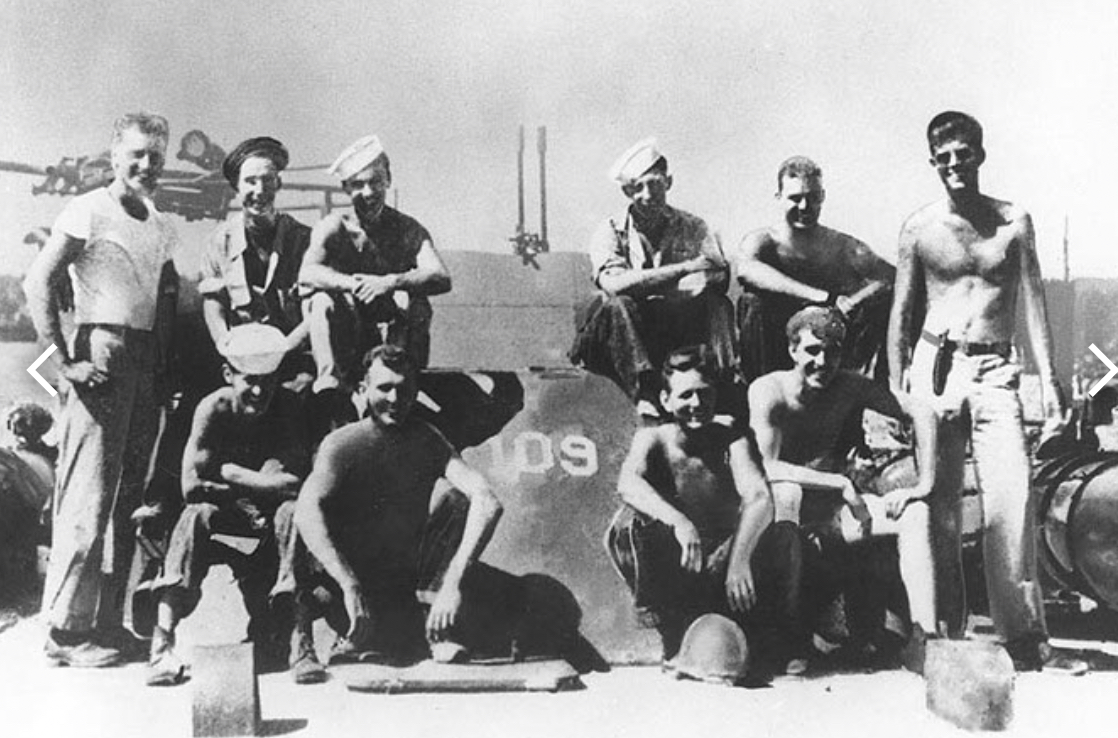 can prove to be dangerous. On August 2, 1943, the middle of the night, Kennedy’s boat was rammed by a Japanese destroyer and caught fire. In the ensuing explosion, several of Kennedy’s shipmates were blown overboard into a sea of burning oil. With no regard for his own life, Kennedy dove in to rescue three of the crew and in the process swallowed some of the toxic mixture. Kennedy always blamed his chronic stomach problems on that incident. The ordeal was not quickly over, and for 12 hours, Kennedy and his men clung to the wrecked hull. Finally, he ordered them to abandon ship. Kennedy and the other good swimmers placed the injured on a makeshift raft. They took turns pushing and towing the raft four miles to safety on a nearby island.
Their ordeal still wasn’t over. For six days, Kennedy and his crew waited on the island for rescue. There was little to eat on the island, but the men survived by drinking coconut milk and rainwater until native islanders discovered the sailors and offered food and shelter. While they waited, Kennedy tried every night to signal other US Navy ships in the area. In addition, Kennedy scrawled a message on a coconut husk and gestured to the islanders to take it to a nearby PT base at Rendova. Finally, on August 8, a Navy patrol boat picked up the survivors of PT-109.
The men were taken to the hospital to recuperate, and on June 12, 1944, while Kennedy was in the hospital recuperating from back surgery, he received the Navy and Marine Corps medal for “courage, endurance, and 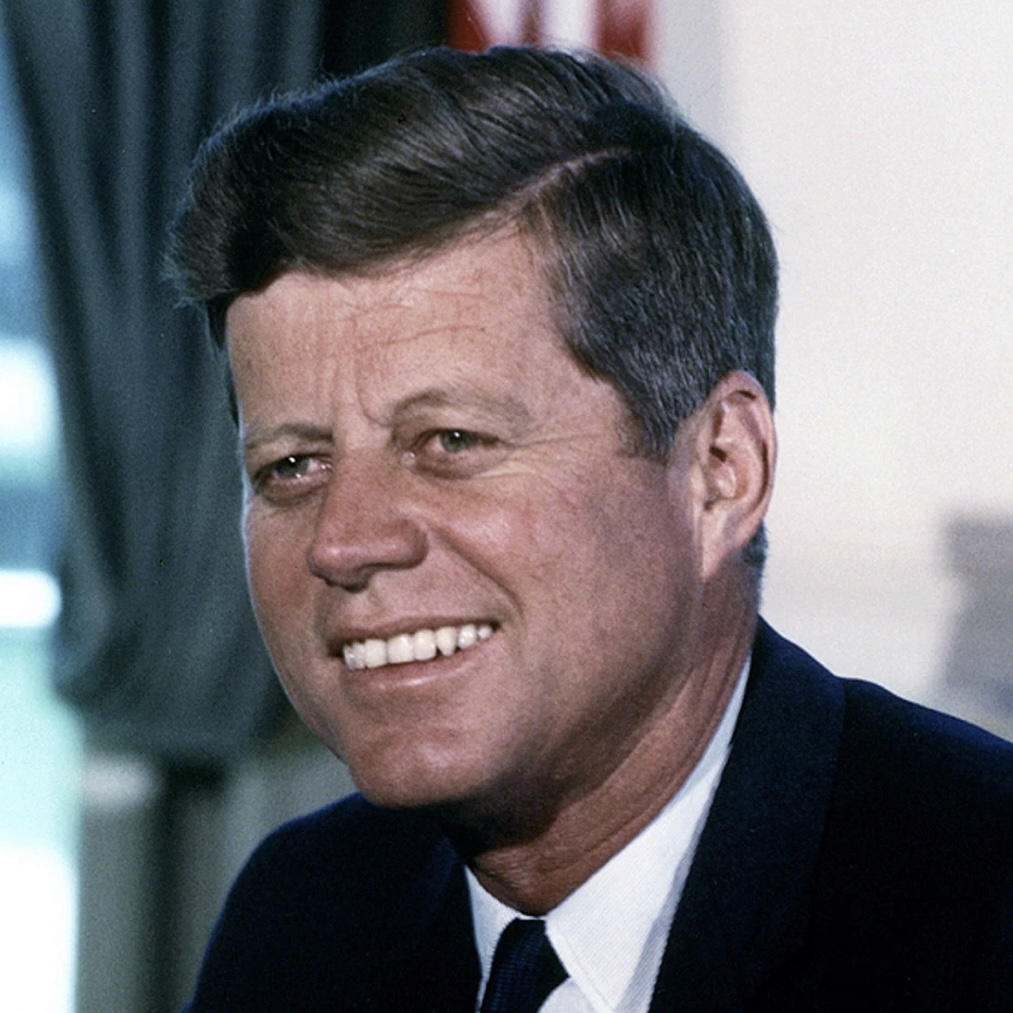
 excellent leadership [that] contributed to the saving of several lives and was in keeping with the highest traditions of the United States Naval Service.”
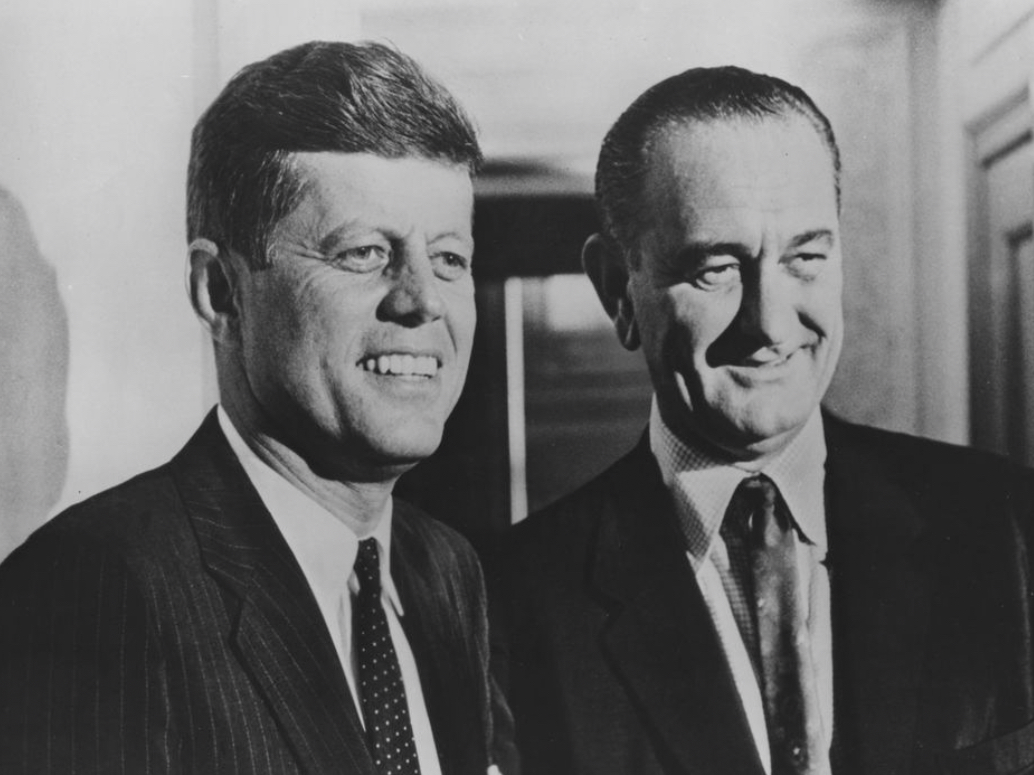
Of course, the rest is history. John F Kennedy went on to become the 35th President of the United States, and on November 22, 1963, Kennedy was assassinated in Dallas. His vice president, Lyndon B Johnson, assumed the presidency upon Kennedy’s death.
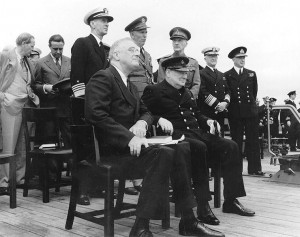
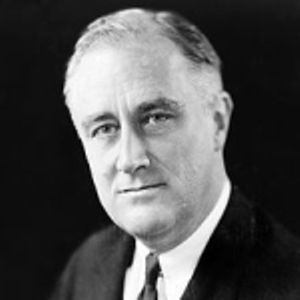
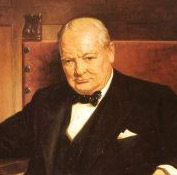 In a military operation, especially as part of a war, absolute secrecy is vital. Those involved with the planning have to know that they can trust everyone who is around them. One of the most important operations of World War II was the D-Day attack…Operation Overlord. Success was vital, and failure was simply not an option, no matter how many men were lost. The attack on Pearl Harbor had finally drawn the United States into World War II, and now we were in it to win it.
The success of any mission is found in the planning, so in August 1943, Franklin D Roosevelt and Winston Churchill met in Quebec for the first of two meetings code-named “Quadrant.” Technically, the meeting was the first of two “Quebec Conferences.” The meetings couldn’t even officially talk about the name of the actual operation, “Operation Overlord, which was later known as D-Day to the world. The Americans and the Brits had differences of opinion as to just how the operation was to be handled, but in order to make this operation work, they would have to be in complete agreement, and the mission would have to be kept completely covert!! No one could know the details.
Everyone, from the top men down to the paper supplier was screened to make sure of their loyalties. No stone was left unturned. If any information was leaked, thousands of men could die, and the fate of the world could have been severely compromised. Nevertheless, something was “missed” somehow. A young Canadian named Émile Couture was in charge of stationery supplies that fateful day, and in reality, he had no intention of being a traitor or playing any other nefarious part in the leak of information into the operation. Nevertheless, he managed to walk out of those meetings with the tactical plans for the invasions. It wasn’t even accidental…exactly.
Roosevelt and Churchill were excellent strategists, and their very detailed plans were perfectly laid out. The operation was going to be an amazing success. Now, all they had to do was to keep everything secret until the actual day, as yet unnamed, of the operation. The plans included detailed listings of Allied military assets to be used in the landings…the number of planes, combat cars, ships, and ground soldiers. They only had to keep it very quiet, because the leak of this information could have turned the tide of the war in favor of the Axis powers, and had that happened, our world would be vastly different even from the strange world we are experiencing today. Sergeant Major Émile Couture had been tasked with cleaning up after the meetings and instructed to make sure nothing was left behind.
Couture was doing his job in a meticulous fashion, but while cleaning an office on the third floor of the hotel, he discovered a leather portfolio that was inscribed “Churchill-Roosevelt, Quebec Conference, 1943. Maybe he thought it was just an empty portfolio, and so thought he could actually have an amazing souvenir of such a monumental meeting. Just think of the stories he could tell his children and grandchildren about the time he got to help out with such an important meeting between two of the most important men if his time. History doesn’t really tell us what he was thinking, but he decided to keep the portfolio as a souvenir without realizing what was actually in the portfolio. 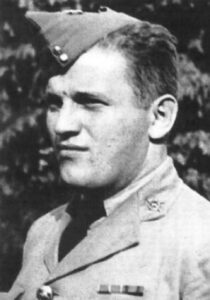 Couture walked out of the Château Frontenac without anyone being any the wiser and drove to the cottage where he was living with his cousins in Lac-Beauport just a few miles outside of Quebec City. Then he took time to examine his “treasure” only to find that he could actually be tried for treason. Couture was more than frightened. He was terrified, and he hid the files under his mattress overnight.
In the morning, knowing that he would have to face the music, he took the portfolio and its files to his superior, Brigadier Edmond Blais. Blais told Couture to go home and wait. He would be dealt with in the morning. Couture could have been put in prison for the remainder of the war in order to make certain that he did not leak the information he had seen. He was, after all, a low-ranking soldier, and shouldn’t have access to such top-secret information. Instead, he was sent home after being questioned by Scotland Yard and the FBI.
Whether Couture was terrified to say anything, or just an honorable soldier, he never leaked the information he had seen. Blais must have liked Couture, because he sent a letter on August 28, 1943, in which he recommended the Sergeant Major Émile Couture be awarded “the greatest accomplishment that can be given an NCO (non-commissioned officer).
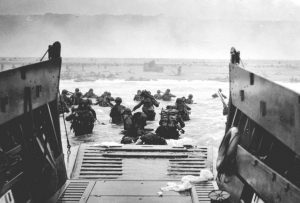
On June 6, 1944, the Allies staged the largest amphibious military landing in history. Always remembered as D-Day, Operation Overlord saw 150,000 troops hit the beaches of Normandy, push back the German army and set the course for the eventual victory of the Allied forces. The secret of D-Day was kept, and the operation went off without a hitch.
Couture was rewarded for his discretion during a ceremony in September 1944, when he was commended for his actions by being granted a British Empire Medal. During the ceremony, there was no mention of what Couture had actually done to merit the award other than “services rendered.” I wonder if anyone thought that odd. Nevertheless, they really couldn’t tell, because it would have been embarrassing to the military for the public to see how easily someone walked out of the hotel with top secret documents.
Couture’s daughter, Anne Couture, insists that her father never told anyone. But someone did leak the story, and Couture became the center of the media’s attention. He gave several interviews over time, but he never told anyone whose office he had been cleaning when he found the documents or who he thought might have left them there. Though, Anne admits, he may have told her mother. If he did, Georgette Larochelle isn’t telling anyone, and in an effort to clear the record concerning her husband’s involvement in the whole incident. She has turned over all the memorabilia and documentation the family has kept over the years. It has all been donated to the Royal Museum and has been displayed in an exhibit since the 75th anniversary of the 2nd 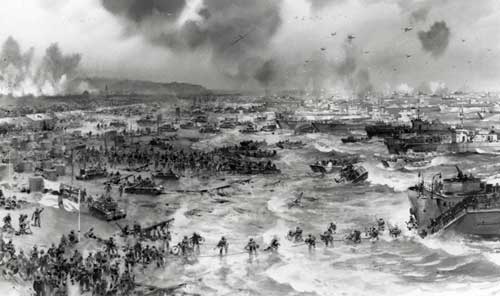
 Quebec Conference.
According to the museum’s director and curator, the documents are “convincing and some of the artifacts are considered invaluable” to the museum. He called the personal items which were specially made for the conference, “a great witness of this event of national significance.”

