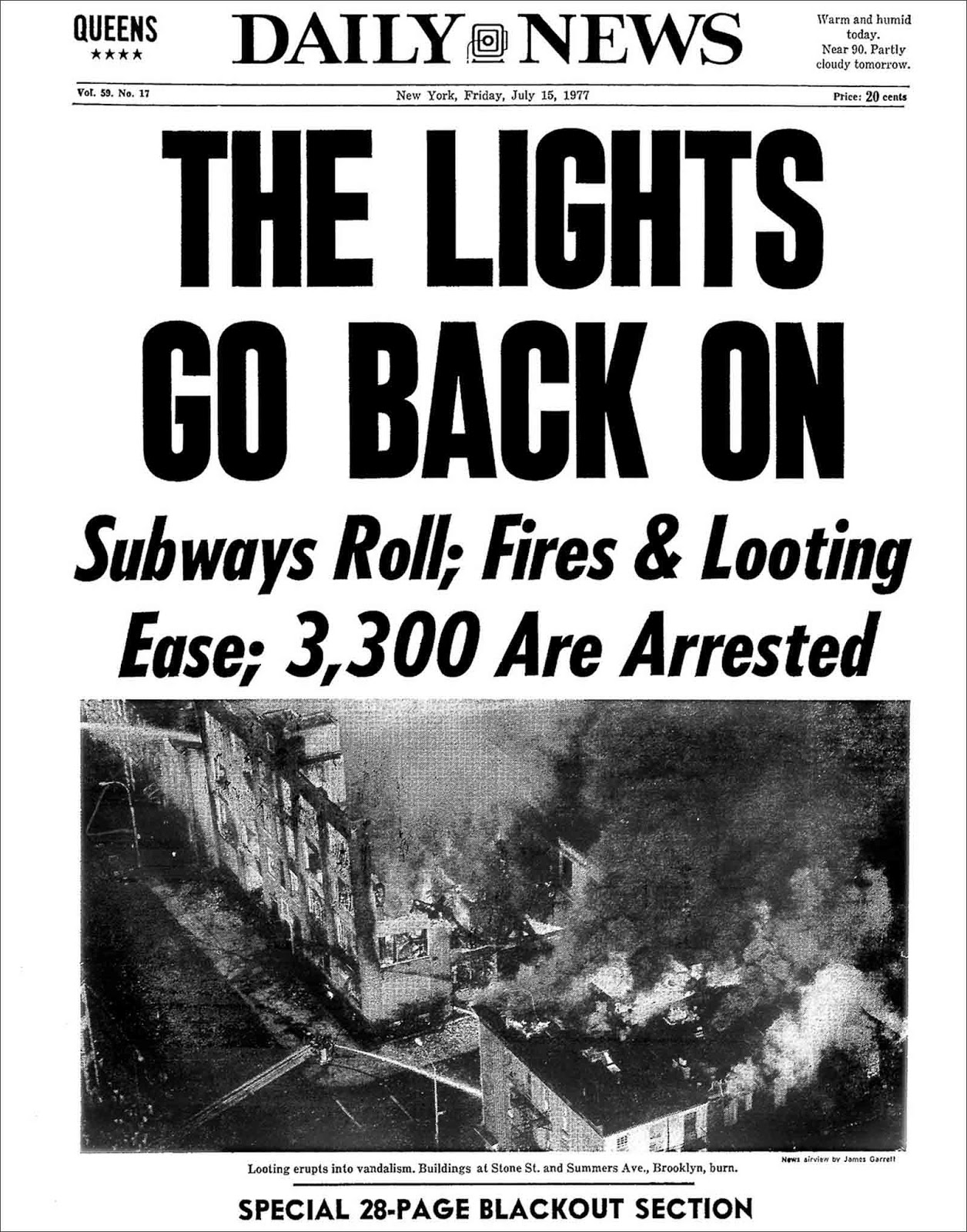
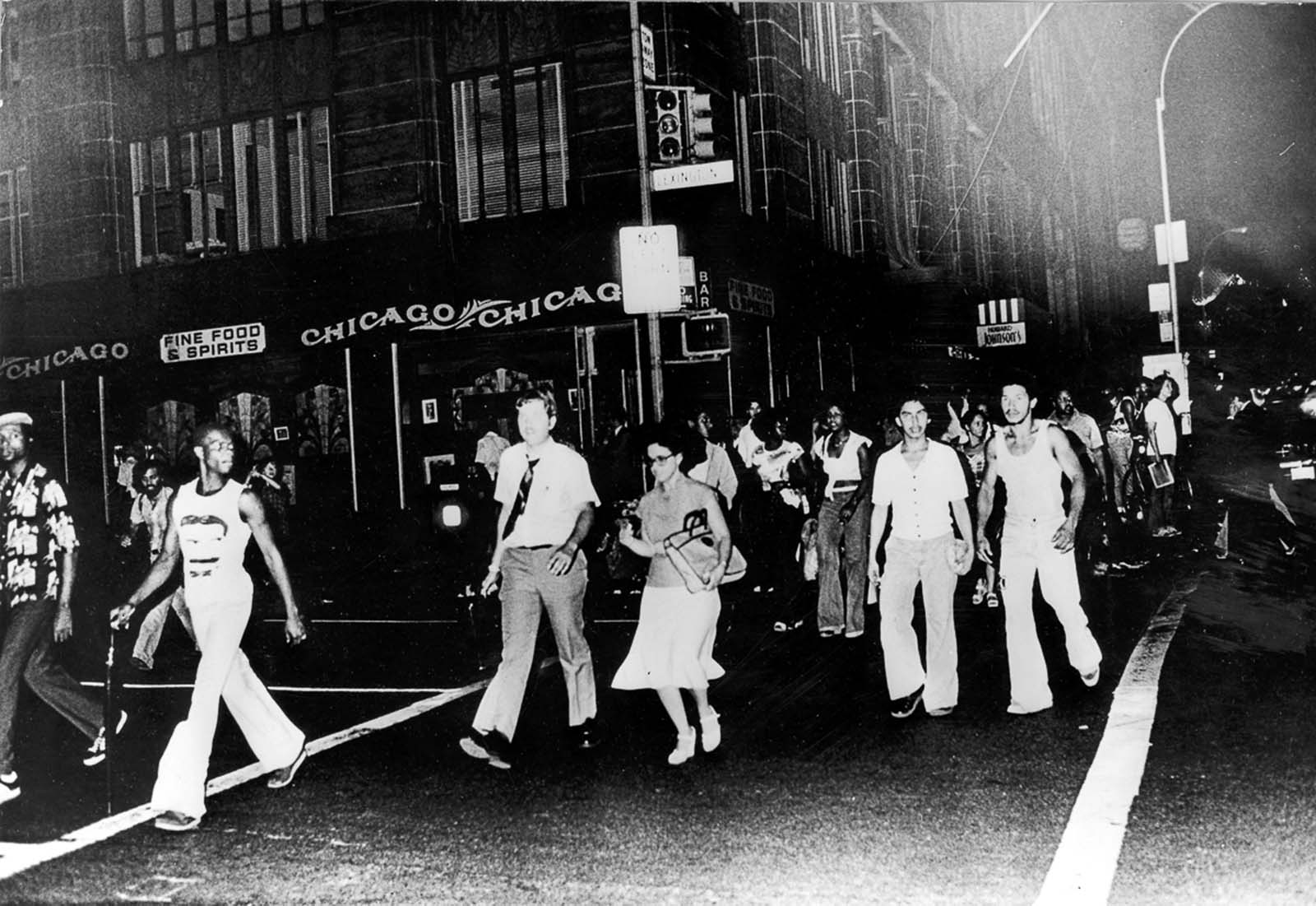
 On the evening of Wednesday, July 13, 1977, at 8:34pm EDT, a lightning strike hit the Buchanan South substation on the Hudson River, tripping two circuit breakers in Buchanan, New York. This substation reduced the 345,000 volts from the 900 MW class Indian Point nuclear generating station to a lower voltage for commercial use. However, a loose locking nut and a slow upgrade cycle kept the breaker from resetting, stopping the power from flowing again. A second lightning strike knocked out two 345 kV transmission lines, with only one coming back online automatically, cutting power from the Indian Point nuclear plant. This pushed two other major lines into overload. At 8:45pm EDT, Consolidated Edison tried to start a fast-response generating station, but the remote start failed since no one was there to run it. Other plants kicked in, though some turbines were down for maintenance and couldn’t provide full capacity.
Then, at 8:55pm EDT, a third lightning strike hit the Sprain Brook substation in Yonkers, knocking out two more key transmission lines. Because the system prioritized the already-isolated Indian Point plant, only the north–south line came back automatically, and poor control-room display design kept operators from noticing at the time. When a second transmission line opened, it left Con Edison disconnected from major generating stations 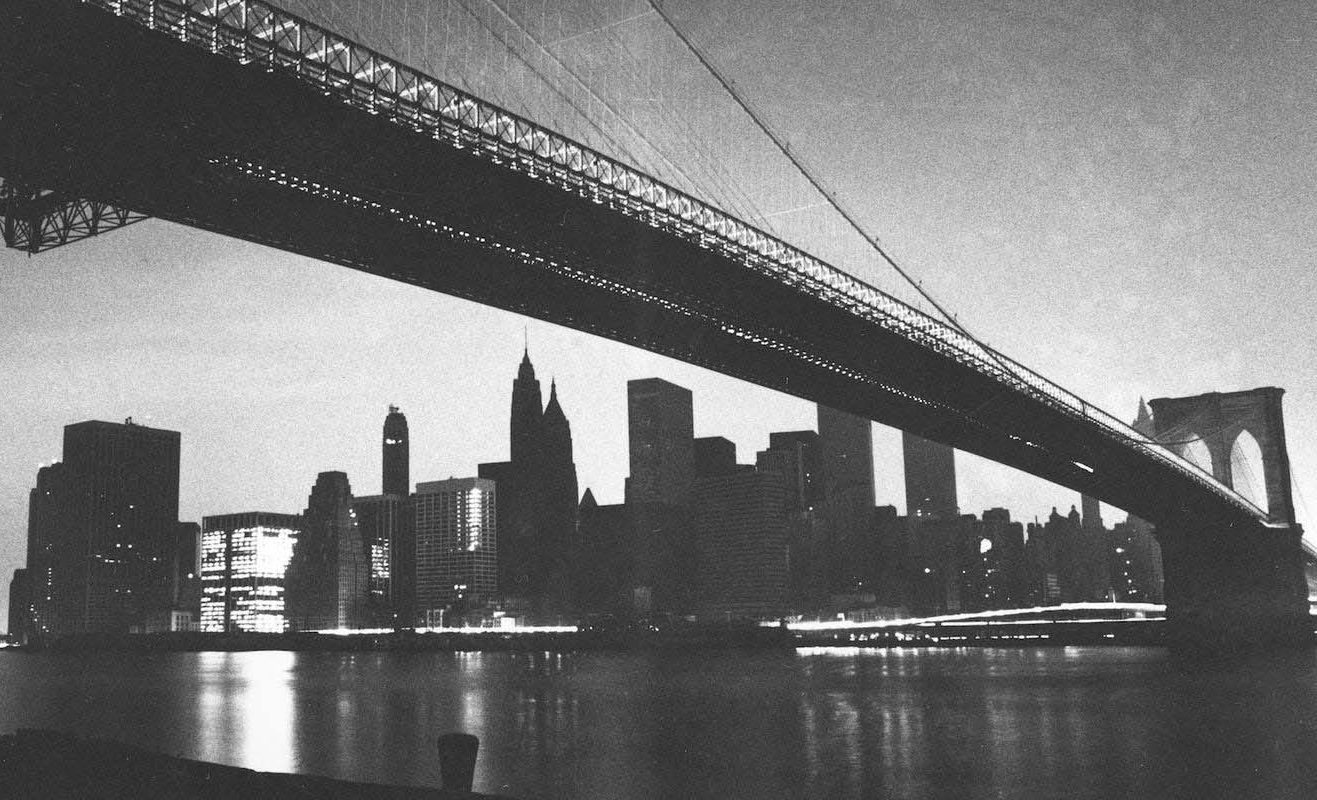 across the Hudson River. As a result, power was rerouted through cross-river lines in Newark or upstate New York before heading back toward New York City. The remaining lines into the city couldn’t handle the extra load without surpassing their long-term capacity limits.
I don’t know why a power outage should have caused the events that followed, but for whatever reason, some people tend to go crazy over things like that. Nevertheless, the blackout had hit during a tough time for the city, with a severe financial crisis and fear from the Son of Sam murders hanging over residents. The whole country, especially New York City, was in a long economic slump, and people compared the event to the lighter mood of the 1965 blackout. Some blamed the city’s money troubles for the chaos, while others pointed to the sweltering July heat wave gripping the East Coast. It didn’t help that the 1977 outage struck after businesses had closed, unlike in 1965 when many shop owners were still around. This time, looters kept going well into the daylight hours of the next day.
Looting and vandalism swept through New York City, affecting 31 neighborhoods. Crown Heights was hit hard, with 75 stores on a five-block stretch looted and damaged, while Bushwick saw rampant arson, leaving about 25 fires still burning the next morning. At one point, two blocks of Broadway in Brooklyn, separating Bushwick 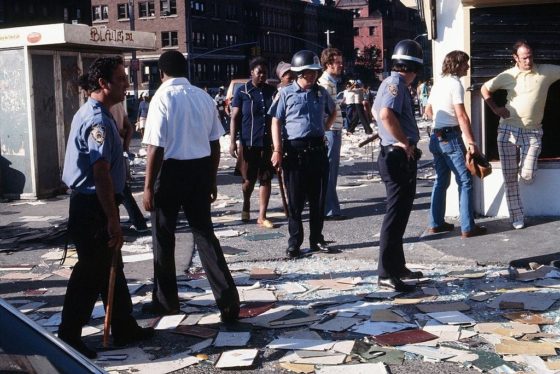
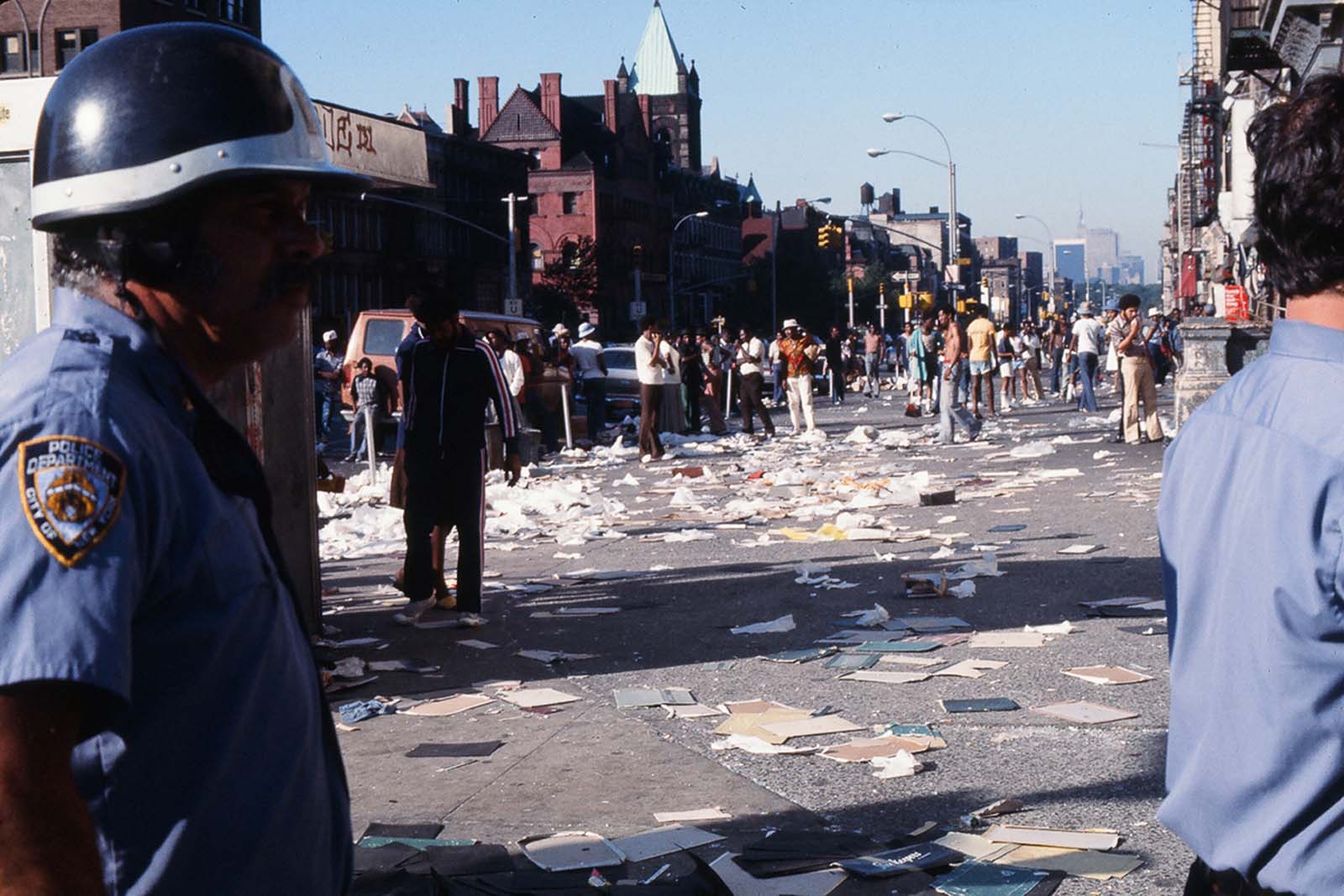 from Bedford-Stuyvesant, were ablaze. In total, 35 blocks of Broadway were destroyed, with 134 stores looted and 45 also set on fire. Thieves made off with 50 new Pontiacs from a Bronx dealership. In Brooklyn, some youths used cars and ropes to pull away store grates before looting inside. The chaos left 550 police officers injured and resulted in 4,500 arrests. It’s such a sad incident.


Leave a Reply