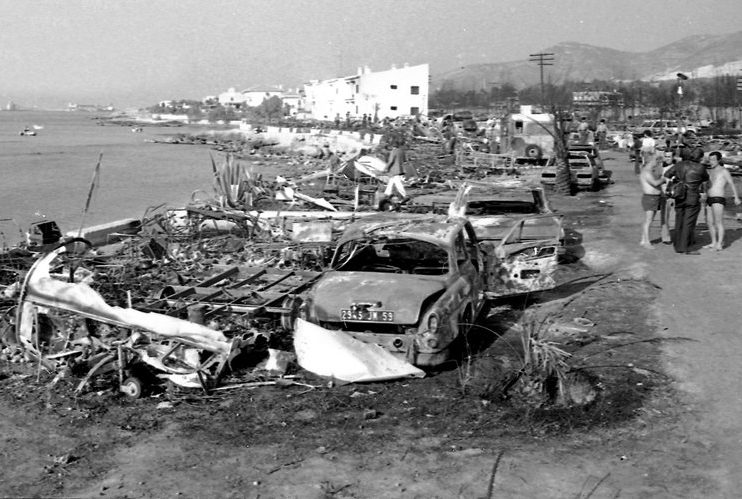
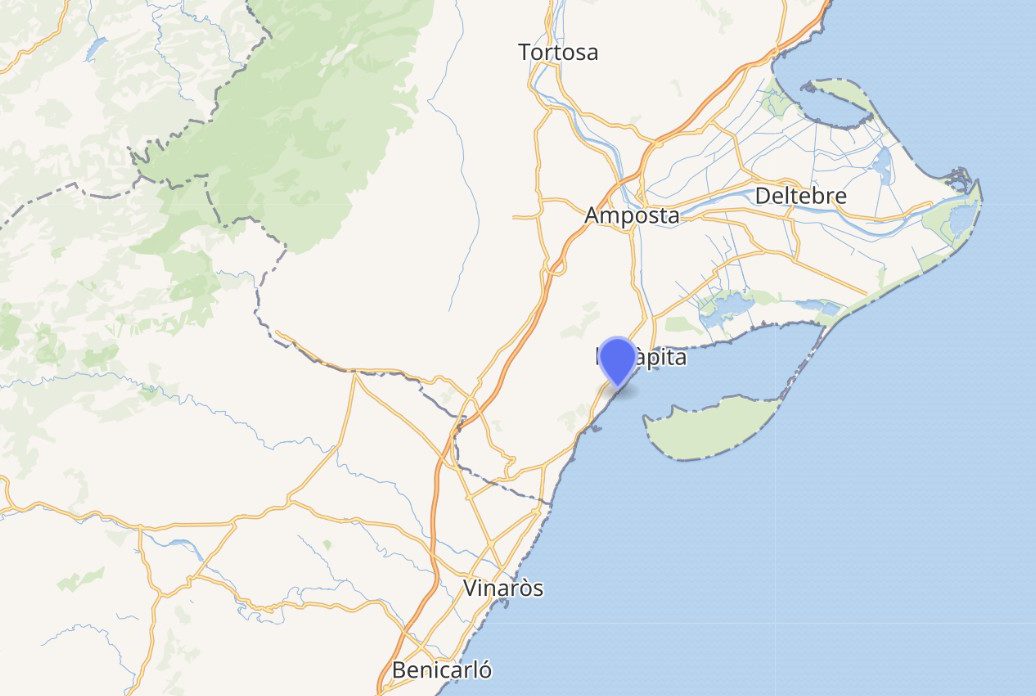
 While trying to avoid the meager cost of a toll on the nearby turnpike, on July 11, 1978, a road tanker owned by Cisternas Reunidas was traveling on a small, winding road 120 miles south of Barcelona. I don’t know what the toll would have been for the truck or its cargo, but it couldn’t have been too much when compared to the loss of lives that resulted from the truck being on the smaller road. On that hot afternoon just after 3pm along Spain’s Mediterranean coast, a 38-ton truck loaded with propylene gas, used to make alcohol, made its way down a narrow, winding road about 120 miles south of Barcelona. For reasons still unclear, the truck suddenly slammed into a concrete wall. Some witnesses claimed they saw flames on the vehicle before the crash.
Later called the Los Alfaques disaster the explosion happened near a holiday campsite in Alcanar, Spain. The liquefied propylene was extremely flammable, and the explosion killed 215 people, severely burned 200 more, and took the lives of 178 French nationals. Just down a hill from a concrete wall, about 800 people…mostly vacationing families from Germany and France…were camped near the beach in tents and makeshift bungalows. The truck careened down the hill and erupted into a massive fireball, sending flames 100 feet into the air and killing many instantly. The blast left a crater 20 yards wide, and the heat caused campers’ portable gas tanks and cars to explode as well. Few survivors wore more than bathing suits, leaving many with terrible burns. The timing of the disaster added to the high death toll, coming just after lunch. Many hadn’t yet returned to the nearby beach. The people simply didn’t stand a chance. So many German citizens were affected that German officials arranged an airlift of doctors and equipment from Stuttgart to help with the relief efforts.
The disaster was one of Spain’s deadliest fire-related incidents, second only to the 1977 Tenerife airport tragedy. Survivors recalled the scene as “like napalm.” There was no way of escape. In its aftermath, Spain introduced new regulations requiring dangerous cargo to be transported through populated areas only at night. 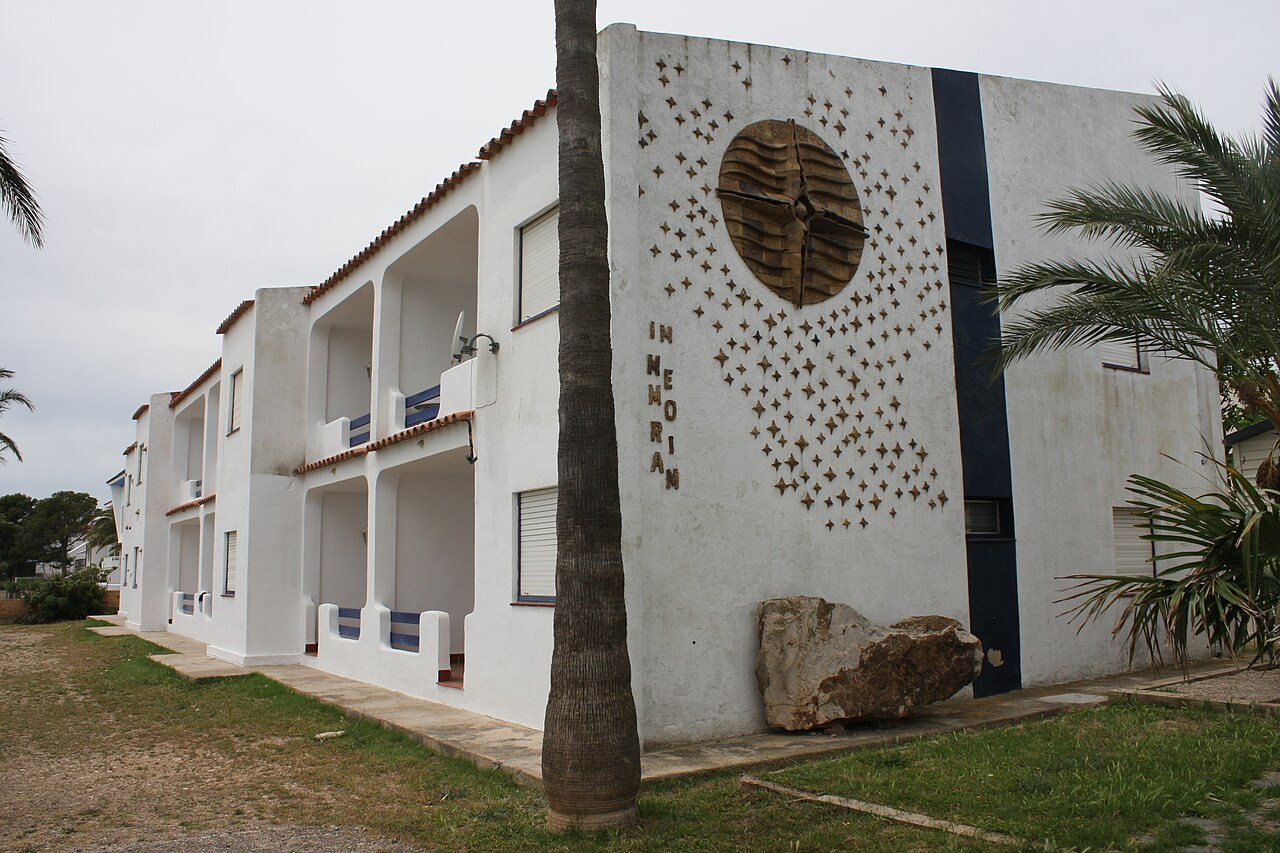
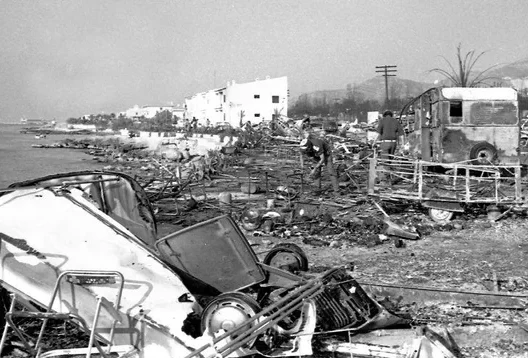 Several company officials faced prosecution for criminal negligence. Today, the site stands as a memorial to the victims and serves as a sobering reminder of the risks posed by transporting hazardous materials in and around communities. The situation poses a rather tough question. The materials are absolutely necessary in manufacturing needed products, but safety around communities must be a top priority too.


Leave a Reply