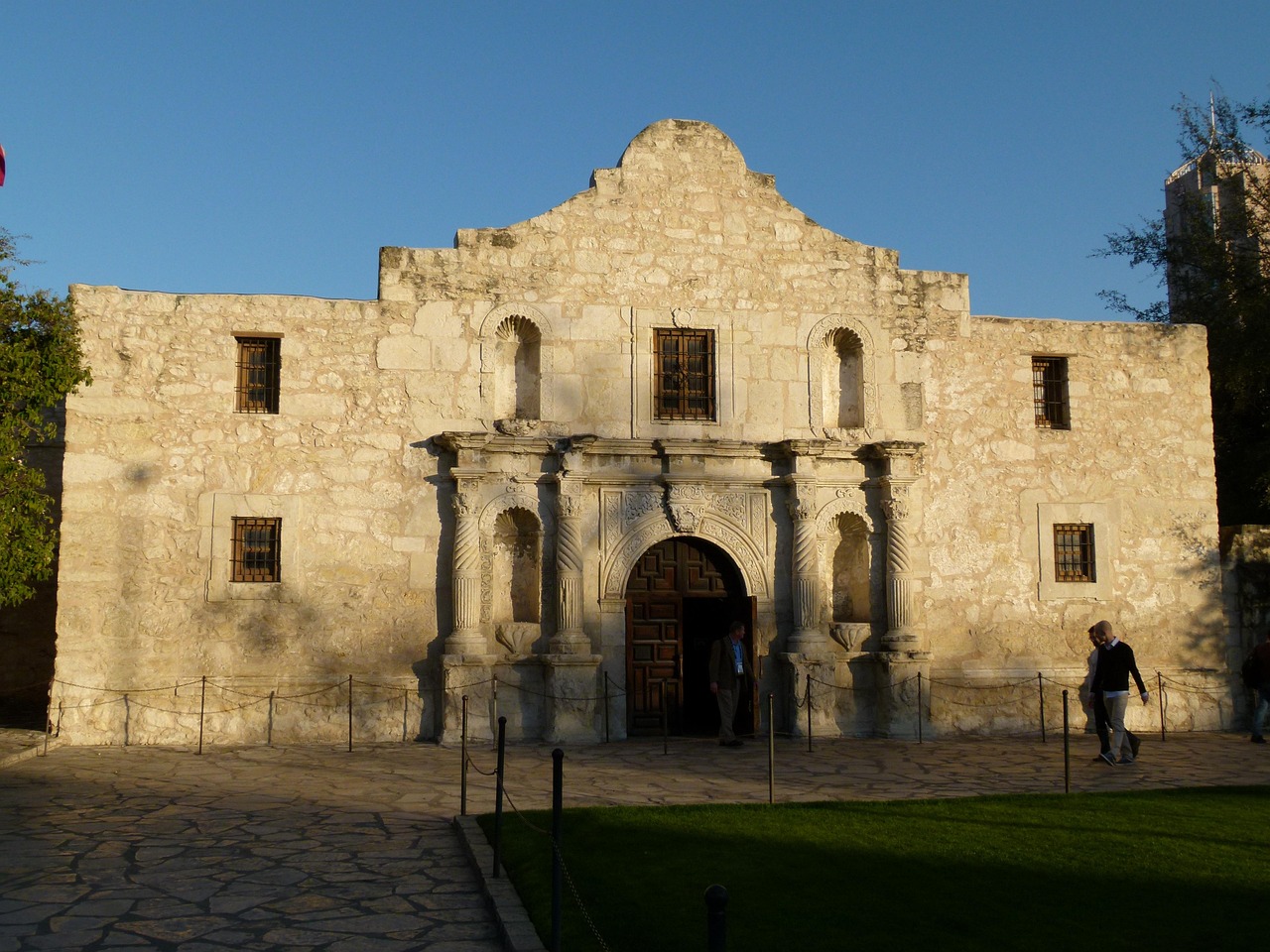
 Few people, of an age to have studied history, can say they have never heard of the Alamo. While we all know that the people who fought and died there were very brave, can we honestly say that we really understand what the fight was all about? In February of 1836, an outnumbered band of Texan independence fighters faced a Mexican army in what would become one of the most storied conflicts in American history…the Battle of the Alamo. The Texan fighters would lose that battle badly, but it was their final stand that would become a historic symbol of resistance and freedom, and immortalize the famous battle cry, “Remember the Alamo!” The battle was important…militarily, politically, and symbolically.
After winning independence from Spain in 1821, Mexico allowed pioneers from the expanding United States to settle in the northern Tejas region of Mexico. The settlers were known as “Texians” and over the next decade, enjoyed a relative degree of invisibility far from Mexico’s capital. However, as the number of settlers grew, the Mexican government responded by prohibiting US immigration and imposing tariffs on the Texas settlers, causing tensions to escalate. The situation eventually exploded into armed clashes between the settlers and the Mexican government with the Battle of Velasco in 1832, which was a prelude to the brewing Texas Revolution. The Texas settlers believed that Antonio López de Santa Anna, who was a celebrated general vying for the Mexican presidency, might be their saving grace in the situation. They thought he backed their continued autonomy due to his Federalist campaign platform, which supported a division between federal and local governance. Then, they felt betrayed when, upon winning the presidency in 1833, Santa Anna did an about-face and abolished the Mexican Constitution of 1824, which had enshrined the Federalist system, seeking to centralize power as a military dictator.
It was the last straw in a long line of betrayals by the Mexican government. On October 2, 1835, tensions had 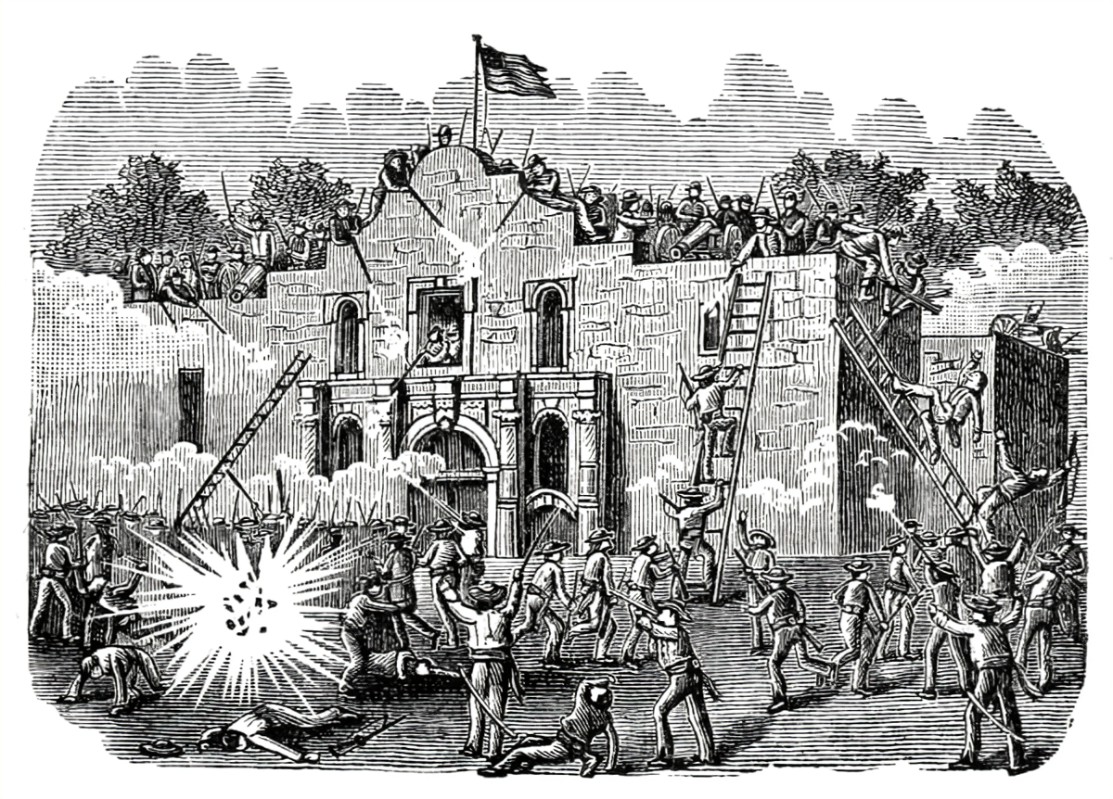 finally reached a breaking point, and the Texas Revolution began in earnest with the Battle of Gonzales. The revolutionaries won their first fight, but the quest for independence was just the beginning. With that, the stage for the Battle of the Alamo was set. The Alamo was named after the Spanish word for the cottonwood trees that surrounded it. The structure is a former Spanish mission, but it was used as a military fort starting in the early 19th century. A group of Texan volunteers captured the Alamo from Mexican forces in December 1835. Its location in the town of San Antonio de Bexar (now San Antonio, Texas) was of strategic importance for supply lines and communications, making it one of the first frontier outposts to encounter the advancing Mexican army. On February 23, 1836, General Santa Anna arrived at the Alamo with an army. His intent was to take back the fort and put down the revolution. The estimates of the Mexican army’s size vary. It was estimated to be between 1,800 and 6,000 people, but what’s not in dispute is that the Alamo’s defenders had less than 200 fighters, and they were greatly outnumbered. Santa Anna’s demands for unconditional surrender were met with a cannon shot from the Alamo, and with that began a 13-day siege.
The Texan volunteers were led by Colonel James Bowie, who is now well known as a famous adventurer and knife fighter, and 26-year-old Lieutenant Colonel William B Travis. The group came from all walks of life. In addition to early American settlers, including Davy Crockett, the legendary frontiersman and Tennessee congressman, the numbers of those at the Alamo included native-born San Antonians of Mexican heritage and European immigrants. On February 24, while surrounded by enemy forces, Travis penned one of US history’s most famous letters. It was addressed “To the People of Texas and All Americans in the World,” the letter was a 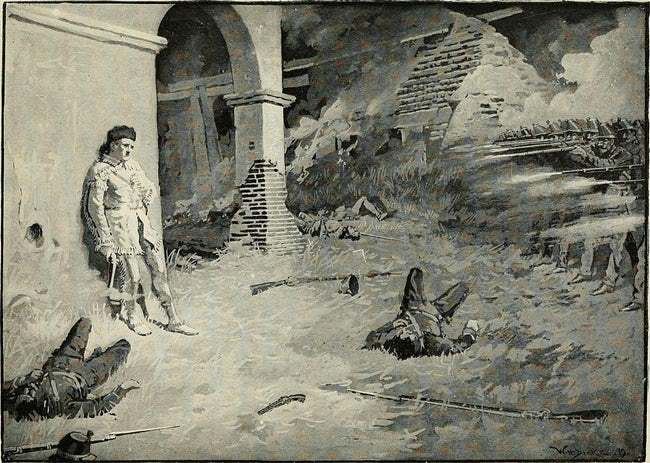 passionate call for aid from supporters of the revolution. It was then reprinted in newspapers all around the United States and even Europe. The Alamo fighters knew, that as Travis had spoken, the only choices were “victory or death.” On March 6, Mexican forces breached the fort and overpowered the defenders. On Santa Anna’s orders to take no prisoners, almost all of the Alamo’s defenders were killed and their remains burned, including Bowie, Travis, and Crockett. The Mexican victory was not without significant losses, estimated between 600 and 1,600. In the end, the outnumbered defenders held off the Mexican army for 13 days, buying time for Texas General Sam Houston to gather forces and prepare for future victories in the Texas Revolution.


Leave a Reply