Monthly Archives: January 2026
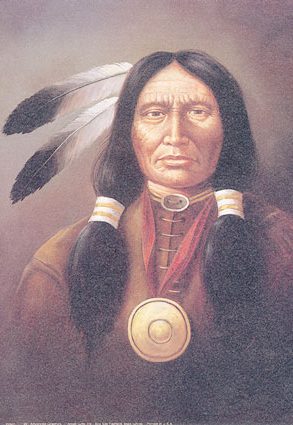 On January 22, 1879, American soldiers chased Cheyenne Chief Dull Knife and his people as they made a desperate run for freedom. The clash ended in a devastating defeat for Dull Knife and his band, as the soldiers brought the so-called Dull Knife Outbreak to a crushing end.
Dull Knife, also known as Morning Star, was a prominent chief of the Northern Cheyenne tribe. He had long advocated for peace with the powerful Anglo-Americans moving into his homeland in the Powder River region of present-day Wyoming and Montana. But the 1864 Sand Creek massacre, where Colorado militiamen killed over 200 peaceful Cheyenne, made him doubt they could ever be trusted. Reluctantly, he led his people into a war he feared they couldn’t win. In 1876, many of his people fought alongside Crazy Horse and Sitting Bull in their victory at the Battle of Little Bighorn, though Dull Knife himself did not take part.
In the winter after Little Bighorn, Dull Knife and his people camped near the headwaters of the Powder River in Wyoming, only to be caught in the army’s winter campaign for revenge. In November, General Ranald Mackenzie’s forces found the village and attacked, costing Dull Knife many lives. Along with other Native leaders, he reluctantly surrendered the following spring. By 1877, the military had moved Dull Knife and his followers far from their Wyoming homeland to Indian Territory 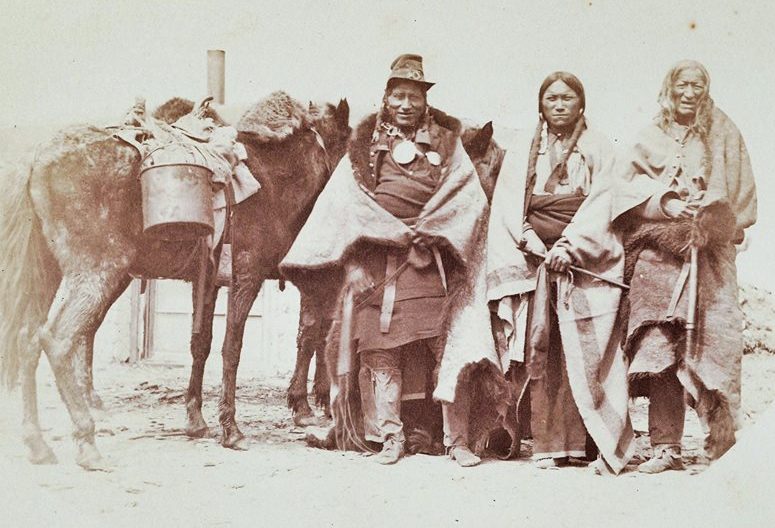 on the southern plains, in what is now Kansas and Oklahoma. Unable to hunt traditionally and reliant on scarce government rations, they suffered from hunger, homesickness, and disease. After a year, they rebelled, and in September 1878 joined another band in an epic journey back to Wyoming. Though Dull Knife declared peaceful intentions, the government saw them as renegades, and soldiers from across the Plains pursued them without success. Still, running for your life can take its toll.
When Dull Knife and his people reached Fort Robinson, Nebraska, near their Wyoming homeland, they surrendered to the government, hoping to be allowed to remain in the area. Instead, officials threatened to keep them captive at the fort unless they agreed to return south to the Indian Territory. Refusing to give up when his goal was so close, Dull Knife led about 100 of his people in a final desperate bid for freedom in early January. Soldiers from the fort pursued the already weak and starving group of men, women, and children, and on January 22, attacked and killed at least 30, including several members of Dull Knife’s immediate family.
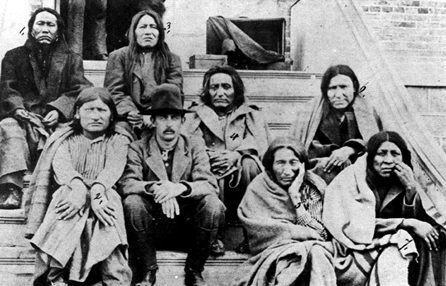
Wounded and weary, most of the survivors returned to Fort Robinson and resigned themselves to their fate. Dull Knife escaped and eventually found refuge with Chief Red Cloud on the Sioux reservation in Nebraska. Allowed to stay there, he died four years later, filled with bitterness toward the White Man he had once hoped to live alongside in peace. That same year, the government finally granted the Northern Cheyenne a permanent reservation on the Tongue River in Montana, close to their ancestral homeland. At last, Dull Knife’s people had returned home, though their great chief did not live to see it.
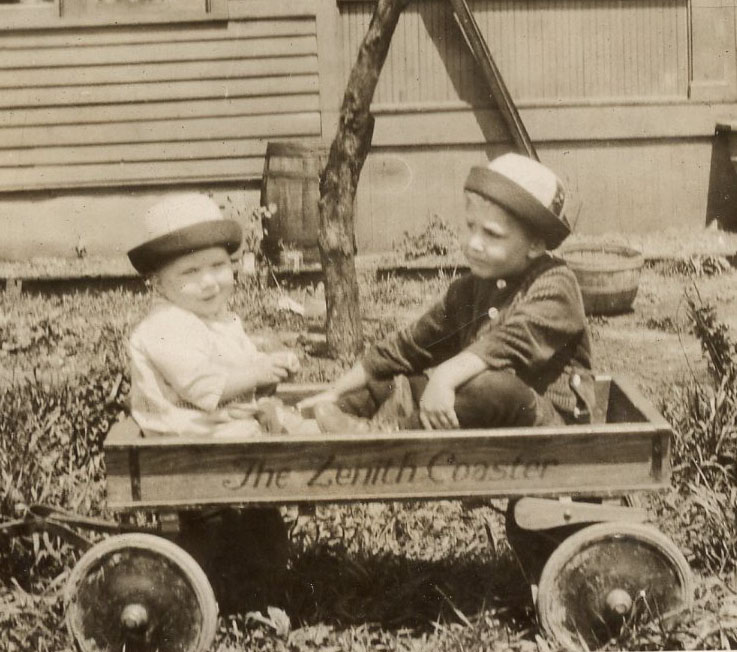
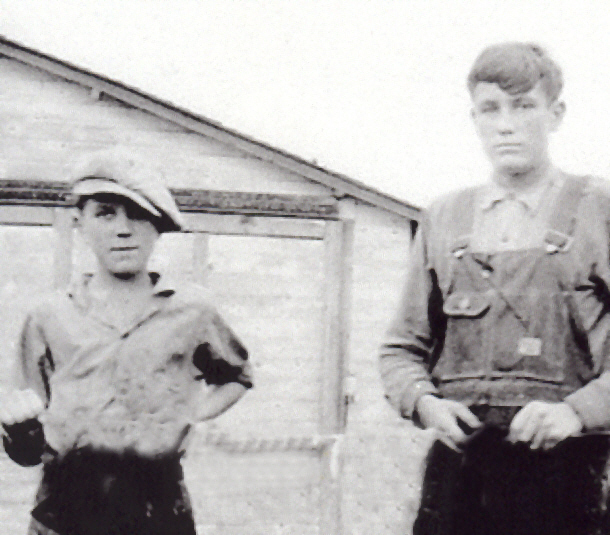 As a girl, I loved hanging out with my uncle, Bill Spencer. We always just clicked. He was a favorite of all my sisters too. Uncle Bill was my dad, Allen Spencer’s older brother…older by two years. The brothers did everything together. Uncle Bill was always protective of his little brother, keeping an eye on him and teaching him all the things boys of the Great Depression era needed to know to get along in life. They were close, and they were “partners in crime” or at least in the antics of little boys. Being farm boys, they played with and in the things of a farm, one of them being the wood pile. The thought of the boys playing there makes me cringe a little, but they survived, so I wonder in the wood pile was smaller than I imagined or solidly stacked. Uncle Bill told me once about a time they were playing on that wood pile. When he looked over to check on his brother, who was 3 or so, my dad was sound asleep…standing up but leaning against the wood pile. The story might seem incredulous, but I’ve seen my great grandson, Axel Petersen asleep standing up, leaning over my coffee table. It still makes me laugh, so I can imagine what Uncle Bill did.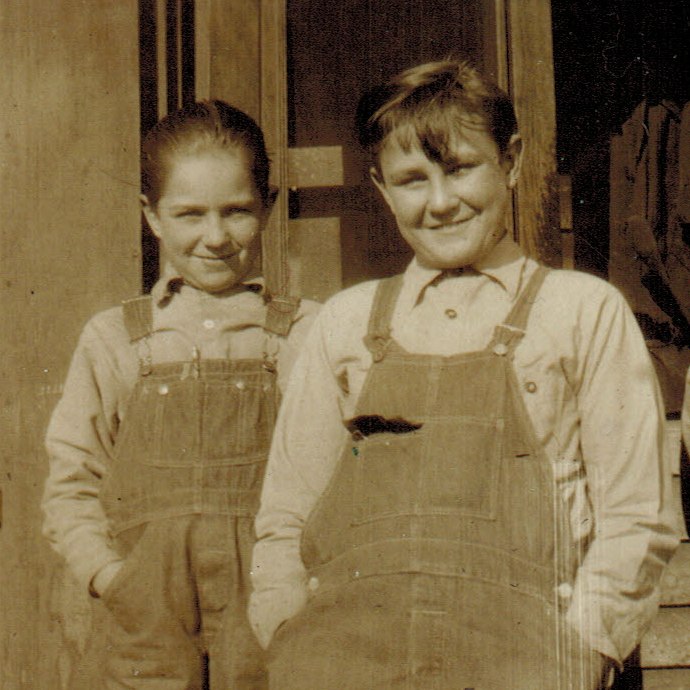
Being farm kids, my aunts, Laura Fredrick and Ruth Wolfe, as well as my uncle and my dad knew how to work the hay, gardens, wood piles, and how to remove stumps…with dynamite!! These were just boys, but they had been trained since they were little. So, by the time they were old enough to stay home alone while their mom, Grandma Anna Spencer went to town for supplies, they were also old enough to get into mischief, and so they did. They decided one day to see what would happen if dynamite was set off on the top of a gatepost. Well, they found out alright. When that dynamite went off, that gatepost sunk several inches into the ground. Now, they had a dilemma. The gate wouldn’t close, and their mom would know. So, the boys got busy repositioning that gatepost so the gate would close before her arrival…and then to act like nothing happened. It was a typical antic the brothers pulled off, with their mother none the wiser…or if she was, she never let on. I suspect my grandmother knew more that the brothers thought, but they were good boys, so she gave them some latitude.
My Uncle Bill and my dad always had a little bit of the mischievous boy in them. It was a permanent part of who they were, and probably one of the things that endeared them to us the most. They really were the little 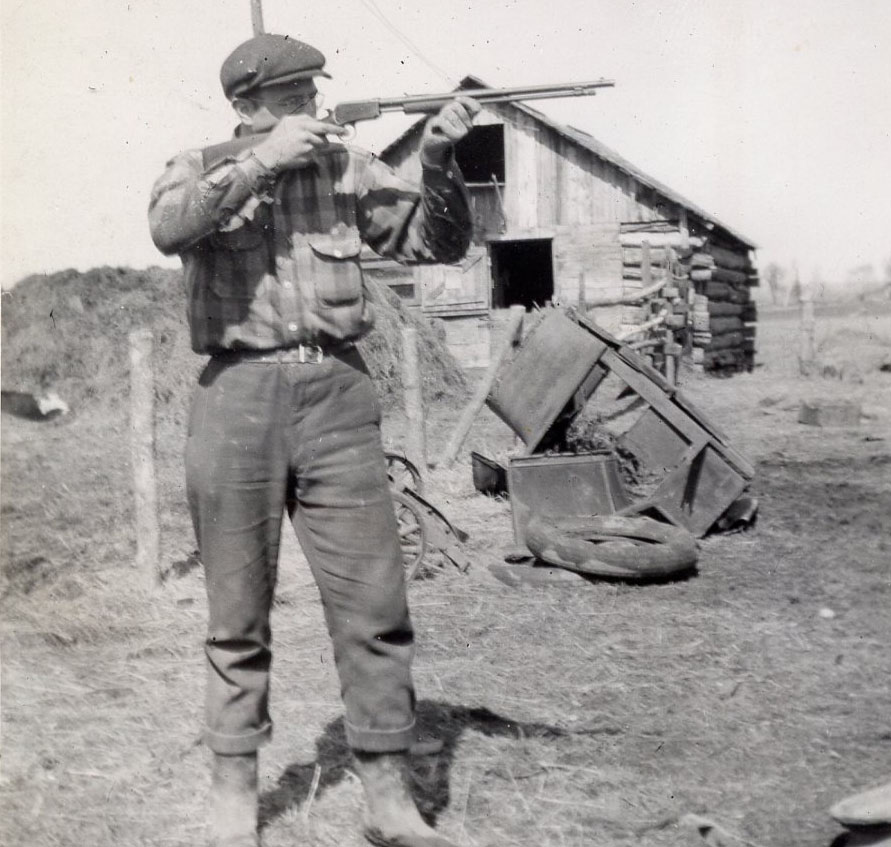
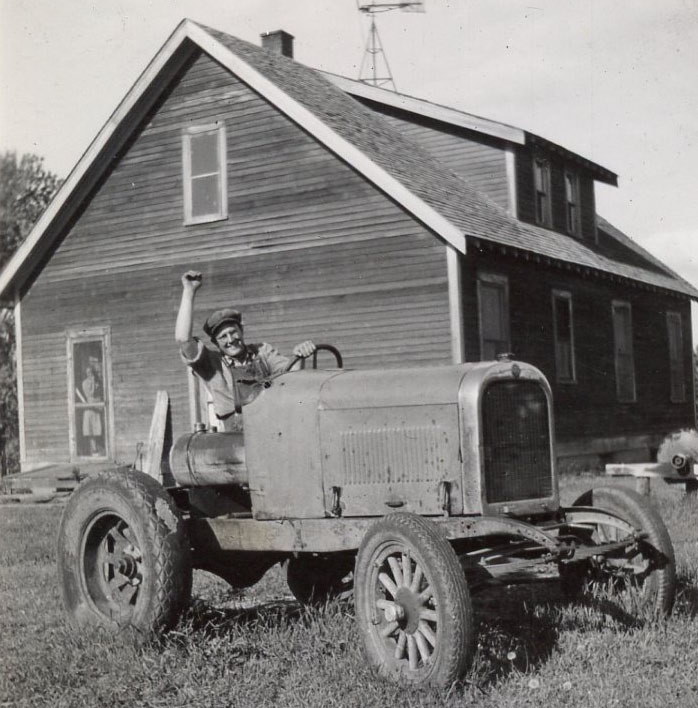 boys who would never fully grow up, and that was ok with all of us. I think that if they had been too serious, we would not have had so much fun when we were around them. These days, they live in Heaven with their parents, siblings, and even their spouses. Uncle Bill had been divorced for many years, but as neither he nor Aunt Doris had ever remarried, I believe they always loved each other, and I believe they are good friends in Heaven too. I look forward to seeing all of them in the future. Today would have been my Uncle Bill’s 104th birthday. Happy birthday in Heaven, Uncle Bill. We love and miss you very much.

 Anyone familiar with the Civil War knows the Union emerged victorious, but that doesn’t mean they won every battle. Few wars see completely one-sided battlefield results, and the Battle of Fredericksburg was a clear example. On December 11, 1862, Ambrose Burnside, newly appointed commander of the Army of the Potomac, set out to cross the Rappahannock River in Virginia with more than 120,000 troops. Delays meant the crossing wasn’t completed until December 13th, when they faced Robert E. Lee’s 80,000…strong Confederate Army at Fredericksburg. With 200,000 soldiers engaged, it was the largest troop concentration of the Civil War…and a devastating loss for the Union. Nearly 13,000 Union soldiers were killed or wounded, compared to about 5,000 Confederate casualties.
People might think that Burnside was not much of a commander, but it should be mentioned that this was the first time he had commanded an army. He was a graduate of West Point, had risen quickly up the ranks, and had seen action in several battles prior to this fateful day. Abraham Lincoln had approached him about taking control of the Union’s Army. He hesitated, partly out of loyalty to the current commander and former classmate, and partly because he was unsure of his own ability. In the end the prior commander’s failure assured that he was on the way out, and rather than have Major General Joseph Hooker, a fierce rival, pass him up, Burnside accepted the commission on November 7, 1862.
Knowing he needed the element of surprise, Burnside devised a plan to face Lee’s Army of Northern Virginia at Fredericksburg. His idea was to move his troops to the banks of the Rappahannock River, quickly assemble pontoon bridges, and cross over to catch the enemy off guard. Lincoln admired the boldness of the plan and approved it, though he doubted its chances of success. Burnside moved swiftly, arriving at the river by November 19, 1862. Whether the plan could have worked remains unknown, as some Union generals, including Winfield Scott Hancock, believed the river could be crossed without boats and failed to send them, urging Burnside to proceed anyway. Convinced the river was too swift and deep, Burnside refused. They ended up waiting a week for the boats…right under the watchful eyes of Confederate scouts.
The element of surprise was gone. As soon as they started building the pontoon bridges, the Confederate Army opened fire. Burnside responded with a massive bombardment of Fredericksburg, marking the first time a city was shelled in the Civil War. The Union held off the Confederates just long enough to finish the bridges and rush across the river. Two days later, Burnside ordered his left flank to strike Lee’s right, hoping to force Lee to shift troops south and leave the center and Marye’s Heights exposed. For a while, it seemed like the plan might work—General George Meade broke through “Stonewall” Jackson’s line…but the Union didn’t send enough reinforcements, allowing the Confederates to launch a successful counterattack. Lee kept James Longstreet’s men in place at Marye’s Heights, where they crushed Union forces. Burnside lost eight soldiers for every Confederate killed. Though he briefly considered another assault, the battle was over. The Union suffered nearly 13,000 casualties compared to fewer than 5,000 for the Confederates, and they had to regroup before making another attempt.
Burnside was an unpopular commander, partly because he tended to rush into action without much planning. His insecurities ultimately led to his downfall. While preparing his next attack, some of his officers went to President Lincoln with their concerns, prompting Lincoln to call it off. On January 20, 1863, Burnside was ready to try again, but delays with the pontoon bridges and worsening weather got in the way. What had been a dry month turned rainy, leaving roads nearly impassable. Troops who had once marched 40 miles a day to Fredericksburg now struggled to make even a mile. For three days, they slogged through what became known as the “Mud March,” taunted along the way by Confederate forces watching from dry ground. Five days after it began, the offensive was over…along with Burnside’s brief six-week command of the Army of the Potomac. Lincoln quickly replaced him with the very man Burnside had feared: Joseph Hooker.
Fredericksburg marked a low point for the North in the war, while the South celebrated. Burnside might have been better off sticking to his side career in weapon design, which he returned to after retiring in 1853. In 1856, he earned his first patent for a .54 caliber breech-loading firearm. Impressed by its performance, the U.S. Army gave the Bristol Firearm Company in Rhode Island, where Burnside worked, a $100,000 contract. But the deal was abruptly canceled under suspicious circumstances, allegedly due to a rival munitions company bribing the army ordnance department to change suppliers. Burnside’s misfortune continued the next year with a failed Congressional run, followed by a fire that destroyed the Bristol factory, forcing him to sell his patents. Others profited when, at the start of the Civil War, demand for his invention surged. By 1865, over 55,000 carbines had been ordered, making the Burnside one of the Union’s most popular weapons—second only to the Sharps carbine and my ancestor Christopher Spencer’s Spencer Carbine.


Burnside eventually found his claim to fame, but it wasn’t for war or weaponry. He sported facial hair in a style very unusual for the era…a bushy beard and moustache paired with a clean-shaven chin. Burnside’s distinctive whiskers were originally named for him…named “burnsides,” but over time, the name was flipped to become “sideburns.”

 Over the history of the world, there have been many forms of “currency” or at least what was used for currency. In the Old West, doctors often took chickens or eggs for their medical services. During the gold rush, those who found gold dust knew that they could also spend the gold dust. Many other forms of currency have been used, but possibly one of the strangest was tulip bulbs. Nevertheless, it was a real thing for a short time. Tulpenmanie, tulip mania in English, was a period during the Dutch Golden Age. During that time, the prices for certain bulbs of the newly introduced and fashionable tulip soared to astonishing heights.
It’s strange to think of a flower bulb being so expensive that it could be used a currency, but the rapid rise began in 1634, only to collapse dramatically in February 1637. I guess they finally realized how strange it was. Tulpenmanie was seen as the first recorded speculative or asset bubble, it was more of an unfamiliar socio-economic curiosity than a major economic crisis. It had little impact on the prosperity of the Dutch Republic, which remained one of the world’s leading economic powers in the 17th century, boasting the highest per capita income from around 1600 to 1720. Today, the term “Tulip Mania” is often used to describe any large economic bubble where asset prices stray far from their intrinsic values.
Forward markets emerged in the Dutch Republic in the 17th century, with one of the most famous revolving around the tulip trade. A forward market is “an over-the-counter marketplace that sets the price of a financial instrument or asset for future delivery.” At the height of tulip mania in February 1637, some bulbs sold for over ten times the annual income of a skilled artisan. It was crazy!! Studying this period is tricky due to scarce and often biased economic records from the 1630s. Some modern economists suggest that price swings may have had logical causes rather than being pure speculation. For instance, other flowers like hyacinths also started with high prices that dropped as they became easier to grow. Prices may have been further boosted by expectations of a law allowing contracts to be canceled cheaply, reducing risks for buyers.
The 1637 event drew renewed attention in 1841 with the release of the book Extraordinary Popular Delusions and the Madness of Crowds by Scottish journalist Charles Mackay, who claimed that at one point, “5 hectares 
 (12 acres) of land were offered for a single Semper Augustus bulb.” He wrote that many investors were ruined when prices collapsed, dealing a severe blow to Dutch commerce. While Mackay’s work is often cited, his version of events is debated, and many modern scholars think the mania wasn’t as devastating as he portrayed. We will likely never know, but rather there will always be merely speculation, mostly due to the era in which the mania occurred.

 In the late 1970s and early 1980s, the Coast Guard came up with a unique idea to better search for people lost at sea. These birds, often seen as mere city dwellers, were transformed into heroes with a keen eye for survival. Their natural ability to detect colors and movements made them perfect candidates for this life-saving role. This simple action would alert the Coast Guard to the location of the stranded individual. They tested it by using pigeons attached to the underside of helicopters. Through Project Sea Hunt, the U.S. Coast Guard trained these pigeons to spot life vests and debris floating in the ocean. The project set out to boost the odds of rescuing people lost at sea by using trained pigeons as real-time spotters. While often seen as pesky birds, pigeons are highly trainable and have exceptional eyesight, including the ability to see UV light, which might give them an edge over human vision.
For six months, pigeons were trained to spot yellow, orange, and red objects in the ocean, the most common colors for flotation devices and rafts. They were placed in special chambers beneath helicopters with a view of the water. When they saw a bright color, the birds signaled Coast Guard pilots by pecking a pedal that lit up a signal in the cockpit. Tests showed the pigeons spotted targets 90% of the time, far better than the 38% success rate for humans.
The training process was both challenging and fulfilling. Each pigeon went through thorough conditioning to ensure they could carry out their duties consistently. Trainers relied on positive reinforcement, rewarding the birds with food whenever they correctly identified a target. Over time, the pigeons became remarkably skilled, showing impressive focus and precision. The beauty of this project lies in its simplicity—creatures often overlooked or underestimated playing a role in saving lives. Experts have noted that it showcased the untapped potential of animals in emergency situations. The project ended in the early 1980s due to federal budget cuts, 
 and the Coast Guard has since turned to other methods for quick and safe sea rescues. Still, the abilities of pigeons were proven to be quite varied. They had been used during World War II to send messages concerning enemy locations because they could usually fly unnoticed, until their mission became better known. Then, they were shot down and unfortunately, even used as food for starving citizens.
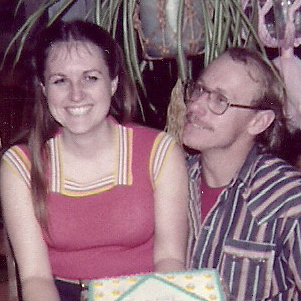
 When my husband, Bob and I began going to Thermopolis, Wyoming each year for our wedding anniversary, the one thing I noticed about the place, that always reminded me of Thermopolis, were the crows that hung out there. Crows can be annoying birds, and most people don’t like them, but they don’t bother me really. They always make me think of our anniversary trips. Now, crows that had migrated to the Casper area. They settled near our house, as well as other areas around town. I don’t recall seeing them around before, but now that they are here, they remind me of the lovely times we had in Thermopolis.
The reality is that crows are incredibly smart birds, showing off problem-solving skills, social smarts, and cognitive abilities similar to those of young kids. Their intelligence is often compared to that of a 7-year-old, as they can tackle tricky problems, use tools, and grasp abstract ideas. Research has found that crows are capable of tasks involving planning and foresight, like figuring out how to get food through a series of obstacles. They’ve been seen using sticks to pull insects from tree bark. Their problem-solving abilities have been  showcased in various experiments, including the well-known Aesop’s fable test, where they dropped stones into a pitcher to raise the water level and reach the food…clearly demonstrating their understanding of cause and effect, and their willingness to stay with a task until the problem is solved.
Crows are highly social animals that live in complex family groups and engage in cooperative behaviors. They can recognize individual human faces and remember those who pose threats, passing this information down to their offspring. This ability to hold grudges and teach their young about dangerous humans showcases their advanced social intelligence. They have even been known to observe a person who lost something, followed them, and returned the item…provided the person was not one they disliked. I’ve seen them swoop down and “dive-bomb” a person they didn’t like, however.
Even though crows have relatively small brains, they pack “a high density of neurons, especially in the pallium, which is similar to the human cerebral cortex.” This helps them process information quickly and engage in complex behaviors. With a brain-to-body ratio comparable to primates, crows show just how intelligent they 
 really are. They’re not only clever but a true example of the depth of avian smarts. From solving problems and adapting to new situations to keeping complex social bonds, they rank among the smartest animals in the world. Recognizing their intelligence challenges old ideas about animal minds and showcases the impressive abilities of these remarkable birds. No wonder they have held a fascination for me for so many years now.
 Indians of the Most of us think of the Indians of the Old West as violent and murderous, but the truth is that not all of them were that way. When people move to a new area or a new country, they don’t really know some of the important things, like the weather and what to do when it comes in with a vengeance. Such was the case in the Winter of 1886 in Dakota Territory, when a Swedish family had recently immigrated.
As the story goes, during the harsh Dakota Territory winter of 1886, two families…one Lakota and one Swedish immigrant…were stranded just miles apart in the worst blizzard in ten years. The Anderssons, new to the plains, had no idea how quickly the storm would hit. Their oxen froze, their woodpile disappeared under six feet of snow, and their baby grew weaker with each passing hour. The family was totally unprepared for the severity of the blizzard, and in the absence of immediate help, they were headed for death and very soon. The problem was that they were on a homestead, and it was very remote. Thankfully for them, help was closer than they knew.
Across the frozen creek, Elk Woman of the Oglala Lakota felt something was wrong. Her sixteen-year-old son,  Wiyaka, had noticed smoke becoming thin at the Anderssons’ cabin. She loaded pemmican, blankets, herbs, and fuel for the fire onto a sled and set off with him into the silent white. They arrived just before dark to find the Anderssons on the edge of frostbite, crying with relief. Elk Woman, who didn’t speak English, acted swiftly…feeding the baby warm broth from a horn spoon, wrapping the mother’s hands in rabbit pelts, and feeding the fire with the dried buffalo dung she’d brought from home. They couldn’t talk to each other, and I suppose the Anderssons could have been terrified initially, but then they were dying anyway, so if the Indians had killed them, it would have simply hastened their release in death. They were suffering horribly, so death would not have been the worst option. Nevertheless, they were not killed, but rather Elk Woman and Wiyaka were there to save them.
For six days, the Lakota family stayed with the Anderssons, showing them how to insulate walls with snow, melt water safely, and preserve food. On the seventh day, the skies cleared, and they left quietly. There was  still no way to talk to each other. No way to say, “thank you” for all they had to for them. The Anderssons shared the story for generations, though many neighbors doubted it. Then, years later, their granddaughter discovered a beaded sash in a box of heirlooms, marked with the Lakota word wowachantognaka: generosity. I suppose there might still be those who doubt the story, but I personally believe it. Elk Woman was a mother, and she knew what she would want to happen if the roles had been reversed. She knew she couldn’t sit idly by while the Anderssons perished. She knew she was the only one who could save them, and she knew that she would do so.

 I often wonder how the years can go by so quickly, and the older I get the faster they go. That is why I can’t believe that we have arrived at my great grandnephew, little Nathaniel (Nathan) Kirk’s second birthday already. It seems like just yesterday that he was having his first birthday. Now, here we are, at his second. Nathan has learned so much in his second year of life. Indeed, I found his mom, Siara Kirk’s post about his birthday almost telling in a comical sort of way. He had started the last year, his first, learning to walk, and now as his second year begins, he is learning to drive. While that is comical in a way, it reminds me that before we know it, he will be in school, then dating, driving, graduating, marrying, and having his own family. Yes, I know that seems like it’s eons away yet, but I know that when we arrive at those “far away” landmarks, it will seem like it was only yesterday…that he was just a two-year-old baby boy.


Nathan is a curious little boy, who is all about dinosaurs, Ms Rachel, and animals in general. He can name all animals and loves to do puzzles!! I’m sure his parents, Chris and Siara Kirk, have loved spending time teaching him all about those things that he enjoys so much. Nathan and his daddy love their playtime, when he rides around on Chris’s back like around the house, pretending to be gorillas. Nathan has a vivid imagination, and loves to play guns, like any Wyoming kid would. He totally knows the drill, pretending he’s hurt, if you say, “POW” to him. And like most little boys, the minute his parents say they are going to change his diaper, he’s off like a rocket. I don’t understand the issue boys tend to have with getting their diaper changed. Hilarious!!
Nathan gets to go over to Siara’s mom, Chantel Balcerzak’s house while Siara is at work, if his daddy isn’t off 
 that day, and he adores her. He has taken to calling her, “Gra Gra” and gets very excited when he hears the garage door open, because he knows his Papa, Dave Balcerzak is home!! He also LOVES when his uncle, Jake Harman comes over with his kids, Jax and Izabella. Cousin time is so important for kids. Those are their first friends. Jake and his wife, Melanie watch Nathan every time Siara and Chris ask and Nathan actually gets disappointed when his parents have to come pick him up because he loves his uncle, aunt, and cousins so much. And they love him. He is so happy and so funny, that it brightens everyone’s day. That’s just the kind of sweet little boy Nathan is. Today is Nathan’s 2nd birthday. Happy birthday Nathan!! Have a great day!! We love you!!
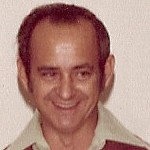
 While my uncle, Wayne Byer was the younger of the two sons of my grandparents, George and Hattie Byer, he was also the taller of the two boys. That became a bit of a competition between the brothers. It wasn’t that Uncle Larry Byer could do anything about it, but that didn’t stop him from trying. The difference in their height was not huge, probably an inch or two. I don’t know for sure, but I do know that if Uncle Larry stood on his tip toes, he could be pretty close to Uncle Wayne’s height. To add to the situation, the boys were quite humorous. In fact, they were very much tricksters.
Never was that more evident that at one particular Christmas party held in the late 70s. For that particular party, a photographer had been hired to take some family pictures. The pictures turned out great, but there 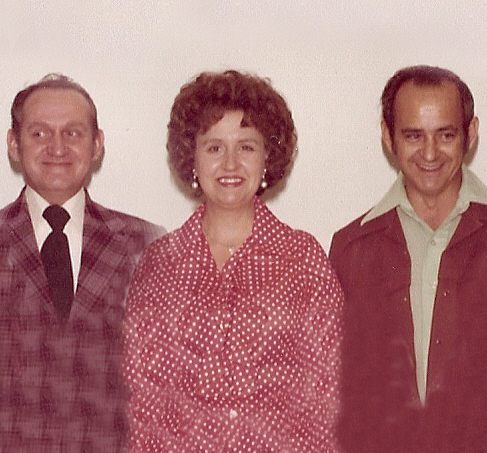 was something going on in one of the pictures that most of us didn’t know about. I suppose that the siblings knew about it when they saw the pictures, but the cousins probably did not. In fact, I didn’t know anything about it until recently when my Aunt Sandy Pattan told me why her older brothers seemed to be sharing a secret amusement. It seems that Uncle Larry was standing with his heels on the edge of a piece of molding, probably the mopboard. In the picture, the effect was that the two brothers appear to be close to the same height, if not exactly the same height. The only hint that something is “off” is that the brothers couldn’t keep a straight face. Both of them had a sheepish grin on their face, that told you that something funny was going on. For years, I thought that they must have saif something funny, but that wasn’t it at all. Uncle Larry was standing there, as tall as he could, and Uncle Wayne caught it out of the corner of his eye, knowing that even on tip toe, his brother couldn’t quite make it to his height.
It’s funny how two known comics, like my uncles, even as adult men, couldn’t resist goofing off…even during a 
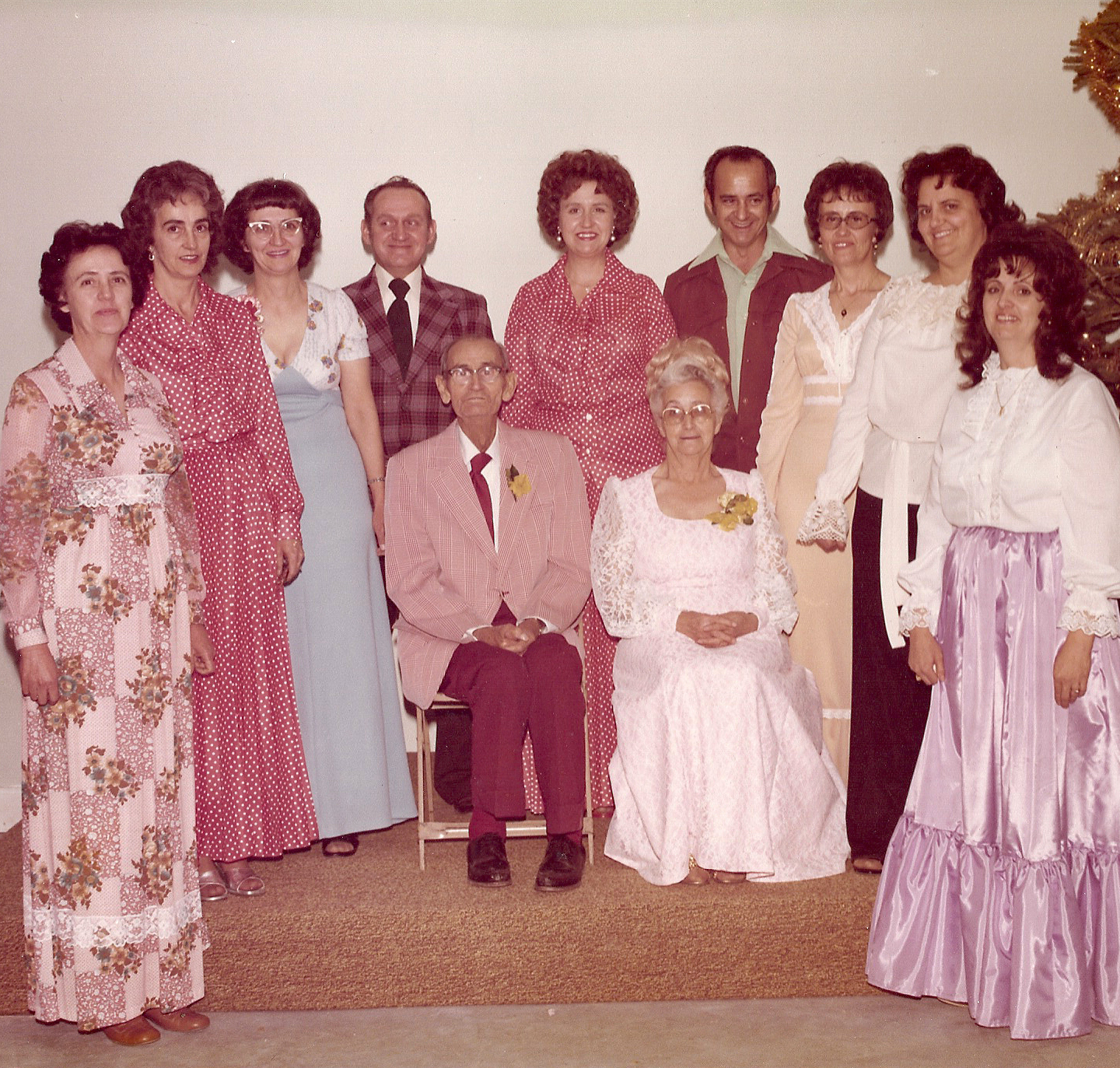 photo shoot. We wonder why kids like to make funny faces or jokes when pictures are being taken, and we’ve even come to expect it from them, but somehow we figure that adults can keep their composure and “behave themselves” for the camera, but it isn’t always so, especially when two of the siblings are the comics of the crew. And my uncles were definitely the comics of the crew. Today is Uncle Wayne’s 88th birthday. Happy birthday Uncle Wayne!! Have a great day!! We love you!!

 Bessie Coleman was born on January 26, 1892, in Atlanta, Texas, as the tenth of thirteen children to George and Susan Coleman, who were of African American and possibly Native American heritage. It seems strange to me that a person might not know if they were partly Native American, but then those were different times. DNA information did not exist then, in fact no one remotely considered that such a thing was possible. Also, in those days, any connection to Native Americans was almost scandalous, probably because it was indicative of the kidnappings of the settlers that happened periodically…and the Indian “marriages” to some of the women they had kidnapped. Children were born of these “marriages” and sometimes the women didn’t or didn’t want to go back to the world from which they were kidnapped.
While she may not have been sure of her heritage, Bessie must have been told that she was part Native American, because that is how her life was listed in anything important. Bessie grew up working in the cotton fields, but she had a natural talent for academics, especially math, while attending a segregated one-room school in Waxahachie, Texas. At 18, she enrolled at Langston University in Oklahoma but had to leave after one term due to financial difficulties. In 1915, at 23 years old, Coleman moved to Chicago to live with her brothers. She worked as a manicurist and managed a restaurant, where hearing stories from World War I pilots sparked her interest in flying.
Of course, it would not be an easy road…this journey to becoming a pilot. Because of the times she lived in, Coleman faced both racial and gender discrimination, and it kept her out of American flight schools. Frustrated, she thought she might have to give up her dream, but she found encouragement from Robert S Abbott, founder of the Chicago Defender, and with financial backing from Abbott and banker Jesse Binga she stumbled into a future chance to study abroad. Coleman learned French and, in November 1920, she traveled to Paris to attend the Caudron Brothers School of Aviation. Flying a Nieuport 564 biplane, she earned her international pilot’s license on June 15, 1921, becoming the first African American and Native American woman to do so…shattering barriers in early aviation and inspiring future generations. She later honed her skills with advanced training from French ace pilots and visited major aircraft manufacturers like Fokker.
Coleman returned to the US in 1922 and became a barnstorming pilot, dazzling crowds with aerial stunts like loops, figure eights, and daring low dives, often at airshows honoring African American regiments, but one thing the flatly refused to do was to perform at segregated events, thereby standing up for equality. Soon, she became known as “Queen Bess” and “Brave Bessie.” She was a celebrated figure in the Black press and inspired many aspiring African American and Native American pilots. Sadly, on April 30, 1926, during a rehearsal for an airshow in Jacksonville, Florida, her poorly maintained plane went into a spin, ejecting her from about 2,000 feet and killing her instantly. She was just 34 years old.
She died in the prime of her life, with her greatest aspiration as yet unfulfilled. Although Coleman never got the chance to open her flight school, her groundbreaking achievements inspired many, from the Tuskegee Airmen to NASA astronaut Mae Jemison, who brought Coleman’s photo on a Space Shuttle mission. In 1929, the Bessie 
 Coleman Aero Club was founded in her honor to promote African American aviation. Her legacy lives on through commemorative stamps, monuments, and events that celebrate her as a trailblazer for women and minorities in aviation. Bessie Coleman’s life is a powerful example of courage, determination, and breaking barriers. She is a symbol of inspiration in American history and aviation.

