
 Over the years, medicine and science, specifically medical science, has done some strange things. We all know the purpose and importance of autopsies to determine the cause of death of a person, and even to learn from that cause of death, so death can possibly be avoided, but to me, it seems like going overboard when body parts are kept and put on display for years to come. At what point does it become morbid? When does it cross the line from a learning tool to a novelty item. I would offer that it becomes more of a novelty item when the parts being kept belong to past presidents or other celebrities. When a person donates their body to science and it is anonymously used as a learning tool, I don’t have issue with it, but a president killed in 1881, whose spine is still being put on display in 2000 and beyond, seems extreme to me.
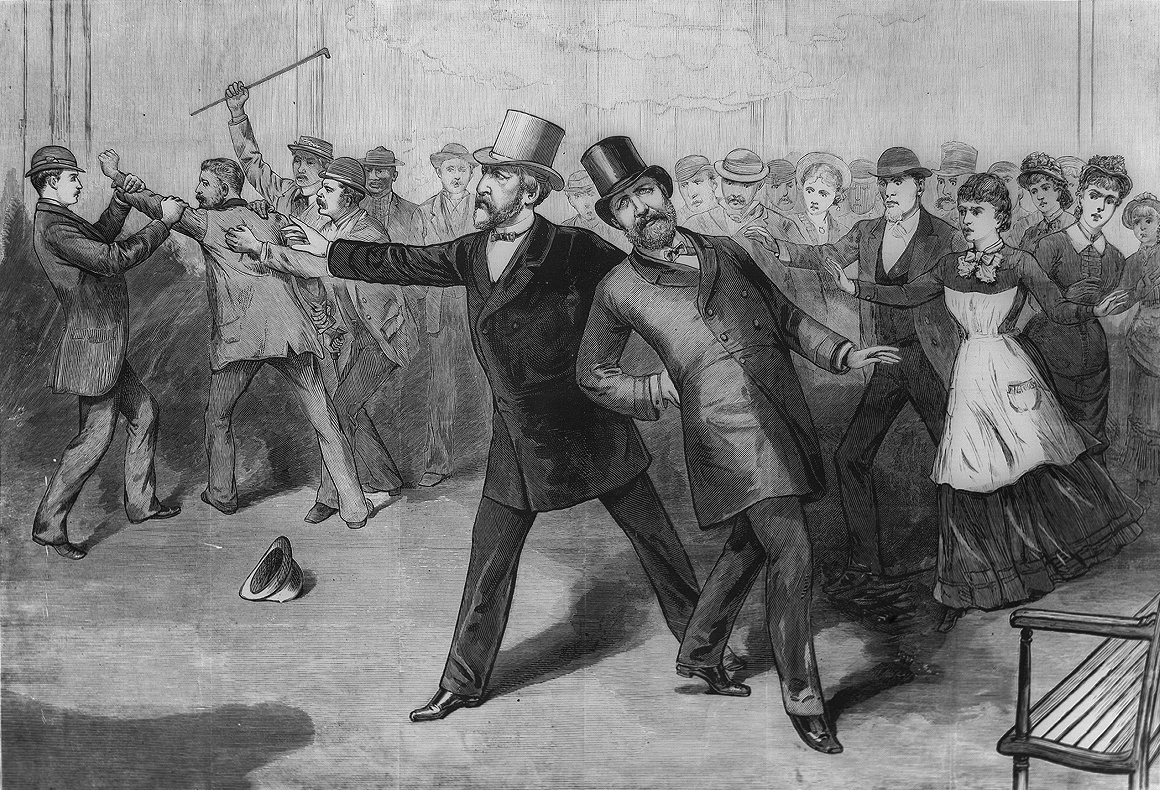
Nevertheless, on May 21, 2000, the bones of President James Garfield’s spine are on display for a final day at the National Museum of Health and Medicine in Washington, DC. Autopsies are nothing new. Garfield’s spine was partially removed during in autopsy in 1881. I suppose it seemed important at the time to find out exactly how the assassin’s bullet killed him. The reality is that it was likely infection or some such thing that ultimately caused his death, but the location of the bullet was probably of interest to medical science. The exhibit that featured Garfield’s spine also featured other medical oddities from the museum’s archives. The British medical  journal The Lancet published a story about the exhibit in May 2000. “Among many other medical curiosities, the display featured President Garfield’s spinal column that showed exactly where one out of two assassin’s bullets had passed through it on July 2, 1881. The first bullet grazed Garfield’s arm. The second bullet lodged below his pancreas.”
“Alexander Graham Bell, who was one of Garfield’s physicians at the time, tried to use an early version of a metal detector to find the second bullet, but failed. Historical accounts vary slightly as to the exact cause of Garfield’s death. Physicians may have given him treatments that hastened his demise, including the administering of quinine, morphine, brandy and calomel; he was also fed through the rectum (seriously!!). Others insist Garfield died from an already advanced case of heart disease that the trauma of the shooting exacerbated. Autopsy reports described how pressure from the festering pancreatic wound created a fatal aneurism. Regardless, Garfield succumbed to complications from his wounds 80 days after being shot.”
While Garfield’s spine seems an odd kind of museum exhibit, it was not the only presidential body part to have been an item of interest at the National Museum of Health and Medicine. In addition to the spine, the museum also owns some of Lincoln’s skull fragments and President Eisenhower’s gallstones. A museum in Philadelphia, Pennsylvania, keeps a tumor removed from President Grover Cleveland. John F Also, Albert Einstein’s brain, which was sliced into many small pieces for study is still on display. Kennedy’s brain, which was removed during 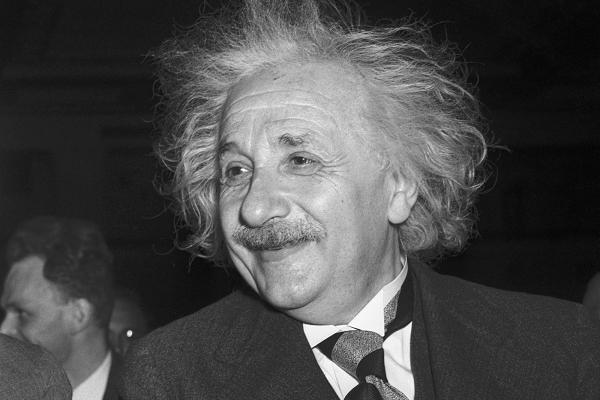
 his autopsy after his assassination in 1963, disappeared and has never been found. One display that sliced the bodies of a number of deceased people for study, is a display called “Bodies” which my daughter, Corrie Petersen, a nurse, saw while in Las Vegas. I guess I can see these kinds of displays for medical students or professionals, but the bodies really should be anonymous, so they don’t become a touristy novelty.


Leave a Reply