Reminiscing

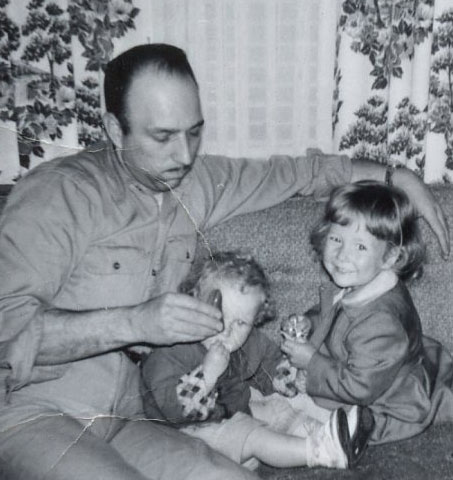
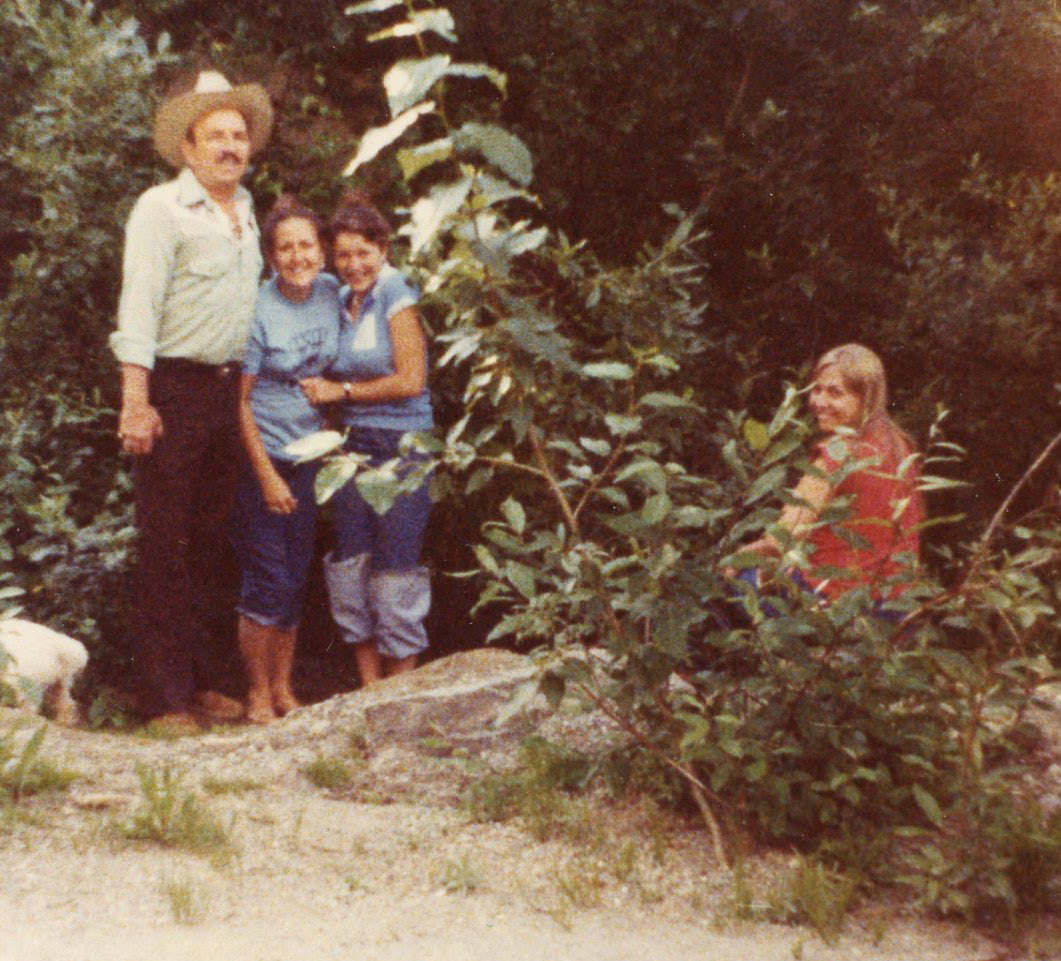 My dad, Allen Spencer has always been my hero. I know my mom, Collene Spencer and my sisters, Cheryl Masterson, Caryl Reed, Alena Stevens, and Allyn Hadlock have always felt that way too. Dad was our hero, because of the wonderful life he worked to give us, but mostly because of the solid Christian upbringing he and our mom provided us. Dad was the best “Girl Dad” ever. He treated his girls, including Mom like princesses. We weren’t wealthy, but we felt like royalty anyway…and that was before we knew much about our relationship to nobility in England.
There was another relationship to England for our family too. Dad served as the top turret gunner and the flight engineer on a B17 Bomber, stationed at Great Ashfield, Suffolk, England. It was a base in the middle of the English countryside, surrounded by civilian towns and farms. These people knew all too well how important the United States military presence was to their safety, and indeed their very lives. This was another place where 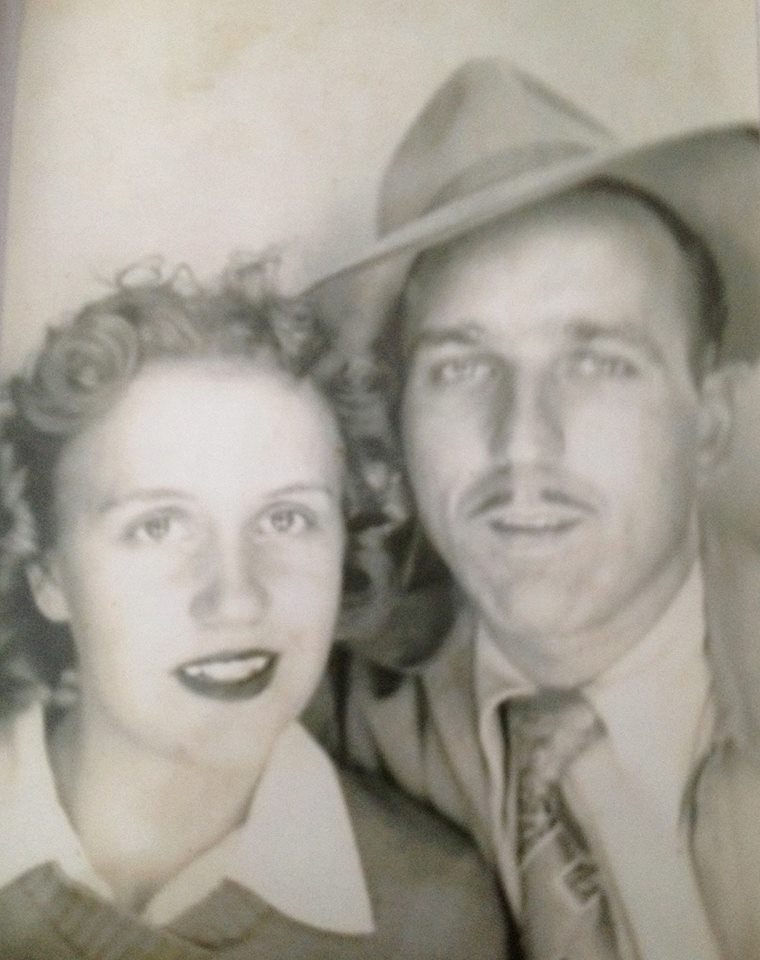
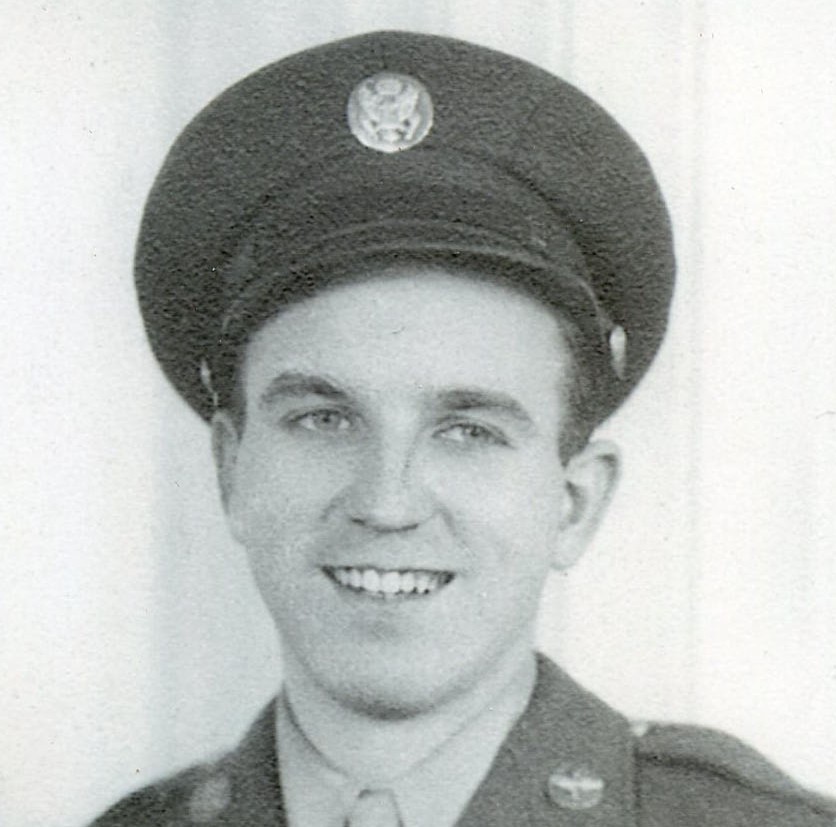 my dad’s heroic side was on display. If one of those men had revealed information about their upcoming missions, the entire area could have been attacked and destroyed. So important was their mission over there, and so grateful were the people of that area, that memorials were erected to remember…forever, the sacrifice made by the brave men of the 385th Heavy Bombardment Group, U.S. Army Air Forces. The memorials were placed so that generation, and future generations would remember the sacrifices made to save their lives by men who were a part of something greater than their own lives…to protect the lives of people they didn’t even know. That was the war that my dad was a part of…when he was barely more than a teenager.
At Great Ashfield, Dad earned the awards for his service. He received the Distinguished Flying Cross, the Air Medal with four Oak Leaf Clusters, signifying that he had shot down four German planes, and two Gold Stars, signifying that he had taken part in two major aerial engagements. In all he would take part in 35 bombing 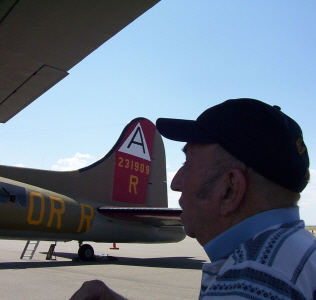
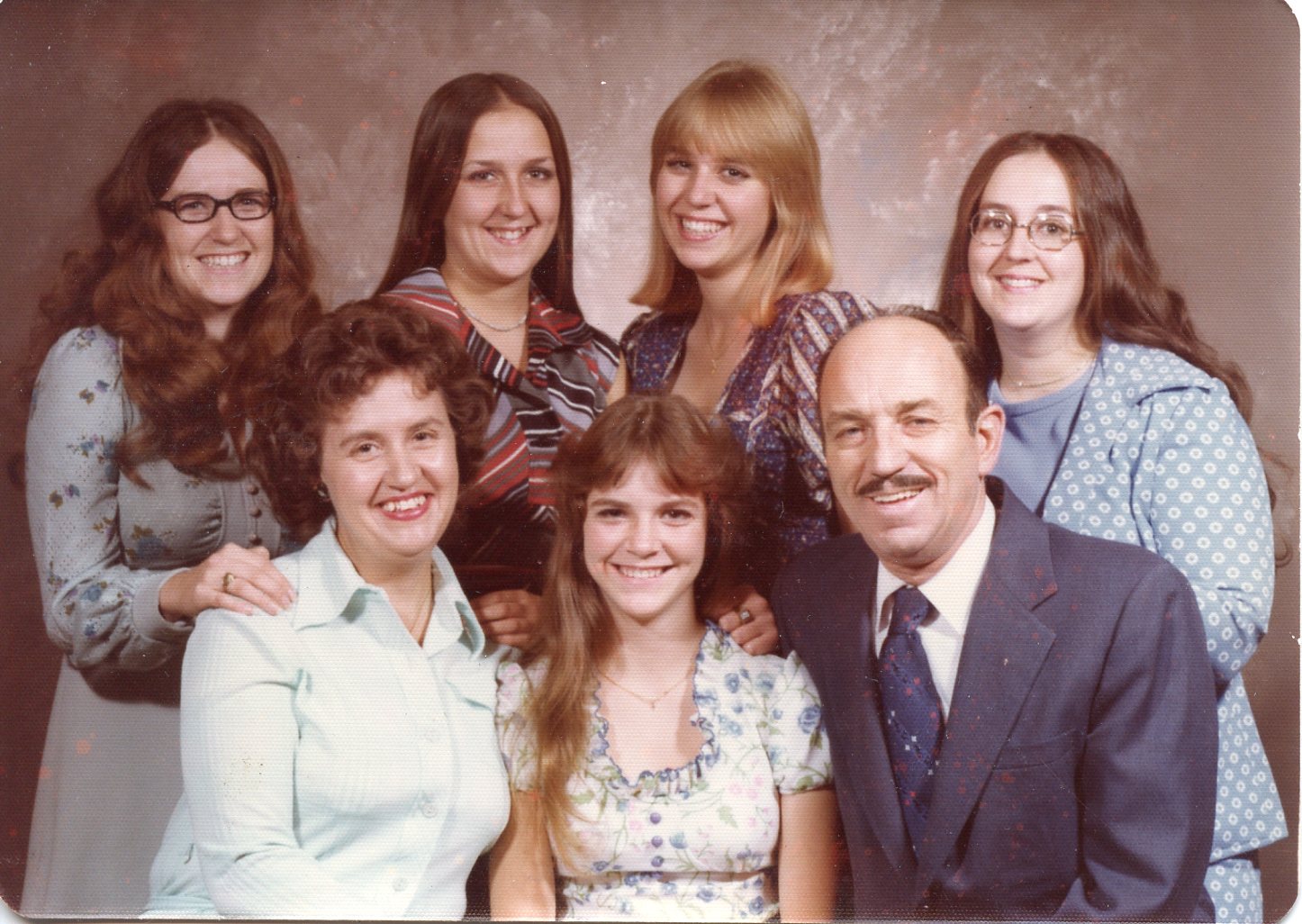 missions before he was honorably discharged on October 3, 1945. Many of the stories of Dad’s service years were never told to his daughters, because he was a part of the generation of people who did not talk about their war years. They went in, did their duty, and didn’t brag or whine about it. They felt like it was their duty and that was it. No wonder my mom, sisters, and I felt like Dad was a great hero. Today would have been my dad’s 102nd birthday. Happy birthday in Heaven Dad. We love and miss you very much.

 My grandnephew, Zack Spethman is such a sweet guy. He has a heart of gold and is loving toward everyone. Zack is a very tall man, and he is literally a teddy bear. Whenever you see Zack, you can expect a hug from him, because that’s just who he is. He wants the people he loves to know they are loved, and believe me, we do. Zack makes that very clear. For him, it’s a matter of never wasting the precious time we are given with people we care about. Zack is the second oldest child of my niece Jenny Spethman and her husband Steve Spethman. He has an older brother, Xander Spethman, younger brother, Isaac Spethman; sister, Laila Spethman (who lives in Heaven); and sister Aleesia Spethman. Zack has always been a great blessing to his
 siblings and to his parents.
Zack works at Best Buy in Casper, Wyoming, in the geek squad area. Like most young people, Zack loves tech, and he has learned a lot from the people he works with. He likes his coworkers and they like him. Of course, it helps, I suppose that one of his coworkers is his cousin, Matthew Masterson, who has also been his best friend since birth. Zack is just four months older than Matt, so they have always been friends. Zack fits in very well at work, as he does in virtually any setting…work and social. Zack is someone people want to know.
Zach is the kid that’s always willing to help out. When his mom’s dog, Romeo got away from her, Zack came to the rescue…chasing down the pup for his mom. Zack loves hiking and is always up for 
 a hike, and he is the first one to volunteer to hit Casper Mountain with her. Zack is very close with his brothers and cousin, Matthew. They all hang out together. He’s also very close with his sister, Aleesia. He is very protective of her and always takes the time to check on her and play video games with her. For the last three weekends all of the boys have been working together to help their dad build a new fence for the new family dogs. It was a lot of hard work, and it sure did pay off. It looks great. It was very special for Jenny to see her whole family work together on a project and have a good time doing it. Today is Zack’s 21st birthday!! Happy birthday Zack!! Have a great day!! We love you!!
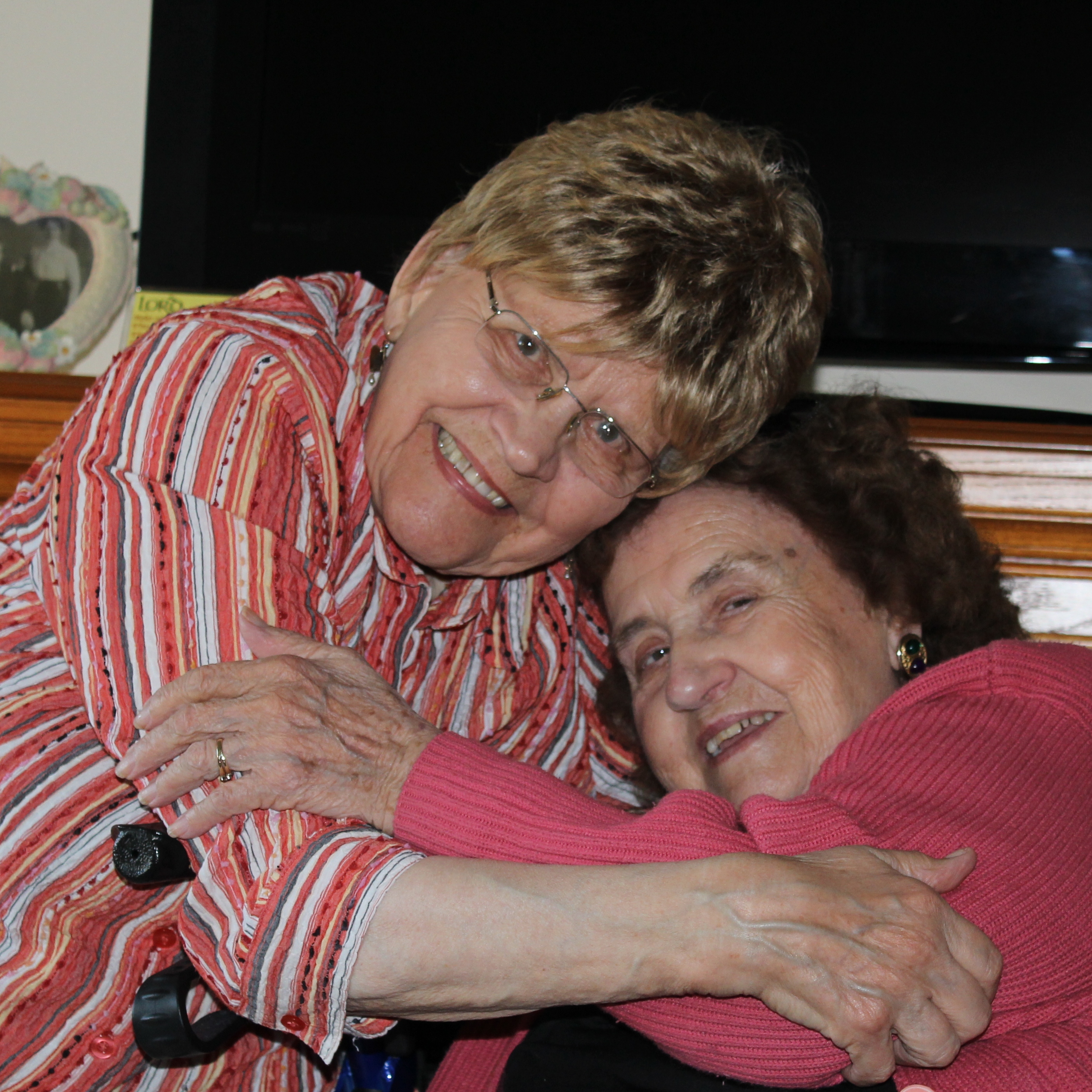
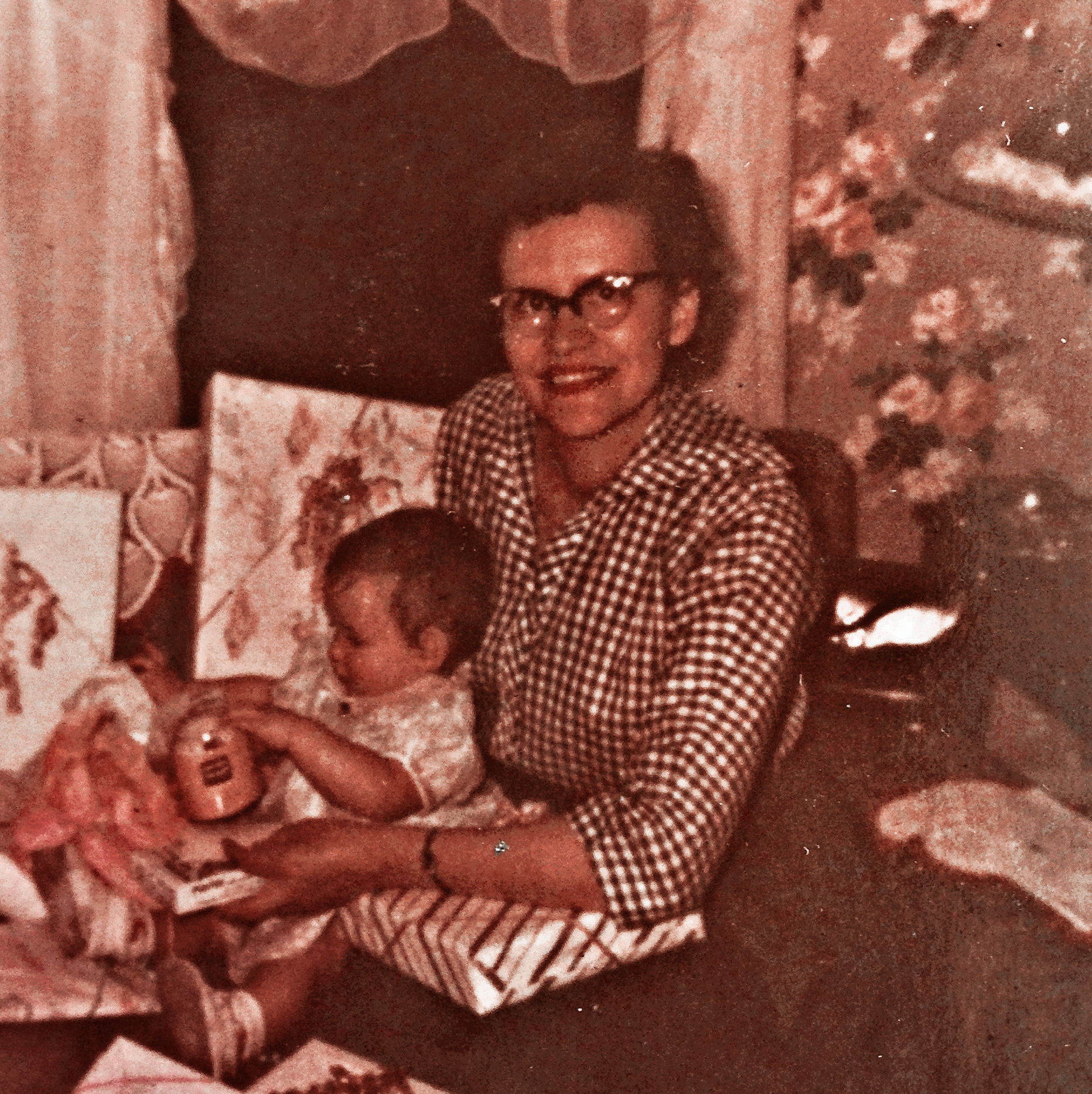 When my mom, Collene Spencer married my dad, Allen Spencer, they moved from Casper, Wyoming, to Superior, Wisconsin. She was young and unprepared for the loneliness that came with being so far from her parents and their big family. As the middle child in a family of nine, she was used to always having people around her…sisters to talk to and do things with, and brothers who teased her but also did the kindest things for her. Marriage was exciting, but being so completely on her own was also incredibly scary and unfamiliar to a young bride of 17 years.
When she arrived in Superior, Wisconsin…as happy as she was, being married to my dad, my mom was still wondering if she would be able to make it in this new place, without her family. Then, she met her new sister-in-law…my Aunt Doris Spencer. Mom always told me that Aunt Doris saved her, in many ways. She was a new friend when my mom really needed one, and they became the best of friends…friends for life…even after my Aunt Doris and my Uncle Bill Spencer, who is my dad’s brother, were divorced.
Mom has shared countless stories about the adventures she and my Aunt Doris had. One of the funniest is how they were always on some diet, even though they weren’t really overweight and never stuck with it for long. I suppose they thought dieting together would help them stay committed, and plenty of people still believe that today, though it’s never been something that worked for me. They even tried odd ideas like crackers with ketchup and warm water.
Mom also appreciated the funnier side of my aunt. When Aunt Doris got her driver’s license, she was on her way to meet Uncle Bill at their cabin when a police officer pulled her over for speeding. He asked for her 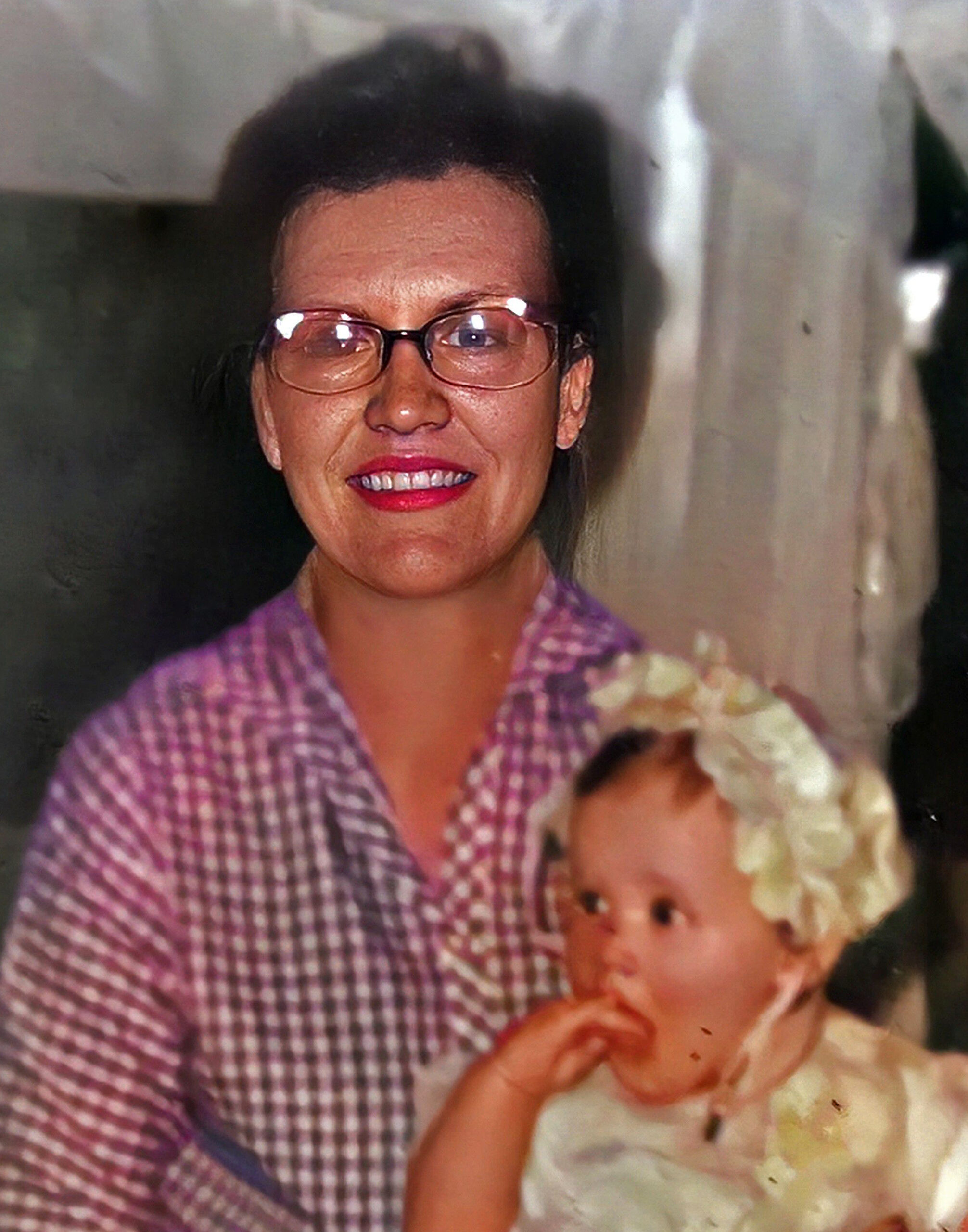
 license, then stepped away from the car for a moment. Without handing it over, Aunt Doris simply drove off to the cabin. When she told Uncle Bill about it, he asked to see the ticket. “What ticket?” she replied. He said, “The ticket he gave you.” She answered, “He didn’t give me a ticket. He walked away, so I just left.” She figured he’d decided to let it slide. Uncle Bill panicked, certain the cops would come arrest his wife, but they never did. The officer must have found it hilarious, because he never followed up…much to Uncle Bill’s surprise. It’s the most unusual way I’ve ever heard of someone getting out of a traffic ticket. Today would have been my Aunt Doris’ 102nd birthday. Happy birthday in Heaven, Aunt Doris. We love and miss you very much.

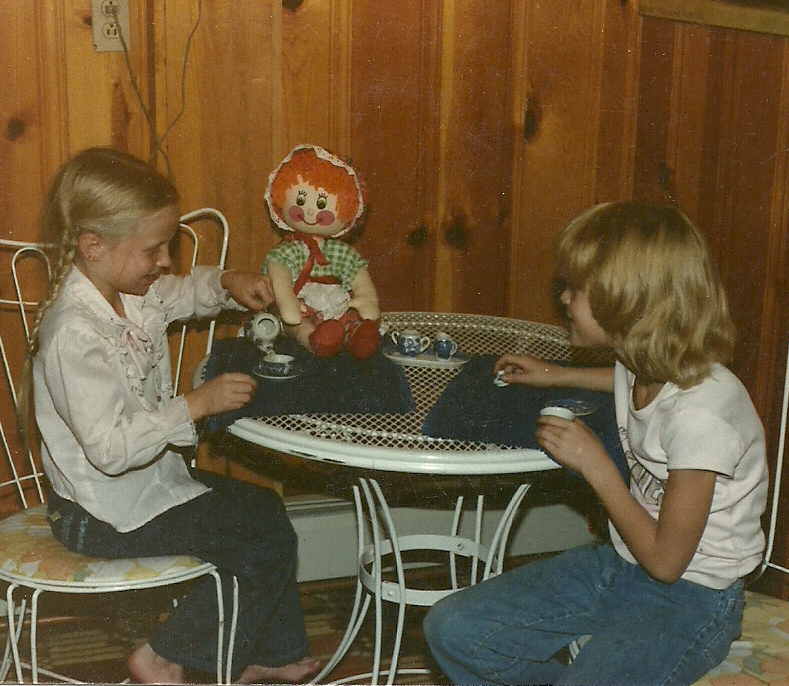 When our children were little, it didn’t take much to make them happy. A ball and a small wading pool could provide hours of entertainment, and back then, they usually cost less than $10, making them easy on any budget. Our girls loved splashing around in a wading pool on hot summer days while I relaxed in my chaise lounge with a good book. Those were the wonderful, lazy days of summer. The memories take me back to an easier time, less hectic and more relaxed. My girls were little and play dates were not a thing at the time. We lived in the country and didn’t make trips to town every day. I was a stay-at-home mom then, so often it was just the girls and me at home during the day.
Back then, any video games that existed were pricey and basic. We got one when they were a bit older, but unlike kids today who seem to be born with technology at their fingertips, the girls relied on their imaginations for their play. I’m not saying technology is bad, in fact, I’m a big tech fan myself, but it just wasn’t as easy to access in those days. Nobody really had those kinds of games and what was out the was in the old DOS system. The kids didn’t play with electronic toys. My girls, like kids today, loved playing in boxes, imagining them as forts or other fun things. They had Cabbage Patch dolls and enjoyed playing house. With their friends, they would have tea parties and dress up. They also loved spending time in the sandbox, creating little cities or building sandcastles.
The technology we have today is incredible. You can search the internet for any information you can imagine. 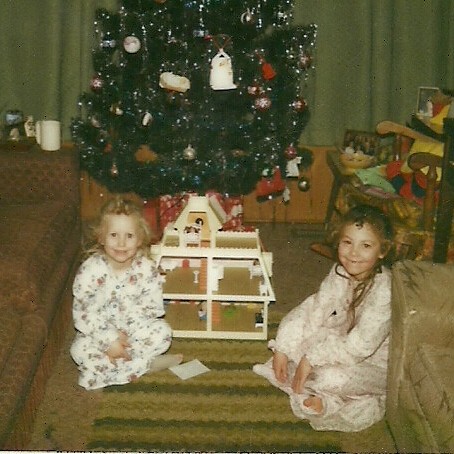
 Anything you want to know can be found online. Of course there is a lot on misinformation too, but that is another story. Kids’ games are becoming increasingly graphic, and murder and crime hardly faze them anymore because they’ve seen it all in a game. Sometimes we struggle to relate to a tragic event because it resembles the fantasy worlds we’ve watched on television. I often wonder if criminals and terrorists get some of their ideas directly from TV and video games. I’m not saying technology is bad, just that it sometimes robs our kids of a precious commodity—imagination.

 I never would have thought…not in a million years…that my younger sister would go to Heaven before me, much less, that a year could have gone by since her home going, but here we are. My heart feels sad, but I know where my sister is, and so, I want to focus more on the beautiful parts of her life and not on the sadness of her passing. So much has happened since you went home, Alena, but then you already know all about it. Your daughter, Michelle and her husband, Matt are working diligently on their home, and I wish you could be here to share it with them, but I know that you can see how beautiful it is. Also, you are about to become a grandmother again…twice!! Garrett and Kayla will be having their baby about July 10th. Lacey and Chris will be having theirs about August 3rd. I’m sure you have already met these two precious babies…and you’re rejoicing for sure. We are rejoicing right along with you. Mike is doing his best, but he misses you so much, as expected. Mike loves you so much, and he always will.
This year has been terribly difficult for all of us. Alena, your presence strangely absent, and yet always with us 
 will always be with us. It is comforting to know that you are with Jesus, living in the presence of our Heavenly Father, and sharing sweet time with Mom and Dad, as well as so many other family members who have gone on before. We will always wish that you could still be here with us, how could we not, and yet, Heaven is so much greater than anything we could possibly imagine, and we are so happy that you can be there. Now we will remember the good times of your life. Your wonderful sense of humor, and impish ways. You loved a good prank, especially if you were the one to pull it. I don’t think anyone could pull a prank better than you could. I really miss that. I feel like there has been a lot less pranking over this past year, sadly.
Always the cosmetologist in the family, you were the one most likely to cut your hair, or anyone else’s. Of course, as you grew up, you became very good at it. What might have started as a real chop job done by a 
 crazy kid, ended up being the only stylist mom wanted to do her hair. It was a big responsibility, but you took it all in stride. You even did Mom’s hair and makeup on her final day, and she was beautiful. We couldn’t have trusted anyone else with such an important look. Now you and Mom, as well as Dad get to spend lots of time together, and we all look forward to joining you all one day. Your presence her will always be missed, but we could never ask you to come back to this place. Life here could never compare. Happy first year in Heaven. We love and miss you very much.
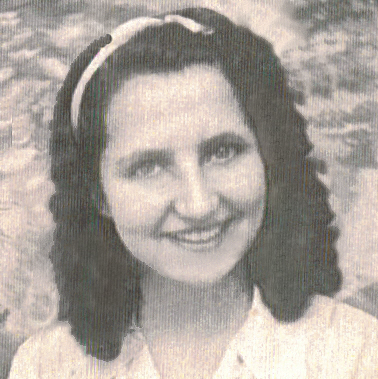
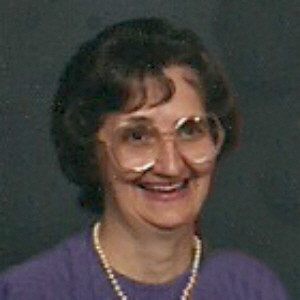 Whenever I think of my Aunt Deloris Byer Johnson, I can’t help but picture her smiling face. Aunt Dee was the creative spirit in my mother’s family, always finding ways to make life more fun. If she was around, her siblings knew things were about to get wild. She might see if a couple of kids could “fly” like the wind with a big trench coat or decide it was time for everyone to learn a new dance. With Aunt Dee, there was never a dull moment.
Aunt Dee was always filled with anticipation about the next step in life…even if it was just the next day. She always expected something amazing to happen, and if it didn’t, she figured out a way to make something happen. Aunt Dee wasn’t a troublemaker, just an excited kid, who made things happen in her life…fun things, and the beneficiaries of her playful spirit…often her siblings, reaped the rewards of her excitement. My mom, Collene Byer Spencer, used to tell me about all the fun things the kids did with her sister’s help. They were memories of her sister, that my mom treasured all her life. Mom and Aunt Dee were always close. They shared a zest for life that somehow kept them young at heart. Their sweet, sisterly relationship was a joy to watch. I saw a lot of commonalities in Aunt Dee’s and my mom’s personalities. They both had a flair for finding the silly side of life. I don’t suppose that’s a trait most people would find endearing, but I did, and it’s a memory I will always cherish.
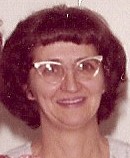
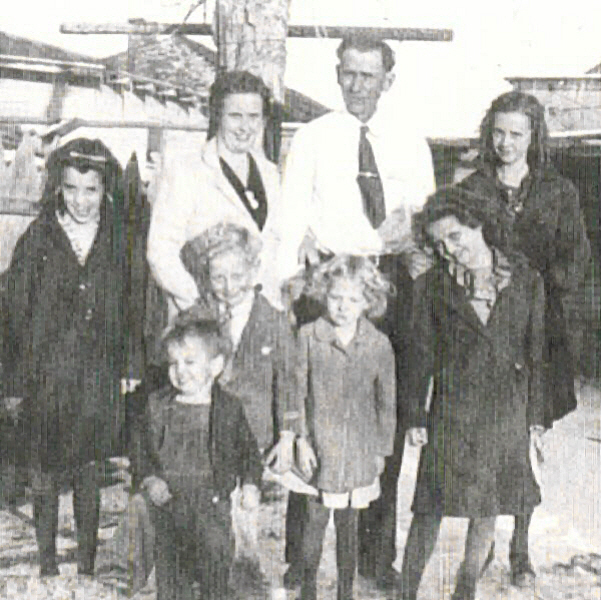 When Aunt Dee got sick, I thought the joy might have faded, and maybe it did over time, but in those early days of her illness, that sweet smile never left her face. Every time I saw her, it felt like she was trying to cheer everyone else up. After she passed, the world seemed a little duller without her sweet spirit. She had always been such a big part of my life, and I knew I would miss her deeply. But I hold onto the knowledge that I will see her again in Heaven, and I look forward to that day. Today would have been Aunt Deloris’ 95th birthday. Happy birthday in Heaven Aunt Dee. We all love and miss you very much.
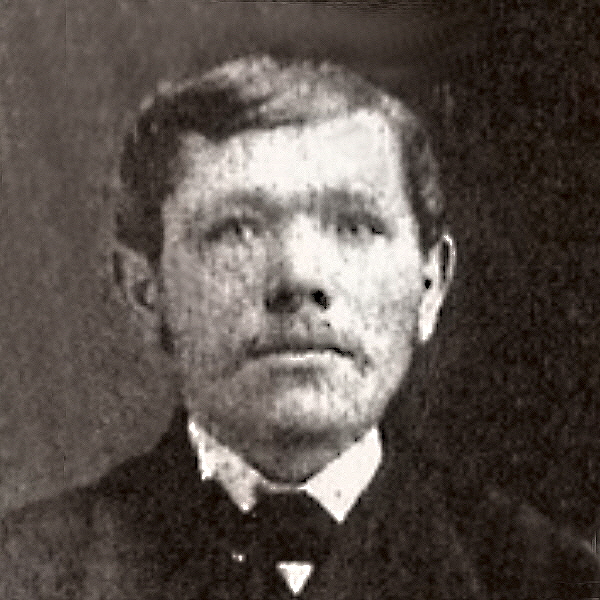 Today marks the 142nd anniversary of the day my great-grandfather, Carl Ludwig Theodor Schumacher, arrived in the United States. What must he have been thinking as he first looked on this new land that was to be his home? Grandpa was just 25 years old when he made the tough decision to leave his homeland and board the SS Gellert in Hamburg, Germany, on April 6, 1884, bound for a new life far from his parents and family. Since the age of 18, he’d been reading letters from his uncle and cousins raving about America, especially Minnesota. So, he decided to go. For seven years, he worked hard caring for the horses of a wealthy landowner to save the $50 needed for his fare. He knew the Atlantic crossing could be dangerous and that he’d miss his family deeply, but he was determined. He also understood it would take years of hard work to achieve the American Dream he envisioned, but he wanted this new life. He would go on to succeed, but today my thoughts are less about his dreams and more about the emotions he must have felt making such a life-changing decision. It could be years before he could go home again.
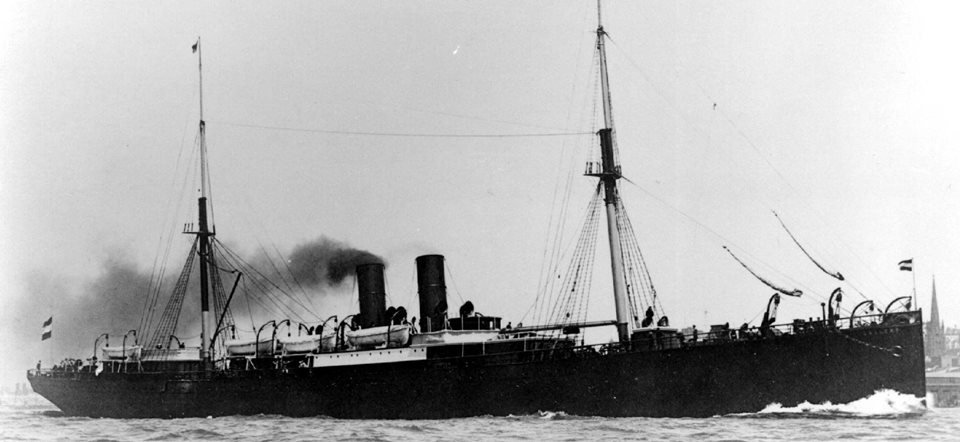 At 25, a young man isn’t necessarily so grown up that moving halfway around the world doesn’t feel overwhelming. Such a move would be daunting for anyone, no matter how self-assured they are. Arriving at a place like Ellis Island—or in my grandfather’s case, Castle Garden, since Ellis Island wasn’t built until 1892—meant not knowing exactly what you’d face before being allowed into the United States. Many newcomers were required to Americanize their names to make it easier to fit in, forever changing their identity. That’s what happened to my great-grandfather, whose name was changed from Schuhmacher to Schumacher. Still, for most immigrants, this felt like a small price to pay for the promise of the American Dream, and many even saw it as a rite of passage into this great country.
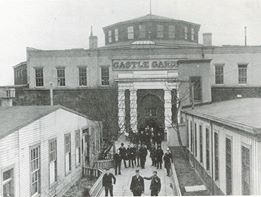 I can’t help but think my grandfather must have felt some sadness over the change of his name, even though he would later use it again when he married. Still, census and other records list it as Schumacher, making genealogy a bit tricky. I doubt that was on my great grandfather’s mind as he waited for his turn at Castle Garden on April 21, 1884, but looking back on that day, so important to my own life, the thought crosses my mind. He had endured so much to reach this new land of opportunity, and I’m sure the massive changes left him weary. Yet, once he arrived in Minnesota and began building his dream, I imagine the uncertainties of the journey faded into a distant memory. He was home…his American dream.

 At its peak in 1910, the coal mining industry in Colorado employed 15,864 people. That number accounted for 10% of the state’s jobs. The industry was dominated by just a few operators, with Colorado Fuel and Iron being the largest in the West and one of the most powerful corporations in the country. The large and powerful corporations cand cause more than a few problems. At one point, Colorado Fuel and Iron employed 7,050 people and controlled 71,837 acres of coal land. John D Rockefeller bought a controlling stake in the company in 1902, and nine years later handed over that stake to his son, John D Rockefeller Jr, who ran the business from his offices at 26 Broadway in New York.
Mining was tough and risky work. In Colorado, the miners faced constant dangers like explosions, suffocation, and collapsing walls. Back in 1912, the death rate in the state’s mines was 7.06 per 1,000 workers. That was more than double the national average of 3.15. Safety concerns were a big part of the reason for the strike. Suffering attempts to suppress union activity, the United Mine Workers of America secretly continued its unionization efforts in the years leading up to 1913. Eventually, the union presented a list of seven demands: 1. Recognition of the union as bargaining agent. 2. Compensation for digging coal at a ton rate based on 2,000 pounds (previous ton rates were of long tons of 2,200 pounds). 3. Enforcement of the eight-hour work-day law. 4. Payment for “dead work” (laying track, timbering, handling impurities, etc.). 5. Weight checkmen elected by the workers (to keep company weightmen honest). 6. Right to use any store, and to choose their boarding houses and doctors. 7. Strict enforcement of Colorado’s laws (such as mine safety rules, abolition of scrip), and an end to the company guard system.
The major coal companies turned down the demands, and in September 1913, the United Mine Workers of America called a strike. Striking workers were forced out of their company homes and relocated to tent villages set up by the union. These tents, built on wooden platforms and equipped with cast-iron stoves, stood on land the union had leased in anticipation of the strike. Ending the strike which had become quite bitter took a terrible turn. Colorado militiamen attacked a tent colony of striking workers, killing dozens of men, women, and children. After eviction attempts failed to end the strike, the Rockefeller interests hired private detectives who assaulted the colonies with rifles and Gatling guns. The miners fought back, and several were killed. When it became clear the strikers wouldn’t give up, the Rockefellers turned to the governor of Colorado, who authorized the deployment of the National Guard, with the Rockefellers agreeing to cover their wages.
At first, the strikers believed the National Guard had come to protect them, but they quickly realized that wasn’t the case. The militia was there to crush the strike…one way or the other. On April 20, 1914, two companies of guardsmen attacked the largest tent colony near Ludlow, home to about 1,000 men, women, and children. The assault began in the morning with a barrage of bullets into the tents, prompting miners to fire back with pistols and rifles. When a strike leader was killed while trying to negotiate a truce, fears grew that the attack would escalate. Women and children hid in pits beneath the tents to avoid gunfire. By dusk, guardsmen descended from the hills, setting the colony ablaze with torches and shooting at families as they fled. The full horror emerged the next day, when a telephone linesman found a pit under one tent containing the burned remains of 11 children and two women.
The “Ludlow Massacre” sparked outrage across the country, but it brought little relief to the struggling Colorado 
 miners and their families. Federal troops were sent in to break the coal miners’ strike, and the workers ended up with no union recognition or meaningful gains in pay or working conditions. Over the course of the strike, 66 men, women, and children lost their lives, yet not one militiaman or private detective faced criminal charges.
 Sometimes we think of the news media as being overly dramatic, and indeed, they can be, but what of April 18, 1930. On that particular day, during the BBC radio station’s 8:45pm broadcast, the announcer in London came on the air and said simply, “Good evening. Today is Good Friday. There is no news.” Really, that, in itself, was news, or at least newsworthy. Nevertheless, after making the odd announcement, the station proceeded to play 15 minutes of piano music before its next program began. I suppose it makes sense that the day could have been fairly uneventful…even uncommonly so, but it seems like there must have been some kind of news to report. The wireless service then switched back to broadcasting from the Queen’s Hall in Langham Place, London, where Wagner’s opera “Parsifal” was underway.
In reality, there is no such thing as a day without news, and April 18, 1930, was no exception. On that day, there were at least three significant events, including the Chittagong Armory Raid in India, a tragic church fire in Romania, and a powerful typhoon in the Philippines. Now, I suppose the announcer might not have heard of these events as of the broadcast time, but since the BBC is an international station, that shouldn’t have been the case. Besides that, it was 8:45 in the evening, so the news of the day had already happened. They should have known, but 87 years ago, on April 18, 1930, the BBC’s news announcer had nothing to report. The 8:45pm bulletin simply stated, “There is no news,” before piano music filled the remainder of the 15-minute segment. It really was ludicrous.
This unusual broadcast reflected the BBC’s early mission to provide morally uplifting content. In addition, its editorial judgment that nothing occurring that day was significant enough for the public played a part in the broadcast. In reality, events such as the nationalist activities in India were happening, as were the other newsworthy events mentioned, but communication limitations prevented the BBC from reporting them. The April 18, 1930, event has come to represent a simpler time in journalism, standing in stark contrast to today’s nonstop news cycle, where information flows endlessly through radio, television, and social media. Nevertheless, these days, we would call the event” suppressing the news” rather than “protecting the public” from what the government could consider potentially hurtful news. These days, newsrooms almost never see a  “slow news” day, as stories are constantly emerging and even the smallest events get reported to keep audiences hooked.
The “Day Without News Day” did provide a chance to think about how we consume media, step back from the endless news cycle, and reflect on how journalism has evolved. It was also a lighthearted reminder that editorial choices define what counts as news, showing the differences between past and present reporting styles. The moment invited people to slow down, notice the constant flow of information, and appreciate the rare quiet in a world that’s always updating.

