
Caryn
 For a long time, people didn’t understand the dangers of carbon monoxide. These days, we know wat can happen, but on March 2, 1944, when a train stopped in a tunnel near Salerno, Italy, it was a recipe for disaster. The train had more than 500 people on board, and before long, they were dead. The tunnel they stopped in with the train running caused dangerous levels of carbon monoxide and that caused the people to suffocate and die. The details of the incident, which occurred in the midst of World War II, were not revealed at the time and remain somewhat murky today as well.
Train Number 8017 left Salerno heading for the rural area south of the city through the Apennine Mountains, where they would encounter the tunnel. The train was a freight train, and it was not supposed to carry passengers. Nevertheless, it was common at the time for both soldiers and civilians to hitch rides on any convenient train. It was a habit they would regret…had they lived. As they were passing through the towns of Eboli, Persano, and  Romagnano, train number 8017 had picked up approximately 650 passengers by the time it reached Balvano.
Balvano was a tiny town located between two long tunnels in the Apennines. On that fateful day, it was raining as train number 8017 began to ascend the Galleria delle Armi tunnel pass located just outside of Balvano. Almost immediately, the train was forced to stop. The reasons for the stop vary, with some saying the train was unable to pull the overloaded freight cars up the slope, while others say the train stopped to wait for a train descending in the opposite direction. In any case, the train sat idling in the tunnel for more than 30 minutes. Had the train been burning high-grade coal, the problem may not have occurred, but during World War II, high-grade coal was hard to come by, so the train was burning a low-grade coal substitute which produced an excess  of odorless and toxic carbon monoxide.
During that 30-minute stop, approximately 520 of the train’s passengers were asphyxiated by the carbon monoxide as they sat in the train. The Italian government, who like every other nation, was in the midst of an intense war effort, kept a lid on the story, so it was barely reported at the time although it was one of the worst, and most unusual, rail disasters of the century and came less than two months after a train wreck in the Torro tunnel in Spain killed 500 people. That is the reason why little was known then, and details are sketchy to this day.

 When a marriage endures through the passage of time, it goes through many seasons. Those seasons can vary from marriage to marriage, but most of them begin with a courtship. Ours was no different. Bob and I dated for a little over a year before we were married on March 1, 1975. Soon after, the season of family growth followed. Our girls, Corrie Petersen and Amy Royce were born eleven months apart…Irish twins. That began the season of raising our girls and the many school activities they were involved in. The season of babyhood was quickly handed off, and the season of kids began. The next 15 to 20 years were filled with quickly maturing kids and all the many activities that teenaged girls participate in.
Soon, our girls were grown and before long came the season of sons-in-law and grandchildren. Our girls 
 married wonderful men, Kevin Petersen and Travis Royce, and their first children were born just one day apart. Irish twin cousins (not sure if that is a thing, but Christopher Petersen and Shai Royce were so close that they could have been twins.) Soon, my four grandchildren were spending their early morning hours with me. What a wonderful blessing it was for me to have all four of my grandchildren, Chris and Shai, as well as Caalab Royce and Josh Petersen with me every weekday morning. I love it, and it made my days so complete. I relished being a “hands-on” grandmother. I could hardly believe how blessed I was. Soon, that season was ending. My grandchildren were grown up and living their own lives. It was a new season.
Nevertheless, before long the next season arrived…great grandchildren. These days, two of my grandchildren have children of their own, Chris and his wife, Karen have Cambree, Caysen, and Cyler, while Josh and his wife Athena have Justin, Axel, Cristian, and a fourth son coming any day now…more Irish twins and Irish twin 
 cousins. The blessings just keep coming, and I know there are more to come in the future. In a long-term marriage, the blessings are the same for husband and wife. There are no blended situations. In our case, our girls are in long-term marriages too, and Chris and Josh are heading for the same. We have generations of direct connections…a blessing in itself. As we enter our 51st year of marriage, we look forward to the next seasons. Today is our 51st anniversary. Happy anniversary to the love of my life!! I love you, Bob.

 It’s hard to believe that the boy who made me a grandmother, made his mom a mother, and made his great grandmother a great grandmother…on her birthday, is turning 30 today. The big 3-0!! You were a busy baby boy with all that transition going on. How could the years possibly have gone by so fast? He should still be a baby, and yet he is a husband to his wife, Karen and father of three children, Cambree, Caysen, and Cyler. Christopher Petersen, you have grown into an incredible person. You are a successful store manager of Auto Zone, and people trust you and your advice. I am so proud of all your accomplishments.
Chris and his wife, love to take the kids on evening walks, and there are usually a few extra little boys around, since Karen babysits four other boys. Theirs is a house filled with boys, and one little girl, who is very outnumbered. 
 Thankfully, Cambree gets along well with the boys. Chris enjoys yard work, which surprises me somewhat. I didn’t really expect that he would love mowing, and maybe he really doesn’t, but he does it so their yard will be nice for the kids to play in. Another thing I didn’t expect is that Chris likes to play golf. He and Caysen play whenever they can, and Caysen who is five, will tell you that he beats his daddy. I’m sure Cyler will be learning to play soon too.
Chris and Karen have a group of friends who often spend Saturday evening with them. The Petersen house is the go-to place for game night fun. They always have a great time, and its usually a “comedy hour” too, because everyone is in rare form, making jokes and having a lot of laughs. It’s especially nice for Chris and 
 Karen, because they don’t have to get a babysitter for their kids. They are very social people, so having a group of friends to hang out with is nice…and being able to do it at home is extra nice. Chris and Karen have two dogs and two cats. So, they are kept busy making sure the animals get a little exercise too. Of course, with the kids, the dogs get a lot of running in, and the cats get lots of snuggles. Theirs is a house filled with love and happiness. Today is Chris’ 30th birthday. I still can’t believe you are 30 already!! Happy birthday Chris!! Have a great day!! We love you!!
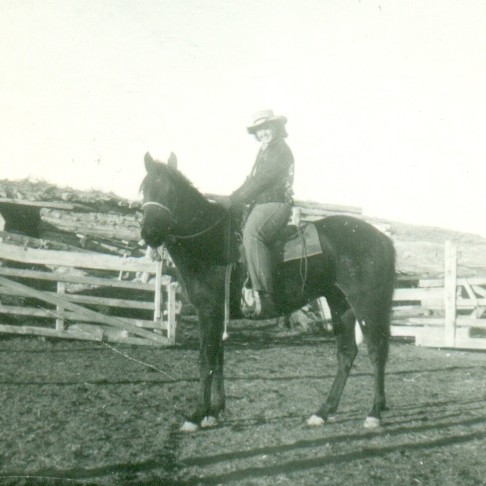
 My mother-in-law, Joann Schulenberg, was all about family. She spent her married life as a stay-at-home mom, but that did not mean that she didn’t work. Taking care of six children is simply no picnic. Between cooking meals for everyone, cleaning, canning food, sewing clothes, and knitting things for them, she was a pretty busy lady. My mother-in-law was always the most comfortable raising her children in the country. She felt like it was too much out of her control in town. She worried about the traffic, and the people around, and about the kids running off while playing. She just needed the control of the country to give her peace of mind.
So, the family lived in the country for most of the years that the kids were growing up. It wasn’t until 1989 that  the family, now of just three at home, moved into Casper to stay. It’s funny that Joann, who had always hated the traffic, the noise, and the activity of city life, suddenly loved to watch the cars go by on the busy street on which they lived. She liked not having to go so far into town for groceries and such. She liked having visitors come by, because suddenly it wasn’t too far for them to go. Like me, she discovered the convenience of city life. Those long drives into town were the first thing I found my self happy to do without. I’m sure my mother-in-law did too…especially on the icy winter roads around here.
By 1996, my mother-in-law became a great grandmother for the first two times. She got a great birthday present in her first great grandchild, Christopher Petersen, who made his grand entrance on her 65th birthday. It was a treat that she had wanted since her mother was also privileged to 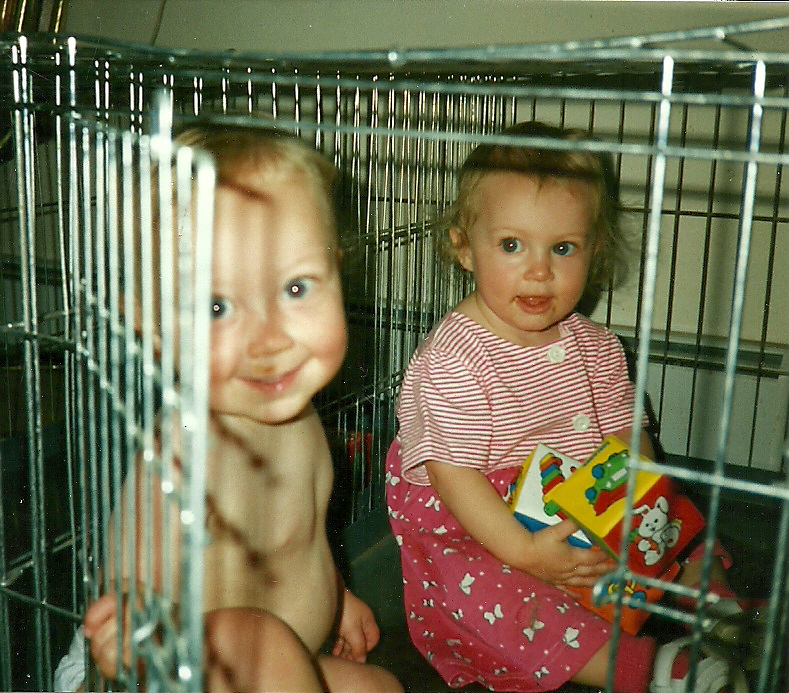 receive and never thought she would get. Then the very next day, she got something else she never thought she would get…a Leap Day Great Grandbaby…Shai Royce. Needless to say, we were quite busy those two days. She has gone on to have 11 grandchildren, 13 great grandchildren, and 6½ great great grandchildren. Her family has sure grown, and while she has never met her great great grandchildren, I know she would love them as much as we all do. Today would have been my mother-in-law’s 95th birthday. Happy birthday in Heaven Mom. We love and miss you very much.
 On February 26, 1938, the explosive situation that had been brewing finally blew up, resulting in the National Dollar Stores Strike in San Francisco’s Chinatown. The three-month strike delivered a win for workers and became the neighborhood’s first major organized labor dispute. The whole thing really started when the 1906 earthquake destroyed the city and plans to rebuild didn’t include a place for Chinese immigrants. Faced with the prospect of resettling to Oakland, Look Tin Eli employed white architects to create an even grander Chinatown.
In 1938, the garment industry represented the primary source of employment within San Francisco’s Chinatown. The majority of garment factories in this area were not unionized, due in part to longstanding tensions between American labor unions and Chinese workers. By the 1930s, however, organizations such as the International Ladies Garment Workers Union (ILGWU) began to recognize the significant benefits of organizing Chinese American workers. Employees in Chinatown’s garment factories typically received low wages and worked extended hours.
Sue Ko Lee, a buttonhole operator at National Dollar Stores earning 25 cents an hour, helped unionize her coworkers as part of ILGWU Local 341. After bilingual negotiations, Local 341 reached a preliminary deal with National Dollar Stores for better wages and shorter hours. Joe Shoong, who was the owner of National Dollar Stores and described by “Time” magazine as the top Chinese businessman in the US, sold his factory to his managers on February 8, 1938. Workers, including Sue Ko Lee, suspected this move was to sidestep previous agreements. This caused Local 341 began their strike on February 26th. 
The workers explained that the main concern during this strike was whether Chinatown workers would have jobs or lose their sources of income. A total of 159 women garment workers protested at three National Dollar Store locations in San Francisco, calling for better wages and improved working conditions. After fifteen months, the Chinese Ladies’ Garment Workers’ Union reached an agreement with their employer. They achieved important wins, such as a 5% pay increase, a 40-hour work week, and stronger enforcement of health and safety rules. The women simply couldn’t accept anything less. In the end, I think they would have had to choose full job loss over the way their workplace had been running prior. Their very lives depended on it.

 My grandmother, Harriet “Hattie” Byer was a woman of small stature…she stood just 5 feet…in her “tall” days…more like 4 feet 10 inches or less in her later years. While she was definitely short, Grandma was, nevertheless, feisty!! Every one of her children knew that their mom could take them to the floor in one fail swoop if the crossed her. She was the family boss, and they needed to toe the mark. It wasn’t that Grandma was mean, because she was one of the most loving moms you could have ever known. Her children knew that she loved them unconditionally, but they also knew that she expected them to mind her and be well behaved.
That carried on to her grandchildren as well, which is where I came into the story. I was one of her many grandchildren. While some of her grandchildren…especially the boys, crossed her a number of times, I can only remember one spanking…and one was enough. I knew that I didn’t 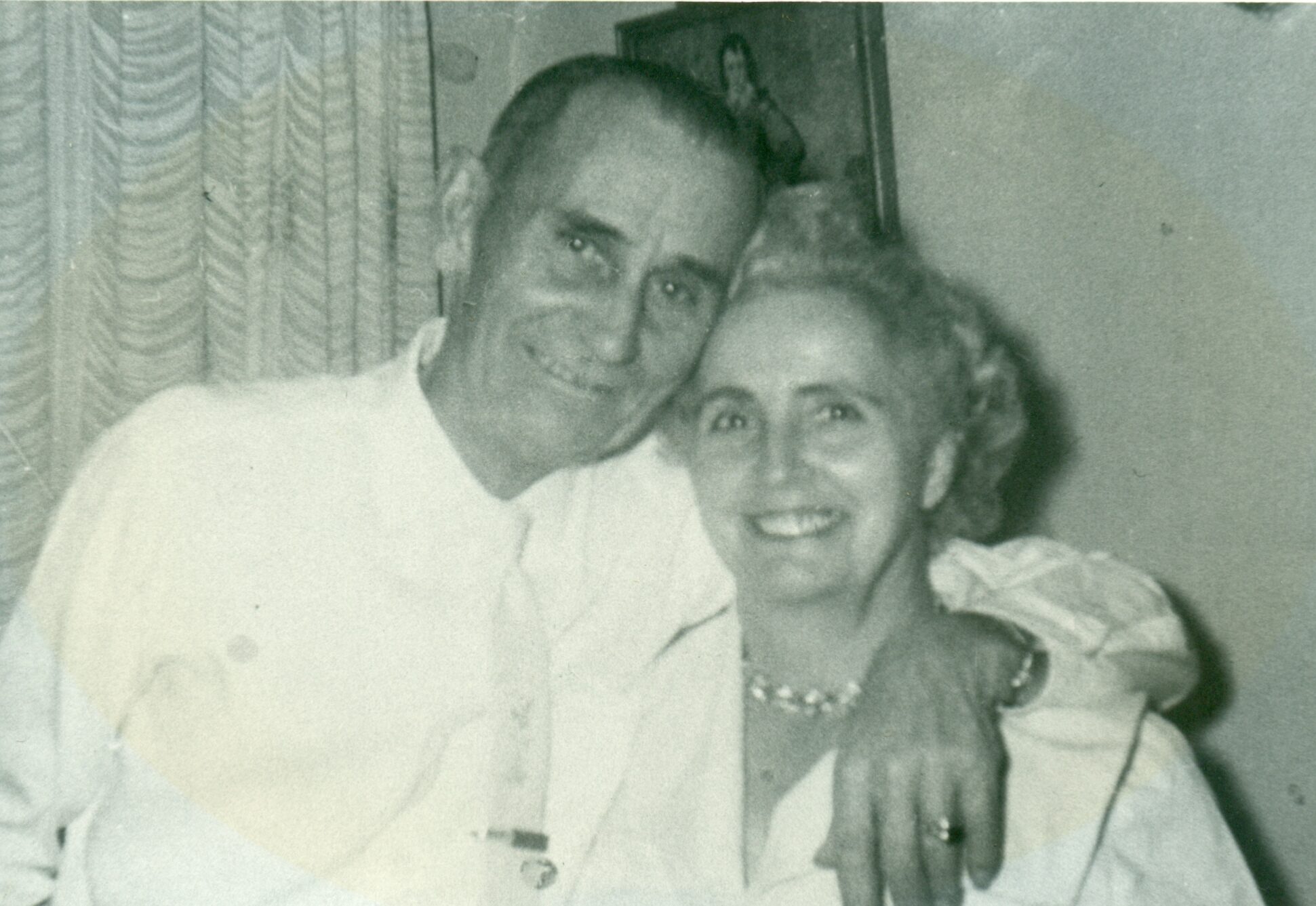 want to sass Grandma again. Some of the boys…I was the only girl in the group of four grandchildren who were around my age, so I got to hear about some of the antics of the boys and the repercussions of my grandmother. They told me about the broom that somehow reached around the corner and got you as you ran away. The way she could somehow see through the floor to the basement. The bar of soap conveniently placed in their mouths for saying “bad” words. While the antics of the boys made me feel like “amateur night” because I wouldn’t have dared to pull the things they would, I must say that I got a kick out of the stories they told. I couldn’t believe the nerve of them, but I guess that is boys. They pushed her buttons quite a bit further than I would have. These days, I think it’s just funny, but as a kid, and one of five daughters of my parents, the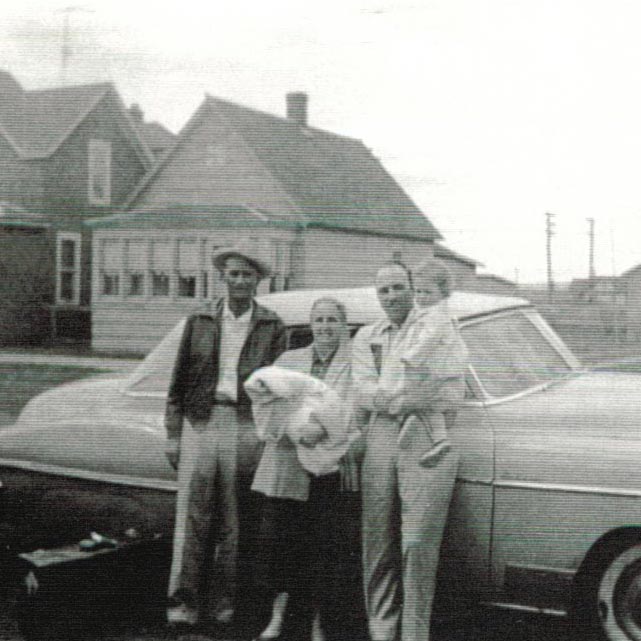
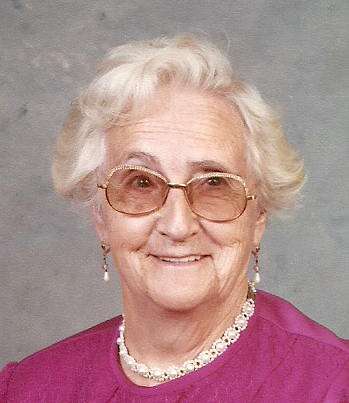 antics of boys were not in my wheelhouse. These days as the grandmother and great grandmother of boys and only two girls, I understand boys much better than I used to. In fact, I can see my grandsons and even the great grandsons pulling some of the stunts my cousins used to. None of them were really “bad” boys, just mischievous boys. And these days, it makes me laugh to see the similarities to my cousins. They probably drove Grandma half crazy. Nevertheless, she loved each and every one of them. Today is the 117th anniversary of my grandmother’s birth. Happy birthday in Heaven, Grandma Byer!! We love and miss you very much!!

 Thomas Davenport was a Vermont blacksmith. He was born in Williamstown, Vermont on July 9, 1802, the eighth of 12 children, to Thomas Sr and Mary Davenport, who were poor farmers. At 14, he began a seven-year apprenticeship with a local blacksmith. In return for his work, Thomas learned the trade and was given six weeks each winter to attend school. He lived much of his life in Forest Dale, a small village in the town of Brandon.
Though he had humble beginnings, he went on to do great, but somehow long forgotten things. As early as 1834, he and his wife, Emily (nee Goss) Davenport developed a battery-powered electric motor. They used it to run a small model car on a short track, setting the stage for the later electrification of streetcars. It was the first attempt to apply electricity to locomotion. In 1833, Davenport visited the Penfield and Taft iron works in Crown Point, New York, where an electromagnet based on Joseph Henry’s design was in operation. Inspired by what he saw, he bought one from the factory and dismantled it to understand its workings. He then crafted a better iron core and rewired it, using strips of silk from his wife’s >wedding gown. Now, all I can say is that his wife must have really loved him, or she was as crazy as he must have been, because most women would not appreciate having their wedding gown cut up to be used as insulation for wiring. Nevertheless, she is listed as a contributor to the  project. I don’t know if that means scientifically, or if it was to appease her for allowing the dress to be cut up.
In 1837, Davenport, along with his wife Emily and colleague Orange Smalley, received the first American patent for an electric machine, US Patent Number 132. Just a few years later, in 1840, he published The Electro-Magnetic and Mechanics Intelligencer, the first magazine ever printed using electricity.
In 1849, Charles Grafton Page, the Washington scientist and inventor, commenced a project to build an electromagnetically powered locomotive, with substantial funds appropriated by the US Senate. Davenport challenged the expenditure of public funds, arguing for the motors he had already invented. Page defused that objection by publishing a statement about his unique device. In 1851, Page’s full sized electromagnetically operated locomotive was put to a technical test on the rail line between Washington and Baltimore. The project hit more snags. Low on funds, Page asked for more money. In the summer of 1850, Benton told the Senate that Page had achieved a force ten times greater than his early battery tests. Benton then pushed for funding to let Page build an electromagnetically powered warship. This request met strong resistance. Senator Henry Stuart Foote argued Page hadn’t shown real progress or benefits, while Senator Jefferson Finis Davis opposed giving government money to one inventor when others, like Thomas Davenport, got nothing. Both the Senate 
 and House denied further funding. To get the locomotive ready for its 1851 trial, Page went over $6,000 into debt. After the trial failed publicly, the press was harsh, and with no financial backing, Page was left in dire straits both financially and emotionally…leaving Thomas Davenport as the real sole inventor of the successful electromagnetically powered locomotive, and yet it is Page who is recognized for that invention.

 It was a place no one wanted to go…but no one who went there was given a choice. On February 24, 1864, when the first Union prisoners arrived at Andersonville prison, it was still under construction in southern Georgia. Before long, the prison went from brand new to infamous, as nearly a quarter of its inmates died while in captivity. No wonder it was a place no one wanted to go. The warden, Henry Wirz, was at the top of the “problem list.” Wirz was executed after the war for the brutality and mistreatment that occurred under his watch. His methods of abuse of prisoners were absolutely horrific.
Camp Sumter, better known as Andersonville, was built after the prisoner exchange system between the North and South broke down in 1863 over disputes about the treatment of Black soldiers. Thrown together quickly using slave labor, the stockade sat in the Georgia woods near a railroad but far from the fighting. Covering 16 acres, it was meant to have wooden barracks, but skyrocketing lumber prices stalled construction, leaving Union prisoners under the open sky in makeshift “shebangs” cobbled from wood scraps and blankets. A nearby stream started out as their water source, but within months it was fouled by human waste.
Andersonville was designed to hold 10,000 men…a shockingly large amount. Nevertheless, within just six months, over three times that number were crammed inside its walls. That was the least of the problems Andersonville Prison had. The prison soon became famous for its extreme overcrowding, lack of supplies, and staggering death toll. From February 1864 to May 1865, around 45,000 Union soldiers were confined there, and nearly 13,000 died from disease, malnutrition, and exposure. In fact, over 100 men died each day during the worst periods. By 1890, fewer than 1,000 survivors remained. Andersonville prison camp was one of the grimmest places of the American Civil War. Erosion along the creek banks created a swamp that took up much of the compound. Food rations were scarce, and at times, half the prisoners were sick. Some guards mistreated inmates, and there was frequent violence between different prisoner groups. The story of Andersonville is a 
 stark reminder of the human cost of war and the resilience of the human spirit in the face of some of the most overwhelming hardships. Andersonville stood out as the worst of the many grim Civil War prisons on both sides. Wirz ultimately faced the consequences for the cruelty there, being executed after the war ended.
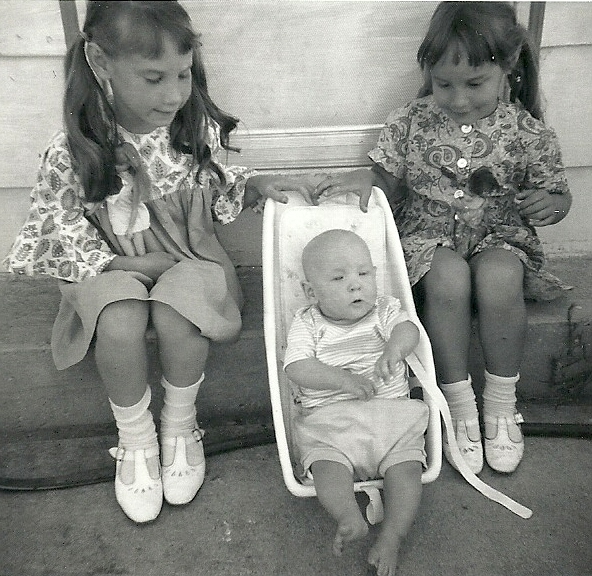
 Whenever two girls get a new baby brother, you end up with two little mothers in training. They want to be part of everything, even if they’re only five and seven years older than him. In fact, that age gap might make them even more eager to show off their “skills.” Younger sisters might not pay much attention to a baby brother, but once they start feeling grown-up, they want the world to notice. As for that little brother…well, he can count on years of being bossed around by those sweet, innocent-looking, bossy mommies in training. That’s exactly the world my brother-in-law, Ron Schulenberg, was born into. Those first couple of years were probably bliss, with his big sisters cuddling and doting on him, but once he hit the toddler stage and the terrible twos arrived, those loving big sisters became just as bossy as they could be.
I first met Ron when I started dating his older brother, Bob, and it was clear he had a knack for being in the  wrong place at the wrong time, doing the wrong thing…especially when it came to his older sisters, Jennifer and Brenda, with Marlyce and Debbie in full agreement. Boys will be boys, but their sisters were never amused. I lost count of how many times Jennifer and Brenda told him to “knock it off and behave.” He’d just be trying to show off for company, and those big sisters would embarrass him without hesitation! Still, there were good times too, when they’d include him in their activities and everything would be great again…otherwise, he might not have liked his sisters much at all.
It was lucky for Ron that he had a big brother among his four older sisters, one who didn’t mind hanging out with his little brother, even on a date. Bob had spent his whole life with two older sisters and quite a while with two younger ones, so he knew exactly what sisters were like. Naturally, he sided with his little brother…guys have to stick together, right? After all, it was four against two, and those were tough odds. And for Ron, there was the added insult of always being the baby brother, even at the grand old age of five. Four sisters and two macho brothers…you get the idea.

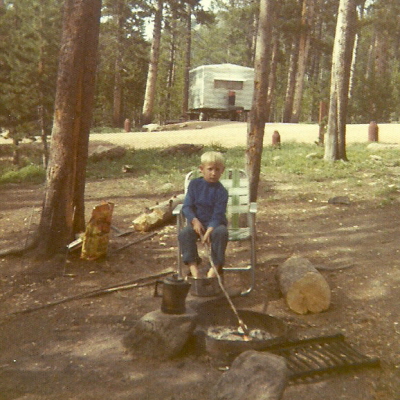
The good news is that Ron grew up, and like most siblings, age brought friendship. His sisters realized how handy he was to have around, especially when they needed a helping hand. Ron’s a talented mechanic and pretty skilled with carpentry tools too, so whenever something needs building, he’s the go-to guy. He’ll always be their baby brother, but we all agree he’s far from a baby now…in fact, the youngest is the tallest! Maybe that was for self-defense, who knows. Today is Ron’s birthday!! Happy birthday Ron!! We love you!!
mom
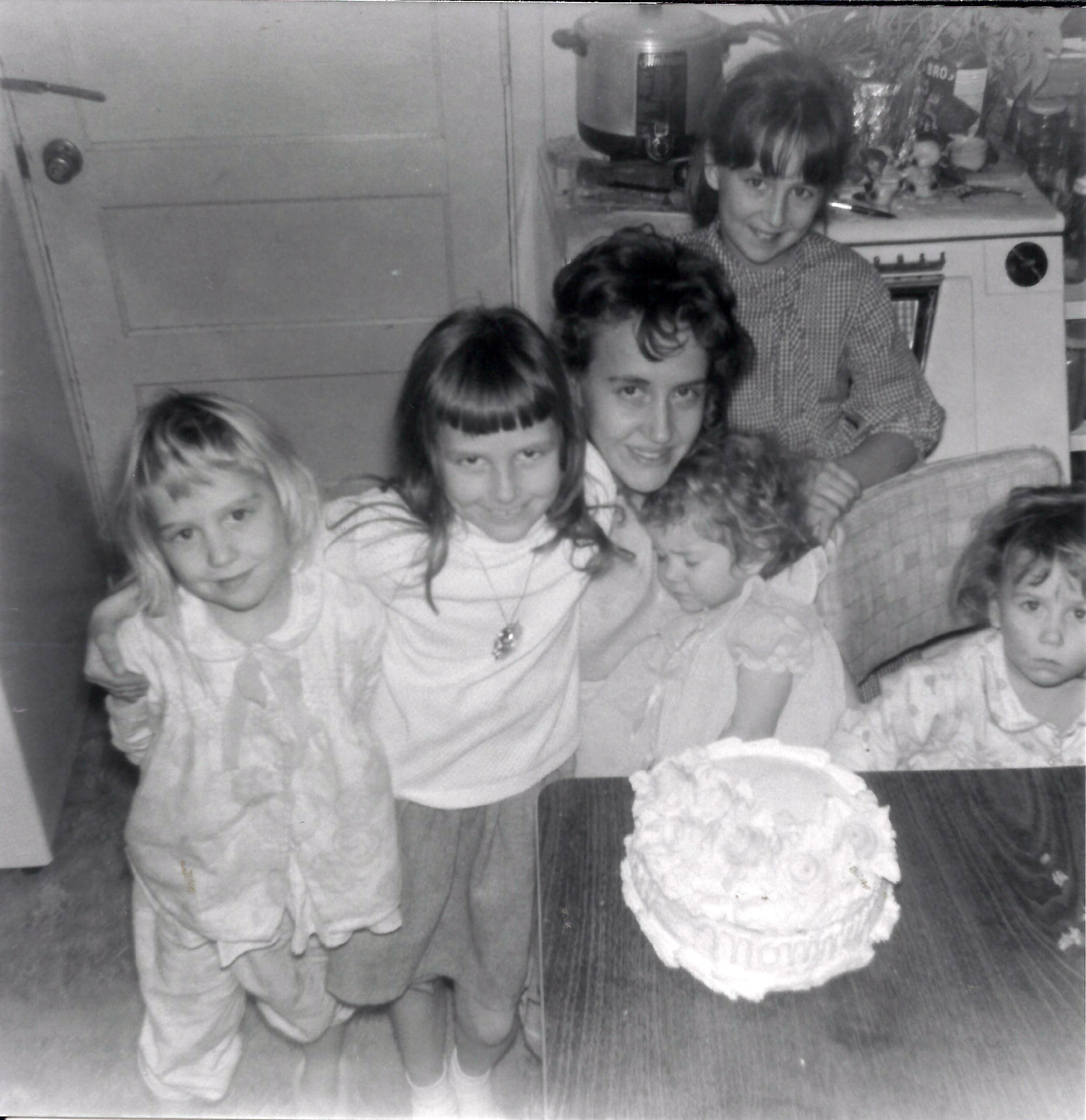 As another year passes, I find myself thinking a lot about my mom. It seems impossible that she has been living in Heaven for eleven years now. I know that, at some point. most people outlive their parents and go on to live the rest of their lives without them, but you are simply never ready for that day to arrive. You don’t want that day to arrive. And when it does, you are sure it must be a nightmare. Loving
  parents should be in your life well into your 70s anyway, but that was not to be.
Mom was a deeply devoted Christian who worked hard to learn and live by God’s ways and His Word. As I walk my own path with the Lord, I often think about all the people she inspired to give their lives to Him. My parents were strong spiritual leaders; they didn’t travel the world preaching, but they spoke to those around them, and their clean, upright lives spoke volumes. After Mom’s funeral, I was amazed by how many people shared how my parents had touched their lives. In their quiet, humble way, they drew many hearts to the Lord.
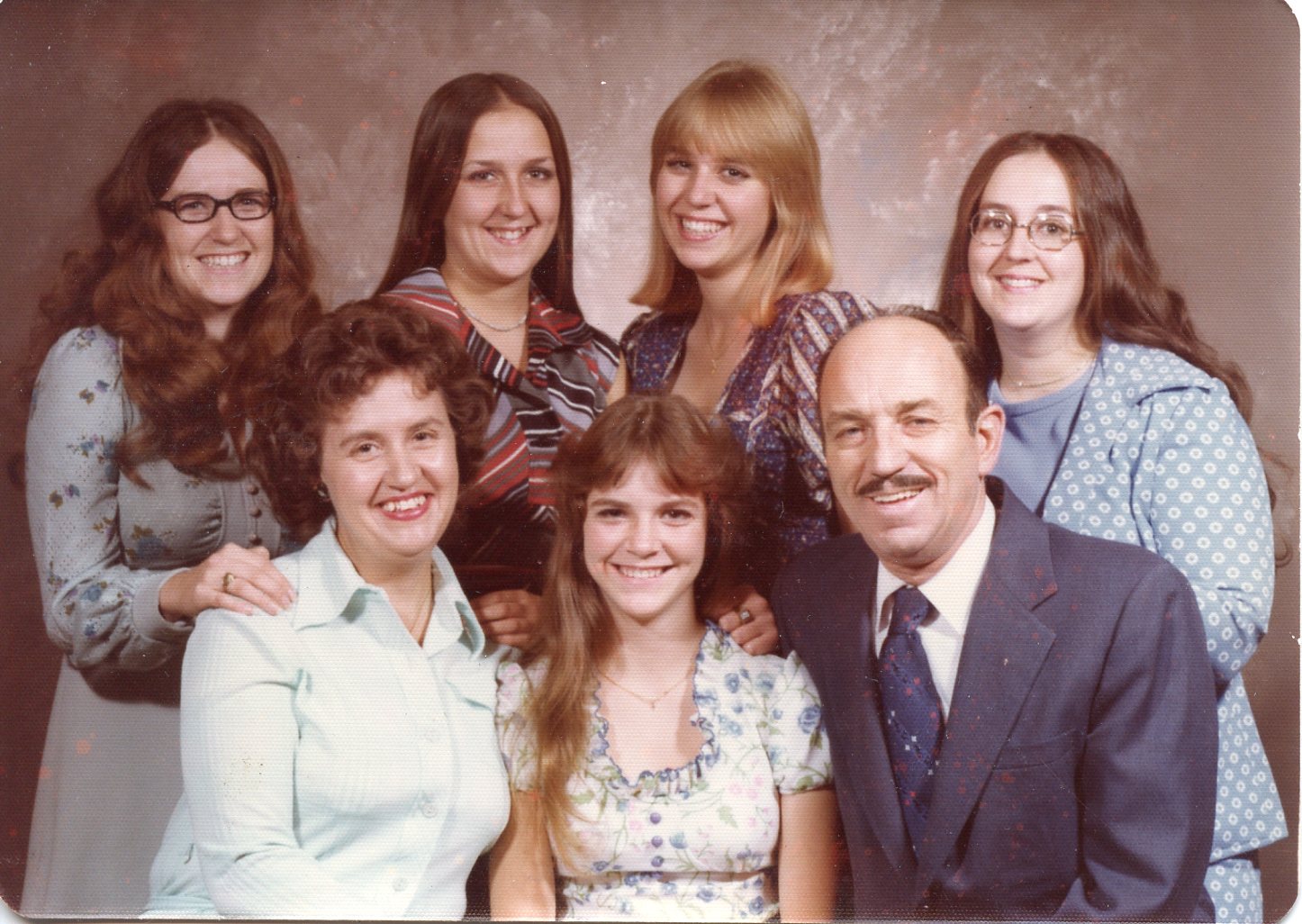
Mom was also a fun-loving and really goofy woman. She did her very best to make our lives happy and full of God’s joy. She sang to us, cheered us on, comforted us, and encouraged us. We never doubted her love for us. I miss my mom every day, and I know that I will see her again when I go to Heaven. Still, I can’t say that makes it any easier to think of eleven years without her. She will always be in my heart and on my mind. I love and miss you so much, Mom, and I’m thankful that you are in my future.

