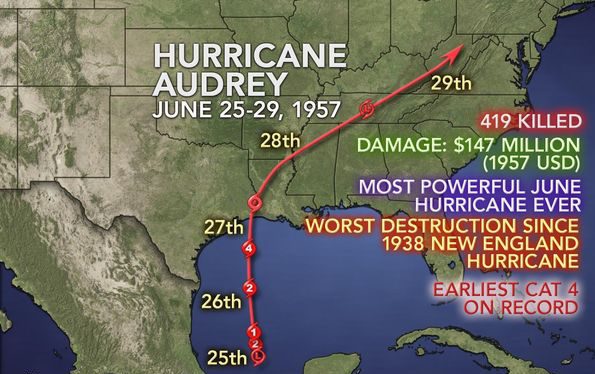
 Hurricane Audrey formed on June 24, 1957, from a tropical wave in the Bay of Campeche. It quickly strengthened under perfect conditions, becoming a hurricane by June 25th and went roaring north toward the US Gulf Coast. By June 27th, Audrey hit peak winds of 125 miles per hour and a low central pressure of 946 millibars, ranking among the strongest June hurricanes ever recorded in the Atlantic. The storm made landfall in southwestern Louisiana as a devastating Category 3, causing at least 500 deaths and massive destruction. The hurricane made landfall between Sabine Pass and Johnsons Bayou, Louisiana, holding on to its major hurricane strength before weakening inland and turning extratropical over West Virginia on June 29th. Audrey brought massive destruction along the Texas-Louisiana border, especially in Cameron and Vermilion parishes. A storm surge of 12 to 14 feet swept into coastal Cameron Parish, flooding over 1.6 million acres and carrying homes miles inland. Offshore oil facilities took a $16 million hit, while the region suffered widespread power outages and heavy property damage.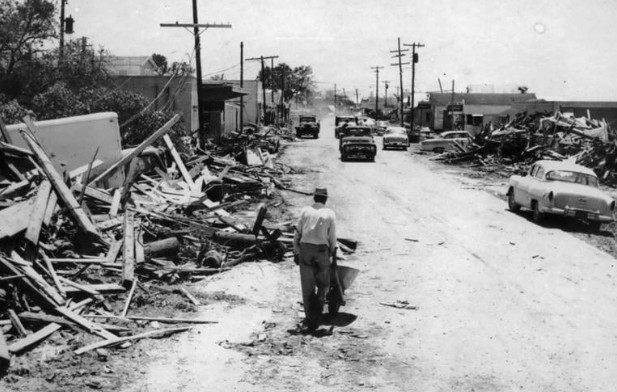
Hurricane Audrey ranks as the sixth deadliest hurricane in US history, claiming at least 500 lives with many others missing, mostly because of the storm surge. Entire towns were wiped out; in Cameron, Louisiana, 60 to 80% of homes and businesses were destroyed, with the courthouse among the few buildings left standing. Its death toll was the highest since the 1938 New England hurricane, a record that stood until Hurricane Katrina hit in 2005. Audrey was the first major hurricane to develop in the Gulf of Mexico since 1945 and the earliest to strike Louisiana. It underscored the risks of rapid intensification and storm surge, shaping future hurricane preparedness and forecasting. Due to its severity, the name Audrey was permanently retired.
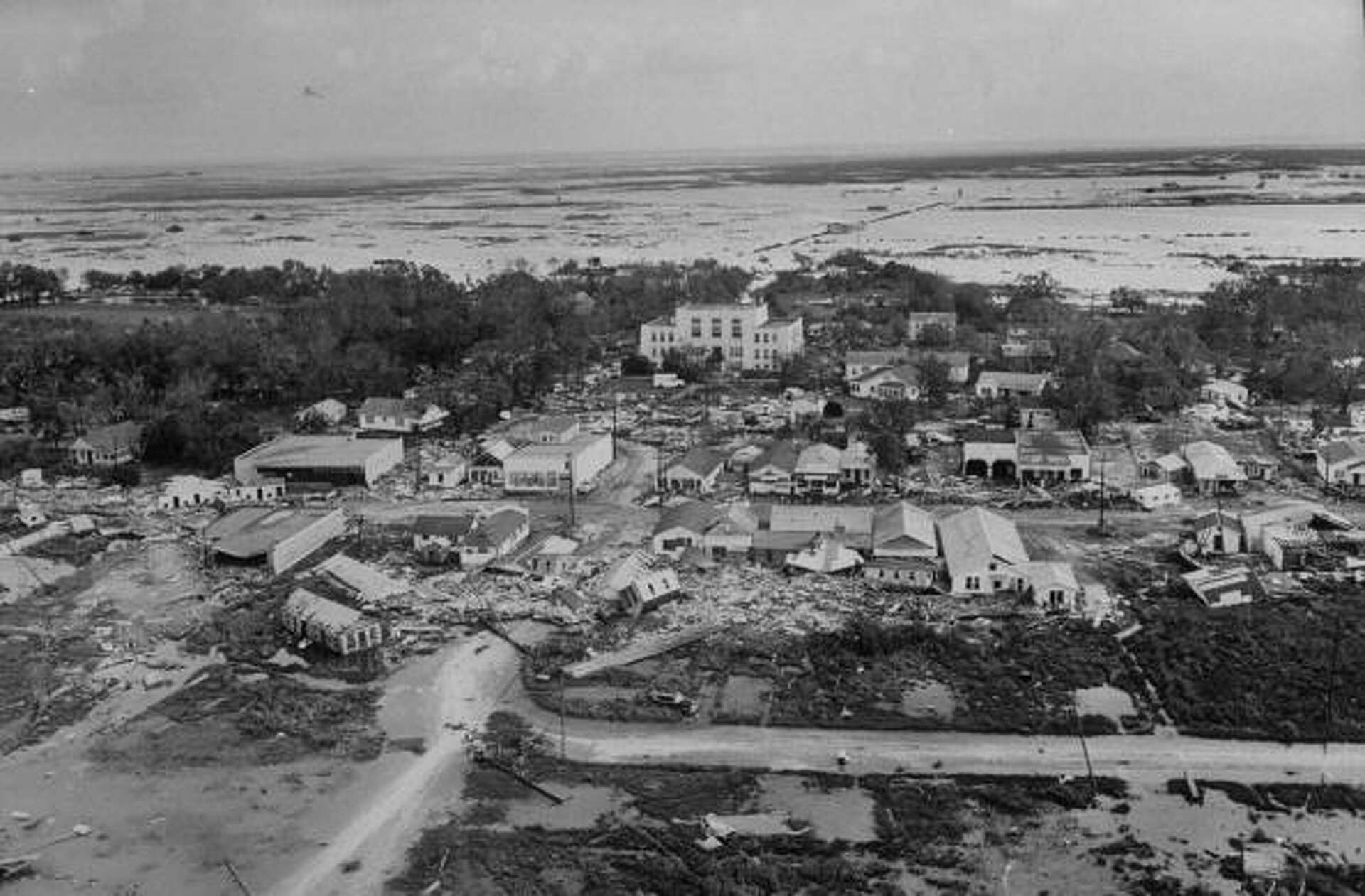 Hurricane Audrey stands out in US hurricane history for its rapid strengthening, unusual early-season arrival, devastating storm surge, and tragic loss of life. It left a lasting mark on coastal communities in southwestern Louisiana and highlighted the critical need for early warnings and strong disaster preparedness. It seems like most disasters bring changes that make future disasters less devastating in one way or another. Some of the best changes to come out of these earlier in history disasters are early warning systems and better building codes. Disasters will come, and storms can’t be stopped, but is people are better prepared, lives can be saved, and that is what is important.


Leave a Reply