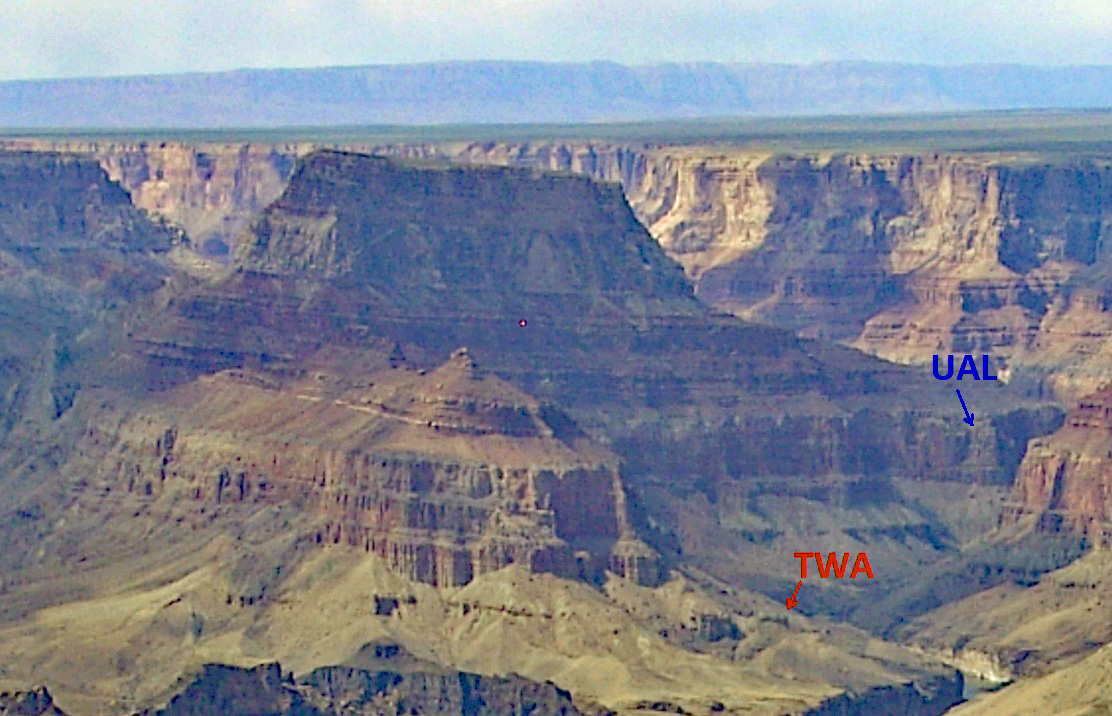
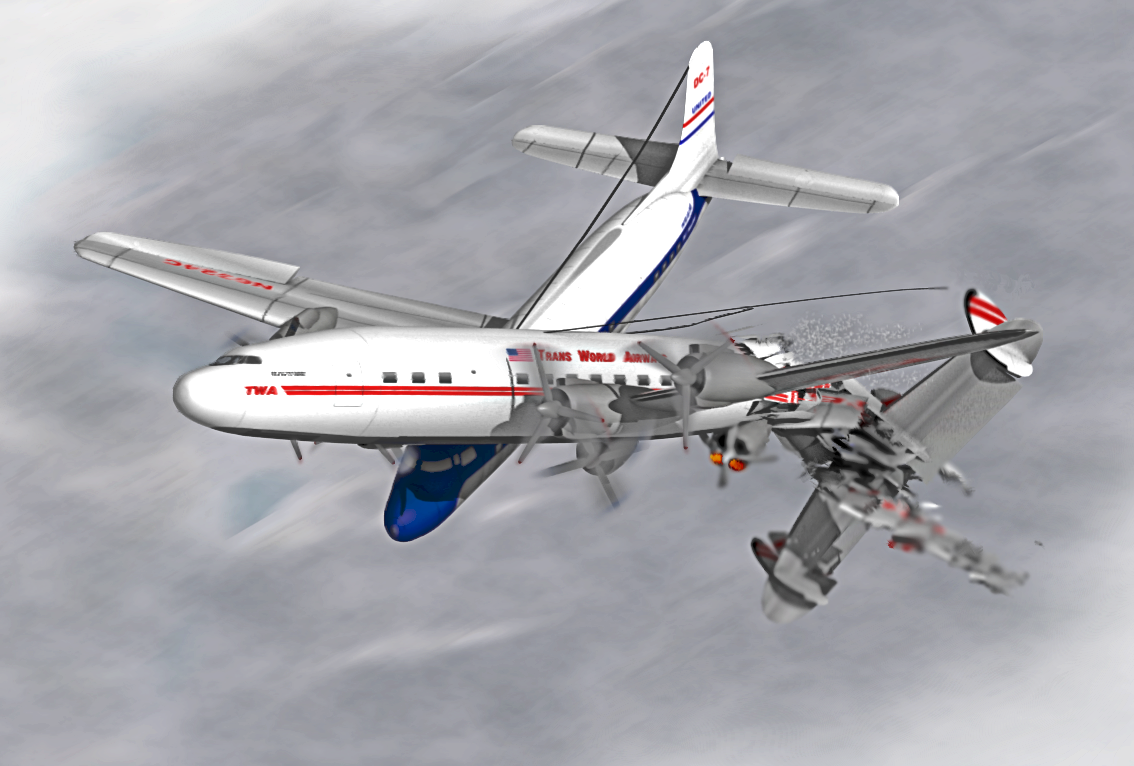
 On June 30, 1956, a Lockheed L-1049A Super Constellation flying as TWA Flight 2 collided with a Douglas DC-7 Mainliner operating as United Air Lines Flight 718 over Grand Canyon National Park, Arizona. The Constellation plunged into the canyon, while the DC-7 crashed into a cliff. Tragically, all 128 people aboard both planes were killed, marking the first commercial airline disaster with over one hundred fatalities. The planes had taken off from Los Angeles International Airport just minutes apart, bound for Chicago and Kansas City. The crash happened in uncontrolled airspace, where pilots were expected to maintain separation under the “see and be seen” rule, exposing the outdated state of air traffic control and sparking major aviation reforms. Similar to the “see and avoid” rule, the “see and be seen” rule requires the pilots to somehow make their presence known. Since I have been a passenger in a small airplane, where I was required, as the only other person onboard, to help watch for traffic when coming into the airport, I can say
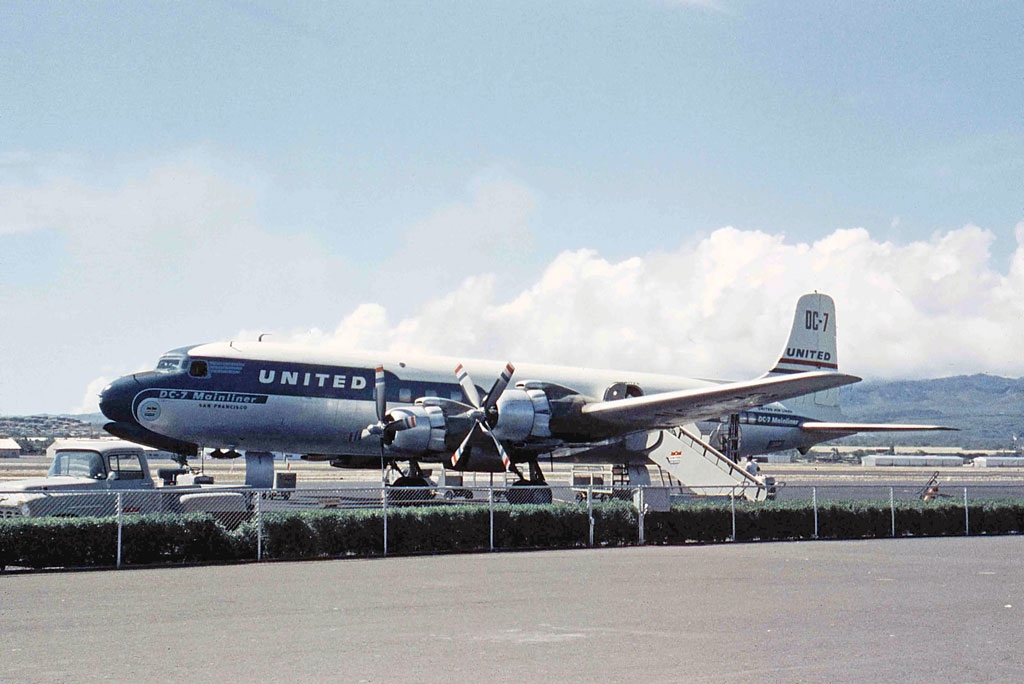 that “see and be seen” is not always an easy task. Planes can blend into the terrain very easily. Even when we were told where the traffic was, it took me a minute to locate it. I’m sure the pilot, my boss at the time, Jim Stengel saw it before I did, but because it took a minute for me to see it, I can see how two planes could end up in a bad situation.
On that morning, TWA Flight 2 left Los Angeles bound for Kansas City. Just three minutes later, United Airlines Flight 718 took off for Chicago. Amazingly, their paths crossed 400 miles away over the Grand Canyon, where both pilots, flying under visual “see and avoid” rules, steered around a thundercloud…TWA’s Lockheed L-1049 Super Constellation passing to the left and United’s Douglas DC-7 to the right. The “see and avoid” rule requires the pilots to take evasive action when the other plane came into view…but was there time? Probably not.
Unfortunately, the planes didn’t see or have time to avoid the danger. At 21,000 feet, the two airliners crossed 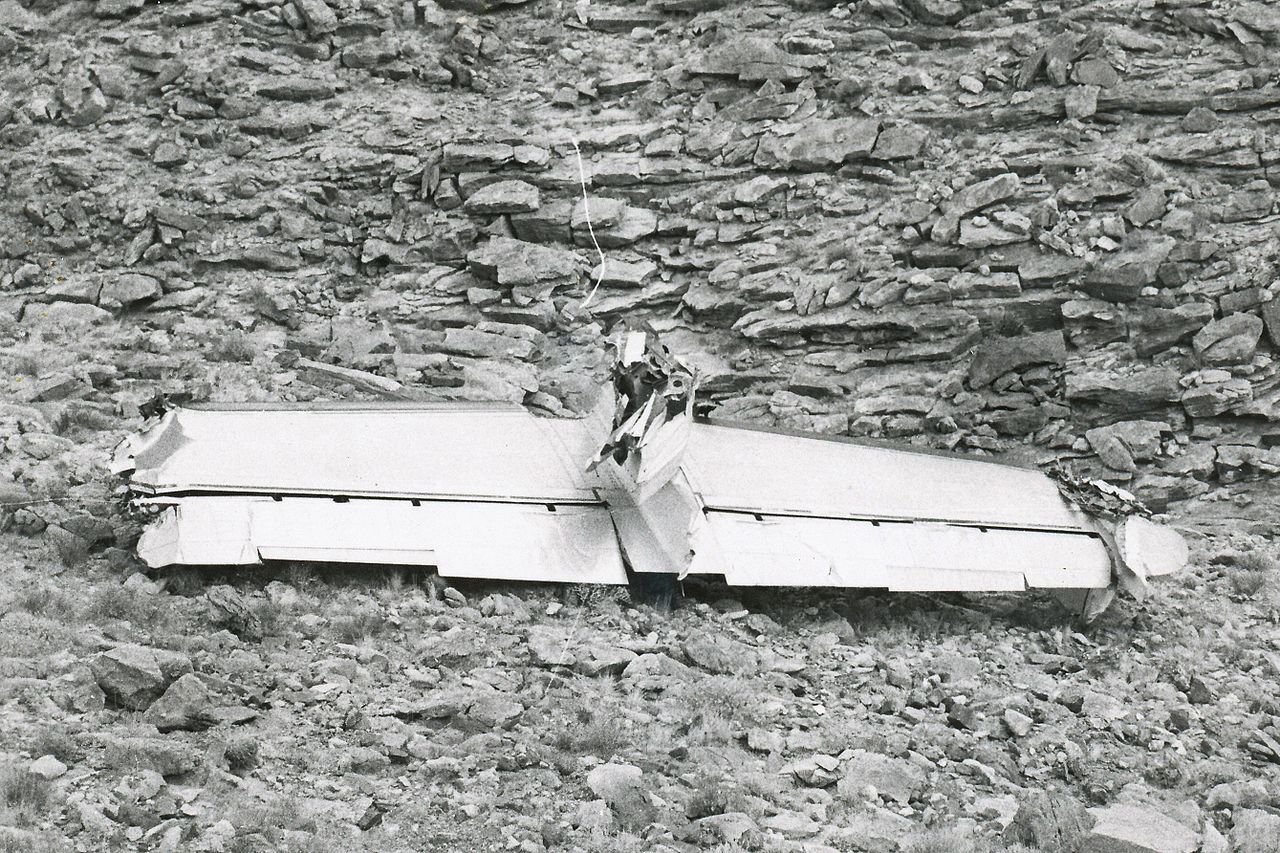
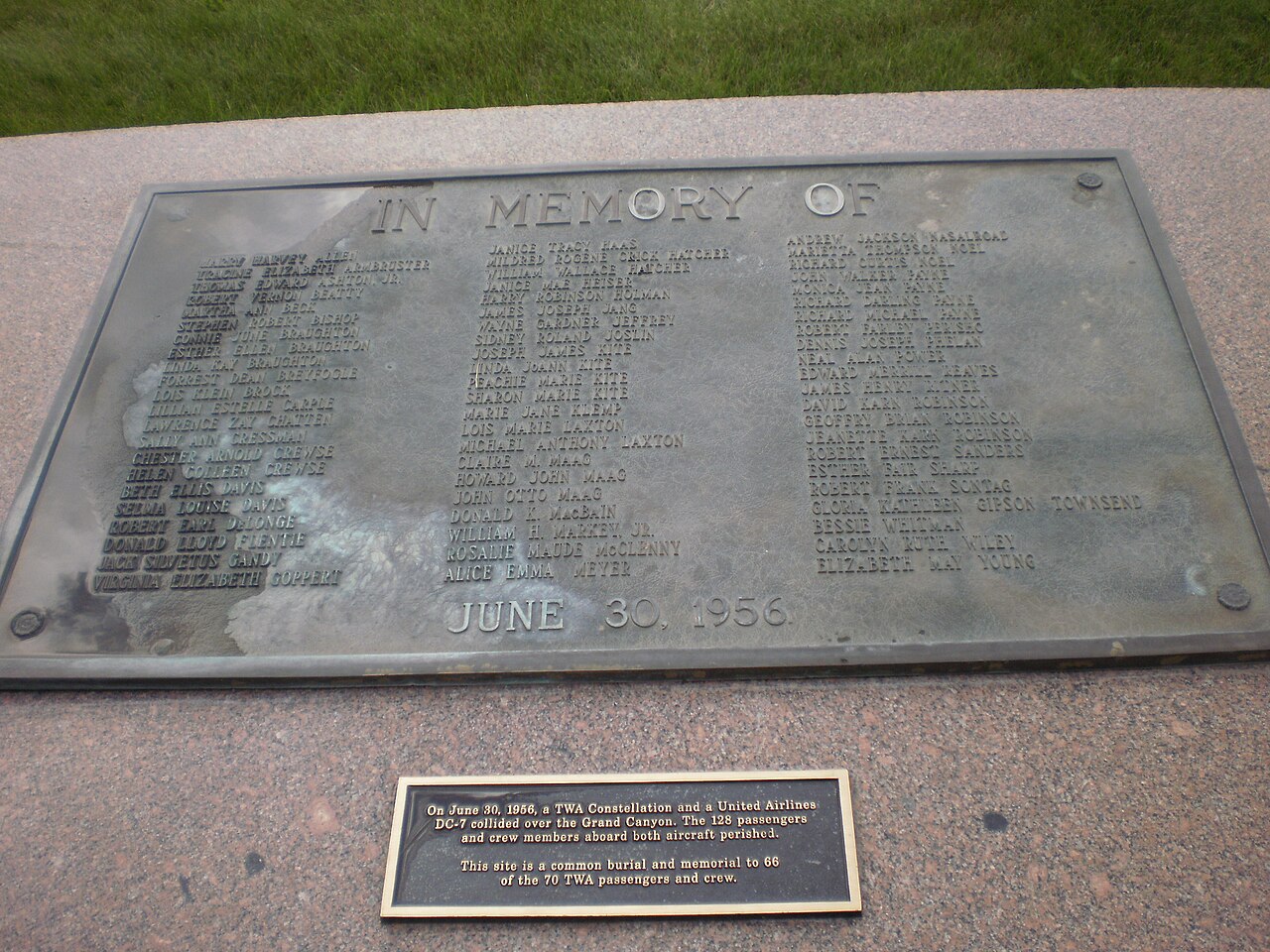 paths, and the United plane’s left wing clipped the TWA’s tail, tearing through the rear of its fuselage. Both planes crashed into the canyon floor, killing all 128 people aboard. This was the deadliest American aviation accident of its time, and it prompted a congressional investigation and paved the way for today’s modern air traffic control system. I always find it sad that it takes a tragic loss of life to bring about change.


Leave a Reply