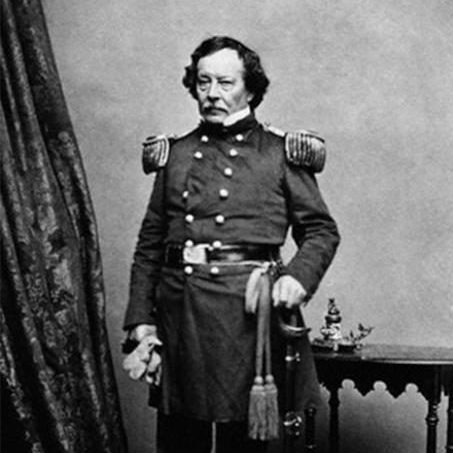
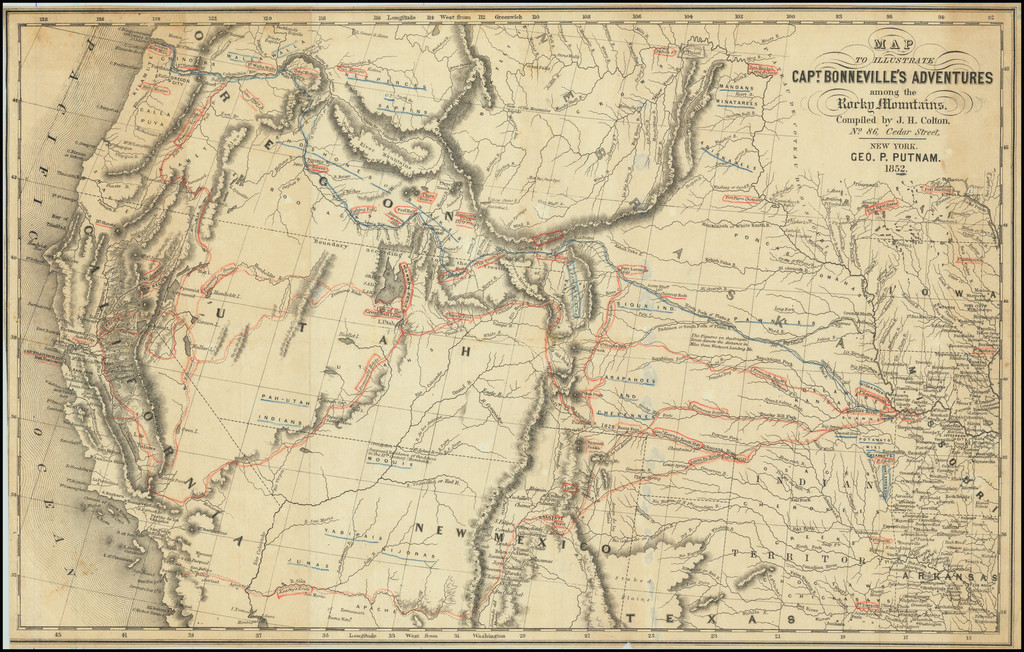
 In the spring of 1832, Captain Benjamin Bonneville of the US Army organized a privately funded wagon train to the Rocky Mountains and beyond. Maybe it was a fur trading expedition, maybe it was his adventurous spirit, of maybe it was a secret spy mission. The mission was presented as a fur-trading venture, complete with backing from financiers John Jacob Astor and Alfred Seton. For all intents and purposes, the trip seemed like an innocent hunting trip, but the rumor was that the true purpose of the trip was a spying mission. The Army had approved Bonneville’s request for a yearlong leave, making it seem even more likely that the journey was unofficial. Nevertheless, the detailed observations and reports expected in his leave authorization suggest the Army was seeking intelligence in return. Maybe it was a simple bargain, but maybe it was exactly what everyone suspected.
Bonneville set out from Independence, Missouri, in late April with 121 men and 20 wagons. He planned to reach that year’s mountain rendezvous in July at Pierre’s Hole in present-day Idaho, just west of the Tetons. The group traveled through Wyoming’s rivers…the Laramie, North Platte, and Sweetwater. They were joined by experienced mountain men Joseph R Walker and Michel S Cerré. Strangely, Bonneville missed the gathering. Nevertheless, even with the delay, Bonneville achieved a groundbreaking feat of crossing the Continental Divide at South Pass on what we now call the Oregon Trail, with wagons. This was groundbreaking in that, two years earlier, mountain man William Sublette had led a wagon caravan to the eastern edge of the Wind River Range but switched to pack horses for trading trips to the rendezvous they didn’t think the wagons could make it through the pass. Bonneville’s expedition ultimately opened the door for future wagon travel through the mountains…another thing that may have made the trip more official than unofficial.
Like many explorers, Bonneville kept a journal of his journeys. Bonneville returned from his expedition in 1835. At that point, he attempted to write an account of his journey. Unable to find a publisher, he sold his journal and writings to Washington Irving, who was famous for The Legend of Sleepy Hollow. Irving then crafted a romanticized and enduring tale of the explorer’s western adventures, title “The Adventures of Captain Bonneville.” Most of what is known about Bonneville’s time in Wyoming comes from Irving’s work. However, there was one report Bonneville submitted to the army after his first year in Wyoming that Irving likely never saw. This report went missing but was eventually discovered in the 1920s among misfiled Army documents. This “lost report” revealed insights into what historian Anne Abel-Henderson, who helped uncover it. It was referred to as Bonneville’s “ulterior motive” for venturing into the far west. It was the details chronicled in that 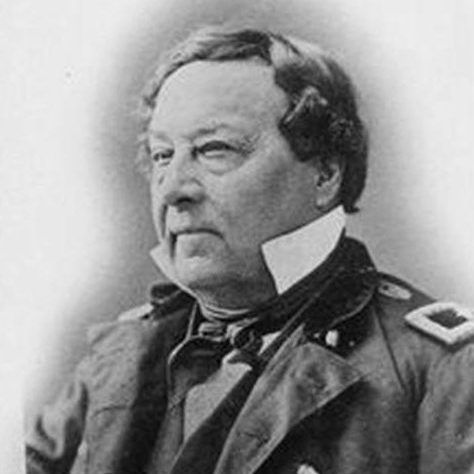
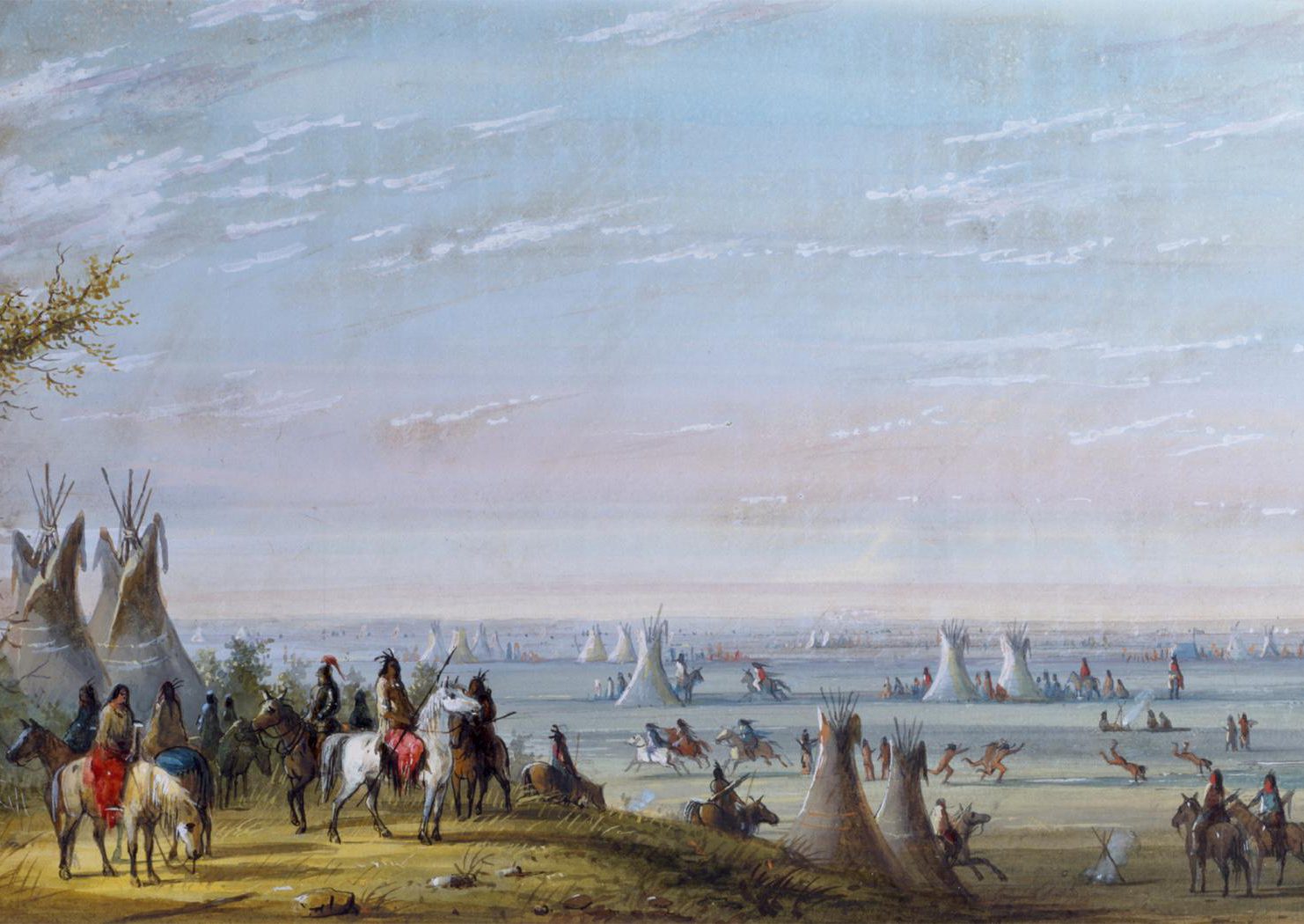 report that made everyone think the trip had been official after all. Historians have long suspected that the captain, under the guise of commercial fur trading, was preparing for an eventual invasion of Mexico’s California territory. Bonneville’s 1833 report concerning his first year in the Wind River Range and beyond remained lost for almost a century before resurfacing in the 1920s. Then, finally, author Jett B Conner examined the intriguing details revealed in that historic document. Now, it could be examined.


Leave a Reply