 These days, most tsunamis come with some warning, at least since the 1946 wave that struck Alaska and Hawaii. Still, there are devastating waves that can’t be predicted and can be just as deadly as those the Pacific Tsunami Warning System alerts people about. One I’d never heard of until my sister, Cheryl Masterson, mentioned it a few days ago happened in Boston, Massachusetts on January 15, 1919. While it was a completely different kind of tsunami, it was still deadly. In fact, it was so unusual that many might doubt it’s a true story…but it really did happen.
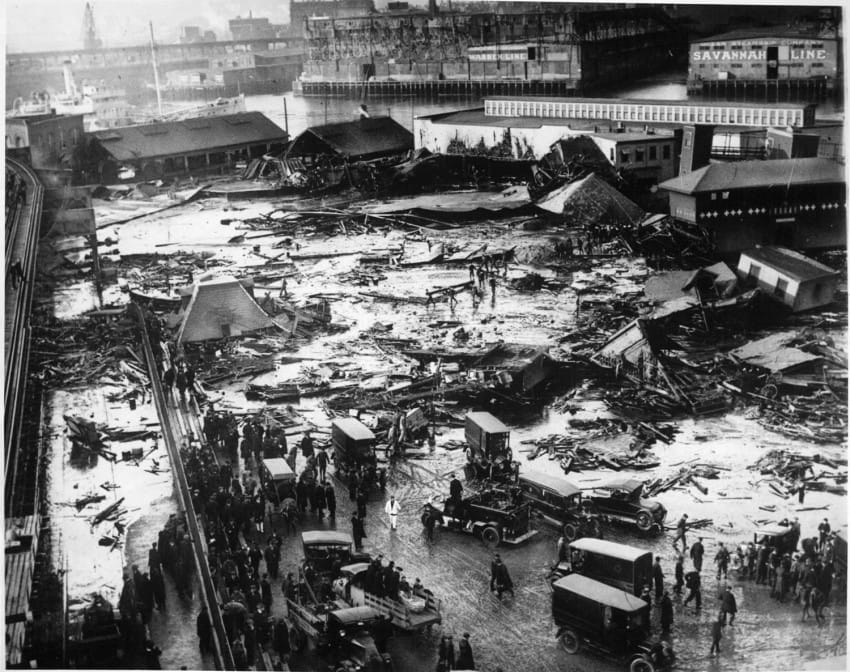
At around 12:40pm on January 15, 1919, a tank holding 2.3 million gallons of molasses burst at the Purity Distilling Co. in Boston’s North End, sending waves of sticky syrup racing through the streets at nearly 35 miles per hour. Most people wouldn’t think of molasses as dangerous, but a 25-foot-high wave moving that fast can be as deadly as getting hit by a car. There was no warning, and honestly, there couldn’t have been. The molasses had 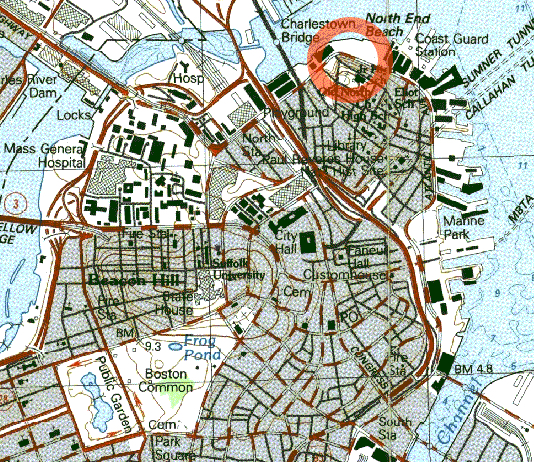 been stored in the tank awaiting transfer to another plant, and with temperatures climbing rapidly, a bizarre and tragic chain of events unfolded. Witnesses said the ground shook like a tornado or a freight train was barreling down the street.
The Boston Globe reported that people were swept up by a rush of air and thrown several feet, while a truck was lifted by the powerful wave and hurled into Boston Harbor. The force was so intense it nearly knocked a railroad car off the city’s elevated tracks. The Boston Post painted a vivid, grim picture: molasses, waist-deep, flooded the streets, swirling around wreckage. Shapes struggled in the sticky mess. It was impossible to tell if they were human or animal. Horses perished like flies trapped on paper, sinking deeper the more they fought, and men and women endured the same fate.
The final death toll reached 21, with 150 injured. Victims were either crushed by debris-laden molasses or 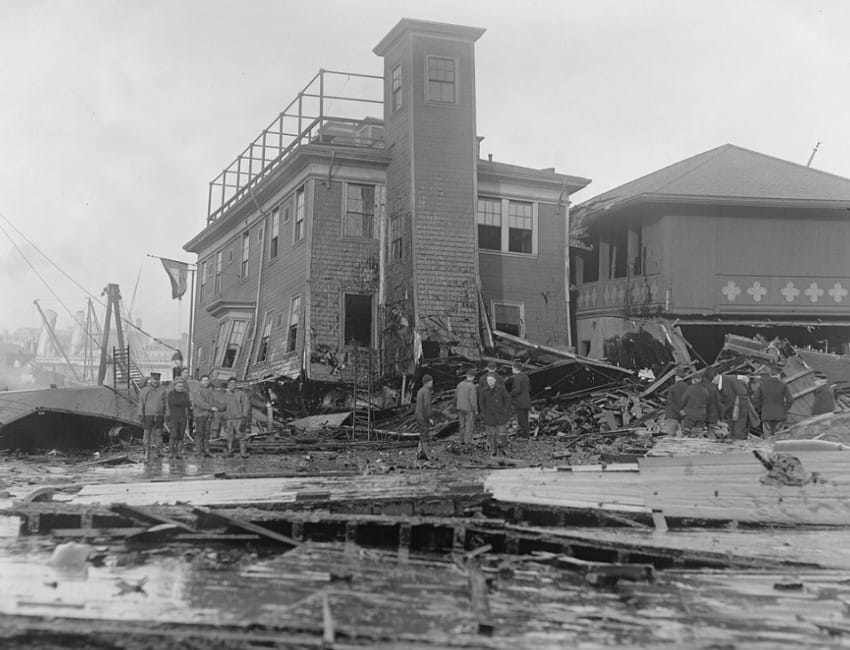 drowned in it. People and animals struggled, some beyond rescue. The cleanup was immense…fire trucks hosed down streets, and welders cut apart the tank. The harbor stayed brown until summer, and molasses seeped into every crack. It’s said that on hot days, the smell lingered for decades, though perhaps memory played a part. Public outrage led to a class-action lawsuit against the United States Industrial Alcohol Company, which had recently acquired the Purity Distilling Company. After three years of hearings, the company was found guilty of negligence and ordered to pay $600,000…nearly $10 million today…in settlements. The wave was as deadly as a tsunami, but no warning could have prevented the tragedy.


Leave a Reply