Monthly Archives: March 2026
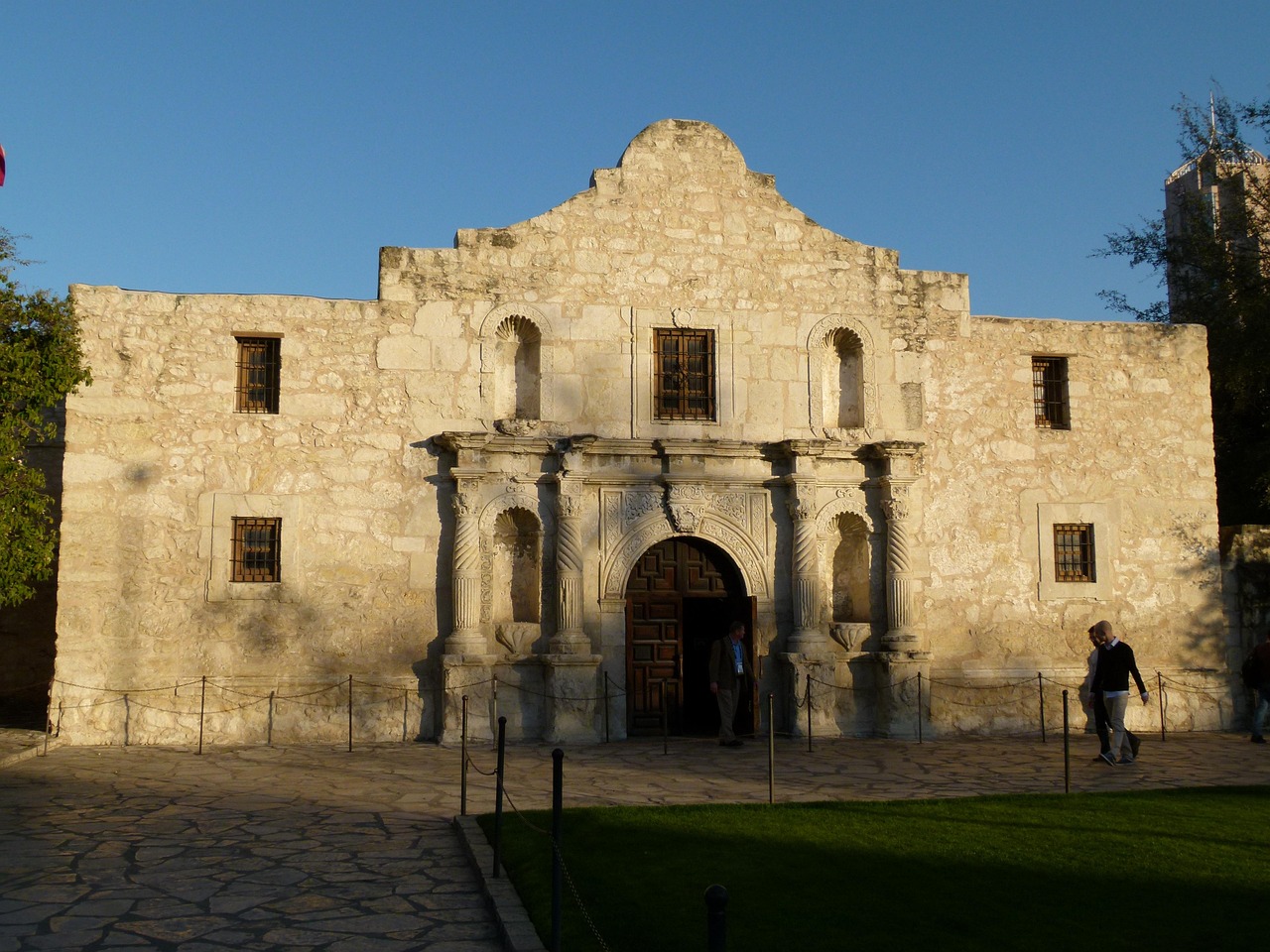 Few people, of an age to have studied history, can say they have never heard of the Alamo. While we all know that the people who fought and died there were very brave, can we honestly say that we really understand what the fight was all about? In February of 1836, an outnumbered band of Texan independence fighters faced a Mexican army in what would become one of the most storied conflicts in American history…the Battle of the Alamo. The Texan fighters would lose that battle badly, but it was their final stand that would become a historic symbol of resistance and freedom, and immortalize the famous battle cry, “Remember the Alamo!” The battle was important…militarily, politically, and symbolically.
After winning independence from Spain in 1821, Mexico allowed pioneers from the expanding United States to settle in the northern Tejas region of Mexico. The settlers were known as “Texians” and over the next decade, enjoyed a relative degree of invisibility far from Mexico’s capital. However, as the number of settlers grew, the Mexican government responded by prohibiting US immigration and imposing tariffs on the Texas settlers, causing tensions to escalate. The situation eventually exploded into armed clashes between the settlers and the Mexican government with the Battle of Velasco in 1832, which was a prelude to the brewing Texas Revolution. The Texas settlers believed that Antonio López de Santa Anna, who was a celebrated general vying for the Mexican presidency, might be their saving grace in the situation. They thought he backed their continued autonomy due to his Federalist campaign platform, which supported a division between federal and local governance. Then, they felt betrayed when, upon winning the presidency in 1833, Santa Anna did an about-face and abolished the Mexican Constitution of 1824, which had enshrined the Federalist system, seeking to centralize power as a military dictator.
It was the last straw in a long line of betrayals by the Mexican government. On October 2, 1835, tensions had 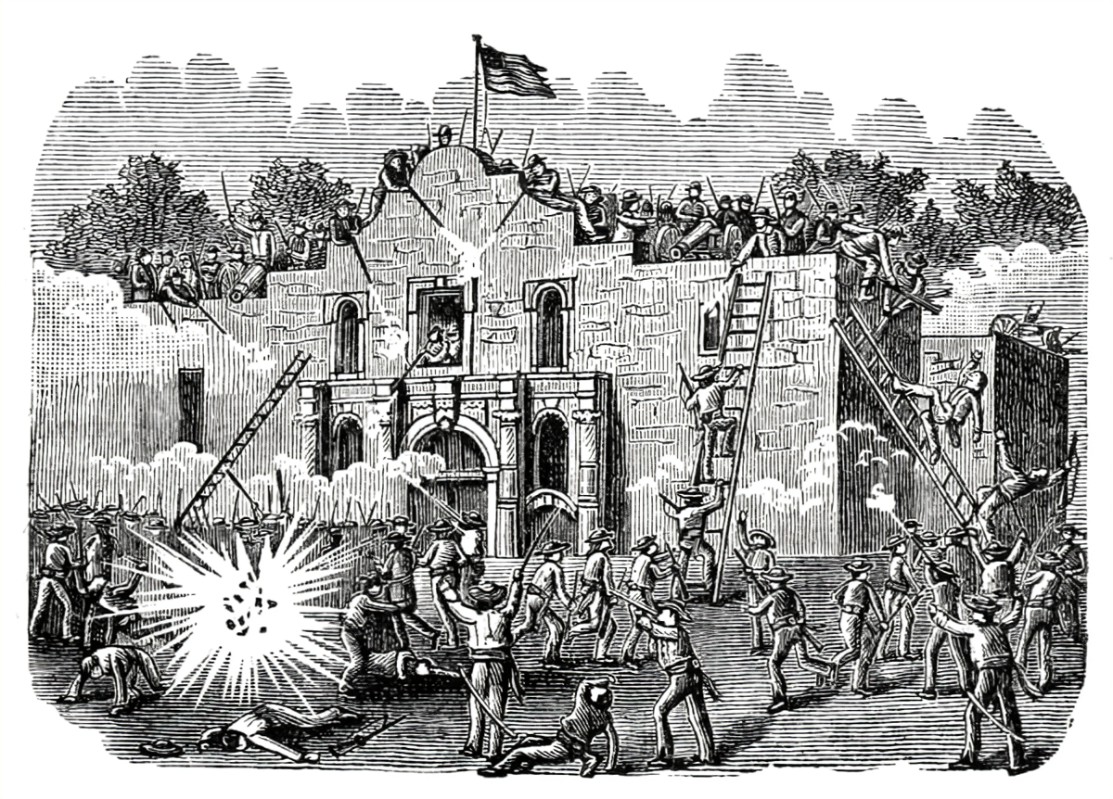 finally reached a breaking point, and the Texas Revolution began in earnest with the Battle of Gonzales. The revolutionaries won their first fight, but the quest for independence was just the beginning. With that, the stage for the Battle of the Alamo was set. The Alamo was named after the Spanish word for the cottonwood trees that surrounded it. The structure is a former Spanish mission, but it was used as a military fort starting in the early 19th century. A group of Texan volunteers captured the Alamo from Mexican forces in December 1835. Its location in the town of San Antonio de Bexar (now San Antonio, Texas) was of strategic importance for supply lines and communications, making it one of the first frontier outposts to encounter the advancing Mexican army. On February 23, 1836, General Santa Anna arrived at the Alamo with an army. His intent was to take back the fort and put down the revolution. The estimates of the Mexican army’s size vary. It was estimated to be between 1,800 and 6,000 people, but what’s not in dispute is that the Alamo’s defenders had less than 200 fighters, and they were greatly outnumbered. Santa Anna’s demands for unconditional surrender were met with a cannon shot from the Alamo, and with that began a 13-day siege.
The Texan volunteers were led by Colonel James Bowie, who is now well known as a famous adventurer and knife fighter, and 26-year-old Lieutenant Colonel William B Travis. The group came from all walks of life. In addition to early American settlers, including Davy Crockett, the legendary frontiersman and Tennessee congressman, the numbers of those at the Alamo included native-born San Antonians of Mexican heritage and European immigrants. On February 24, while surrounded by enemy forces, Travis penned one of US history’s most famous letters. It was addressed “To the People of Texas and All Americans in the World,” the letter was a 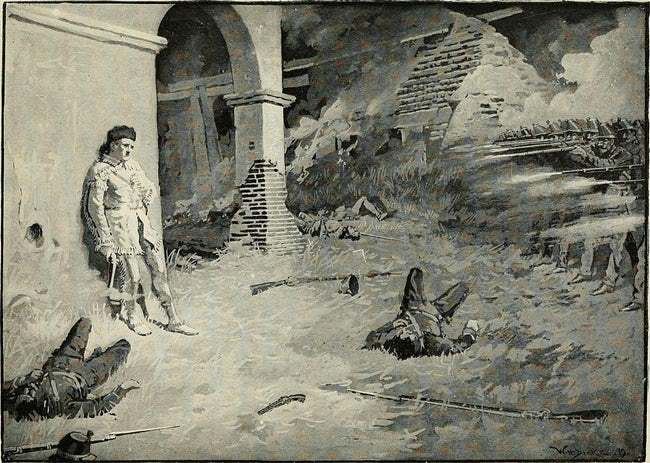 passionate call for aid from supporters of the revolution. It was then reprinted in newspapers all around the United States and even Europe. The Alamo fighters knew, that as Travis had spoken, the only choices were “victory or death.” On March 6, Mexican forces breached the fort and overpowered the defenders. On Santa Anna’s orders to take no prisoners, almost all of the Alamo’s defenders were killed and their remains burned, including Bowie, Travis, and Crockett. The Mexican victory was not without significant losses, estimated between 600 and 1,600. In the end, the outnumbered defenders held off the Mexican army for 13 days, buying time for Texas General Sam Houston to gather forces and prepare for future victories in the Texas Revolution.
 When the Presidential Inauguration ceremony comes to mind, we all think of it being a lot of pomp and circumstance. The president is sworn in with his hand on the Bible. The tradition of using a Bible for the presidential oath of office has long been an important part of the inauguration ceremony. Nevertheless, it is not a part of official protocol, and there have been several presidents throughout history who opted to use a different object, or no object at all, when taking their oath of office. To me, that is a totally strange situation, and while it isn’t official protocol, I feel like it should be. I know that is my own opinion, but we are “one nation, under God” and that means taking the oath on the Bible.
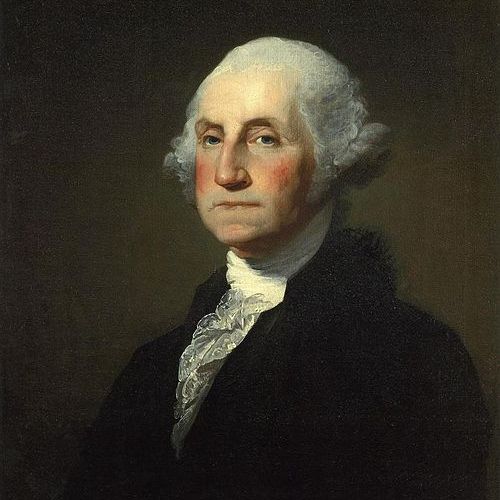
However, since some presidents didn’t agree, there comes a need to understand the reasons why some presidents chose not to use a Bible, in order to provide insight into their personal beliefs and principles. The use of a Bible for the presidential oath began with George Washington in 1789. At his inauguration in New York City, Washington placed his hand on a Bible as he took the oath. This set a precedent that many future presidents chose to follow. Using a Bible underscored the solemnity of the oath and allowed presidents to affirm their faith as they began their term.
However, the use of a Bible is not required by the Constitution. The only requirement is that the president recite the 35-word oath as stipulated in Article II, Section 1: “I do solemnly swear that I will faithfully execute the Office of President of the United States, and will to the best of my ability, preserve, protect and defend the Constitution of the United States.” That left the matter to the president himself. So, for presidents who opted not to use a Bible, it was their personal choice. Their decisions often carried symbolic meaning about their priorities and principles as they entered office. For me, the rejection of the Bible during the oath points to a man who, does not honor God. That is something that bothers me immensely.
Some presidents, like John Quincy Adams, the 6th president, seemed to think that the Constitution said that religion had no place in government, while in reality, it says that no law can be put in place that allows government to dictate a common church. Nowhere does it say that religion should be kept out of government. Nevertheless, John Quincy Adams chose to use a book of US laws rather than a Bible at his inauguration in 1825. To this day, there is debate around why he made this choice, with some arguing it represented his deep devotion to defending the rule of law above all else. Others say he was making a statement of his strong separation of church and state views. There are also claims that Adams simply forgot to bring a Bible to his inauguration. In his later years, Adams clarified that he firmly believed in keeping his oath of office and official duties separate from religious matters. This seems to confirm the idea that his use of a law book was intentional and symbolic.
Theodore Roosevelt was another president that did not use a Bible for his inauguration in 1901 after the assassination of President William McKinley thrust him into the presidency. There was no indication that he chose to forego the Bible had anything to do with being non-Christian. In fact, the opposite was true, Roosevelt was a devout Christian. Roosevelt wanted to avoid any appearance of impropriety or disrespect toward McKinley by immediately using a Bible. Nevertheless, he felt his faith commitment did not require using a Bible to confirm his sincerity. When he was officially sworn-in months later after winning election in his own right, Roosevelt did use a Bible for the ceremony. In another possible scenario, some say that the hurried swearing-in ceremony was done without time to obtain a Bible. 
Perhaps the most religiously motivated non-use of the Bible to swear the president in was Franklin Pierce, who did not use a Bible for his inauguration in 1853. A family tragedy provides a likely explanation for this departure from tradition. Shortly before his inauguration, Pierce’s son was killed in a train accident right before his parents’ eyes. The trauma and grief from this accident caused Pierce to struggle with his faith. At the time of his inauguration, using a Bible may have felt inauthentic or difficult emotionally. His son’s death haunted Pierce throughout his presidency. It is thought that it caused his choice to forego the Bible as he entered office.
Lyndon B Johnson was sworn-in quickly following John F Kennedy’s assassination without a Bible in 1963. Apparently, that was because of the hurried nature of the impromptu ceremony onboard Air Force One. When Johnson was officially inaugurated months later, he did use a Bible. There is no evidence that Johnson wanted to depart from the tradition but that he was unable due to the extraordinary circumstances of Kennedy’s death.
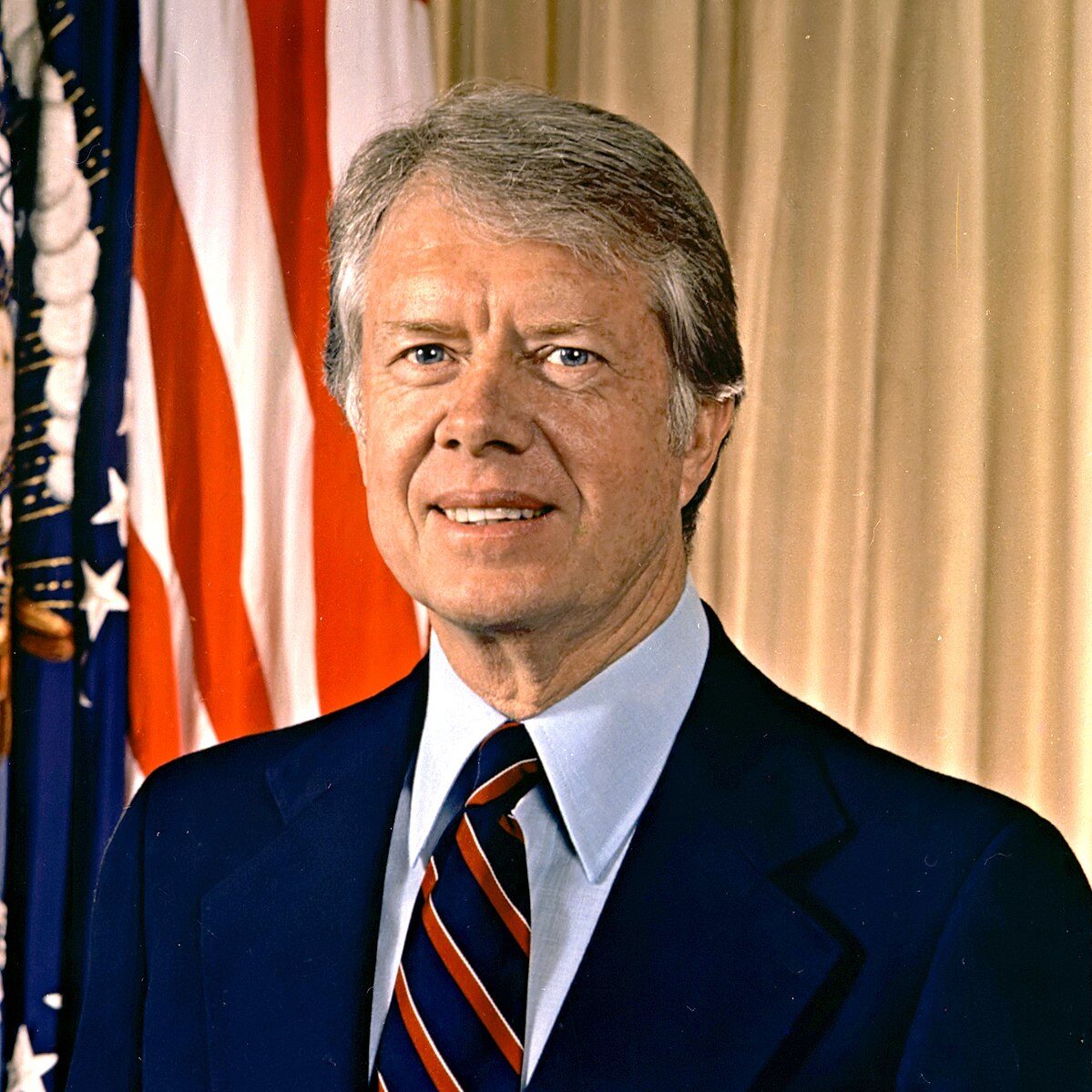
Jimmy Carter used his personal family Bible when taking the oath in 1977. What was distinctive is that he opened it to a specific passage from Micah 6:8: “He has shown you, O mortal, what is good. And what does the Lord require of you? To act justly and to love mercy and to walk humbly with your God. Carter was transparent about this choice, indicating that this Bible verse summarized how he aspired to carry out his presidency. His bold decision to open directly to a specific passage broke with precedent but reflected his sincere faith.
For his inaugurations in 2009 and 2013, Barack Obama chose to use Bibles that held historical significance. In 2009, he used the Bible used by Abraham Lincoln for his 1861 inauguration. In 2013, he used the “Robinson Family Bible” and Martin Luther King’s traveling Bible. Rather than using his personal Bible, Obama’s choices honored previous presidents and civil rights leaders who inspired him. This represented his grounding in history and promotion of inclusivity as core principles.
John F. Kennedy, who was the first Roman Catholic president, used a Catholic translation of the Bible at his 1961 inauguration. Specifically…the Douay-Rheims translation. By opting for a Catholic version, Kennedy was able to take the oath on a Bible while still honoring his own faith tradition. His decision also demonstrated religion’s important but complex role within a pluralistic democracy.
Franklin D Roosevelt’s was the only president to serve more than 2 terms as president, before or since. For his oaths, he used the Roosevelt family Bible in 1933, the West Thompson Bible (used by George Washington) in 1937, the Warburg Family Bible in 1941, and the Roosevelt family Bible in 1945. His choices were symbolistic as well. His family Bible was chosen for his first and fourth inaugurations. The Washington Bible was chosen as 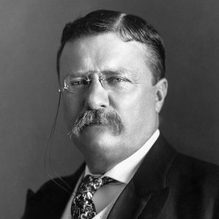
 a link to the first president and the Warburg Bible, underlining freedom of religion.
Ultimately, the choice of Bible or other object is seen as a deeply personal decision for each president. This visible decision also provides us with insights into their character and demonstration of their faith, or the lack thereof, on the day they accept the weighty responsibility of leading the nation. Whether following or departing from tradition, inauguration choices set the tone for a president’s vision and principles guiding their term.

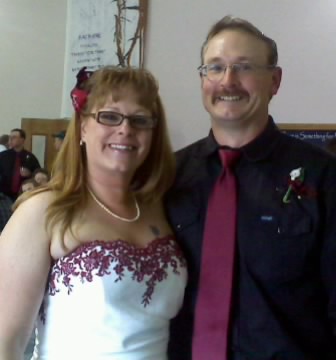 It’s hard to believe that my sister-in-law, Rachel Schulenberg, has been in Heaven for five years now. Rachel married my brother-in-law, Ron Schulenberg on June 12th, 2010, and with her came three children, Cassie Franklin, Riley Birky, and Tucker Birky, who Ron later adopted. Rachel was with is for 10½ years before she went home to be with her Lord at the very young age of just 45 years. While we only had Rachel with us for a fleeting moment, her impact far outlived her presence. Rachel was working at her church when she and Ron were introduced by her friend, Susan Griffith, who happened to be Ron’s niece. That introduction was the best thing that ever happened to my brother-in-law.
Rachel was very dedicated to our Lord and told everyone she met about Him. She was loved by everyone who 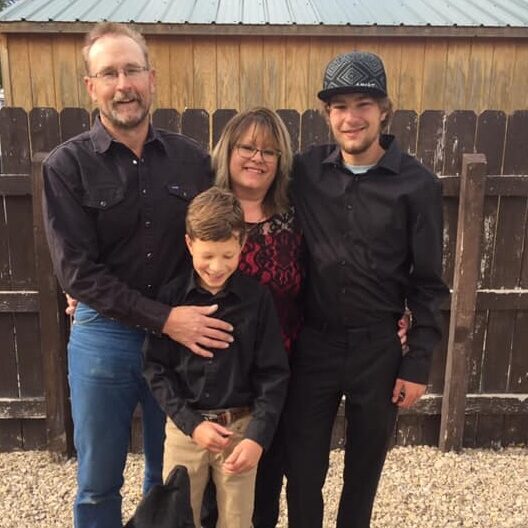
 met her. She had a kind and loving heart, and a sweet spirit. The 10½ years were the best years of Ron’s life. They were very happy. Before Rachel, Ron was adrift. She completed him, and her passing was a devastation to him. We all lost a very dear friend and family member that day. Rachel’s passing was very unexpected…a massive stroke too her from us before she knew anything was wrong. By the time Ron could get her to the hospital, the damage to her brain was irreversible. It was a terrible loss.
We all think of Rachel often, and we miss her a lot. Her passing is especially hard on Susan and her sister, Machelle Moore, because they knew Rachel the longest. At the time they introduced her to Ron, she was living in Powell, Wyoming, which is where Susan and Machelle live as well. Ron made a lot of trips from Casper to 
 Powell in those early days. He was taken with her from the very start. It was probably the most the girls saw their uncle in years, but they were happy about that. They knew that Rachel was perfect for Ron, and he for her. Not all matchmaking works out so well, but this matchmaking event certainly worked out well. Today would have been Rachel’s 51st birthday. Happy birthday in Heaven, Rachel. We love and miss you very much.
 John Dillinger was an American gangster during the Great Depression. He commanded the Dillinger Gang, which was accused of robbing twenty-four banks and four police stations. Dillinger was imprisoned for his crimes several times and shockingly, he escaped twice. His most notorious escape occurred on March 3, 1934, from the Crown Point jail in Indiana using a carved fake gun. That was not his first escape, however.
Dillinger was initially captured in September 1933 and jailed in Ohio. It seemed as if his life of crime was finally over. Then, in October of the same year, he was rescued by five former convicts who had escaped from Indiana State Prison, an operation  Dillinger had financed and planned. During this incident, a sheriff was killed, highlighting the violent nature of Dillinger’s criminal activities. Dillinger was ruthless, and he would stop at nothing to get what he wanted.
While the first escape was shocking enough, it was not his most famous escape. Dillinger’s most famous escape took place from the Crown Point jail, which was previously considered escape-proof. Dillinger managed to make a fake pistol from a piece of wood and a razor, which he painted black with shoe polish. During a morning exercise session, Dillinger suddenly brandished this fake gun, catching the guards by surprise. Dillinger then took several guards hostage and fled the jail in the sheriff’s car, singing as he left, “I’m heading for the last roundup.”
You might have expected Dillinger to lay low following his escape, but he was bold, and continued his crime spree, robbing banks and engaging in shootouts with law enforcement. His escape led to a nationwide manhunt, and he was eventually tracked down and killed by FBI  agents on July 22, 1934, outside the Biograph Theater in Chicago. Not many criminals are able to escape from prison, so when it happens not once, but twice it is especially shocking. Things like that can cause a bit of panic for the public. Nobody wants to think of a murdering bank robber running around town. It gives a distinct sense of unease. A prisoner who escapes one can seem like dumb luck, but when they escape twice or mor, they start to get a reputation as a criminal who can’t be held. That leads to much concern in the public eye. They had to figure out a way to hold Dillinger, or as was the case, simply track him down and kill him. That was what ended Dillinger’s reign of terror for good.
 For a long time, people didn’t understand the dangers of carbon monoxide. These days, we know wat can happen, but on March 2, 1944, when a train stopped in a tunnel near Salerno, Italy, it was a recipe for disaster. The train had more than 500 people on board, and before long, they were dead. The tunnel they stopped in with the train running caused dangerous levels of carbon monoxide and that caused the people to suffocate and die. The details of the incident, which occurred in the midst of World War II, were not revealed at the time and remain somewhat murky today as well.
Train Number 8017 left Salerno heading for the rural area south of the city through the Apennine Mountains, where they would encounter the tunnel. The train was a freight train, and it was not supposed to carry passengers. Nevertheless, it was common at the time for both soldiers and civilians to hitch rides on any convenient train. It was a habit they would regret…had they lived. As they were passing through the towns of Eboli, Persano, and  Romagnano, train number 8017 had picked up approximately 650 passengers by the time it reached Balvano.
Balvano was a tiny town located between two long tunnels in the Apennines. On that fateful day, it was raining as train number 8017 began to ascend the Galleria delle Armi tunnel pass located just outside of Balvano. Almost immediately, the train was forced to stop. The reasons for the stop vary, with some saying the train was unable to pull the overloaded freight cars up the slope, while others say the train stopped to wait for a train descending in the opposite direction. In any case, the train sat idling in the tunnel for more than 30 minutes. Had the train been burning high-grade coal, the problem may not have occurred, but during World War II, high-grade coal was hard to come by, so the train was burning a low-grade coal substitute which produced an excess  of odorless and toxic carbon monoxide.
During that 30-minute stop, approximately 520 of the train’s passengers were asphyxiated by the carbon monoxide as they sat in the train. The Italian government, who like every other nation, was in the midst of an intense war effort, kept a lid on the story, so it was barely reported at the time although it was one of the worst, and most unusual, rail disasters of the century and came less than two months after a train wreck in the Torro tunnel in Spain killed 500 people. That is the reason why little was known then, and details are sketchy to this day.
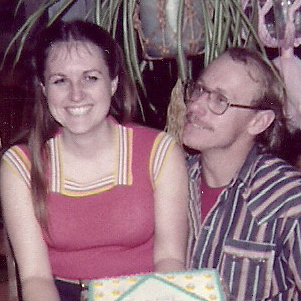
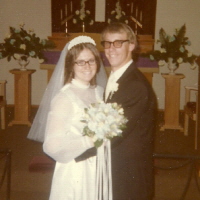 When a marriage endures through the passage of time, it goes through many seasons. Those seasons can vary from marriage to marriage, but most of them begin with a courtship. Ours was no different. Bob and I dated for a little over a year before we were married on March 1, 1975. Soon after, the season of family growth followed. Our girls, Corrie Petersen and Amy Royce were born eleven months apart…Irish twins. That began the season of raising our girls and the many school activities they were involved in. The season of babyhood was quickly handed off, and the season of kids began. The next 15 to 20 years were filled with quickly maturing kids and all the many activities that teenaged girls participate in.
Soon, our girls were grown and before long came the season of sons-in-law and grandchildren. Our girls 
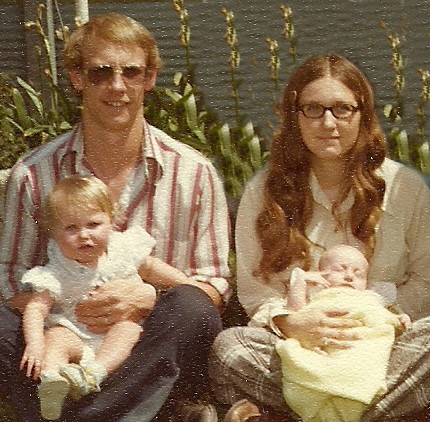 married wonderful men, Kevin Petersen and Travis Royce, and their first children were born just one day apart. Irish twin cousins (not sure if that is a thing, but Christopher Petersen and Shai Royce were so close that they could have been twins.) Soon, my four grandchildren were spending their early morning hours with me. What a wonderful blessing it was for me to have all four of my grandchildren, Chris and Shai, as well as Caalab Royce and Josh Petersen with me every weekday morning. I love it, and it made my days so complete. I relished being a “hands-on” grandmother. I could hardly believe how blessed I was. Soon, that season was ending. My grandchildren were grown up and living their own lives. It was a new season.
Nevertheless, before long the next season arrived…great grandchildren. These days, two of my grandchildren have children of their own, Chris and his wife, Karen have Cambree, Caysen, and Cyler, while Josh and his wife Athena have Justin, Axel, Cristian, and a fourth son coming any day now…more Irish twins and Irish twin 
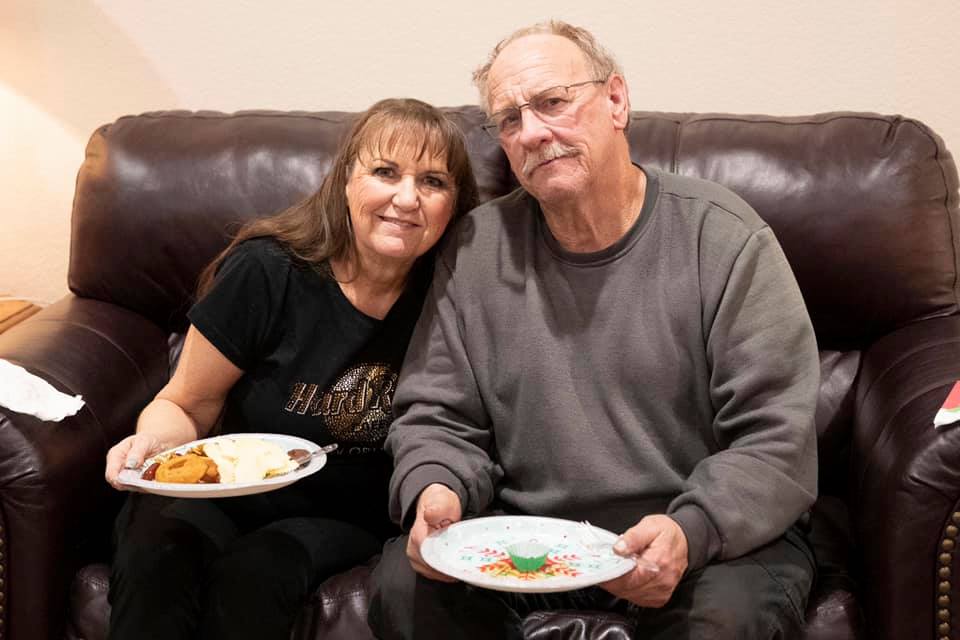 cousins. The blessings just keep coming, and I know there are more to come in the future. In a long-term marriage, the blessings are the same for husband and wife. There are no blended situations. In our case, our girls are in long-term marriages too, and Chris and Josh are heading for the same. We have generations of direct connections…a blessing in itself. As we enter our 51st year of marriage, we look forward to the next seasons. Today is our 51st anniversary. Happy anniversary to the love of my life!! I love you, Bob.

