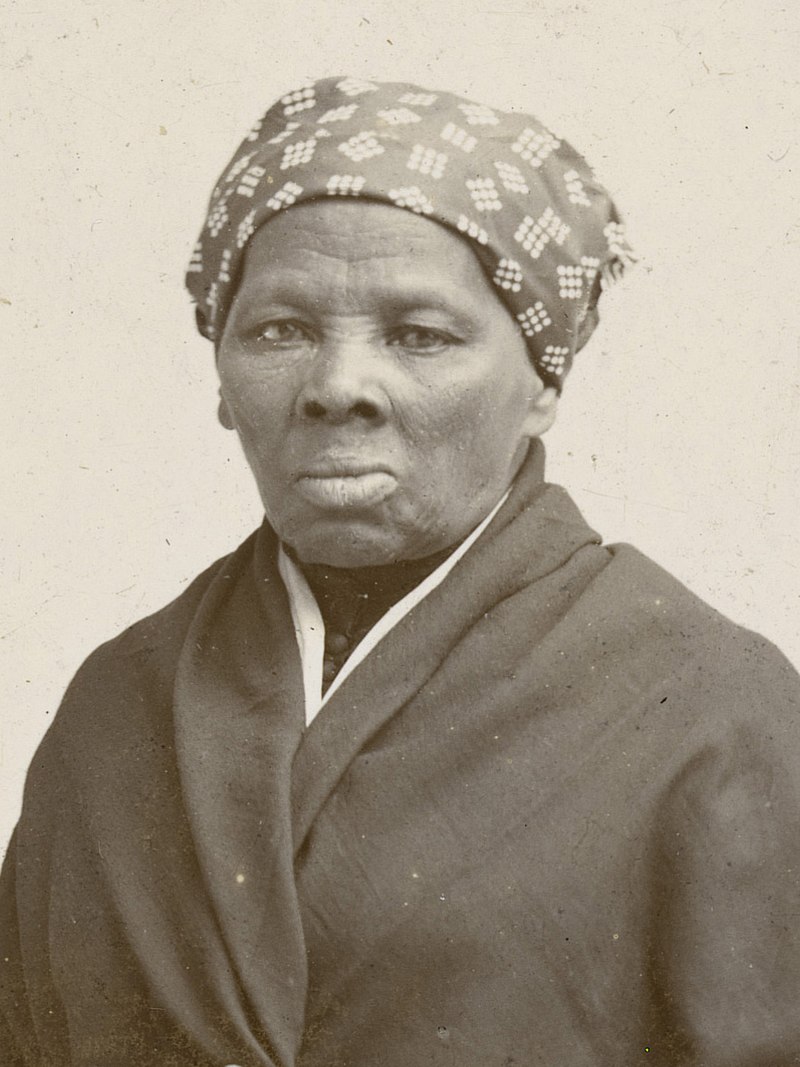
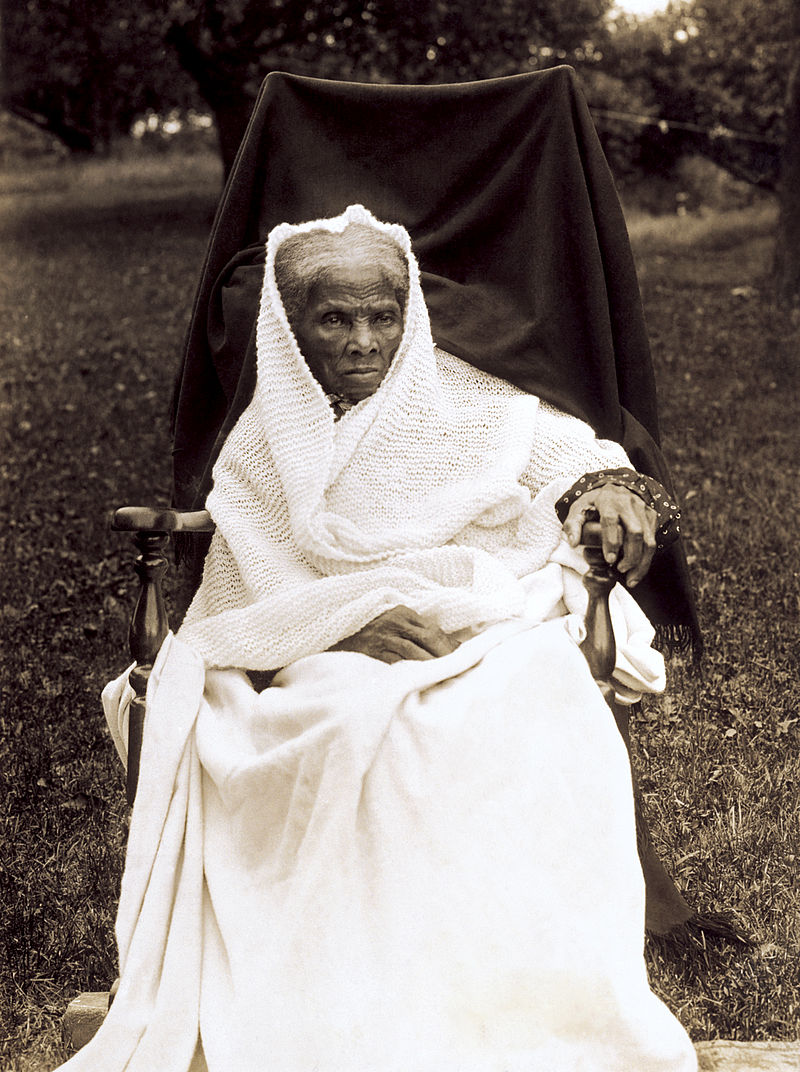
 Those of us who remember the history of slavery in this country, will probably remember a runaway slave named Harriet Tubman, who was actually born Araminta Ross. We remember that she escaped from the Poplar Neck Plantation in Maryland and later became active in the process of leading runaway slaves from the South to freedom in the North. But the story really wasn’t totally complete. On September 17, 1849, Tubman and her brothers, Ben and Henry, escaped from slavery. Tubman had been working for Anthony Thompson, the son of her father’s former owner, who owned a large plantation in Poplar Neck, Caroline County. Her brothers likely worked there too. Since they were hired out, Eliza Brodess probably didn’t realize they were escaping right away. Two weeks later, she placed a runaway notice in the Cambridge Democrat, offering a reward of up to $100 each (about $3,780 in 2024) for their capture. However, Tubman’s brothers had second thoughts. Ben might have regretted leaving his wife and kids, so both men returned, forcing Tubman to go back with them.
In October or November, Tubman escaped again, this time without her brothers. Before leaving, she sang a farewell song to hint at her plans, hoping Mary, a trusted fellow slave, would understand: “I’ll meet you in the morning,” she sang, “I’m bound for the promised land.” While her exact route is unclear, Tubman relied on the Underground Railroad, a network of free and enslaved Black people, white abolitionists, and other activists. Prominent among these in Maryland were Quakers, members of the Religious Society of Friends. The Preston area near Poplar Neck, home to a significant Quaker community, was likely her first stop. From there, she probably followed a common route for escaping slavery…heading northeast along the Choptank River, through Delaware, and into Pennsylvania. Traveling nearly 90 miles on foot would have taken her between five days and three weeks. For Harriet Tubman, the rest is history…a history we all know well.
While her brothers gave up their dreams, Harriet had moxie…which is defined as courageous spirit and determination, perseverance. Thanks to Harriet’s moxie, her brothers didn’t remain in slavery either. On December 25, 1854, Harriet Tubman helped Henry and his brothers, Robert and Ben, escape slavery just before their owner, Eliza Brodess, planned to sell them. The brothers adopted new names for their free lives…Henry 
 became William Henry Stewart, Robert became John Stewart, and Ben became James Stewart. They eventually made their way to Saint Catharine’s in Ontario, Canada. In early 1855, Harriet Tubman assisted William’s wife and children in joining him there. The family lived in Saint Catharine’s and the nearby township of Grantham until at least the 1880s. They had families and lived in freedom because of Harriet Tubman’s moxie!! She never gave up!!


Leave a Reply