
 On July 8, 1951, the city of Paris, the capital city of France, celebrated its 2,000th birthday. While 2,000 is an amazing feat, the reality is that Paris was probably much older than that. In fact, it is believed that the “City of Lights” was most likely founded around 250 BC. If we accept the 2,000-year mark in 1951, the city would then be 2,074 today. If we accept the “roughly” 250 BC date, then Paris would be 2,275 today.
The history of Paris dates back to around 250 BC, when the Gallic tribe known as the Parisii settled on an island in the Seine River, now called Île de la Cité. By 52 BC, the Romans, led by Julius Caesar, had taken control of the area and named it Lutetia, meaning “midwater dwelling” in Latin. Over time, the settlement expanded to both banks of the Seine, and the name Lutetia was replaced with “Paris.” In 987 AD, Paris became the capital of France. As the city developed, the Left Bank became known as the intellectual hub, while the Right Bank was known as the business district.
Paris became more like the city we know today, when during the French Renaissance period, from the late 15th century to the early 17th century, it became a center of art, architecture, and science. In the mid-1800s, Napoleon III enlisted the help of civic planner Georges-Eugène Haussmann to modernize Paris. Haussmann’s designs transformed the city with wide, tree-lined boulevards, expansive public parks, a modern sewer system, and other infrastructure projects. Paris continued to flourish as a major center for arts and culture. The French Impressionist movement emerged In the 1860s, showcasing the works of Paris-based artists like Claude Monet and Pierre-Auguste Renoir.
Currently, Paris is home to around 2 million residents, with an additional 10 million people living in the surrounding metropolitan area. The city continues to shine as a hub for food, fashion, commerce, and culture. 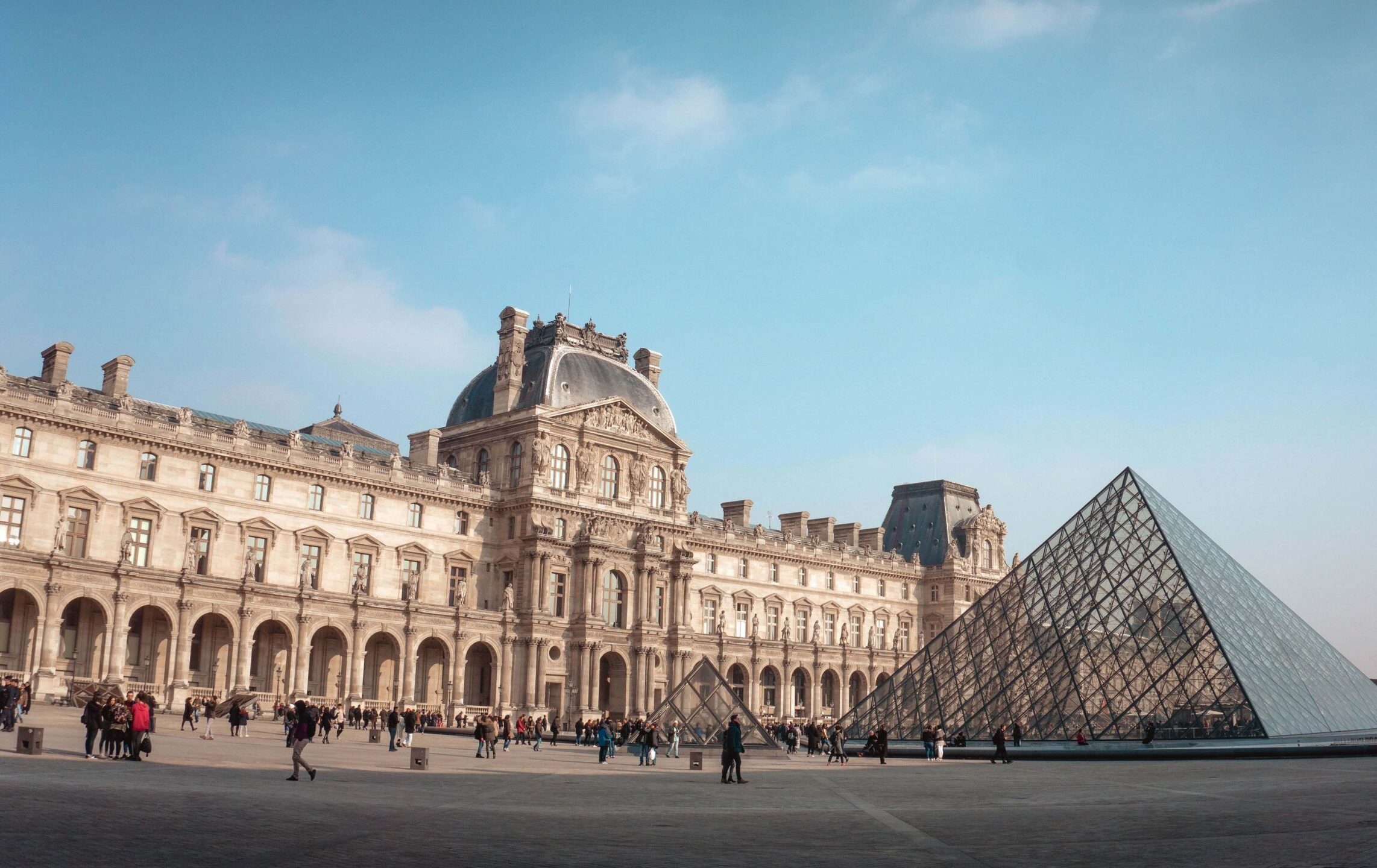
 It remains one of the world’s most popular tourist destinations, famous for landmarks like the Eiffel Tower, which was built in 1889 to mark the 100th anniversary of the French Revolution, the Arc de Triomphe, the Champs-Elysees, Notre Dame Cathedral, built in 1163, Luxembourg Gardens, and the Louvre Museum, where Leonardo da Vinci’s “Mona Lisa” is displayed.


Leave a Reply