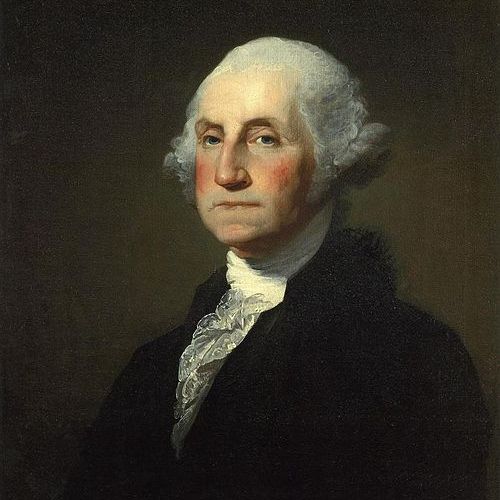
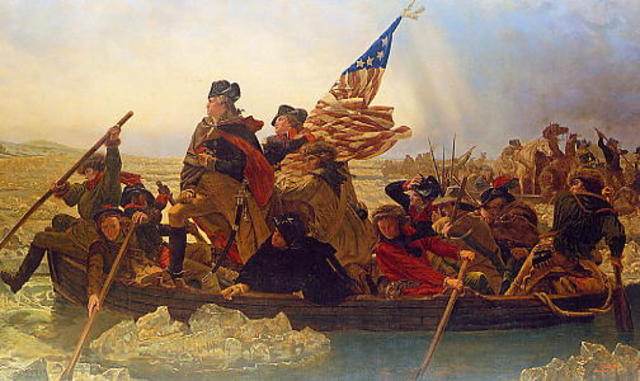
 Not every battle is won by the “good guys,” and the Battle of Long Island was no exception. The Battle of Long Island was also known as the Battle of Brooklyn and the Battle of Brooklyn Heights. Although the British came out with the victory in that battle, the loss could have been much more disastrous if it weren’t for a brief period of weather that favored the Continental Army. After a week of battling the British in Long Island and Brooklyn, George Washington, as commander-in-chief, decided it was time to retreat across the East River to Manhattan. He began ferrying his troops out of the area at night. Unfortunately, by morning, a significant portion of the army was still stranded on the wrong side of the river. If the British had spotted them, they likely would have been captured or killed. Fortunately, a dense fog rolled in, providing cover and concealing the movement of Washington’s troops. By the time the fog lifted and the British advanced, the Continental Army had vanished. Losing those men could have drastically changed the outcome of the war. The fledgling nation could not afford to lose that many soldiers.
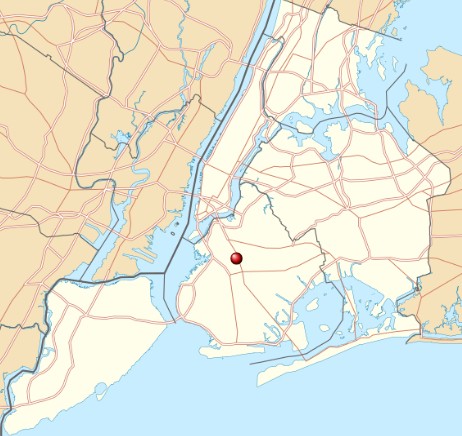
The British victory in the Battle of Long Island gave them control of the crucial Port of New York, which they held for the remainder of the war. This was the first major battle following the United States’ declaration of independence on July 4, 1776, in Philadelphia. It was also the largest battle of the Revolutionary War in terms of troop numbers and combat scale. On September 11th, delegates from the Continental Congress met Admiral Howe at the Staten Island Peace Conference, but the talks failed to end the conflict. Washington held a war council on September 12th, deciding to abandon New York City and Lower Manhattan Island and move north to Harlem and King’s Bridge. General Henry Clinton proposed landing British forces at King’s Bridge to cut off Washington’s escape, but General William Howe disagreed. On the morning of September 15th, British ships fired on the city to distract American forces. Around 11:00am, British troops landed at Kip’s Bay and encountered little resistance. Generals Washington and Putnam tried to defend the area, but many American troops panicked and fled, forcing a retreat. Putnam and his aide, Aaron Burr, managed to evacuate about 3,500 men from New York City to Harlem Heights.
Of course, we all know the outcome of the all-important Revolutionary War. Despite battles lost here and there, 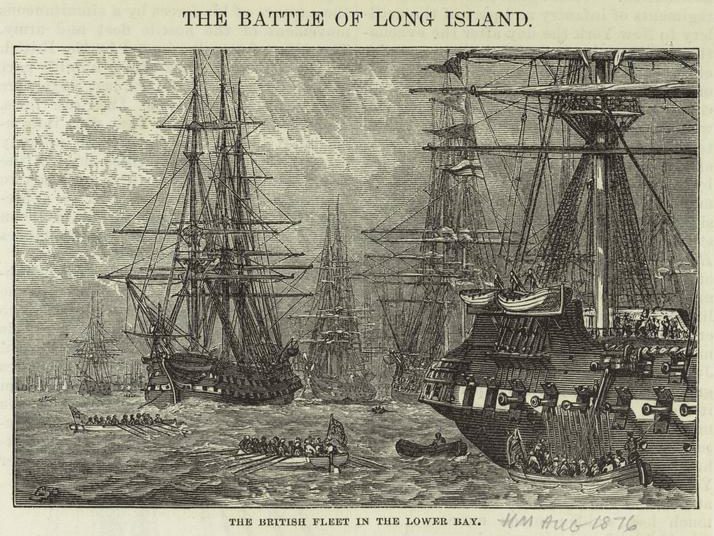
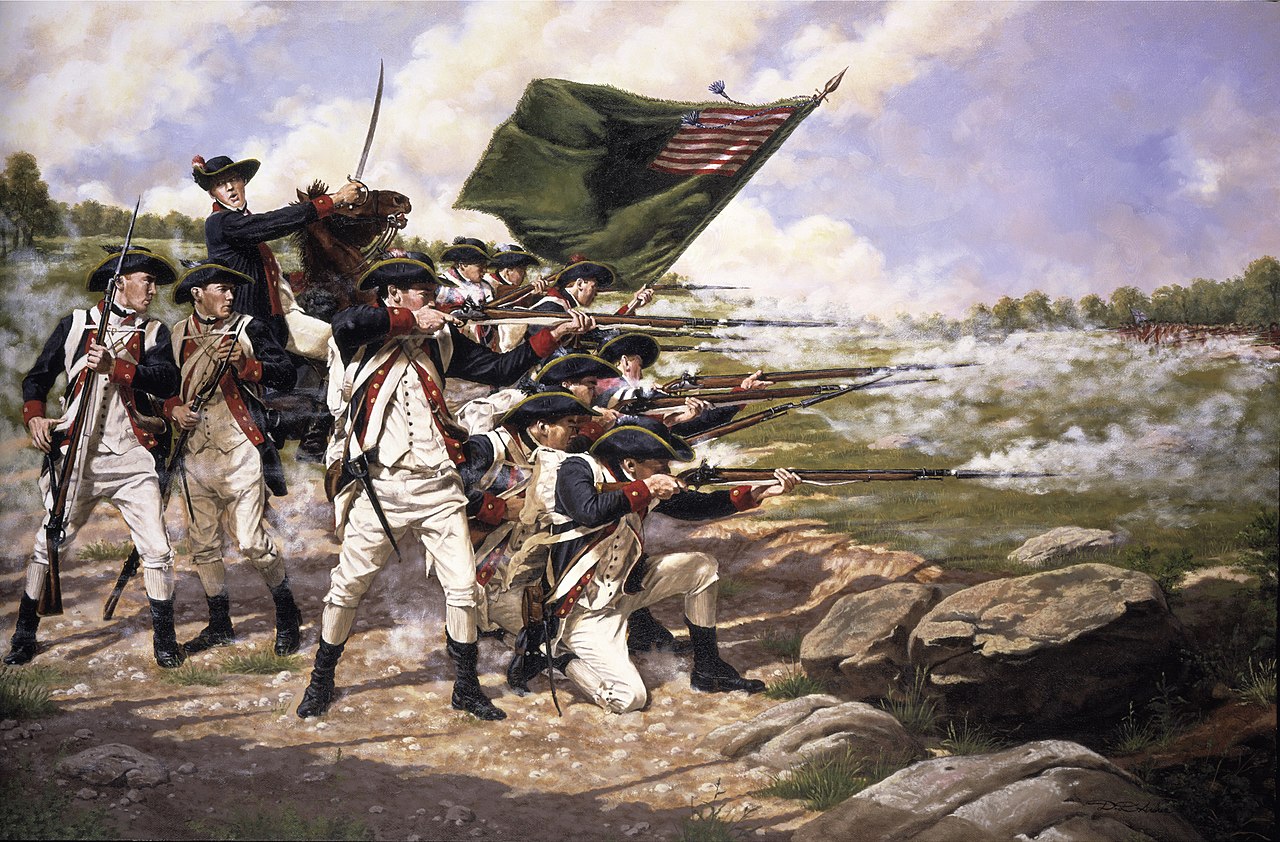 the United States would eventually win that war and solidify the freedom of the United States from British rule and treachery. General George Washington would go on to become the first President of this great nation they called the United States of America. It was a hard-earned and well-deserved position from the start to the end of his career. And many men owed him their lives that fateful night.


Leave a Reply