Monthly Archives: December 2025
 War is dangerous. It is a fact of which we are all too well aware. There are enemies and their weapons everywhere, and one wrong move can end the career of a soldier in seconds. Knowing that, doesn’t keep soldiers from doing their duty, but sometimes, things can go wrong in a very different way, as was the case on this day, December 13, 1916, when a massive avalanche struck a barracks near Italy’s Mount Marmolada, killing hundreds of Austrian soldiers. Over the next several days, avalanches in the Italian Alps claimed the lives of an estimated 10,000 Austrian and Italian troops during World War I. While some witnesses suggested these avalanches might have been deliberately triggered as weapons, there’s little evidence to support that in this case, though it is possible that avalanches were used this way at other points in the war. I guess there are many ways to create mass destruction. Avalanches certainly do the job thoroughly.
In late April 1915, Italy joined World War I on the side of Britain, France, and Russia against Germany and  Austria-Hungary. For the next three years, the Italian army warred with Austrian forces in brutal battles along the Isonzo River in the rugged mountains near the Italian-Austrian border. Life in the mountains was often harsher than the fighting itself, prompting one Austrian officer to remark, “The mountains in winter are more dangerous than the Italians.” If it wasn’t the freezing temperatures, it was trudging through the deep snow. The danger became devastatingly clear in mid-December 1916, when heavy snowfall in the Alps set the stage for deadly avalanches. It was a recipe for disaster, and disaster came with it.
Hundreds of Austrian soldiers were stationed at a barracks near the Gran Poz summit of Mount Marmolada and had no choice but to face serious danger from the elements. While the camp was strategically positioned to  guard against an Italian attack, it sat directly beneath a mountain of unstable snow. On December 13, roughly 200,000 tons of snow, rock, and ice came crashing down onto the barracks. Around 200 soldiers were rescued, but 300 lost their lives, and only a few bodies were ever recovered.
That December was filled with severe weather. Over the week following the initial tragedy, relentless snow and fierce winds made tragedies like the one at Marmolada alarmingly common. Whole regiments vanished in moments, and some victims’ bodies didn’t surface until spring. By the end of December 1916, avalanches had claimed an estimated 9,000 to 10,000 soldiers’ lives.
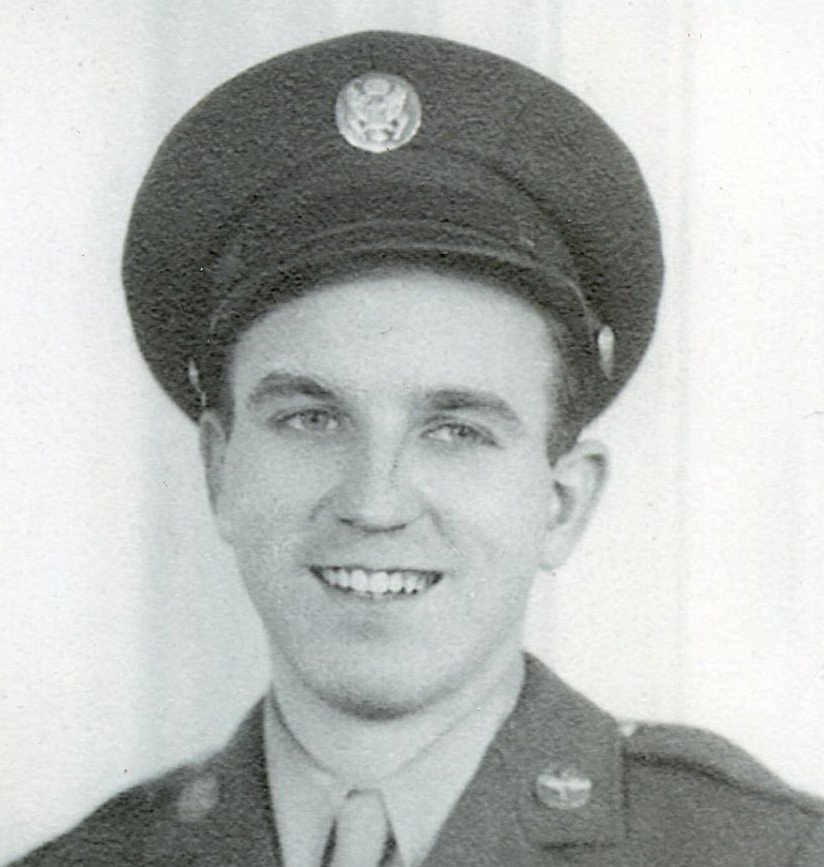
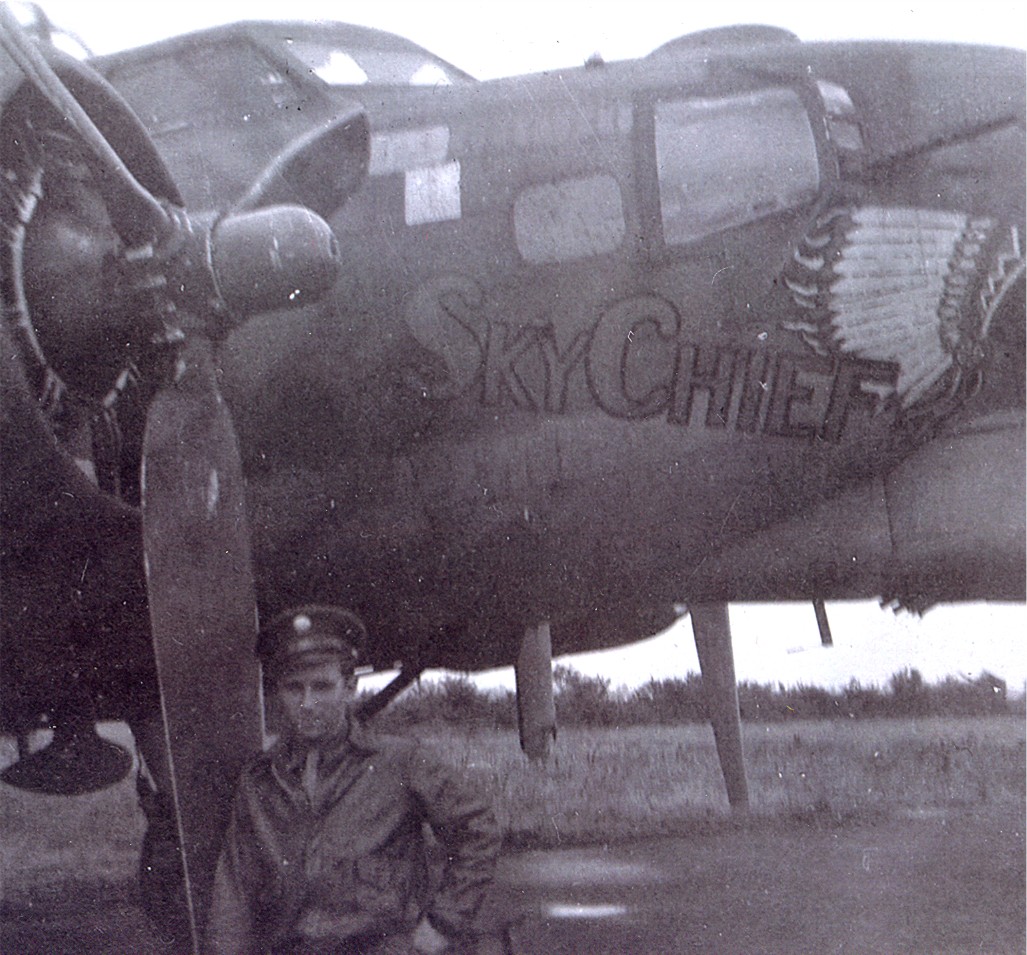 When you lose a loved one, you somehow, logical or not, think that it will get easier as time goes by. Actually, you just get used to them being gone…until their birthday or their death day comes around. Then, it hits you all over again. That’s where I find myself today, missing my dad, Allen Spencer on the 18th anniversary of his passing. My dad was my hero, as is the case for many little girls, but he was also in the Army Airforce in World War II, and every one of the men who fought in that, or any other war is a hero. It takes guts, sacrifice, and much courage to fight in any war, and I am thankful that my dad made it home.
My dad always thought of others before himself. During the war, he wrote letters home, and while he knew that he was always in danger, Dad tried to reassure his mom that he’d come home safely, talking about the brand-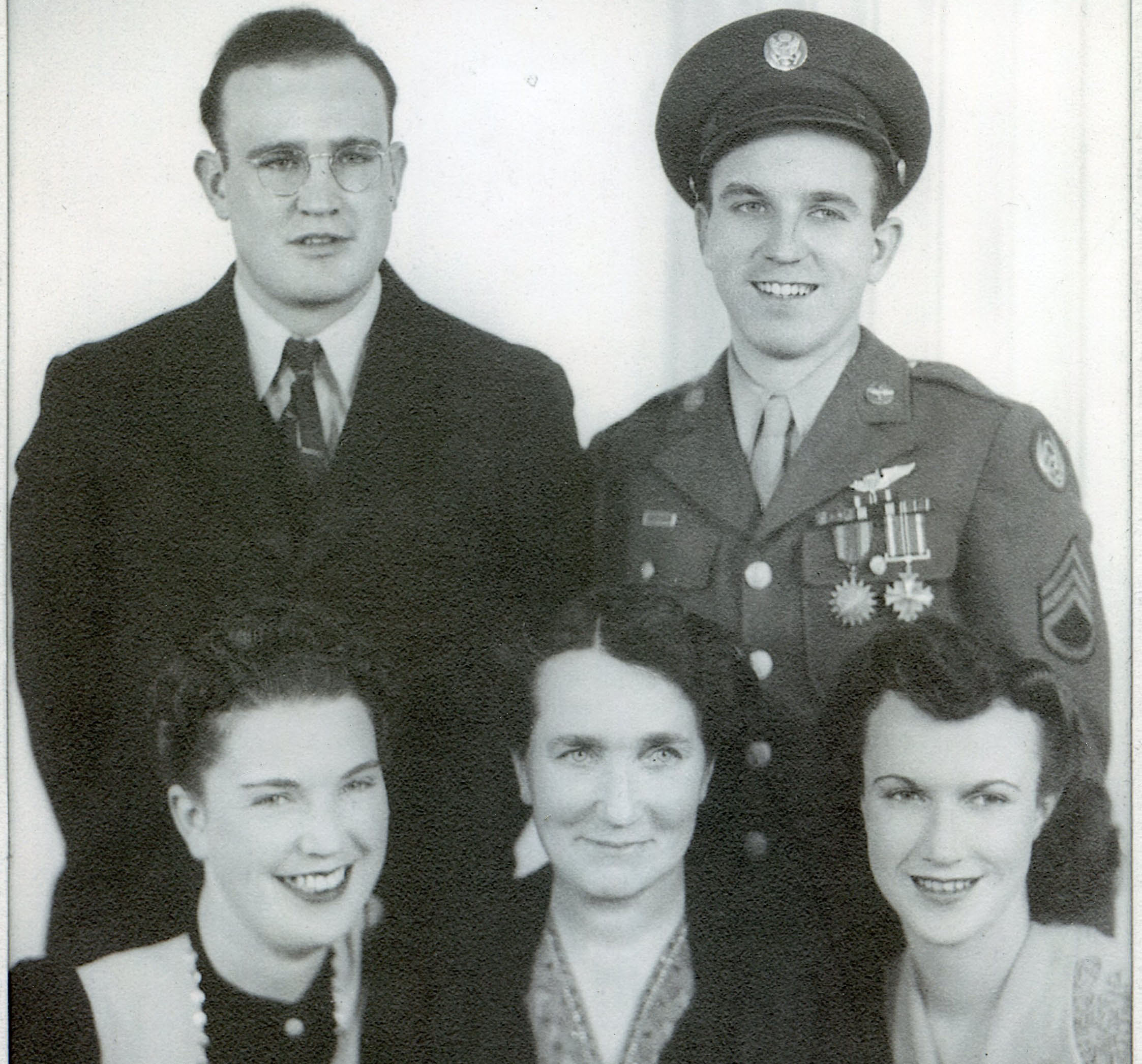 new B-17 Bomber assigned to him and his crew. You could feel the excitement in his words, as if he were speaking them directly to you. He described how the plane flew “so smoothly” and why “they call it the flying fortress.” He loved the beautiful new aircraft, but he also knew exactly what they would be flying into. He had hoped for a furlough before heading overseas, but that didn’t happen, and he still didn’t know where he’d be stationed, but he didn’t want his mom to worry. Flying into an uncertain future, unsure if he’d return, his thoughts were still for her and her feelings. That was just who he was. With determination, he promised he’d “return home in the same condition as he left,” protected by the plane built to be the “dread of the airways” and by God’s watchful care…and so he did. He was not even wounded…and we are grateful.
Dad was the perfect “girl dad,” always making sure his girls were happy and had what we all needed. We didn’t 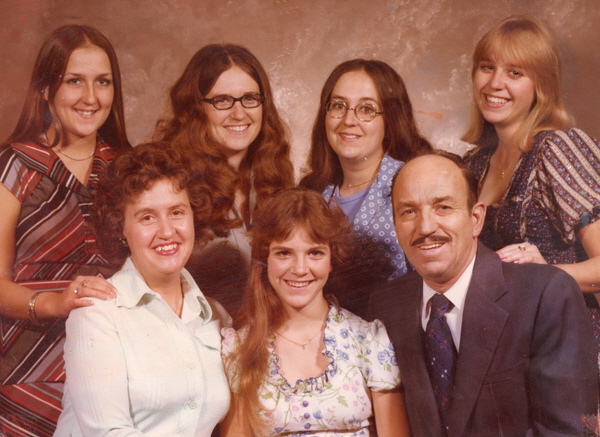 make life easy for Dad…especially in our teen years. Dad had to get up pretty early to get in the bathroom ahead of his five daughters and his wife, our mom, Collene Spencer, who didn’t get much chance in there either. Even with all the drama of teenaged girls, they were a team, and they were always there for us. We were so blessed with the parents we were given, and they day each of them went home to Heaven was the worst day ever. It’s so hard for me to believe that my dad has been in Heaven 18 years now. I can’t say it has become easier to face that fact, because it really never gets easier. You don’t get over this, you just get on with it. It’s what our dad and mom would want us to do, and so we have. We love and miss you all, Dad. Give Mom and Alena a hug from all of us.

 For my nephew, Barry Schulenberg, 2025 has been a busy year. He spent part of the Summer building a tall carport to house his camper trailer. he did a great job and feels good knowing that it will be protected from the elements, especially if we should get a hailstorm here. Next summer, he plans to enclose the sides and back for better protection. Barry and his wife, Kelli have a place east of Casper and they have fixed it up really nice. They have a large incinerator type outdoor stove that hold enough wood to heat the house for days. They also burn our junk mail, along with their own, something we appreciate very much. While it’s not a normal function of a wood stove, it saves us from having to cover the addresses on mail we are getting rid of.
Barry, a supervisor for the Highway Department in Natrona County, is committed to keeping the highways safe 
 for everyone who travels on them, and he does an outstanding job. At home, Barry is also a hard worker and prepares for Winter all Summer. He has been cutting wood all summer and has quite a wood pile going. It will easily take care of those cold Wyoming Winter nights. Barry and Kelli love living out in the country where they can get away from the hustle and bustle of the city. They share their home with their dog, Scout, and they are very happy there, but they also love going camping, hiking, bicycling, snowshoeing, and cross-country skiing. They also love to travel and go to concerts.
One of the highlights of the summer was Barry and Kelli’s hiking trip to Devil’s Tower and northeastern Wyoming. With five scenic trails near the tower, they were able to see stunning views in and around the tower, as well as exploring other trails throughout the region during their vacation. The area around Sundance was 
 especially beautiful, and their photos captured its charm perfectly. There is just something about being out in the woods, where it’s peaceful and quiet, that really puts life into perspective. One of the coolest parts of their trip took them to Wyoming’s far northeastern corner, where three states meet. While you can drive close to the spot, making it not really a hike, it’s still worth visiting. Standing at the exact point where three borders converge cool. Their love of hiking has shown them some beautiful places over the years. Today in Barry’s birthday. Happy birthday Barry! Have a great day! We love you!

 It’s National Corey Day!! For me that would have been spelled, Corrie, which is how I spelled my daughter’s name, but now, I would have to add Corey, since my great grandson (Corrie’s grandson) now carries that name as a middle name too. Either way, National Corey/Corrie Day has become a special day for me and my family. My Corrie was named after the famous Christian woman who, along with her family, hid Jewish people during World War II. Of course, this was to their own detriment in the end, as they were imprisoned by the Nazis for going against Hitler’s murderous regime. Still, their Christian values caused them to do the right thing, even if it cost them their lives. Corrie Ten Boom made it out of Ravensbrück Concentration Camp and lived to be exactly 91 years old, dying on her 91st birthday, April 15, 1983. It was a noble name to give my daughter.
National Corey Day is a day dedicated to celebrating individuals with the name Corey or in my daughter’s case Corrie, which has its origins in the Old Norse word “kori,” meaning “a hollow or a ravine.” The name’s Greek or Old Norse meaning is “maiden” and is a variation of Cora. In addition, the name Corey means “helpful” and comes from the Gaelic surname O Comhraidhe. This day provides an opportunity for people named Corey to come together, share their experiences, and be appreciated by friends and family. The name Corey has been popular in various English-speaking countries and is often associated with positive traits such as kindness, loyalty, and creativity.
Even singer, Harry Chapin was taken with the name, Corey, when he sang the song, “Corey’s Coming” about an old man who knew a woman named Corey. She was a sweet as she could be, but since no one in the town had ever known of or even heard of a woman named Corey, they all thought he had imagined her…until the day of 
 his funeral, when she showed up to pay her respects. The song doesn’t list her as a girlfriend, but rather just a friend. Nevertheless, he loved her and she loved him too. I always liked that song, even though it had a sad note to it. The only other thing wrong with the song was that they spelled the name wrong. Of course, now it is spelled right, but Corey wasn’t a boy. Oh well. The song had the correct sound for the name anyway. So today is National Corrie/Corey Day. If that is your name, be sure to celebrate it today. It’s a good and honorable name. Happy National Corrie/Corey Day to all the Corrie/Coreys of any spelling out there.

 There are things we take for granted these days, without ever thinking about how they came to be or the trial and error that might have been involved. On such item, and one we sometimes wish hadn’t ever been invented, is the traffic light. Of course, with so many cars on the road, the traffic light is an absolute must at busy intersections, but maybe if they hadn’t been invented there wouldn’t be a ticket for running one…unless there was an accident, of course. The reality is that traffic lights these days are vital, and we all know it, so it is good that they were invented.
On December 9, 1868, London installed the world’s first traffic light outside the Houses of Parliament. Designed by John Peake Knight, a railway engineer, this system was operated manually by a police officer who stood beside it in all weather, rotating colored glass panels by hand. That in itself is rather shocking. Imagine becoming a police  office, planning to fight crime, only to be told that you would be standing by a traffic light changing the colors manually. The gas-powered red and green lights were meant to manage horse-drawn carriages and pedestrians at busy intersections, but the setup was both dangerous and unreliable. The traffic light featured two gas lamps…one red and one green…used to signal when vehicles should stop or go, similar to railway signaling systems. Only a month into its use, a gas leak caused the light to explode, seriously injuring the officer and damaging nearby buildings. Now, not only was their work unfulfilling, but it could be deadly. In fact, the incident was so severe that the city abandoned traffic lights altogether for more than 40 years. I suppose it was just as well, because I think it would be very hard to find a police officer willing to work that position again.

 All technology takes vision and a certain amount of faith, but this failed experiment highlighted Victorian England’s struggle to adapt new technology to fast-growing cities, and showed, quite vividly, how even simple ideas can backfire without proper testing or safety measures. The first electric traffic light, created by Lester Wire in 1912, was installed in Salt Lake City, Utah, featuring red and green lights and operated manually by a police officer. While it was still not automatic, the new system couldn’t explode anyway, it did have its own set of flaws. Then, on August 5, 1914, Cleveland, Ohio, became the first city to introduce an electric traffic signal with mechanisms to prevent conflicting signals, a big step forward in traffic management.

 My niece, Jessi Sawdon is, according to her sister, Lindsay Moore, “an author of fun! She always has a fun, adventurous spirit that is God given. She loves an adventure and loves to include everyone in that adventure. I love that we live so close and get to raise our girls together. They are little besties. She is a consistent presence and can be counted on to be there in the good and the hard. We love Jessi and love her birthday. Not as much as she does, but we love it nonetheless!” Jessi has always been a happy, and fun-loving person. There is nothing shy or reserved about her. That’s a big part of her charm. Where others of us might be shy, Jessi can draw us out of our shell and into the fun. When her husband, Jason’s job took them from Casper to Cheyenne, a little bit of fun went with them. Thankfully, Cheyenne is only a couple of hours away, and they get home often, so we get to see them too.
Jessi is a great organizer, and she will definitely “cut to the chase” if her mom, Allyn Hadlock is going too deeply into the details! Allyn tells me, “She is a great mom, and she has a very special relationship with Adelaide who 
 is actually Jessi’s mini me. As I look at the two of them, they are so much alike, and I see Jessi in Adelaide on a regular basis!” This year, they took a few camping trips which the whole family enjoys, and their tradition is that each year, Jessi and her husband, Jason take turns on where to spend holidays. This year was Jason’s family’s turn, so Jessi, Jason, and Addi spent Thanksgiving in Michigan. The whole Hadlock family has adopted that plan, so this was an “in law” Thanksgiving, meaning all the Hadlock kids spend that holiday with their in-laws and the next holiday, Christmas, they spend with Allyn and Chris. It works out very well.
Allyn says, “Jessi is very involved in her church and regularly attends the Bible studies as well as hosting them. She is always busy with work and is very successful in her job. She has a great understanding of all the tech stuff. When it comes to social events she is very socially connected not only with her friends but also networking at work. She tells me what is going on socially in Casper, before I know what is going on in Casper. 
 She knows all the events and she’s our source of info for those things! She is very fun and funny and keeps us all laughing! She’s a great blessing to all of us!” Lindsay chimed in to say, “And we had fun at Cheyenne Frontier Days this year! We even got mom on some rides!” Yikes, they wouldn’t have been able to get me on the rides!! No way!! Today is Jessi’s birthday!! Happy birthday Jessi!! Have a great day!! We love you!!
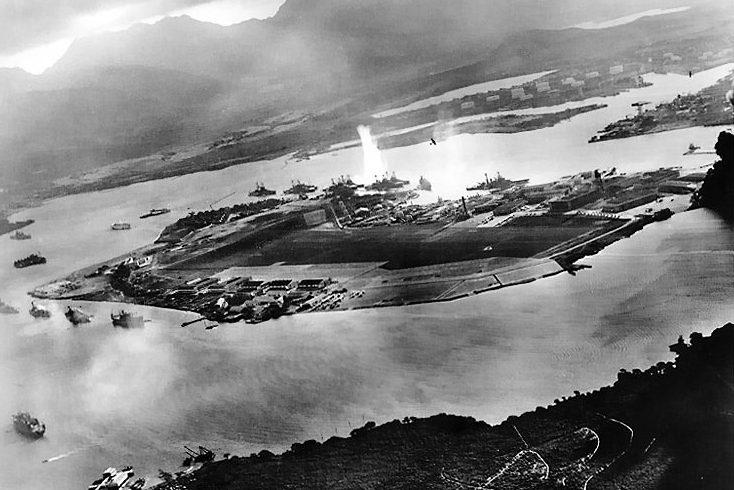
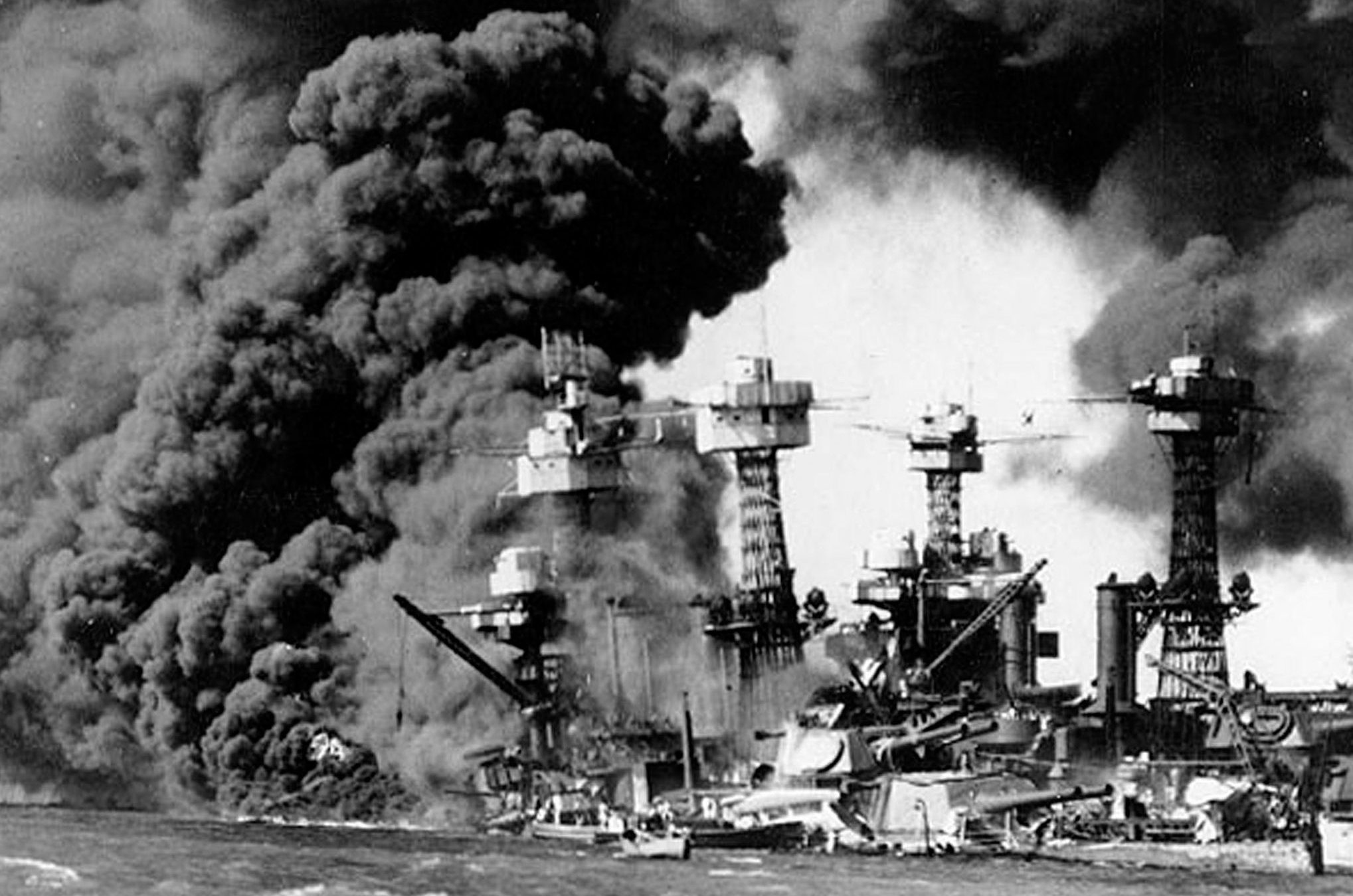 Eighty-four years ago today, one of the most devastating attacks on US soil took place. In its aftermath, the United States entered World War II, a decision that would eventually lead my dad and uncles to serve as well. Many believe the United States has a tendency to rush into war, but that’s far from the truth. At its core, this country values the principle of live and let live, yet when provoked or when another nation needs help, those who challenge us often learn it’s a choice they’ll regret.
As far as I know, my family hasn’t lost a soldier to war, going back at least to World War I, so I can’t truly imagine the pain of losing someone in combat. Still, whenever our nation is at war, I send my prayers for the safety of all our soldiers…both those I know personally and those I don’t.
There have been times when our nation was divided over whether we should be involved in a war, but when our homeland is attacked, very few people protest. It feels different…more personal…whether we knew anyone who lost their life or not. These are our people, and this is our nation, our safe zone, and we don’t take kindly to anyone violating it. The attack on Pearl Harbor shocked many, as they had been led to believe we had an agreement with Japan that would be honored. But, regardless of how things are today, that agreement was not honored then. Many paid for our nation’s trusting ways with their lives…a mistake we can’t afford to repeat.
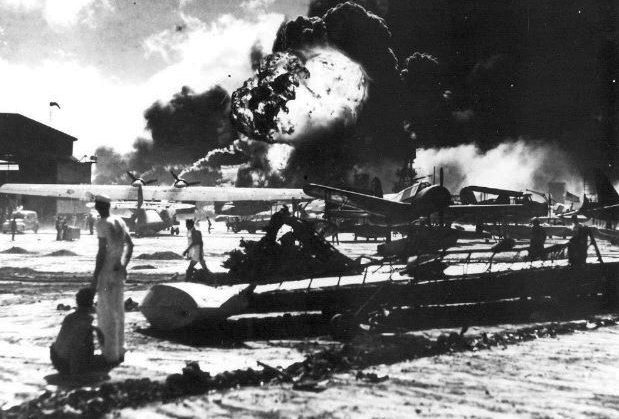
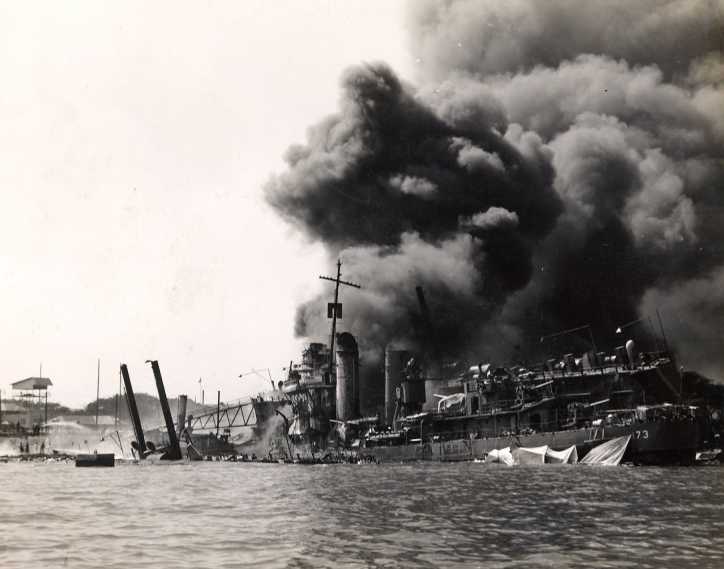 The attack on Pearl Harbor will always be remembered by those who experienced it and those who have learned about it. Today, I want to pay tribute to all the men and women who gave their lives at Pearl Harbor and in World War II, as well as everyone who has served our country in World War II and in all the other conflicts our nation has faced. Thank you for your service. We thank you for your service. Never will we forget your bravery.
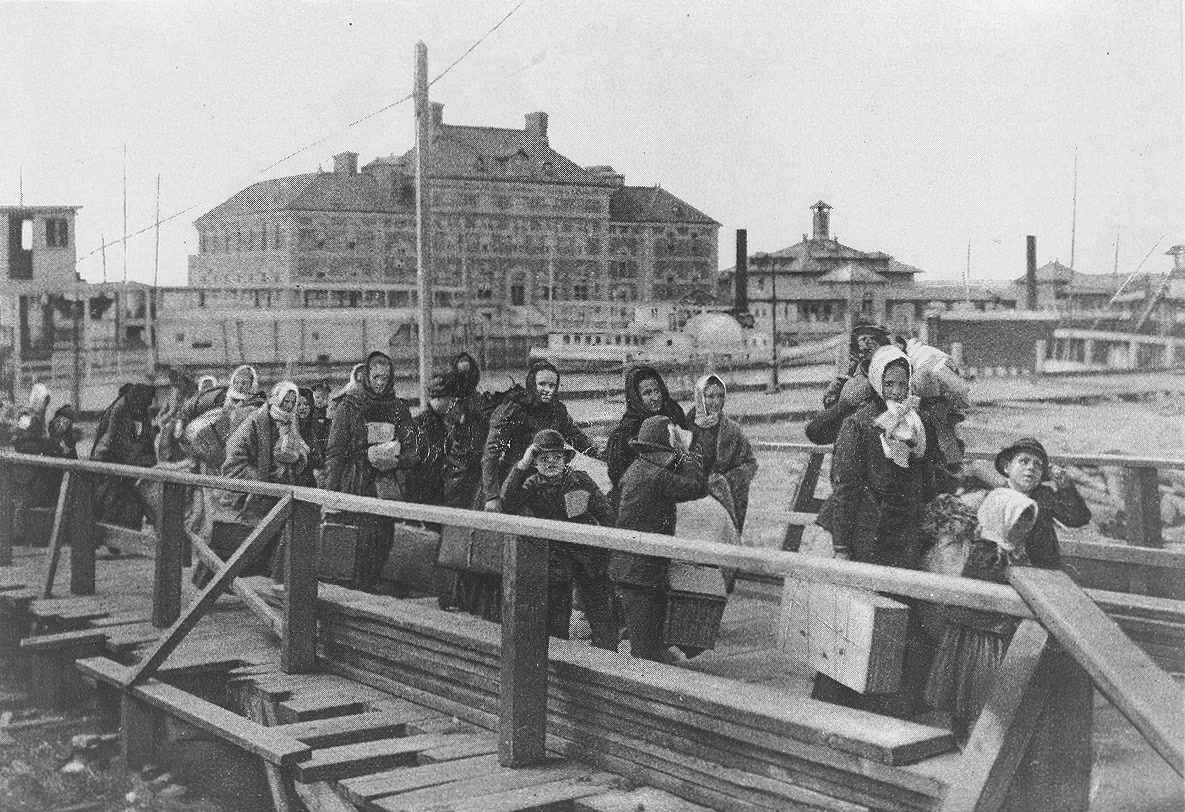 Over time, and early immigration practices, the history of surnames and even first names has been altered. When people immigrated to the United States, they were told that their names were too hard, and they would need to Americanize them. Sometimes, it was as simple as changing the name from Smythe to Smith, but other times, the names were changed so completely that their family identity was lost. If people went searching for their family history, they would hit a wall, because the grandparent had basically disappeared. Of course, the discovery of DNA helped years later, but only if the children and grandchildren of the lost ancestors chose to have their DNA tested. In time, I suppose the connection will be made. We shall see.
For those who had to go into witness protection, the problem was even bigger. Chances were that unless they had done it before, they were told or they just knew that for their own safety, they must never have their DNA tested. Not only that, but often their looks were altered to protect them. These people and their family history  simply vanished, leaving their families behind out of necessity. To add to the confusion, families were often told that the loved one had died in an accident, so no one would go looking.
For Jewish children hidden during the Holocaust, the problem was harder. Documents were forged, and all memory of their prior lives had to be wiped out for their own safety. Older children might remember their prior lives, but the little ones would forget. Some of these were adopted by their host families, while others were taken to other countries and adopted by strangers. It was all done in an attempt to save their lives, but whether an act of kindness or simply survival, their lives were irreversibly altered. Those children had been taught to forget so that they and the people who helped them might survive. The situation was even worse for their parents. Those killed in the death camps, labor camps, and gas chambers, were listed only by their prisoner number…if they were listed at all. The Nazis were trying to hide their crimes as much as they could,  and that meant that names were lost forever. The bodies were cremated or buried in mass graves…nameless faces in a sea of death. To make matters worse for the Jewish children, they had, out of necessity, been raised Catholic or Protestant, if they were reunited with some distant family member, they knew nothing of their prior beliefs. Some of them felt guilt for this change in belief and wondered if God still cared about them. Guilt was a heavy load among those who still remembered their prior life. Sadly, because of lost records, many never found their real families again, and history was forever altered.
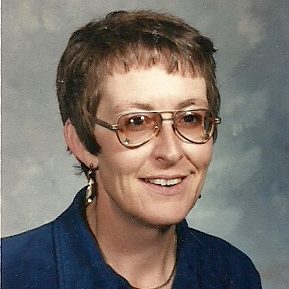 Our aunt, Linda Cole, was the middle child of my husband Bob’s grandparents, Grandma and Grandpa Knox. Early in their marriage, she and her husband, Bobby, moved to Kennebec, South Dakota, where they raised their two children, Sheila Gregory and Patrick Cole. In Kennebec, Linda and Bobby owned a hotel, and when visitors came, they always had plenty of room for everyone to stay. My husband, Bob, and I took our girls, Corrie Petersen and Amy Royce, to visit them once a year. It was always a nice trip for us, and the girls got to see family too. Running a hotel didn’t leave much time for travel, so visits from family were often the only chance they had to catch up with the rest of us. Linda’s sister, Joann Schulenberg, and her husband, Walt, who are my in-laws, went often as well. We always visited in the summer, which meant it was usually very hot in Kennebec. Still, the visits were so much fun, and I have always been glad we went.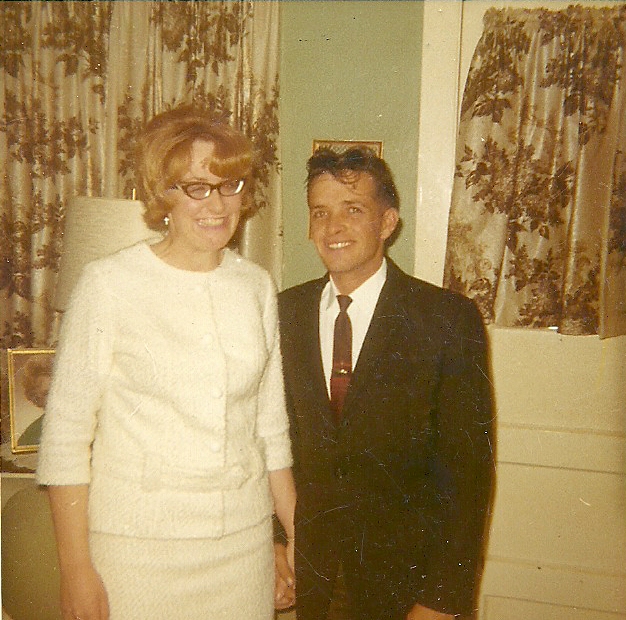
After a fire destroyed most of the hotel, the family relocated to Winnemucca, Nevada, where Linda and Bobby both found jobs in the casinos. They enjoyed working there and liked to gamble a bit on their days off, though it wasn’t something they did often. They appreciated the warm weather and mild winters, as well as their peaceful home in the country. The quiet was a welcome change from the constant noise of the casinos.
My in-laws visited them periodically in their travels as snowbirds, and the sisters got to know each other again. For so many years they had lived so far away from each other, that they were more like acquaintances than sisters sometimes. The 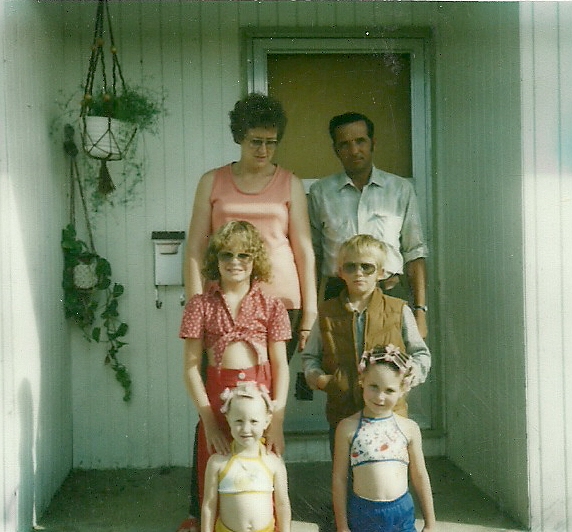 girls’ younger sister, Margee lives here in Casper. She and Linda talked on the telephone often, and they were very close. It was hard on the sisters to be so far away from Linda, but as time goes on, you get used to things. People moving away from the town they grew up in, is commonplace these days.
In May 2014, Linda lost her husband, Bobby, and then she passed away in September 2016. Years had gone by since her sisters last saw her, which made her passing even more heartbreaking. They always felt like there would be more time, but when it was gone, all that remained was the sadness of her absence. Today would have been Linda’s 79th birthday. Happy birthday in Heaven, Linda. We love and miss you very much.

 As you are planning your spring garden…I know, it’s a bit early, right. Well, maybe not. While gardening is a relaxing and beautiful hobby, it does take a degree of planning and a little money. Depending on the types of plants, as well as the quantity of flowers you might choose. I suppose your location and the year might have something to do with it too. That might surprise you, but location and year did matter in 1637 in a shocking way.
It was during the Dutch Tulip Mania of 1637, that planning a garden suddenly became a very expensive venture. Tulip mania was a period during the Dutch Golden Age when contract prices for some bulbs of the recently introduced and fashionable tulip reached extraordinarily high levels. The major acceleration started in 1634 and then dramatically collapsed in February 1637. During that period, single tulip bulbs sold for prices equivalent to luxury homes, with some rare varieties commanding sums that could purchase entire Amsterdam mansions or multiple years of skilled craftsman wages. What?? Oh my goodness, that would really require some pre-planning. Or maybe it would be a good reason to forego gardening altogether!!
It was as if the people went crazy. In fact, the tulip craze in the Netherlands got so out of hand that everyday people actually mortgaged their homes, sold off family treasures, and even borrowed against future income to buy tulip bulb futures. Trading became so insane that folks swapped deeds to houses, livestock, and businesses for single bulbs of rare or striking varieties, turning flower fashion into a full-blown speculative market. It was like the stock market, but in flowers!! The people were obsessed!! I suppose that the country looked amazing as the people fought to have the best gardens with the rarest tulip varieties.
Then, as suddenly as it started, the bubble burst abruptly when it hit home that tulip bulbs had no real value beyond blooming. It was as if the people suddenly woke up. The craze left thousands of people ruined overnight. Some bulbs were so pricey they were shown off like gems at public displays, guarded by armed 
 guards, with individual flowers worth more than most people earned in a year. The whole thing was insane, but then, these kinds of things always are. Tulip Mania went down in history as the first recorded speculative bubble, proving how hype and social pressure can drive people into wildly irrational financial decisions. The results were devastating.

