memories

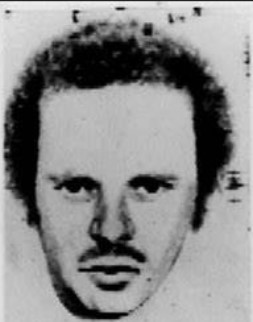 Kirk Bloodsworth was a 23-year-old ex-Marine in 1984, when 9-year-old Dawn Hamilton was brutally raped and beaten to death with a rock. She was then left in a wooded area of Rosedale, Maryland, near her home. The crime was so horrific that it was hard to fathom, but as terrible as it was, there was going to be another victim of this crime.
During the investigation, witnesses recalled a suspicious man in the area where Miss Hamilton was brutally murdered. A police sketch was publicized on television and in newspapers. An anonymous caller identified Kirk Bloodsworth as the man in the sketch two weeks later. Bloodsworth had been in Baltimore, which is close to Rosedale, at the time of Hamilton’s murder. Later, he returned to his home in Cambridge and told friends that he had done something that would harm his marriage. He never said what he had done. Of course, that wouldn’t really matter if he were convicted of rape and murder. His wife would move on.
Once charged, the prosecutors accused Bloodsworth of murder with little evidence other than the witnesses saying he might have been the suspicious man in the area. During the trial in 1985, the defense presented several witnesses who said that they were with Bloodsworth at the time of the murder. Their testimonies made no difference. Completely disregarding his alibi, the jury convicted Bloodsworth and sent him to death row.
Bloodsworth never confessed, and in fact, maintained his innocence for the next seven years, while in prison. During those seven years, DNA testing came of age, and since the police had kept the evidence in the Hamilton murder, namely her underwear with a spot of semen, smaller than a dime, it was available when science finally progressed to the point where this small amount of physical evidence could be tested. Eventually, Bloodsworth’s attorneys were granted permission to test the semen spot. It was sent to Forensic Science Associates, a private California laboratory, and in a shocking revelation, they found that it did not match Bloodsworth’s DNA. For seven years, an innocent man had been on death row, for a crime he did not commit.
After the FBI’s crime lab confirmed this test, prosecutors in Baltimore County had no choice but to release Bloodsworth. Still, they refused to apologize to Bloodsworth. On June 28, 1993, nine years after first going to jail, Kirk Bloodsworth was released. He was officially pardoned later in the year. In 2003, nearly a decade after Bloodsworth’s release, prisoner DNA evidence added to state and federal databases resulted in a match to the real killer, Kimberly Shay Ruffner. Ironically, a month after the 1984 murder, Ruffner had been sentenced to 45 years for an unrelated burglary, attempted rape, and assault with intent to murder. He had been incarcerated in a cell one floor below Bloodsworth’s own cell. In a 2009 guest lecture at Florida Atlantic University, Bloodsworth said that he and Ruffner sometimes spotted each other during workouts, but of course, Bloodsworth had no idea who Ruffner was. Because of the new evidence, Ruffner was charged in Maryland for the rape and murder of Dawn Hamilton. In 2004 he pleaded guilty to the 1984 murder and was sentenced to life imprisonment. Justice was finally served for Dawn Hamilton.
For Bloodsworth, life began anew. Bloodsworth was the first death row inmate in the country to be exonerated 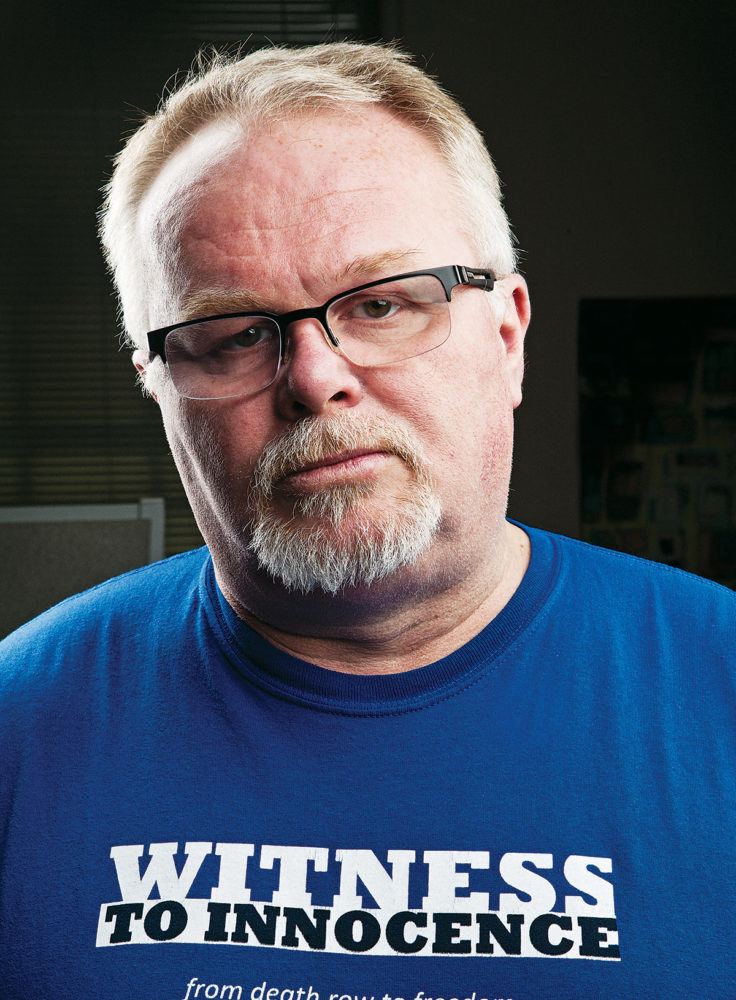
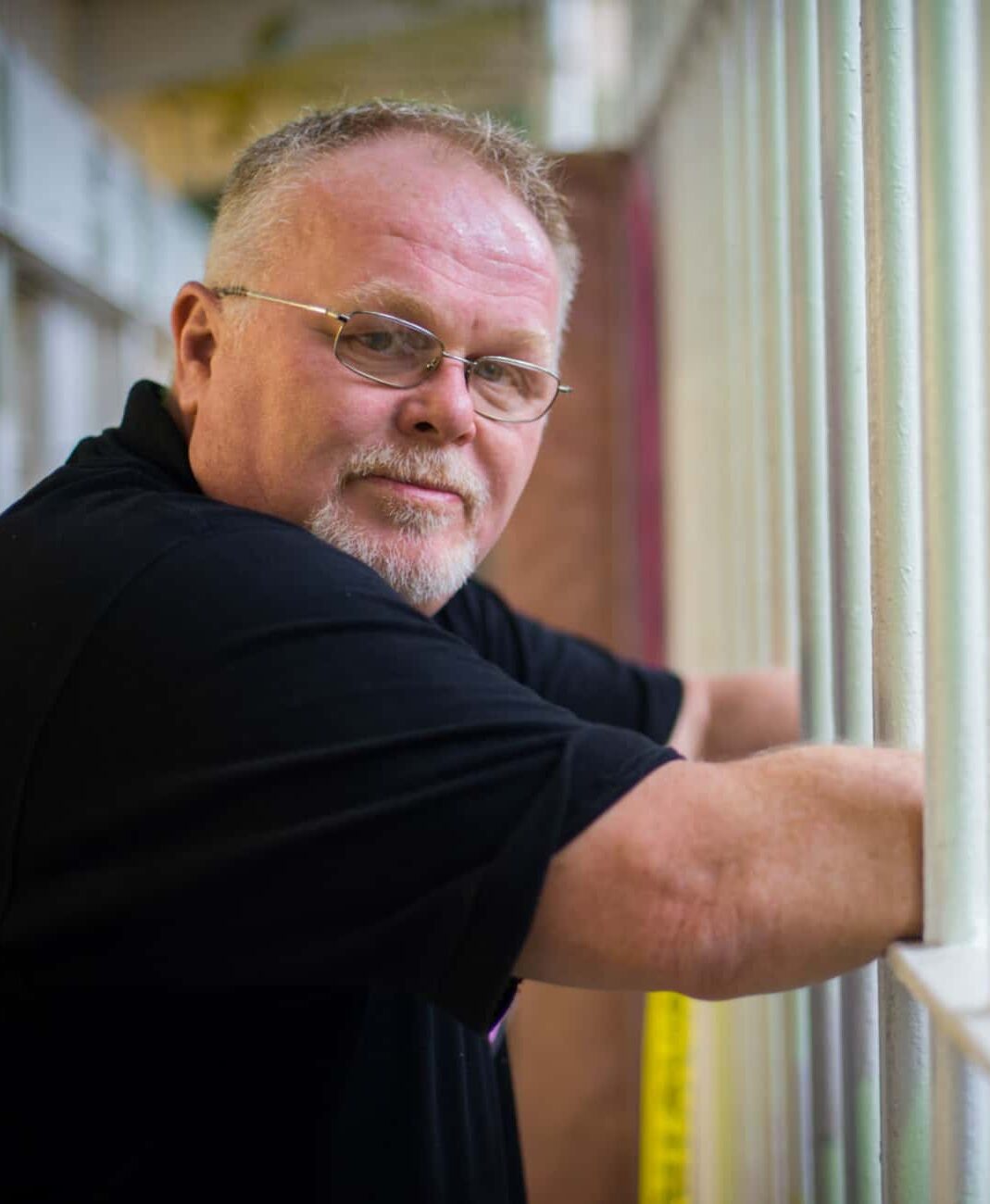 based on DNA evidence. Initially, he received $300,000 for his wrongful conviction from the Maryland Board of Public Works in 1994, the year after he was released from prison and pardoned by Governor William Donald Schaefer (D). Then, in 2021, based on the new payment formula, Bloodsworth’s total compensation amount was adjusted to $721,237.40. The administrative judge decided to subtract the $300,000 Bloodsworth received 27 years ago, leaving him with $421,237.40 in supplemental compensation. Bloodsworth’s attorney stated, “It can’t erase his pain and suffering, but it will help him move forward with his life.” No one wants to have a wrongful conviction, but it happens, so it’s good Bloodsworth was compensated for this horrific injustice.
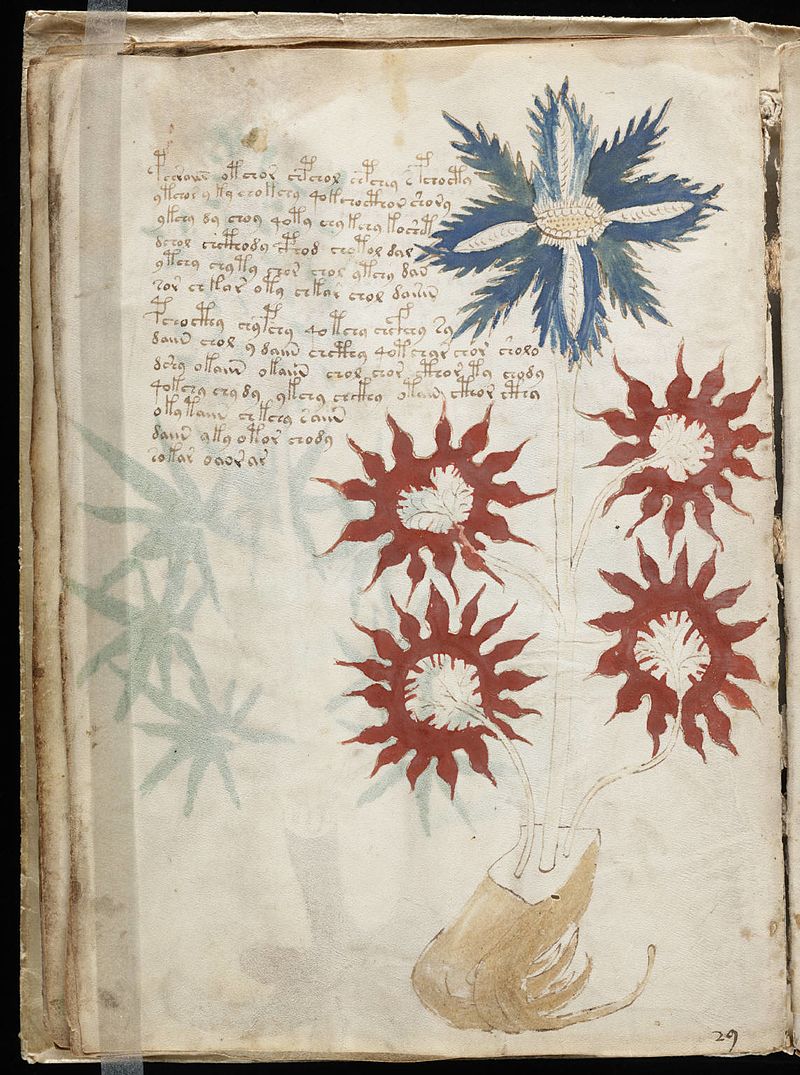 Believed to have originated in the early 1400s, the Voynich Manuscript is an ancient text that still baffles scientists. The manuscript is hand-written in an unknown language that has been carbon-dated to roughly 1404 – 1438. While hundreds of cryptographers and master codebreakers have tried to decipher it over the years, none have as yet succeeding in grasping the meaning or origin of this strange manuscript. Most ancient languages have been either known or deciphered, so to find one that simply can’t be broken, is…stunning.
Because they have no other name for the language, the Voynich manuscript and its strange writing system is referred to as ‘Voynichese’ these days. It is written on vellum (fine parchment paper), and stylistic analysis indicates it may have been composed in Italy during the Italian Renaissance. Of course, as with any mystery, the origins, authorship, and purpose of the manuscript are much debated. There have been many theories concerning the text, including, “an otherwise unrecorded script for a natural language or constructed 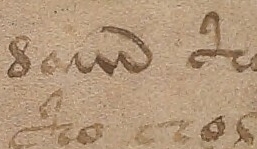 language; an unread code, cypher or other cryptography; or simply a meaningless hoax.” The idea of a meaningless hoax, strikes me as odd, considering the documented carbon dating of the manuscript, but everybody has a right to their own opinion.
The manuscript, as it was found, contains around 240 pages, but it looks as if some pages might be missing. There are some oddities, such as the fact that some pages are foldable sheets of varying size. Most of the pages have “fantastical illustrations or diagrams, some crudely colored, with sections of the manuscript showing people, 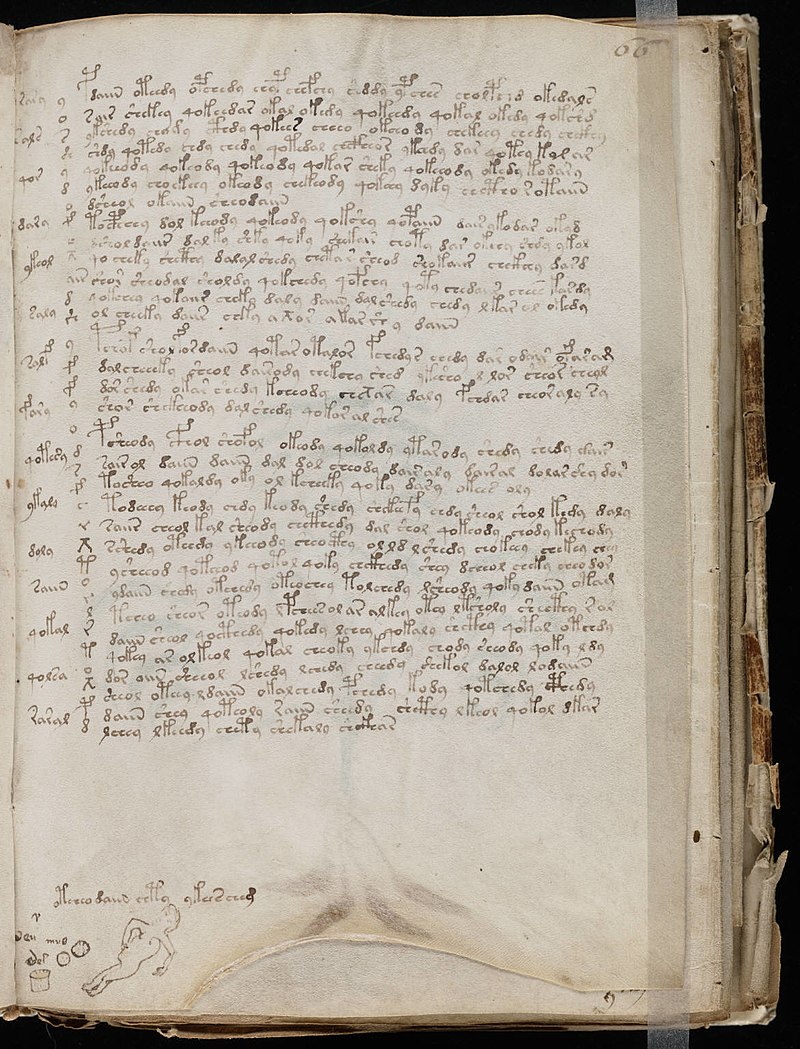 fictitious plants, astrological symbols etc.” Whatever language this was, the people read from left to right like we do in English. For the purpose of identification, the manuscript is named after Wilfrid Voynich, a Polish book dealer who purchased it in 1912. Seeing the value of the manuscript, it ws decided that it should be held in Yale University’s Beinecke Rare Book and Manuscript Library, where it has been since 1969.
While the Voynich manuscript has been studied by many professional and amateur cryptographers, including American and British codebreakers from both World War I and World War II, it has never been demonstrably deciphered, and none of the many hypotheses proposed over the last hundred years has been independently verified. To this day the mystery of its meaning and origin has remained just that…a mystery, and very likely it always will be. It is my thought that this was an obscure and long-lost language, possibly a journal of some sort, but then, you guess is as good as mine.
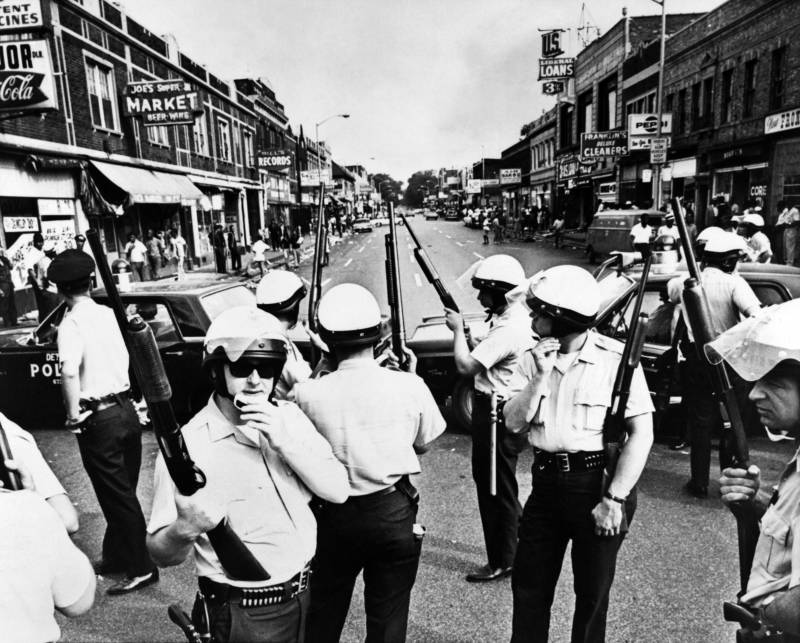
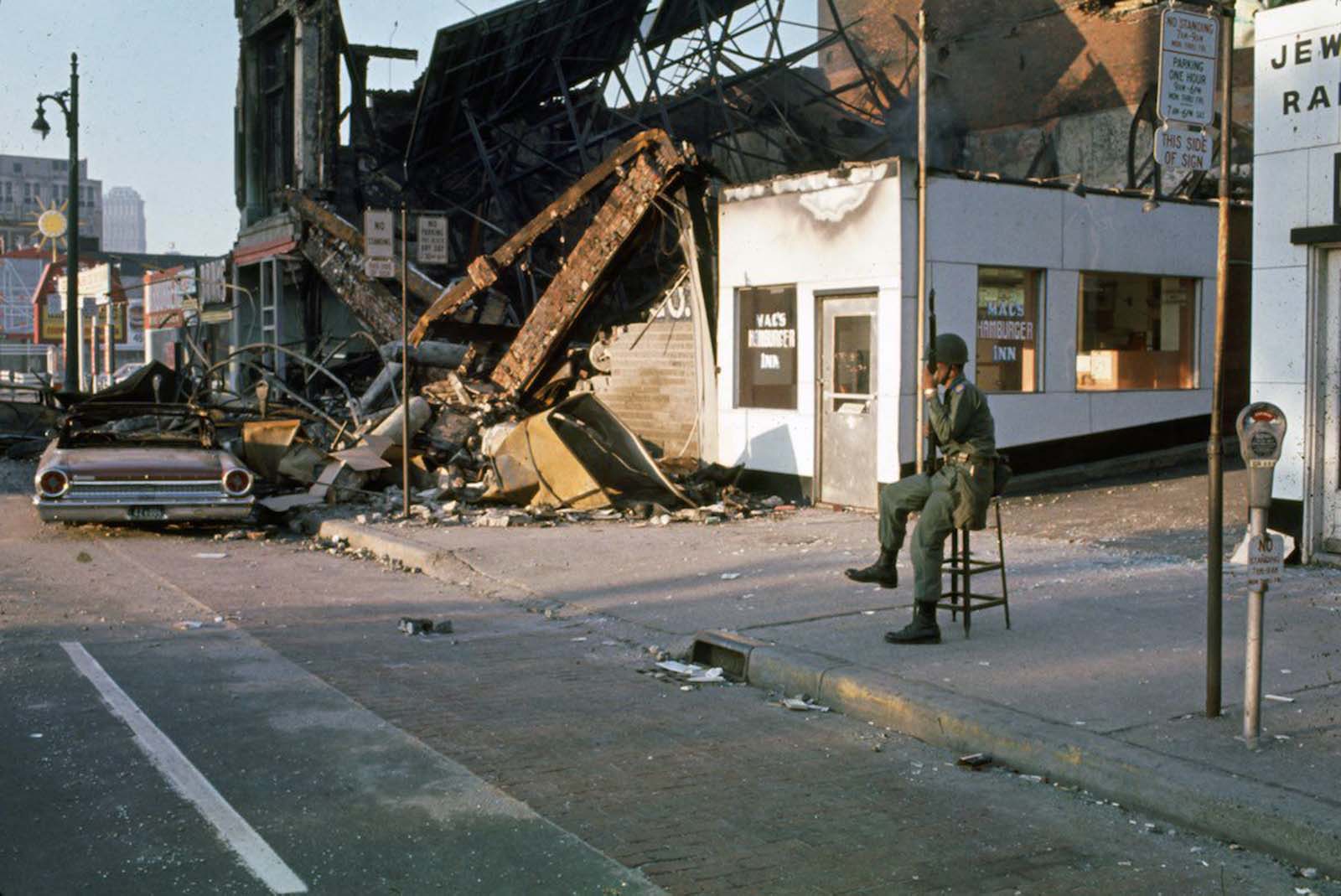
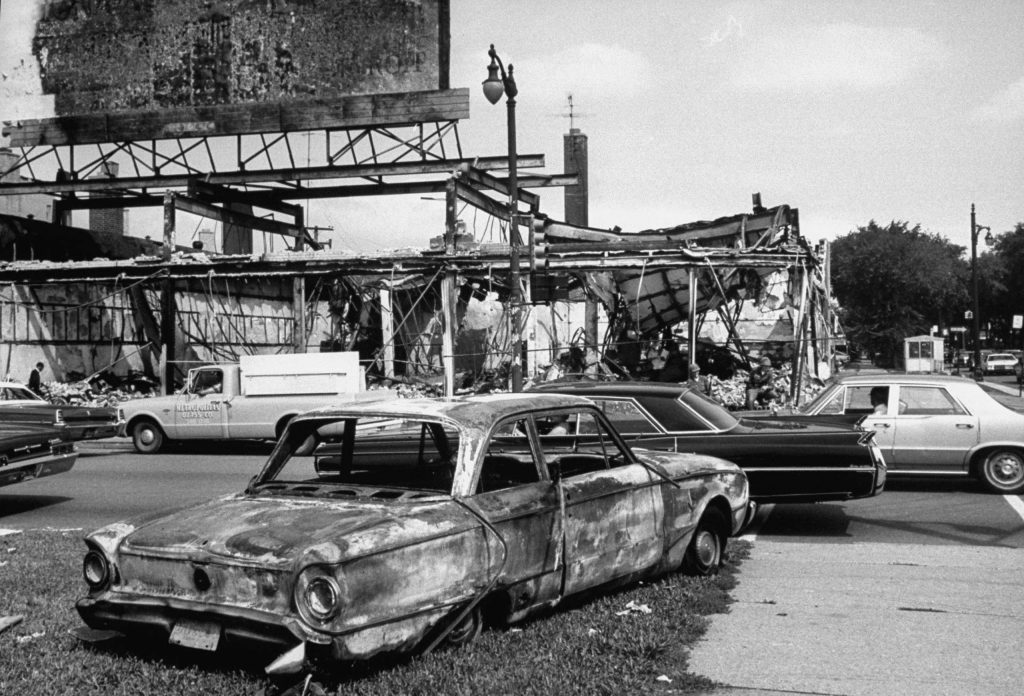 There have been times in the history of our nation, when peace seemed to reign in the land, and then there have been times, when chaos was the word of the day. in 1967, chaos was definitely the word of the day…in Detroit, Michigan, anyway. In 1967, Detroit was a city that was struggling economically, and racially. During that time, vice squad raids, looking for illegal drinking establishments in the city’s poorer neighborhoods were common, and people were in a state of high irritation.
During one particular raid that occurred at 3:35am on Sunday morning, July 23, 1967, the Detroit Police Department moved in against a club that was hosting a party for returning Vietnam War veterans. The early-morning police activity angered a crowd of onlookers, and before long, the situation became explosive. Before long, thousands of people had rushed out onto the street from nearby buildings. The crown began throwing rocks and bottles at the police, who quickly fled the scene. Getting rid of the police, however, didn’t resolve the situation. The crowd began looting on 12th Street, where the club was located, and a number of shops and businesses were completely trashed!!
By sunrise, fires began breaking out and before long, the whole street was on fire. By midmorning, the police were finally called back to the scene, but controlling the crowd proved to be a major struggle. Unfortunately, getting the situation under control proved to be much more difficult than getting it started. The rioting continued all week, in the end, the US Army and the National Guard were called in to stop the worst of it. Five days later, when the bloodshed, burning, and looting ended, 43 people were dead and many more were seriously injured. In all, approximately 1,400 buildings had been burned or ransacked.
Crowds can quickly get out of control, but sometimes the fault lies equally between crowds and police. In this case, the Detroit Police Department was run directly by the mayor, and prior to the riot, Mayor Cavanagh’s appointees, George Edwards and Ray Girardin, worked for reform. Edwards even tried to recruit and promote black police officers in an effort to help quell racial tensions, but in what might be his biggest mistake, he refused to establish a civilian police review board, which the African American population had requested. He was trying to discipline police officers accused of brutality, and in doing so, he turned the police department’s rank-and-file against him. Many whites perceived his policies as “too soft on crime.” The Community Relations Division of the Michigan Civil Rights Commission, in a study in 1965 of the police, which was published in 1968, claimed the “police system” was at fault for racism. They blamed the police system was blamed for recruiting “bigots” and reinforcing bigotry through the department’s “value system.” President Johnson’s Kerner 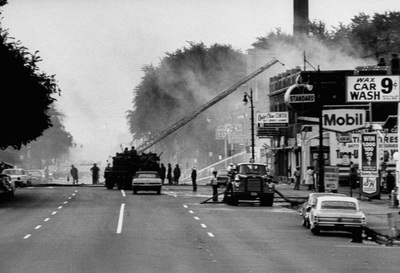
 Commission conducted a survey that found that prior to the riot, 45 percent of police working in black neighborhoods were “extremely anti-Negro” and an additional 34 percent were “prejudiced.” I suppose some might say that the fault of the riot was the police, but to a degree, they were doing their jobs too. Maybe it was the way the did it, and the fact that they ran when it got out of hand. Whatever the case may be, the outcome was horrific.
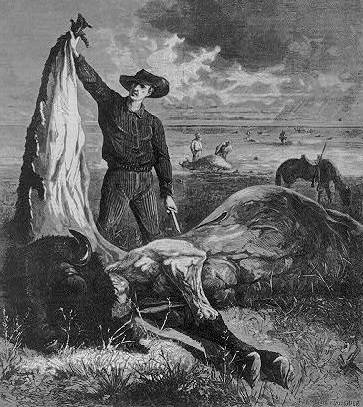
 It is amazing to me that the ideas of one person can change the world, a nation, state, or city. Sometimes the changes are good, and sometimes they are horrible. During the early years of the Old West, besides fighting with the American Indians, there were those who felt like the buffalo were a big problem too. General Philip Sheridan said, “Let them kill, skin, and sell until the buffalo is exterminated, as it is the only way to bring lasting peace and allow civilization to advance.” His idea created a frenzy of hunters, intent on ridding the country of the buffalo. The buffalo, at that time an estimated 50-60 million of them, roamed freely in the Great Plains before white settlers began to push into the vast west in any great numbers. The buffalo were a vital food source for the American Indians hunted them for food and other necessities, and a harmonious ebb and flow between man and beast prevailed.
That was about to change after the Civil War, as more and more people moved westward. As the migration progressed, new army posts were established, and at the same time came the need for food and supplies for the soldiers. So, the army contracted with local men to supply buffalo meat to feed the troops. Then came the construction workers for the railroad, and a greater need for food. General Sheridan considered the buffalo a nuisance animal, as so was all for the slaughter of the buffalo. The buffalo coats could also supply the army and contractors with buffalo robes that could be used as coats and lap robes when riding in sleighs and carriages. These events put many a man to work as buffalo hunters. Because many people needed work, the offer of work came as a welcome prospect.
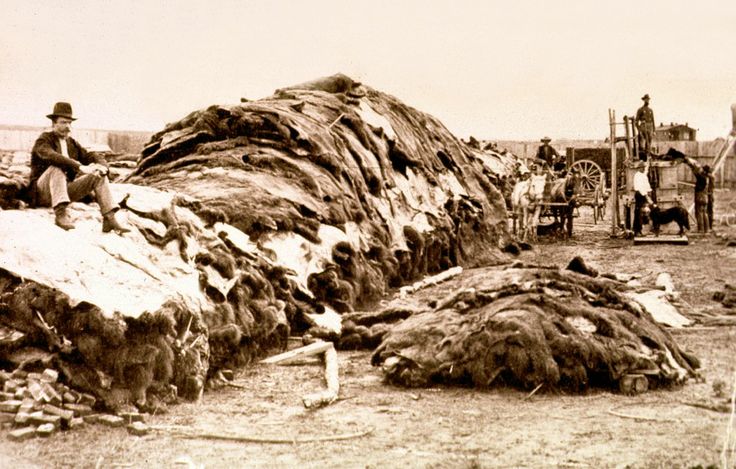
Leavenworth, Kansas, soon became a trading center for the buffalo hides, and tanneries found even more, uses for the material. Soon, things such as drive belts for industrial machines and grinding buffalo bones into fertilizer because common practices. In some places, buffalo tongues became a delicacy in fine restaurants. Personally, I would have to call things like at that one…disgusting!! Even though I know that some people like them. Before long the demand was so high that year-round work was available for buffalo hunters.
At the time of this offering, the economy was depressed after the Civil War, so many of the “tough” men decided to earn their living as a buffalo hunter. They had families to support, and so they went out, armed with powerful, long-range rifles. Each individual hunter could kill as many as 250 buffalo a day. Tanneries paid as much as $3.00 per hide and 25¢ for each tongue, which made a nice living for hundreds of men, including Wyatt Earp, Bat Masterson, Pat Garrett, Wild Bill Hickok, and William F Cody, just to name a few. Sadly, the meat wasn’t treated as well. All they wanted were the hides and tongues, so the rest of the edible buffalo meat was often left to rot on the Plains. Such a horrific waste. Over 5,000 hunters and skinners were involved in the trade by the 1880s.
Of course, to the Indians, this horrific slaughter was as heinous a crime as there ever could be. The majestic buffalo, who had often given their lives to supply the tribe with much needed food and blankets were being killed as if it was nothing more than sport. The air took on an almost carnival atmosphere when railroads began to advertise “hunting by rail.” Whenever the trains encountered a herd of buffalo crossing the tracks, it started a shooting spree. The sporting men would shoot hundreds of buffalo for fun, and then the trains would roll away, leaving the dead animals where they fell.
As you would expect, the Indians grew more and more angry and this senseless slaughter. They were, after all, watching their main source of food laying waste on the prairie. Their anger led to more Indian attacks on the White Man, which resulted in US Army retaliation at the height of the Indian Wars. Before long, the US Government decided that they needed to separate the Indians from the rest of “civilization” by placing them on reservations. To force the Indians onto the reservations, they needed to get rid of most of their food source, so US Army aggressively pursued a policy to eradicate the buffalo, which would force them onto reservations in order to survive.
Finally, the Texas Legislature began discussing a bill to protect the buffalo. Of course, General Sheridan defended the buffalo hunters and opposed the bill by saying, “These men have done more in the last two years and will do more in the next year to settle the vexed Indian question than the entire regular army has done in the last forty years. They are destroying the Indians’ commissary. And it is a well-known fact that an army losing its base of supplies is placed at a great disadvantage. Send them powder and lead, if you will, but for lasting peace, let them kill, skin, and sell until the buffalos are exterminated. Then your prairies can be covered with speckled cattle.”
Finally, in 1884 the era of the buffalo slaughter ended, and nothing remained of the massive buffalo herds but 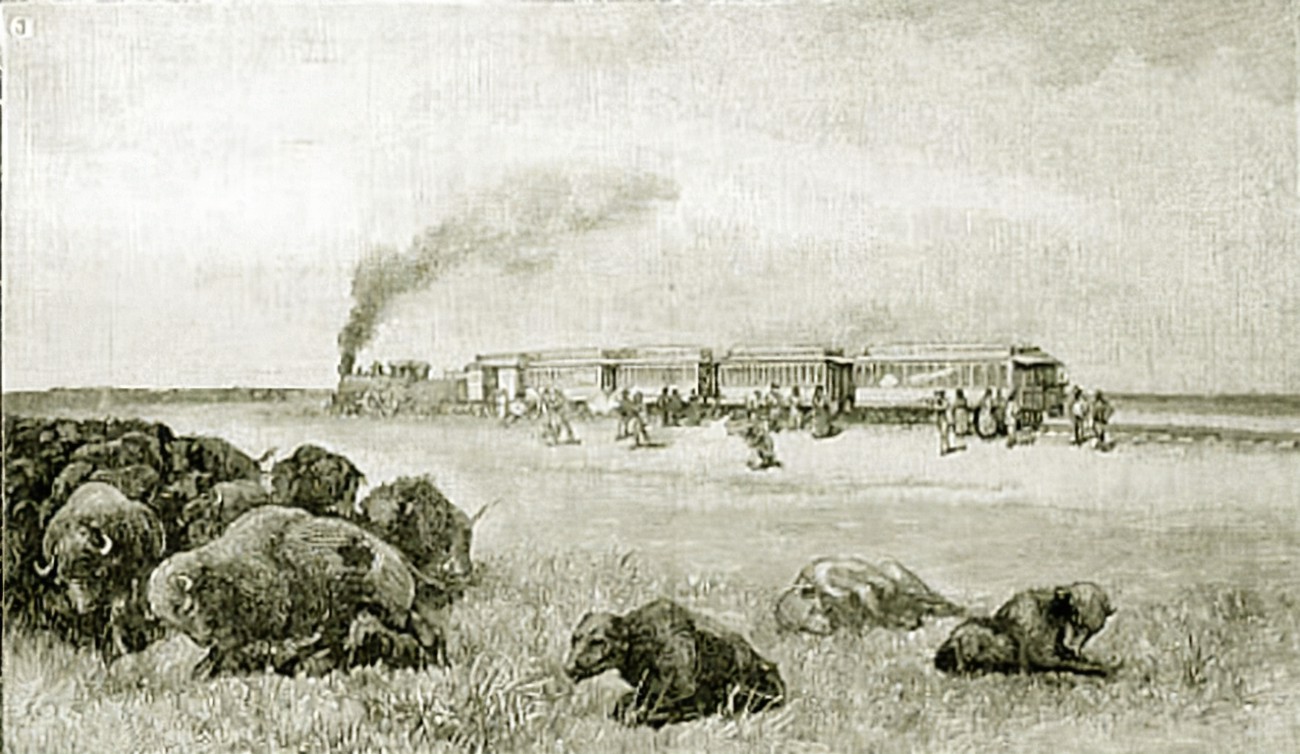
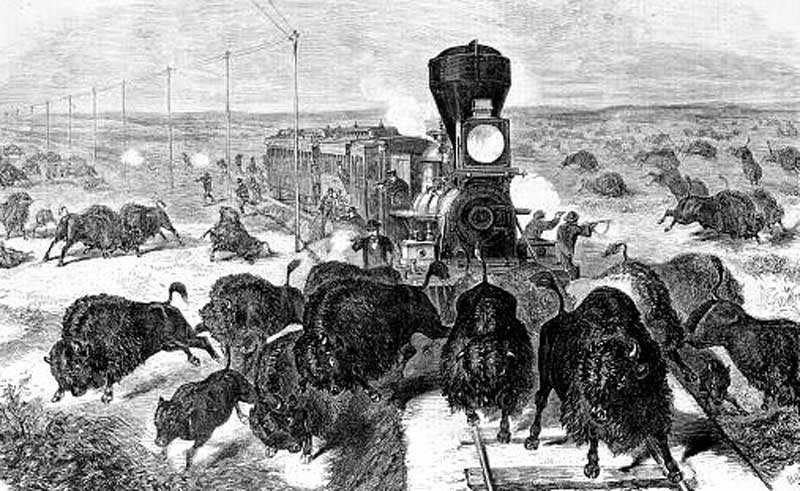 piles of bones. By then, there were only about 1,200-2,000 surviving buffalo left in the United States. Through the continuing management efforts, there are currently 500,000 buffalo in the United States, including about 5,000 in Yellowstone and 1,000 in the Black Hills. These days, there are buffalo in every state.
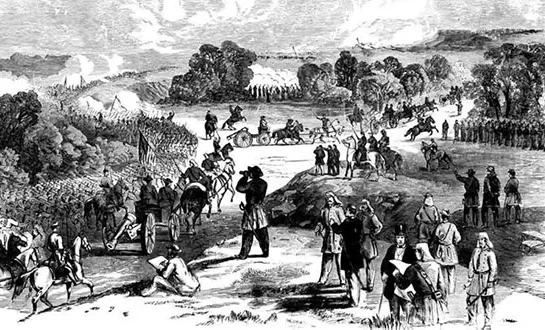 When the gunfire in a battle begins, most of us want to be as far away as possible, including the soldiers fighting in the battle, but in the case of The Battle of Bull Run during the American civil war, this was not the case. In a seriously strange phenomenon, many of Washington’s civilians and the wealthy elite, including congressmen and their families, went on picnics on the sidelines to watch the battle. After that, it became known as “The Picnic Battle” but it was definitely no picnic, as they would soon find out. What no one realized was that The Battle of Bull Run, fought on July 21, 1861, was actually going to be remembered as the first gory conflict in a long and bloody war.
Bull Run was the first land battle of the Civil War. It was a battle that was fought at a time when many Americans believed the war would be short and relatively bloodless. They just really didn’t understand how this was going to play out. So, believe it or not, the civilians went out to watch the war, bringing a picnic lunch along with them. If you think about it, bringing the family and a picnic lunch out to watch a battle, had to seem strange, or even insane, and really it was, but many of the civilians were there because they had to be.
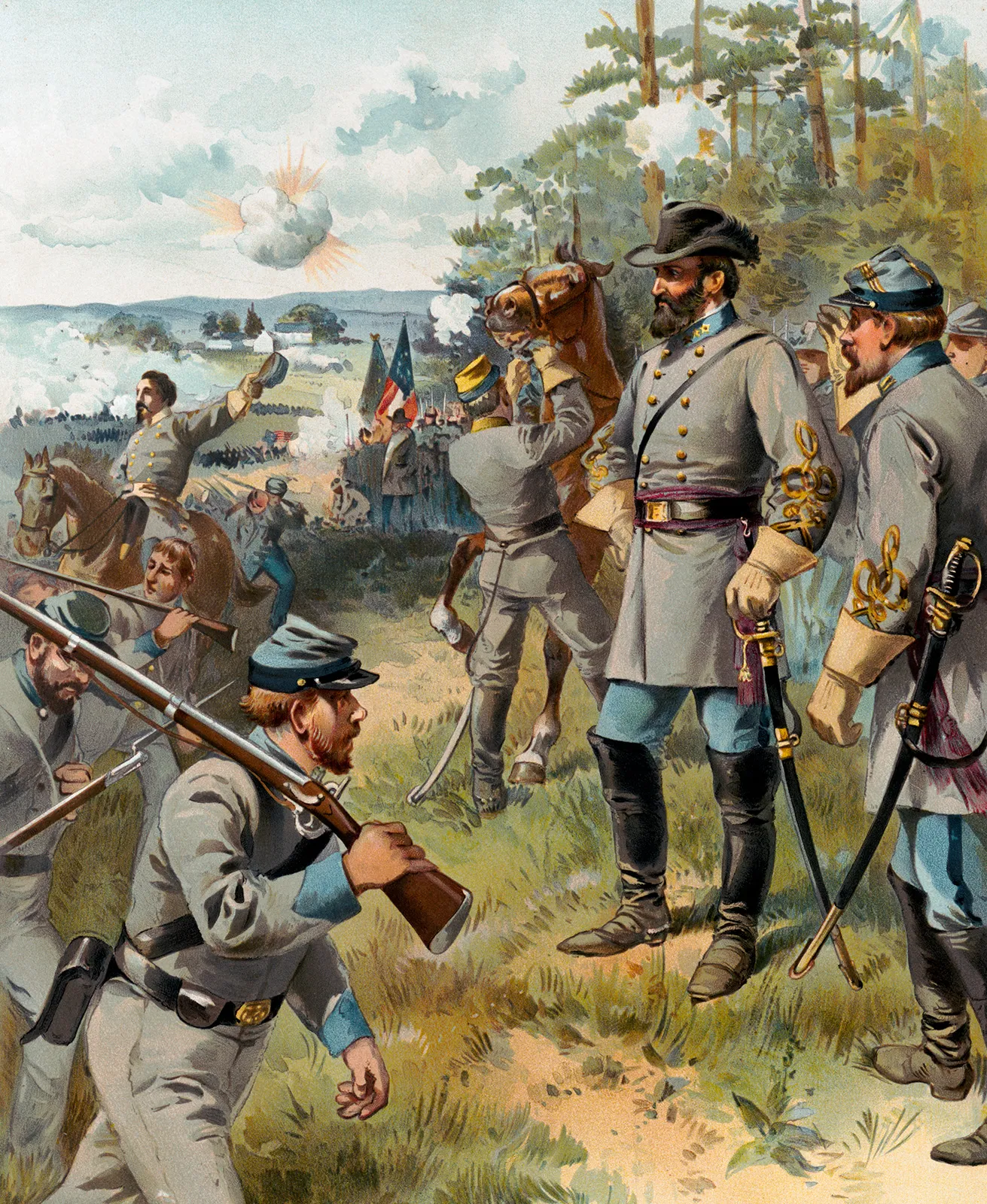
While the reporters were there too, for their own selfish reasons, they were quick to condemn the other civilians who were there, calling them frivolous. The Boston Herald published a lengthy, “not-so-funny” comedy poem about the scene. They were making the civilians look reckless. In the poem, HR Tracy describes a story “lacking in glory” about “careless picnickers who heedlessly went out to watch the battle and then ran away, driving over dead and wounded in their carriages.” This kind of public criticism gave rise to the idea of Bull Run as the “picnic battle” but there was more going on. No one really knows exactly how many civilians were there on that day. The recruits in the battle signed up to Lincoln’s army for a 90-day term, because they all thought the war would be over that fast. It’s also hard to be sure how many watchers there were. Many people say men, women and children, but others say it was mostly men.
The people did bring food and even picnic baskets to watch the battle, but it wasn’t exactly like they thought it was a leisurely day out for either spectators or combatants. Picnic food “was more of a necessity than a frivolous pursuit on a Sunday afternoon,” writes Jim Burgess writes for the Civil War Trust. Just getting to Centreville, where the battle was fought, was a seven-hour carriage ride away from Washington, so they had to take food for the journey, because the local Virginians were not going to offer the Union onlookers any kind of hospitality. Some called them a “throng of sightseers” while others mentioned that they were selling pies and other edibles. I think the whole thing was a misunderstanding of epic proportions. Unfortunately, after the 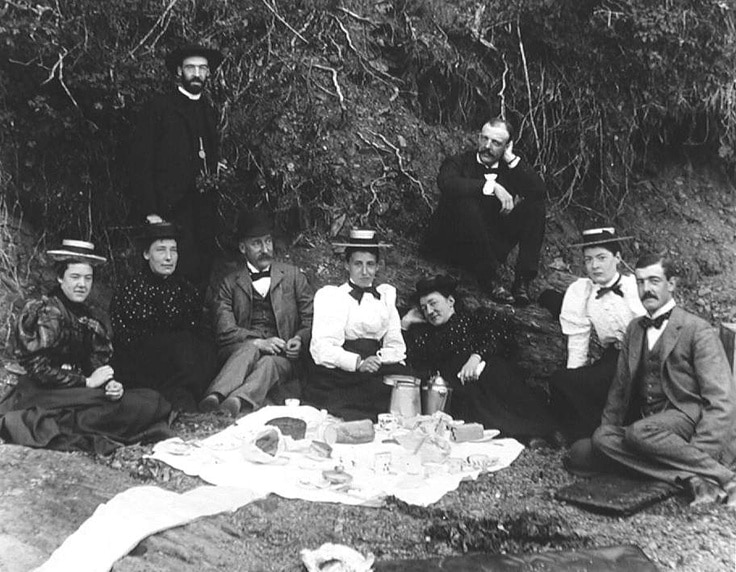 people found out how horrific the whole thing was, and began to witness the terrible bloodshed, they were also subjected to the snide remarks of the media, as if they didn’t already feel bad enough.
The reality was that the battle wasn’t just a spectator sport. It was important politically, so the politicians attended. It was important socially, so the journalists attended. It was also an opportunity to sell food, so the food vendors attended. In the end, it was really a circus, and once it was over, there was no one left who innocently thought that this war would end in 90 days, and no one left that thought there would be little bloodshed.

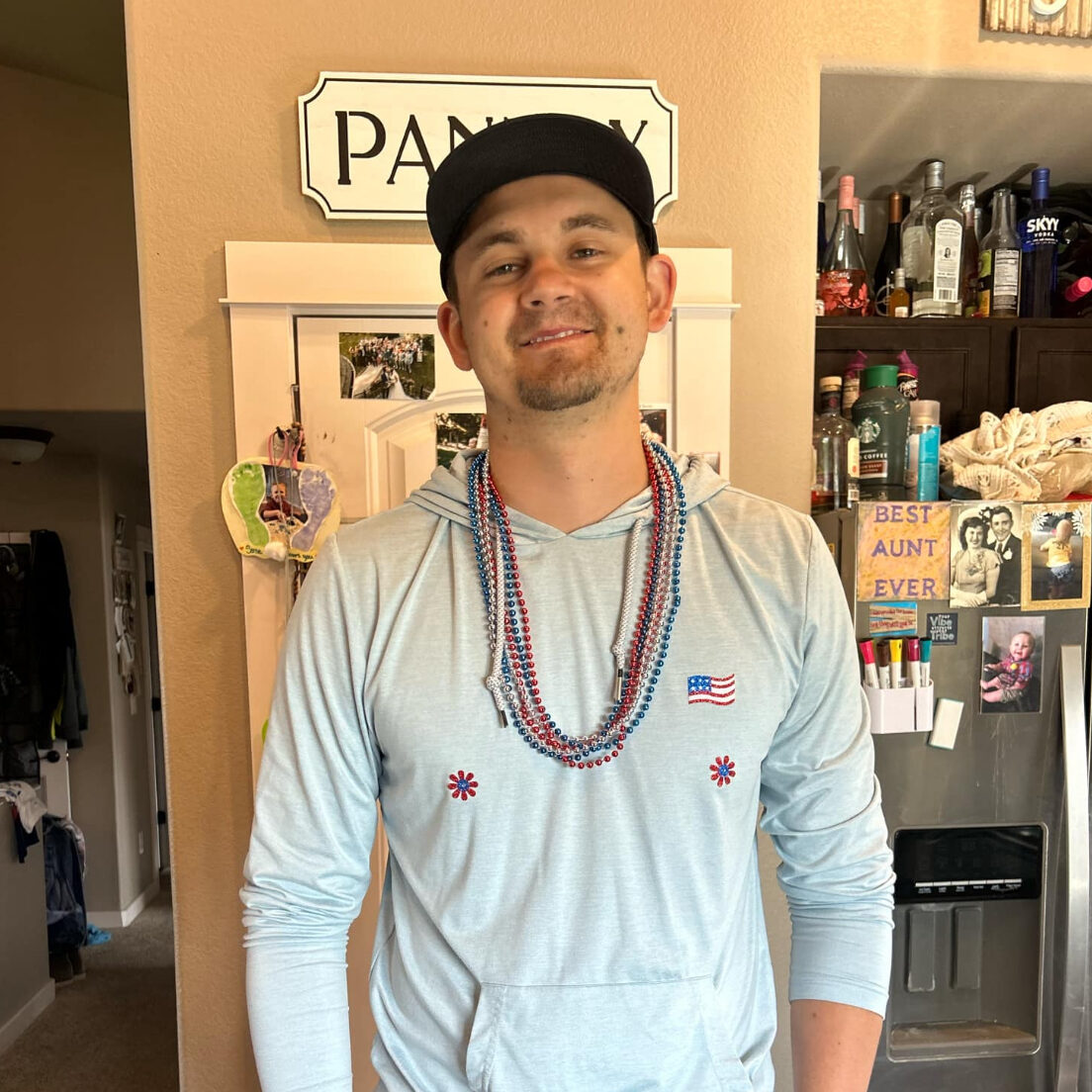 My nephew, Dylan Herr is a really busy guy. Dylan is the manager of his family’s nine Red Wing Shoe stores. Dylan’s family has owned the stores for three generations. They operate under the Herr Group. Their first store was in Pueblo, Colorado in 1970. Since then they have really grown. They have seven in Colorado, including Pueblo, Greeley, Longmont, Fort Collins, Littleton, Brighton, and Johnstown. They also have two stores in Wyoming, in Cheyenne and in Casper. Dylan is a dynamic individual, and that is a big part of what makes him a prominent member of society, that and his high ideals.
He also has a big heart and likes to give back to the community. He is a member of rotary, and he is also on the 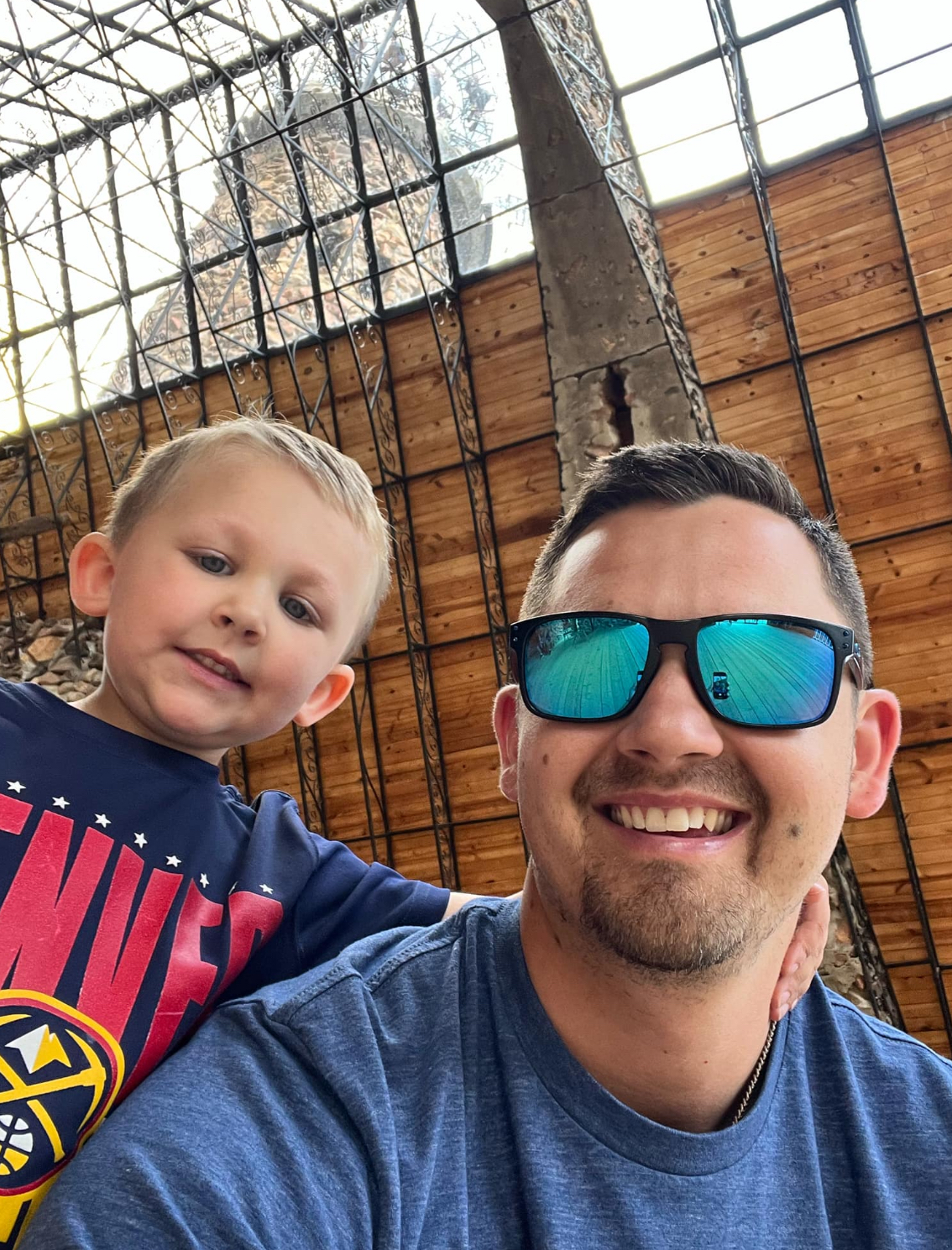
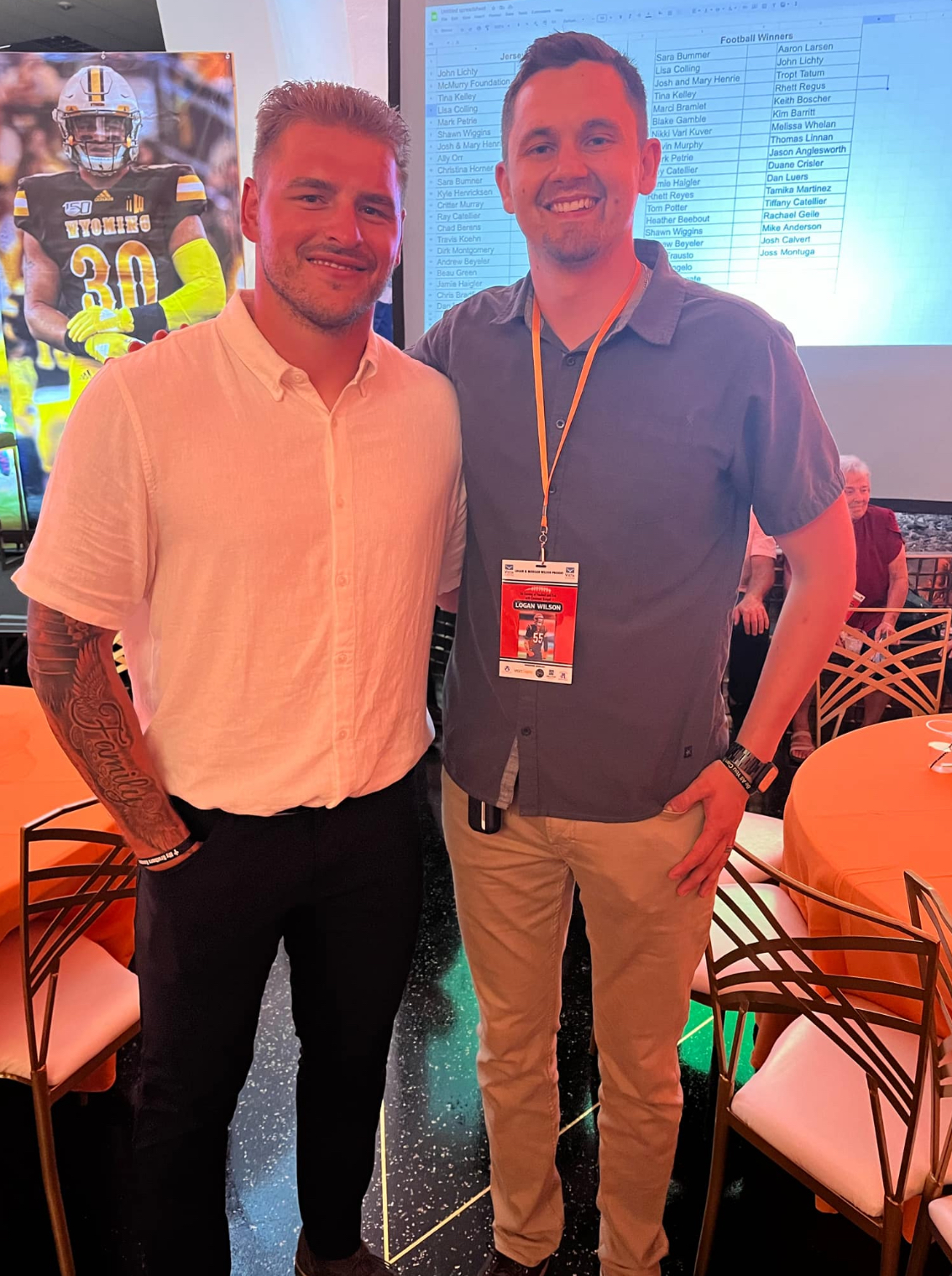 board for the YMCA in Casper. That is something he and my niece, Katy Herr really loves. Since their son, Max is of the age when he is starting to get into sorts, they spend a lot of time there for all of Max’s activities. Max is very much his daddy’s little man, and sports is simply in his blood. He has been hanging out with his dad on the golf course and such for his whole life. Dylan regularly plays softball and golf. Dylan is a competitive person and loves playing in tournaments. He comes from a family of men who regularly participate in sports, and they are quite good at it. Dylan is naturally really good too.
While his sports are important to Dylan, his top priorities are Katy and Max. Dylan loves taking care of the family home and loves lawn work. Like every other part of his life, Dylan is meticulous in making sure that his little family has 
 everything they need for a good life. Their home is a big part of that, and he is a proud homeowner, but above all, he is a proud husband and dad. He works very hard to give them the best life possible, and he has been very successful at that. They are a beautiful, happy family, and they lead happy lives. They also give back to the community, and that is an awesome thing to do. Yes, Dylan leads a very busy life, and I don’t think he would want it any other way. Today is Dylan’s birthday. Happy birthday Dylan!! Have a great day!! We love you!!
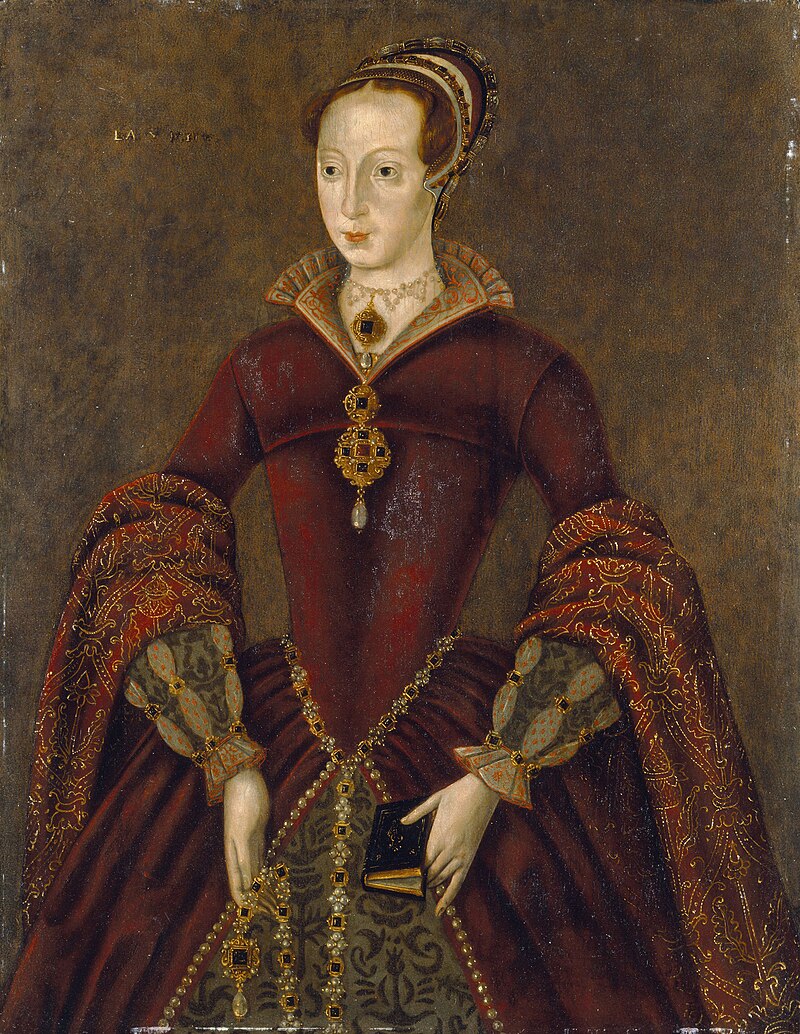
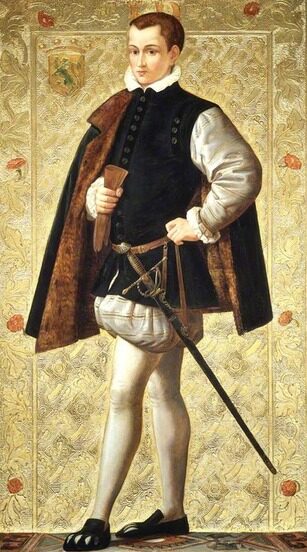 Lady Jane Grey was the great-granddaughter of King Henry VII and the cousin of King Edward VI. Lady Jane and Edward, who were the same age, and they were almost married in 1549. Nevertheless, in May of 1553, Lady Jane Grey was married to Lord Guildford Dudley, the son of John Dudley, the duke of Northumberland. Soon after her marriage, King Edward fell ill with tuberculosis, which would take his life in the end. This would set off a cacophony of arguments that would not end well.
Even in those days, discord over religion brought fights, even to the point of violence. The Catholics and Protestant religions were at war. Mostly it wasn’t a physical war, but certainly sometimes it was an all-out war. Lady Jane as it turned out, was a Protestant, while King Edward VI’s half-sister, Mary was a Catholic. King Edward VI did not want to hand over his throne to Mary. Lady Jane’s father-in-law, John Dudley agreed, and so persuaded the dying king that Lady Jane, a Protestant, should be chosen the royal successor over Edward’s half-sister Mary, a Catholic. So, in June 1553, the dying Edward VI wrote his will, in which he nominated Jane and her male heirs as successors to the Crown. King Edward VI agreed that Mary should not succeed him because she was Catholic would not support the reformed Church of England, whose foundation Edward laid. The will removed his half-sisters, Mary and Elizabeth, from the line of succession on account of their illegitimacy, subverting their lawful claims under the Third Succession Act. Through Northumberland, Edward’s letters patent in favor of Lady Jane was signed by the entire privy council, bishops, and other notables.
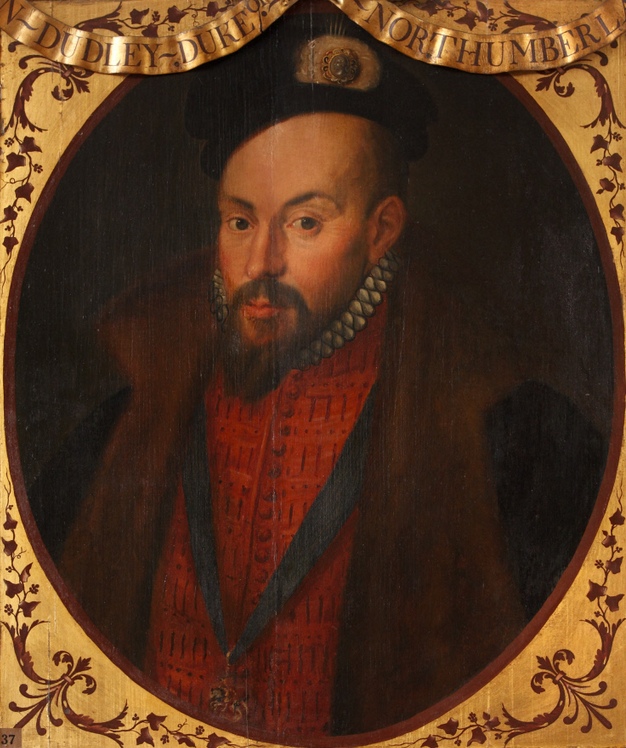
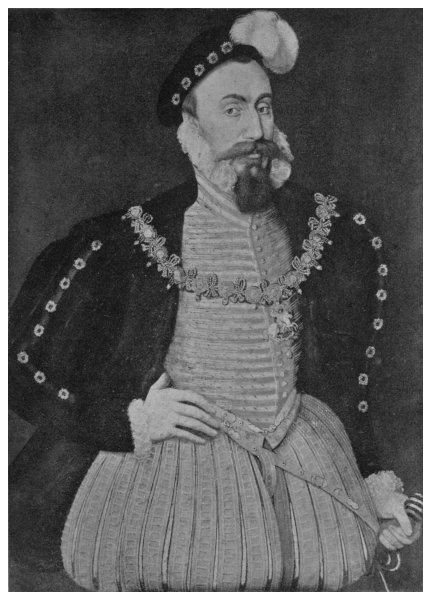
On July 6, 1553, Edward died, and four days later Lady Jane Grey was proclaimed queen of England. The 15-year-old Lady Jane, beautiful and intelligent, had only reluctantly agreed to be put on the throne, and it would be the worst decision of her life. While Lady Jane’s ascendance was supported by the Royal Council, the populace supported Mary, as the rightful heir. Two days into Queen Jane’s reign, Dudley departed London with an army in an effort to suppress Mary’s forces. I don’t know if that was a good idea, or not…likely not, because in his absence the Council declared him a traitor and Mary the queen. Queen Jane’s reign was just nine days.
The next day, July 20th, most of Dudley’s army deserted him, and he was immediately arrested. The same day, now Lady Jane was imprisoned in the Tower of London. Her father-in-law was condemned for high treason, and on August 23rd he was executed. On November 13th, Lady Jane and her husband, Guildford Dudley, were also found guilty of treason. They were both sentenced to death, but because of their youth and relative innocence Queen Mary had chosen not to carry out the death sentences.
Lady Jane’s father, Henry Grey grew furious in early 1554, and joined Sir Thomas Wyatt in an insurrection against Queen Mary, because she had announced her intention to marry Philip II of Spain. While suppressing 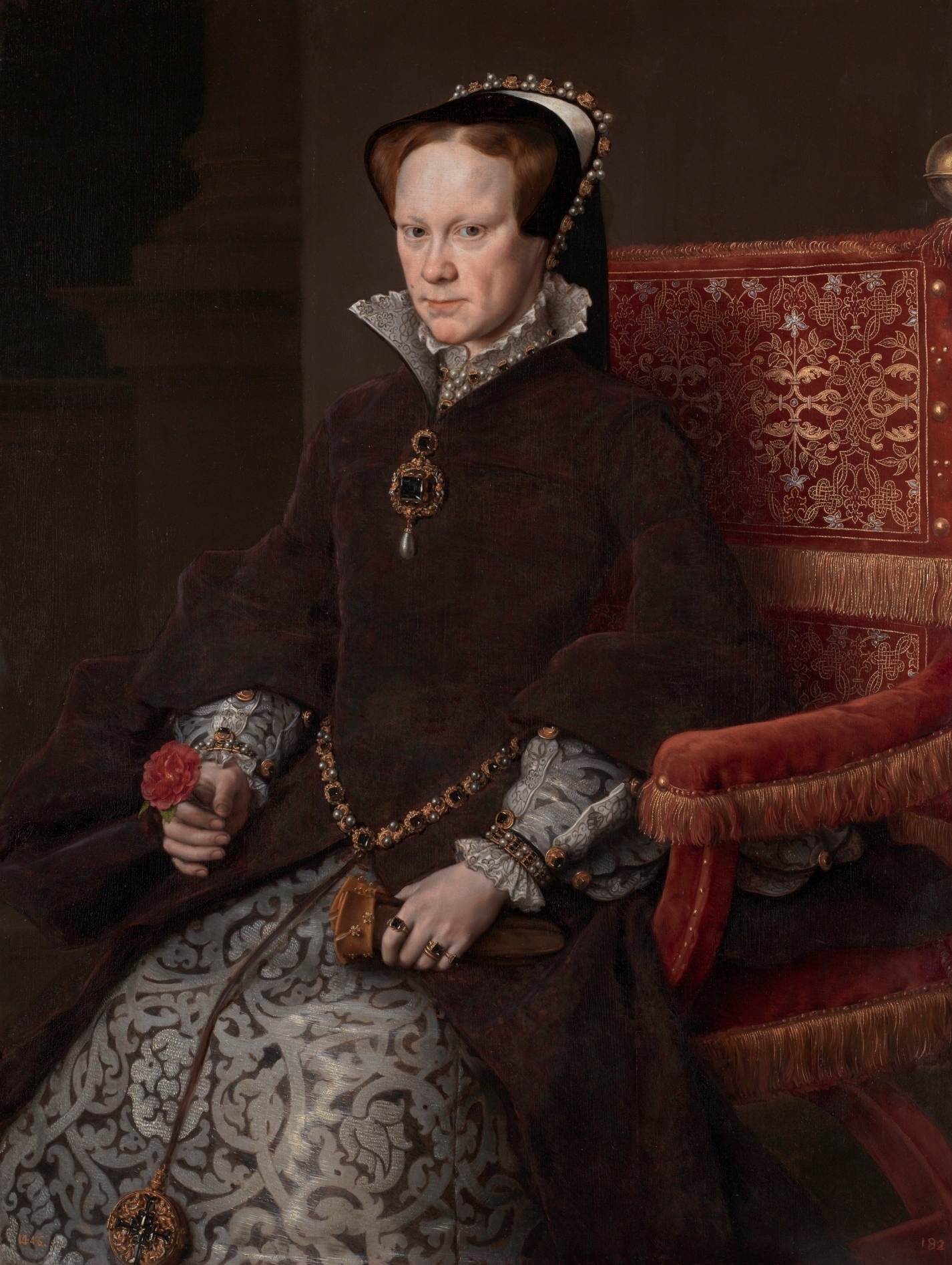
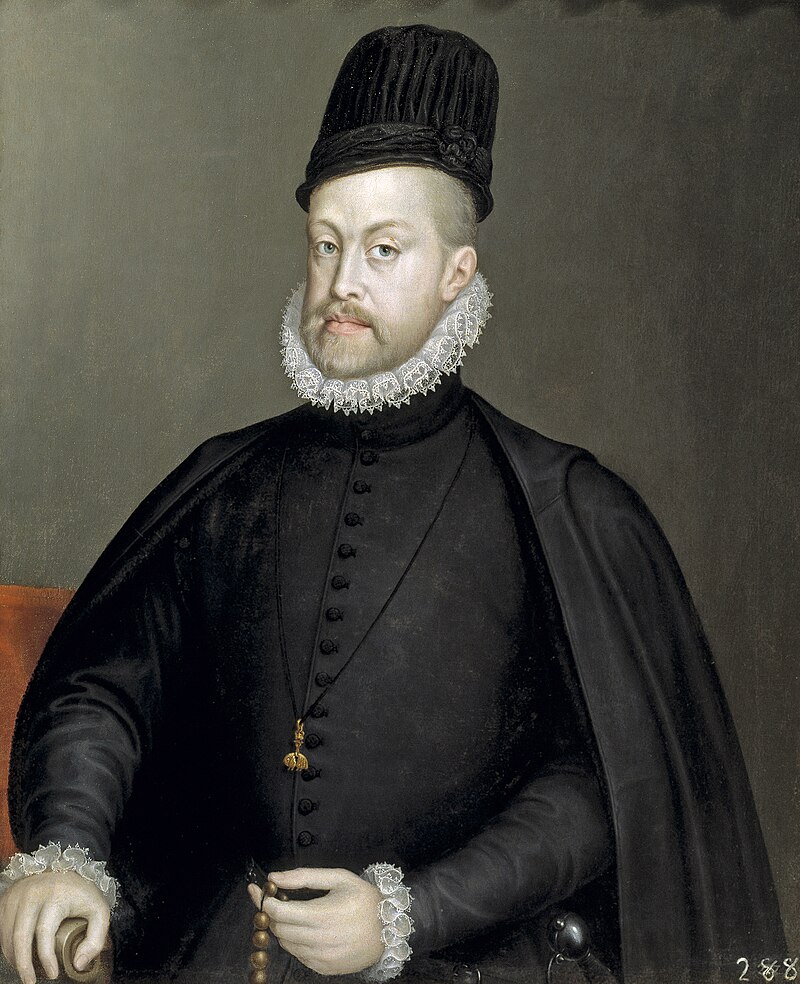 the revolt, Queen Mary decided it was going to be necessary to eliminate all her political opponents, whether she wanted to or not, and on February 7th she signed the death warrants of Lady Jane and her husband. On the morning of February 12th, Lady Jane watched her husband being carried away to execution from the window of her cell in the Tower of London. That must have been horrible in so many ways. This was her husband being led to his death, but she also knew that she was next. Then, just two hours later she was also executed. “As British tradition tells the story, after the 16-year-old girl was beheaded, her executioner held Lady Jane’s head aloft and recited the words: ‘So perish all the queen’s enemies! Behold, the head of a traitor!'”
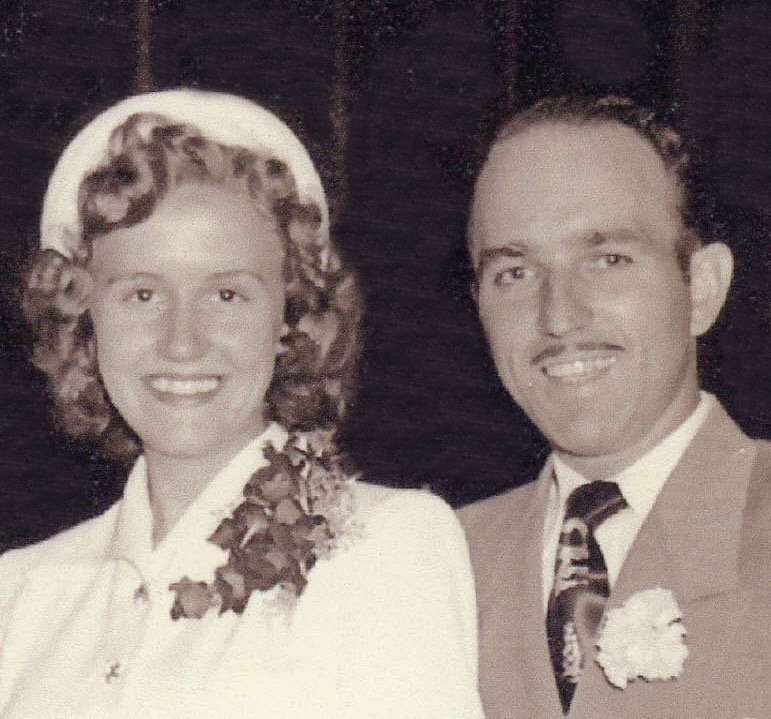
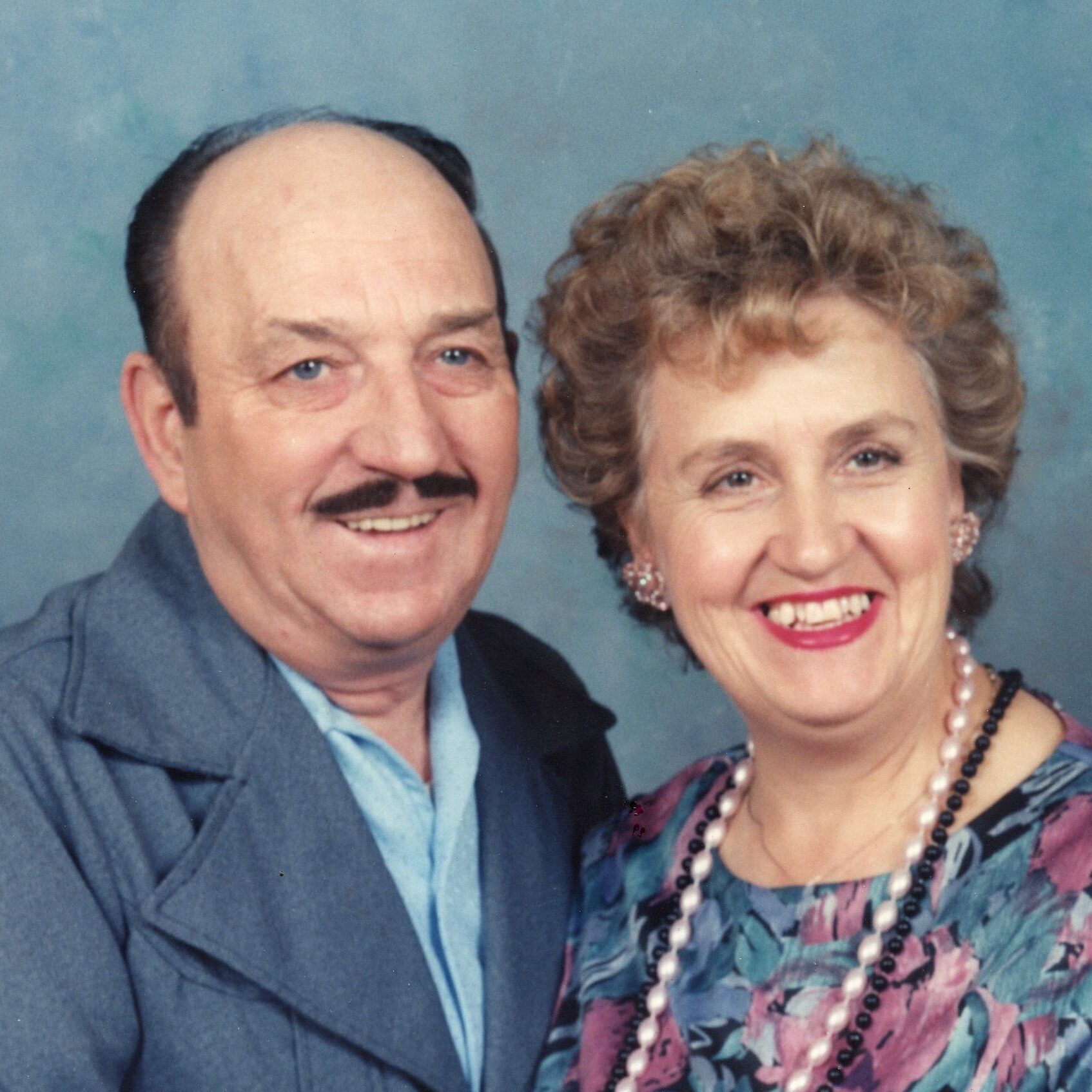
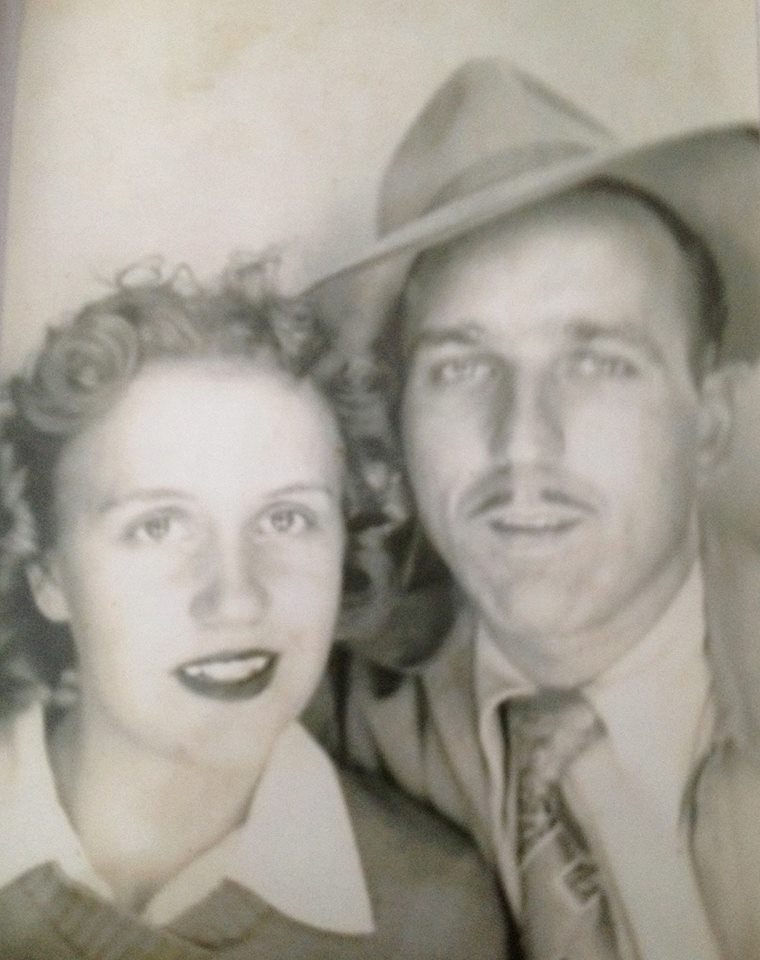 Seventy-one years ago today, two wonderful people, my parents were married. They were great parents, and the loved each other completely. I could go on and on about how my parents loved each other, but the 53 years they spent together proves that. I want to talk instead about the example my parents set…in spiritual matters, in marriage, in life, and in relationships. I know many people had great parents, but these were mine, and for that I am so grateful.
My parents raised us in church from the time we were born. People say that they were born again on a certain day, but I don’t have a day that I can say I was born again. I was always born again. I know that my sisters, Cheryl Masterson, Caryl Reed, Alena Stevens, and Allyn Hadlock can say the same thing. Our parents gave God first place in their marriage and in our home. That is the example that has carried throughout our lives to this day. That is a big part of the legacy of my parents.
Mom and Dad taught us about how we, as wives should be treated. Dad was always so loving, kind, and 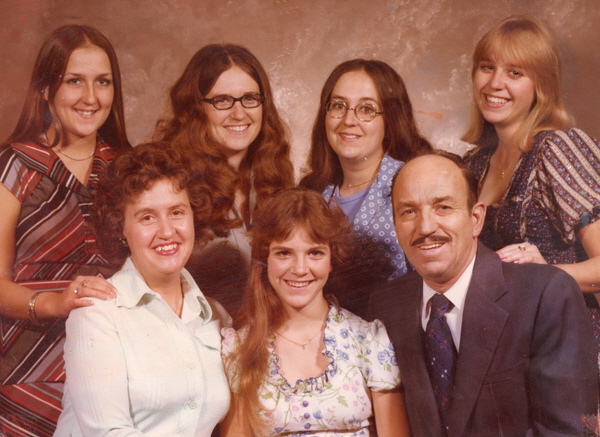 protective of Mom. They also taught us how we, as wives should treat our husbands. There were the normal lessons about understanding that marriage was a covenant, and as such should not be broken. The marriages in our family that did not last, were not the fault of their girls. I know that sounds conceited, but it is the truth. We knew that you had to work at a marriage, and we all did.
Another thing my parents taught us that we feel thankful to have learned is that you “never let the sun go down on your wrath.” That is found in Ephesians 4:26, and it was a mainstay in our home. With five girls in the house, you can imagine the drama that could happen. But we were not allowed to go to bed without making up. We had to sincerely say we were sorry, even if we were only “sorry we had fought.” That one verse probably saved the relationships my sisters and I share with each other, and the ones we shared with our parents. Even after we were married, is we had an argument with our mom, and stomped home mad, invariably, Dad would soon be on the phone telling us that we needed to call our mom and make up. What may have seemed like a stiff rule back then, was actually a blessing. Our relationships with our parents remained strong throughout their lives, and for that I am so grateful. Our parents understood that families occasionally fight, but the important thing was that the fight did 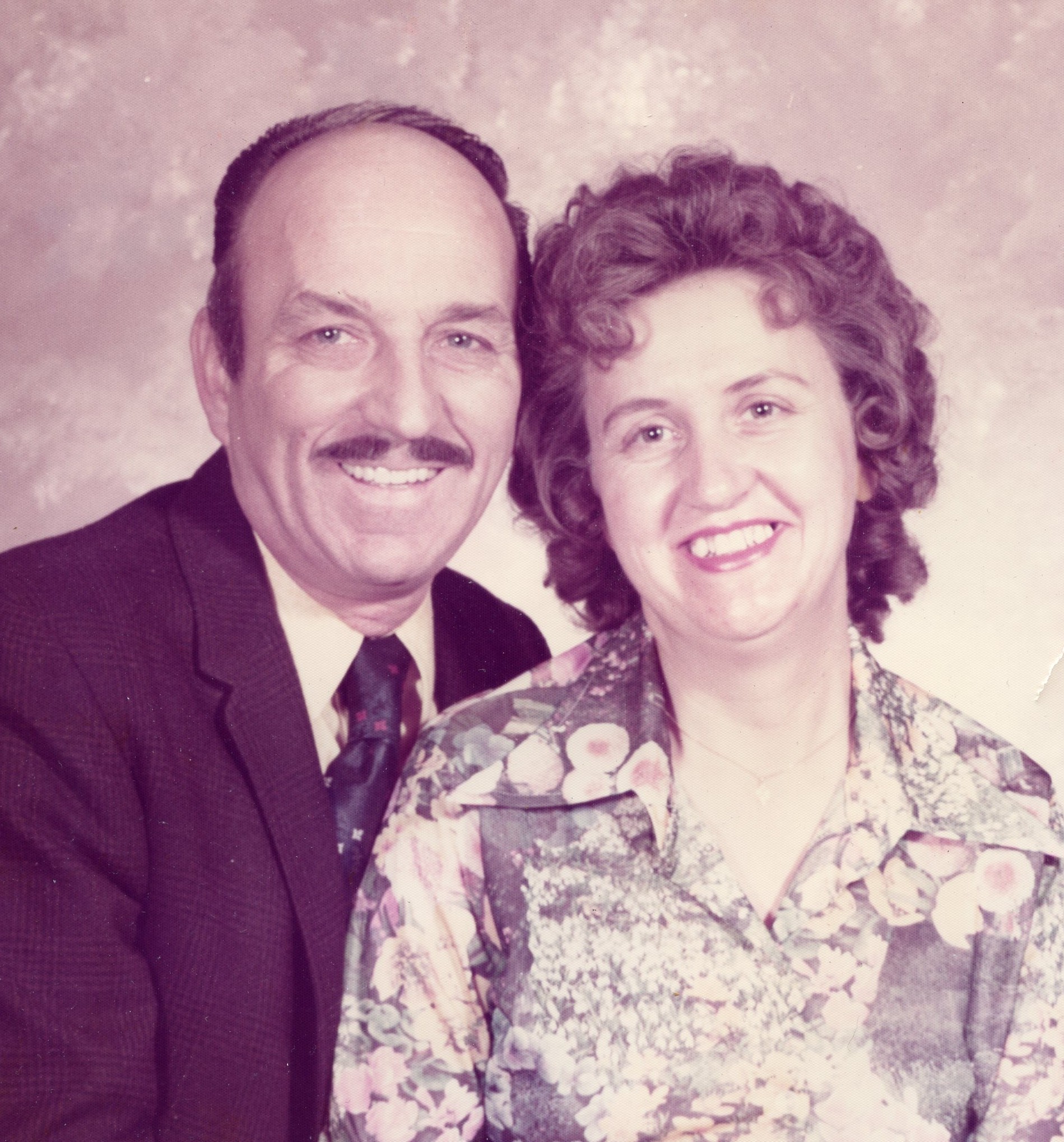
 not steal the relationship. We made up and we were not sorry that we did.
The lessons from my parents were not always pleasant, but they were always important, and I’m not sorry we learned them, or that our parents took the time to teach then. Thank you both so much, Mom and Dad. Today is the 71st anniversary of my parents wedding day. Happy anniversary Mom and Dad. We love and miss you both so very much, and we know that you are having the time of your lives in Heaven. Can’t wait to see you there.
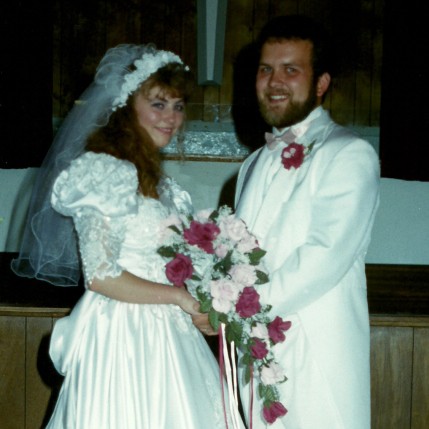
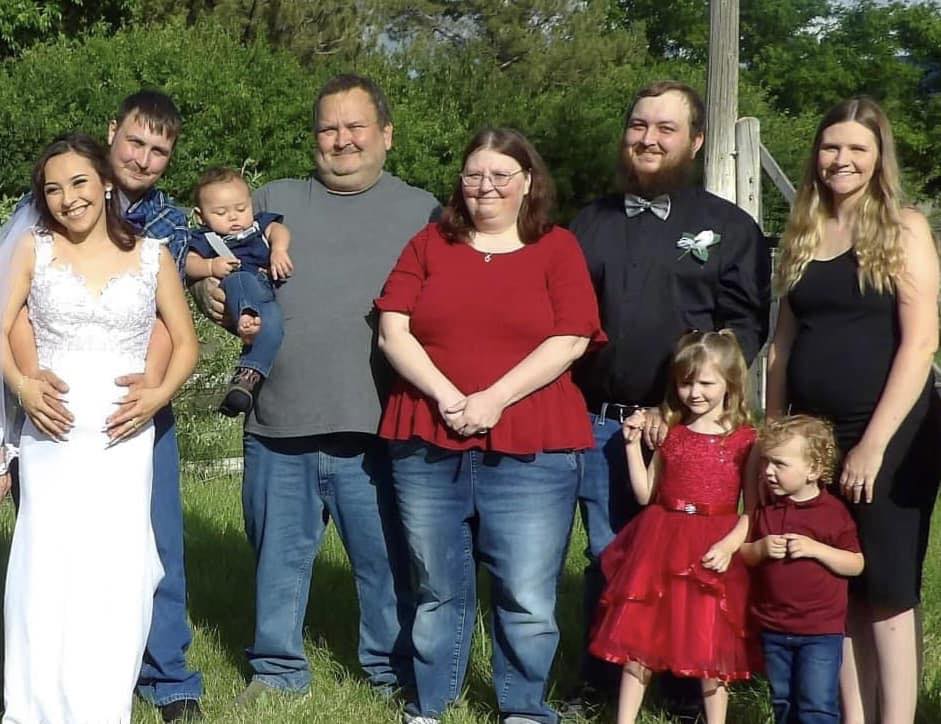
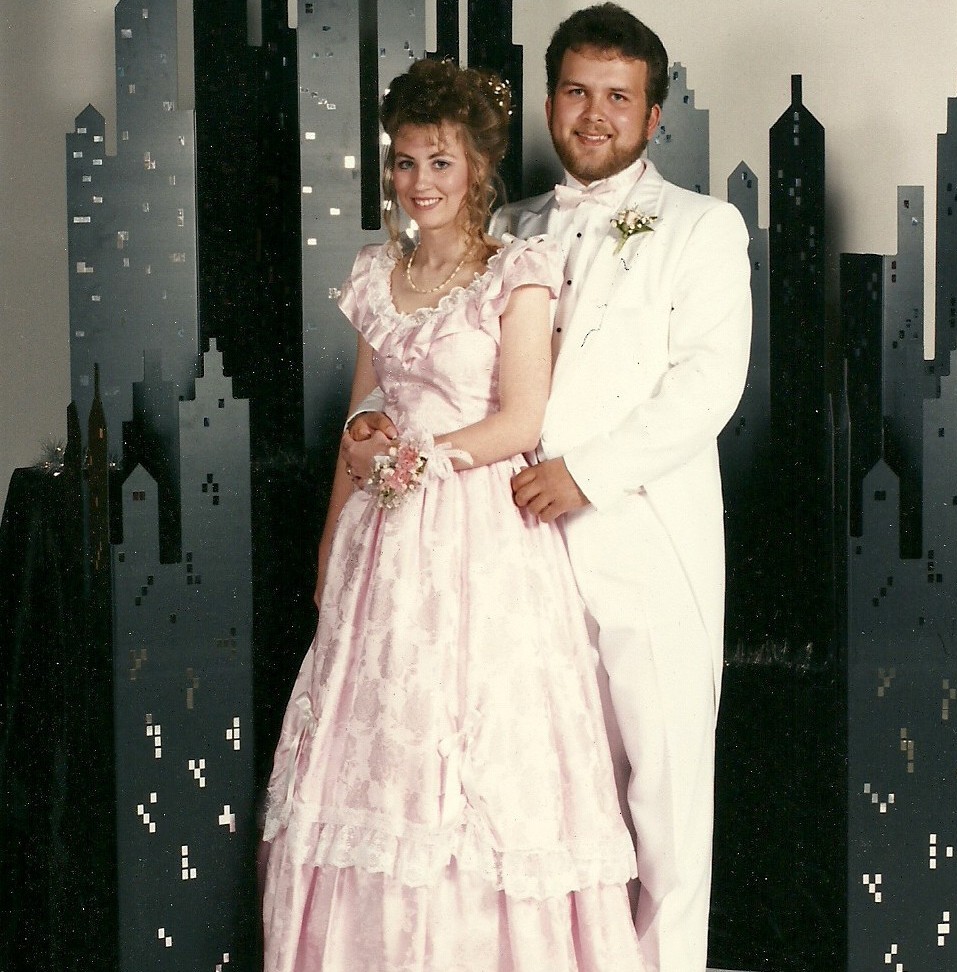 My daughter, Corrie Petersen met her future husband, Kevin Petersen when she was 15 years old, and he was 19 years old. They were both working at Burger King. Much has changed since those days of first, last, and only love for my daughter. Corrie and Kevin have built a beautiful marriage that has now been grown with the addition of two sons, Chris and Josh; two daughters-in-law, Karen and Athena; and five grandchildren, Cambree, Caysen, Justin, Axel, and Cyler, with one more due in January. Their life is beautifully blessed.
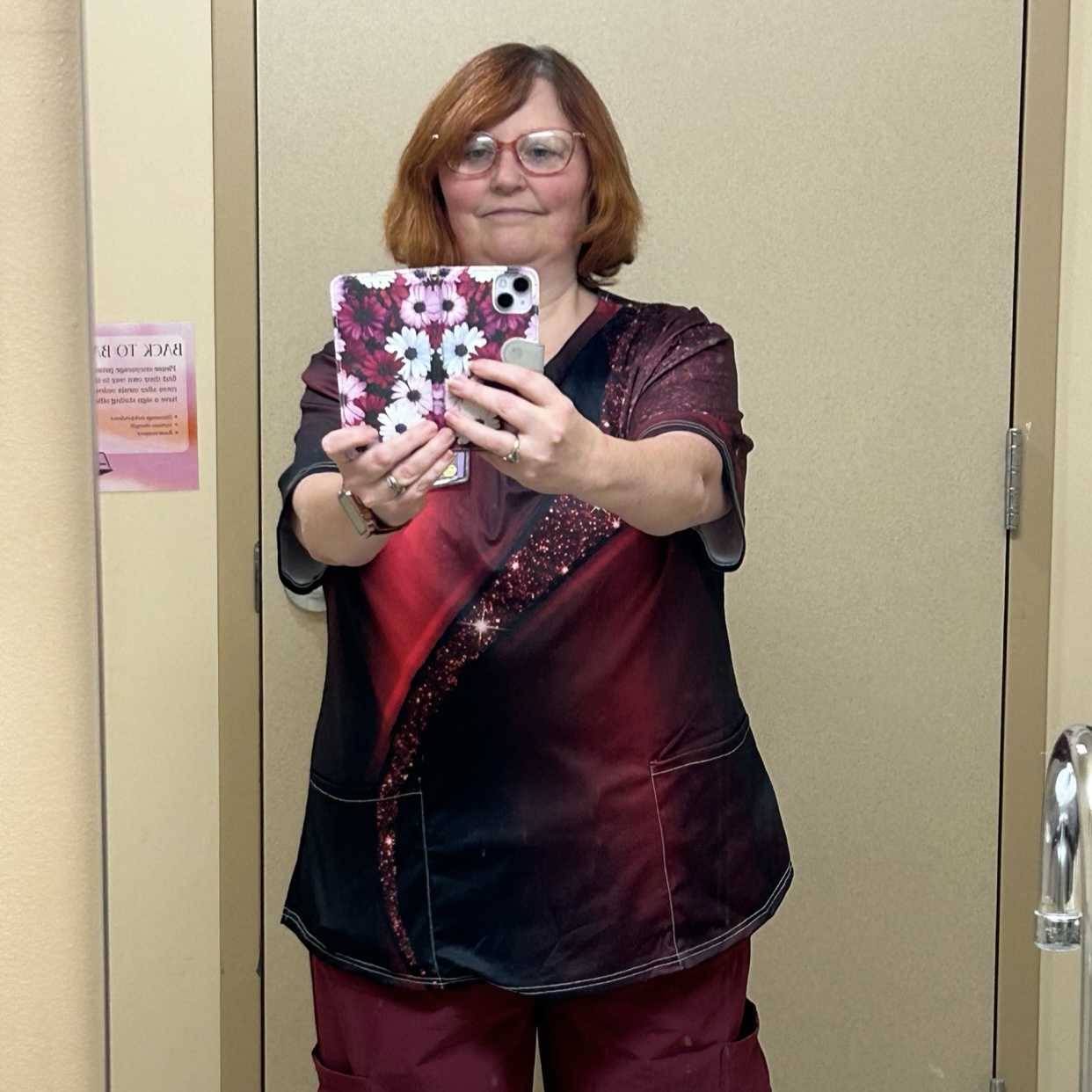
A few years ago, Corrie decided that she was in a dead-end career, and so she began nursing school. Kevin was her biggest supporter in this endeavor. He took over everything from housework to cooking, while Corrie devoured her schoolbooks and tests. It was a long hard road, but together they made it through, and today, Corrie has been an RN with a bachelor’s degree for over a year. She still devours books, but these days, they are novels, and she has no deadline to finish one.
 Kevin has always had a love of old cars, and his spare time is spent working on the classic cars he loves. He had the opportunity, recently to enter his 1966 Cyclone in a local car show. He didn’t win this time, but lots of people really liked his car, and he had a great time. Showing cars is an expensive venture, both in cost and time, but it really is rewarding, whether the car wins or not. Just showing people your work and creativity, is a big reward in itself. Kevin has won prizes before, and I know he will again, because he is very talented.
Of course, the most important people in Corrie and Kevin’s lives is their family. They love spending time with their kids and grandkids, and they are with them often. This new chapter in their lives has brought them so much happiness. With each new addition, their lives are more and more enriched. They have also been renovating their home, and it looks amazing. Kevin has a real talent for this kind of work, and he has taught 
 Corrie a lot. He is an artist in his own right, and together, they have done an amazing job on the house. I can’t wait to see it finished.
Corrie and Kevin make a perfect couple. Theirs is a match made in Heaven, and they knew that from the moment they met. They were instantly in love, and they never had eyes for anyone else. Now, after 31 years of marriage and 34 years together, they are still going strong. Happy anniversary Corrie and Kevin!! Have an amazing day!! We love you!!
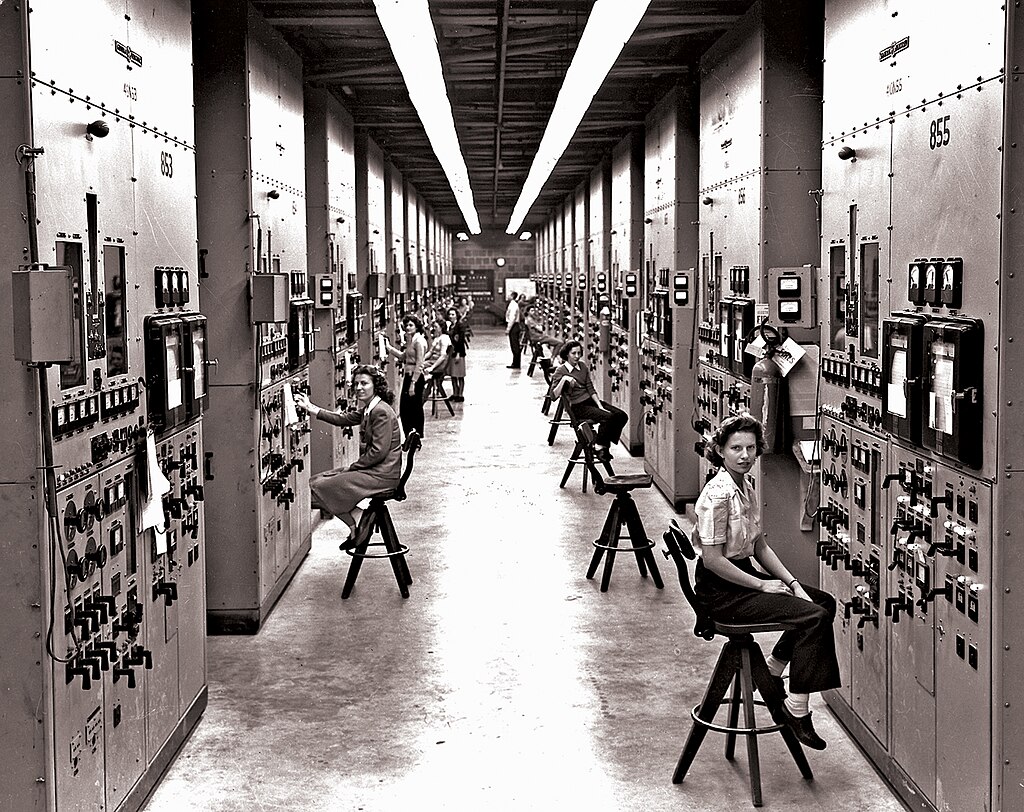 During World War II, a group of young women, mostly high school graduates, joined the Manhattan Project at the Y-12 National Security Complex located at Oak Ridge, Tennessee. Known as the Calutron Girls, the group worked for the project from 1943 to 1945. The women were taught to monitor dials and watch meters for calutrons, which are mass spectrometers adapted for separation of uranium isotopes for the development of nuclear weapons for use during World War II. While the women worked at their jobs, and learned how to read the instruments they were required to monitor, they were not allowed to know the purpose of these things.
They were actually monitoring the manufacturing of enriched uranium that was to be used to make the “Little Boy” atomic bomb for the Hiroshima nuclear bombing to be carried out on August 6, 1945. The Manhattan Project, which was established to develop nuclear weapons, required uranium-235 (U235), the fissionable isotope of uranium. The vast majority of uranium that is mined from the ground is uranium-238. Only about while only 0.7% is U235. The scientists in charge of the project developed several processes for separating the isotopes of uranium, including electromagnetic separation and gaseous diffusion.
“The Y-12 factory was built in Oak Ridge, Tennessee, to house 1,152 calutrons, a machine used for isotope separation. The word “calutron” is a portmanteau of California University Cyclotron. Calutrons, a variation on mass spectrometers, work by combining uranium with chlorine to make uranium tetrachloride, which is then ionized and put in a vacuum chamber with a magnetic field. When the charged particles move through the magnetic field, they move in a curve, the radius of which is proportional to the mass of the particles. The two isotopes differ in mass by about 1% and can thus be separated.”
The process of separating the U235 Uranium out of the oar was relatively simple, but it still required people to constantly monitor the calutrons. Unfortunately, during World War II, many of the men were fighting. That left a shortage of labor. There simply weren’t enough scientists to operate all of the calutrons. So, the government recruited farm girls to operate the calutrons instead. The main reason for using the young women, was that they were readily available, accustomed to hard work. A stipulation of their employment was that they were not to ask excessive questions, and they had to be loyal and docile. I’m sure these women thought they were doing something top secret and all, but I don’t think they had any idea of the gravity of this project. Lives were on the line, and lives would be lost. Still, they didn’t know that, so I suppose their superiors assumed it would let them sleep at night. I suppose it did. These women honestly didn’t know what they were a part of…some until years later. They would never forget what they did, and they would always wonder if it was right or wrong.
The Tennessee Eastman Company, which ran the Y-12 site, recruited around 10,000 local women between 1943 and 1945. They hired train operators with only a high school education, and they used a large local advertising campaign to recruit workers. One ad read, “When you’re a grandmother you’ll brag about working at Tennessee Eastman.” Word of mouth brought in several other workers. Of course, in hard times, a big motivator was the money being paid. Plus, these women were patriots, and this work was for the war effort. They were trained for three weeks, and they went to work.
The Tennessee Eastman Company was loyal to the cause. They put a billboard on the premises reading “What you see here / what you do here / what you hear here / when you leave here / let it stay here,” with three wise monkeys to demonstrate “see no evil, hear no evil, speak no evil.” Another billboard at the Oak Ridge location, 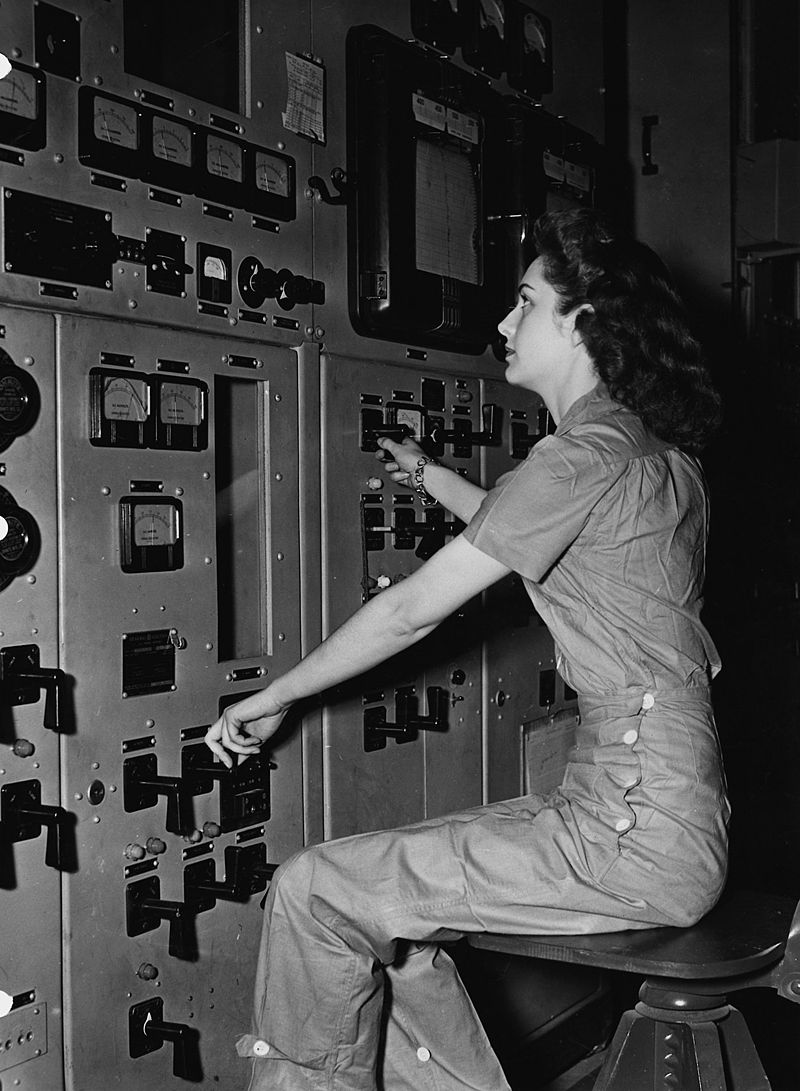 encouraged secrecy among workers. These companies demanded secrecy and confidentiality…if these women wanted to keep their jobs. According to Gladys Owens, who was one of the Calutron Girls, a manager at the facility once told them, “We can train you how to do what is needed, but cannot tell you what you are doing. I can only tell you that if our enemies beat us to it, God have mercy on us!” Of course, that was correct, but these women would have to live with what they did, once they knew what it was. Testimonies said women who talked about what they were doing disappeared. One young woman who “disappeared” was said to have “died from drinking some poison moonshine.” If they were too nosy about what they were working on, they were replaced. Cars going in and out were searched, and letters were opened and read. This was vital and this was no joke. Anything but secrecy would not be tolerated.
The work these women did was not what would be considered labor intensive by any means. The women sat on high stools for 8-hour shifts, seven days per week, “monitoring gauges and adjusting knobs to keep the needles where they were supposed to be and recording readings.” The knobs the women were adjusting were simply labeled with cryptic letters. The women did not know what the letters stood for. What they were taught was that “if you got your M voltage up and your G voltage up, then Product would hit the birdcage in the E box at the top of the unit and if that happened, you’d get the Q and R you wanted.” Okay…whatever that meant. All they knew was that they had to make sure the machine remained at the correct temperature. That was vital and if it got too hot, they used liquid nitrogen to cool it down. If the needles reached a point where they could not control them, they had to call someone else to come help…immediately!!!
Former Calutron Girl Wynona Arrington Butner said, “We all wore little fountain-pen-sized dosimeters. Part of signing out of the plant was to check the amount of radiation that you had absorbed every day.” Civilian workers paid $2.50 per month (single) or $5.00 per month (family) for medical insurance. I don’t know if they understood what radiation could do to them or not, but if they did, they would know that the wages paid and even the insurance help, was probably not enough.
Some Calutron Girls had more of a sense of what they were working on than others. Butner, who had some training in chemistry, said she and others with a similar background had some sense of what they were doing. They knew they were producing “the Product,” and they guessed it was somewhere near the bottom of the periodic table. Willie Baker, on the other hand, said, “Even when somebody let it slip that we were building a bomb, I didn’t know what they meant. I was just a country girl. I had no understanding of what an atomic bomb was.” Later, I’m sure the gravity of the work she did, weighed heavily on Baker.
Over two years, the calutrons at Y-12 had produced about 140 pounds of U235. This was enough to make the first atomic bomb. By December 1945, enough uranium for a second Little Boy was available. Then, it all hit these women, because on August 6, 1945, when the US dropped the first bomb, “Little Boy,” on Hiroshima, Japan, the Calutron Girls were finally told what they had been working on. I can’t imagine how they must have felt. When they heard the news, some women were working, while others were in their dorm rooms. Someone came and told them that an atomic bomb had been dropped on Japan, and everyone there had played a part in making it. Yes, it was the enemy, and death happens in war. Nevertheless, the Calutron Girls had mixed feelings about their part in the bomb. Ruth Huddleston said she was “really happy at the time, because her boyfriend was stationed in Germany, and this would bring him back.” Still, it bothered her that she had a part in killing so many people, but she accepted that “if the bomb hadn’t been dropped, then probably more people would have been killed. …But even today, if I think too much about it, it bothers me.” Butner had a similar experience, because at the time, she was happy that the war was over and people she knew in the service could come 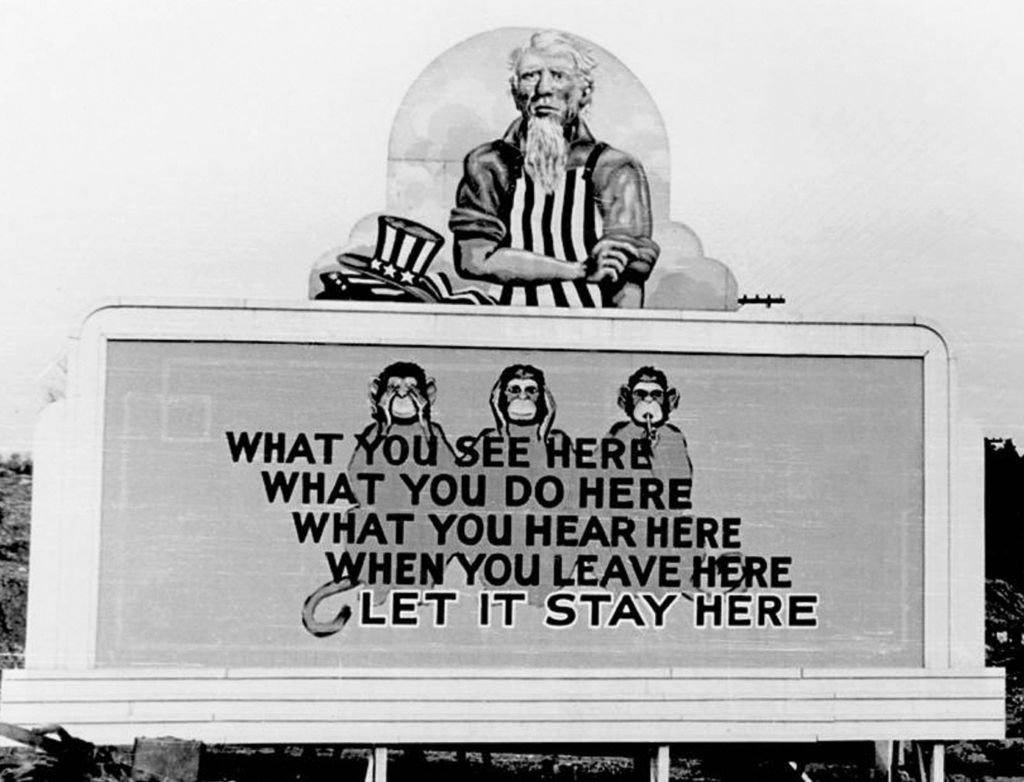 home, but over time, she began to question whether it was the right thing to do. I think many people over the years have questioned it, but good, bad, or ugly, World War II was over.
Most of the Calutron Girls are gone now, but those who remain, such as Huddleston, regularly shared their stories with the public, often alongside Oak Ridge historian Ray Smith. The women are the subject of the nonfiction book “The Girls of Atomic City” by Denise Kiernan and the novel “The Atomic City Girls” by Janet Beard. I’m sure that many of these women suffered nightmares over the work they did, but did not know they were doing. While I know they suffered much anxiety over that, I hope they also know that we are so grateful for their service to this great nation.

